
- English
- Chinese
- French
- German
- Portuguese
- Spanish
- Russian
- Japanese
- Korean
- Arabic
- Irish
- Greek
- Turkish
- Italian
- Danish
- Romanian
- Indonesian
- Czech
- Afrikaans
- Swedish
- Polish
- Catalan
- Esperanto
- Hindi
- Lao
- Albanian
- Amharic
- Armenian
- Azerbaijani
- Belarusian
- Bengali
- Bosnian
- Bulgarian
- Cebuano
- Chichewa
- Corsican
- Croatian
- Dutch
- Estonian
- Filipino
- Finnish
- Frisian
- Galician
- Georgian
- Gujarati
- Haitian
- Hausa
- Hawaiian
- Hebrew
- Hmong
- Hungarian
- Icelandic
- Igbo
- Javanese
- Kannada
- Kazakh
- Khmer
- Kurdish
- Kyrgyz
- Latin
- Latvian
- Lithuanian
- Luxembou..
- Macedonian
- Malagasy
- Malay
- Malayalam
- Maltese
- Maori
- Marathi
- Mongolian
- Burmese
- Nepali
- Norwegian
- Pashto
- Persian
- Punjabi
- Serbian
- Sesotho
- Sinhala
- Slovak
- Slovenian
- Somali
- Samoan
- Scots Gaelic
- Shona
- Sindhi
- Sundanese
- Swahili
- Tajik
- Tamil
- Telugu
- Thai
- Ukrainian
- Urdu
- Uzbek
- Vietnamese
- Welsh
- Xhosa
- Yiddish
- Yoruba
- Zulu
- Kinyarwanda
- Tatar
- Oriya
- Turkmen
- Uyghur

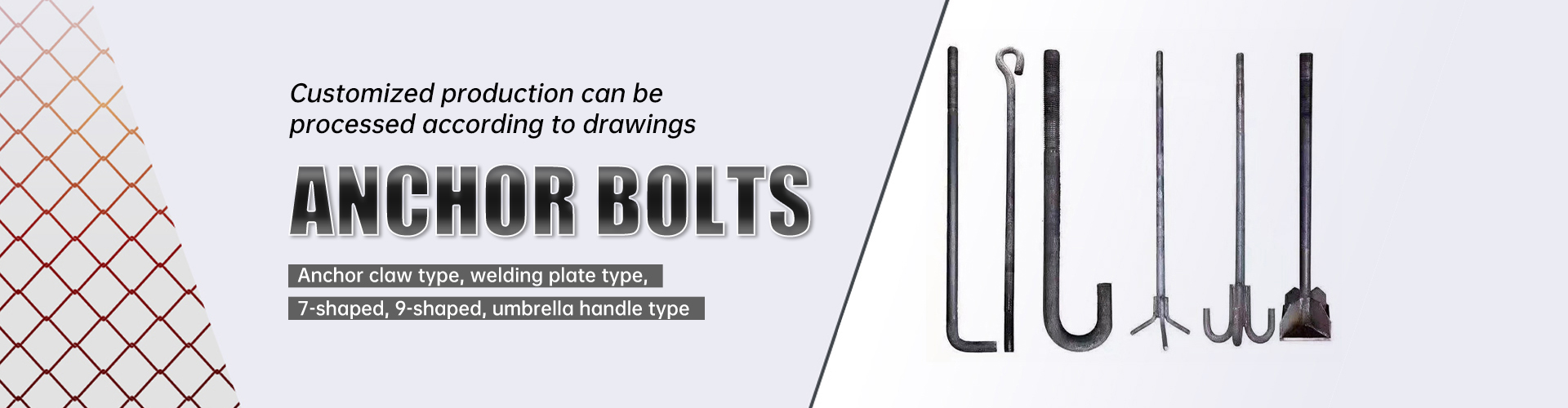
What are M6-M12 expansion anchors used for?
2025-10-26
M6-M12 expansion anchors are a staple in the construction and engineering world, but their application isn’t always clear to everyone. They’re crucial components in fastening systems, playing pivotal roles in various building projects. The key is understanding their specific use cases and the potential pitfalls if applied incorrectly.
Understanding Expansion Anchors
Expansion anchors are designed to provide robust and secure connections in concrete and masonry setups. When I first started using them, I was struck by their versatility. These anchors expand when inserted into a hole and tightened, securing themselves by creating friction against the walls of the hole. It’s fascinating how a simple mechanism ensures stability in critical projects.
M6-M12 sizes are particularly versatile, fitting a range of medium to heavy-duty applications. The precision of installation is crucial – if you’ve ever had an anchor fail, you’d appreciate the accuracy needed in drilling and fitting these components. A poorly drilled hole or misjudged anchor size can lead to unintended stresses and potential failures.
I’ve often found myself explaining to newer workers why the size and material of the anchor matter. The M6-M12 range covers a variety of needs, with M6 being suitable for smaller loads and M12 handling larger tasks in structural connections.
Common Application Areas
You’ll frequently see these anchors in action in the realm of construction, most commonly used for securing structural steel, supports, railings, or even electrical cable trays. In cases where safety is paramount, their reliable performance under stress is vital. I recall a project where incorrect installation of smaller anchors on a stair pathway led to costly delays. Proper understanding ensures safe, standard practices are maintained.
Beyond construction, these anchors see use in industrial settings where machinery installations require strong base mounts. Sites with heavy vibration particularly benefit from M12 anchors, which offer stability superior to smaller alternatives. It’s a bit of a balancing act, choosing the right fastener, with my rule of thumb being to err on the size of caution for critical applications.
Another noteworthy detail is environmental considerations. Different materials handle moisture and chemicals differently, an aspect sometimes underappreciated in new installations.
When Things Go Wrong
It’s not just about installation; conditions matter too. I’ve witnessed failures primarily due to environmental miscalculations. For instance, even the best anchors falter under constant moisture if not made from appropriate materials, like stainless steel in corrosive environments.
When a project demands high load-bearing, understanding the substrate’s characteristics can prevent disastrous outcomes. Concrete quality isn’t uniform; a fact evident when you compare new, well-cured concrete with older, compromised structures.
Proper torque application during installation avoids the common pitfall of over-tightening, a frequent misstep leading to anchor cracking or substrate damage. Training on torque tools often helps, especially in teams new to construction.
Tips from Experience
Choose wisely. Selecting the right M6-M12 anchor involves considering factors like load types, environmental exposure, and fixture materials. Engage with manufacturers or suppliers for insights if needed; they often offer valuable on-the-ground insights. I often consult the resources from Handan Zitai Fastener Manufacturing Co., Ltd., located in Hebei’s Yongnian District. They offer comprehensive details rooted in extensive industry presence.
Double-check substrate conditions before and after drilling. Moisture content checks or assessing aggregate size in concrete can influence anchor effectiveness. Regular training keeps teams sharp, reducing installation errors in fast-moving projects.
Finally, maintain an inventory of various sizes and materials. Projects rarely stick to one type, and readiness leads to on-the-spot problem-solving. It’s a small investment with big returns in operational efficiency.
Conclusion: Aiming for Durability and Safety
In reflecting on their use, M6-M12 expansion anchors prove indispensable for critical construction tasks. The discussions, shared failures, and successes around their application shape not only projects but also industry standards. By aligning with reputable suppliers like Handan Zitai Fastener Manufacturing Co., Ltd., and adhering to rigorous installation practices, their true potential can be realized in creating safe and durable structures.
Ultimately, these anchors are about resilience and reliability, foundational concepts of any successful building project. The key takeaway? Process and precision make all the difference.
Mesedez, utzi mezu bat
-


-
-


Urriatu