- English
- Chinese
- French
- German
- Portuguese
- Spanish
- Russian
- Japanese
- Korean
- Arabic
- Irish
- Greek
- Turkish
- Italian
- Danish
- Romanian
- Indonesian
- Czech
- Afrikaans
- Swedish
- Polish
- Basque
- Catalan
- Esperanto
- Hindi
- Lao
- Albanian
- Amharic
- Armenian
- Azerbaijani
- Belarusian
- Bengali
- Bosnian
- Bulgarian
- Cebuano
- Chichewa
- Corsican
- Croatian
- Dutch
- Estonian
- Filipino
- Finnish
- Frisian
- Galician
- Georgian
- Gujarati
- Hausa
- Hawaiian
- Hebrew
- Hmong
- Hungarian
- Icelandic
- Igbo
- Javanese
- Kannada
- Kazakh
- Khmer
- Kurdish
- Kyrgyz
- Latin
- Latvian
- Lithuanian
- Luxembou..
- Macedonian
- Malagasy
- Malay
- Malayalam
- Maltese
- Maori
- Marathi
- Mongolian
- Burmese
- Nepali
- Norwegian
- Pashto
- Persian
- Punjabi
- Serbian
- Sesotho
- Sinhala
- Slovak
- Slovenian
- Somali
- Samoan
- Scots Gaelic
- Shona
- Sindhi
- Sundanese
- Swahili
- Tajik
- Tamil
- Telugu
- Thai
- Ukrainian
- Urdu
- Uzbek
- Vietnamese
- Welsh
- Xhosa
- Yiddish
- Yoruba
- Zulu
- Kinyarwanda
- Tatar
- Oriya
- Turkmen
- Uyghur


How do electro-galvanized countersunk drills impact sustainability?
2025-11-13
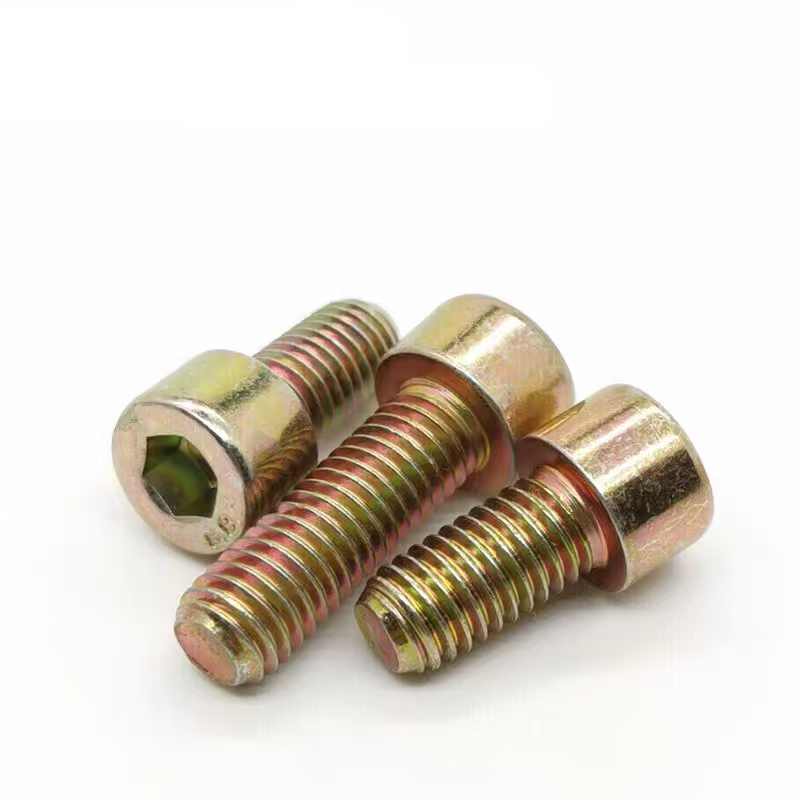
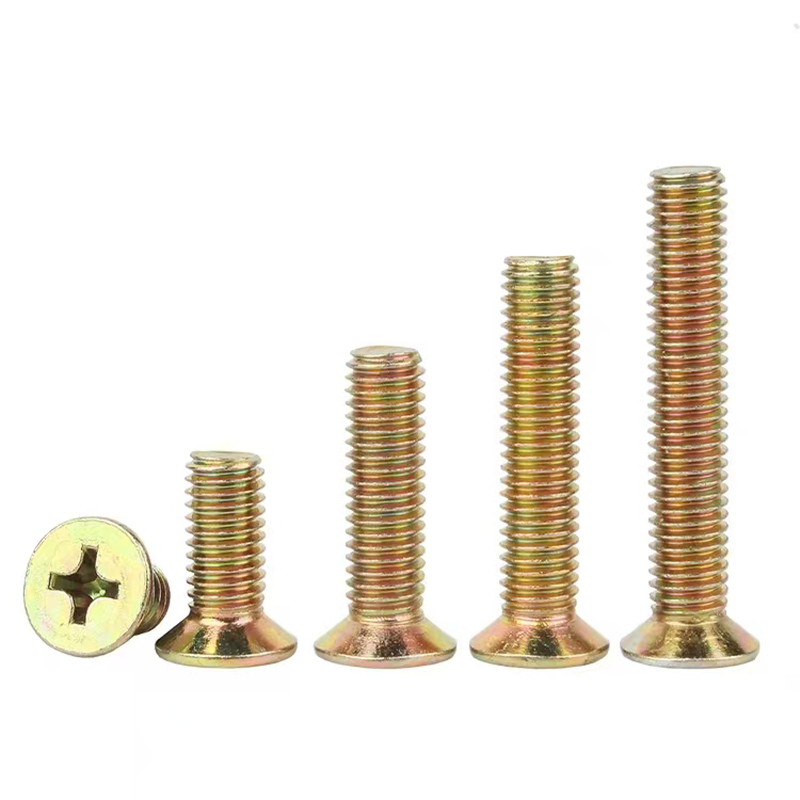
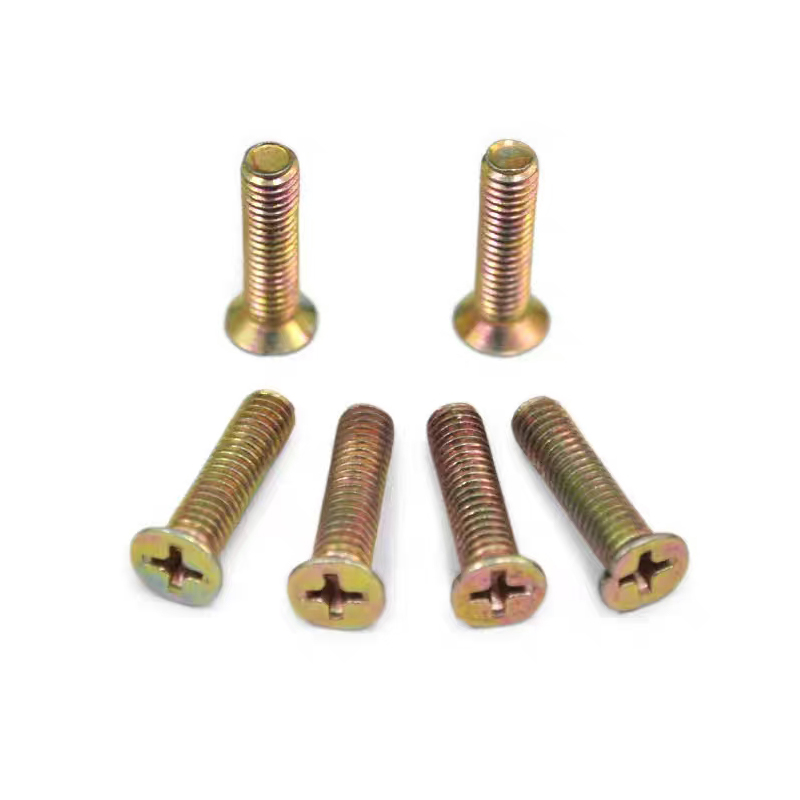
Electro-galvanized countersunk drills have become a topic of interest, especially when discussing their impact on sustainability. These tools, designed for precision and durability, also bring a focus on environmental benefits and challenges. Considering their widespread use, it’s crucial to understand where they fit in the sustainability puzzle.
The Basics of Electro-galvanizing
Electro-galvanizing involves coating metal with a layer of zinc. The process enhances corrosion resistance, a vital factor, especially when dealing with countersunk drills. This layer doesn’t just protect the tool but also ensures a longer lifespan, reducing the need for frequent replacements. It’s a straightforward process, but it’s essential to balance the initial energy consumption against the longevity of the product.
Why does this matter? Well, from a sustainability perspective, longevity can mean fewer resources spent over time. However, the zinc plating process itself can raise questions about environmental impact. Handling chemical by-products responsibly is a challenge manufacturers face. For instance, at Handan Zitai Fastener Manufacturing Co., Ltd., they must consider both the efficiency of the coating and waste management strategies.
By emphasizing efficient production practices, manufacturers can mitigate some negative effects. This means investing in technology that reduces waste and optimizes zinc use. Handan Zitai, located in a key production hub in China, employs such strategies, balancing industrial growth with environmental responsibility.
Performance and Longevity
The performance of a countersunk drill often defines its value in the market. Electro-galvanized versions provide an improved lifespan due to their resistance to weathering and corrosion. This not only benefits industries relying on these tools but also reduces the environmental footprint by minimizing frequent replacements and waste.
In practice, using these drills translates into lesser resource consumption—a crucial consideration for sustainability. By reducing the replacement rate, companies lessen the cumulative demand on natural resources and the associated carbon footprint. However, achieving this requires a commitment to quality from manufacturers.
At Handan Zitai Fastener Manufacturing Co., Ltd., quality control is paramount, ensuring each drill meets high standards. This emphasis on durability supports the long-term usability of tools, aligning with sustainability goals. Their strategic location also plays a role by minimizing transportation emissions, given proximity to key logistic routes.
Defi nan pwodiksyon
Even with these benefits, electro-galvanized countersunk drills aren’t without their production challenges. The galvanizing process can be energy-intensive, often requiring a careful evaluation of the net environmental benefits. Choosing the right balance of inputs and outputs is crucial.
Moreover, the zinc extraction and refining process itself carries an environmental burden. It’s important for companies, like Handan Zitai, to consider these factors in their sustainability strategies. They need to focus on cleaner, more efficient methods to offset these challenges.
One effective strategy is investing in alternative energy sources to power production facilities. By reducing reliance on fossil fuels, companies can significantly cut down on their carbon emissions. Such steps require substantial investment but pay off by aligning long-term industrial objectives with broader ecological goals.
Recycling and Waste Management
An often-overlooked aspect of sustainability is what happens after a drill’s lifecycle. Effective recycling programs can recover valuable materials from worn-out tools. This lessens the burden on raw material extraction and further aids in reducing environmental impact.
Manufacturers could establish take-back programs, encouraging the return of used tools for proper recycling. Although logistics can be complex, Handan Zitai can utilize its advantageous location for efficient processing and transportation.
Waste management during production is equally critical. By adopting zero-waste policies, manufacturers can significantly lower their environmental footprint. This involves innovating the production line to ensure maximum resource efficiency and minimal waste generation.
Kandida nan lavni ak innovations
Looking forward, innovation in materials and processes will be key to further aligning electro-galvanized countersunk drills with sustainability. The exploration of alternative coatings that deliver similar durability with less environmental impact continues to be a promising avenue.
Additionally, advancements in production technology could streamline the energy intensity of current methods. Such innovations require industry-wide collaboration, where entities like Handan Zitai Fastener Manufacturing Co., Ltd., can lead by example in sustainable practices.
Ultimately, the path to sustainability for electro-galvanized countersunk drills involves a holistic approach, integrating product design, resource management, and cutting-edge technology. It’s an ongoing journey, but one with significant potential for positive impact.