
- English
- Chinese
- French
- German
- Portuguese
- Spanish
- Russian
- Japanese
- Korean
- Arabic
- Irish
- Greek
- Turkish
- Italian
- Danish
- Romanian
- Indonesian
- Czech
- Afrikaans
- Swedish
- Polish
- Basque
- Catalan
- Esperanto
- Hindi
- Lao
- Albanian
- Amharic
- Armenian
- Azerbaijani
- Belarusian
- Bengali
- Bosnian
- Bulgarian
- Cebuano
- Chichewa
- Corsican
- Croatian
- Dutch
- Estonian
- Filipino
- Finnish
- Frisian
- Galician
- Georgian
- Gujarati
- Hausa
- Hawaiian
- Hebrew
- Hmong
- Hungarian
- Icelandic
- Igbo
- Javanese
- Kannada
- Kazakh
- Khmer
- Kurdish
- Kyrgyz
- Latin
- Latvian
- Lithuanian
- Luxembou..
- Macedonian
- Malagasy
- Malay
- Malayalam
- Maltese
- Maori
- Marathi
- Mongolian
- Burmese
- Nepali
- Norwegian
- Pashto
- Persian
- Punjabi
- Serbian
- Sesotho
- Sinhala
- Slovak
- Slovenian
- Somali
- Samoan
- Scots Gaelic
- Shona
- Sindhi
- Sundanese
- Swahili
- Tajik
- Tamil
- Telugu
- Thai
- Ukrainian
- Urdu
- Uzbek
- Vietnamese
- Welsh
- Xhosa
- Yiddish
- Yoruba
- Zulu
- Kinyarwanda
- Tatar
- Oriya
- Turkmen
- Uyghur

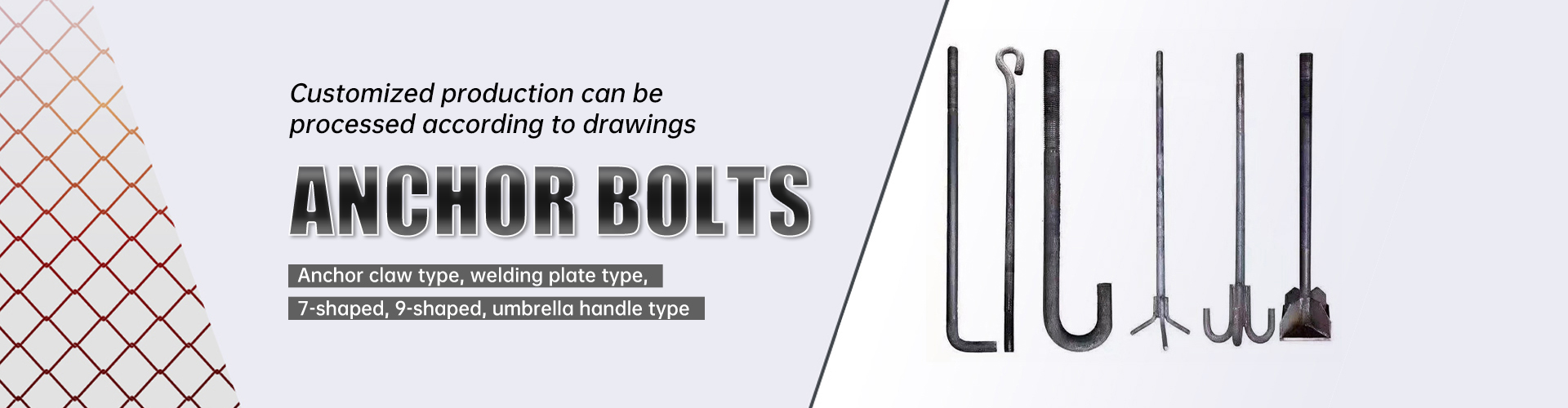
Round Head Self-Drilling Screws 2026: Best Price & Tech Trends
2026-04-12
- What Are Round Head Self-Drilling Screws?
- Key Technical Specifications and Standards
- 2026 Technology Trends in Fastener Manufacturing
- Industry Leaders and Quality Assurance
- Price Analysis and Cost Factors for 2026
- Comparison: Round Head vs. Other Self-Drilling Profiles
- Step-by-Step Installation Guide
- Common Applications and Use Cases
- Pros and Cons Analysis
- Frequently Asked Questions (FAQ)
- Conclusion and Strategic Recommendations
Round head self-drilling screws are specialized fasteners featuring a rounded top and an integrated drill point, designed to penetrate metal, wood, or composite materials without pre-drilling. By 2026, these fasteners will see significant advancements in coating durability, drive system efficiency, and automated installation compatibility, offering the best balance of cost and performance for construction and manufacturing sectors.
What Are Round Head Self-Drilling Screws?
A round head self-drilling screw combines three functions into one component: drilling, tapping, and fastening. Unlike standard screws that require a pilot hole, these feature a modified drill bit at the tip. The round head provides a large bearing surface, which distributes clamping force evenly and prevents the screw from pulling through thin materials.
In the context of 2026 industry standards, these fasteners are evolving beyond simple utility. They are now engineered with precision geometries to reduce torque requirements during high-speed automated assembly. The “round head” designation specifically refers to the dome-shaped profile, which is aesthetically pleasing and functionally superior for applications where a flush finish is not required but load distribution is critical.
The core mechanism relies on the hardness differential between the screw tip and the base material. The tip must be significantly harder to cut through steel or aluminum while the shank remains tough enough to resist shear forces. This dual-property requirement drives much of the metallurgical innovation seen in current market trends.
Key Technical Specifications and Standards
Understanding the technical makeup of these screws is essential for selecting the right product for your project. The performance of a round head self-drilling screw is dictated by its material composition, heat treatment, and dimensional standards.
Material Composition and Hardness
Most high-quality self-drilling screws are manufactured from carbon steel or stainless steel. Carbon steel variants are typically case-hardened. This process creates a hard outer layer for drilling while maintaining a ductile core to prevent snapping under stress. For corrosive environments, 410 or 304 stainless steel is the preferred choice, though it often requires careful heat treatment to achieve the necessary tip hardness.
- Case Hardening: Essential for carbon steel to ensure the drill point penetrates hard metals up to 12mm thick.
- Tensile Strength: Modern standards often require minimum tensile strengths exceeding 500 MPa for structural applications.
- Surface Coatings: Zinc plating, zinc-aluminum (Zn-Al), and ceramic-based coatings are becoming standard to enhance corrosion resistance.
Drive Systems and Head Geometry
The drive system determines how efficiently torque is transferred from the tool to the screw. In 2026, the industry is shifting away from traditional Phillips drives due to their tendency to cam-out (slip) under high torque. Instead, hex washer heads and specialized star drives (like Torx) are gaining dominance.
However, the round head variant often retains a Phillips or Pozidriv recess for specific aesthetic or low-torque applications. When selecting a round head model, ensure the drive depth is sufficient to handle the recommended installation speed without stripping. A shallow drive recess is a common failure point in cheaper imports.
Point Length and Drilling Capacity
The length of the drill point correlates directly to the thickness of the material the screw can penetrate. Manufacturers categorize these screws by point numbers (e.g., #1, #2, #3, #4, #5). A #3 point is generally suitable for light gauge steel, while a #5 point is required for heavier structural beams.
Using a point that is too short for the material thickness will result in “burnout,” where the tip dulls before penetrating, causing excessive heat and potential damage to the substrate. Conversely, an overly long point on thin material may cause instability during the initial entry.
2026 Technology Trends in Fastener Manufacturing
The fastener industry is undergoing a transformation driven by automation, sustainability, and advanced material science. As we approach 2026, several key trends are reshaping the landscape of round head self-drilling screws.
Advanced Corrosion Protection
Traditional zinc plating is increasingly being replaced by multi-layer coating systems. The latest generation of coatings utilizes zinc-aluminum flakes combined with organic sealers. These provide salt spray resistance exceeding 1,000 hours, making them ideal for coastal construction and agricultural buildings.
Ceramic-infused coatings are also emerging as a premium option. These coatings offer superior chemical resistance and can withstand higher temperatures during the drilling process without degrading. This is particularly important when drilling into thick steel where friction generates significant heat.
Optimization for Robotic Assembly
With the rise of Industry 4.0, construction and manufacturing sites are deploying more robotic arms for fastening tasks. Round head self-drilling screws designed for 2026 are being engineered with tighter tolerances on head height and drive recess depth.
Robotic systems rely on consistent geometry to maintain grip and apply precise torque. Variations in head shape can cause robots to misalign or drop screws. Leading manufacturers are now implementing laser sorting and optical inspection to ensure every screw meets strict dimensional criteria, reducing downtime in automated lines.
Sustainability and Green Manufacturing
Environmental regulations are pushing manufacturers to reduce the carbon footprint of fastener production. This includes using recycled steel inputs and eliminating hexavalent chromium from passivation processes. The shift toward trivalent chromium and chrome-free conversion coatings is accelerating.
Additionally, packaging is evolving. Bulk packaging solutions that minimize plastic use and optimize shipping density are becoming the norm. This reduces transportation emissions and lowers the overall cost per unit for large-scale projects.
Industry Leaders and Quality Assurance
As the demand for high-performance fasteners grows, partnering with established manufacturers becomes crucial for ensuring project reliability. Companies like Handan Zitai Fastener Manufacturing Co., Ltd. exemplify the industry’s shift toward rigorous quality control and advanced production capabilities. As a large-scale professional distributor equipped with state-of-the-art production equipment and decades of rich experience, Handan Zitai has set a benchmark in the sector.
The company’s strict management of product quality has enabled its portfolio to continuously expand in market scale while rapidly enhancing its grade and image. This commitment to excellence has won unanimous praise from industry leaders and customers alike. While specializing in a broad range of critical components—including various power bolts, hoops, photovoltaic accessories, and steel structure embedded parts—their expertise in metallurgy and manufacturing processes directly supports the production of superior self-drilling screws. By leveraging such experienced partners, buyers can secure fasteners that meet the demanding specifications outlined for 2026, ensuring durability and performance in even the most challenging environments.
Price Analysis and Cost Factors for 2026
When evaluating the best price for round head self-drilling screws, it is crucial to look beyond the sticker price. The total cost of ownership includes installation speed, failure rates, and long-term durability. Market fluctuations in raw material costs, particularly steel and nickel, will continue to influence pricing strategies through 2026.
Raw Material Volatility
Steel prices are inherently cyclical. Global supply chain dynamics and energy costs play a massive role in determining the baseline cost of fasteners. In 2026, expect prices to stabilize slightly as new production capacities come online, but geopolitical factors remain a wildcard.
Buyers should consider locking in long-term contracts if projecting large volume needs. Spot market purchases often incur a premium during periods of high demand. Understanding the grade of steel used is also vital; lower-grade steel may seem cheaper upfront but can lead to costly breakages during installation.
Coating Costs vs. Lifecycle Value
Premium coatings add to the initial unit cost but significantly extend the lifecycle of the structure. A screw that costs 20% more but lasts twice as long in a corrosive environment offers a better return on investment. For projects with a design life of 30+ years, skimping on coating quality is a false economy.
Calculating the cost per linear foot of installed seam, rather than cost per box, provides a more accurate financial picture. Faster driving speeds and fewer stripped heads translate directly to labor savings, which often outweigh the material cost difference.
Bulk Purchasing and Supply Chain Efficiency
Distributors are moving towards just-in-time delivery models to reduce inventory holding costs for buyers. Ordering in pallet quantities rather than individual boxes can yield significant discounts. Additionally, regional manufacturing hubs are reducing lead times, allowing for leaner inventory management.
For 2026 planning, businesses should diversify their supplier base to mitigate risks associated with single-source dependencies. Establishing relationships with manufacturers who have transparent pricing models and consistent quality control is key to securing the best value.
Comparison: Round Head vs. Other Self-Drilling Profiles
Choosing the correct head style is as important as selecting the right thread or point. Below is a detailed comparison of round head self-drilling screws against other common profiles to help you make an informed decision.
| Feature | Round Head | Pan Head | Hex Washer Head | Countersunk Head |
|---|---|---|---|---|
| Profile Shape | Dome-shaped, high profile | Low dome, slightly wider | Six-sided with integrated washer | Flat top, conical underside |
| Bearing Surface | Moderate | Large | Very Large (with washer) | Flush with surface |
| Primary Application | General metal framing, signage | Sheet metal, electronics | Heavy structural, roofing | Aesthetic finishes, flush mounts |
| Drive Type Commonality | Phillips, Pozidriv | Phillips, Torx | Hex, Torx | Phillips, Square |
| Clamping Force Distribution | Good for thin materials | Excellent for soft materials | Superior for heavy loads | Requires precise hole prep |
| Aesthetic Appeal | Classic, visible | Modern, low profile | Industrial, robust | Sleek, invisible |
A round head stands out for its versatility in general-purpose applications where a completely flush finish is not mandatory. Its geometry allows for easier alignment during manual installation compared to countersunk heads, which require perfect perpendicularity to sit correctly.
In contrast, hex washer heads are superior for high-torque applications but require specific socket tools. Pan heads offer a larger bearing surface similar to round heads but with a flatter top, making them preferable for attaching thin sheets where pull-through is a major concern. However, for many traditional metal-to-metal connections, the round head remains the industry standard due to its proven track record and ease of sourcing.
Step-by-Step Installation Guide
Proper installation is critical to realizing the full potential of round head self-drilling screws. Even the highest quality fastener will fail if installed incorrectly. Follow these steps to ensure optimal performance and longevity.
Step 1: Material Assessment and Selection
Before beginning, determine the total thickness of the materials you are joining. This includes the base metal and any overlapping sheets. Select a screw length that penetrates the final layer by at least 3 to 5 threads. Choose the appropriate point number based on the hardness and thickness of the thickest metal layer.
- Check Hardness: Ensure the base material hardness does not exceed the screw’s drilling capacity (typically up to 45 HRC for high-end screws).
- Verify Coating: Match the coating type to the environmental conditions (e.g., marine grade for coastal areas).
Step 2: Tool Preparation
Use a variable speed drill or impact driver capable of delivering consistent torque. For round head self-drilling screws, a clutch setting is highly recommended to prevent over-driving. Equip the tool with a bit that matches the screw drive perfectly to avoid cam-out.
Inspect the driver bit for wear. A worn bit can strip the screw head, rendering the fastener useless and potentially damaging the workpiece. Magnetic bit holders can improve efficiency by keeping the screw aligned during the start-up phase.
Step 3: Positioning and Initial Engagement
Place the screw perpendicular to the work surface. Apply firm axial pressure to engage the drill point with the material. Start the drill at a low speed to create a small indentation and ensure the screw does not wander. Once the point has bitten into the material, you can increase the speed.
Maintaining perpendicularity is crucial. Angled entry can cause the screw to bend or break, especially with longer lengths. It can also compromise the sealing capability if a washer is involved.
Step 4: Driving and Seating
Accelerate to the recommended RPM (usually between 2000 and 2500 for most steel applications). Allow the screw to drill and tap without applying excessive downward force once the drilling has commenced. Let the tool do the work.
As the head approaches the surface, reduce speed or rely on the clutch to seat the screw gently. The goal is to compress the material slightly without crushing it or stripping the threads. For round heads, ensure the head sits firmly against the surface without tilting.
Step 5: Inspection
After installation, inspect the joint. Check for any signs of burning (discoloration around the hole), which indicates excessive speed or dull bits. Ensure there are no gaps between the screw head and the material. Verify that the drill point has fully exited the bottom layer if required by the design specification.
Common Applications and Use Cases
The versatility of round head self-drilling screws makes them indispensable across various industries. Their ability to streamline assembly processes has cemented their role in modern construction and manufacturing.
Metal Framing and Stud Work
In commercial construction, light gauge steel framing is ubiquitous. Round head screws are frequently used to attach drywall tracks, secure studs, and join angle brackets. The rounded head provides sufficient hold without tearing through the thin steel flanges of the studs.
The speed of installation is a major advantage here. Workers can frame entire walls without switching bits or pre-drilling holes, significantly reducing labor hours. This efficiency is critical in meeting tight project deadlines.
HVAC Ductwork Installation
Heating, ventilation, and air conditioning systems rely heavily on sheet metal connections. Round head self-drilling screws are ideal for assembling duct sections, attaching insulation pins, and securing dampers. Their smooth head profile minimizes air turbulence inside the ducts compared to more aggressive head shapes.
Leak prevention is paramount in HVAC. Using screws with integrated sealing washers (often available in round head configurations) ensures airtight joints, improving system efficiency and reducing energy loss.
Signage and Cladding
For exterior signage and architectural cladding, aesthetics matter. The classic dome shape of the round head offers a clean, finished look that complements many design styles. These screws are used to mount aluminum composite panels, corrugated metal sheets, and decorative trim.
In these applications, color-matched coatings are often specified to blend the fastener with the surrounding material. The corrosion resistance of modern coatings ensures that the visual appeal lasts for years without unsightly rust streaks.
Automotive and Trailer Manufacturing
The transportation sector utilizes these fasteners for assembling trailer bodies, truck cabins, and internal components. The vibration resistance provided by proper thread engagement is essential for vehicles subjected to constant motion.
Self-drilling capabilities simplify the assembly of complex chassis structures where access for pre-drilling might be limited. The robustness of the connection helps maintain structural integrity under dynamic loads.
Pros and Cons Analysis
To provide a balanced view, let us examine the advantages and limitations of using round head self-drilling screws in your projects.
Advantages
- Efficiency: Eliminates the need for separate drilling and tapping operations, saving significant time and labor costs.
- Versatility: Suitable for a wide range of materials including steel, aluminum, wood, and composites.
- Cost-Effective: Reduces tooling requirements and minimizes waste associated with broken drill bits.
- Strong Hold: The combination of drilling and tapping creates a tight, vibration-resistant fit.
- Aesthetic Options: Available in various finishes and colors to match architectural requirements.
Disadvantages
- Material Limitations: Cannot drill through hardened steel or materials thicker than their rated capacity without pre-drilling.
- Heat Generation: High-speed drilling can generate heat that may affect sensitive coatings or thin materials if not managed properly.
- Removal Difficulty: Once installed, self-drilling screws can be difficult to remove without damaging the surrounding material, especially if over-driven.
- Quality Variance: The market is flooded with low-quality imports that may have inconsistent hardness or poor coating adhesion.
Understanding these trade-offs allows project managers to plan effectively. For instance, knowing the heat generation potential helps in selecting the right drill speed to avoid compromising the galvanization of the steel being worked on.
Frequently Asked Questions (FAQ)
Here are answers to common questions regarding round head self-drilling screws to assist in your decision-making process.
Can round head self-drilling screws be used on wood?
Yes, they can be used on wood, but they are optimized for metal. When used on wood, the drill point acts somewhat like an auger, but the thread pitch is designed for metal engagement. For pure wood-to-wood applications, dedicated wood screws with coarser threads are generally more effective. However, for metal-to-wood connections, these screws excel.
How do I prevent the screw from stripping?
Stripping is usually caused by using the wrong driver bit, applying too much torque, or drilling at an angle. Always use a fresh, high-quality bit that fits snugly. Set your drill clutch to the appropriate setting and maintain a perpendicular angle throughout the installation. If the screw stops advancing, do not force it; check if the point is dull or if the material is too hard.
What is the difference between self-drilling and self-tapping screws?
This is a critical distinction. Self-tapping screws can cut threads but require a pre-drilled pilot hole. Self-drilling screws (often called Tek screws) have a drill bit tip that creates the hole and cuts the threads simultaneously. Using a self-tapping screw without a pilot hole will likely result in failure.
Are stainless steel self-drilling screws as strong as carbon steel?
Generally, carbon steel screws that are case-hardened offer higher torsional strength and drilling capability than standard stainless steel screws. Stainless steel is softer and more prone to twisting off under high torque. However, advanced heat-treated stainless options are available that bridge this gap, offering both corrosion resistance and improved strength.
How long do the coatings last?
The lifespan depends on the environment and the specific coating. Standard zinc plating may last 5-10 years in mild environments. Zinc-aluminum and ceramic coatings can last 20-30 years or more, even in harsh coastal or industrial atmospheres. Always consult the manufacturer’s salt spray test data for specific projections.
Conclusion and Strategic Recommendations
As we look toward 2026, round head self-drilling screws remain a cornerstone of efficient construction and manufacturing. The convergence of advanced metallurgy, superior coating technologies, and automation-ready designs ensures that these fasteners will continue to deliver exceptional value. While raw material costs may fluctuate, the operational savings provided by their self-drilling capability far outweigh the initial investment.
For project managers and engineers, the key takeaway is to prioritize quality over the lowest upfront price. Investing in screws with verified hardness, reliable drive systems, and robust corrosion protection will prevent costly rework and extend the lifespan of your structures. The market is shifting towards smarter, more durable fasteners, and adapting to these standards now will future-proof your projects.
Who should use these? These screws are ideal for contractors working on metal framing, HVAC specialists, sign installers, and manufacturers assembling light to medium-duty metal structures. If your project involves joining dissimilar materials or requires rapid assembly without pre-drilling, this is the optimal solution.
Next Steps: Evaluate your current supply chain. Request samples of the latest coated varieties from reputable suppliers like Handan Zitai Fastener Manufacturing Co., Ltd., whose commitment to quality ensures products meet emerging industry grades. Conduct trial installations to verify compatibility with your existing tools. Consider updating your specifications to include requirements for 2026-ready coatings and dimensional tolerances to ensure long-term reliability and compliance with emerging industry standards.
Tanpri kite nou yon mesaj



Privacy Policy
Our Commitment to Privacy
Introduction.
Rainbow Inc. recognizes the importance of protecting the privacy of all personal information provided by its customers, including users of www.rainbow-inkjet.com and other Rainbow Inc. affiliated websites (collectively "Rainbow Inc. Sites"). We created the following policy guidelines with a fundamental respect for our customers´ right to privacy and because we value our relationships with our customers. Your visit to the Rainbow Inc. Sites is subject to this Privacy Statement and our Online Terms and Conditions.
Description.
This Privacy Statement describes the types of information we collect and how we may use that information. Our Privacy Statement also describes the measures we take to protect the security of this information as well as how you may reach us to update your contact information.
Data Collection
Personal Data Collected Directly From Visitors.
Rainbow Inc. collects personal information when: you submit questions or comments to us; you request information or materials; you request warranty or post-warranty service and support; you participate in surveys; and by other means that may be specifically provided for on the Rainbow Inc. Sites or in our correspondence with you.
Type of Personal Data.
The type of information collected directly from the user may include your name, your company's name, physical contact information, address, billing and delivery information, e-mail address, the products you use, demographic information such as your age, preferences, and interests and information relating to the sale or installation of your product.
Non-Personal Data Collected Automatically.
We may collect information about your interaction with Rainbow Inc. Sites and services. For example, we may use website analytics tools on our site to retrieve information from your browser, including the site you came from, the search engine(s) and the keywords you used to find our site, and the pages you view within our site. Additionally, we collect certain standard information that your browser sends to every website you visit, such as your IP address, browser type, capabilities and language, your operating system, access times and referring Web site addresses.
Storage and Processing.
Personal data collected on our websites may be stored and processed in the United States in which Rainbow Inc. or its affiliates, joint ventures, or third party servicers maintain facilities.
How We Use the Data
Services and transactions.
We use your personal data to deliver services or execute transactions you request, such as providing information about Rainbow Inc. products and services, processing orders, answering customer service requests, facilitating use of our Web sites, enabling online shopping, and so forth. In order to offer you a more consistent experience in interacting with Rainbow Inc., information collected by our websites may be combined with information we collect by other means.
Product Development.
We use the personal and non-personal data for product development, including for such processes as idea generation, product design and improvements, detail engineering, market research and marketing analysis.
Website Improvement.
We may use the personal and non-personal data to improve our websites (including our security measures) and related products or services, or to make our websites easier to use by eliminating the need for you to repeatedly enter the same information or by customizing our websites to your particular preference or interests.
Marketing Communications.
We may use your personal data to inform you of products or services available from Rainbow Inc. When collecting information that might be used to contact you about our products and services, we often give you the opportunity to opt-out from receiving such communications. Moreover, in our email communications with you we may include an unsubscribe link allowing you to stop delivery of that type of communication. If you elect to unsubscribe, we will remove you from the relevant list within 15 business days.
Commitment to Data Security
Security.
Rainbow Inc. Corporation uses reasonable precautions to keep the personal information disclosed to us secure. To prevent unauthorized access, maintain data accuracy, and ensure the correct use of information, we have put in place appropriate physical, electronic, and managerial procedures to safeguard and secure your personal information. For example, we store sensitive personal data on computer systems with limited access that are located in facilities to which access is limited. When you move around a site to which you have logged in, or from one site to another that uses the same login mechanism, we verify your identity by means of an encrypted cookie placed on your machine. Nonetheless, Rainbow Inc. Corporation does not guarantee the security, accuracy or completeness of any such information or procedures.
Internet.
The transmission of information via the internet is not completely secure. Although we do our best to protect your personal information, we cannot guarantee the security of your personal information transmitted to our Website. Any transmission of personal information is at your own risk. We are not responsible for circumvention of any privacy settings or security measures contained on the Rainbow Inc. Sites.
Kontakte nou
If you have questions regarding this privacy statement, our handling of your personal data, or your privacy rights under applicable law, please contact us by mail at the address below.
Rainbow Inc.
Attn: Katherine Tan
Add: No.1658 Husong Road, Shanghai, China.
Statement Updates
Revisions.
Rainbow Inc. reserves the right to modify this privacy statement from time to time. If we decide to change our Privacy Statement, we will post the revised Statement here.
Date.
This Privacy Statement was last amended on September 7, 2022.