
- Chinese
- French
- German
- Portuguese
- Spanish
- Russian
- Japanese
- Korean
- Arabic
- Irish
- Greek
- Turkish
- Italian
- Danish
- Romanian
- Indonesian
- Czech
- Afrikaans
- Swedish
- Polish
- Basque
- Catalan
- Esperanto
- Hindi
- Lao
- Albanian
- Amharic
- Armenian
- Azerbaijani
- Belarusian
- Bengali
- Bosnian
- Bulgarian
- Cebuano
- Chichewa
- Corsican
- Croatian
- Dutch
- Estonian
- Filipino
- Finnish
- Frisian
- Galician
- Georgian
- Gujarati
- Haitian
- Hausa
- Hawaiian
- Hebrew
- Hmong
- Hungarian
- Icelandic
- Igbo
- Javanese
- Kannada
- Kazakh
- Khmer
- Kurdish
- Kyrgyz
- Latin
- Latvian
- Lithuanian
- Luxembou..
- Macedonian
- Malagasy
- Malay
- Malayalam
- Maltese
- Maori
- Marathi
- Mongolian
- Burmese
- Nepali
- Norwegian
- Pashto
- Persian
- Punjabi
- Serbian
- Sesotho
- Sinhala
- Slovak
- Slovenian
- Somali
- Samoan
- Scots Gaelic
- Shona
- Sindhi
- Sundanese
- Swahili
- Tajik
- Tamil
- Telugu
- Thai
- Ukrainian
- Urdu
- Uzbek
- Vietnamese
- Welsh
- Xhosa
- Yiddish
- Yoruba
- Zulu
- Kinyarwanda
- Tatar
- Oriya
- Turkmen
- Uyghur

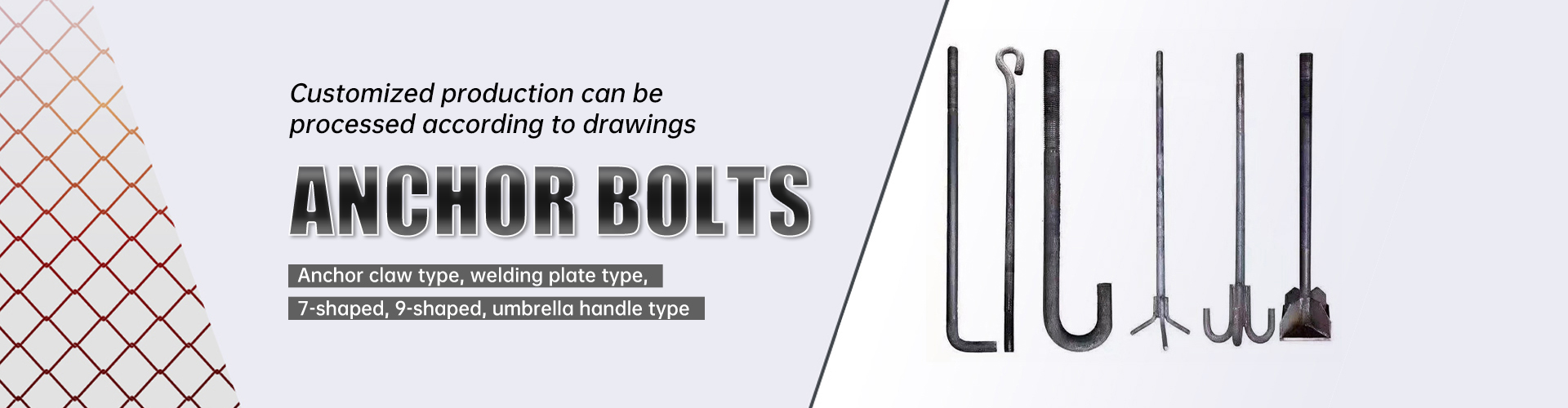
Best bolt with t handle for sustainability?
2026-02-25
When you hear sustainable T-handle bolt, most folks immediately jump to recycled materials. That’s part of it, sure, but if you’ve been on the shop floor or a job site, you know it’s a rabbit hole. True sustainability isn’t just about the green badge; it’s about a fastener that doesn’t quit, that fits right the first time, and that you don’t have to replace after three uses because the handle stripped or the coating flaked off. It’s the total lifecycle cost, from the energy to forge it to the labor wasted when it fails. Let’s talk about what that actually looks like when you’re holding one in your greasy hand.
The Core Misconception: Material Isn’t Everything
Everyone gets hung up on the alloy. Is it made from recycled steel? That’s the first question. And yes, sourcing matters. But a bolt made from 100% recycled content that’s too brittle for high-torque applications is arguably less sustainable. You’ll snap it, curse, drive back to the supplier, and burn more fuel. I’ve seen it. The real game is in the bolt with t handle design that marries material integrity with intelligent engineering. It’s about a robust shank that can take the stress and a handle geometry that gives you proper leverage without requiring Herculean force, which prevents over-tightening and thread damage.
Then there’s the finish. A cheap zinc plating that corrodes in six months? Not sustainable. We’re looking at mechanical galvanizing, or better yet, sustainability-minded coatings like Geomet or Dacromet. They last years longer, preventing seizing and the nightmare of drilling out a frozen bolt. The extra upfront cost pays off by not having to do the job twice. I remember a solar farm installation where we used a budget batch; the maintenance cycle for re-tightening and replacement was absurd. Learned that lesson the hard way.
It also comes down to the manufacturing origin. A cluster like Yongnian District in Handan, Hebei—a massive production base—isn’t just about volume. It’s about concentrated expertise and streamlined logistics, which cuts down on embedded carbon from shipping components all over the place. A company deeply embedded there, like Handan Zitai Fastener Manufacturing Co., Ltd., leverages that ecosystem. Their location near major rail and road networks isn’t just a sales point; it means fewer transport legs if you’re sourcing for a large project in the region.
Design for Disassembly and Longevity
This is where the T-handle itself gets interesting. A sustainable fastener should make maintenance and end-of-life recovery easier. A well-designed t handle provides clear, direct torque application, reducing the risk of rounding the drive or damaging the mating part. Think about a bolted panel on industrial equipment. If you can quickly, cleanly, and reliably remove it with a standard tool, that panel gets serviced, not junked with the fastener seized solid.
The thread design is critical too. I’m a fan of fine threads in certain applications for their better clamping force and vibration resistance. A bolt that stays put doesn’t need constant re-torquing, which saves man-hours and extends the service interval of the whole assembly. We tested some M10 fine-thread T-bolts on vibrating conveyor frames, and the reduction in weekly checks was significant. That’s operational sustainability.
Another detail often overlooked: the transition from the handle to the shank. A weak, sharp corner there is a stress concentrator—a prime spot for fatigue cracks. A sustainable design uses generous radii, a smoother flow of material. It might use a bit more metal, but it prevents catastrophic failure. I’ve had prototypes fail right at that junction during fatigue testing. The good ones didn’t, and those are the ones you can specify with confidence for a long-term build.
The Supply Chain and Practical Verification
You can’t talk about sustainability without looking upstream. Where does the wire rod come from? What’s the mill’s energy mix? Reputable manufacturers are starting to track this. It’s not just greenwashing; it’s risk management. A supplier with unstable or coal-heavy power faces future regulatory and cost hurdles. When evaluating, I often peek at a company’s operational footprint. For instance, Handan Zitai Fastener’s mention of their proximity to major transport arteries (https://www.zitaifasteners.com) hints at a logistical efficiency that reduces transit emissions for raw materials and finished goods. It’s a practical, not just theoretical, advantage.
Then you have to verify. Certificates are one thing; real-world testing is another. We do salt spray tests, torque-to-failure tests, and cycle testing on handles. Does the chrome vanadium steel they claim for the handle actually perform? Or does it deform under load? I’ve been burned by spec sheets that didn’t match reality. Now, we order small batches for field trials before any major procurement. A sustainable product that fails prematurely is the least sustainable thing imaginable.
Packaging is another tangible point. Are you getting individually plastic-wrapped bolts in a giant cardboard box? Or are they using minimal, recyclable paperboard sleeves and bulk boxes? The waste on some job sites from packaging is staggering. A manufacturer that thinks about this is thinking holistically.
Case in Point: The Balancing Act
Let me give you a non-perfect example. We were sourcing bolt with t handle units for outdoor electrical enclosures. Needed corrosion resistance, UV stability, and good dielectric properties to avoid galvanic corrosion. Option A was a stainless T-handle with a plastic sleeve. Looked great, felt premium. Option B was a plated carbon steel bolt with a thicker, more durable nylon handle. Option A used a greener base material but the sleeve was a proprietary plastic blend, unrecyclable. Option B had a higher initial carbon footprint from the plating process, but the handle was pure, marked nylon 6, easily recyclable, and the plating promised a longer service life.
We went with Option B after a two-year accelerated weathering test. The stainless one’s sleeve became brittle and cracked. The plated one showed minor cosmetic rust spots but remained fully functional. The total lifecycle impact, considering replacement and downtime, was lower. It was a lesson in not getting dazzled by the obvious sustainable choice.
This is where a supplier’s engineering support is crucial. Can you talk to their tech team about your specific application and environmental stressors? Or are you just talking to a sales rep with a catalog? The former relationship often yields a more sustainably appropriate product than just picking something off a webpage.
Wrapping It Up: A Practitioner’s Checklist
So, what’s the best? There’s no single SKU. It’s a set of criteria. Look for a robust material grade suited to the duty (think Grade 8.8 or above for high-strength apps). Prioritize high-quality, durable finishes over the cheapest plating. Scrutinize the t handle ergonomics and its attachment to the shank—no weak points. Evaluate the manufacturer’s location and logistics for embedded transport energy. Ask about packaging waste. And above all, test the living daylights out of a sample in conditions that mimic your real-world use.
It’s a balance between technical performance, durability, and environmental footprint. Sometimes, the most sustainable bolt is the one you never have to think about again after you install it. It just works, for years, without fuss. That reliability saves more resources than any single material attribute.
In the end, sustainability in fasteners is quiet. It’s not a marketing slogan on the box. It’s in the lack of callbacks, the absence of rust streaks on a panel, and the full decade a piece of equipment runs without a fastener-related failure. That’s the goal. And it’s achievable if you look past the buzzwords and focus on the engineering and the total cost of ownership. The right partner, one grounded in a production hub with real engineering capability, makes that search a lot easier.
Please leave us a message
-


-
-


WeChat