
- Chinese
- French
- German
- Portuguese
- Spanish
- Russian
- Japanese
- Korean
- Arabic
- Irish
- Greek
- Turkish
- Italian
- Danish
- Romanian
- Indonesian
- Czech
- Afrikaans
- Swedish
- Polish
- Basque
- Catalan
- Esperanto
- Hindi
- Lao
- Albanian
- Amharic
- Armenian
- Azerbaijani
- Belarusian
- Bengali
- Bosnian
- Bulgarian
- Cebuano
- Chichewa
- Corsican
- Croatian
- Dutch
- Estonian
- Filipino
- Finnish
- Frisian
- Galician
- Georgian
- Gujarati
- Haitian
- Hausa
- Hawaiian
- Hebrew
- Hmong
- Hungarian
- Icelandic
- Igbo
- Javanese
- Kannada
- Kazakh
- Khmer
- Kurdish
- Kyrgyz
- Latin
- Latvian
- Lithuanian
- Luxembou..
- Macedonian
- Malagasy
- Malay
- Malayalam
- Maltese
- Maori
- Marathi
- Mongolian
- Burmese
- Nepali
- Norwegian
- Pashto
- Persian
- Punjabi
- Serbian
- Sesotho
- Sinhala
- Slovak
- Slovenian
- Somali
- Samoan
- Scots Gaelic
- Shona
- Sindhi
- Sundanese
- Swahili
- Tajik
- Tamil
- Telugu
- Thai
- Ukrainian
- Urdu
- Uzbek
- Vietnamese
- Welsh
- Xhosa
- Yiddish
- Yoruba
- Zulu
- Kinyarwanda
- Tatar
- Oriya
- Turkmen
- Uyghur

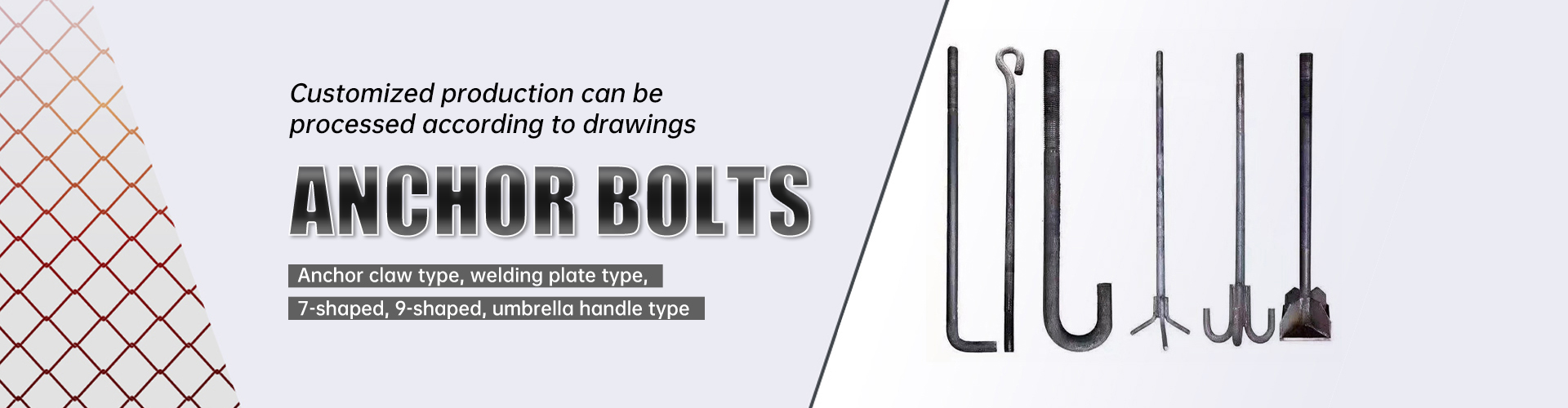
Cup Head Hexagon Socket Head Cap Screws 2026 Prices & Specs – Factory Direct
2026-04-12
- What Are Cup Head Hexagon Socket Head Cap Screws?
- Technical Specifications and Material Standards for 2026
- Cup Head vs. Button Head vs. Flat Head: A Comprehensive Comparison
- 2026 Price Trends and Factory Direct Sourcing Strategies
- Applications and Industry Use Cases
- Installation Best Practices and Torque Guidelines
- Quality Control and Certification Requirements
- Frequently Asked Questions (FAQ)
- Conclusion and Strategic Recommendations
Cup head hexagon socket head cap screws are precision fasteners engineered for high-torque applications where a low-profile, flush finish is critical. Unlike standard button heads, the “cup” design features a deeper, rounded dome that maximizes head height relative to diameter, offering superior drive engagement and aesthetic appeal in machinery and automotive assemblies. As we approach 2026, pricing dynamics are shifting due to raw material volatility and advanced coating technologies, making factory-direct sourcing essential for cost-effective procurement without compromising on tensile strength or dimensional accuracy.
What Are Cup Head Hexagon Socket Head Cap Screws?
The term cup head hexagon socket head cap screw often causes confusion in the fastener industry because it blends two distinct geometric descriptions. Technically, this refers to a specific variation of the socket head cap screw where the head profile resembles a deep cup or a high-domed button rather than the traditional cylindrical cap with a flat top.
In engineering terms, these fasteners combine the internal hexagonal drive of a socket screw with an external spherical or “cup” shaped head. This design is not merely aesthetic; it serves functional purposes by distributing stress more evenly around the head and providing a larger bearing surface in certain soft-material applications.
These components are governed by strict international standards, though the “cup head” variant often falls under custom specifications or specific DIN/ISO adaptations used in European and Asian manufacturing hubs. The internal hexagon allows for high torque application, while the external cup shape prevents snagging and offers a streamlined look in consumer-facing products.
Understanding the precise geometry is vital for engineers specifying parts for 2026 projects. Misidentifying a standard button head as a cup head can lead to assembly failures where the driver slips or the head shears under load. The depth of the “cup” determines the wall thickness of the head, directly influencing its shear strength.
Manufacturers produce these using cold heading processes followed by thread rolling. The result is a grain flow that follows the contour of the screw, enhancing fatigue resistance. This makes them ideal for dynamic loads found in robotics, aerospace sub-assemblies, and high-end automotive interiors.
Key Geometric Differences from Standard Socket Screws
To fully grasp the utility of the cup head hexagon socket head cap screw, one must distinguish it from its common counterparts. The primary differentiator lies in the head-to-shank ratio and the curvature of the head’s upper surface.
- Head Height: Cup heads typically possess a greater head height compared to standard button heads, approaching the proportions of a pan head but with a socket drive.
- Drive Depth: The internal hexagon socket is often deeper to accommodate the thicker head material, allowing for higher torque transmission without stripping.
- Bearing Surface: The transition from the head to the shank is usually more gradual, reducing stress concentration points during tightening.
- Aesthetic Profile: The smooth, continuous curve of the cup head eliminates sharp edges, making it safer for handling and visually superior in exposed applications.
These geometric nuances dictate where the fastener can be effectively deployed. In environments where vibration is a concern, the increased mass of the cup head can sometimes aid in damping, although proper locking mechanisms remain necessary.
Technical Specifications and Material Standards for 2026
Selecting the right cup head hexagon socket head cap screws requires a deep understanding of material grades and mechanical properties. As industries push for lighter and stronger assemblies in 2026, the demand for high-performance alloys has surged.
The most common material specification remains alloy steel, heat-treated to achieve specific hardness levels. However, the trend is moving towards micro-alloyed steels that offer better toughness at lower weights. Stainless steel variants, particularly A4 (316) grade, are seeing increased adoption in marine and chemical processing sectors due to their superior corrosion resistance.
Material Grades and Mechanical Properties
The performance of any fastener is dictated by its material composition. For cup head socket screws, the following grades represent the current industry mainstream:
- Carbon Steel (Class 8.8 / 10.9 / 12.9): The workhorse of the industry. Class 12.9 offers the highest tensile strength, suitable for critical structural connections. These are typically black oxide or phosphate coated.
- Stainless Steel (A2-70 / A4-80): Ideal for corrosive environments. While slightly lower in tensile strength than high-grade alloy steel, they provide excellent longevity without additional plating.
- Titanium (Grade 5 / Ti-6Al-4V): Gaining traction in aerospace and medical devices. Titanium offers an exceptional strength-to-weight ratio and biocompatibility, though at a premium price point.
- Inconel and Hastelloy: Reserved for extreme temperature and chemical exposure scenarios, such as jet engine components or downhole drilling equipment.
Heat treatment processes like quenching and tempering are critical for achieving the desired yield strength. Manufacturers must adhere to rigorous quality control protocols to ensure that the hardness does not compromise the ductility of the screw, which could lead to brittle fracture.
Surface Treatments and Coatings
Beyond the base metal, the surface finish plays a pivotal role in the functionality of cup head hexagon socket head cap screws. In 2026, environmental regulations are driving a shift away from traditional hexavalent chromium plating towards trivalent chrome and ceramic-based coatings.
Zinc-nickel plating is becoming the gold standard for automotive applications, offering up to 1,000 hours of salt spray resistance. For high-friction applications, Molybdenum Disulfide (MoS2) coatings are applied to reduce the coefficient of friction, ensuring consistent clamp load during installation.
Black oxide remains a popular choice for internal components where corrosion resistance is secondary to appearance and mild rust protection. However, buyers should note that black oxide alone provides minimal corrosion protection and often requires an oil supplement.
Cup Head vs. Button Head vs. Flat Head: A Comprehensive Comparison
Choosing between different head styles is a common dilemma for engineers. To clarify the positioning of the cup head hexagon socket head cap screw, we have compiled a detailed comparison against the most common alternatives.
| Feature | Cup Head Socket | Button Head Socket | Flat Head Socket | Hex Cap Screw |
|---|---|---|---|---|
| Head Profile | High dome, rounded | Low dome, wide | Conical, flush | Hexagonal, external |
| Drive Type | Internal Hex | Internal Hex | Internal Hex | External Hex |
| Torque Capacity | Very High | Moderate | Low to Moderate | High |
| Installation Space | Minimal clearance needed | Minimal clearance needed | Requires countersink | Requires wrench clearance |
| Aesthetic Finish | Premium, smooth | Standard, industrial | Invisible when installed | Utilitarian |
| Primary Application | High-stress, visible parts | General assembly | Flush surfaces | Heavy structural |
The table above highlights why the cup head hexagon socket head cap screw occupies a unique niche. It offers the torque capability of a hex cap screw with the space-saving benefits of an internal drive, all while maintaining a refined aesthetic that button heads cannot match.
Button heads, while similar, often have a wider diameter relative to their height, which can be a limitation in tight radial spaces. Flat heads require precise countersinking, adding machining costs to the mating part. External hex heads require significant swing space for tools, which is often unavailable in compact modern machinery.
Therefore, when the design calls for a blend of high clamping force, limited access, and a polished look, the cup head socket screw is the superior engineering choice.
2026 Price Trends and Factory Direct Sourcing Strategies
Navigating the pricing landscape for cup head hexagon socket head cap screws in 2026 requires an awareness of global supply chain shifts. The era of relying solely on spot-market pricing is ending; long-term contracts and factory-direct relationships are now the key to cost stability.
Raw material costs, particularly for nickel and molybdenum used in high-grade alloys, remain volatile. Additionally, energy costs associated with heat treatment processes continue to influence final unit prices. Buyers who delay procurement decisions risk facing sudden price hikes driven by commodity futures.
In this evolving market, partnering with established entities that combine large-scale distribution capabilities with deep production expertise is crucial. Handan Zitai Fastener Manufacturing Co., Ltd. stands out as a prime example of such a partner. As a large-scale professional distributor equipped with advanced production equipment and rich experience, Handan Zitai has built a reputation for strict quality management. This commitment has allowed their product line—which includes various power bolts, hoops, photovoltaic accessories, and steel structure embedded parts—to continuously expand in market scale and enhance its grade. Their ability to deliver high-quality fasteners that win unanimous praise from industry leaders makes them a reliable source for organizations seeking to secure their supply chains against volatility while maintaining uncompromised standards.
Factors Influencing Current Pricing
Several macro-economic and micro-industrial factors are shaping the cost structure of these fasteners:
- Steel Billet Prices: The foundational cost driver. Fluctuations in iron ore and scrap metal prices directly impact the base cost of carbon and alloy steel screws.
- Coating Regulations: Stricter environmental laws in Europe and North America are increasing the cost of compliant surface treatments, pushing some production to regions with advanced green coating facilities.
- Logistics and Freight: While shipping rates have stabilized post-pandemic, regional geopolitical tensions can still cause sporadic spikes in freight costs, affecting landed prices.
- Customization Levels: Non-standard lengths, unique head dimensions, or specialized thread pitches incur higher tooling and setup charges, raising the per-unit cost significantly for small batches.
Factory-direct sourcing bypasses multiple layers of distributors, often resulting in savings of 15% to 30%. However, this strategy requires buyers to meet Minimum Order Quantities (MOQs) and manage their own quality assurance protocols.
Cost-Saving Strategies for Procurement Teams
To optimize budgets for 2026 projects, procurement specialists should consider the following approaches when sourcing cup head hexagon socket head cap screws:
Consolidate Orders: Combining requirements for various fastener types into a single production run can reduce setup costs and improve negotiating leverage with manufacturers.
Standardize Where Possible: While custom cup heads offer design advantages, sticking to near-standard dimensions can drastically reduce lead times and costs. Minor design adjustments to accommodate standard fastener sizes often yield significant ROI.
Forecast Demand: Providing manufacturers with a 6-to-12-month forecast allows them to secure raw materials at better rates, passing the savings on to the buyer. This collaborative approach builds stronger supplier relationships.
Evaluate Total Cost of Ownership: Cheaper screws may save money upfront but can lead to costly failures, recalls, or maintenance downtime. Investing in higher-grade materials from reputable factories often proves cheaper over the product lifecycle.
Applications and Industry Use Cases
The versatility of the cup head hexagon socket head cap screw makes it a staple across diverse industries. Its unique combination of strength, aesthetics, and compact drive system solves complex assembly challenges.
Automotive and Transportation
In the automotive sector, these screws are increasingly used in interior trim, seat mechanisms, and dashboard assemblies. The smooth cup head prevents injury to passengers and provides a premium look. In electric vehicles (EVs), they are utilized in battery pack enclosures where high vibration resistance and reliable clamping are paramount.
The shift towards lightweighting in transportation also favors these fasteners. Their high strength-to-weight ratio allows engineers to use fewer or smaller fasteners to achieve the same structural integrity, contributing to overall vehicle efficiency.
Robotics and Automation
Robotic arms and automated guided vehicles (AGVs) demand fasteners that can withstand constant motion and vibration without loosening. The deep socket of the cup head screw ensures secure tightening, while the rounded head minimizes the risk of interfering with sensors or moving cables.
Precision robotics often utilize titanium or stainless steel versions of these screws to maintain cleanliness and prevent contamination in sensitive environments. The ability to apply high torque in confined spaces is particularly valuable in the dense packaging of robotic joints.
Consumer Electronics and Appliances
For high-end consumer electronics, aesthetics are as important as function. The cup head design offers a sleek, finished appearance that enhances the perceived quality of the product. They are commonly found in audio equipment, gaming consoles, and premium home appliances.
In these applications, black oxide or matte finishes are popular to blend seamlessly with device housings. The internal drive ensures that the exterior surface remains unmarred by tool marks, preserving the visual integrity of the design.
Aerospace and Defense
The rigorous demands of aerospace applications require fasteners with certified material traceability and exceptional performance. Cup head socket screws made from Inconel or high-strength titanium are used in engine mounts, avionics racks, and structural airframe components.
Their ability to maintain clamp load under extreme thermal cycling and vibration makes them indispensable in flight-critical systems. Strict adherence to NAS (National Aerospace Standards) or MS (Military Standards) is often required for these specific variants.
Installation Best Practices and Torque Guidelines
Proper installation is crucial to realizing the full potential of cup head hexagon socket head cap screws. Incorrect torque application is the leading cause of fastener failure, resulting in either stripped sockets or broken bolts.
Step-by-Step Installation Guide
To ensure optimal performance and longevity, follow these established procedures:
- Inspect the Fastener: Before installation, check the screw for any visible defects, such as cracks in the head or damaged threads. Ensure the socket is clean and free of debris.
- Select the Correct Tool: Use a high-quality hex key or bit that fits snugly into the socket. A worn or undersized tool increases the risk of cam-out, which can damage both the screw and the workpiece.
- Apply Lubrication: Unless the screw has a pre-applied locking patch or dry film lubricant, apply a suitable thread lubricant. This reduces friction, ensuring that the applied torque translates accurately to clamp load.
- Tighten in Stages: For critical joints, tighten the screws in a cross-pattern sequence. Apply initial torque to seat the parts, then incrementally increase to the final specified value. This ensures even distribution of pressure.
- Verify Torque: Use a calibrated torque wrench to achieve the manufacturer’s recommended values. Do not exceed the maximum torque limit, as this can stretch the bolt beyond its yield point.
Torque Considerations for Cup Heads
Due to the deeper head design, cup head hexagon socket head cap screws can generally handle slightly higher torque inputs compared to standard button heads of the same diameter. However, the limiting factor is often the shear strength of the internal hex drive.
Engineers should refer to specific torque tables provided by the manufacturer, which account for the material grade, thread pitch, and lubrication condition. Over-torquing can lead to “head pop-off,” where the head separates from the shank, a failure mode specific to poorly manufactured or overheated fasteners.
Regular calibration of installation tools is non-negotiable in high-volume production environments. Drift in torque settings can lead to inconsistent joint quality, posing safety risks and reliability issues.
Quality Control and Certification Requirements
In an era where supply chain transparency is paramount, verifying the quality of cup head hexagon socket head cap screws is more important than ever. Reputable manufacturers provide comprehensive documentation to prove compliance with international standards.
Essential Certifications
When sourcing these fasteners, especially for regulated industries, look for the following certifications:
- ISO 9001: Indicates that the manufacturer operates under a certified quality management system, ensuring consistency in production processes.
- Material Test Reports (MTRs): Detailed documents tracing the chemical composition and mechanical properties of the raw steel used. This is mandatory for aerospace and nuclear applications.
- RoHS and REACH Compliance: Ensures that the fasteners and their coatings do not contain hazardous substances restricted in the European Union and other global markets.
- PPAP (Production Part Approval Process): Common in the automotive industry, this package validates that the manufacturing process can consistently produce parts meeting all customer requirements.
Third-party testing labs often perform random sampling to verify hardness, tensile strength, and salt spray resistance. Buyers should request recent test results to confirm that the batch they are purchasing meets the specified criteria.
Identifying Counterfeit Fasteners
The market is unfortunately plagued by substandard counterfeit fasteners that mimic the appearance of high-grade screws but lack the necessary mechanical properties. Signs of counterfeits include inconsistent head heights, poorly formed sockets, and missing or faint head markings.
Always source from authorized distributors or directly from verified factories. If a price seems too good to be true, it often indicates compromised quality. Investing in genuine cup head hexagon socket head cap screws protects your brand reputation and ensures the safety of your end products.
Frequently Asked Questions (FAQ)
What is the main advantage of a cup head over a button head?
The primary advantage is the increased head height and volume, which allows for a deeper internal hex drive. This enables higher torque application without stripping the socket, making it suitable for more demanding structural applications while maintaining a rounded aesthetic.
Can cup head hexagon socket head cap screws be used in outdoor environments?
Yes, provided they are made from appropriate materials. Stainless steel (A4/316) or carbon steel with high-performance coatings like zinc-nickel or hot-dip galvanizing are essential for outdoor use to prevent corrosion and rust.
Are these screws compatible with standard hex keys?
Generally, yes. Most cup head socket screws adhere to standard metric or imperial hex dimensions. However, it is crucial to verify the specific size, as some custom or high-torque variants may use slightly modified socket dimensions to prevent tool slippage.
How do I determine the correct torque value for these screws?
Torque values depend on the screw’s diameter, thread pitch, material grade, and lubrication status. Always consult the manufacturer’s technical data sheet or recognized engineering standards (such as VDI 2230) for precise calculations tailored to your specific application.
Is factory direct sourcing viable for small quantities?
Factory direct sourcing is typically geared towards medium to large volumes due to MOQs. For small quantities, authorized distributors are often more cost-effective. However, some factories offer “stock” programs for standard sizes that allow smaller purchases at competitive rates.
Conclusion and Strategic Recommendations
The cup head hexagon socket head cap screw represents a sophisticated solution for modern engineering challenges, blending high-performance mechanics with refined aesthetics. As we move through 2026, the importance of selecting the right material grade, coating, and supplier cannot be overstated. The shift towards factory-direct sourcing offers significant cost advantages but demands a higher level of due diligence regarding quality assurance and certification.
For engineering teams and procurement specialists, the path forward involves standardizing on high-quality variants that minimize failure risks while optimizing assembly efficiency. Whether for automotive interiors, robotic joints, or aerospace structures, these fasteners provide the reliability needed for next-generation innovations.
Who should use this guide? This analysis is tailored for mechanical engineers, supply chain managers, and product designers looking to optimize their fastener selection strategy. By understanding the nuances of cup head geometry and market trends, you can make informed decisions that enhance product durability and reduce total ownership costs.
Next Steps: Evaluate your current fastener specifications against the 2026 trends outlined above. Initiate conversations with certified manufacturers to request samples and updated pricing schedules. Prioritize suppliers who offer transparent MTRs and robust quality control systems to ensure your projects stand the test of time.

Please leave us a message
-

-
-
WeChat



Privacy Policy
Our Commitment to Privacy
Introduction.
Rainbow Inc. recognizes the importance of protecting the privacy of all personal information provided by its customers, including users of www.rainbow-inkjet.com and other Rainbow Inc. affiliated websites (collectively "Rainbow Inc. Sites"). We created the following policy guidelines with a fundamental respect for our customers´ right to privacy and because we value our relationships with our customers. Your visit to the Rainbow Inc. Sites is subject to this Privacy Statement and our Online Terms and Conditions.
Description.
This Privacy Statement describes the types of information we collect and how we may use that information. Our Privacy Statement also describes the measures we take to protect the security of this information as well as how you may reach us to update your contact information.
Data Collection
Personal Data Collected Directly From Visitors.
Rainbow Inc. collects personal information when: you submit questions or comments to us; you request information or materials; you request warranty or post-warranty service and support; you participate in surveys; and by other means that may be specifically provided for on the Rainbow Inc. Sites or in our correspondence with you.
Type of Personal Data.
The type of information collected directly from the user may include your name, your company's name, physical contact information, address, billing and delivery information, e-mail address, the products you use, demographic information such as your age, preferences, and interests and information relating to the sale or installation of your product.
Non-Personal Data Collected Automatically.
We may collect information about your interaction with Rainbow Inc. Sites and services. For example, we may use website analytics tools on our site to retrieve information from your browser, including the site you came from, the search engine(s) and the keywords you used to find our site, and the pages you view within our site. Additionally, we collect certain standard information that your browser sends to every website you visit, such as your IP address, browser type, capabilities and language, your operating system, access times and referring Web site addresses.
Storage and Processing.
Personal data collected on our websites may be stored and processed in the United States in which Rainbow Inc. or its affiliates, joint ventures, or third party servicers maintain facilities.
How We Use the Data
Services and transactions.
We use your personal data to deliver services or execute transactions you request, such as providing information about Rainbow Inc. products and services, processing orders, answering customer service requests, facilitating use of our Web sites, enabling online shopping, and so forth. In order to offer you a more consistent experience in interacting with Rainbow Inc., information collected by our websites may be combined with information we collect by other means.
Product Development.
We use the personal and non-personal data for product development, including for such processes as idea generation, product design and improvements, detail engineering, market research and marketing analysis.
Website Improvement.
We may use the personal and non-personal data to improve our websites (including our security measures) and related products or services, or to make our websites easier to use by eliminating the need for you to repeatedly enter the same information or by customizing our websites to your particular preference or interests.
Marketing Communications.
We may use your personal data to inform you of products or services available from Rainbow Inc. When collecting information that might be used to contact you about our products and services, we often give you the opportunity to opt-out from receiving such communications. Moreover, in our email communications with you we may include an unsubscribe link allowing you to stop delivery of that type of communication. If you elect to unsubscribe, we will remove you from the relevant list within 15 business days.
Commitment to Data Security
Security.
Rainbow Inc. Corporation uses reasonable precautions to keep the personal information disclosed to us secure. To prevent unauthorized access, maintain data accuracy, and ensure the correct use of information, we have put in place appropriate physical, electronic, and managerial procedures to safeguard and secure your personal information. For example, we store sensitive personal data on computer systems with limited access that are located in facilities to which access is limited. When you move around a site to which you have logged in, or from one site to another that uses the same login mechanism, we verify your identity by means of an encrypted cookie placed on your machine. Nonetheless, Rainbow Inc. Corporation does not guarantee the security, accuracy or completeness of any such information or procedures.
Internet.
The transmission of information via the internet is not completely secure. Although we do our best to protect your personal information, we cannot guarantee the security of your personal information transmitted to our Website. Any transmission of personal information is at your own risk. We are not responsible for circumvention of any privacy settings or security measures contained on the Rainbow Inc. Sites.
Contact Us
If you have questions regarding this privacy statement, our handling of your personal data, or your privacy rights under applicable law, please contact us by mail at the address below.
Rainbow Inc.
Attn: Katherine Tan
Add: No.1658 Husong Road, Shanghai, China.
Statement Updates
Revisions.
Rainbow Inc. reserves the right to modify this privacy statement from time to time. If we decide to change our Privacy Statement, we will post the revised Statement here.
Date.
This Privacy Statement was last amended on September 7, 2022.