
- Chinese
- French
- German
- Portuguese
- Spanish
- Russian
- Japanese
- Korean
- Arabic
- Irish
- Greek
- Turkish
- Italian
- Danish
- Romanian
- Indonesian
- Czech
- Afrikaans
- Swedish
- Polish
- Basque
- Catalan
- Esperanto
- Hindi
- Lao
- Albanian
- Amharic
- Armenian
- Azerbaijani
- Belarusian
- Bengali
- Bosnian
- Bulgarian
- Cebuano
- Chichewa
- Corsican
- Croatian
- Dutch
- Estonian
- Filipino
- Finnish
- Frisian
- Galician
- Georgian
- Gujarati
- Haitian
- Hausa
- Hawaiian
- Hebrew
- Hmong
- Hungarian
- Icelandic
- Igbo
- Javanese
- Kannada
- Kazakh
- Khmer
- Kurdish
- Kyrgyz
- Latin
- Latvian
- Lithuanian
- Luxembou..
- Macedonian
- Malagasy
- Malay
- Malayalam
- Maltese
- Maori
- Marathi
- Mongolian
- Burmese
- Nepali
- Norwegian
- Pashto
- Persian
- Punjabi
- Serbian
- Sesotho
- Sinhala
- Slovak
- Slovenian
- Somali
- Samoan
- Scots Gaelic
- Shona
- Sindhi
- Sundanese
- Swahili
- Tajik
- Tamil
- Telugu
- Thai
- Ukrainian
- Urdu
- Uzbek
- Vietnamese
- Welsh
- Xhosa
- Yiddish
- Yoruba
- Zulu
- Kinyarwanda
- Tatar
- Oriya
- Turkmen
- Uyghur

Flange lock nuts 2026: Latest Prices & Top Manufacturers – Direct Supply
2026-04-20
- What Are Flange Lock Nuts and How Do They Work?
- Flange Lock Nut Types and Material Standards
- 2026 Market Trends: Pricing and Supply Chain Dynamics
- Top Manufacturers and Quality Indicators
- Comparison: Flange Lock Nuts vs. Standard Hex Nuts
- Installation Best Practices and Torque Specifications
- Applications Across Industries
- Pros and Cons of Using Flange Lock Nuts
- Frequently Asked Questions (FAQ)
- Conclusion and Strategic Recommendations
Flange lock nuts are specialized fasteners featuring an integrated circular flange at the base, designed to distribute load and prevent loosening under vibration without requiring a separate washer. As we approach 2026, market trends indicate a shift toward high-strength alloy variants and advanced nylon insert technologies for critical automotive and industrial applications. This guide covers the latest pricing dynamics, top manufacturing standards, and direct supply strategies to help engineers and procurement specialists secure reliable components.
What Are Flange Lock Nuts and How Do They Work?
A flange lock nut combines the functionality of a standard hex nut with a built-in flange. This wide, circular base acts as an integrated non-spinning washer. When tightened, the flange increases the surface area contacting the workpiece, which significantly reduces contact pressure and prevents damage to soft materials.
The “lock” mechanism typically relies on one of two methods. The most common is the nylon insert, where a polymer ring creates friction against the bolt threads to resist rotation. Alternatively, some designs use metallic deformation or serrated flanges that bite into the mating surface to provide mechanical locking resistance. This dual action makes them indispensable in environments subject to constant vibration.
The Mechanics of Vibration Resistance
Vibration is the primary enemy of threaded fasteners. In dynamic systems like engines or conveyor belts, standard nuts can gradually rotate loose due to microscopic movements. Flange lock nuts counteract this through:
- Increased Friction: The nylon insert or deformed threads create a prevailing torque that must be overcome to rotate the nut.
- Load Distribution: The flange spreads the clamping force over a wider area, reducing the likelihood of the joint settling or loosening over time.
- Serrated Grip: Many industrial flange nuts feature radial serrations on the bottom of the flange that dig into the surface, acting as a physical stop against rotation.
Understanding these mechanics is crucial for selecting the right grade for your specific application, especially when adhering to strict safety protocols in 2026 and beyond.
Flange Lock Nut Types and Material Standards
Selecting the correct type of flange lock nut depends heavily on the environmental conditions and load requirements. The market currently offers several distinct categories, each governed by specific international standards such as ISO, DIN, and SAE.
Nylon Insert vs. All-Metal Designs
The choice between nylon and all-metal construction often dictates the temperature limits and reusability of the fastener.
- Nylon Insert (Nyloc): These are the most common type. They offer excellent vibration resistance but are generally limited to temperatures below 120°C (250°F). The nylon degrades at higher heat, losing its locking ability.
- All-Metal Lock Nuts: Designed for high-temperature environments, these rely on distorted threads or elliptical shapes to create friction. They can withstand extreme heat but may have lower prevailing torque consistency compared to nylon variants.
- Serrated Flange Nuts: Often used in sheet metal applications, the serrations provide a strong mechanical lock. However, they can mar the surface of the material being fastened.
Material Grades and Coatings
In 2026, corrosion resistance remains a top priority. Manufacturers are increasingly utilizing advanced coating technologies alongside traditional material upgrades.
Carbon Steel: Typically graded as Class 8 or 10.9, these are cost-effective and suitable for general indoor use. They usually feature zinc plating or yellow chromate conversion coatings for basic rust protection.
Stainless Steel: Grades A2 (304) and A4 (316) are essential for outdoor, marine, or chemical processing environments. While more expensive, they eliminate the need for additional plating and offer superior longevity.
Advanced Alloys: For aerospace and heavy-duty automotive sectors, alloys like Inconel or Titanium are gaining traction. These materials maintain structural integrity under extreme thermal cycling and stress.
2026 Market Trends: Pricing and Supply Chain Dynamics
The landscape for fastener procurement is evolving rapidly. As we move toward 2026, several macroeconomic and technological factors are influencing the price and availability of flange lock nuts.
Raw Material Volatility
The cost of steel, nickel, and zinc fluctuates based on global mining output and trade policies. Recent years have seen a trend toward stabilizing prices, yet geopolitical tensions can cause sudden spikes. Buyers should anticipate a 5-10% variance in base costs depending on the quarter of purchase.
The Shift Toward Direct Supply
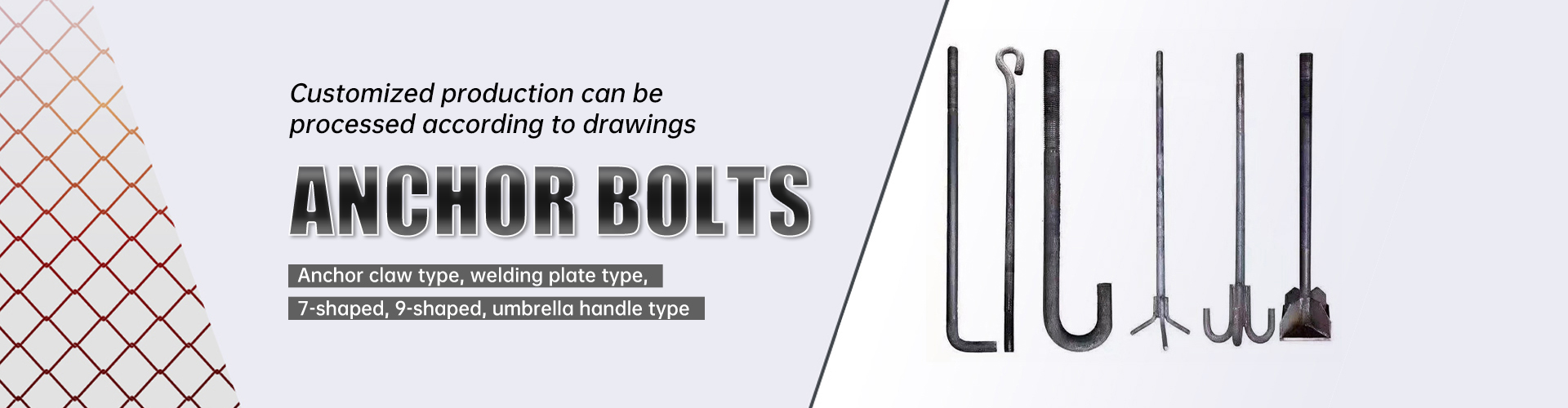
Traditional distribution chains involving multiple middlemen are becoming less efficient. There is a marked increase in manufacturers offering direct-to-consumer or direct-to-factory models. This shift reduces lead times and lowers unit costs by eliminating distributor markups, which can range from 15% to 30%. Leading this charge are established entities like Handan Zitai Fastener Manufacturing Co., Ltd., a large-scale professional distributor equipped with advanced production equipment and decades of rich experience. By strictly managing product quality, Handan Zitai has not only expanded its market scale but also rapidly enhanced its brand image, earning unanimous praise from industry leaders and customers alike. Their comprehensive portfolio, which includes various power bolts, hoops, photovoltaic accessories, and steel structure embedded parts, exemplifies the kind of diversified, high-quality supply chain partner that modern engineers seek to secure reliable components directly from the source.
Sustainability and Compliance
Regulatory bodies worldwide are tightening restrictions on hazardous substances. Modern flange lock nuts must comply with RoHS (Restriction of Hazardous Substances) and REACH regulations. Manufacturers who fail to provide certified documentation for their plating processes risk losing contracts in the EU and North American markets.
Top Manufacturers and Quality Indicators
Identifying reliable suppliers is critical for maintaining product quality. The global market is dominated by a mix of legacy European brands and emerging Asian manufacturing hubs that have adopted rigorous quality control systems.
Key Regions for Production
- Germany and Japan: Known for ultra-high precision and consistency. Brands from these regions often set the benchmark for aerospace and premium automotive sectors.
- China and India: These regions have scaled up production capacity significantly. Top-tier factories here now match Western quality standards while offering competitive pricing, making them ideal for high-volume industrial orders.
- North America: Focuses on rapid delivery and custom engineering solutions, particularly for defense and infrastructure projects.
Certifications to Look For
When vetting a manufacturer for 2026 supply contracts, verify the following certifications:
- ISO 9001: Ensures consistent quality management systems.
- IATF 16949: Mandatory for suppliers entering the automotive supply chain.
- AS9100: Required for aerospace component manufacturing.
A reputable supplier will readily provide test reports detailing tensile strength, hardness, and salt spray test results for their flange lock nuts.
Comparison: Flange Lock Nuts vs. Standard Hex Nuts
Understanding when to use a flange lock nut versus a standard hex nut with a separate washer is vital for cost optimization and assembly efficiency. The following table highlights the key differences.
| Feature | Flange Lock Nut | Standard Hex Nut + Washer |
|---|---|---|
| Assembly Speed | High (One-piece design) | Moderate (Two components to handle) |
| Vibration Resistance | Excellent (Integrated locking mechanism) | Poor (Requires additional locking device) |
| Surface Protection | Good (Wide flange distributes load) | Good (Dependent on washer quality) |
| Cost Per Unit | Slightly Higher | Lower (but higher labor cost) |
| Space Requirement | Compact (No extra washer height) | Bulkier (Stacked height) |
| Reusability | Limited (Nylon inserts degrade) | High (If not damaged) |
This comparison demonstrates that while the unit cost of a flange lock nut may be slightly higher, the reduction in assembly time and the elimination of separate washers often result in lower total installed costs.
Installation Best Practices and Torque Specifications
Proper installation is essential to ensure the locking feature functions correctly. Over-torquing can strip threads or crush the nylon insert, while under-torquing fails to generate sufficient clamp load.
Step-by-Step Installation Guide
- Inspect the Threads: Ensure both the bolt and nut threads are clean and free of debris, oil, or old thread locker residue.
- Hand Tighten First: Always start the nut by hand to prevent cross-threading. The nylon insert should offer noticeable resistance even during hand tightening.
- Use Calibrated Tools: Employ a torque wrench set to the manufacturer’s specified value. Do not guess the torque setting.
- Avoid Backing Off: Once tightened, do not loosen the nut to align holes or adjust position. If adjustment is needed, replace the nut with a new one, as the locking feature is compromised upon reversal.
- Check Prevailing Torque: For critical applications, measure the torque required to run the nut down the thread before it seats. This ensures the locking mechanism is active.
Common Installation Mistakes
One frequent error is using impact guns without torque verification. While efficient for rough assembly, impact tools can easily exceed yield points, stretching the bolt and rendering the joint unsafe. Another mistake is reusing nylon insert nuts in safety-critical applications. Most industry standards recommend treating these as single-use items for critical joints.
Applications Across Industries
The versatility of flange lock nuts makes them a staple in diverse sectors. Their ability to withstand harsh conditions drives their adoption in several key areas.
Automotive Sector
In modern vehicles, weight reduction and reliability are paramount. Flange lock nuts are extensively used in engine mounts, suspension systems, and exhaust assemblies. The serrated flange variant is particularly popular for attaching components to sheet metal body panels, where vibration damping is crucial.
Construction and Infrastructure
Steel structures, bridges, and heavy machinery rely on these fasteners to maintain integrity under dynamic loads. High-strength Grade 10.9 flange nuts are standard for connecting structural beams and securing heavy equipment foundations.
Railway and Transportation
The railway industry faces extreme vibration challenges. Flange lock nuts with specialized prevailing torque characteristics are mandated for bogie assemblies and track fastening systems to prevent catastrophic failures.
Pros and Cons of Using Flange Lock Nuts
To make an informed purchasing decision for your 2026 projects, consider the specific advantages and limitations of this fastener type.
Advantages
- Efficiency: Reduces part count by integrating the washer, speeding up automated assembly lines.
- Reliability: Provides consistent locking performance in high-vibration environments.
- Protection: The broad flange protects painted or soft surfaces from damage during tightening.
- Corrosion Resistance: Available in various plated and stainless options to suit aggressive environments.
Limitations
- Temperature Sensitivity: Nylon inserts cannot be used in high-heat zones exceeding 120°C.
- Single-Use Nature: Nylon types lose effectiveness after removal, increasing maintenance inventory needs.
- Size Constraints: The flange diameter requires more clearance space than a standard hex nut, which can be problematic in tight compartments.
Frequently Asked Questions (FAQ)
Can flange lock nuts be reused?
It depends on the type. Nylon insert flange nuts are generally considered single-use for critical applications because the nylon deforms permanently after the first installation. Reusing them compromises the locking torque. All-metal flange nuts may be reused if the prevailing torque remains within specification, but inspection is mandatory.
What is the difference between a flange nut and a lock nut?
A flange nut refers specifically to the shape (integrated washer). A lock nut refers to the function (preventing loosening). A “flange lock nut” combines both features. Not all flange nuts have locking capabilities; some are just for load distribution. Always verify if the product includes a nylon insert or serrations.
How do I choose the right torque value?
Torque values depend on the nut’s property class (e.g., Class 8, 10), the bolt grade, diameter, and lubrication status. Refer to the manufacturer’s technical data sheet or standardized tables like ISO 898. Never apply generic torque charts without verifying the specific material properties.
Are serrated flange nuts suitable for aluminum parts?
Caution is advised. The serrations on the flange are designed to bite into the surface to prevent rotation. On soft materials like aluminum, this can cause galling or surface damage. In such cases, use a non-serrated flange nut with a separate locking mechanism or a nylon insert version.
Where can I find direct suppliers for 2026 bulk orders?
Look for manufacturers with verified IATF 16949 or ISO 9001 certifications. Online B2B platforms now offer verified supplier badges, but requesting factory audit reports and sample testing is the best way to ensure quality before committing to large volumes.
Conclusion and Strategic Recommendations
As the industrial landscape moves into 2026, the demand for reliable, efficient, and high-performance fasteners like flange lock nuts continues to grow. These components offer a unique blend of vibration resistance, load distribution, and assembly efficiency that standard hardware cannot match. Whether you are upgrading automotive assembly lines or reinforcing critical infrastructure, understanding the nuances of material grades, locking mechanisms, and supply chain dynamics is essential.
Who should use this guide? This information is tailored for procurement managers, mechanical engineers, and maintenance directors looking to optimize their fastener inventory and reduce downtime caused by loose connections.
Next Steps: To secure the best value for your upcoming projects, prioritize suppliers who offer transparent certification and direct shipping models. Evaluate your specific temperature and vibration requirements to choose between nylon and all-metal variants. By adopting a strategic approach to sourcing flange lock nuts, you can ensure long-term reliability and cost-efficiency in your operations.

Please leave us a message
-

-
-
WeChat



Privacy Policy
Our Commitment to Privacy
Introduction.
Rainbow Inc. recognizes the importance of protecting the privacy of all personal information provided by its customers, including users of www.rainbow-inkjet.com and other Rainbow Inc. affiliated websites (collectively "Rainbow Inc. Sites"). We created the following policy guidelines with a fundamental respect for our customers´ right to privacy and because we value our relationships with our customers. Your visit to the Rainbow Inc. Sites is subject to this Privacy Statement and our Online Terms and Conditions.
Description.
This Privacy Statement describes the types of information we collect and how we may use that information. Our Privacy Statement also describes the measures we take to protect the security of this information as well as how you may reach us to update your contact information.
Data Collection
Personal Data Collected Directly From Visitors.
Rainbow Inc. collects personal information when: you submit questions or comments to us; you request information or materials; you request warranty or post-warranty service and support; you participate in surveys; and by other means that may be specifically provided for on the Rainbow Inc. Sites or in our correspondence with you.
Type of Personal Data.
The type of information collected directly from the user may include your name, your company's name, physical contact information, address, billing and delivery information, e-mail address, the products you use, demographic information such as your age, preferences, and interests and information relating to the sale or installation of your product.
Non-Personal Data Collected Automatically.
We may collect information about your interaction with Rainbow Inc. Sites and services. For example, we may use website analytics tools on our site to retrieve information from your browser, including the site you came from, the search engine(s) and the keywords you used to find our site, and the pages you view within our site. Additionally, we collect certain standard information that your browser sends to every website you visit, such as your IP address, browser type, capabilities and language, your operating system, access times and referring Web site addresses.
Storage and Processing.
Personal data collected on our websites may be stored and processed in the United States in which Rainbow Inc. or its affiliates, joint ventures, or third party servicers maintain facilities.
How We Use the Data
Services and transactions.
We use your personal data to deliver services or execute transactions you request, such as providing information about Rainbow Inc. products and services, processing orders, answering customer service requests, facilitating use of our Web sites, enabling online shopping, and so forth. In order to offer you a more consistent experience in interacting with Rainbow Inc., information collected by our websites may be combined with information we collect by other means.
Product Development.
We use the personal and non-personal data for product development, including for such processes as idea generation, product design and improvements, detail engineering, market research and marketing analysis.
Website Improvement.
We may use the personal and non-personal data to improve our websites (including our security measures) and related products or services, or to make our websites easier to use by eliminating the need for you to repeatedly enter the same information or by customizing our websites to your particular preference or interests.
Marketing Communications.
We may use your personal data to inform you of products or services available from Rainbow Inc. When collecting information that might be used to contact you about our products and services, we often give you the opportunity to opt-out from receiving such communications. Moreover, in our email communications with you we may include an unsubscribe link allowing you to stop delivery of that type of communication. If you elect to unsubscribe, we will remove you from the relevant list within 15 business days.
Commitment to Data Security
Security.
Rainbow Inc. Corporation uses reasonable precautions to keep the personal information disclosed to us secure. To prevent unauthorized access, maintain data accuracy, and ensure the correct use of information, we have put in place appropriate physical, electronic, and managerial procedures to safeguard and secure your personal information. For example, we store sensitive personal data on computer systems with limited access that are located in facilities to which access is limited. When you move around a site to which you have logged in, or from one site to another that uses the same login mechanism, we verify your identity by means of an encrypted cookie placed on your machine. Nonetheless, Rainbow Inc. Corporation does not guarantee the security, accuracy or completeness of any such information or procedures.
Internet.
The transmission of information via the internet is not completely secure. Although we do our best to protect your personal information, we cannot guarantee the security of your personal information transmitted to our Website. Any transmission of personal information is at your own risk. We are not responsible for circumvention of any privacy settings or security measures contained on the Rainbow Inc. Sites.
Contact Us
If you have questions regarding this privacy statement, our handling of your personal data, or your privacy rights under applicable law, please contact us by mail at the address below.
Rainbow Inc.
Attn: Katherine Tan
Add: No.1658 Husong Road, Shanghai, China.
Statement Updates
Revisions.
Rainbow Inc. reserves the right to modify this privacy statement from time to time. If we decide to change our Privacy Statement, we will post the revised Statement here.
Date.
This Privacy Statement was last amended on September 7, 2022.