
- Chinese
- French
- German
- Portuguese
- Spanish
- Russian
- Japanese
- Korean
- Arabic
- Irish
- Greek
- Turkish
- Italian
- Danish
- Romanian
- Indonesian
- Czech
- Afrikaans
- Swedish
- Polish
- Basque
- Catalan
- Esperanto
- Hindi
- Lao
- Albanian
- Amharic
- Armenian
- Azerbaijani
- Belarusian
- Bengali
- Bosnian
- Bulgarian
- Cebuano
- Chichewa
- Corsican
- Croatian
- Dutch
- Estonian
- Filipino
- Finnish
- Frisian
- Galician
- Georgian
- Gujarati
- Haitian
- Hausa
- Hawaiian
- Hebrew
- Hmong
- Hungarian
- Icelandic
- Igbo
- Javanese
- Kannada
- Kazakh
- Khmer
- Kurdish
- Kyrgyz
- Latin
- Latvian
- Lithuanian
- Luxembou..
- Macedonian
- Malagasy
- Malay
- Malayalam
- Maltese
- Maori
- Marathi
- Mongolian
- Burmese
- Nepali
- Norwegian
- Pashto
- Persian
- Punjabi
- Serbian
- Sesotho
- Sinhala
- Slovak
- Slovenian
- Somali
- Samoan
- Scots Gaelic
- Shona
- Sindhi
- Sundanese
- Swahili
- Tajik
- Tamil
- Telugu
- Thai
- Ukrainian
- Urdu
- Uzbek
- Vietnamese
- Welsh
- Xhosa
- Yiddish
- Yoruba
- Zulu
- Kinyarwanda
- Tatar
- Oriya
- Turkmen
- Uyghur

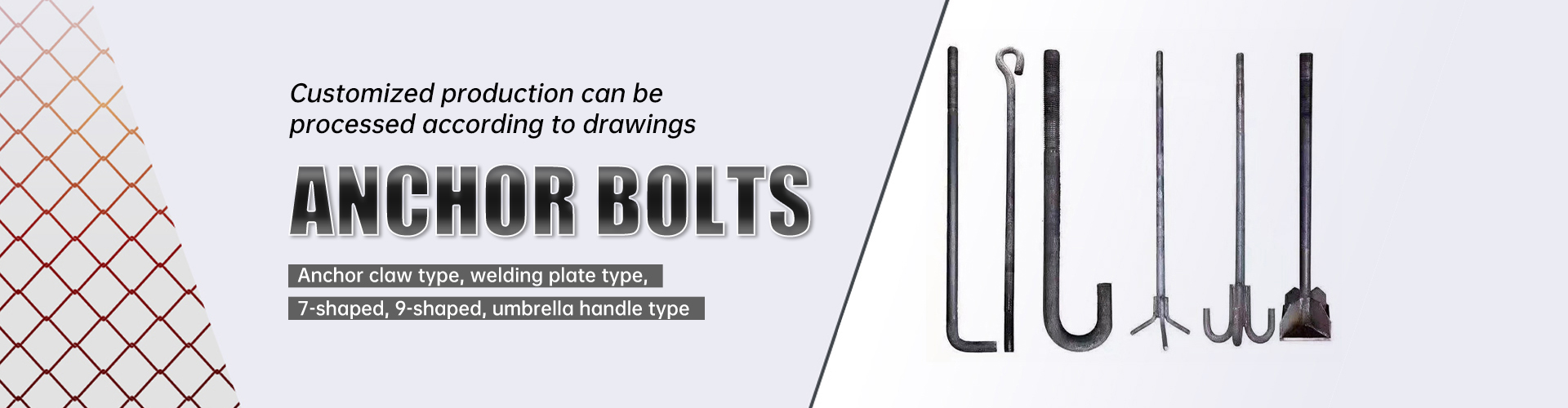
High-strength nuts 2026 Price & Market Trends – Global Supplier Guide
2026-04-13
- What Are High-Strength Nuts and Why Do They Matter?
- Global Market Trends Shaping Prices in 2026
- Price Analysis and Cost Factors for High-Strength Nuts
- Technical Standards and Grades Overview
- Comparison of Common High-Strength Nut Materials
- How to Select a Reliable Global Supplier
- Application Scenarios for High-Strength Fasteners
- Installation Best Practices and Maintenance
- Frequently Asked Questions (FAQ)
- Future Outlook: Innovation and Sustainability
- Conclusion and Strategic Recommendations
The global market for high-strength nuts is evolving rapidly as we approach 2026, driven by demands in aerospace, renewable energy, and heavy infrastructure. Prices are influenced by raw material volatility, specifically alloy steel and stainless steel costs, alongside stricter international safety standards. This guide provides a comprehensive analysis of current pricing structures, emerging market trends, and essential criteria for selecting reliable global suppliers to ensure project integrity and cost-efficiency.
What Are High-Strength Nuts and Why Do They Matter?
High-strength nuts are specialized fasteners engineered to withstand extreme tensile and shear forces without failing. Unlike standard hex nuts, these components are manufactured from premium alloy steels, often heat-treated to achieve specific hardness ratings. They are critical in applications where structural failure could lead to catastrophic consequences, such as in bridge construction, wind turbine assembly, and automotive chassis systems.
The primary distinction lies in their mechanical properties. These nuts are designed to pair with high-tensile bolts, ensuring that the clamping force remains stable under vibration and dynamic loading. As industries push for lighter yet stronger materials, the role of these fasteners has become central to modern engineering safety protocols.
In the context of the 2026 market outlook, the definition extends beyond mere strength. It now encompasses corrosion resistance, temperature tolerance, and traceability. Buyers are no longer just purchasing a metal component; they are investing in a certified guarantee of performance under stress.
Global Market Trends Shaping Prices in 2026
The trajectory of high-strength nuts pricing through 2026 is being shaped by a confluence of geopolitical, economic, and technological factors. Understanding these drivers is essential for procurement managers and engineers aiming to budget accurately for upcoming projects.
Raw Material Volatility and Supply Chain Dynamics
The cost of nickel, molybdenum, and chromium—key alloys in high-strength fastener production—remains a primary price determinant. Recent years have seen fluctuating mining outputs and trade restrictions affecting supply chains. Consequently, manufacturers are passing a portion of these variable costs to end-users.
Furthermore, logistics costs have stabilized compared to previous peaks but remain sensitive to fuel prices and regional instability. Suppliers who maintain localized inventory hubs in North America, Europe, and Asia are beginning to command a premium due to their ability to guarantee faster delivery times.
The Shift Toward Sustainable Manufacturing
Environmental regulations are tightening globally. By 2026, many major industrial buyers will require suppliers to provide carbon footprint data for their products. Manufacturers investing in green steel and energy-efficient heat treatment processes may see slightly higher unit costs, but these are increasingly viewed as necessary investments for long-term compliance.
This trend is creating a two-tier market: standard commercial grades and premium “green-certified” high-strength nuts. The latter is gaining traction in government-funded infrastructure projects where sustainability mandates are strict.
Technological Advancements in Coating and Treatment
Corrosion protection is no longer an afterthought. Advanced coating technologies, such as zinc-flake systems and proprietary polymer coatings, are becoming standard for high-strength applications in harsh environments. While these treatments add to the initial purchase price, they significantly reduce lifecycle maintenance costs, altering the total cost of ownership calculations for buyers.
Price Analysis and Cost Factors for High-Strength Nuts
Pricing for high-strength nuts is not uniform; it varies significantly based on grade, material, size, and certification requirements. A clear understanding of these variables helps in negotiating better terms with suppliers.
Key Drivers of Unit Cost
The following factors directly influence the final invoice price:
- Material Grade: Carbon steel variants (e.g., Grade 8) are generally more affordable than stainless steel (e.g., A4-80) or exotic alloys like Inconel used in extreme temperatures.
- Heat Treatment: The complexity of the quenching and tempering process adds labor and energy costs. Higher hardness requirements demand more precise control.
- Certification Levels: Nuts supplied with full mill test reports (MTRs) and third-party inspection certificates (such as PED or ABS) carry a higher price tag due to the administrative and testing overhead.
- Order Volume: Economies of scale remain potent. Bulk orders typically secure significant discounts compared to small-batch procurement.
- Customization: Non-standard sizes, left-hand threads, or special locking features increase manufacturing setup time and cost.
Projected Price Stability
While raw material swings are inevitable, the market for high-strength nuts is expected to show relative stability in late 2025 and into 2026. Increased production capacity in Southeast Asia and improvements in recycling rates for scrap steel are helping to buffer against sharp price spikes. However, buyers should anticipate a gradual upward trend of 3-5% annually, aligned with global inflation and energy costs.
Technical Standards and Grades Overview
Navigating the landscape of technical standards is crucial for ensuring compatibility and safety. Different regions and industries adhere to specific specifications that define the mechanical properties of high-strength nuts.
ISO and DIN Standards (International/European)
The ISO 898-2 standard is the global benchmark for metric nuts. It defines property classes such as 8, 10, and 12, corresponding to minimum ultimate tensile strengths. For example, a Class 10 nut is designed to mate with a Class 10.9 bolt. European projects often specify DIN 934 or DIN 936 for hexagon nuts, which align closely with ISO metrics but may have slight dimensional variances.
ASTM and SAE Standards (North American)
In the United States, ASTM A563 covers carbon and alloy steel nuts, while ASTM F593 and F594 address stainless steel varieties. The SAE J429 standard defines grades like Grade 5 and Grade 8. Grade 8 nuts are among the most common high-strength options for automotive and heavy machinery, offering superior yield strength compared to lower grades.
Industry-Specific Specifications
Certain sectors impose rigorous additional requirements. The aerospace industry relies on NAS and MS standards, which demand extreme precision and traceability. Similarly, the oil and gas sector often requires nuts compliant with NACE MR0175 for sour service environments to prevent sulfide stress cracking.
Comparison of Common High-Strength Nut Materials
Selecting the right material is a balance between strength, corrosion resistance, and budget. The table below compares the most prevalent materials used in high-strength nuts to aid in decision-making.
| Material Type | Tensile Strength | Corrosion Resistance | Temperature Range | Typical Applications | Relative Cost |
|---|---|---|---|---|---|
| Carbon Steel (Grade 8/Class 10) | Very High | Low (requires plating) | -50°C to +300°C | Automotive, General Construction | $ |
| Alloy Steel (4140/4340) | Extreme | Moderate | -50°C to +400°C | Heavy Machinery, Oil & Gas | $$ |
| Stainless Steel (316/A4-80) | High | Excellent | -200°C to +400°C | Marine, Chemical Processing | $$$ |
| Duplex Stainless Steel | Very High | Superior | -50°C to +300°C | Offshore Platforms, Desalination | $$$$ |
| Nickel Alloys (Inconel) | High | Exceptional | Up to +700°C | Aerospace, Turbine Engines | $$$$$ |
This comparison highlights that while carbon steel offers the best cost-to-strength ratio for dry environments, stainless and nickel alloys are indispensable for corrosive or high-temperature settings. Choosing the wrong material can lead to premature failure, negating any initial savings.
How to Select a Reliable Global Supplier
Finding a trustworthy partner for high-strength nuts is as critical as selecting the product itself. The market is saturated with vendors, but only a fraction meet the rigorous quality assurance standards required for critical applications.
Evaluating Quality Certifications
A reputable supplier must hold recognized quality management certifications. Look for ISO 9001 accreditation as a baseline. For specific industries, verify if they possess API Q1 for oil and gas, AS9100 for aerospace, or PED compliance for pressure equipment in Europe. These certifications indicate a systematic approach to quality control rather than ad-hoc inspections.
Traceability and Documentation
True expertise is demonstrated through documentation. A reliable supplier provides full traceability from the raw material melt to the finished nut. This includes Heat Numbers, Mill Test Reports (MTRs), and certificates of conformity. Without these documents, verifying the authenticity of the high-strength nuts is impossible, posing a significant liability risk.
Manufacturing Capabilities and Lead Times
Assess the supplier’s production capacity. Do they own their forging and threading machinery, or do they outsource? Integrated manufacturers generally offer better quality control and more consistent lead times. Inquire about their ability to handle rush orders and their inventory levels for standard sizes, which is crucial for maintenance and repair operations (MRO).
In this landscape of demanding requirements, established players like Handan Zitai Fastener Manufacturing Co., Ltd. exemplify the ideal partner profile. As a large-scale professional distributor equipped with advanced production equipment and rich experience, Handan Zitai has built a reputation on strict quality management. Their commitment to excellence has allowed them to rapidly enhance their product grade and market image, earning unanimous praise from industry leaders and customers alike. Specializing in power bolts, hoops, photovoltaic accessories, and steel structure embedded parts, they represent the type of integrated manufacturer capable of delivering the reliability needed for modern infrastructure projects.
Geographic Strategic Positioning
Consider the supplier’s location relative to your project site. While Asian manufacturers often offer competitive pricing, shipping delays and import duties can erode savings. Conversely, local or near-shore suppliers might offer higher unit prices but provide just-in-time delivery and easier resolution of potential disputes. A diversified supply chain strategy involving multiple regions is often the most resilient approach.
Application Scenarios for High-Strength Fasteners
The versatility of high-strength nuts allows them to serve diverse sectors. Understanding specific application needs helps in tailoring the procurement strategy.
Renewable Energy Infrastructure
Wind turbines represent one of the fastest-growing markets for high-strength fasteners. Tower flange connections and blade root attachments require nuts that can endure constant cyclic loading and harsh weather conditions. Here, fatigue resistance and advanced anti-corrosion coatings are paramount. The trend toward larger turbines is driving demand for oversized, custom-engineered nuts.
Automotive and Transportation
As vehicles become lighter to improve fuel efficiency and EV range, the stress on individual fasteners increases. High-strength nuts are essential in suspension systems, engine mounts, and chassis assemblies. The shift to electric vehicles also introduces new thermal management challenges, requiring nuts that maintain clamp load under varying thermal expansion rates.
Civil Engineering and Bridges
Infrastructure projects demand longevity. Structural bolts and nuts used in bridges must resist relaxation over decades. Preloaded tension control systems often utilize specialized high-strength nuts designed to achieve precise clamp loads during installation. Compliance with national bridge codes is non-negotiable in this sector.
Installation Best Practices and Maintenance
Even the highest quality high-strength nuts can fail if installed incorrectly. Proper installation techniques are vital to realizing their designed performance capabilities.
Torque and Tension Control
Achieving the correct preload is the primary goal. Under-torquing leads to joint loosening and vibration fatigue, while over-torquing can strip threads or stretch the bolt beyond its yield point. Use calibrated torque wrenches or hydraulic tensioners for critical joints. Always follow the manufacturer’s specified torque values, which account for friction coefficients and lubrication.
Lubrication Considerations
Lubrication significantly affects the torque-tension relationship. Dry threads require higher torque to achieve the same clamp load as lubricated ones. However, using the wrong lubricant can cause galling, especially in stainless steel applications. Ensure that the lubricant used is compatible with the nut material and the operating environment.
Inspection and Replacement Cycles
Regular inspection schedules should be established for critical connections. Look for signs of corrosion, thread deformation, or loss of preload. In high-vibration environments, consider using prevailing torque nuts or secondary locking mechanisms. Replace any nut that has been removed and reused in a critical application, as the prevailing torque feature may be compromised.
Frequently Asked Questions (FAQ)
What is the difference between Grade 8 and Class 10 nuts?
Grade 8 is an SAE standard primarily used in the US, while Class 10 is an ISO metric standard. Both represent high-strength categories suitable for demanding applications, but they differ in thread pitch, dimensions, and exact tensile strength values. They are not directly interchangeable without verifying bolt compatibility.
Can high-strength nuts be reused?
Generally, it is not recommended to reuse high-strength nuts, especially those with locking features (nylon inserts or deformed threads). Reuse can compromise the locking ability and the structural integrity of the threads. For critical structural joints, always install new nuts.
How does galvanization affect high-strength nuts?
Hot-dip galvanizing adds a protective zinc layer but can alter the thread fit. Galvanized nuts are often overtapped to accommodate the coating thickness. Additionally, there is a risk of hydrogen embrittlement during the plating process if not properly baked, which can weaken high-strength steel. Always specify “galvanized compatible” nuts.
What leads to nut loosening in dynamic applications?
Vibration, thermal cycling, and settlement of the joint surfaces are the main causes. If the initial preload is insufficient, dynamic forces can cause the nut to rotate loose. Using proper installation torque, washers, and locking mechanisms like Nord-Lock washers or chemical adhesives can mitigate this risk.
Are stainless steel nuts always stronger than carbon steel?
No. While stainless steel offers superior corrosion resistance, standard austenitic stainless steel (like 304 or 316) often has lower yield strength than heat-treated carbon alloy steel (like Grade 8). For maximum strength in non-corrosive environments, alloy steel is usually the preferred choice.
Future Outlook: Innovation and Sustainability
Looking beyond 2026, the high-strength nuts industry is poised for significant innovation. Digitalization is entering the supply chain, with QR codes and RFID tags embedded in packaging or even on large fasteners to provide instant access to digital twins and certification data. This enhances traceability and simplifies inventory management.
Sustainability will continue to drive material science. Research into bio-based lubricants and low-carbon steel production methods is accelerating. Suppliers who adopt these technologies early will likely define the next generation of industry standards. Furthermore, the development of smart fasteners capable of monitoring their own tension and alerting maintenance teams to potential failures is transitioning from concept to pilot deployment.
The convergence of advanced materials, digital tracking, and sustainable practices suggests a future where high-strength nuts are not just passive components but active elements of a smarter, safer industrial ecosystem.
Conclusion and Strategic Recommendations
The market for high-strength nuts in 2026 is characterized by a balance between performance demands and economic realities. Prices are likely to see moderate increases driven by raw material costs and sustainability compliance, but the value offered by high-quality fasteners in preventing structural failure remains unmatched.
For procurement professionals and engineers, the key takeaway is to prioritize total cost of ownership over initial unit price. Investing in certified, traceable, and appropriately specified nuts reduces the risk of costly downtime and safety incidents.
Who should use this guide? This analysis is tailored for supply chain managers, civil engineers, automotive designers, and MRO specialists looking to optimize their fastener sourcing strategies.
Next Steps: Begin by auditing your current fastener specifications against the latest ISO and ASTM standards. Engage with suppliers who can demonstrate robust quality assurance systems and provide full traceability. Request samples and test reports before committing to large-volume contracts to ensure alignment with your project’s specific mechanical and environmental requirements.
Please leave us a message
-

-
-
WeChat



Privacy Policy
Our Commitment to Privacy
Introduction.
Rainbow Inc. recognizes the importance of protecting the privacy of all personal information provided by its customers, including users of www.rainbow-inkjet.com and other Rainbow Inc. affiliated websites (collectively "Rainbow Inc. Sites"). We created the following policy guidelines with a fundamental respect for our customers´ right to privacy and because we value our relationships with our customers. Your visit to the Rainbow Inc. Sites is subject to this Privacy Statement and our Online Terms and Conditions.
Description.
This Privacy Statement describes the types of information we collect and how we may use that information. Our Privacy Statement also describes the measures we take to protect the security of this information as well as how you may reach us to update your contact information.
Data Collection
Personal Data Collected Directly From Visitors.
Rainbow Inc. collects personal information when: you submit questions or comments to us; you request information or materials; you request warranty or post-warranty service and support; you participate in surveys; and by other means that may be specifically provided for on the Rainbow Inc. Sites or in our correspondence with you.
Type of Personal Data.
The type of information collected directly from the user may include your name, your company's name, physical contact information, address, billing and delivery information, e-mail address, the products you use, demographic information such as your age, preferences, and interests and information relating to the sale or installation of your product.
Non-Personal Data Collected Automatically.
We may collect information about your interaction with Rainbow Inc. Sites and services. For example, we may use website analytics tools on our site to retrieve information from your browser, including the site you came from, the search engine(s) and the keywords you used to find our site, and the pages you view within our site. Additionally, we collect certain standard information that your browser sends to every website you visit, such as your IP address, browser type, capabilities and language, your operating system, access times and referring Web site addresses.
Storage and Processing.
Personal data collected on our websites may be stored and processed in the United States in which Rainbow Inc. or its affiliates, joint ventures, or third party servicers maintain facilities.
How We Use the Data
Services and transactions.
We use your personal data to deliver services or execute transactions you request, such as providing information about Rainbow Inc. products and services, processing orders, answering customer service requests, facilitating use of our Web sites, enabling online shopping, and so forth. In order to offer you a more consistent experience in interacting with Rainbow Inc., information collected by our websites may be combined with information we collect by other means.
Product Development.
We use the personal and non-personal data for product development, including for such processes as idea generation, product design and improvements, detail engineering, market research and marketing analysis.
Website Improvement.
We may use the personal and non-personal data to improve our websites (including our security measures) and related products or services, or to make our websites easier to use by eliminating the need for you to repeatedly enter the same information or by customizing our websites to your particular preference or interests.
Marketing Communications.
We may use your personal data to inform you of products or services available from Rainbow Inc. When collecting information that might be used to contact you about our products and services, we often give you the opportunity to opt-out from receiving such communications. Moreover, in our email communications with you we may include an unsubscribe link allowing you to stop delivery of that type of communication. If you elect to unsubscribe, we will remove you from the relevant list within 15 business days.
Commitment to Data Security
Security.
Rainbow Inc. Corporation uses reasonable precautions to keep the personal information disclosed to us secure. To prevent unauthorized access, maintain data accuracy, and ensure the correct use of information, we have put in place appropriate physical, electronic, and managerial procedures to safeguard and secure your personal information. For example, we store sensitive personal data on computer systems with limited access that are located in facilities to which access is limited. When you move around a site to which you have logged in, or from one site to another that uses the same login mechanism, we verify your identity by means of an encrypted cookie placed on your machine. Nonetheless, Rainbow Inc. Corporation does not guarantee the security, accuracy or completeness of any such information or procedures.
Internet.
The transmission of information via the internet is not completely secure. Although we do our best to protect your personal information, we cannot guarantee the security of your personal information transmitted to our Website. Any transmission of personal information is at your own risk. We are not responsible for circumvention of any privacy settings or security measures contained on the Rainbow Inc. Sites.
Contact Us
If you have questions regarding this privacy statement, our handling of your personal data, or your privacy rights under applicable law, please contact us by mail at the address below.
Rainbow Inc.
Attn: Katherine Tan
Add: No.1658 Husong Road, Shanghai, China.
Statement Updates
Revisions.
Rainbow Inc. reserves the right to modify this privacy statement from time to time. If we decide to change our Privacy Statement, we will post the revised Statement here.
Date.
This Privacy Statement was last amended on September 7, 2022.