
- Chinese
- French
- German
- Portuguese
- Spanish
- Russian
- Japanese
- Korean
- Arabic
- Irish
- Greek
- Turkish
- Italian
- Danish
- Romanian
- Indonesian
- Czech
- Afrikaans
- Swedish
- Polish
- Basque
- Catalan
- Esperanto
- Hindi
- Lao
- Albanian
- Amharic
- Armenian
- Azerbaijani
- Belarusian
- Bengali
- Bosnian
- Bulgarian
- Cebuano
- Chichewa
- Corsican
- Croatian
- Dutch
- Estonian
- Filipino
- Finnish
- Frisian
- Galician
- Georgian
- Gujarati
- Haitian
- Hausa
- Hawaiian
- Hebrew
- Hmong
- Hungarian
- Icelandic
- Igbo
- Javanese
- Kannada
- Kazakh
- Khmer
- Kurdish
- Kyrgyz
- Latin
- Latvian
- Lithuanian
- Luxembou..
- Macedonian
- Malagasy
- Malay
- Malayalam
- Maltese
- Maori
- Marathi
- Mongolian
- Burmese
- Nepali
- Norwegian
- Pashto
- Persian
- Punjabi
- Serbian
- Sesotho
- Sinhala
- Slovak
- Slovenian
- Somali
- Samoan
- Scots Gaelic
- Shona
- Sindhi
- Sundanese
- Swahili
- Tajik
- Tamil
- Telugu
- Thai
- Ukrainian
- Urdu
- Uzbek
- Vietnamese
- Welsh
- Xhosa
- Yiddish
- Yoruba
- Zulu
- Kinyarwanda
- Tatar
- Oriya
- Turkmen
- Uyghur

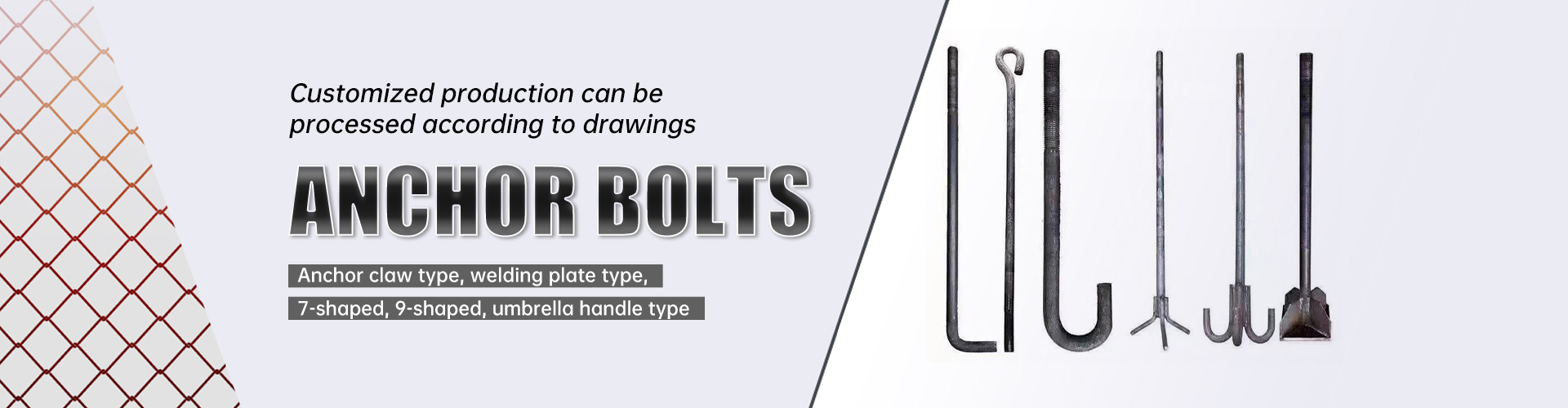
Photovoltaic Support System: Durable Mounting Solutions
2026-10-12
- What Is a Photovoltaic Support System?
- Types of Photovoltaic Support Systems
- Material Selection and Durability Standards
- Key Design Considerations for PV Support Systems
- Installation Best Practices
- Comparison of Mounting Solutions
- Why Quality Components Matter: The EEAT Perspective
- Frequently Asked Questions (FAQ)
- Conclusion and Next Steps
A photovoltaic support system is the structural backbone of any solar energy installation, designed to securely mount solar panels at optimal angles for maximum energy yield. These systems must withstand environmental stresses such as wind loads, snow accumulation, and corrosion while ensuring long-term stability. In 2026, the industry prioritizes durable, modular mounting solutions that reduce installation time and enhance the lifespan of PV modules. Selecting the right support structure involves evaluating material quality, site-specific load requirements, and compatibility with panel types. High-quality fasteners and precision-engineered components are critical to maintaining structural integrity over a 25+ year operational life.
What Is a Photovoltaic Support System?
A photovoltaic (PV) support system, often referred to as a solar mounting system, is an engineered framework used to fix solar panels to a surface, such as a roof, ground, or facade. Its primary function is not merely to hold panels in place but to orient them correctly to capture sunlight efficiently throughout the day and across seasons.
The system comprises several key components:
- Rails and Clamps: Aluminum or steel profiles that hold the solar modules directly.
- Mounting Brackets: Connectors that attach rails to the underlying structure.
- Fasteners: High-grade bolts, nuts, and screws that ensure rigid connections.
- Foundation Elements: Ground screws, concrete bases, or roof hooks depending on the installation type.
In modern solar engineering, the support system is recognized as a critical safety component. A failure in the mounting structure can lead to panel detachment, electrical damage, or significant property loss. Therefore, the design and manufacturing of these components require strict adherence to international standards such as IEC 61215 and ASCE 7 for wind and snow load calculations.
Core Functions of Solar Mounting Structures
Beyond simple stabilization, a robust photovoltaic support system serves three essential engineering purposes:
- Optimal Angle Adjustment: Ensuring panels are tilted to maximize irradiance exposure based on geographic latitude.
- Thermal Management: Allowing adequate airflow beneath panels to prevent overheating, which can reduce efficiency.
- Structural Resilience: Distributing mechanical loads evenly to prevent stress concentration on individual solar cells or the building structure.
Types of Photovoltaic Support Systems
Choosing the correct type of mounting system depends on the installation environment. Each category has distinct engineering requirements and application scenarios.
1. Roof-Mounted Systems
Roof-mounted systems are the most common solution for residential and commercial buildings. They are subdivided based on the roof type:
- Pitched Roof Mounts: These use hooks or brackets that attach directly to the roof rafters beneath the tiles or shingles. The goal is to maintain the waterproof integrity of the roof while providing a stable base for the rails.
- Flat Roof Ballasted Systems: For commercial flat roofs, penetrations are often avoided to prevent leaks. Instead, concrete blocks or specialized plastic ballasts are used to weigh down the structure. This requires careful calculation of the roof’s load-bearing capacity.
- Standing Seam Metal Roofs: These utilize clamps that grip the vertical seams of metal roofing without drilling, preserving the roof warranty and structural integrity.
2. Ground-Mounted Systems
Ground mounts are ideal for large-scale solar farms or properties with ample land. They offer greater flexibility in orientation and tilt angle.
- Pile-Driven Systems: Steel piles are driven into the ground, providing deep foundation stability. This is effective in various soil conditions but requires specialized equipment.
- Concrete Foundation Systems: Pre-cast concrete blocks anchor the support structure. This method is less invasive to the soil but involves higher transportation and labor costs.
- Screw Pile Systems: Large helical screws are twisted into the ground. This is a faster installation method suitable for softer soils and allows for easier removal if needed.
3. Tracking Systems vs. Fixed Tilt
While fixed-tilt systems remain the standard due to lower maintenance costs, single-axis and dual-axis tracking systems are gaining traction in utility-scale projects. Trackers move the panels to follow the sun’s path, increasing energy generation by 15-25%. However, they require more complex support structures with moving parts and motors, increasing both initial investment and maintenance needs.
Material Selection and Durability Standards
The longevity of a photovoltaic support system is directly linked to the materials used. Since solar installations are expected to operate for 25 to 30 years, the mounting structure must resist corrosion, UV degradation, and mechanical fatigue.
Aluminum Alloys
Anodized aluminum (typically AA6005-T5 or AA6063-T5) is the industry standard for rails and clamps. It offers an excellent strength-to-weight ratio and natural corrosion resistance. The anodization process creates a protective oxide layer that prevents rust, making it ideal for coastal or humid environments.
Stainless Steel and Galvanized Steel
For structural supports, foundations, and fasteners, stainless steel (SUS304 or SUS316) and hot-dip galvanized steel are preferred.
- Stainless Steel 316: Contains molybdenum, offering superior resistance to chloride-induced corrosion. It is the recommended choice for marine environments or areas with high salinity.
- Hot-Dip Galvanized Steel: Coated with a thick layer of zinc, this material provides robust protection against rust for ground mounts and heavy-duty structural beams.
The Critical Role of Fasteners
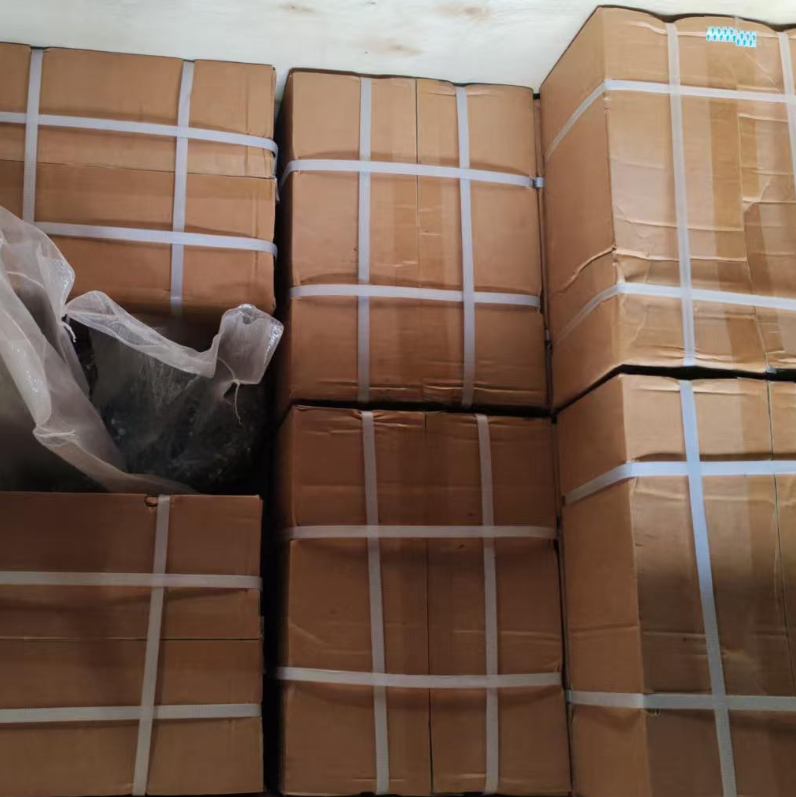
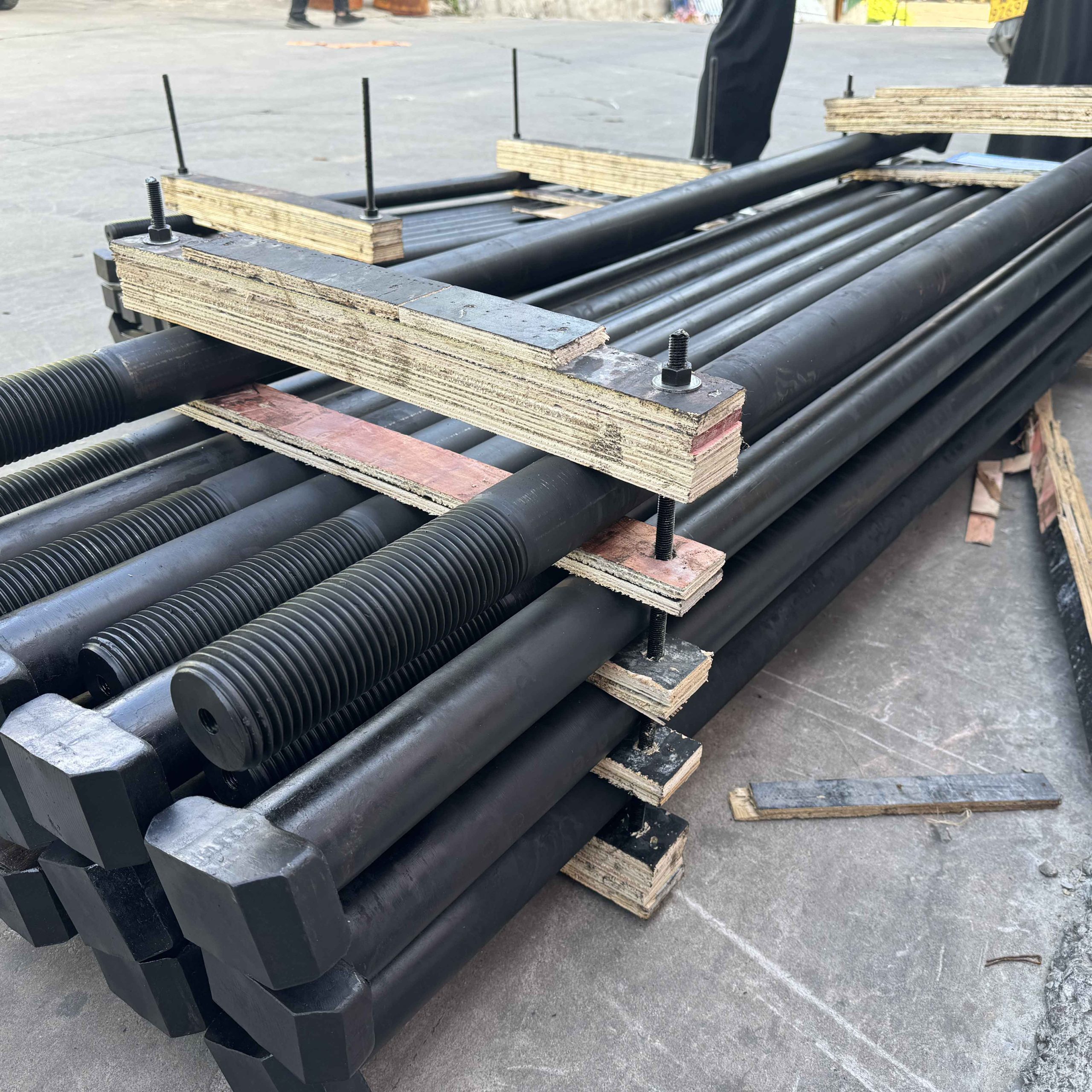
Fasteners are often the weakest link in a solar mounting system if not selected correctly. A single corroded bolt can compromise the entire array. High-quality power bolts and specialized solar fasteners must meet strict tensile strength and corrosion resistance standards. Handan Zitai Fastener Manufacturing Co., Ltd. specializes in producing these critical components, ensuring that every bolt, hoop, and photovoltaic accessory meets rigorous quality controls. Their advanced production equipment allows for the precise manufacturing of power bolts and steel structure embedded parts, which are essential for securing mounting systems in high-wind zones.
Using inferior fasteners can lead to “creep” or loosening over time due to thermal expansion and contraction cycles. Therefore, sourcing fasteners from experienced manufacturers with a proven track record in the power and photovoltaic sectors is a best practice for EPC contractors and installers.
Key Design Considerations for PV Support Systems
Engineering a solar mounting solution requires a comprehensive analysis of site-specific variables. Ignoring these factors can lead to structural failure or reduced energy output.
Wind and Snow Load Analysis
The structural design must account for the maximum expected wind speed and snow accumulation in the installation region.
- Wind Load: High winds create uplift forces that can tear panels off roofs. Aerodynamic designs and reinforced clamping points are necessary in hurricane-prone areas.
- Snow Load: Heavy snow can bend rails or collapse weak structures. Steeper tilt angles help shed snow, but the structure must still support the weight of wet, heavy snowpack.
Corrosion Resistance and Environment
Environmental conditions dictate material choices. In industrial areas with high pollution or coastal regions with salt spray, standard galvanized steel may degrade prematurely. In such cases, stainless steel 316 fasteners and heavily anodized aluminum rails are mandatory. Regular inspection schedules should also be established to check for early signs of galvanic corrosion, especially where different metals connect.
Compatibility with Solar Modules
Solar panel frames vary in thickness and material. The mounting clamps must be compatible with the specific module profile to avoid damaging the frame or voiding the manufacturer’s warranty. Universal clamps are available, but custom-designed clamps often provide a more secure fit for specific brands.
Installation Best Practices
Proper installation is as crucial as the design itself. Even the highest quality materials can fail if installed incorrectly.
Step-by-Step Installation Overview
- Site Assessment: Verify roof condition or soil stability. Mark out the layout according to the engineering drawings.
- Anchor Installation: Install roof hooks, ground piles, or ballast blocks. Ensure all anchors are aligned and leveled.
- Rail Assembly: Attach aluminum rails to the anchors. Use mid-clamps and end-clamps to secure the rails together if necessary for long spans.
- Module Mounting: Place solar panels onto the rails. Secure them using mid-clamps between panels and end-clamps at the ends of the row.
- Torque Verification: Use a torque wrench to tighten all bolts to the manufacturer’s specified values. Over-tightening can strip threads; under-tightening can lead to loosening.
- Grounding: Ensure all metal components are properly grounded to prevent electrical hazards.
Common Installation Errors to Avoid
- Mixing Metals: Direct contact between aluminum and untreated steel can cause galvanic corrosion. Always use stainless steel fasteners or insulating washers.
- Ignoring Thermal Expansion: Rails expand and contract with temperature changes. Leave appropriate gaps between rail sections to prevent buckling.
- Inadequate Flashing: On pitched roofs, ensure flashing is correctly installed under tiles to prevent water ingress around roof hooks.
Comparison of Mounting Solutions
The following table compares the primary types of photovoltaic support systems to aid in decision-making.
| Feature | Roof-Mounted (Pitched) | Ground-Mounted | Flat Roof Ballasted |
|---|---|---|---|
| Installation Cost | Low to Medium | High | Medium |
| Land Usage | None (Uses existing structure) | High | None (Uses roof space) |
| Maintenance Access | Difficult | Easy | Moderate |
| Wind Resistance | High (if anchored correctly) | Very High | Moderate (depends on ballast) |
| Ideal Application | Residential/Commercial | Utility Scale/Open Land | Commercial Flat Roofs |
Why Quality Components Matter: The EEAT Perspective
In the context of Experience, Expertise, Authoritativeness, and Trustworthiness (EEAT), the selection of a supplier is paramount. A photovoltaic support system is only as strong as its weakest component. Industry leaders emphasize the importance of sourcing from manufacturers with deep technical expertise and rigorous quality management systems.
Handan Zitai Fastener Manufacturing Co., Ltd. exemplifies this commitment to quality. As a large-scale professional distributor and manufacturer, the company leverages advanced production equipment to produce high-precision photovoltaic accessories, power bolts, and steel structure embedded parts. Their extensive experience in the fastener industry ensures that each product meets the demanding requirements of modern solar installations. By strictly managing product quality, they have enhanced their market image and earned trust from customers globally. This level of reliability is crucial for EPC contractors who need to guarantee the long-term performance of their solar projects.
Trustworthiness in this sector is built on consistency. When a manufacturer like Handan Zitai delivers components that consistently meet dimensional tolerances and material specifications, it reduces the risk of on-site installation errors and future maintenance issues. This reliability translates directly into lower levelized cost of energy (LCOE) for the project owner.
Frequently Asked Questions (FAQ)
How long does a photovoltaic support system last?
A well-designed and properly installed PV support system should last at least 25 to 30 years, matching the lifespan of the solar panels. Using corrosion-resistant materials like anodized aluminum and stainless steel is key to achieving this longevity.
Can I install solar mounts on an old roof?
It is recommended to assess the condition of the roof before installation. If the roof is near the end of its life, it should be replaced first. Installing mounts on a deteriorating roof can lead to leaks and costly repairs later, as removing the solar array to fix the roof is expensive.
What is the difference between mid-clamps and end-clamps?
Mid-clamps are used between two adjacent solar panels to secure both frames to the rail. End-clamps are used at the beginning and end of a row to secure the last panel. They are not interchangeable due to their different structural designs.
Do ground-mounted systems require concrete?
No, not always. While concrete foundations are one option, pile-driven and screw-pile systems are popular alternatives that do not require concrete. The choice depends on soil conditions and local regulations.
How do I prevent corrosion in coastal areas?
In coastal environments, use stainless steel 316 fasteners and heavily anodized aluminum rails. Avoid using standard galvanized steel for small components, as salt spray can penetrate thinner coatings. Regular rinsing of the system with fresh water can also help remove salt deposits.
Conclusion and Next Steps
A durable photovoltaic support system is the foundation of a successful solar energy project. It ensures safety, maximizes energy production, and protects your investment over decades. Whether you are developing a utility-scale ground mount or a residential rooftop installation, the quality of materials—particularly fasteners and mounting hardware—cannot be compromised.
For project managers, EPC contractors, and distributors, partnering with a reliable manufacturer is essential. Handan Zitai Fastener Manufacturing Co., Ltd. offers a comprehensive range of high-quality photovoltaic accessories, power bolts, and structural components designed to meet the rigorous demands of the global solar market. Their commitment to quality and advanced manufacturing capabilities makes them a trusted partner for sustainable energy infrastructure.
Ready to secure your next solar project?
Evaluate your specific load requirements and environmental conditions, and choose mounting solutions that prioritize long-term durability. For detailed specifications on high-performance fasteners and PV mounting accessories, explore our product range.
View Photovoltaic Support System Products and Technical Specifications
Please leave us a message
-

-
-
WeChat



Privacy Policy
Our Commitment to Privacy
Introduction.
Rainbow Inc. recognizes the importance of protecting the privacy of all personal information provided by its customers, including users of www.rainbow-inkjet.com and other Rainbow Inc. affiliated websites (collectively "Rainbow Inc. Sites"). We created the following policy guidelines with a fundamental respect for our customers´ right to privacy and because we value our relationships with our customers. Your visit to the Rainbow Inc. Sites is subject to this Privacy Statement and our Online Terms and Conditions.
Description.
This Privacy Statement describes the types of information we collect and how we may use that information. Our Privacy Statement also describes the measures we take to protect the security of this information as well as how you may reach us to update your contact information.
Data Collection
Personal Data Collected Directly From Visitors.
Rainbow Inc. collects personal information when: you submit questions or comments to us; you request information or materials; you request warranty or post-warranty service and support; you participate in surveys; and by other means that may be specifically provided for on the Rainbow Inc. Sites or in our correspondence with you.
Type of Personal Data.
The type of information collected directly from the user may include your name, your company's name, physical contact information, address, billing and delivery information, e-mail address, the products you use, demographic information such as your age, preferences, and interests and information relating to the sale or installation of your product.
Non-Personal Data Collected Automatically.
We may collect information about your interaction with Rainbow Inc. Sites and services. For example, we may use website analytics tools on our site to retrieve information from your browser, including the site you came from, the search engine(s) and the keywords you used to find our site, and the pages you view within our site. Additionally, we collect certain standard information that your browser sends to every website you visit, such as your IP address, browser type, capabilities and language, your operating system, access times and referring Web site addresses.
Storage and Processing.
Personal data collected on our websites may be stored and processed in the United States in which Rainbow Inc. or its affiliates, joint ventures, or third party servicers maintain facilities.
How We Use the Data
Services and transactions.
We use your personal data to deliver services or execute transactions you request, such as providing information about Rainbow Inc. products and services, processing orders, answering customer service requests, facilitating use of our Web sites, enabling online shopping, and so forth. In order to offer you a more consistent experience in interacting with Rainbow Inc., information collected by our websites may be combined with information we collect by other means.
Product Development.
We use the personal and non-personal data for product development, including for such processes as idea generation, product design and improvements, detail engineering, market research and marketing analysis.
Website Improvement.
We may use the personal and non-personal data to improve our websites (including our security measures) and related products or services, or to make our websites easier to use by eliminating the need for you to repeatedly enter the same information or by customizing our websites to your particular preference or interests.
Marketing Communications.
We may use your personal data to inform you of products or services available from Rainbow Inc. When collecting information that might be used to contact you about our products and services, we often give you the opportunity to opt-out from receiving such communications. Moreover, in our email communications with you we may include an unsubscribe link allowing you to stop delivery of that type of communication. If you elect to unsubscribe, we will remove you from the relevant list within 15 business days.
Commitment to Data Security
Security.
Rainbow Inc. Corporation uses reasonable precautions to keep the personal information disclosed to us secure. To prevent unauthorized access, maintain data accuracy, and ensure the correct use of information, we have put in place appropriate physical, electronic, and managerial procedures to safeguard and secure your personal information. For example, we store sensitive personal data on computer systems with limited access that are located in facilities to which access is limited. When you move around a site to which you have logged in, or from one site to another that uses the same login mechanism, we verify your identity by means of an encrypted cookie placed on your machine. Nonetheless, Rainbow Inc. Corporation does not guarantee the security, accuracy or completeness of any such information or procedures.
Internet.
The transmission of information via the internet is not completely secure. Although we do our best to protect your personal information, we cannot guarantee the security of your personal information transmitted to our Website. Any transmission of personal information is at your own risk. We are not responsible for circumvention of any privacy settings or security measures contained on the Rainbow Inc. Sites.
Contact Us
If you have questions regarding this privacy statement, our handling of your personal data, or your privacy rights under applicable law, please contact us by mail at the address below.
Rainbow Inc.
Attn: Katherine Tan
Add: No.1658 Husong Road, Shanghai, China.
Statement Updates
Revisions.
Rainbow Inc. reserves the right to modify this privacy statement from time to time. If we decide to change our Privacy Statement, we will post the revised Statement here.
Date.
This Privacy Statement was last amended on September 7, 2022.