
- Chinese
- French
- German
- Portuguese
- Spanish
- Russian
- Japanese
- Korean
- Arabic
- Irish
- Greek
- Turkish
- Italian
- Danish
- Romanian
- Indonesian
- Czech
- Afrikaans
- Swedish
- Polish
- Basque
- Catalan
- Esperanto
- Hindi
- Lao
- Albanian
- Amharic
- Armenian
- Azerbaijani
- Belarusian
- Bengali
- Bosnian
- Bulgarian
- Cebuano
- Chichewa
- Corsican
- Croatian
- Dutch
- Estonian
- Filipino
- Finnish
- Frisian
- Galician
- Georgian
- Gujarati
- Haitian
- Hausa
- Hawaiian
- Hebrew
- Hmong
- Hungarian
- Icelandic
- Igbo
- Javanese
- Kannada
- Kazakh
- Khmer
- Kurdish
- Kyrgyz
- Latin
- Latvian
- Lithuanian
- Luxembou..
- Macedonian
- Malagasy
- Malay
- Malayalam
- Maltese
- Maori
- Marathi
- Mongolian
- Burmese
- Nepali
- Norwegian
- Pashto
- Persian
- Punjabi
- Serbian
- Sesotho
- Sinhala
- Slovak
- Slovenian
- Somali
- Samoan
- Scots Gaelic
- Shona
- Sindhi
- Sundanese
- Swahili
- Tajik
- Tamil
- Telugu
- Thai
- Ukrainian
- Urdu
- Uzbek
- Vietnamese
- Welsh
- Xhosa
- Yiddish
- Yoruba
- Zulu
- Kinyarwanda
- Tatar
- Oriya
- Turkmen
- Uyghur


Three-section water-stop screws 2026 Price & Trends – Factory Direct Quotes
2026-04-11
- Understanding Three-Section Water-Stop Screws: Definition and Core Function
- Key Components and Technical Specifications
- 2026 Price Trends and Market Analysis
- Factory Direct vs. Distributor Pricing Models
- Comparative Analysis: Three-Section vs. Traditional Systems
- Application Scenarios and Industry Use Cases
- Step-by-Step Installation Guide
- Factors Influencing Quote Accuracy in 2026
- Quality Assurance and Certification Standards
- Industry Leader Spotlight: Handan Zitai Fastener Manufacturing Co., Ltd.
- Common Challenges and Solutions
- Frequently Asked Questions (FAQ)
- Conclusion and Strategic Recommendations
Three-section water-stop screws are specialized fasteners engineered to prevent leakage in concrete structures by utilizing three distinct sealing zones. As we approach 2026, pricing for these components is increasingly driven by raw material volatility, specifically stainless steel and rubber composite costs, alongside stricter global waterproofing standards. Factory-direct quotes currently reflect a shift toward high-durability alloys and automated manufacturing processes that reduce long-term maintenance expenses despite slight upfront price increases.
Understanding Three-Section Water-Stop Screws: Definition and Core Function
A three-section water-stop screw, often referred to as a triple-seal stop bolt or waterproof formwork tie, is a critical component in modern concrete construction. Unlike traditional through-bolts that leave continuous channels for water infiltration, this design incorporates three specific barriers to halt hydrostatic pressure. The primary function is to ensure the structural integrity of basements, tunnels, and water tanks where moisture control is paramount.
The “three-section” designation refers to the physical segmentation of the bolt assembly. Typically, this includes two outer removable sections and a central permanent section embedded within the concrete. Between these sections lie specialized water-stop plates or rings that create a tortuous path for water, effectively stopping capillary action. This design eliminates the need for post-pour grouting in many applications, significantly reducing labor costs and potential failure points.
In the context of 2026 market trends, the definition has expanded to include advanced materials. Modern iterations now frequently utilize hot-dip galvanized steel or 304/316 stainless steel for the outer threads to resist corrosion during the curing process and beyond. The central water-stop element has also evolved from simple flat plates to conical or ribbed designs that mechanically lock into the concrete matrix, providing superior resistance against pull-out forces.
Key Components and Technical Specifications
To understand the value proposition of factory-direct procurement, one must analyze the technical composition of these fasteners. A standard high-quality unit consists of several integrated parts that work in unison to provide a watertight seal.
- Outer Rods: These are threaded sections that connect to the formwork. They are designed to be unscrewed and reused after the concrete sets, reducing material waste.
- Inner Rod: The central segment remains permanently inside the wall. Its length corresponds exactly to the wall thickness, ensuring no protrusion on either side.
- Water-Stop Rings: Located at the junctions between the inner and outer rods, these are usually square or circular steel plates welded to the inner rod. They act as the primary physical barrier against water migration.
- Cones or Bushings: Plastic or metal cones are often used at the formwork interface to create a recessed hole, allowing for easy removal of the outer rods and subsequent sealing of the surface.
The dimensional specifications vary based on load requirements. Common diameters range from M12 to M20, with lengths customized to match wall thicknesses ranging from 200mm to over 1000mm. The tensile strength of the steel used is a critical metric, with Grade 8.8 or higher being the industry standard for heavy-duty civil engineering projects. In 2026, manufacturers are increasingly certifying these specs against international ISO standards to facilitate global trade.
2026 Price Trends and Market Analysis
Forecasting the cost landscape for three-section water-stop screws in 2026 requires an analysis of macroeconomic factors influencing the construction supply chain. Prices are not static; they fluctuate based on the interplay of raw material costs, energy prices, and logistical complexities.
The primary driver of pricing remains the cost of steel billets and wire rod. Global initiatives to reduce carbon emissions in steel production have led to the adoption of electric arc furnaces and green hydrogen technologies. While environmentally beneficial, these transitions have initially increased production costs. Consequently, factory-direct quotes for 2026 are projected to show a moderate upward trend compared to previous years, reflecting these sustainable manufacturing premiums.
Another significant factor is the surface treatment process. With stricter environmental regulations on zinc plating and galvanizing, compliant factories face higher operational costs. However, this investment results in products with longer lifespans and better corrosion resistance. Buyers looking for the lowest possible price may find cheaper alternatives, but these often lack the necessary certification for major infrastructure projects. The market is bifurcating into “commodity grade” and “engineering grade,” with the latter commanding a premium due to verified performance data.
Logistics and shipping rates also play a pivotal role. As global supply chains stabilize post-pandemic, freight costs have normalized but remain sensitive to fuel prices. For international buyers, sourcing directly from manufacturing hubs in Asia can still offer substantial savings of 20% to 30% compared to local distributors, even when accounting for shipping. The key is optimizing container loads and leveraging FOB (Free on Board) terms to control logistics expenses.
Factory Direct vs. Distributor Pricing Models
When procuring three-section water-stop screws, the choice between buying factory-direct or through a local distributor significantly impacts the bottom line. Understanding the structural differences in these pricing models is essential for project managers and procurement officers.
Factory-Direct Advantages:
- Cost Efficiency: Eliminating middlemen removes markup layers that can add 15-25% to the final unit price.
- Customization: Factories can adjust thread lengths, rod diameters, and water-stop plate sizes to fit unique architectural requirements without excessive fees.
- Quality Control: Direct communication allows buyers to request specific mill certificates, third-party testing reports, and pre-shipment inspections.
- Volume Discounts: Manufacturers are more inclined to offer tiered pricing for bulk orders, which is crucial for large-scale developments.
Distributor Benefits:
- Speed of Delivery: Local stock means immediate availability for urgent, small-scale repairs or additions.
- Technical Support: Distributors often provide on-site consultation and handle returns or defects more swiftly than overseas factories.
- Credit Terms: Established relationships with local suppliers may allow for flexible payment terms not typically available with direct factory imports.
For projects requiring thousands of units, the factory-direct model is overwhelmingly the superior financial choice. The lead time, typically 15-30 days for production plus shipping, can be managed through careful project planning. Conversely, for emergency maintenance or very small jobs, the premium paid to a distributor is justified by the immediacy of supply.
Comparative Analysis: Three-Section vs. Traditional Systems
To fully appreciate the engineering value of three-section water-stop screws, it is necessary to compare them against traditional formwork tying methods. The following table highlights the critical differences in performance, cost, and application suitability.
| Feature | Three-Section Water-Stop Screw | Traditional Through-Bolt | PVC Sleeve System |
|---|---|---|---|
| Waterproofing Capability | High: Integrated steel stops create a mechanical seal within the concrete. | Low: Requires external grouting; prone to leakage along the bolt channel. | Medium: Relies on sealants which can degrade over time. |
| Material Reusability | High: Outer rods are removed and reused multiple times. | Low: Often cut off and left in place, wasting steel. | Medium: Sleeves are lost; bolts are reusable. |
| Installation Speed | Fast: Modular design allows quick assembly and disassembly. | Moderate: Simple but requires careful cutting and grinding post-pour. | Slow: Requires precise alignment of sleeves. |
| Long-Term Maintenance | Minimal: No internal channels for water to traverse; reduced corrosion risk. | High: Potential for rust staining and water ingress requiring repair. | Moderate: Sealant failure can lead to leaks. |
| Initial Cost | Higher: More complex manufacturing process. | Lowest: Simple geometry and minimal processing. | Moderate: Cost of sleeves adds up. |
The data clearly indicates that while the initial cost of three-section screws is higher, the total cost of ownership is often lower. The reduction in water damage repairs, the ability to reuse outer rods, and the elimination of extensive grouting labor contribute to significant savings over the lifecycle of a structure. In 2026, as labor costs continue to rise globally, the efficiency gains of the three-section system become even more financially attractive.
Application Scenarios and Industry Use Cases
The versatility of three-section water-stop screws makes them suitable for a wide array of construction environments. Their deployment is most critical in scenarios where hydrostatic pressure is a constant threat or where aesthetic surface finishes are required without visible patching.
Underground Infrastructure:
Basements, subway stations, and underground parking garages represent the largest volume of usage. In these environments, the water table often exerts significant pressure against retaining walls. The triple-seal mechanism ensures that even under high stress, moisture cannot penetrate the living or operational spaces. This is vital for protecting electrical systems, stored goods, and structural reinforcement from corrosion.
Water Retention Structures:
Reservoirs, swimming pools, sewage treatment tanks, and canal linings demand absolute watertightness. Traditional methods often fail here due to the constant presence of water. The welded water-stop rings on three-section screws provide a robust barrier that integrates seamlessly with the concrete, preventing the formation of leak paths that could compromise the containment of liquids.
Marine and Coastal Engineering:
Projects near the ocean face the dual challenge of water pressure and salt-induced corrosion. When manufactured with 316 stainless steel or heavily galvanized coatings, these screws withstand the harsh marine environment. They are used in seawalls, pier foundations, and coastal defense structures where longevity is non-negotiable.
High-Rise Building Foundations:
Modern skyscrapers rely on deep foundation mats and thick shear walls. The precision offered by factory-made three-section screws ensures that formwork remains stable during the pour while guaranteeing that the finished concrete surface is free from blowouts or leaks. The ability to remove the outer threads cleanly leaves a neat recess that is easily patched, maintaining the architectural integrity of the visible surfaces.
Step-by-Step Installation Guide
Proper installation is crucial to realizing the waterproofing benefits of three-section water-stop screws. Incorrect assembly can compromise the seal, rendering the specialized design ineffective. Follow these steps for optimal results:
- Step 1: Assembly: Connect the inner rod to the two outer rods using the provided couplers. Ensure the water-stop rings are positioned correctly on the inner rod, centered relative to the wall thickness. Tighten the connections securely to prevent separation during the concrete pour.
- Step 2: Formwork Preparation: Drill holes in the formwork panels at the designated spacing intervals. Insert the plastic cones or bushings into these holes. These cones will create the recess needed for rod removal later.
- Step 3: Insertion: Pass the assembled screw through the formwork holes and the spacers. Secure the formwork tightly against the cones using nuts and washers on the outer rods. Verify that the inner rod is perfectly perpendicular to the formwork face to ensure even load distribution.
- Step 4: Concrete Pouring: Proceed with the concrete placement. Vibrate the concrete carefully around the screw locations to ensure full encapsulation of the water-stop rings without displacing the assembly. Avoid direct contact of the vibrator with the bolt to prevent misalignment.
- Step 5: Curing and Stripping: Allow the concrete to cure to the specified strength. Once cured, remove the nuts and washers. Unscrew the outer rods by rotating them counter-clockwise. The inner rod remains embedded, and the cones can be popped out, leaving a clean, tapered hole.
- Step 6: Final Sealing: Although the system is self-sealing, best practices dictate filling the recessed holes with a non-shrink waterproof mortar or epoxy grout. This provides an additional layer of protection and restores the surface finish.
Factors Influencing Quote Accuracy in 2026
When requesting a factory-direct quote, several variables will determine the final price per unit. Being aware of these factors allows buyers to negotiate more effectively and avoid hidden costs.
Raw Material Grades:
The type of steel used is the single biggest cost determinant. Standard carbon steel (Q235) is the most economical, while alloy steels (45# steel) offer higher tensile strength at a higher price. For corrosive environments, specifying stainless steel (304/316) will increase the cost significantly but is often mandatory for compliance. Clarify the exact grade required in your RFQ (Request for Quotation).
Surface Treatment Options:
Bare steel is rarely used due to rust risks. Options include oil coating, cold galvanizing, and hot-dip galvanizing. Hot-dip galvanizing provides the thickest and most durable coating but is the most expensive. The thickness of the zinc layer (measured in microns) will directly impact the price. In 2026, environmental taxes on plating processes may also be passed on to the buyer.
Order Volume and Packaging:
Economies of scale apply heavily in fastener manufacturing. An order of 10,000 pieces will have a drastically lower unit cost than an order of 500. Additionally, packaging requirements matter. Bulk packing in woven bags is cheapest, while individual boxing or palletizing for retail distribution adds labor and material costs. Specify your preferred packaging method clearly to get an accurate quote.
Customization Levels:
Standard sizes are produced continuously and are therefore cheaper. Custom lengths, non-standard thread pitches, or specially sized water-stop plates require machine setup changes and potentially new tooling. These setup fees are often amortized over the order quantity, so larger custom orders are more cost-effective per unit.
Quality Assurance and Certification Standards
In an era where structural failures can lead to massive liability, verifying the quality of three-section water-stop screws is non-negotiable. Reputable factories in 2026 adhere to rigorous international standards to ensure product reliability.
ISO 9001 Certification:
This is the baseline for quality management systems. It ensures that the manufacturer has consistent processes in place for production, inspection, and delivery. Always ask for a valid ISO 9001 certificate when vetting potential suppliers.
Material Test Reports (MTRs):
A credible factory will provide MTRs for the steel used in production. These documents trace the chemical composition and mechanical properties of the steel back to the mill. Key metrics to check include yield strength, tensile strength, and elongation percentage.
Third-Party Testing:
For large infrastructure projects, independent testing by agencies like SGS, TUV, or Intertek is common. These tests verify the tensile load capacity, the quality of the welds on the water-stop rings, and the thickness of the galvanization. Factory-direct suppliers accustomed to export markets will be familiar with these requirements and can facilitate the testing process.
Visual Inspection Criteria:
Upon receipt, a visual inspection should check for uniform threading, absence of cracks in the welds, and consistent coating coverage. The water-stop rings should be firmly attached and perpendicular to the rod axis. Any signs of rust before installation indicate poor storage or inadequate coating.
Industry Leader Spotlight: Handan Zitai Fastener Manufacturing Co., Ltd.
As the demand for high-performance fasteners grows, selecting a reliable partner becomes as critical as choosing the right product specification. Handan Zitai Fastener Manufacturing Co., Ltd. stands out as a premier example of a large-scale professional entity that bridges the gap between advanced manufacturing and comprehensive distribution. Equipped with state-of-the-art production equipment and decades of rich industry experience, the company has established itself as a trusted source for critical construction components.
While Handan Zitai is widely recognized for its diverse portfolio—including power bolts, hoops, photovoltaic accessories, and steel structure embedded parts—its commitment to strict quality management extends seamlessly to waterproofing solutions like three-section water-stop screws. The company’s rigorous quality control protocols ensure that every batch meets stringent international standards, allowing their products to rapidly enhance market grade and image. This dedication to excellence has earned unanimous praise from industry leaders and customers alike, making Handan Zitai an ideal partner for projects requiring both scale and precision.
By integrating Handan Zitai’s manufacturing prowess with the technical requirements of modern waterproofing, clients can expect not only competitive factory-direct pricing but also the assurance of consistent product performance. Their ability to manage complex supply chains while maintaining high-quality outputs positions them as a strategic ally for civil engineering contractors and developers navigating the challenges of the 2026 market.
Common Challenges and Solutions
Even with high-quality products from reputable sources like Handan Zitai, challenges can arise during procurement and implementation. Anticipating these issues ensures smoother project execution.
Challenge: Thread Damage During Transport
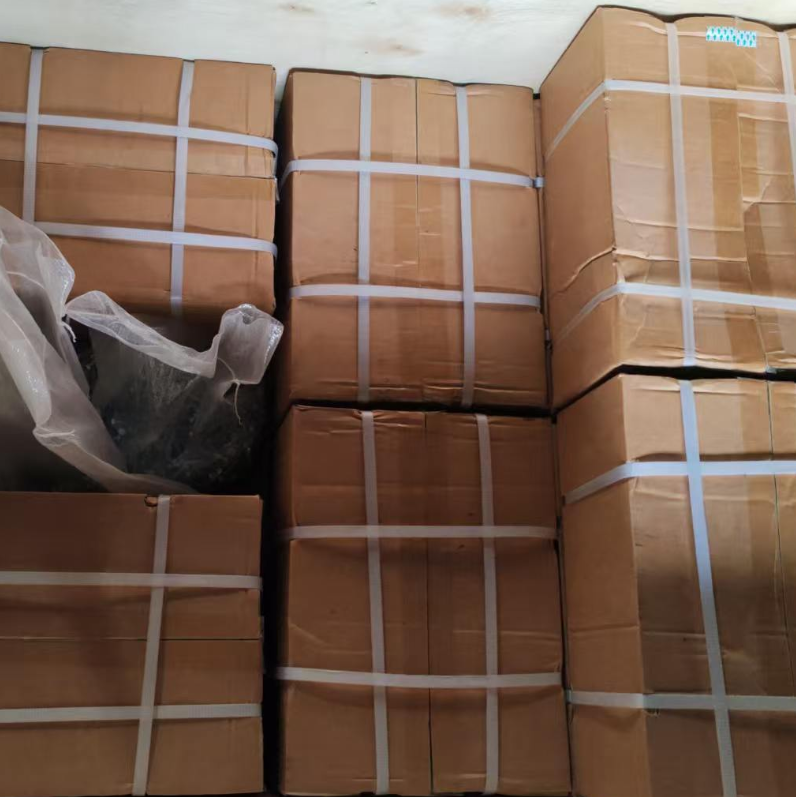
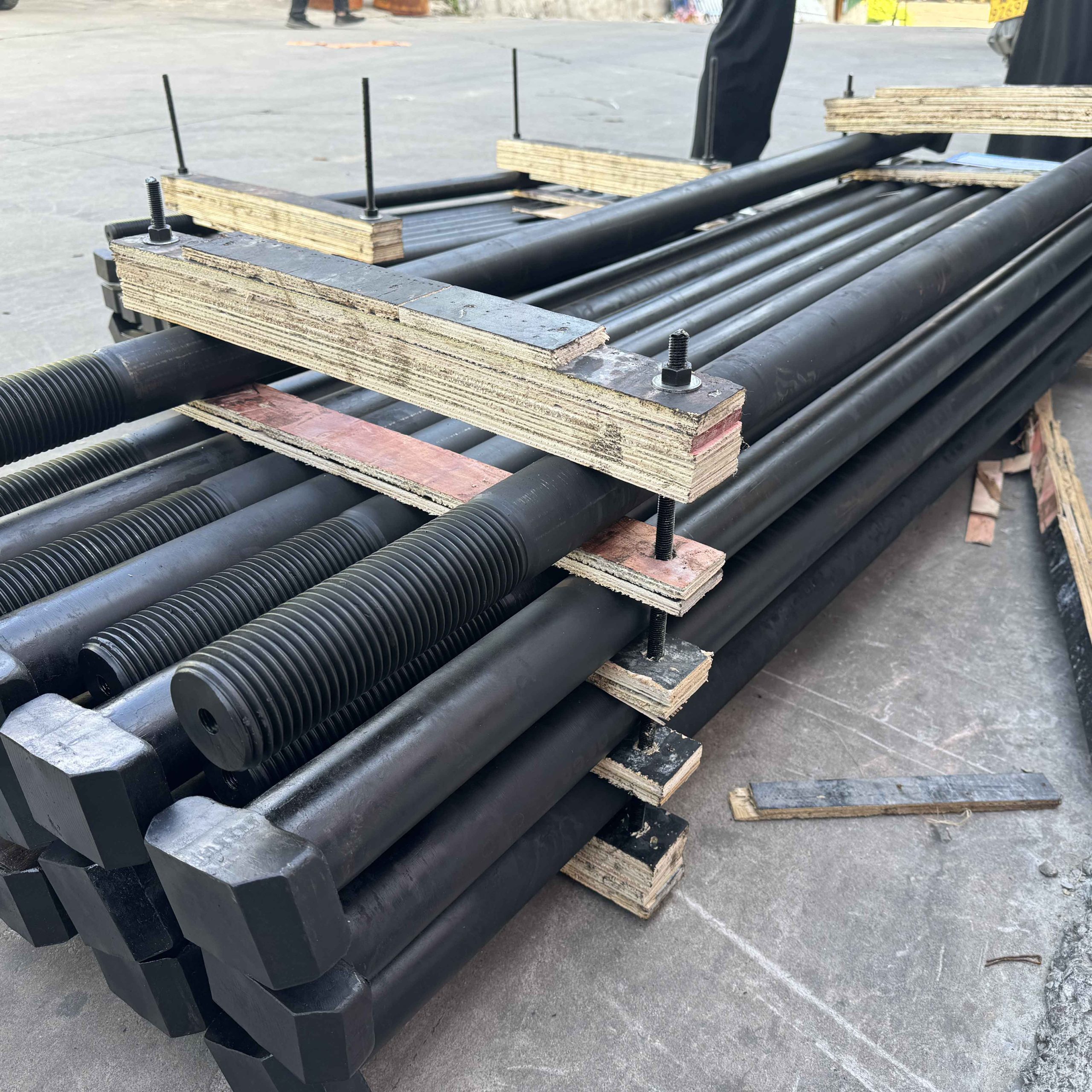
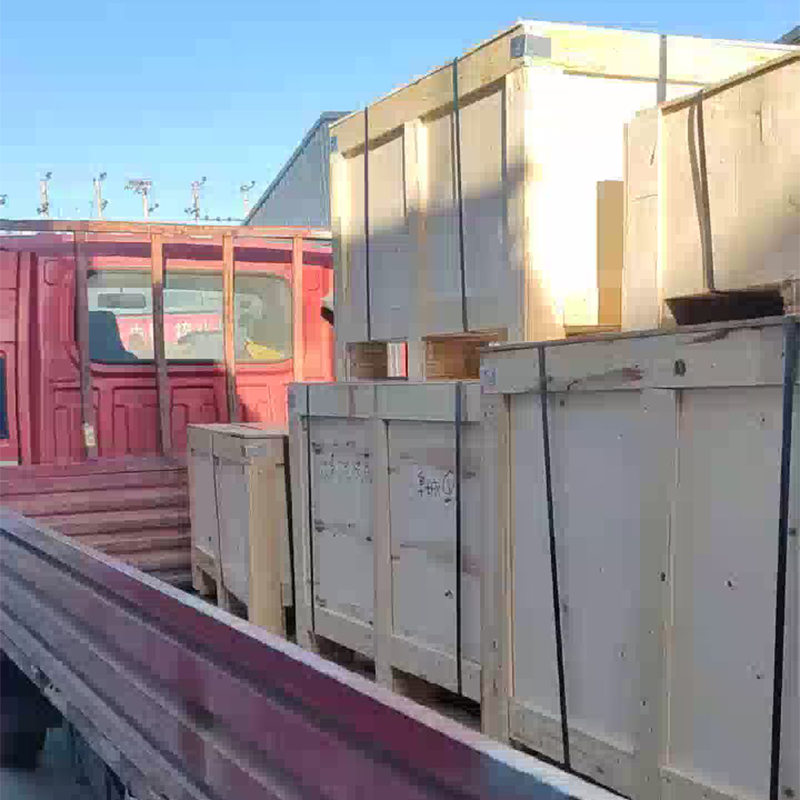
Solution: Improper packaging can lead to bent rods or damaged threads. Insist on bundled packaging with protective caps on the threads. Use reinforced crates for sea freight. If damage occurs, document it immediately with photos for claims.
Challenge: Leakage at the Ring Interface
Solution: This is often due to poor concrete consolidation around the ring. Ensure workers use vibrators correctly to eliminate air pockets. Using a slightly larger water-stop ring or adding a secondary rubber gasket can enhance the seal in high-pressure zones.
Challenge: Difficulty in Removing Outer Rods
Solution: If concrete slurry enters the coupling area, the rods may seize. Use high-quality plastic cones to seal the gap between the rod and formwork. Applying a release agent to the threads before assembly can also facilitate easier removal after curing.
Challenge: Price Volatility
Solution: Steel prices can fluctuate weekly. Lock in prices by signing contracts with fixed-rate clauses for a specific period. Ordering well in advance of the project start date allows manufacturers to purchase raw materials at stable rates, passing the savings to you.
Frequently Asked Questions (FAQ)
What is the typical lead time for factory-direct orders?
For standard sizes and quantities, the production lead time is typically 15 to 25 days. Custom orders or massive volumes may require 30 to 45 days. Shipping time varies by destination, adding another 10 to 40 days depending on whether air or sea freight is chosen.
Can three-section water-stop screws be reused?
Yes, the outer sections are designed to be unscrewed and reused multiple times, often up to 5-10 cycles depending on care and handling. The inner section with the water-stop ring is permanent and remains embedded in the concrete.
Are these screws compatible with all formwork systems?
They are highly versatile and compatible with most standard timber, steel, and aluminum formwork systems. However, the diameter of the formwork holes must match the cone size used with the screws. Adapters are available for specialized formwork brands.
How do I calculate the quantity needed for my project?
Calculate the total surface area of the formwork and divide by the recommended spacing interval (usually 400mm x 400mm or 500mm x 500mm, depending on concrete pressure). Add a 5-10% buffer for wastage and unexpected adjustments. Manufacturers can assist with detailed take-offs if you provide structural drawings.
What is the difference between cold and hot-dip galvanizing?
Cold galvanizing (electroplating) offers a thinner, shinier coat suitable for indoor or dry environments. Hot-dip galvanizing involves dipping the steel in molten zinc, creating a thicker, rougher, and much more durable coating ideal for outdoor, wet, or corrosive environments. For water-stop applications, hot-dip is strongly recommended.
Conclusion and Strategic Recommendations
The adoption of three-section water-stop screws represents a strategic investment in the longevity and safety of concrete structures. As we move into 2026, the convergence of advanced manufacturing techniques and stricter regulatory standards makes these components indispensable for high-quality construction. While the upfront cost may exceed that of traditional ties, the long-term benefits in waterproofing performance, labor efficiency, and material reusability deliver a superior return on investment.
For project stakeholders, the path forward involves careful supplier selection. Prioritize factories that demonstrate transparency in material sourcing, hold relevant international certifications, and offer comprehensive technical support. Partnering with established entities like Handan Zitai Fastener Manufacturing Co., Ltd. can provide the dual advantage of broad product expertise and rigorous quality assurance. Do not base decisions solely on the lowest initial price; consider the total cost of ownership, including the risk of water damage and repair.
Who should use this solution?
- Civil Engineering Contractors: For tunnels, bridges, and retaining walls where failure is not an option.
- Commercial Developers: For high-rise basements and underground parking to protect asset value.
- Infrastructure Agencies: For public works projects requiring decades of maintenance-free operation.
To secure the best 2026 pricing, initiate your procurement process early. Engage with manufacturers to discuss your specific project requirements, request samples for testing, and negotiate volume-based contracts. By leveraging factory-direct channels and adhering to best installation practices, you can ensure your project stands the test of time against the elements.
Please leave us a message
-

-
-
WeChat



Privacy Policy
Our Commitment to Privacy
Introduction.
Rainbow Inc. recognizes the importance of protecting the privacy of all personal information provided by its customers, including users of www.rainbow-inkjet.com and other Rainbow Inc. affiliated websites (collectively "Rainbow Inc. Sites"). We created the following policy guidelines with a fundamental respect for our customers´ right to privacy and because we value our relationships with our customers. Your visit to the Rainbow Inc. Sites is subject to this Privacy Statement and our Online Terms and Conditions.
Description.
This Privacy Statement describes the types of information we collect and how we may use that information. Our Privacy Statement also describes the measures we take to protect the security of this information as well as how you may reach us to update your contact information.
Data Collection
Personal Data Collected Directly From Visitors.
Rainbow Inc. collects personal information when: you submit questions or comments to us; you request information or materials; you request warranty or post-warranty service and support; you participate in surveys; and by other means that may be specifically provided for on the Rainbow Inc. Sites or in our correspondence with you.
Type of Personal Data.
The type of information collected directly from the user may include your name, your company's name, physical contact information, address, billing and delivery information, e-mail address, the products you use, demographic information such as your age, preferences, and interests and information relating to the sale or installation of your product.
Non-Personal Data Collected Automatically.
We may collect information about your interaction with Rainbow Inc. Sites and services. For example, we may use website analytics tools on our site to retrieve information from your browser, including the site you came from, the search engine(s) and the keywords you used to find our site, and the pages you view within our site. Additionally, we collect certain standard information that your browser sends to every website you visit, such as your IP address, browser type, capabilities and language, your operating system, access times and referring Web site addresses.
Storage and Processing.
Personal data collected on our websites may be stored and processed in the United States in which Rainbow Inc. or its affiliates, joint ventures, or third party servicers maintain facilities.
How We Use the Data
Services and transactions.
We use your personal data to deliver services or execute transactions you request, such as providing information about Rainbow Inc. products and services, processing orders, answering customer service requests, facilitating use of our Web sites, enabling online shopping, and so forth. In order to offer you a more consistent experience in interacting with Rainbow Inc., information collected by our websites may be combined with information we collect by other means.
Product Development.
We use the personal and non-personal data for product development, including for such processes as idea generation, product design and improvements, detail engineering, market research and marketing analysis.
Website Improvement.
We may use the personal and non-personal data to improve our websites (including our security measures) and related products or services, or to make our websites easier to use by eliminating the need for you to repeatedly enter the same information or by customizing our websites to your particular preference or interests.
Marketing Communications.
We may use your personal data to inform you of products or services available from Rainbow Inc. When collecting information that might be used to contact you about our products and services, we often give you the opportunity to opt-out from receiving such communications. Moreover, in our email communications with you we may include an unsubscribe link allowing you to stop delivery of that type of communication. If you elect to unsubscribe, we will remove you from the relevant list within 15 business days.
Commitment to Data Security
Security.
Rainbow Inc. Corporation uses reasonable precautions to keep the personal information disclosed to us secure. To prevent unauthorized access, maintain data accuracy, and ensure the correct use of information, we have put in place appropriate physical, electronic, and managerial procedures to safeguard and secure your personal information. For example, we store sensitive personal data on computer systems with limited access that are located in facilities to which access is limited. When you move around a site to which you have logged in, or from one site to another that uses the same login mechanism, we verify your identity by means of an encrypted cookie placed on your machine. Nonetheless, Rainbow Inc. Corporation does not guarantee the security, accuracy or completeness of any such information or procedures.
Internet.
The transmission of information via the internet is not completely secure. Although we do our best to protect your personal information, we cannot guarantee the security of your personal information transmitted to our Website. Any transmission of personal information is at your own risk. We are not responsible for circumvention of any privacy settings or security measures contained on the Rainbow Inc. Sites.
Contact Us
If you have questions regarding this privacy statement, our handling of your personal data, or your privacy rights under applicable law, please contact us by mail at the address below.
Rainbow Inc.
Attn: Katherine Tan
Add: No.1658 Husong Road, Shanghai, China.
Statement Updates
Revisions.
Rainbow Inc. reserves the right to modify this privacy statement from time to time. If we decide to change our Privacy Statement, we will post the revised Statement here.
Date.
This Privacy Statement was last amended on September 7, 2022.