
- English
- Chinese
- French
- German
- Portuguese
- Spanish
- Russian
- Japanese
- Korean
- Arabic
- Irish
- Greek
- Turkish
- Italian
- Danish
- Romanian
- Indonesian
- Czech
- Afrikaans
- Swedish
- Polish
- Basque
- Catalan
- Esperanto
- Hindi
- Lao
- Albanian
- Amharic
- Armenian
- Azerbaijani
- Belarusian
- Bengali
- Bosnian
- Bulgarian
- Cebuano
- Corsican
- Croatian
- Dutch
- Estonian
- Filipino
- Finnish
- Frisian
- Galician
- Georgian
- Gujarati
- Haitian
- Hausa
- Hawaiian
- Hebrew
- Hmong
- Hungarian
- Icelandic
- Igbo
- Javanese
- Kannada
- Kazakh
- Khmer
- Kurdish
- Kyrgyz
- Latin
- Latvian
- Lithuanian
- Luxembou..
- Macedonian
- Malagasy
- Malay
- Malayalam
- Maltese
- Maori
- Marathi
- Mongolian
- Burmese
- Nepali
- Norwegian
- Pashto
- Persian
- Punjabi
- Serbian
- Sesotho
- Sinhala
- Slovak
- Slovenian
- Somali
- Samoan
- Scots Gaelic
- Shona
- Sindhi
- Sundanese
- Swahili
- Tajik
- Tamil
- Telugu
- Thai
- Ukrainian
- Urdu
- Uzbek
- Vietnamese
- Welsh
- Xhosa
- Yiddish
- Yoruba
- Zulu
- Kinyarwanda
- Tatar
- Oriya
- Turkmen
- Uyghur


Kodi gasket yopangidwa ndi electrogalvanized imakulitsa bwanji kukhazikika?
2025-09-26
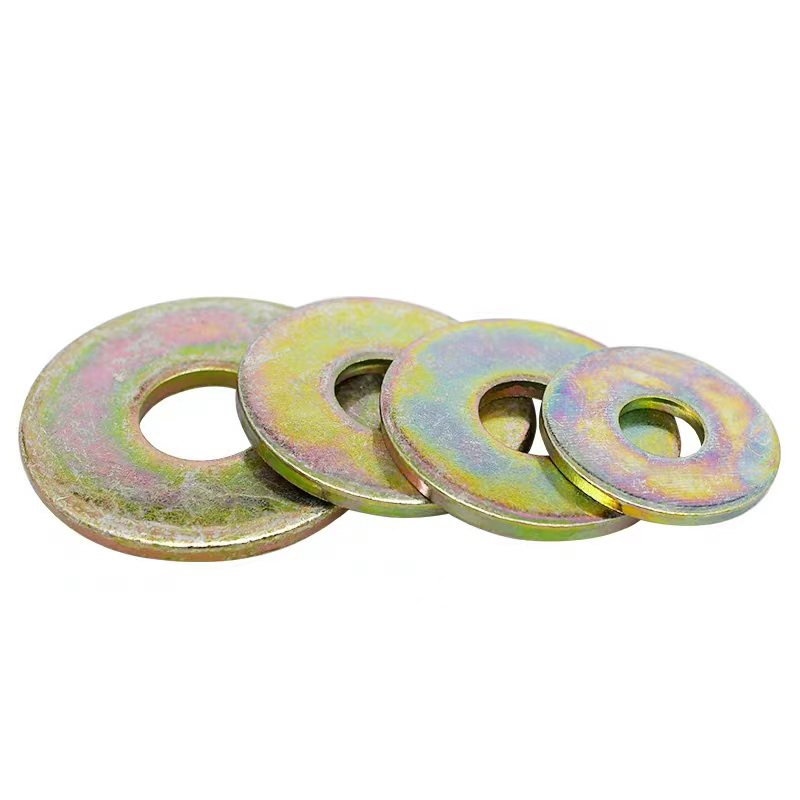
Pankhani yokhazikika pakupanga, gawo la zinthu zomwe zimawoneka ngati zazing'ono, monga ma gaskets, nthawi zambiri zimanyalanyazidwa. Komabe, muzondichitikira zanga, gasket yopangidwa ndi electrogalvanized imapereka zabwino zambiri zachilengedwe. Izi zitha kuwoneka zodabwitsa, chifukwa nthawi zambiri zimangoyang'ana pazigawo zazikulu zamagalimoto kapena zamapangidwe. Komabe, ma gaskets awa amayendetsa kukhazikika m'njira zingapo. Tiyeni tilowe mu zokambirana zambiri.
Kumvetsetsa Electrogalvanization
Electrogalvanization, pachimake chake, imaphatikizapo kupaka zinki kuzinthu zachitsulo kapena zachitsulo kudzera mu electroplating. Izi zimawonjezera kukana kwa dzimbiri, zomwe zimakulitsa nthawi ya moyo gasket. M'madera okhala ndi nyengo yoipa, monga momwe Handan Zitai Fastener Manufacturing Co., Ltd. amagwirira ntchito, chitetezo chowonjezerachi ndichofunika. Ndikukumbukira pulojekiti yomwe imakhudzidwa ndi kusintha kwa gasket pafupipafupi chifukwa cha dzimbiri, yomwe pamapeto pake idathetsedwa ndi matembenuzidwe a electrogalvanized. Kuchepetsa kachulukidwe m'malo sikungopulumutsa ndalama zokha komanso kumachepetsa kugwiritsa ntchito zinthu.
Njira imeneyi ndi yamtengo wapatali chifukwa cha controllability yake. Mosiyana ndi njira zina, electrogalvanization imatsimikizira kusanjikiza kwa zinki, zomwe zimakhudza kulimba kwa gasket. Ofuna chithandizo akafika kwa Handan Zitai ndi nkhawa za kusiyanasiyana kwaubwino, kugwiritsa ntchito njirayi kunathetsa nkhawa zawo bwino. Ndikofunikira, komabe, kuyang'anira ndondomekoyi mosamala kuti tipewe nkhani za zokutira zosagwirizana, zomwe ndaziwona m'madera osalamuliridwa.
Kuphatikiza apo, njira yokhayo ndiyosawononga chilengedwe kuposa kuthirira madzi otentha, makamaka chifukwa imapewa kutentha kwambiri komanso kugwiritsa ntchito mphamvu monga momwe zimakhalira. Izi zimapangitsa electrogalvanization kukhala yokhazikika komanso, nthawi zambiri, njira yotsika mtengo.
Kuchepetsa Kutaya Zinthu
Kuchepetsa zinyalala ndi njira ina yomwe ma gaskets opangidwa ndi electrogalvanized amathandizira kukhazikika. Mwachizoloŵezi, ma gaskets amasinthidwa kawirikawiri chifukwa cha kuwonongeka ndi kung'ambika, zomwe zimapangitsa kuti ziwonongeke. Kugwiritsa ntchito ma electrogalvanized gaskets amalimbana ndi izi powonjezera kwambiri moyo wawo wantchito. M'malo mwake, izi zikutanthauza kuti ma gaskets ochepa amatha kutayidwa, zomwe ndawona kuti zimabweretsa kuchepa kwa zinyalala.
Nthawi ina, kasitomala pamakampani omanga adanenanso za kuchepa kwa 30% m'malo mwa gasket atasintha njira zama electrogalvanized. Kuchepetsa kotereku sikumangopindulitsa kwenikweni komanso kumagwirizana ndi machitidwe amakono okhazikika abizinesi. Pambuyo posintha, ngakhale malipoti oyendetsa zinyalala a kasitomala adawonetsa kuchepa kwanthawi yayitali, zomwe zikuwonetsa kusinthaku.
Kuphatikiza apo, kutalika kwa ma gasketswa kumatanthauza kuti zinthu zochepa zomwe zimagwiritsidwa ntchito popanga zatsopano. Izi ndizofunikira kwambiri kwa makampani ngati Handan Zitai Fastener Manufacturing Co., Ltd., omwe amayesetsa kulinganiza zosowa zopanga ndi udindo wa chilengedwe. Osanenapo, izi zimachepetsanso kupsinjika kwa chain chain.
Mphamvu Zamagetsi Pakupanga
Ubwino wina womwe nthawi zambiri umanyalanyazidwa ndi kugwiritsa ntchito mphamvu zamagetsi. Popeza electrogalvanization sifunika kutentha kwa njira zina, mwachibadwa kumachepetsa kugwiritsa ntchito mphamvu panthawi yopanga. Ndikukumbukira ndikulankhula ndi mnzanga yemwe adawona kuti ndalama zopangira mphamvu zamafakitale zidatsika kwambiri atakwaniritsa izi. Kugwiritsa ntchito mphamvu zochepa kumatanthawuza mwachindunji kuchepetsedwa kwa mpweya wa carbon, kupambana kwa kukhazikika.
Kutsika kwamphamvu kumeneku ndikofunikira makamaka tikaganizira kuchuluka kwa ntchito m'malo akuluakulu opangira zinthu monga ku Yongnian District, komwe kuli Handan Zitai. Derali limapindula kwambiri ndi machitidwe abwino kwambiri, chifukwa cha kuchuluka kwa mafakitale komanso maulalo amayendedwe, monga mwayi wopita ku Beijing-Guangzhou Railway.
Kuphatikizidwa ndi kupanga kochulukira komweko kuti muchepetse mpweya wamayendedwe, izi zimakulitsa zoyeserera zokhazikika. Handan Zitai, wopezeka kuchokera ku National Highway 107 ndi Beijing-Shenzhen Expressway, amapezerapo mwayi panjira yokhazikika yopangira zinthu zokhazikika.
Kupititsa patsogolo Magwiridwe Antchito
Kuchita bwino kwazinthu ndi phindu lina lalikulu. Ma gaskets opangidwa ndi electrogalvanized amatha kuchita bwino pansi pa kupsinjika komanso kukhudzidwa ndi chilengedwe. Kulimba mtima komwe amapereka kumatha kukhala kofunikira kwa mafakitale monga zamagalimoto ndi zomangamanga, pomwe kulephera kwazinthu kumatha kubweretsa zotsatirapo zazikulu. Ndadziwonera ndekha momwe zowonjezera zotere zingathandizire kudalirika komanso chitetezo pamapulogalamu osiyanasiyana.
Makasitomala nthawi zambiri amafotokoza zolephera zocheperako komanso nthawi yayitali yosamalira, zomwe zimagwirizana ndi kusintha kwamakampani kukhazikika. Izi si nthano chabe - zambiri zimatsimikizira zonenazi, kuwonetsa kulephera kwazinthu zomwe zimagwiritsa ntchito ma gaskets awa.
Kwa makampani omwe akuyesetsa kuti apereke zinthu zodalirika, zokhalitsa, kuphatikiza ma gaskets opangidwa ndi electrogalvanized ndi lingaliro lanzeru lomwe limathandiza kupanga mbiri yabwino. Ndiwopikisana nawo pamsika womwe umakhala wokonda zachilengedwe.
Kutsiliza: Kusankha Kokhazikika
Mwachidule, kugwiritsa ntchito ma electrogalvanized gaskets kumapereka kusakanikirana kolimba, kuchita bwino, komanso kuchepa kwachilengedwe. Potalikitsa moyo wazinthu, kuchepetsa kuwononga, komanso kuwongolera mphamvu zamagetsi, zigawozi zimagwira ntchito yobisika koma yofunika kwambiri pakupanga njira zokhazikika. Ku Handan Zitai Fastener Manufacturing Co., Ltd., kudzipereka pakukhazikika kumawonekera, ndipo kugwiritsa ntchito mayankho apamwamba ngati electrogalvanization kumatsimikizira kudzipereka kumeneku.
Kwa wopanga aliyense kapena wosewera wamakampani omwe akufuna njira zokhazikika, kutengera kusankha kwakung'ono koma kothandiza kwa ma gaskets opangidwa ndi electrogalvanized kumakhala kothandiza. Zitha kuwoneka ngati zing'onozing'ono, koma pochita, zimathandizira kwambiri pazithunzi zokhazikika.
Njirayi ikugwirizana ndi tsogolo la zopanga - kusankha mwanzeru, zotsatira zamphamvu, ndi kukula kosatha.
Chonde tisiyireni uthenga
-


-
-


WeChat
