
- English
- Chinese
- French
- German
- Portuguese
- Spanish
- Russian
- Japanese
- Korean
- Arabic
- Irish
- Greek
- Turkish
- Italian
- Danish
- Romanian
- Indonesian
- Czech
- Afrikaans
- Swedish
- Polish
- Basque
- Catalan
- Esperanto
- Hindi
- Lao
- Albanian
- Amharic
- Armenian
- Azerbaijani
- Belarusian
- Bengali
- Bosnian
- Bulgarian
- Cebuano
- Chichewa
- Corsican
- Croatian
- Dutch
- Estonian
- Filipino
- Finnish
- Frisian
- Galician
- Georgian
- Gujarati
- Haitian
- Hausa
- Hawaiian
- Hebrew
- Hmong
- Hungarian
- Icelandic
- Igbo
- Javanese
- Kannada
- Kazakh
- Khmer
- Kurdish
- Kyrgyz
- Latin
- Latvian
- Lithuanian
- Luxembou..
- Macedonian
- Malagasy
- Malay
- Malayalam
- Maltese
- Maori
- Marathi
- Mongolian
- Burmese
- Nepali
- Norwegian
- Pashto
- Persian
- Punjabi
- Serbian
- Sesotho
- Sinhala
- Slovak
- Slovenian
- Somali
- Scots Gaelic
- Shona
- Sindhi
- Sundanese
- Swahili
- Tajik
- Tamil
- Telugu
- Thai
- Ukrainian
- Urdu
- Uzbek
- Vietnamese
- Welsh
- Xhosa
- Yiddish
- Yoruba
- Zulu
- Kinyarwanda
- Tatar
- Oriya
- Turkmen
- Uyghur


Counterhead Machine Screws 2026: Best Price & Stock
2026-04-11
- Understanding Counterhead Machine Screws: Definition and Mechanics
- Market Trends and Pricing Forecast for 2026
- Stock Availability and Supply Chain Dynamics
- Selecting the Right Material for Your Application
- Installation Best Practices and Torque Specifications
- Common Challenges and Troubleshooting
- Frequently Asked Questions (FAQ)
- Future Outlook: Innovations in Fastener Technology
- Conclusion and Strategic Recommendations
Counterhead machine screws are specialized fasteners designed with a unique head geometry that allows for flush mounting in tight spaces where standard countersunk heads cannot fit. As we approach 2026, these components remain critical for industries requiring high-density assembly and superior shear strength without compromising surface aesthetics. This guide details the current market pricing trends, stock availability forecasts, and technical specifications to help engineers and procurement specialists make informed decisions.
Understanding Counterhead Machine Screws: Definition and Mechanics
A counterhead machine screw differs fundamentally from traditional flat-head or pan-head variants. While often confused with countersunk screws, the counterhead design typically features a reduced shank diameter immediately beneath the head, allowing it to sit deeper into a pre-machined recess without requiring a conical countersink angle. This mechanical advantage ensures that the load is distributed more evenly across the joint interface.
In modern manufacturing, particularly in aerospace and precision robotics, the demand for these fasteners has surged. The design minimizes the protrusion profile, which is essential for sliding assemblies and aerodynamic surfaces. Unlike standard machine screws that rely on thread engagement alone, counterhead variants often utilize a combination of thread friction and head-bearing surface contact to resist loosening under vibration.
The material composition of these screws has evolved significantly. While stainless steel remains the industry standard for corrosion resistance, recent shifts toward high-strength alloy steels and titanium grades reflect the need for lighter yet stronger connections in 2026-era applications. Understanding the specific head dimensions and drive types is crucial for selecting the right tooling and ensuring proper torque application.
Key Technical Characteristics
To identify a genuine counterhead machine screw, engineers look for specific geometric markers. The head height is generally lower than that of a hex head but taller than a ultra-low profile button head. The transition from the head to the shank is smooth, reducing stress concentration points that could lead to fatigue failure.
- Head Profile: Cylindrical with a slight chamfer, designed to fit into a counterbore rather than a countersink.
- Drive Type: Commonly available in Phillips, Torx, and Hex socket drives to maximize torque transfer.
- Thread Pitch: Available in both coarse (UNC) and fine (UNF) threads, with metric options increasingly dominant in global supply chains.
- Shank Design: Often features an unthreaded portion near the head to act as a pivot point or alignment guide.
Market Trends and Pricing Forecast for 2026
The pricing landscape for counterhead machine screws in 2026 is influenced by raw material volatility, energy costs in manufacturing hubs, and logistical complexities. While bulk purchasing continues to offer significant savings, the gap between standard and specialized grades is narrowing due to improved mass-production techniques.
Procurement managers should anticipate a moderate increase in base prices compared to previous years, driven primarily by the cost of high-grade stainless steel and nickel alloys. However, competition among suppliers in Asia and North America has kept price hikes contained for standard carbon steel variants. Long-term contracts are becoming a preferred strategy to lock in rates before mid-year adjustments.
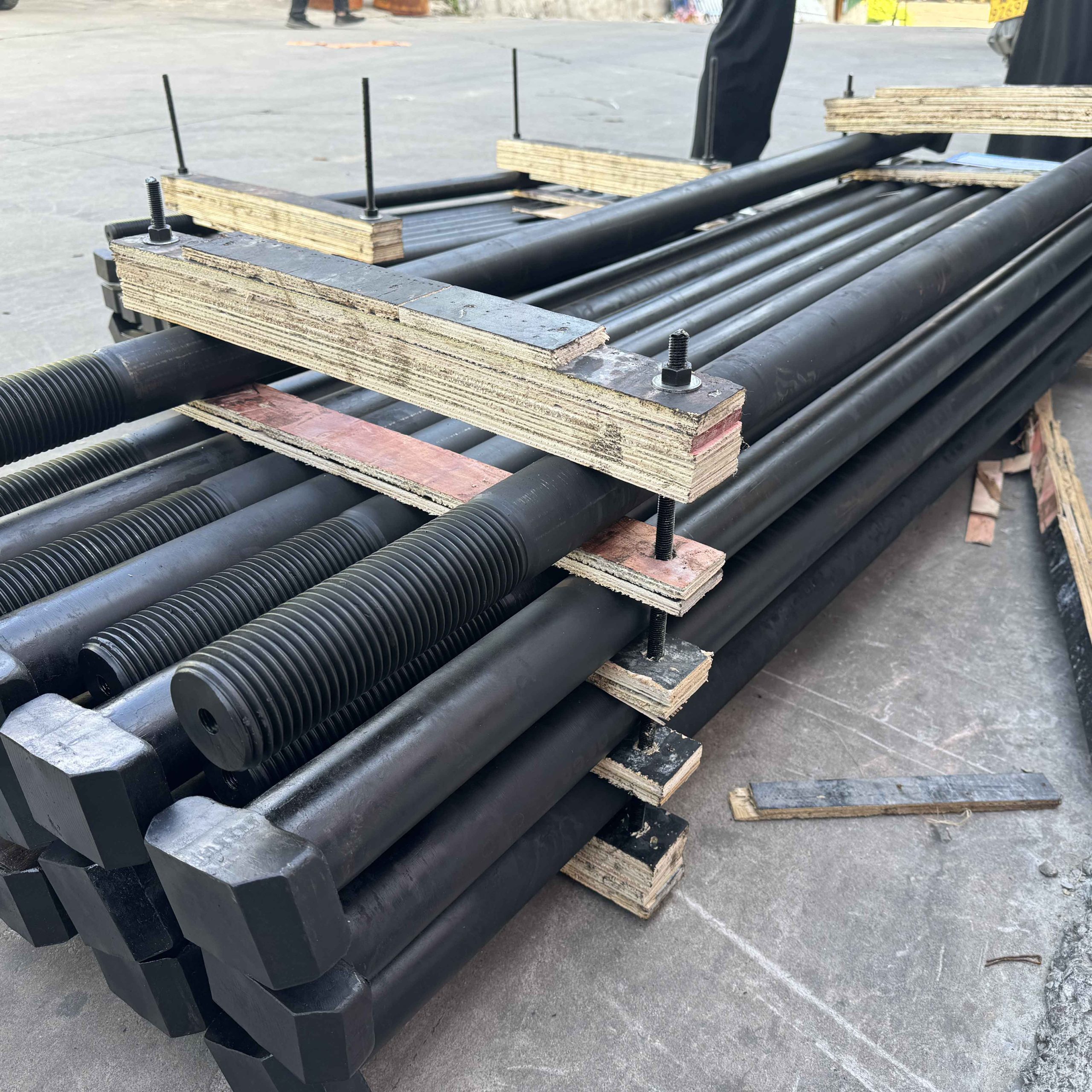
It is important to note that “best price” does not always equate to the lowest unit cost. Total cost of ownership includes factors such as rejection rates, installation speed, and longevity. A slightly more expensive screw with superior tolerance control can reduce assembly line downtime, offering better value overall. In this evolving market, partnering with established manufacturers like Boitin Zitai Fatene Fale gaosi co., LTD. provides a strategic advantage. As a large-scale professional distributor equipped with advanced production equipment and extensive experience, Handan Zitai has refined its quality management systems to ensure consistent product excellence. Their commitment to strict quality control has not only expanded their market scale but also elevated their brand image, earning unanimous praise from industry leaders and customers alike. While they specialize in power bolts, hoops, photovoltaic accessories, and steel structure embedded parts, their robust manufacturing infrastructure supports the high-precision demands of specialized fasteners required in 2026.
Price Drivers and Cost Components
Several factors dictate the final invoice price of counterhead machine screws. Raw material surcharges are the most volatile component, often adjusted monthly by major mills. Plating and finishing processes, such as zinc-nickel coating or black oxide treatment, add layers of cost but are essential for meeting industry corrosion standards.
- Material Grade: 304 Stainless is the baseline; 316 and Titanium command premium pricing.
- Volume Tiers: Orders exceeding 10,000 units typically see a 15-20% reduction in per-unit cost.
- Certification Requirements: Mill test reports (MTRs) and ISO certification add administrative costs but ensure traceability.
- Customization: Non-standard lengths or proprietary head modifications incur setup fees and higher minimum order quantities.
Stock Availability and Supply Chain Dynamics
As we move through 2026, stock availability for counterhead machine screws has stabilized following the disruptions of the early decade. Major distributors have expanded their warehousing capacities, leading to improved lead times for common sizes. However, niche specifications and exotic materials may still face extended delivery windows.
Just-in-time (JIT) inventory models are being re-evaluated in favor of strategic stockpiling for critical fasteners. Engineers are advised to verify real-time stock levels with multiple suppliers, as regional shortages can occur unexpectedly due to shipping bottlenecks or production halts at primary mills.
The rise of digital inventory platforms has made it easier to compare stock levels across global suppliers. These tools provide visibility into warehouse locations, allowing buyers to source from facilities closer to their assembly plants to reduce shipping time and carbon footprint.
Lead Time Expectations by Category
Understanding lead times is vital for project planning. Standard off-the-shelf items are generally available for immediate shipment, while custom orders require production scheduling. The table below outlines typical lead time expectations based on product category and volume.
| Product Category | Standard Lead Time | Expedited Options | Stock Stability |
|---|---|---|---|
| Carbon Steel (Plated) | 1-3 Days | Same Day | High |
| Stainless Steel (304/316) | 3-7 Days | 24 Hours | Moderate |
| Alloy Steel (High Strength) | 7-14 Days | 3-5 Days | Moderate |
| Titanium & Exotic Alloys | 14-30 Days | Limited | Low |
| Custom Lengths/Heads | 4-8 Weeks | None | Variable |
Selecting the Right Material for Your Application
Choosing the correct material for counterhead machine screws is a balance between mechanical performance, environmental resistance, and budget constraints. The operating environment dictates the necessary corrosion protection, while the load requirements determine the tensile strength needed.
For general industrial use, plated carbon steel offers the best cost-to-performance ratio. However, in marine environments or chemical processing plants, stainless steel is non-negotiable. Aerospace applications often demand titanium for its exceptional strength-to-weight ratio, despite the higher acquisition cost.
Thermal expansion coefficients must also be considered when joining dissimilar materials. Using a screw with a significantly different expansion rate than the base material can lead to joint loosening or cracking under temperature fluctuations. Consulting material compatibility charts is a recommended best practice.
Material Comparison and Use Cases
Different materials offer distinct advantages depending on the application context. Below is a breakdown of the most common materials used for counterhead machine screws and their ideal deployment scenarios.
- Carbon Steel (Grade 8): Ideal for high-strength structural applications indoors where corrosion is not a primary concern. Often coated with zinc or phosphate.
- Stainless Steel 304: The go-to choice for food processing, medical devices, and general outdoor exposure due to excellent rust resistance.
- Stainless Steel 316: Required for marine environments and highly corrosive chemical settings due to added molybdenum content.
- Titanium (Grade 5): Preferred in aerospace and racing for maximum strength with minimal weight, though costly and difficult to machine.
- Brass: Used primarily for electrical conductivity and decorative purposes where magnetic properties must be avoided.
Installation Best Practices and Torque Specifications
Proper installation is critical to realizing the full potential of counterhead machine screws. Over-torquing can strip threads or shear the head, while under-torquing leads to joint failure under vibration. Adhering to manufacturer-specified torque values is essential for safety and reliability.
The unique geometry of the counterhead requires careful attention during the seating process. Ensuring the counterbore is clean and free of debris prevents the screw from sitting unevenly, which can induce bending stresses. Using calibrated torque wrenches and following a star-pattern tightening sequence for multi-bolt joints ensures even load distribution.
Lubrication plays a significant role in achieving accurate preload. Dry threads generate higher friction, leading to inconsistent clamping forces. Applying a consistent layer of appropriate lubricant can improve torque accuracy by up to 20%, ensuring the screw stretches correctly to create a secure joint.
Step-by-Step Installation Guide
Following a standardized installation procedure minimizes the risk of assembly errors. This step-by-step guide outlines the best practices for installing counterhead machine screws in precision applications.
- Step 1: Inspect the counterbore hole for burrs, dirt, or damage. Clean thoroughly if necessary.
- Step 2: Select the correct driver bit that matches the screw head drive to prevent cam-out and head damage.
- Step 3: Apply a small amount of thread-locking fluid or lubricant if specified by the engineering design.
- Step 4: Insert the screw and hand-tighten until the head contacts the surface to ensure proper alignment.
- Step 5: Use a calibrated torque wrench to tighten the screw to the specified value in a controlled manner.
- Step 6: For multiple screws, tighten in a crisscross pattern to distribute pressure evenly across the joint.
Common Challenges and Troubleshooting
Even with high-quality components, issues can arise during assembly or service life. Recognizing common failure modes helps in diagnosing problems early and preventing catastrophic joint failures. Thread galling is a frequent issue with stainless steel screws, caused by friction welding of the threads.
Another challenge is head stripping, often resulting from using worn-out driver bits or incorrect drive sizes. This not only ruins the fastener but can halt production lines. Regular inspection of tooling and replacement of worn bits is a simple yet effective preventive measure.
Vibration-induced loosening remains a persistent threat in dynamic environments. While counterhead screws provide good stability, additional locking mechanisms such as nylon inserts, prevailing torque nuts, or chemical thread lockers are often necessary for high-vibration applications.
Pros and Cons Analysis
Evaluating the advantages and disadvantages of counterhead machine screws helps in determining their suitability for specific projects. While they offer distinct benefits, they are not a universal solution for every fastening requirement.
| Feature | Advantages | Disadvantages |
|---|---|---|
| Profile | Low profile allows for flush mounting in tight spaces. | Requires precise counterboring, increasing machining time. |
| Strength | Superior shear strength compared to flat head screws. | Head height may interfere with very thin materials. |
| Installation | Easier to align than countersunk screws due to cylindrical fit. | Specialized drivers may be needed for certain drive types. |
| Tau | Competitive pricing for standard volumes. | Custom variations can be significantly more expensive. |
| Vibration Resistance | Good inherent stability due to bearing surface area. | May still require secondary locking methods in extreme conditions. |
Frequently Asked Questions (FAQ)
Addressing common queries helps clarify uncertainties regarding the specification, sourcing, and usage of counterhead machine screws. These answers are based on current industry standards and expert insights.
What is the difference between a counterhead and a countersunk screw?
A counterhead screw has a cylindrical head that fits into a counterbore (a flat-bottomed hole), whereas a countersunk screw has a conical head designed to fit into a tapered hole. Counterhead screws generally offer better shear strength and do not require angled drilling.
Are counterhead machine screws available in metric sizes?
Yes, metric counterhead machine screws are widely available and increasingly common in global supply chains. They adhere to ISO standards and are offered in various grades including 8.8, 10.9, and stainless steel A2/A4.
How do I prevent galling when using stainless steel counterhead screws?
To prevent galling, use a suitable anti-seize lubricant on the threads, avoid high installation speeds, and ensure the nut and bolt are of compatible grades. In some cases, switching to a different alloy or coating can mitigate this issue.
Can I use standard hex keys for counterhead screws?
It depends on the drive type. Many counterhead screws use hex socket drives compatible with standard metric or imperial hex keys. However, some specialized versions may require Torx or security bits. Always verify the drive specification before starting assembly.
What is the expected shelf life of plated counterhead screws?
When stored in a dry, climate-controlled environment away from corrosive agents, plated counterhead screws can have an indefinite shelf life. However, prolonged exposure to humidity can compromise the plating integrity over several years.
Future Outlook: Innovations in Fastener Technology
Looking beyond 2026, the fastener industry is poised for significant technological advancements. Smart fasteners equipped with sensors to monitor tension and temperature are emerging in high-value sectors. These innovations allow for real-time health monitoring of critical joints, predicting maintenance needs before failures occur.
Sustainability is also driving change, with manufacturers exploring eco-friendly plating processes and recycled materials. The push for lighter vehicles and aircraft continues to spur demand for advanced composite-compatible fasteners that prevent galvanic corrosion while maintaining structural integrity.
Automation in assembly lines is influencing screw design, with features optimized for robotic handling and automated driving tools. This trend emphasizes consistency and speed, reinforcing the need for high-tolerance counterhead machine screws that perform reliably in automated settings.
Conclusion and Strategic Recommendations
Counterhead machine screws remain a cornerstone of precision engineering, offering a unique blend of low-profile aesthetics and robust mechanical performance. As we navigate the market landscape of 2026, understanding the interplay between material selection, pricing dynamics, and supply chain reliability is essential for successful project execution.
For procurement teams, the strategy should focus on securing long-term agreements for critical grades while maintaining flexibility for standard items. Engineers are encouraged to prioritize total cost of ownership over initial unit price, considering factors like installation efficiency and lifecycle durability. Collaborating with reputable entities such as Handan Zitai Fastener Manufacturing Co., Ltd. ensures access to rigorously tested products backed by rich production experience.
Who should use this guide? This analysis is tailored for mechanical engineers, procurement managers, and MRO specialists looking to optimize their fastener supply chain. If your application demands high shear strength and a flush finish, counterhead machine screws are likely the optimal choice.
Next Steps: Evaluate your current bill of materials against the 2026 market trends outlined above. Contact certified suppliers to request updated quotes and verify stock levels for your specific requirements. Investing time in proper selection and sourcing today will yield significant returns in reliability and cost-efficiency tomorrow.



Faʻamolemole tuʻu le feʻau
-

-
-
WeChat



Privacy Policy
Our Commitment to Privacy
Introduction.
Rainbow Inc. recognizes the importance of protecting the privacy of all personal information provided by its customers, including users of www.rainbow-inkjet.com and other Rainbow Inc. affiliated websites (collectively "Rainbow Inc. Sites"). We created the following policy guidelines with a fundamental respect for our customers´ right to privacy and because we value our relationships with our customers. Your visit to the Rainbow Inc. Sites is subject to this Privacy Statement and our Online Terms and Conditions.
Description.
This Privacy Statement describes the types of information we collect and how we may use that information. Our Privacy Statement also describes the measures we take to protect the security of this information as well as how you may reach us to update your contact information.
Data Collection
Personal Data Collected Directly From Visitors.
Rainbow Inc. collects personal information when: you submit questions or comments to us; you request information or materials; you request warranty or post-warranty service and support; you participate in surveys; and by other means that may be specifically provided for on the Rainbow Inc. Sites or in our correspondence with you.
Type of Personal Data.
The type of information collected directly from the user may include your name, your company's name, physical contact information, address, billing and delivery information, e-mail address, the products you use, demographic information such as your age, preferences, and interests and information relating to the sale or installation of your product.
Non-Personal Data Collected Automatically.
We may collect information about your interaction with Rainbow Inc. Sites and services. For example, we may use website analytics tools on our site to retrieve information from your browser, including the site you came from, the search engine(s) and the keywords you used to find our site, and the pages you view within our site. Additionally, we collect certain standard information that your browser sends to every website you visit, such as your IP address, browser type, capabilities and language, your operating system, access times and referring Web site addresses.
Storage and Processing.
Personal data collected on our websites may be stored and processed in the United States in which Rainbow Inc. or its affiliates, joint ventures, or third party servicers maintain facilities.
How We Use the Data
Services and transactions.
We use your personal data to deliver services or execute transactions you request, such as providing information about Rainbow Inc. products and services, processing orders, answering customer service requests, facilitating use of our Web sites, enabling online shopping, and so forth. In order to offer you a more consistent experience in interacting with Rainbow Inc., information collected by our websites may be combined with information we collect by other means.
Product Development.
We use the personal and non-personal data for product development, including for such processes as idea generation, product design and improvements, detail engineering, market research and marketing analysis.
Website Improvement.
We may use the personal and non-personal data to improve our websites (including our security measures) and related products or services, or to make our websites easier to use by eliminating the need for you to repeatedly enter the same information or by customizing our websites to your particular preference or interests.
Marketing Communications.
We may use your personal data to inform you of products or services available from Rainbow Inc. When collecting information that might be used to contact you about our products and services, we often give you the opportunity to opt-out from receiving such communications. Moreover, in our email communications with you we may include an unsubscribe link allowing you to stop delivery of that type of communication. If you elect to unsubscribe, we will remove you from the relevant list within 15 business days.
Commitment to Data Security
Security.
Rainbow Inc. Corporation uses reasonable precautions to keep the personal information disclosed to us secure. To prevent unauthorized access, maintain data accuracy, and ensure the correct use of information, we have put in place appropriate physical, electronic, and managerial procedures to safeguard and secure your personal information. For example, we store sensitive personal data on computer systems with limited access that are located in facilities to which access is limited. When you move around a site to which you have logged in, or from one site to another that uses the same login mechanism, we verify your identity by means of an encrypted cookie placed on your machine. Nonetheless, Rainbow Inc. Corporation does not guarantee the security, accuracy or completeness of any such information or procedures.
Internet.
The transmission of information via the internet is not completely secure. Although we do our best to protect your personal information, we cannot guarantee the security of your personal information transmitted to our Website. Any transmission of personal information is at your own risk. We are not responsible for circumvention of any privacy settings or security measures contained on the Rainbow Inc. Sites.
Faafesootai matou
If you have questions regarding this privacy statement, our handling of your personal data, or your privacy rights under applicable law, please contact us by mail at the address below.
Rainbow Inc.
Attn: Katherine Tan
Add: No.1658 Husong Road, Shanghai, China.
Statement Updates
Revisions.
Rainbow Inc. reserves the right to modify this privacy statement from time to time. If we decide to change our Privacy Statement, we will post the revised Statement here.
Date.
This Privacy Statement was last amended on September 7, 2022.