
- English
- Chinese
- French
- German
- Portuguese
- Spanish
- Russian
- Japanese
- Korean
- Arabic
- Irish
- Greek
- Turkish
- Italian
- Danish
- Romanian
- Indonesian
- Czech
- Afrikaans
- Swedish
- Polish
- Basque
- Catalan
- Esperanto
- Hindi
- Lao
- Albanian
- Amharic
- Armenian
- Azerbaijani
- Belarusian
- Bengali
- Bosnian
- Bulgarian
- Cebuano
- Chichewa
- Corsican
- Croatian
- Dutch
- Estonian
- Filipino
- Finnish
- Frisian
- Galician
- Georgian
- Gujarati
- Haitian
- Hausa
- Hawaiian
- Hebrew
- Hmong
- Hungarian
- Icelandic
- Igbo
- Javanese
- Kannada
- Kazakh
- Khmer
- Kurdish
- Kyrgyz
- Latin
- Latvian
- Lithuanian
- Luxembou..
- Macedonian
- Malagasy
- Malay
- Malayalam
- Maltese
- Maori
- Marathi
- Mongolian
- Burmese
- Nepali
- Norwegian
- Pashto
- Persian
- Punjabi
- Serbian
- Sesotho
- Sinhala
- Slovak
- Slovenian
- Somali
- Scots Gaelic
- Shona
- Sindhi
- Sundanese
- Swahili
- Tajik
- Tamil
- Telugu
- Thai
- Ukrainian
- Urdu
- Uzbek
- Vietnamese
- Welsh
- Xhosa
- Yiddish
- Yoruba
- Zulu
- Kinyarwanda
- Tatar
- Oriya
- Turkmen
- Uyghur

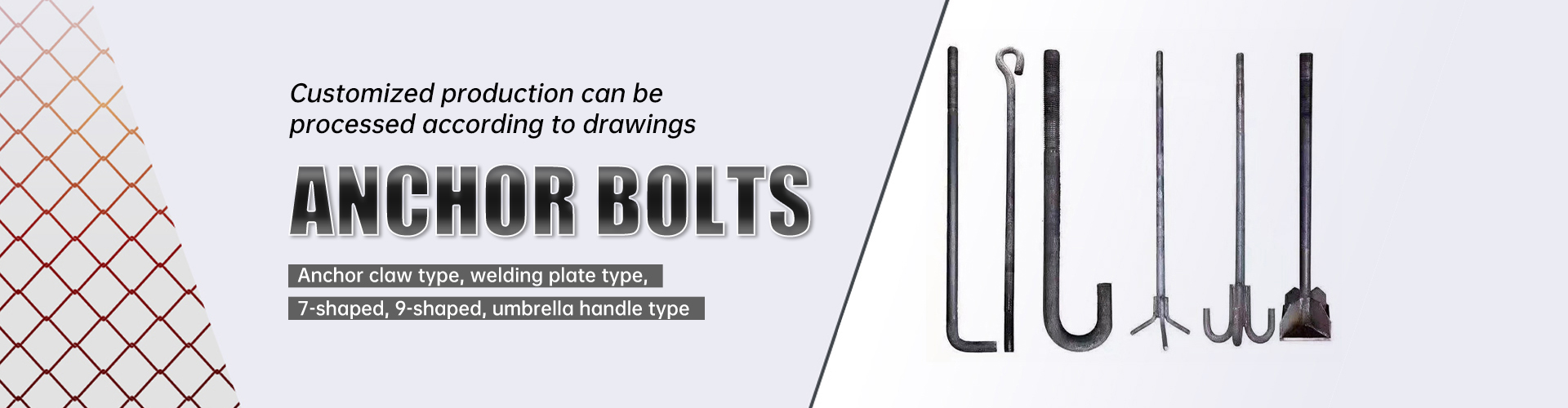
Cup Head Hex Socket Screws 2026: Best Price & Stock – Factory Direct
2026-04-11
- What Are Cup Head Hex Socket Screws?
- Key Specifications and Standards for 2026
- Material Grades and Strength Classes
- Factory Direct Pricing and Stock Advantages
- Comparison: Cup Head vs. Flat Head vs. Button Head
- Installation Best Practices and Torque Guidelines
- Common Applications Across Industries
- Quality Control and Certification Standards
- Frequently Asked Questions (FAQ)
- Conclusion and Strategic Sourcing Advice
Cup head hex socket screws are precision fasteners featuring a cylindrical head with a hexagonal internal drive, designed for high-torque applications where a low-profile finish is required. In 2026, sourcing these components directly from factories offers the best balance of competitive pricing, guaranteed stock availability, and adherence to international quality standards like ISO 7380 and DIN 912. This guide details everything buyers need to know about specifications, material grades, and procurement strategies to secure optimal supply chain value.
What Are Cup Head Hex Socket Screws?
The term “cup head” is frequently used in specific industrial regions to describe what is globally recognized as a socket cap screw or button head screw, depending on the exact head profile. Technically, these fasteners possess a domed or slightly rounded top surface that resembles an inverted cup, paired with a hexagonal socket (Allen drive) recessed into the head. This design allows for a clean aesthetic while providing superior torque transmission compared to slotted or Phillips drives.
In the context of 2026 manufacturing trends, the distinction between a standard hex cap and a true “cup” profile often lies in the head height and the radius of the dome. These screws are engineered to distribute clamping force evenly, reducing the risk of material deformation in softer substrates. They are ubiquitous in automotive assemblies, precision machinery, and consumer electronics where both functionality and visual appeal are critical.
The internal hexagonal drive is the defining feature that sets these apart from external hex bolts. By engaging the tool internally, the fastener eliminates the need for external wrench clearance, allowing for tighter component spacing. This geometric efficiency is why cup head hex socket screws remain a staple in modern engineering designs, particularly where space constraints are paramount.
Key Specifications and Standards for 2026
Understanding the technical specifications is vital for ensuring compatibility and performance. The global market in 2026 largely adheres to metric standards, though imperial sizes remain relevant in North American supply chains. The most common standards governing these fasteners include DIN 912, ISO 4762, and ISO 7380 for button-head variants.
Dimensions are strictly regulated to ensure interchangeability. Key measurements include the thread diameter, pitch, head diameter, head height, and the size of the hexagonal socket key. Deviations in these metrics can lead to assembly failures or tool stripping. Manufacturers producing for the 2026 market utilize advanced CNC machining and cold heading processes to maintain tolerances within microns.
Material composition is another critical specification. While carbon steel remains the volume leader, there is a surging demand for stainless steel and alloy variants due to stricter corrosion resistance requirements in outdoor and marine applications. The choice of material directly influences the tensile strength and yield point of the final assembly.
Common Thread Pitches and Sizes
Selecting the correct thread pitch is essential for load distribution. Coarse threads are generally preferred for general assembly due to their resistance to cross-threading and faster installation speed. Fine threads, conversely, offer greater tensile stress area and are used in high-vibration environments or when adjusting preload with high precision.
- M3 to M6: Typically used in electronics, small appliances, and optical equipment.
- M8 to M12: The standard range for automotive components, robotics, and general machinery.
- M14 and above: Reserved for heavy-duty structural applications, construction equipment, and large-scale industrial presses.
In 2026, suppliers are increasingly stocking non-standard pitches to accommodate specialized legacy equipment and custom engineering projects. Buyers should verify the pitch requirement against their technical drawings before placing bulk orders to avoid costly rework.
Material Grades and Strength Classes
The performance of any fastener is dictated by its material grade. For cup head hex socket screws, the industry recognizes several distinct classes based on tensile strength and hardness. Understanding these grades ensures that the selected fastener can withstand the operational loads without failure.
Carbon Steel Grades: The most common classification follows the property class system, such as 8.8, 10.9, and 12.9. Class 8.8 is considered medium carbon steel, suitable for general structural use. Class 10.9 and 12.9 represent high-strength alloy steels, often heat-treated to achieve extreme hardness. These are mandatory for critical safety components in vehicles and heavy machinery.
Stainless Steel Options: For environments prone to moisture or chemical exposure, austenitic stainless steels like A2 (304) and A4 (316) are the standard. While they offer excellent corrosion resistance, their tensile strength is generally lower than equivalent carbon steel grades. Recent advancements in 2026 have introduced work-hardened stainless variants that bridge this strength gap.
Specialty Alloys: In aerospace and extreme temperature applications, titanium and Inconel alloys are utilized. These materials provide an exceptional strength-to-weight ratio and maintain integrity under thermal stress. Although more expensive, their longevity in harsh conditions justifies the investment for specific high-value sectors.
Surface Treatments and Coatings
To enhance durability and appearance, manufacturers apply various surface treatments. Black oxide is a popular choice for cup head hex socket screws as it provides mild corrosion resistance and reduces light reflection, which is ideal for optical instruments. Zinc plating, often with yellow or blue chromate conversion coatings, offers superior rust protection for outdoor use.
Geomet® and other proprietary ceramic-based coatings are gaining traction in 2026 due to their environmental compliance and exceptional salt-spray performance. These coatings do not induce hydrogen embrittlement, a critical factor when using high-strength 12.9 grade screws. Selecting the right coating extends the service life of the fastener and protects the surrounding assembly.
Factory Direct Pricing and Stock Advantages
Uaua cup head hex socket screws directly from the factory has become the dominant procurement strategy in 2026. This approach eliminates intermediary markups, resulting in significant cost savings, especially for bulk orders. Factories can offer tiered pricing structures that make large-volume purchases exponentially more economical than buying through distributors.
Beyond price, direct factory engagement ensures better control over stock levels. Leading manufacturers maintain vast inventories of standard sizes and grades, enabling rapid dispatch. This reliability is crucial for Just-In-Time (JIT) manufacturing systems where delays in fastener delivery can halt entire production lines. Factory direct partners often provide real-time inventory visibility through digital portals.
Customization is another key benefit. Factories can modify head dimensions, thread lengths, or drive sizes to meet unique project requirements without the minimum order quantity (MOQ) barriers often imposed by middlemen. This flexibility allows engineers to optimize their designs without being constrained by off-the-shelf limitations.
Identifying the right partner is essential in this landscape. Boitin Zitai Fatene Fale gaosi co., LTD. exemplifies the type of large-scale professional entity capable of meeting these rigorous 2026 demands. Equipped with advanced production equipment and decades of rich manufacturing experience, the company has established a reputation for strict quality management. This commitment has allowed their product line to rapidly expand in market scale and elevate their brand image, earning unanimous praise from industry leaders and global customers. While Handan Zitai specializes in a broad spectrum including power bolts, hoops, photovoltaic accessories, and steel structure embedded parts, their robust infrastructure and quality-first philosophy make them a prime example of the reliable factory-direct sources buyers should seek for critical fastening solutions.
Cost Factors Influencing 2026 Prices
Several variables influence the final unit price of these fasteners. Raw material costs, particularly steel and nickel alloys, fluctuate based on global commodity markets. Energy costs associated with heat treatment and plating processes also play a role. However, factories with vertical integration—controlling everything from wire drawing to plating—can buffer these fluctuations better than assemblers.
- Order Volume: Higher quantities drastically reduce the per-unit cost due to optimized machine run times.
- Material Grade: High-tensile alloy steels and stainless grades command higher prices than standard carbon steel.
- Coating Complexity: Specialized coatings like PTFE or Geomet add to the processing time and cost.
- Packaging Requirements: Custom packaging or kitting services may incur additional fees but improve line-side efficiency.
Buyers seeking the best price should focus on long-term partnerships with factories rather than transactional spot buying. Consistent volume commitments often unlock preferential rates and priority production scheduling, securing supply stability in volatile market conditions.
Comparison: Cup Head vs. Flat Head vs. Button Head
Selecting the appropriate head style is a critical design decision. While all three utilize a hex socket drive, their profiles serve different functional and aesthetic purposes. Understanding these differences helps engineers choose the right fastener for their specific application.
Le cup head (or socket cap) offers a tall, cylindrical profile with a flat top, providing maximum head strength and wrenching surface. It is ideal for applications where head height is not a constraint but high clamp load is required. The button head features a low, rounded dome, offering a smoother finish and reduced snag risk, making it perfect for visible areas or moving parts.
Le flat head (countersunk) is designed to sit flush with or below the surface of the material. This is essential for aerodynamic surfaces or where protrusions are unacceptable. However, countersinking requires precise hole preparation, and the head strength is generally lower than that of cup or button heads due to the tapered geometry.
| Feature | Cup Head (Socket Cap) | Button Head | Flat Head (Countersunk) |
|---|---|---|---|
| Profile | Tall, Cylindrical, Flat Top | Low, Domed, Rounded | Tapered, Flush Finish |
| Head Strength | Highest | Moderate | Lower (due to taper) |
| Installation | Standard Drill Hole | Standard Drill Hole | Requires Countersink |
| Aesthetic | Industrial, Robust | Sleek, Smooth | Invisible/Seamless |
| Primary Use | High Torque, Machinery | Consumer Goods, Covers | Aerospace, Automotive Body |
This comparison highlights that while cup head hex socket screws excel in pure mechanical strength, other profiles may be superior for specific spatial or aesthetic needs. The choice ultimately depends on the trade-off between clamping force, available space, and visual requirements.
Installation Best Practices and Torque Guidelines
Proper installation is as critical as the selection of the fastener itself. Incorrect torque application can lead to joint failure, either through loosening due to under-tightening or fracture due to over-tightening. Following established guidelines ensures the integrity of the assembly.
Before installation, inspect the cup head hex socket screws for any damage to the drive recess or threads. Damaged keys can strip the socket, rendering the fastener unusable and potentially damaging the tool. Ensure the mating surfaces are clean and free of debris to achieve accurate preload.
Use calibrated torque wrenches sized appropriately for the screw diameter. Applying torque in a star pattern for multi-bolt joints helps distribute the load evenly across the flange, preventing warping of the connected components. Lubrication can significantly affect torque values; always adjust torque settings if lubricants or thread-locking compounds are used.
Step-by-Step Installation Guide
- Step 1: Verify the screw size, grade, and length against the engineering blueprint.
- Step 2: Select a high-quality Allen key or bit that fits snugly into the hex socket to prevent cam-out.
- Step 3: Insert the screw and hand-tighten to ensure proper thread engagement before applying power tools.
- Step 4: Apply the recommended torque value using a calibrated wrench, adhering to the specific sequence for multi-fastener joints.
- Step 5: Perform a final visual inspection to confirm the head is seated correctly and no damage has occurred.
Adhering to these steps minimizes the risk of assembly errors. In high-volume production environments, automated screwdriving systems with torque monitoring are increasingly used to guarantee consistency and record data for quality assurance audits.
Common Applications Across Industries
O le mea a cup head hex socket screws makes them indispensable across a wide spectrum of industries. Their ability to handle high loads while maintaining a compact footprint drives their widespread adoption.
In the automotive sector, these fasteners are used in engine assemblies, transmission systems, and suspension components. The high vibration resistance and strength of grade 10.9 and 12.9 screws ensure safety-critical joints remain secure throughout the vehicle’s lifecycle. Electric vehicle (EV) manufacturing has further increased demand due to the precise assembly requirements of battery packs and motor housings.
Le machinery and robotics industry relies heavily on these screws for framing, joint connections, and actuator mounting. The clean lines of the cup head allow for unobstructed movement of robotic arms and sliding components. Precision grounding and alignment in CNC machines also depend on the consistent dimensions of these fasteners.
Consumer electronics and appliance manufacturers utilize smaller sizes (M2 to M5) for internal chassis assembly. The sleek appearance of the hex socket complements modern design aesthetics, while the secure drive prevents accidental disassembly by end-users. As devices become more compact, the reliability of these tiny fasteners becomes even more critical.
Quality Control and Certification Standards
When sourcing from factories, verifying quality control measures is non-negotiable. Reputable manufacturers in 2026 adhere to rigorous testing protocols to ensure every batch of cup head hex socket screws meets specified standards. Certifications such as ISO 9001 demonstrate a commitment to consistent quality management systems.
Key quality tests include tensile strength testing, hardness verification (Rockwell or Vickers), and dimensional inspections using coordinate measuring machines (CMM). Salt spray testing is conducted for coated screws to validate corrosion resistance claims. Material analysis via spectrometry ensures the chemical composition aligns with the declared grade.
Buyers should request Mill Test Reports (MTRs) or Certificate of Analysis (CoA) for critical applications. These documents provide traceability back to the raw material batch and confirm that all physical properties have been verified. In regulated industries like aerospace or medical devices, additional documentation and lot tracking are mandatory.
Frequently Asked Questions (FAQ)
What is the difference between a cup head and a button head screw?
A cup head (socket cap) has a taller, cylindrical profile with a flat top, offering higher head strength. A button head has a lower, rounded dome profile, providing a smoother finish and lower profile, ideal for visible areas.
Can I use cup head hex socket screws in outdoor applications?
Yes, but you must select the appropriate material and coating. Stainless steel (A4/316) or carbon steel with high-performance coatings like Geomet or zinc-nickel is required to prevent rust and corrosion in outdoor environments.
What torque should I apply to an M8 class 10.9 screw?
Torque values depend on friction and lubrication. Generally, an unlubricated M8 class 10.9 screw requires approximately 20-25 Nm. Always consult the specific manufacturer’s torque table for precise values based on your application conditions.
Are factory direct screws comparable in quality to branded distributors?
Yes, many top brands source directly from the same certified factories. Buying factory direct often provides the same quality at a lower cost, provided the factory holds relevant certifications like ISO 9001 and adheres to DIN/ISO standards.
What is the lead time for custom cup head hex socket screws?
Standard sizes are often available for immediate shipment from stock. Custom specifications, including unique lengths or special coatings, typically require 2 to 4 weeks for production, depending on the factory’s current capacity and order volume.
Conclusion and Strategic Sourcing Advice
In the evolving landscape of 2026, cup head hex socket screws remain a cornerstone of reliable mechanical assembly. Their unique combination of high torque capability, compact design, and versatility ensures their continued dominance across automotive, robotics, and general manufacturing sectors. Securing the best price and guaranteed stock now hinges on strategic partnerships with certified factories rather than traditional distribution channels.
For procurement managers and engineers, the path forward involves prioritizing suppliers who demonstrate transparency in material sourcing, robust quality control certifications, and the agility to handle both standard and custom requirements. By understanding the nuances of material grades, surface treatments, and installation protocols, businesses can optimize their assemblies for performance and longevity.
Who should use this guide? This information is tailored for supply chain directors, mechanical engineers, and purchasing agents looking to streamline their fastener procurement. If you are planning a new project or reviewing your current supply base, the next step is to audit your current fastener specifications against the 2026 standards outlined here and reach out to verified factory partners for samples and quotes. Making informed decisions today ensures the structural integrity and cost-efficiency of your projects tomorrow.
Faʻamolemole tuʻu le feʻau
-

-
-
WeChat



Privacy Policy
Our Commitment to Privacy
Introduction.
Rainbow Inc. recognizes the importance of protecting the privacy of all personal information provided by its customers, including users of www.rainbow-inkjet.com and other Rainbow Inc. affiliated websites (collectively "Rainbow Inc. Sites"). We created the following policy guidelines with a fundamental respect for our customers´ right to privacy and because we value our relationships with our customers. Your visit to the Rainbow Inc. Sites is subject to this Privacy Statement and our Online Terms and Conditions.
Description.
This Privacy Statement describes the types of information we collect and how we may use that information. Our Privacy Statement also describes the measures we take to protect the security of this information as well as how you may reach us to update your contact information.
Data Collection
Personal Data Collected Directly From Visitors.
Rainbow Inc. collects personal information when: you submit questions or comments to us; you request information or materials; you request warranty or post-warranty service and support; you participate in surveys; and by other means that may be specifically provided for on the Rainbow Inc. Sites or in our correspondence with you.
Type of Personal Data.
The type of information collected directly from the user may include your name, your company's name, physical contact information, address, billing and delivery information, e-mail address, the products you use, demographic information such as your age, preferences, and interests and information relating to the sale or installation of your product.
Non-Personal Data Collected Automatically.
We may collect information about your interaction with Rainbow Inc. Sites and services. For example, we may use website analytics tools on our site to retrieve information from your browser, including the site you came from, the search engine(s) and the keywords you used to find our site, and the pages you view within our site. Additionally, we collect certain standard information that your browser sends to every website you visit, such as your IP address, browser type, capabilities and language, your operating system, access times and referring Web site addresses.
Storage and Processing.
Personal data collected on our websites may be stored and processed in the United States in which Rainbow Inc. or its affiliates, joint ventures, or third party servicers maintain facilities.
How We Use the Data
Services and transactions.
We use your personal data to deliver services or execute transactions you request, such as providing information about Rainbow Inc. products and services, processing orders, answering customer service requests, facilitating use of our Web sites, enabling online shopping, and so forth. In order to offer you a more consistent experience in interacting with Rainbow Inc., information collected by our websites may be combined with information we collect by other means.
Product Development.
We use the personal and non-personal data for product development, including for such processes as idea generation, product design and improvements, detail engineering, market research and marketing analysis.
Website Improvement.
We may use the personal and non-personal data to improve our websites (including our security measures) and related products or services, or to make our websites easier to use by eliminating the need for you to repeatedly enter the same information or by customizing our websites to your particular preference or interests.
Marketing Communications.
We may use your personal data to inform you of products or services available from Rainbow Inc. When collecting information that might be used to contact you about our products and services, we often give you the opportunity to opt-out from receiving such communications. Moreover, in our email communications with you we may include an unsubscribe link allowing you to stop delivery of that type of communication. If you elect to unsubscribe, we will remove you from the relevant list within 15 business days.
Commitment to Data Security
Security.
Rainbow Inc. Corporation uses reasonable precautions to keep the personal information disclosed to us secure. To prevent unauthorized access, maintain data accuracy, and ensure the correct use of information, we have put in place appropriate physical, electronic, and managerial procedures to safeguard and secure your personal information. For example, we store sensitive personal data on computer systems with limited access that are located in facilities to which access is limited. When you move around a site to which you have logged in, or from one site to another that uses the same login mechanism, we verify your identity by means of an encrypted cookie placed on your machine. Nonetheless, Rainbow Inc. Corporation does not guarantee the security, accuracy or completeness of any such information or procedures.
Internet.
The transmission of information via the internet is not completely secure. Although we do our best to protect your personal information, we cannot guarantee the security of your personal information transmitted to our Website. Any transmission of personal information is at your own risk. We are not responsible for circumvention of any privacy settings or security measures contained on the Rainbow Inc. Sites.
Faafesootai matou
If you have questions regarding this privacy statement, our handling of your personal data, or your privacy rights under applicable law, please contact us by mail at the address below.
Rainbow Inc.
Attn: Katherine Tan
Add: No.1658 Husong Road, Shanghai, China.
Statement Updates
Revisions.
Rainbow Inc. reserves the right to modify this privacy statement from time to time. If we decide to change our Privacy Statement, we will post the revised Statement here.
Date.
This Privacy Statement was last amended on September 7, 2022.