
- English
- Chinese
- French
- German
- Portuguese
- Spanish
- Russian
- Japanese
- Korean
- Arabic
- Irish
- Greek
- Turkish
- Italian
- Danish
- Romanian
- Indonesian
- Czech
- Afrikaans
- Swedish
- Polish
- Basque
- Catalan
- Esperanto
- Hindi
- Lao
- Albanian
- Amharic
- Armenian
- Azerbaijani
- Belarusian
- Bengali
- Bosnian
- Bulgarian
- Cebuano
- Chichewa
- Corsican
- Croatian
- Dutch
- Estonian
- Filipino
- Finnish
- Frisian
- Galician
- Georgian
- Gujarati
- Haitian
- Hausa
- Hawaiian
- Hebrew
- Hmong
- Hungarian
- Icelandic
- Igbo
- Javanese
- Kannada
- Kazakh
- Khmer
- Kurdish
- Kyrgyz
- Latin
- Latvian
- Lithuanian
- Luxembou..
- Macedonian
- Malagasy
- Malay
- Malayalam
- Maltese
- Maori
- Marathi
- Mongolian
- Burmese
- Nepali
- Norwegian
- Pashto
- Persian
- Punjabi
- Serbian
- Sesotho
- Sinhala
- Slovak
- Slovenian
- Somali
- Scots Gaelic
- Shona
- Sindhi
- Sundanese
- Swahili
- Tajik
- Tamil
- Telugu
- Thai
- Ukrainian
- Urdu
- Uzbek
- Vietnamese
- Welsh
- Xhosa
- Yiddish
- Yoruba
- Zulu
- Kinyarwanda
- Tatar
- Oriya
- Turkmen
- Uyghur

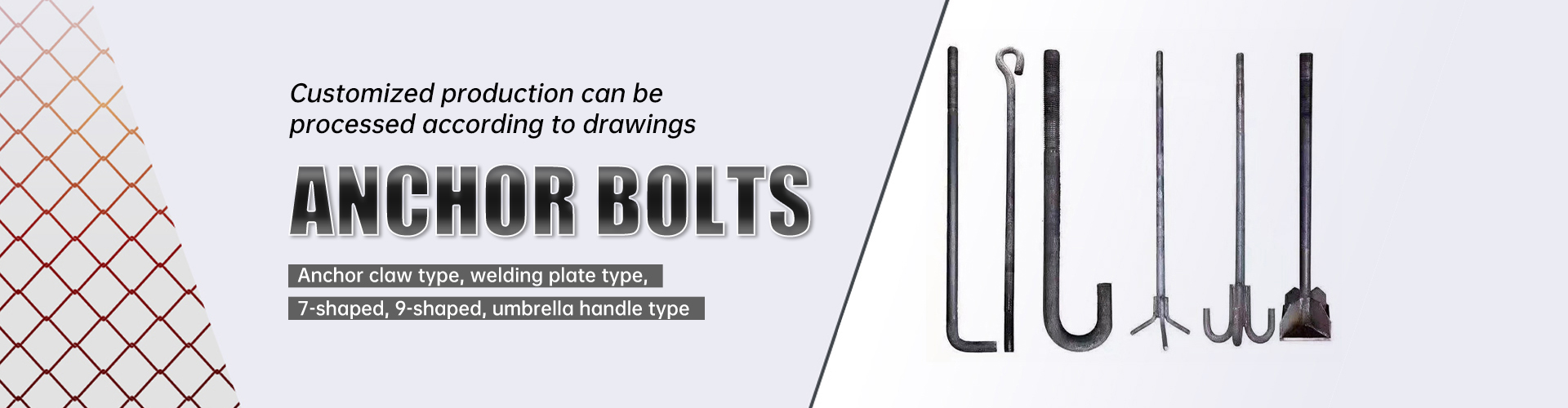
Grade 8.8 bolts: key for sustainable construction?
2026-03-20
You hear sustainable construction, and minds jump to solar panels, green roofs, or recycled steel. Rarely does anyone think of the bolt. That’s the first mistake. The assumption that sustainability is only about the flashy, big-ticket items. In reality, the integrity—and longevity—of any structure often hinges on the smallest, most overlooked components. And in the world of structural connections, the Grade 8.8 bolt sits in this strange space: it’s utterly common, yet its role in true sustainability is frequently misunderstood. It’s not just about strength; it’s about the right strength, applied correctly, to avoid waste, repair, and premature failure. Let’s unpack that.
The 8.8 Spec: More Than Just a Number
When we specify 8.8, we’re talking about a minimum tensile strength of 800 MPa and a yield strength of 640 MPa. That’s textbook. On the ground, it means a bolt that’s strong enough for a vast majority of non-critical structural connections in commercial and industrial builds—think steel framing, bracing, machinery bases. But here’s the practical nuance: it’s the sweet spot between over-engineering and under-specifying. Using a higher grade like 10.9 where an 8.8 suffices is wasteful, both in material cost and embodied carbon. Using a 4.6 is a gamble on safety. The 8.8 is the workhorse, and getting its application right is the first step toward resource efficiency.
I remember a warehouse project years ago. The design called for 8.8 M20 bolts for all secondary beam connections. Seemed straightforward. But the batch that arrived on site—sourced from a cut-price supplier—had inconsistent markings. Some were barely etched. We got suspicious, ran a couple of tensile tests off-site, and two out of ten samples failed to meet the yield strength. The whole delivery was rejected. That delay cost a week. The lesson wasn’t just about testing; it was about the chain of trust. A bolt’s Soifua Maloloina Fausiaina contribution is zero if it fails prematurely, leading to replacement, reinforcement, or worse.
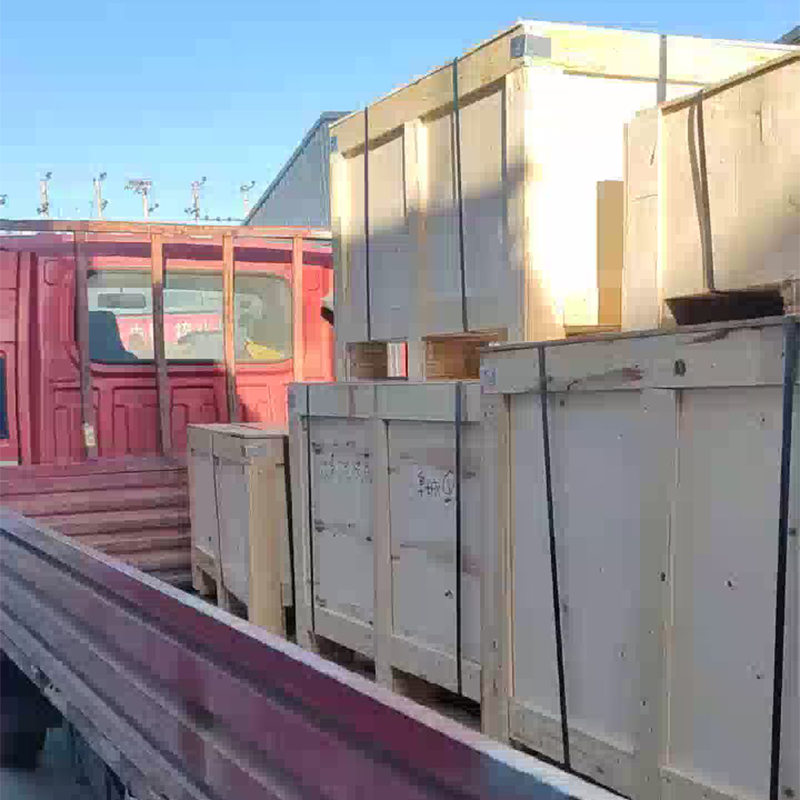
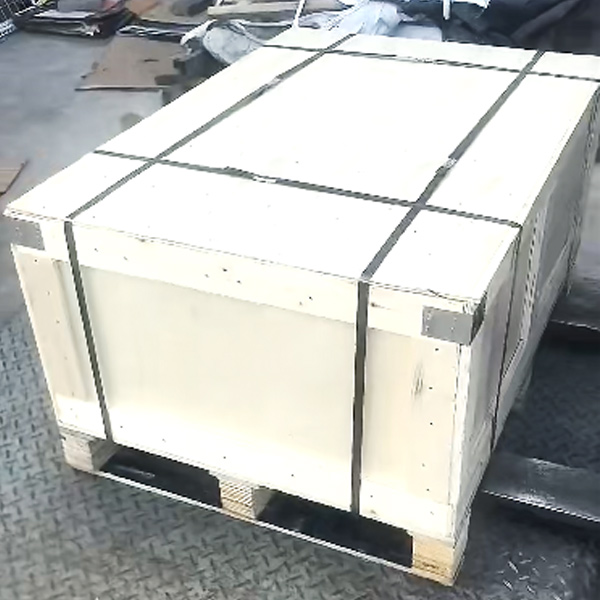
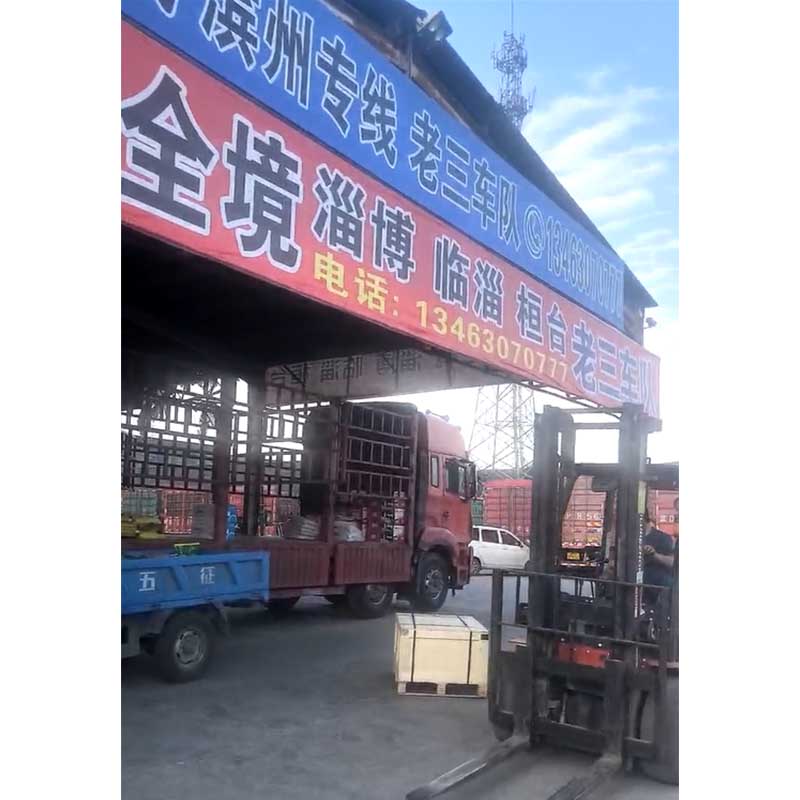
This is where provenance matters. You need a supplier embedded in a real production ecosystem, not just a trading house. For instance, a manufacturer like Boitin Zitai Fatene Fale gaosi co., LTD., based in Yongnian—China’s largest fastener base—has the infrastructure. Being adjacent to major rail and road networks (HTTPS://www.zitiiiisters.com) isn’t just a sales point; it translates to logistical efficiency and lower transport emissions for bulk orders. Their focus on standard parts means they live and breathe specs like 8.8. It’s their core business.
Durability vs. Coating: The Corrosion Battle
Strength is useless if the bolt rusts away. For sustainability, longevity is non-negotiable. An 8.8 bolt is typically carbon or alloy steel, so its surface treatment is its lifeline. Hot-dip galvanizing (HDG) is common, but it’s a thick coating. For 8.8 bolts, the heating process can sometimes induce hydrogen embrittlement, a delayed cracking risk. You have to source from a maker that understands and controls this post-galvanizing baking process. I’ve seen bolts snap during tightening months after installation, a classic sign of this issue.
Alternative coatings like mechanical galvanizing or zinc flake systems (e.g., Geomet) are gaining traction. They offer excellent corrosion resistance without the high heat risk. But they add cost. The sustainable calculation here is total lifecycle: does the extra upfront cost offset the risk and cost of replacement in 15 years? In coastal or high-humidity environments, absolutely. For an inland warehouse, maybe HDG from a reliable source is fine. It’s a judgment call based on real exposure, not just a default spec.
We once used a batch of black (plain) 8.8 bolts for temporary works, thinking they’d be dismantled in six months. The project got delayed, they stayed for two years in a semi-exposed condition. By the time we removed them, they were seized solid. The torch work to cut them out was a mess—energy wasted, time wasted, and the bolts were unrecyclable scrap. A cheap, untreated bolt is the antithesis of Soifua Maloloina Fausiaina.
Tightening Control: Where Theory Meets the Impact Wrench
This is the grand canyon between design and reality. An 8.8 bolt achieves its clamping force through proper preload, usually 70-80% of its yield strength. The drawings say torque to 450 Nm. But on site, in the rain, with a recalibrated impact wrench? Good luck. Over-torquing stretches the bolt, potentially causing plastic deformation and loss of clamp load. Under-torquing leads to joint slippage and fatigue.
The move towards Soifua Maloloina Fausiaina practices is pushing for more controlled methods. Direct tension indicators (DTIs) or load-monitoring washers are fantastic, but they’re still seen as a premium for critical joints, not for every 8.8 connection. The practical middle ground is trained crews and rigorously maintained, calibrated tools. It sounds basic, but it’s the single biggest factor in ensuring those 8.8 bolts perform as designed for the structure’s lifespan. A failed joint means material waste and energy-intensive repairs.
I recall a retrofit where we had to replace hundreds of loosened 8.8 bolts in a facade system. The original installer had used an uncalibrated wrench and assumed tighter is better. The investigation found many bolts were stretched beyond yield. We didn’t just replace bolts; we had to redesign the connection detail to allow for better access and control. The waste in manpower and material was substantial.
The Recycling Loop: End of Life for a Bolt
We rarely design for disassembly, but we should. At end-of-life, can those 8.8 bolts be easily removed and recycled? If they’re galvanized, the zinc coating complicates the steel recycling stream. If they’re painted or have other coatings, they might be downgraded to lower-grade scrap. The most sustainable bolt, ironically, might be a plain one used in a fully protected, dry environment, as the steel is easily reclaimed.
This is a systems-thinking problem. A company like Handan Zitai Fastener, as a producer, is part of this loop. Their location in a concentrated industrial base likely means more efficient scrap metal collection and recycling channels locally. When you source from a major production base, you’re indirectly tapping into a more circular material economy, even if it’s not marketed as such.
In a recent decommissioning project, we tried to salvage 8.8 bolts from old structural steel. Most were corroded or damaged during removal. The few that were salvageable had to be meticulously cleaned, inspected, and re-tested—a process more expensive than buying new. It highlighted that for bolts, true circularity might lie more in designing connections for easier bolt replacement rather than reuse, ensuring the main steel members live on while only the small, energy-intensive-to-produce bolt is swapped out.
Conclusion: The Unseen Linchpin
So, is the Grade 8.8 bolt a key for Soifua Maloloina Fausiaina? Not by itself. It’s a potential key, but it comes with a bunch of caveats. The key is in the hands of the specifier, the purchaser, and the installer. It requires choosing the right grade for the job, sourcing from competent manufacturers with tight quality control (like those in hubs such as Yongnian), applying the correct corrosion protection for the environment, installing it with precision, and considering its end-of-life path.
It’s not glamorous. It’s about discipline in the details. When you get it right, those unassuming 8.8 bolts silently hold everything together for decades, preventing the embodied carbon disaster of early reconstruction. When you get it wrong, they become the weakest link, literally and figuratively. Sustainability in construction is built on a million such small, correct decisions. The 8.8 bolt is a perfect test case for whether we’re paying attention to the things that truly matter.
Faʻamolemole tuʻu le feʻau
-

-
-
WeChat



Privacy Policy
Our Commitment to Privacy
Introduction.
Rainbow Inc. recognizes the importance of protecting the privacy of all personal information provided by its customers, including users of www.rainbow-inkjet.com and other Rainbow Inc. affiliated websites (collectively "Rainbow Inc. Sites"). We created the following policy guidelines with a fundamental respect for our customers´ right to privacy and because we value our relationships with our customers. Your visit to the Rainbow Inc. Sites is subject to this Privacy Statement and our Online Terms and Conditions.
Description.
This Privacy Statement describes the types of information we collect and how we may use that information. Our Privacy Statement also describes the measures we take to protect the security of this information as well as how you may reach us to update your contact information.
Data Collection
Personal Data Collected Directly From Visitors.
Rainbow Inc. collects personal information when: you submit questions or comments to us; you request information or materials; you request warranty or post-warranty service and support; you participate in surveys; and by other means that may be specifically provided for on the Rainbow Inc. Sites or in our correspondence with you.
Type of Personal Data.
The type of information collected directly from the user may include your name, your company's name, physical contact information, address, billing and delivery information, e-mail address, the products you use, demographic information such as your age, preferences, and interests and information relating to the sale or installation of your product.
Non-Personal Data Collected Automatically.
We may collect information about your interaction with Rainbow Inc. Sites and services. For example, we may use website analytics tools on our site to retrieve information from your browser, including the site you came from, the search engine(s) and the keywords you used to find our site, and the pages you view within our site. Additionally, we collect certain standard information that your browser sends to every website you visit, such as your IP address, browser type, capabilities and language, your operating system, access times and referring Web site addresses.
Storage and Processing.
Personal data collected on our websites may be stored and processed in the United States in which Rainbow Inc. or its affiliates, joint ventures, or third party servicers maintain facilities.
How We Use the Data
Services and transactions.
We use your personal data to deliver services or execute transactions you request, such as providing information about Rainbow Inc. products and services, processing orders, answering customer service requests, facilitating use of our Web sites, enabling online shopping, and so forth. In order to offer you a more consistent experience in interacting with Rainbow Inc., information collected by our websites may be combined with information we collect by other means.
Product Development.
We use the personal and non-personal data for product development, including for such processes as idea generation, product design and improvements, detail engineering, market research and marketing analysis.
Website Improvement.
We may use the personal and non-personal data to improve our websites (including our security measures) and related products or services, or to make our websites easier to use by eliminating the need for you to repeatedly enter the same information or by customizing our websites to your particular preference or interests.
Marketing Communications.
We may use your personal data to inform you of products or services available from Rainbow Inc. When collecting information that might be used to contact you about our products and services, we often give you the opportunity to opt-out from receiving such communications. Moreover, in our email communications with you we may include an unsubscribe link allowing you to stop delivery of that type of communication. If you elect to unsubscribe, we will remove you from the relevant list within 15 business days.
Commitment to Data Security
Security.
Rainbow Inc. Corporation uses reasonable precautions to keep the personal information disclosed to us secure. To prevent unauthorized access, maintain data accuracy, and ensure the correct use of information, we have put in place appropriate physical, electronic, and managerial procedures to safeguard and secure your personal information. For example, we store sensitive personal data on computer systems with limited access that are located in facilities to which access is limited. When you move around a site to which you have logged in, or from one site to another that uses the same login mechanism, we verify your identity by means of an encrypted cookie placed on your machine. Nonetheless, Rainbow Inc. Corporation does not guarantee the security, accuracy or completeness of any such information or procedures.
Internet.
The transmission of information via the internet is not completely secure. Although we do our best to protect your personal information, we cannot guarantee the security of your personal information transmitted to our Website. Any transmission of personal information is at your own risk. We are not responsible for circumvention of any privacy settings or security measures contained on the Rainbow Inc. Sites.
Faafesootai matou
If you have questions regarding this privacy statement, our handling of your personal data, or your privacy rights under applicable law, please contact us by mail at the address below.
Rainbow Inc.
Attn: Katherine Tan
Add: No.1658 Husong Road, Shanghai, China.
Statement Updates
Revisions.
Rainbow Inc. reserves the right to modify this privacy statement from time to time. If we decide to change our Privacy Statement, we will post the revised Statement here.
Date.
This Privacy Statement was last amended on September 7, 2022.