
- English
- Chinese
- French
- German
- Portuguese
- Spanish
- Russian
- Japanese
- Korean
- Arabic
- Irish
- Greek
- Turkish
- Italian
- Danish
- Romanian
- Indonesian
- Czech
- Afrikaans
- Swedish
- Polish
- Basque
- Catalan
- Esperanto
- Hindi
- Lao
- Albanian
- Amharic
- Armenian
- Azerbaijani
- Belarusian
- Bengali
- Bosnian
- Bulgarian
- Cebuano
- Chichewa
- Corsican
- Croatian
- Dutch
- Estonian
- Filipino
- Finnish
- Frisian
- Galician
- Georgian
- Gujarati
- Haitian
- Hausa
- Hawaiian
- Hebrew
- Hmong
- Hungarian
- Icelandic
- Igbo
- Javanese
- Kannada
- Kazakh
- Khmer
- Kurdish
- Kyrgyz
- Latin
- Latvian
- Lithuanian
- Luxembou..
- Macedonian
- Malagasy
- Malay
- Malayalam
- Maltese
- Maori
- Marathi
- Mongolian
- Burmese
- Nepali
- Norwegian
- Pashto
- Persian
- Punjabi
- Serbian
- Sesotho
- Sinhala
- Slovak
- Slovenian
- Somali
- Scots Gaelic
- Shona
- Sindhi
- Sundanese
- Swahili
- Tajik
- Tamil
- Telugu
- Thai
- Ukrainian
- Urdu
- Uzbek
- Vietnamese
- Welsh
- Xhosa
- Yiddish
- Yoruba
- Zulu
- Kinyarwanda
- Tatar
- Oriya
- Turkmen
- Uyghur

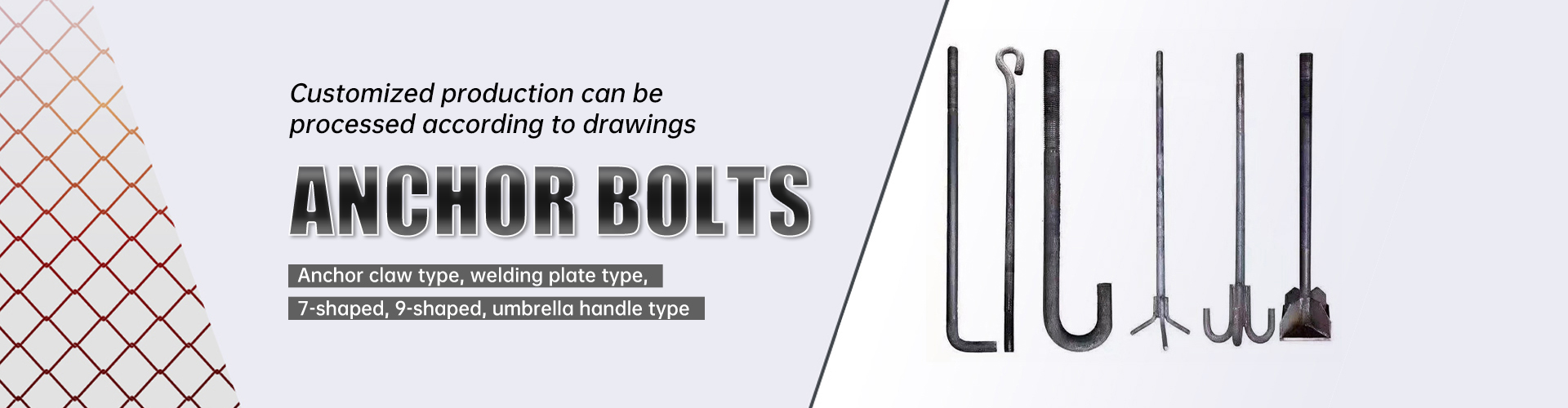
Ultimate Guide to High Quality Hanging Head Factory Direct Supply
2026-05-30
- What Defines a High-Quality Hanging Head in Industrial Applications
- Advantages of Factory Direct Supply vs. Distributor Channels
- Critical Technical Parameters for Selection
- Step-by-Step Guide to Installing Hanging Heads
- Common Applications Across Industries
- Maintenance Best Practices for Longevity
- Frequently Asked Questions (FAQ)
- Selection Guide: Matching Hanging Heads to Operational Needs
- Conclusion and Next Steps
Direct factory supply of high-quality hanging heads ensures superior build integrity, precise engineering tolerances, and significant cost efficiency for industrial automation projects. This ultimate guide details the manufacturing standards, material specifications, and selection criteria necessary to source reliable hanging head assemblies directly from production facilities. By eliminating intermediaries, buyers gain access to custom configurations, rigorous quality control data, and technical support tailored to specific conveyor or assembly line requirements.
What Defines a High-Quality Hanging Head in Industrial Applications
A hanging head serves as the critical interface between overhead conveyor systems and suspended loads. In high-volume manufacturing environments, the definition of “high quality” extends beyond basic load-bearing capacity. It encompasses fatigue resistance, dimensional stability under thermal stress, and the precision of pivot mechanisms.
Factory-direct sourcing allows manufacturers to verify these attributes at the source. Unlike generic distributors, direct factories control the metallurgy of the steel, the curing process of polymer components, and the final assembly torque settings. This level of oversight is essential for industries where equipment failure results in costly production downtime.
Key characteristics of premium hanging heads include:
- High-Grade Alloy Construction: Utilization of heat-treated carbon steel or stainless steel to prevent deformation under dynamic loads.
- Precision Bearings: Sealed ball bearings that ensure smooth rotation without lubrication leakage, crucial for clean-room or food-grade environments.
- Modular Design: Interchangeable hooks, clamps, and swivels that adapt to varying product geometries without requiring full system replacement.
- Corrosion Resistance: Advanced coating technologies such as zinc-nickel plating or powder coating that withstand harsh chemical washdowns.
When evaluating suppliers, the ability to provide material certificates and load test reports distinguishes a true factory partner from a trading company. These documents validate the structural integrity claimed in product specifications.
Material Standards and Metallurgical Integrity
The longevity of a hanging head is fundamentally determined by its material composition. Factory-direct manufacturers typically adhere to international standards such as ASTM or ISO for raw material procurement. For heavy-duty applications, forged steel is preferred over cast alternatives due to its superior grain structure and impact resistance.
In corrosive environments, such as automotive painting lines or seafood processing plants, the choice of material shifts toward 304 or 316 stainless steel. Direct factories offer the flexibility to customize material grades based on the specific chemical exposure risks of the facility. This customization is rarely available through standard catalog distributors.
Furthermore, the heat treatment process is a proprietary advantage of factory production. Controlled quenching and tempering enhance the yield strength of the metal, allowing the hanging head to absorb shock loads during sudden stops or starts of the conveyor system without permanent deformation.
Engineering Tolerances and Dimensional Accuracy
Precision in manufacturing ensures that hanging heads fit seamlessly into existing track systems. Deviations in pin diameter or hook curvature can lead to uneven wear, increased friction, and eventual system jamming. Factory-direct production utilizes CNC machining centers to maintain tolerances within microns.
Consistent dimensional accuracy also facilitates predictive maintenance. When every unit in a batch adheres to the same strict specifications, wear patterns become predictable, allowing maintenance teams to schedule replacements before catastrophic failure occurs. This reliability is a cornerstone of efficient facility management.
Advantages of Factory Direct Supply vs. Distributor Channels
Sourcing hanging heads directly from the manufacturer offers distinct strategic advantages for B2B buyers. The primary benefit is the elimination of markup layers, resulting in more competitive pricing for large-scale projects. However, the value proposition extends far beyond cost savings.
Direct engagement with the factory enables real-time communication regarding technical modifications. Engineers can collaborate directly with production teams to adjust designs for unique application needs. This agility is impossible when navigating through third-party distributors who lack direct access to the production floor.
Cost Efficiency and Total Cost of Ownership
While the initial unit price is lower when buying direct, the long-term savings are even more significant. Factory-supplied parts often come with extended warranties and better availability of spare components. This reduces the total cost of ownership by minimizing emergency procurement fees and shipping delays associated with out-of-stock items at distributor warehouses.
Bulk ordering directly from the production line also optimizes logistics. Manufacturers can consolidate shipments and coordinate delivery schedules to align with project installation timelines, reducing inventory holding costs for the buyer.
Customization and Engineering Support
Every industrial facility has unique constraints. Factory-direct suppliers can modify standard hanging head designs to accommodate specific weight distributions, clearance heights, or attachment methods. Whether it is a specialized locking mechanism or a non-standard hook angle, the factory can engineer a solution rather than forcing the client to adapt to a catalog item.
Technical support is another critical differentiator. Direct factories employ application engineers who understand the nuances of conveyor dynamics. They can advise on load calculations, sway reduction strategies, and compatibility with existing infrastructure, ensuring the selected hanging head performs optimally from day one.
Quality Control Transparency
Transparency in quality control is a hallmark of factory-direct relationships. Buyers can request detailed inspection reports, including non-destructive testing results and dimensional verification data. Some factories even offer virtual or physical audits of their production lines, providing unparalleled confidence in the product’s reliability.
This level of traceability is essential for regulated industries such as pharmaceuticals and aerospace, where component certification is mandatory. Knowing the exact batch number and production date of every hanging head installed simplifies compliance auditing and risk management.
Critical Technical Parameters for Selection
Selecting the correct hanging head requires a thorough analysis of operational parameters. Overlooking key specifications can lead to premature wear or safety hazards. Factory engineers recommend focusing on load capacity, swing angles, and environmental ratings during the selection process.
Load Capacity and Safety Factors
The working load limit (WLL) is the maximum weight a hanging head can safely support during normal operation. However, high-quality designs incorporate a safety factor, typically ranging from 3:1 to 5:1, to account for dynamic forces. These forces include acceleration, deceleration, and potential impact loads that exceed the static weight of the payload.
It is crucial to calculate the total load, including the weight of the product, fixtures, and any additional tooling attached to the hanging head. Factory specialists can assist in performing these calculations to ensure the selected model operates well within its safe limits, extending service life and enhancing workplace safety.
Swivel Mechanism and Rotation Freedom
The swivel mechanism allows the suspended load to rotate freely, preventing cable twisting and maintaining product orientation. High-performance hanging heads feature low-friction swivels capable of 360-degree rotation. The quality of the swivel is determined by the bearing type and the sealing method.
In applications where product orientation is critical, such as assembly lines requiring precise alignment, locked or limited-rotation swivels may be necessary. Factory-direct suppliers offer a range of swivel options, from free-spinning to indexed positions, tailored to the specific workflow requirements.
Environmental Ratings and Protection Classes
Industrial environments vary widely, from dry assembly rooms to wet washdown zones. The Ingress Protection (IP) rating indicates the hanging head’s resistance to dust and water. For outdoor applications or areas with high humidity, an IP65 or higher rating is recommended to prevent internal corrosion.
Temperature extremes also affect material performance. Factories can specify materials and lubricants that remain stable in sub-zero freezing conditions or high-heat curing ovens. Understanding the environmental context is vital for selecting a hanging head that maintains its mechanical properties over time.
| Parameter | Standard Specification | Heavy-Duty Specification | Impact on Performance |
|---|---|---|---|
| Material Grade | Cold Rolled Steel | Forged Alloy Steel / Stainless | Determines tensile strength and corrosion resistance. |
| Safety Factor | 3:1 | 5:1 or Higher | Provides margin for dynamic shock loads and safety compliance. |
| Bearing Type | Bushings | Sealed Ball Bearings | Affects rotation smoothness and maintenance intervals. |
| Finish | Zinc Plated | Hot Dip Galvanized / Powder Coat | Defines durability against chemical and abrasive wear. |
| Max Load | Up to 50 kg | Up to 500 kg+ | Dictates suitability for light vs. heavy industrial payloads. |
Step-by-Step Guide to Installing Hanging Heads
Proper installation is as critical as product selection. Even the highest quality hanging head will underperform if installed incorrectly. Following a systematic installation procedure ensures optimal alignment, balance, and safety.
Step 1: Pre-Installation Inspection
Before mounting, inspect each hanging head for shipping damage. Verify that all moving parts rotate freely and that safety locks are engaged. Check the thread integrity of mounting bolts and ensure that the trolley or carrier matches the track profile specifications provided by the factory.
Step 2: Track Alignment Verification
Ensure the overhead track is level and aligned. Misaligned tracks cause uneven wear on the hanging head wheels or hangers, leading to premature failure. Use a laser level to verify straightness and elevation consistency across the entire run.
Step 3: Mounting and Torque Application
Attach the hanging head to the trolley or carrier using the specified hardware. Apply torque according to the manufacturer’s guidelines. Under-torquing can lead to loosening due to vibration, while over-torquing may strip threads or deform components. Use a calibrated torque wrench for precision.
Step 4: Load Testing and Adjustment
Once installed, perform a static load test with a weight equivalent to the maximum intended payload. Observe the system for any signs of deflection, binding, or unusual noise. Adjust the height and alignment as necessary to ensure the load hangs vertically and swings freely without obstruction.
Step 5: Final Safety Check
Conduct a final review of all fasteners and safety clips. Ensure that secondary retention devices, such as safety wires or cotter pins, are correctly installed. Document the installation date and initial inspection results for future maintenance reference.
Common Applications Across Industries
Hanging heads are versatile components utilized across a broad spectrum of industries. Their design adapts to the specific demands of each sector, from high-speed automotive assembly to delicate electronics handling.
Automotive Manufacturing and Assembly
In automotive plants, hanging heads support heavy engine blocks, chassis components, and body panels. Durability and high load capacity are paramount. Factory-supplied units often feature reinforced hooks and heavy-duty swivels to handle the rigorous demands of just-in-time production lines.
The ability to withstand paint shop chemicals and welding sparks is also critical. Specialized coatings and heat-resistant materials ensure these hanging heads survive the harsh conditions of vehicle fabrication without compromising structural integrity.
Food and Beverage Processing
Hygiene is the top priority in food processing. Hanging heads in this sector are typically manufactured from stainless steel with smooth surfaces that prevent bacterial accumulation. They must withstand frequent high-pressure washdowns with caustic cleaning agents.
Factory-direct suppliers can certify that materials meet FDA or EU food contact regulations. Designs often eliminate crevices where debris could collect, ensuring compliance with strict sanitary standards required by health inspectors.
Electronics and Semiconductor Fabrication
Cleanroom environments require hanging heads that do not generate particulates. Anti-static coatings and sealed bearings prevent contamination of sensitive electronic components. Precision and stability are crucial to prevent damage to fragile wafers or circuit boards during transport.
Customization options allow for the integration of specialized clamps and vacuum attachments, facilitating the automated handling of delicate substrates. The low-outgassing materials used in these units maintain air purity levels within the cleanroom.
Warehousing and Logistics
In distribution centers, hanging heads facilitate the efficient movement of packaged goods. Speed and reliability are key factors. Modular designs allow for quick reconfiguration of lines to accommodate seasonal changes in product volume or size.
Ergonomic features are increasingly important, allowing workers to easily attach and detach loads. Factory innovations in handle design and weight distribution help reduce worker fatigue and improve overall operational throughput.
Maintenance Best Practices for Longevity
Regular maintenance extends the service life of hanging heads and ensures continuous safe operation. A proactive maintenance strategy identifies wear early, preventing unplanned downtime and expensive repairs.
Routine Visual Inspections
Conduct weekly visual checks for signs of wear, corrosion, or deformation. Look for cracks in the metal, excessive play in the swivel mechanism, or worn bearing surfaces. Any component showing signs of distress should be tagged and replaced immediately.
Lubrication Schedules
Although many modern hanging heads feature sealed bearings, some models require periodic lubrication. Follow the factory’s recommended schedule and use only specified lubricants. Incorrect grease types can attract dust or degrade seals, leading to premature failure.
Cleaning and Corrosion Prevention
Keep hanging heads free from dirt, grease, and chemical residues. In corrosive environments, rinse units regularly with fresh water and inspect protective coatings. Touch up any chips or scratches in the paintwork to prevent underlying metal exposure and rust formation.
Record Keeping and Trend Analysis
Maintain detailed logs of inspections, repairs, and replacements. Analyzing this data helps identify patterns of wear related to specific operating conditions or usage rates. This information guides future purchasing decisions and optimization of maintenance intervals.
Frequently Asked Questions (FAQ)
How do I determine the correct load capacity for my application?
Calculate the total weight of the product plus any fixtures or tooling. Then, apply a safety factor appropriate for your industry, typically between 3:1 and 5:1. Consult with factory engineers to account for dynamic forces caused by conveyor acceleration and deceleration.
Can hanging heads be customized for specific track profiles?
Yes, factory-direct suppliers can engineer trolleys and hangers to match virtually any track profile, including enclosed tracks, I-beams, and monorails. Providing detailed drawings or samples of your existing track ensures a perfect fit.
What is the typical lead time for factory direct orders?
Lead times vary based on order volume and customization levels. Standard configurations often ship within 2-4 weeks, while highly customized solutions may require 6-8 weeks for engineering and production. Direct communication with the factory provides accurate timeline estimates.
Are replacement parts readily available for older models?
Reputable factories maintain archives of past designs and stock critical spare parts for extended periods. This ensures that legacy systems can be maintained without needing a complete line overhaul. Always inquire about parts availability before finalizing a purchase.
Do factory-supplied hanging heads come with certification?
Yes, high-quality factory supplies include material certificates, load test reports, and compliance documentation such as CE or ISO markings. These documents are essential for safety audits and regulatory compliance in regulated industries.
Selection Guide: Matching Hanging Heads to Operational Needs
Choosing the right hanging head involves balancing performance requirements with budget constraints. A structured approach ensures that the selected solution delivers value over its entire lifecycle.
Assessing Environmental Conditions
Begin by evaluating the operating environment. Is the area exposed to moisture, chemicals, or extreme temperatures? Select materials and finishes that offer adequate protection. For example, choose stainless steel for wet environments and heat-treated alloys for high-temperature zones.
Evaluating Load Dynamics
Consider not just the static weight but also the dynamic behavior of the load. Will the product swing, rotate, or experience shock loads? Select hanging heads with appropriate damping features, robust swivels, and sufficient safety margins to handle these forces.
Considering Future Scalability
Anticipate future changes in production volume or product mix. Choose modular hanging head systems that can be easily reconfigured or expanded. This flexibility protects your investment and adapts to evolving business needs without major capital expenditure.
Verifying Supplier Capabilities
Validate the supplier’s technical expertise and production capacity. Request case studies or references from similar industries. A capable factory partner offers more than just products; they provide engineering insights and ongoing support to optimize your material handling system.
Conclusion and Next Steps
Sourcing high-quality hanging heads directly from the factory is a strategic decision that enhances operational efficiency, ensures product reliability, and optimizes costs. By understanding the critical technical parameters, material standards, and maintenance requirements, businesses can make informed choices that drive long-term success.
This guide highlights the importance of partnering with a manufacturer who prioritizes engineering excellence and transparency. Whether for automotive assembly, food processing, or general logistics, the right hanging head solution forms the backbone of a smooth and safe material handling system.
Ideal candidates for factory-direct procurement include:
- Facility managers planning new conveyor installations or upgrades.
- Procurement officers seeking to reduce supply chain costs and lead times.
- Engineers requiring custom specifications for unique application challenges.
- Maintenance teams needing reliable access to spare parts and technical support.
To explore specific models, request detailed technical datasheets, or discuss custom engineering solutions for your facility, contact our technical team today. We provide comprehensive consultations to match the perfect hanging head configuration to your operational goals.
Faʻamolemole tuʻu le feʻau
-

-
-
WeChat



Privacy Policy
Our Commitment to Privacy
Introduction.
Rainbow Inc. recognizes the importance of protecting the privacy of all personal information provided by its customers, including users of www.rainbow-inkjet.com and other Rainbow Inc. affiliated websites (collectively "Rainbow Inc. Sites"). We created the following policy guidelines with a fundamental respect for our customers´ right to privacy and because we value our relationships with our customers. Your visit to the Rainbow Inc. Sites is subject to this Privacy Statement and our Online Terms and Conditions.
Description.
This Privacy Statement describes the types of information we collect and how we may use that information. Our Privacy Statement also describes the measures we take to protect the security of this information as well as how you may reach us to update your contact information.
Data Collection
Personal Data Collected Directly From Visitors.
Rainbow Inc. collects personal information when: you submit questions or comments to us; you request information or materials; you request warranty or post-warranty service and support; you participate in surveys; and by other means that may be specifically provided for on the Rainbow Inc. Sites or in our correspondence with you.
Type of Personal Data.
The type of information collected directly from the user may include your name, your company's name, physical contact information, address, billing and delivery information, e-mail address, the products you use, demographic information such as your age, preferences, and interests and information relating to the sale or installation of your product.
Non-Personal Data Collected Automatically.
We may collect information about your interaction with Rainbow Inc. Sites and services. For example, we may use website analytics tools on our site to retrieve information from your browser, including the site you came from, the search engine(s) and the keywords you used to find our site, and the pages you view within our site. Additionally, we collect certain standard information that your browser sends to every website you visit, such as your IP address, browser type, capabilities and language, your operating system, access times and referring Web site addresses.
Storage and Processing.
Personal data collected on our websites may be stored and processed in the United States in which Rainbow Inc. or its affiliates, joint ventures, or third party servicers maintain facilities.
How We Use the Data
Services and transactions.
We use your personal data to deliver services or execute transactions you request, such as providing information about Rainbow Inc. products and services, processing orders, answering customer service requests, facilitating use of our Web sites, enabling online shopping, and so forth. In order to offer you a more consistent experience in interacting with Rainbow Inc., information collected by our websites may be combined with information we collect by other means.
Product Development.
We use the personal and non-personal data for product development, including for such processes as idea generation, product design and improvements, detail engineering, market research and marketing analysis.
Website Improvement.
We may use the personal and non-personal data to improve our websites (including our security measures) and related products or services, or to make our websites easier to use by eliminating the need for you to repeatedly enter the same information or by customizing our websites to your particular preference or interests.
Marketing Communications.
We may use your personal data to inform you of products or services available from Rainbow Inc. When collecting information that might be used to contact you about our products and services, we often give you the opportunity to opt-out from receiving such communications. Moreover, in our email communications with you we may include an unsubscribe link allowing you to stop delivery of that type of communication. If you elect to unsubscribe, we will remove you from the relevant list within 15 business days.
Commitment to Data Security
Security.
Rainbow Inc. Corporation uses reasonable precautions to keep the personal information disclosed to us secure. To prevent unauthorized access, maintain data accuracy, and ensure the correct use of information, we have put in place appropriate physical, electronic, and managerial procedures to safeguard and secure your personal information. For example, we store sensitive personal data on computer systems with limited access that are located in facilities to which access is limited. When you move around a site to which you have logged in, or from one site to another that uses the same login mechanism, we verify your identity by means of an encrypted cookie placed on your machine. Nonetheless, Rainbow Inc. Corporation does not guarantee the security, accuracy or completeness of any such information or procedures.
Internet.
The transmission of information via the internet is not completely secure. Although we do our best to protect your personal information, we cannot guarantee the security of your personal information transmitted to our Website. Any transmission of personal information is at your own risk. We are not responsible for circumvention of any privacy settings or security measures contained on the Rainbow Inc. Sites.
Faafesootai matou
If you have questions regarding this privacy statement, our handling of your personal data, or your privacy rights under applicable law, please contact us by mail at the address below.
Rainbow Inc.
Attn: Katherine Tan
Add: No.1658 Husong Road, Shanghai, China.
Statement Updates
Revisions.
Rainbow Inc. reserves the right to modify this privacy statement from time to time. If we decide to change our Privacy Statement, we will post the revised Statement here.
Date.
This Privacy Statement was last amended on September 7, 2022.