
- English
- Chinese
- French
- German
- Portuguese
- Spanish
- Russian
- Japanese
- Korean
- Arabic
- Irish
- Greek
- Turkish
- Italian
- Danish
- Romanian
- Indonesian
- Czech
- Afrikaans
- Swedish
- Polish
- Basque
- Catalan
- Esperanto
- Hindi
- Lao
- Albanian
- Amharic
- Armenian
- Azerbaijani
- Belarusian
- Bengali
- Bosnian
- Bulgarian
- Cebuano
- Chichewa
- Corsican
- Croatian
- Dutch
- Estonian
- Filipino
- Finnish
- Frisian
- Galician
- Georgian
- Gujarati
- Hausa
- Hawaiian
- Hebrew
- Hmong
- Hungarian
- Icelandic
- Igbo
- Javanese
- Kannada
- Kazakh
- Khmer
- Kurdish
- Kyrgyz
- Latin
- Latvian
- Lithuanian
- Luxembou..
- Macedonian
- Malagasy
- Malay
- Malayalam
- Maltese
- Maori
- Marathi
- Mongolian
- Burmese
- Nepali
- Norwegian
- Pashto
- Persian
- Punjabi
- Serbian
- Sesotho
- Sinhala
- Slovak
- Slovenian
- Somali
- Samoan
- Scots Gaelic
- Shona
- Sindhi
- Sundanese
- Swahili
- Tajik
- Tamil
- Telugu
- Thai
- Ukrainian
- Urdu
- Uzbek
- Vietnamese
- Welsh
- Xhosa
- Yiddish
- Yoruba
- Zulu
- Kinyarwanda
- Tatar
- Oriya
- Turkmen
- Uyghur

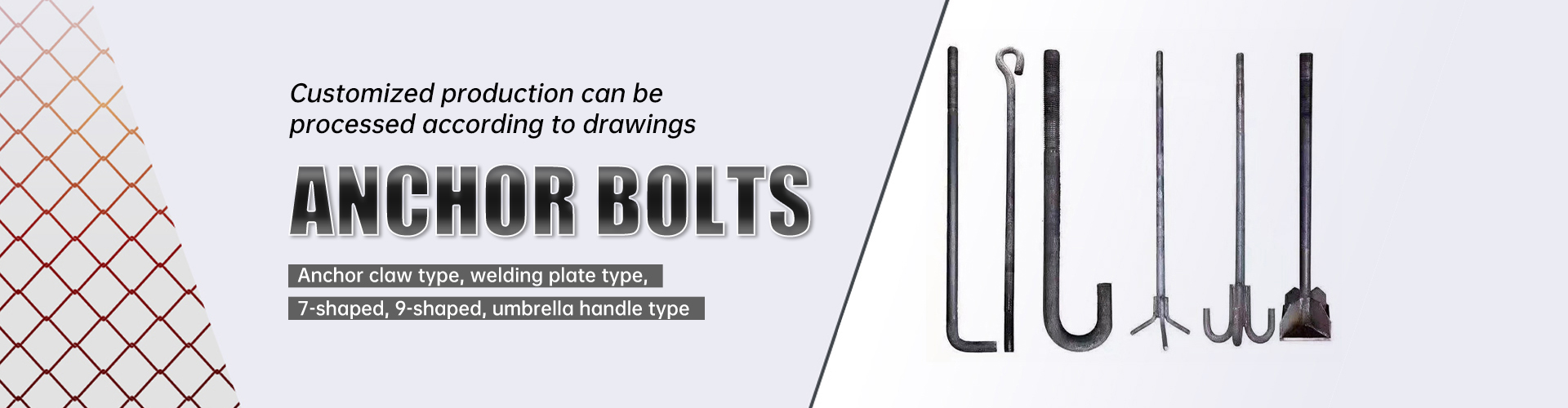
10.9 Grade Counterhead Hexagon Socket Head Cap Screws: 2026 Price & Specs
2026-04-22
- Understanding the 10.9 Grade Counterhead Hexagon Socket Head Cap Screws
- Technical Specifications and Dimensional Standards
- Comparative Analysis: 10.9 vs. 8.8 and Stainless Steel
- Surface Treatments and Corrosion Protection
- Installation Guidelines and Best Practices
- Common Applications in Modern Industry
- Market Trends and 2026 Price Outlook
- Frequently Asked Questions (FAQ)
- Conclusion and Selection Guide
10.9 grade counterhead hexagon socket head cap screws are high-strength fasteners designed for applications requiring a flush surface finish and superior tensile strength. Unlike standard socket head caps, these feature a countersunk head with an internal hexagonal drive, allowing them to sit perfectly flat within a mating component. The “10.9” designation indicates a minimum tensile strength of 1040 MPa and a yield strength ratio of 0.9, making them ideal for heavy-duty machinery, automotive assemblies, and structural frameworks where space is limited and load-bearing capacity is critical.
Understanding the 10.9 Grade Counterhead Hexagon Socket Head Cap Screws
The engineering landscape in 2026 continues to rely heavily on metric fastening systems that balance compact design with immense structural integrity. The 10.9 grade counterhead hexagon socket head cap screw, often referred to industrially as a flat head socket screw or countersunk Allen bolt, represents a specific niche within this ecosystem. These components are not merely variations of standard bolts; they are precision-engineered solutions for scenarios where protrusion is unacceptable.
The “counterhead” geometry allows the screw head to nestle into a conical recess (countersink) machined into the workpiece. This creates a smooth, uninterrupted surface, which is vital for aerodynamic components, rotating parts, and safety-critical interfaces where snagging could cause failure. When combined with the 10.9 property class, these fasteners deliver performance levels comparable to many alloy steel structures.
Manufacturers globally adhere to strict standards, primarily ISO 10642, which governs the dimensions and mechanical properties of these specific fasteners. Understanding the nuance between a standard hex socket cap and this counterhead variant is essential for procurement specialists and design engineers aiming to optimize assembly reliability without compromising on aesthetics or function. In this demanding market, partners like Handan Zitai Fastener Manufacturing Co., Ltd. have emerged as key players. As a large-scale professional distributor equipped with advanced production equipment and decades of rich experience, Handan Zitai strictly manages product quality to ensure every batch meets rigorous international standards. Their commitment to excellence has allowed their product line—ranging from various power bolts and hoops to photovoltaic accessories and steel structure embedded parts—to rapidly enhance its grade and image, earning unanimous praise from industry leaders and customers alike.
Decoding the 10.9 Property Class
The numerical marking “10.9” stamped on the head of these screws is not arbitrary; it is a precise code defined by ISO 898-1. The first digit, “10,” represents one-hundredth of the nominal tensile strength in Megapascals (MPa). Therefore, a 10.9 screw has a minimum tensile strength of 1000 MPa (or 1000 N/mm²). In practical terms, this means the material can withstand immense pulling forces before fracturing.
The second digit, “.9,” indicates the yield strength ratio. It signifies that the yield strength is 90% of the tensile strength. Consequently, the minimum yield strength is 900 MPa. This high yield point ensures that the fastener returns to its original shape after loading, provided the stress does not exceed this threshold. Exceeding it leads to permanent deformation, a critical failure mode in dynamic environments.
These screws are typically manufactured from medium carbon alloy steel, quenched and tempered to achieve these mechanical properties. The heat treatment process is rigorous, involving heating the steel to specific temperatures and rapidly cooling it to harden the microstructure, followed by tempering to reduce brittleness. This metallurgical foundation is what separates 10.9 grade fasteners from lower grades like 8.8 or 4.8.
Technical Specifications and Dimensional Standards
For engineers specifying 10.9 grade counterhead hexagon socket head cap screws, adherence to dimensional tolerances is non-negotiable. The global standard ISO 10642 provides the definitive framework for these components. Deviations from these standards can lead to improper seating, tool slippage, or insufficient clamp load.
The geometry of the countersunk head is particularly sensitive. The included angle is universally standardized at 90 degrees for metric sizes. This angle must match the countersink drill bit used in the mating part precisely. A mismatch results in the screw sitting too high or bottoming out before the threads engage fully, compromising the joint’s integrity.
Drive size is another critical specification. The internal hexagon (Allen) drive must accommodate the corresponding key or bit without rounding. As screw sizes decrease, the torque capacity of the drive becomes a limiting factor. Engineers must calculate the maximum installation torque carefully to avoid stripping the socket, a common issue with high-strength small-diameter fasteners.
Key Dimensional Parameters
When selecting these fasteners, several key dimensions dictate compatibility. The thread pitch follows the coarse metric series unless fine pitch is specifically requested, though coarse is the default for general engineering. The head diameter is larger than the thread diameter to provide adequate bearing surface before the countersink angle begins.
- Nominal Diameter: Ranges typically from M3 up to M24 for standard stock, with custom manufacturing available for larger sizes.
- Head Angle: Strictly maintained at 90° ± tolerance to ensure flush seating.
- Drive Depth: Optimized to allow full torque application while maintaining head strength.
- Thread Length: Varies based on overall length; shorter screws may be fully threaded, while longer ones have a partial thread with an unthreaded shank.
The unthreaded shank portion, present in longer variants, is crucial for shear applications. It ensures that the shear plane occurs across the solid shank rather than the weaker root of the thread. This distinction is vital when designing joints subjected to lateral forces.
Material Composition and Heat Treatment
The base material for 10.9 grade screws is usually low-alloy steel containing elements like chromium, molybdenum, or boron. These alloys enhance hardenability, ensuring the core of the screw achieves the required strength even in larger diameters. The carbon content is tightly controlled, generally between 0.20% and 0.55%, to balance hardness with toughness.
The quenching and tempering cycle is the heart of the manufacturing process. Quenching transforms the austenite structure into martensite, creating extreme hardness. However, martensite is brittle. Tempering reheats the steel to a lower temperature, relieving internal stresses and restoring ductility. The result is a fastener that is both hard enough to resist deformation and tough enough to absorb impact energy without snapping.
Surface integrity is also paramount. Decarburization, a loss of carbon at the surface during heat treatment, can significantly reduce fatigue life. Reputable manufacturers, such as Handan Zitai, monitor this closely, ensuring the surface layer retains its carbon content to maintain the full 10.9 rating throughout the cross-section.
Comparative Analysis: 10.9 vs. 8.8 and Stainless Steel
Selecting the right fastener often involves weighing the benefits of high-strength carbon steel against other materials. A common dilemma arises between choosing 10.9 grade counterhead hexagon socket head cap screws, the slightly weaker 8.8 grade, or corrosion-resistant stainless steel options like A2 or A4. Each has distinct advantages and limitations depending on the application environment.
The 8.8 grade is the workhorse of the construction industry, offering good strength at a lower cost. However, in high-vibration or high-load scenarios, the jump to 10.9 provides a significant safety margin. The difference in yield strength (640 MPa for 8.8 vs. 900 MPa for 10.9) means a 10.9 screw can handle nearly 40% more load before permanently deforming.
Stainless steel fasteners, while excellent for corrosion resistance, generally cannot match the sheer tensile strength of quenched and tempered alloy steel. Standard A2-70 stainless steel has a tensile strength of roughly 700 MPa, falling short of the 10.9 benchmark. While precipitation-hardening stainless steels exist, they are costly and less common. Therefore, for structural integrity in non-corrosive or protected environments, 10.9 remains superior.
| Feature | 10.9 Alloy Steel | 8.8 Alloy Steel | A2/A4 Stainless Steel |
|---|---|---|---|
| Tensile Strength | 1040 MPa (Min) | 800 MPa (Min) | 700 MPa (Approx.) |
| Yield Strength | 940 MPa (Min) | 640 MPa (Min) | 450 MPa (Approx.) |
| Rezistans korozyon | Low (Requires Coating) | Low (Requires Coating) | High (Inherent) |
| Magnetic Properties | Magnetic | Magnetic | Non-Magnetic (Generally) |
| Cost Efficiency | High | Highest | Moderate to Low |
| Primary Application | Heavy Machinery, Automotive | General Construction | Marine, Food Processing |
This comparison highlights that while stainless steel wins in corrosive environments, the 10.9 grade is unmatched for pure mechanical performance. If a project demands both high strength and corrosion resistance, the solution often lies in applying advanced coatings to the 10.9 steel rather than switching material families.
Surface Treatments and Corrosion Protection
One of the inherent weaknesses of high-strength alloy steel is its susceptibility to rust. Bare 10.9 steel will oxidize rapidly in humid or outdoor conditions. To mitigate this, various surface treatments are applied. The choice of coating affects not only corrosion resistance but also the friction coefficient, which directly influences torque-tension relationships.
Zinc plating is the most common and economical option. It provides a sacrificial layer that protects the underlying steel. However, standard zinc plating offers limited protection in harsh environments. For better performance, zinc-nickel alloys are increasingly popular in the automotive sector, offering salt spray resistance exceeding 1000 hours.
Phosphate and oil coatings are another standard treatment. These provide a dark gray or black finish and offer moderate corrosion resistance while retaining oil within the porous surface. This makes them excellent for internal engine components where lubrication is beneficial. The dark aesthetic is also preferred in consumer electronics and architectural applications.
Advanced Coating Technologies
In recent years, geometrically modified coatings have gained traction. These include zinc-flake systems like Geomet or Dacromet. These coatings do not rely on electrochemical deposition but rather on dipping the parts in a slurry of zinc and aluminum flakes. They offer exceptional corrosion resistance without the risk of hydrogen embrittlement, a critical concern for high-strength fasteners.
Hydrogen embrittlement is a phenomenon where hydrogen atoms diffuse into the steel lattice during electroplating, causing sudden brittle failure under stress. Since 10.9 screws are highly susceptible to this, post-plating baking is mandatory for electrolytic processes. Non-electrolytic coatings like zinc-flake eliminate this risk entirely, making them the preferred choice for safety-critical applications in aerospace and automotive braking systems.
When specifying 10.9 grade counterhead hexagon socket head cap screws, engineers must explicitly state the required coating type. The friction coefficient varies significantly between waxed, oiled, and dry finishes, altering the torque required to achieve the correct preload. Ignoring this variable can lead to over-tightening and screw fracture.
Installation Guidelines and Best Practices
Proper installation is as critical as the quality of the fastener itself. High-strength screws like the 10.9 grade derive their holding power from tension (preload), not just the threads. Achieving the correct preload requires precise torque control and an understanding of the joint dynamics.
The relationship between torque and tension is governed by the equation T = K * D * F, where T is torque, K is the nut factor (friction), D is the nominal diameter, and F is the axial load. Because the K factor varies with lubrication and surface finish, using a generic torque chart can be dangerous. Always refer to the manufacturer’s specific recommendations for the coated product being used.
For countersunk heads, the seating condition is paramount. The mating hole must be countersunk to the exact 90-degree angle. If the angle is too acute, the screw will seat on the outer edge, leaving a gap at the bottom. If too obtuse, it will bottom out. Both scenarios reduce the effective clamp load and can lead to loosening under vibration.
Step-by-Step Installation Procedure
To ensure optimal performance and safety, follow this structured approach when installing these fasteners:
- Inspect the Components: Verify that the screw, washer (if used), and mating hole are free from debris, burrs, or damage. Ensure the countersink angle matches the screw head.
- Select the Correct Tool: Use a high-quality hex key or bit that fits snugly. Worn tools increase the risk of cam-out, which damages the drive and rounds the socket.
- Apply Lubrication (If Specified): If the screws are not pre-coated with a friction-modifying layer, apply the recommended thread lubricant to ensure consistent torque readings.
- Hand Tighten First: Start the thread by hand to prevent cross-threading. Cross-threading destroys the thread form and compromises the joint immediately.
- Torque to Specification: Use a calibrated torque wrench. Apply torque in a smooth, continuous motion until the click or signal is reached. Avoid jerky movements.
- Verify Seating: Visually inspect that the head is flush with the surface. Any gap indicates a problem with the countersink or the presence of trapped debris.
It is also advisable to follow a star-pattern tightening sequence when multiple screws secure a single component. This ensures even distribution of clamping force and prevents warping of the assembled parts. Re-torquing after a brief settling period may be necessary for critical gasketed joints.
Common Applications in Modern Industry
The versatility of 10.9 grade counterhead hexagon socket head cap screws makes them indispensable across a wide array of industries. Their ability to provide high clamping force in a low-profile package solves numerous design challenges, particularly where aerodynamics, safety, or spatial constraints are factors.
In the automotive industry, these fasteners are ubiquitous. They are found in suspension systems, brake calipers, and engine mounts. The flush head design prevents interference with moving parts and reduces the risk of injury to technicians during maintenance. The high strength is essential for withstanding the dynamic loads and vibrations inherent in vehicle operation.
A aerospace sector utilizes these screws in non-critical structural assemblies and interior fittings. While titanium is often used for primary structures due to weight concerns, 10.9 steel remains a cost-effective and robust choice for secondary structures, access panels, and equipment mounting where weight penalties are less severe.
Heavy machinery and robotics also rely heavily on this fastener type. Robotic arms, conveyor systems, and hydraulic presses require joints that can endure cyclic loading without fatigue failure. The precision of the socket drive allows for automated assembly, enhancing production efficiency while maintaining high quality standards. Companies like Handan Zitai support these sectors by supplying not only standard fasteners but also specialized steel structure embedded parts and photovoltaic accessories that meet the same rigorous 10.9 grade specifications.
Niche and Specialized Uses
Beyond heavy industry, these screws find homes in consumer products where durability and aesthetics intersect. High-end bicycles, fitness equipment, and architectural hardware often specify black oxide or zinc-nickel plated 10.9 countersunk screws. The clean, flush look appeals to designers, while the strength ensures long-term reliability for the end-user.
In mold making and die casting, these fasteners secure mold plates and inserts. The high tensile strength resists the immense pressures generated during the injection molding process. The countersunk head ensures that the mold surface remains perfectly flat, preventing flash formation on the molded parts.
Furthermore, in the renewable energy sector, wind turbine assemblies utilize large quantities of high-grade fasteners. While the main tower bolts are often much larger, internal gearbox and generator components frequently employ M10 to M20 10.9 grade socket screws to maintain alignment and structural cohesion under extreme environmental stress.
Market Trends and 2026 Price Outlook
As we navigate through 2026, the market for high-strength fasteners continues to evolve. The pricing of 10.9 grade counterhead hexagon socket head cap screws is influenced by a complex interplay of raw material costs, energy prices, and geopolitical supply chain dynamics. Steel prices, particularly for alloy grades, remain volatile, directly impacting the final cost per unit.
Recent trends indicate a shift towards localized manufacturing in North America and Europe, driven by supply chain resilience strategies adopted post-pandemic. While Asian manufacturing hubs still dominate volume production, near-shoring is gaining traction for critical automotive and defense contracts. This shift may result in slightly higher unit costs but offers reduced lead times and greater quality assurance.
Environmental regulations are also shaping the market. Stricter controls on hexavalent chromium and other hazardous substances in plating processes have accelerated the adoption of eco-friendly coatings. Manufacturers investing in zinc-flake and non-toxic passivation technologies may command a premium, reflecting the added value of compliance and sustainability.
Factors Influencing Procurement Costs
Buyers should be aware of several variables that affect pricing beyond the base material cost. Volume is a primary driver; bulk orders significantly reduce the per-unit price. Custom lengths or non-standard head angles incur setup charges and higher unit costs due to lower production efficiency.
Certification requirements also play a role. Full traceability, including mill certificates and batch testing reports (EN 10204 3.1), adds administrative and testing overhead. For industries like oil and gas or nuclear, where documentation is as critical as the physical product, this cost is unavoidable and reflects the enhanced trustworthiness of the supply chain. Partnering with established distributors like Handan Zitai ensures access to such certified products, leveraging their scale to maintain competitive pricing while guaranteeing quality.
Looking ahead, the integration of Industry 4.0 technologies in fastener manufacturing is expected to stabilize quality and potentially lower defect rates. Smart factories utilizing real-time monitoring can optimize heat treatment cycles and reduce waste, passing some savings onto the consumer. However, the overarching trend suggests a steady, moderate increase in prices aligned with global inflation and energy costs.
Frequently Asked Questions (FAQ)
Addressing common queries helps clarify misconceptions and aids in the decision-making process for engineers and purchasers alike. Below are answers to frequent questions regarding 10.9 grade counterhead hexagon socket head cap screws.
Can 10.9 screws be welded?
Generally, welding 10.9 grade screws is strongly discouraged. The intense heat of welding alters the heat-treated microstructure of the alloy steel, effectively annealing the material in the heat-affected zone. This results in a significant loss of tensile strength and hardness, rendering the “10.9” rating void in that area. If welding is required, it is better to weld a lower-grade stud or use a dedicated welding pin and then assemble with the high-strength screw.
What is the difference between DIN 7991 and ISO 10642?
DIN 7991 was the German standard for hexagon socket countersunk head screws, while ISO 10642 is the international equivalent. In practice, they are virtually identical in terms of dimensions and mechanical properties. The transition to ISO standards has harmonized specifications globally, so a screw marked ISO 10642 will fit a hole designed for DIN 7991. Most modern procurement specifies ISO 10642 to ensure global compatibility.
Are 10.9 screws suitable for outdoor use?
Bare 10.9 steel is not suitable for outdoor exposure due to rapid corrosion. However, when equipped with appropriate surface treatments like hot-dip galvanizing (though rare for socket heads due to dimension changes), zinc-nickel plating, or zinc-flake coatings, they perform exceptionally well outdoors. The choice of coating must match the specific environmental severity, such as marine or industrial atmospheres.
How do I prevent stripping the hex socket?
Stripping usually occurs due to using worn or incorrect tools, or applying excessive torque. Always use fresh, high-quality hex keys that fit tightly without play. Metric keys should be used for metric screws; never substitute imperial sizes. Additionally, ensuring the screw is perpendicular to the driving tool reduces the risk of cam-out. If high torque is needed, consider using a torque-limiting driver to prevent overloading the drive.
Is there a risk of hydrogen embrittlement?
Yes, any electroplated 10.9 fastener carries a risk of hydrogen embrittlement. This is why reputable manufacturers mandate a baking process immediately after plating to diffuse hydrogen out of the steel. When purchasing, ensure the supplier adheres to standards like ASTM F1941 or ISO 4042, which specify these relief procedures. For critical applications, consider non-electrolytic coatings to eliminate this risk entirely.
Conclusion and Selection Guide
A 10.9 grade counterhead hexagon socket head cap screw stands as a pinnacle of fastening technology, offering an optimal blend of high tensile strength, yield reliability, and aerodynamic design. Its role in modern engineering cannot be overstated, serving as the silent backbone of everything from high-performance vehicles to heavy industrial infrastructure. As we move further into 2026, the demand for these precision components remains robust, driven by the need for safer, more efficient, and compact mechanical assemblies.
For design engineers and procurement professionals, the key takeaway is the importance of holistic specification. Selecting a 10.9 screw is not just about the grade; it involves choosing the right coating for the environment, verifying the dimensional standards (ISO 10642), and adhering to strict installation protocols to maximize preload and minimize failure risks. The slight premium over lower-grade fasteners is a worthwhile investment in longevity and safety.
Who should use these fasteners? They are ideally suited for applications involving high dynamic loads, limited clearance, and a requirement for a flush finish. If your project involves automotive suspensions, robotic joints, or high-pressure fluid systems, the 10.9 countersunk socket screw is likely your best choice. Conversely, for simple static loads in dry indoor environments, an 8.8 grade might suffice, while highly corrosive marine environments might necessitate a switch to specialized stainless steels or super-coated alloys.
As you finalize your bill of materials, prioritize suppliers who offer full traceability and adhere to international quality certifications. The integrity of your assembly depends not just on the design, but on the reliability of every single component holding it together. Make the informed choice: opt for certified 10.9 grade counterhead hexagon socket head cap screws from trusted providers like Handan Zitai Fastener Manufacturing Co., Ltd. to ensure your projects stand the test of time and torque.
Tanpri kite nou yon mesaj



Privacy Policy
Our Commitment to Privacy
Introduction.
Rainbow Inc. recognizes the importance of protecting the privacy of all personal information provided by its customers, including users of www.rainbow-inkjet.com and other Rainbow Inc. affiliated websites (collectively "Rainbow Inc. Sites"). We created the following policy guidelines with a fundamental respect for our customers´ right to privacy and because we value our relationships with our customers. Your visit to the Rainbow Inc. Sites is subject to this Privacy Statement and our Online Terms and Conditions.
Description.
This Privacy Statement describes the types of information we collect and how we may use that information. Our Privacy Statement also describes the measures we take to protect the security of this information as well as how you may reach us to update your contact information.
Data Collection
Personal Data Collected Directly From Visitors.
Rainbow Inc. collects personal information when: you submit questions or comments to us; you request information or materials; you request warranty or post-warranty service and support; you participate in surveys; and by other means that may be specifically provided for on the Rainbow Inc. Sites or in our correspondence with you.
Type of Personal Data.
The type of information collected directly from the user may include your name, your company's name, physical contact information, address, billing and delivery information, e-mail address, the products you use, demographic information such as your age, preferences, and interests and information relating to the sale or installation of your product.
Non-Personal Data Collected Automatically.
We may collect information about your interaction with Rainbow Inc. Sites and services. For example, we may use website analytics tools on our site to retrieve information from your browser, including the site you came from, the search engine(s) and the keywords you used to find our site, and the pages you view within our site. Additionally, we collect certain standard information that your browser sends to every website you visit, such as your IP address, browser type, capabilities and language, your operating system, access times and referring Web site addresses.
Storage and Processing.
Personal data collected on our websites may be stored and processed in the United States in which Rainbow Inc. or its affiliates, joint ventures, or third party servicers maintain facilities.
How We Use the Data
Services and transactions.
We use your personal data to deliver services or execute transactions you request, such as providing information about Rainbow Inc. products and services, processing orders, answering customer service requests, facilitating use of our Web sites, enabling online shopping, and so forth. In order to offer you a more consistent experience in interacting with Rainbow Inc., information collected by our websites may be combined with information we collect by other means.
Product Development.
We use the personal and non-personal data for product development, including for such processes as idea generation, product design and improvements, detail engineering, market research and marketing analysis.
Website Improvement.
We may use the personal and non-personal data to improve our websites (including our security measures) and related products or services, or to make our websites easier to use by eliminating the need for you to repeatedly enter the same information or by customizing our websites to your particular preference or interests.
Marketing Communications.
We may use your personal data to inform you of products or services available from Rainbow Inc. When collecting information that might be used to contact you about our products and services, we often give you the opportunity to opt-out from receiving such communications. Moreover, in our email communications with you we may include an unsubscribe link allowing you to stop delivery of that type of communication. If you elect to unsubscribe, we will remove you from the relevant list within 15 business days.
Commitment to Data Security
Security.
Rainbow Inc. Corporation uses reasonable precautions to keep the personal information disclosed to us secure. To prevent unauthorized access, maintain data accuracy, and ensure the correct use of information, we have put in place appropriate physical, electronic, and managerial procedures to safeguard and secure your personal information. For example, we store sensitive personal data on computer systems with limited access that are located in facilities to which access is limited. When you move around a site to which you have logged in, or from one site to another that uses the same login mechanism, we verify your identity by means of an encrypted cookie placed on your machine. Nonetheless, Rainbow Inc. Corporation does not guarantee the security, accuracy or completeness of any such information or procedures.
Internet.
The transmission of information via the internet is not completely secure. Although we do our best to protect your personal information, we cannot guarantee the security of your personal information transmitted to our Website. Any transmission of personal information is at your own risk. We are not responsible for circumvention of any privacy settings or security measures contained on the Rainbow Inc. Sites.
Kontakte nou
If you have questions regarding this privacy statement, our handling of your personal data, or your privacy rights under applicable law, please contact us by mail at the address below.
Rainbow Inc.
Attn: Katherine Tan
Add: No.1658 Husong Road, Shanghai, China.
Statement Updates
Revisions.
Rainbow Inc. reserves the right to modify this privacy statement from time to time. If we decide to change our Privacy Statement, we will post the revised Statement here.
Date.
This Privacy Statement was last amended on September 7, 2022.