
- Chinese
- French
- German
- Portuguese
- Spanish
- Russian
- Japanese
- Korean
- Arabic
- Irish
- Greek
- Turkish
- Italian
- Danish
- Romanian
- Indonesian
- Czech
- Afrikaans
- Swedish
- Polish
- Basque
- Catalan
- Esperanto
- Hindi
- Lao
- Albanian
- Amharic
- Armenian
- Azerbaijani
- Belarusian
- Bengali
- Bosnian
- Bulgarian
- Cebuano
- Chichewa
- Corsican
- Croatian
- Dutch
- Estonian
- Filipino
- Finnish
- Frisian
- Galician
- Georgian
- Gujarati
- Haitian
- Hausa
- Hawaiian
- Hebrew
- Hmong
- Hungarian
- Icelandic
- Igbo
- Javanese
- Kannada
- Kazakh
- Khmer
- Kurdish
- Kyrgyz
- Latin
- Latvian
- Lithuanian
- Luxembou..
- Macedonian
- Malagasy
- Malay
- Malayalam
- Maltese
- Maori
- Marathi
- Mongolian
- Burmese
- Nepali
- Norwegian
- Pashto
- Persian
- Punjabi
- Serbian
- Sesotho
- Sinhala
- Slovak
- Slovenian
- Somali
- Samoan
- Scots Gaelic
- Shona
- Sindhi
- Sundanese
- Swahili
- Tajik
- Tamil
- Telugu
- Thai
- Ukrainian
- Urdu
- Uzbek
- Vietnamese
- Welsh
- Xhosa
- Yiddish
- Yoruba
- Zulu
- Kinyarwanda
- Tatar
- Oriya
- Turkmen
- Uyghur

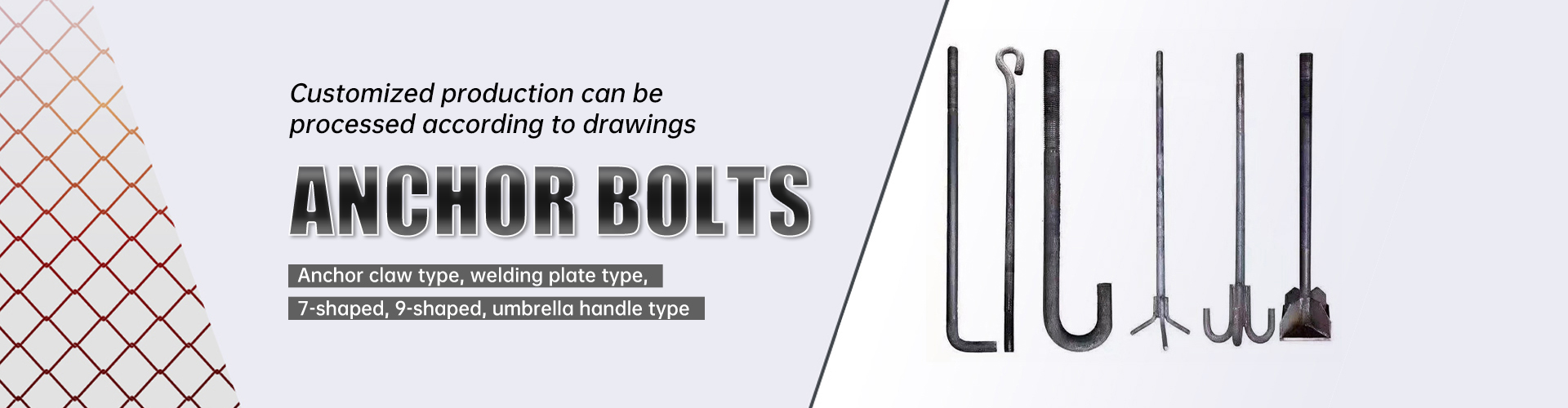
2026 Best Bare Rod Support Supplier with Latest Export Price List
2026-05-31
- Understanding Bare Rod Support Systems in Modern Industrial Infrastructure
- Critical Selection Criteria for Engineering Procurement
- 2026 Market Analysis: Export Price Trends and Cost Drivers
- Installation Best Practices for Bare Rod Supports
- Application Scenarios Across Industries
- Comparative Analysis: Bare Rod vs. Pre-Assembled Hangers
- Maintenance and Long-Term Inspection Protocols
- Frequently Asked Questions (FAQ)
- Conclusion: Securing Value and Reliability for Your Projects
Looking for the 2026 Best Bare Rod Support Supplier with Latest Export Price List? This guide provides a comprehensive analysis of high-performance bare rod support systems, focusing on durability, load-bearing capacity, and cost-efficiency for global industrial projects. We detail critical selection criteria, installation protocols, and current market pricing trends to help engineering firms and procurement managers make informed decisions. Our data reflects the latest manufacturing standards and export conditions for 2026.
Understanding Bare Rod Support Systems in Modern Industrial Infrastructure
Bare rod supports are fundamental components in piping, HVAC, and structural suspension systems. Unlike pre-assembled hangers, bare rod supports offer flexibility, allowing engineers to customize length and configuration on-site. In 2026, the demand for these components has surged due to large-scale infrastructure projects in energy, water treatment, and manufacturing sectors.
A bare rod support typically consists of a threaded steel rod, coupled with nuts, washers, and beam attachments. The “bare” designation implies that the rod is supplied without pre-attached clamps or clevises, providing maximum adaptability. This modularity is crucial for complex installations where standard lengths do not suffice.
Key characteristics of modern bare rod supports include:
- High Tensile Strength: Engineered to withstand dynamic loads and seismic activity.
- Corrosion Resistance: Available with hot-dip galvanized, epoxy-coated, or stainless steel finishes.
- Thread Precision: Rolled threads ensure secure fastening and reduce stress concentrations.
- Temperature Tolerance: Suitable for extreme environments ranging from cryogenic facilities to high-heat processing plants.
Selecting the right supplier is not just about price; it involves verifying material certifications, thread quality, and adherence to international standards like ASTM and ISO. A reliable supplier ensures that every rod meets strict tolerance levels, preventing structural failures.
Why Material Grade Matters in 2026 Projects
The choice of material directly impacts the lifespan and safety of the support system. In recent years, industry preferences have shifted towards higher-grade alloys to combat aggressive environmental factors.
Carbon Steel (A36/A572): The most common choice for indoor applications. It offers excellent strength-to-cost ratio but requires protective coating in humid environments.
Stainless Steel (304/316L): Essential for chemical processing, marine, and food & beverage industries. Grade 316L is particularly favored in 2026 for its superior resistance to chlorides and acidic vapors.
Alloy Steel: Used in high-temperature power generation settings where carbon steel might lose integrity.
Procurement teams must verify mill test reports (MTRs) to ensure the chemical composition matches the specified grade. Substandard materials can lead to premature fatigue and catastrophic failure.
Critical Selection Criteria for Engineering Procurement
Choosing the best bare rod support supplier requires a rigorous evaluation process. Engineers and buyers must look beyond the unit price to assess total value, which includes longevity, maintenance costs, and supply chain reliability.
Load Capacity and Safety Factors
The primary function of a bare rod support is to suspend heavy loads safely. Every rod must be rated for specific working loads. The safety factor, typically 3:1 or 5:1 depending on the application, accounts for unexpected stress surges.
When reviewing supplier specifications, check for:
- Ultimate Tensile Strength (UTS): The maximum stress the rod can withstand before breaking.
- Yield Strength: The point at which the material begins to deform permanently.
- Thread Shear Strength: Often the weakest link; high-quality rolling processes enhance this metric.
Reputable suppliers provide detailed load tables for various diameters and thread pitches. Ignoring these data points can result in overloading and system collapse.
Compliance with International Standards
Global projects demand compliance with recognized standards. In 2026, the following standards are non-negotiable for top-tier suppliers:
- ASTM A36/A36M: Standard specification for carbon structural steel.
- ASTM A193/A193M: Alloy-steel and stainless steel bolting materials for high-temperature service.
- ISO 898-1: Mechanical properties of fasteners made of carbon and alloy steel.
- MSS SP-58: Pipe hangers and supports materials, design, manufacture, selection, application, and installation.
A supplier’s ability to provide certified documentation proves their commitment to quality and regulatory adherence. This is a key indicator of authoritativeness in the B2B marketplace.
Surface Treatment and Durability
Environmental exposure dictates the required surface treatment. Suppliers offering a range of finishing options demonstrate technical versatility.
Hot-Dip Galvanizing (HDG): Provides a thick zinc layer, offering decades of protection in outdoor and industrial atmospheres. It is the standard for coastal and chemical plant applications.
Epoxy Coating: Ideal for specific chemical resistance needs where galvanizing might react. Often used in water treatment facilities.
Zinc Plating: Suitable for dry, indoor environments. It offers a cleaner aesthetic but less corrosion protection than HDG.
Inspecting the uniformity of the coating and the absence of bare spots is essential during quality control checks.
2026 Market Analysis: Export Price Trends and Cost Drivers
Understanding the latest export price list for bare rod supports in 2026 requires analyzing raw material costs, energy prices, and logistics. The global steel market has experienced fluctuations, influencing the final landed cost for buyers.
Factors Influencing Current Pricing
Several macroeconomic and industry-specific factors drive the 2026 pricing structure:
- Raw Material Volatility: Iron ore and scrap metal prices directly affect the base cost of threaded rods.
- Energy Costs: Manufacturing processes, especially hot-dip galvanizing, are energy-intensive. Rising electricity and gas prices in major producing regions have pushed unit costs up.
- Logistics and Freight: Ocean freight rates and container availability impact the FOB (Free on Board) and CIF (Cost, Insurance, and Freight) prices significantly.
- Tariffs and Trade Policies: Anti-dumping duties in certain regions can alter the competitive landscape, making some suppliers more attractive than others.
Buyers should request quotes that clearly separate material costs from processing and finishing fees. This transparency allows for better budget forecasting and comparison between suppliers.
Estimated Price Ranges by Material Type
While exact prices vary by volume and region, the following ranges reflect the general market trend for 2026 export orders. These figures are indicative and subject to change based on daily steel indices.
| Material Grade | Diameter Range (mm) | Finish | Estimated Price Trend (2026) | Primary Application |
|---|---|---|---|---|
| Carbon Steel (Q235/A36) | M8 – M24 | Zinc Plated | Low to Moderate | Indoor HVAC, Light Piping |
| Carbon Steel (Q235/A36) | M10 – M30 | Hot-Dip Galvanized | Moderate | Outdoor Structures, Water Treatment |
| Stainless Steel 304 | M6 – M20 | Passivated | High | Food & Beverage, Pharmaceutical |
| Stainless Steel 316L | M8 – M24 | Passivated | Premium | Marine, Chemical Processing |
| Alloy Steel (B7/B16) | M12 – M36 | Oiled/Phosphate | High | Power Generation, High Temp |
Note: Prices are per kilogram or per piece depending on the supplier’s quoting method. Bulk orders (container loads) typically secure a 10-15% discount compared to LCL (Less than Container Load) shipments.
Hidden Costs to Consider
When evaluating the “latest export price list,” buyers must account for hidden costs that can erode savings:
- Quality Inspection Fees: Third-party inspections (e.g., SGS, BV) add cost but mitigate risk.
- Packaging Requirements: Specialized packaging for sea freight to prevent rust during transit.
- Customs Duties: Vary significantly by importing country and trade agreements.
- Lead Time Penalties: Delays in project timelines can cost far more than the component itself.
A transparent supplier will discuss these factors upfront, helping clients build a realistic total cost of ownership (TCO) model.
Installation Best Practices for Bare Rod Supports
Even the highest quality bare rod support can fail if installed incorrectly. Proper installation ensures the system performs as designed, maintaining structural integrity over decades.
Step-by-Step Installation Guide
Following a standardized procedure minimizes errors and enhances safety on the job site.
- Site Survey and Measurement: Accurately measure the distance from the supporting structure to the pipe or equipment. Add extra length for thread engagement and adjustments.
- Cutting the Rod: Use a mechanical cutter or abrasive saw. Avoid torch cutting, as the heat can alter the metallurgical properties of the steel and damage the thread near the cut.
- Thread Protection: If the rod is galvanized, touch up any cut threads with a zinc-rich paint to prevent corrosion at the exposed steel.
- Assembly: Slide the beam clamp, washer, and nut onto the rod. Ensure the washer sits flat against the nut and the supporting structure.
- Alignment: Hang the rod and attach the pipe clamp or clevis. Use a level to ensure the rod is vertical. Angled rods introduce lateral forces they were not designed to handle.
- Tightening: Torque the nuts to the manufacturer’s specifications. Over-tightening can strip threads, while under-tightening can lead to loosening due to vibration.
- Final Inspection: Verify all connections are secure and that the load is evenly distributed.
Common Installation Mistakes to Avoid
Awareness of common pitfalls helps project managers maintain high quality standards.
- Using Damaged Threads: Never force a nut onto a damaged thread. This compromises the load capacity.
- Mixing Materials: Avoid using stainless steel nuts on carbon steel rods (or vice versa) without proper isolation, as this can cause galvanic corrosion.
- Ignoring Thermal Expansion: In long runs, failing to account for pipe expansion can put excessive stress on the supports.
- Inadequate Edge Distance: When attaching to concrete, ensure the anchor is far enough from the edge to prevent spalling.
Training installation crews on these specifics is a hallmark of professional project execution.
Application Scenarios Across Industries
Bare rod supports are versatile, serving critical roles in diverse sectors. Understanding specific industry requirements helps in selecting the optimal product configuration.
Oil and Gas Sector
In refineries and offshore platforms, supports face harsh conditions including salt spray, hydrocarbons, and high temperatures. ASTM A193 Grade B7 studs with heavy hex nuts and hot-dip galvanizing are standard. The focus here is on fire resistance and long-term corrosion protection.
Water and Wastewater Treatment
Facilities dealing with sewage and chemicals require robust corrosion resistance. Stainless Steel 316L is often mandated due to the presence of hydrogen sulfide and other corrosive gases. Supports must also handle the dynamic loads of flowing fluids.
Power Generation
Thermal power plants involve extreme heat cycles. Supports here must maintain strength at elevated temperatures. Alloy steel rods with specialized coatings are common. Seismic bracing is also a critical consideration in many regions.
Commercial Construction and HVAC
For office buildings and malls, aesthetics and cost-efficiency drive decisions. Pre-galvanized or zinc-plated carbon steel rods are typical. The emphasis is on ease of installation and meeting local building codes for fire safety.
Comparative Analysis: Bare Rod vs. Pre-Assembled Hangers
Deciding between bare rod components and pre-assembled hangers depends on project complexity and timeline. Below is a detailed comparison to aid decision-making.
| Feature | Bare Rod Support System | Pre-Assembled Hanger |
|---|---|---|
| Flexibility | High. Length can be adjusted on-site to fit exact dimensions. | Low. Fixed lengths may require shimming or custom ordering. |
| Inventory Management | Efficient. Stock standard rod lengths and cut as needed. | Complex. Requires stocking multiple SKUs for different sizes. |
| Installation Speed | Moderate. Requires assembly and cutting on-site. | Fast. Ready to install immediately upon unpacking. |
| Cost Efficiency | High for large/complex projects due to reduced waste. | High for small, repetitive projects with standard heights. |
| Customization | Unlimited. Can accommodate unique angles and offsets. | Limited to manufacturer’s catalog options. |
For large-scale industrial projects with varying elevations and complex routing, the bare rod system offers superior adaptability. For standardized commercial builds, pre-assembled units might save labor time.
Maintenance and Long-Term Inspection Protocols
To ensure the continued safety of suspended systems, regular maintenance is essential. A proactive inspection schedule can identify issues before they become critical.
Routine Inspection Checklist
- Visual Check for Corrosion: Look for rust streaks, pitting, or coating degradation, especially at connection points.
- Nut Tightness: Verify that nuts have not loosened due to vibration. Re-torque if necessary.
- Structural Alignment: Ensure rods remain vertical and have not bent or bowed under load.
- Beam Attachment: Inspect the connection to the overhead structure for signs of pulling or deformation.
- Seismic Bracing: Check that sway braces are intact and functioning correctly.
Documentation of these inspections is vital for compliance with safety regulations and insurance requirements. Digital logging systems are increasingly used to track maintenance history.
When to Replace Components
Replacement is necessary if:
- Corrosion has reduced the cross-sectional area of the rod by more than 10%.
- Threads are stripped or severely damaged.
- The rod shows signs of permanent elongation or bending.
- Coating failure is widespread and cannot be effectively repaired in situ.
Timely replacement prevents unplanned downtime and ensures the safety of personnel and assets.
Frequently Asked Questions (FAQ)
What is the standard length for exported bare rods?
Standard export lengths are typically 1 meter, 2 meters, 3 meters, or 6 meters. However, suppliers can cut rods to custom lengths upon request. Custom cutting may incur additional processing fees but reduces waste on-site.
How do I calculate the required diameter for my application?
Calculation involves determining the total suspended load (pipe weight + fluid weight + insulation) and applying the appropriate safety factor. Refer to MSS SP-58 load tables or consult a structural engineer. Generally, heavier loads and longer spans require larger diameters (e.g., M16, M20, or higher).
Can bare rod supports be used in seismic zones?
Yes, but they must be part of a comprehensive seismic bracing system. Standard vertical rods handle gravity loads, while diagonal sway braces are needed to resist lateral seismic forces. Ensure all components meet local seismic codes (e.g., ASCE 7, IBC).
What is the lead time for bulk orders in 2026?
Lead times vary by material and finish. Standard carbon steel rods usually take 2-4 weeks. Hot-dip galvanized items may take 4-6 weeks due to the batching process. Stainless steel can range from 4-8 weeks depending on raw material availability. Always confirm current lead times with your supplier.
Do you provide Mill Test Reports (MTRs)?
Reputable suppliers provide EN 10204 3.1 Mill Test Reports for every batch, certifying the chemical composition and mechanical properties. This is standard practice for industrial and infrastructure projects to ensure traceability and quality assurance.
How does humidity affect the choice of bare rod support?
In high-humidity environments (>60% RH), plain carbon steel will rust quickly. Hot-dip galvanizing is the minimum requirement. For coastal areas or chemical plants, stainless steel (316L) is recommended to prevent pitting and stress corrosion cracking.
Conclusion: Securing Value and Reliability for Your Projects
Selecting the 2026 Best Bare Rod Support Supplier with Latest Export Price List is a strategic decision that impacts the safety, durability, and cost-efficiency of your industrial projects. As we have explored, the ideal partner offers more than just competitive pricing; they provide certified materials, technical expertise, and reliable logistics.
The market in 2026 demands high standards. Whether you are constructing a power plant, a water treatment facility, or a commercial complex, the integrity of your suspension system relies on the quality of every rod and nut. Prioritize suppliers who adhere to ASTM and ISO standards, offer transparent pricing structures, and demonstrate a deep understanding of application-specific challenges.
Who should consider upgrading their supply chain now?
- EPC contractors managing large-scale infrastructure developments.
- Plant maintenance managers looking to replace aging support systems.
- Procurement officers seeking to optimize costs without compromising safety.
- Engineering firms requiring custom solutions for complex geometries.
Don’t leave your project’s structural integrity to chance. Partner with a supplier who combines manufacturing excellence with customer-centric service.
Ready to optimize your procurement strategy? Contact our team today to request the detailed 2026 Export Price List and receive a customized technical consultation. Let us help you select the perfect bare rod support solution for your specific engineering needs.
Please leave us a message
-

-
-
WeChat



Privacy Policy
Our Commitment to Privacy
Introduction.
Rainbow Inc. recognizes the importance of protecting the privacy of all personal information provided by its customers, including users of www.rainbow-inkjet.com and other Rainbow Inc. affiliated websites (collectively "Rainbow Inc. Sites"). We created the following policy guidelines with a fundamental respect for our customers´ right to privacy and because we value our relationships with our customers. Your visit to the Rainbow Inc. Sites is subject to this Privacy Statement and our Online Terms and Conditions.
Description.
This Privacy Statement describes the types of information we collect and how we may use that information. Our Privacy Statement also describes the measures we take to protect the security of this information as well as how you may reach us to update your contact information.
Data Collection
Personal Data Collected Directly From Visitors.
Rainbow Inc. collects personal information when: you submit questions or comments to us; you request information or materials; you request warranty or post-warranty service and support; you participate in surveys; and by other means that may be specifically provided for on the Rainbow Inc. Sites or in our correspondence with you.
Type of Personal Data.
The type of information collected directly from the user may include your name, your company's name, physical contact information, address, billing and delivery information, e-mail address, the products you use, demographic information such as your age, preferences, and interests and information relating to the sale or installation of your product.
Non-Personal Data Collected Automatically.
We may collect information about your interaction with Rainbow Inc. Sites and services. For example, we may use website analytics tools on our site to retrieve information from your browser, including the site you came from, the search engine(s) and the keywords you used to find our site, and the pages you view within our site. Additionally, we collect certain standard information that your browser sends to every website you visit, such as your IP address, browser type, capabilities and language, your operating system, access times and referring Web site addresses.
Storage and Processing.
Personal data collected on our websites may be stored and processed in the United States in which Rainbow Inc. or its affiliates, joint ventures, or third party servicers maintain facilities.
How We Use the Data
Services and transactions.
We use your personal data to deliver services or execute transactions you request, such as providing information about Rainbow Inc. products and services, processing orders, answering customer service requests, facilitating use of our Web sites, enabling online shopping, and so forth. In order to offer you a more consistent experience in interacting with Rainbow Inc., information collected by our websites may be combined with information we collect by other means.
Product Development.
We use the personal and non-personal data for product development, including for such processes as idea generation, product design and improvements, detail engineering, market research and marketing analysis.
Website Improvement.
We may use the personal and non-personal data to improve our websites (including our security measures) and related products or services, or to make our websites easier to use by eliminating the need for you to repeatedly enter the same information or by customizing our websites to your particular preference or interests.
Marketing Communications.
We may use your personal data to inform you of products or services available from Rainbow Inc. When collecting information that might be used to contact you about our products and services, we often give you the opportunity to opt-out from receiving such communications. Moreover, in our email communications with you we may include an unsubscribe link allowing you to stop delivery of that type of communication. If you elect to unsubscribe, we will remove you from the relevant list within 15 business days.
Commitment to Data Security
Security.
Rainbow Inc. Corporation uses reasonable precautions to keep the personal information disclosed to us secure. To prevent unauthorized access, maintain data accuracy, and ensure the correct use of information, we have put in place appropriate physical, electronic, and managerial procedures to safeguard and secure your personal information. For example, we store sensitive personal data on computer systems with limited access that are located in facilities to which access is limited. When you move around a site to which you have logged in, or from one site to another that uses the same login mechanism, we verify your identity by means of an encrypted cookie placed on your machine. Nonetheless, Rainbow Inc. Corporation does not guarantee the security, accuracy or completeness of any such information or procedures.
Internet.
The transmission of information via the internet is not completely secure. Although we do our best to protect your personal information, we cannot guarantee the security of your personal information transmitted to our Website. Any transmission of personal information is at your own risk. We are not responsible for circumvention of any privacy settings or security measures contained on the Rainbow Inc. Sites.
Contact Us
If you have questions regarding this privacy statement, our handling of your personal data, or your privacy rights under applicable law, please contact us by mail at the address below.
Rainbow Inc.
Attn: Katherine Tan
Add: No.1658 Husong Road, Shanghai, China.
Statement Updates
Revisions.
Rainbow Inc. reserves the right to modify this privacy statement from time to time. If we decide to change our Privacy Statement, we will post the revised Statement here.
Date.
This Privacy Statement was last amended on September 7, 2022.