
- Chinese
- French
- German
- Portuguese
- Spanish
- Russian
- Japanese
- Korean
- Arabic
- Irish
- Greek
- Turkish
- Italian
- Danish
- Romanian
- Indonesian
- Czech
- Afrikaans
- Swedish
- Polish
- Basque
- Catalan
- Esperanto
- Hindi
- Lao
- Albanian
- Amharic
- Armenian
- Azerbaijani
- Belarusian
- Bengali
- Bosnian
- Bulgarian
- Cebuano
- Chichewa
- Corsican
- Croatian
- Dutch
- Estonian
- Filipino
- Finnish
- Frisian
- Galician
- Georgian
- Gujarati
- Haitian
- Hausa
- Hawaiian
- Hebrew
- Hmong
- Hungarian
- Icelandic
- Igbo
- Javanese
- Kannada
- Kazakh
- Khmer
- Kurdish
- Kyrgyz
- Latin
- Latvian
- Lithuanian
- Luxembou..
- Macedonian
- Malagasy
- Malay
- Malayalam
- Maltese
- Maori
- Marathi
- Mongolian
- Burmese
- Nepali
- Norwegian
- Pashto
- Persian
- Punjabi
- Serbian
- Sesotho
- Sinhala
- Slovak
- Slovenian
- Somali
- Samoan
- Scots Gaelic
- Shona
- Sindhi
- Sundanese
- Swahili
- Tajik
- Tamil
- Telugu
- Thai
- Ukrainian
- Urdu
- Uzbek
- Vietnamese
- Welsh
- Xhosa
- Yiddish
- Yoruba
- Zulu
- Kinyarwanda
- Tatar
- Oriya
- Turkmen
- Uyghur

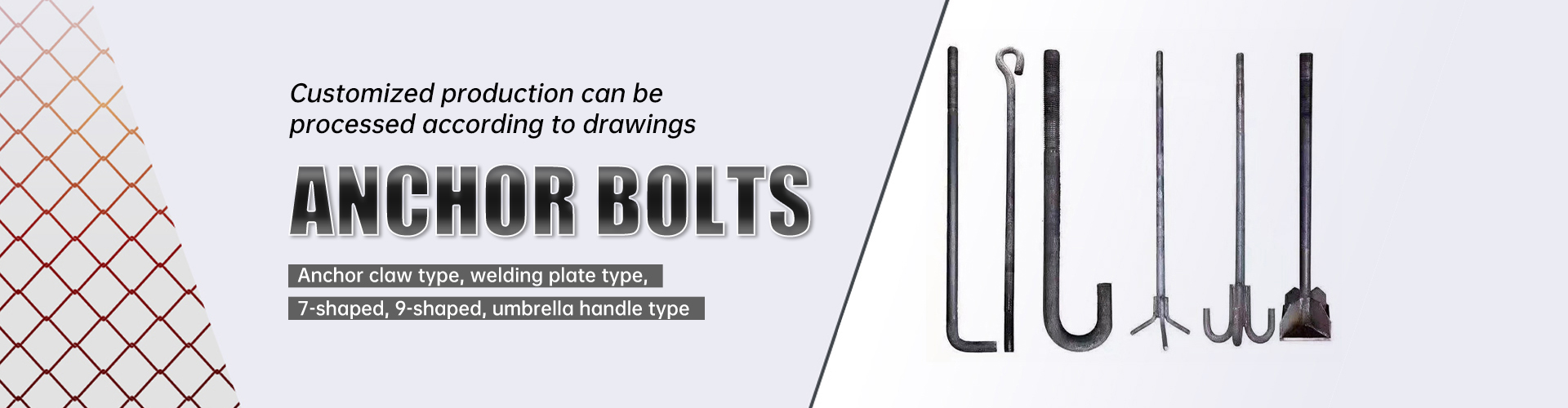
China Bare Rod Support Factory: How to Improve Installation Efficiency
2026-05-31
- Understanding Bare Rod Support Systems in Industrial Applications
- Strategic Advantages of Sourcing from a Specialized China Factory
- Step-by-Step Guide to Optimizing Installation Efficiency
- Technical Comparison: Standard vs. High-Efficiency Support Systems
- Common Installation Errors and How to Avoid Them
- Application Scenarios for Bare Rod Supports
- Selecting the Right Specifications for Your Project
- Frequently Asked Questions (FAQ)
- Maintenance and Long-Term Performance
- Conclusion: Maximizing Value Through Strategic Sourcing
Improving installation efficiency with a bare rod support from a China bare rod support factory involves optimizing material handling, utilizing pre-engineered connection systems, and adhering to precise torque specifications. By selecting supports with integrated adjustment mechanisms and corrosion-resistant finishes, engineering teams can reduce on-site assembly time by up to 40%. This guide details the technical workflows, structural advantages, and best practices for deploying high-performance rod support systems in industrial piping and HVAC applications.
Understanding Bare Rod Support Systems in Industrial Applications
Bare rod supports are fundamental components in mechanical piping suspension systems, designed to transfer loads from pipes, ducts, and conduits to overhead structures. Unlike pre-insulated or coated hanger assemblies, bare rod supports typically consist of uncoated or galvanized steel threaded rods, nuts, washers, and attachment hardware. Their primary function is to provide vertical stability while allowing for thermal expansion and contraction within the pipeline.
In the context of modern industrial construction, the efficiency of installing these systems directly impacts project timelines and labor costs. A China bare rod support factory specializing in high-volume production focuses on dimensional consistency and thread precision. These factors are critical because even minor deviations in thread pitch or rod straightness can cause significant delays during the alignment phase on-site.
The term “bare” refers to the absence of heavy external insulation or complex casing at the point of manufacture, allowing for flexibility in field customization. However, this does not imply a lack of protection. High-quality units often feature zinc plating or hot-dip galvanization to resist environmental degradation. Understanding the specific load ratings and material grades is essential for engineers aiming to streamline the installation process without compromising safety standards.
Core Components of a Rod Support Assembly
To optimize installation, one must first understand the constituent parts that make up the system. Each component plays a specific role in the structural integrity and ease of assembly:
- Threaded Rod: The primary vertical member, available in various diameters (e.g., M8, M10, 3/8″, 1/2″) and lengths. Precision rolling ensures smooth nut travel.
- Hex Nuts and Lock Nuts: Used to secure the rod to the beam attachment and the pipe clamp. Self-locking variants reduce the need for additional thread-locking compounds.
- Beam Clamps: The interface between the support rod and the structural steel. Quick-install designs with set-screws or swivel jaws significantly speed up overhead work.
- Pipe Clamps and Risers: The lower connection point that cradles the pipe. Adjustable risers allow for fine-tuning elevation after the rod is cut.
- Washers and Plates: Distribute load over a wider area to prevent local deformation of the supporting structure.
When sourcing from a reputable manufacturer, the compatibility between these components is guaranteed. Mismatched threads or substandard hardness in nuts are common causes of installation failure and rework. Therefore, purchasing a complete system from a single verified source is a strategic move for efficiency.
Strategic Advantages of Sourcing from a Specialized China Factory
The global supply chain for industrial fasteners and support systems has evolved, with specialized manufacturing hubs in China offering distinct advantages for large-scale projects. The term China bare rod support factory implies a facility dedicated to the mass production of these specific components, rather than a generalist hardware supplier. This specialization drives efficiency in several key areas.
Standardization and Dimensional Accuracy
One of the most significant bottlenecks in installation is the inability to assemble components smoothly due to tolerance issues. Specialized factories utilize automated cold-rolling machines for threading, which produces consistent pitch and depth across thousands of meters of rod. This consistency ensures that nuts spin freely to the desired position without binding, a crucial factor when working at height or in confined spaces.
Furthermore, these facilities often adhere to international standards such as ASTM, DIN, or ISO. Compliance with these standards means that the physical dimensions of the supports match the expectations of global engineering firms. When installers know that a specific nut will fit a specific rod without forcing it, the psychological and physical friction of the job decreases, leading to faster completion rates.
Integrated Supply Chain and Customization
Efficiency is not just about the speed of turning a wrench; it is also about logistics. A dedicated factory can bundle all necessary hardware—rods, clamps, beams, and seismic bracing accessories—into pre-kitting solutions. Instead of receiving multiple shipments from different vendors, contractors receive unified pallets organized by zone or system type.
Customization capabilities also play a role. Some projects require non-standard rod lengths or specific alloy compositions for corrosive environments. A specialized manufacturer can pre-cut and pre-thread rods to exact specifications before shipping. This eliminates the need for on-site cutting and threading, which are time-consuming, dusty, and prone to error. By shifting these processes to the controlled factory environment, the on-site workflow becomes purely assembly-based.
Step-by-Step Guide to Optimizing Installation Efficiency
Achieving maximum installation efficiency requires a structured approach that begins before the first rod is lifted. The following workflow integrates planning, tool selection, and execution techniques to minimize labor hours.
Phase 1: Pre-Installation Planning and Kitting
The most effective way to save time is to eliminate decision-making on the job site. Engineering teams should utilize Building Information Modeling (BIM) to determine exact rod lengths and attachment points prior to fabrication.
- Digital Takeoffs: Use BIM models to generate precise bills of materials (BOM). This prevents over-ordering and reduces waste.
- Pre-Cutting Services: Request the factory to cut rods to the calculated lengths plus a standard allowance for adjustment. This removes the need for band saws or grinders on-site.
- Zone Kitting: Organize hardware into bags or boxes corresponding to specific grid lines or room numbers. Installers should never have to search for a matching nut or washer.
- Tool Inspection: Ensure all torque wrenches, threaders, and lifting equipment are calibrated and ready. Dull tools double the effort required for every connection.
Phase 2: Overhead Attachment Strategies
Installing the beam clamp is often the most physically demanding part of the process. Efficiency here depends on the choice of attachment method and the accessibility of the structural steel.
For new construction where beams are accessible, swivel beam clamps are preferred. They allow the rod to hang vertically regardless of the beam flange angle. To install efficiently:
- Position the clamp over the beam flange without fully tightening.
- Insert the threaded rod through the clamp eyelet.
- Secure the rod with a nut and washer immediately to prevent dropping.
- Torque the set-screws against the beam flange using a calibrated impact driver or torque wrench.
In retrofit scenarios where drilling is not permitted, specialized clamps that grip the beam web or utilize existing perforations can save hours of administrative approval and physical drilling time. Always verify the load capacity of the chosen clamp matches the design requirements.
Phase 3: Rod Suspension and Leveling
Once the upper attachment is secure, the rod is suspended. If pre-cut rods are used, this step is instantaneous. If rods must be cut on-site, use a dedicated rod cutter rather than a hacksaw to ensure a square cut, which allows the nut to seat properly.
Leveling is critical for aesthetic and functional reasons. A misaligned pipe rack looks unprofessional and can induce stress on the piping system. Use laser levels to establish a reference plane across the entire run. Adjust the lower nuts on the rod to bring the attachment point to the exact elevation before installing the pipe clamp. This “fine-tuning” capability is a key feature of threaded rod systems.
Phase 4: Pipe Clamp Installation and Final Torquing
The final stage involves attaching the pipe to the support. For bare rod systems, this usually involves a clevis hanger or a two-bolt pipe clamp.
- Alignment: Ensure the pipe sits centrally in the clamp to distribute weight evenly.
- Insulation Protection: If the pipe is insulated, use protective shields or saddles to prevent the clamp from crushing the insulation material.
- Torque Verification: Apply the specified torque to all nuts. Under-torquing leads to vibration loosening, while over-torquing can strip threads or deform the rod.
- Thread Exposure: Leave at least two threads exposed above the nut to ensure full engagement, a standard safety requirement in most industrial codes.
Technical Comparison: Standard vs. High-Efficiency Support Systems
Not all bare rod supports are created equal. The choice between standard commodity hardware and engineered high-efficiency systems can drastically alter the installation timeline. The table below highlights the key differences that impact field performance.
| Feature | Standard Commodity Rod Support | High-Efficiency Engineered System | Impact on Installation |
|---|---|---|---|
| Thread Quality | Roll-formed with variable tolerance; may bind. | Precision rolled with consistent pitch; smooth travel. | Reduces nut spinning time by 30%; prevents cross-threading. |
| Surface Finish | Basic electroplating; prone to rust during storage. | Hot-dip galvanized or advanced polymer coating. | Eliminates need for field touch-up painting; extends lifespan. |
| Connection Hardware | Standard hex nuts; requires two wrenches. | Flanged nuts or prevailing torque locks; one-wrench install. | Cuts assembly time per joint by half; reduces tool count. |
| Beam Clamp Design | Fixed jaw; requires perfect beam alignment. | Swivel jaw with wide range of motion. | Accommodates uneven beams instantly; no shimming required. |
| Packaging | Bulk loose items; requires sorting on-site. | Pre-kitted by zone; labeled and organized. | Zero time wasted searching for parts; streamlined workflow. |
This comparison illustrates that while the unit cost of high-efficiency systems may be slightly higher, the total installed cost is often lower due to reduced labor hours. In regions with high labor costs, this trade-off is particularly advantageous.
Common Installation Errors and How to Avoid Them
Even with high-quality components from a China bare rod support factory, human error can compromise the system. Identifying and mitigating these common pitfalls is essential for maintaining schedule and safety.
Incorrect Thread Engagement
A frequent mistake is failing to engage enough threads on the rod. If the nut is not screwed on deeply enough, the shear strength of the connection is compromised. Conversely, bottoming out the nut against the shoulder of a fitting can create false tension. Solution: Always mark the rod with a visible line indicating the minimum engagement depth and inspect randomly during installation.
Misalignment and Side Loading
Rod supports are designed primarily for vertical tensile loads. Installing them at an angle introduces side loading, which can bend the rod or pull the beam clamp off the flange. This often happens when the pipe route shifts slightly from the planned path. Solution: Use swivel fittings at both the top and bottom connections to accommodate minor angular deviations without inducing stress.
Overtightening of Set-Screws
In an attempt to secure the beam clamp quickly, installers may overtighten the set-screws. This can strip the threads on the screw or damage the beam flange, especially on lighter gauge steel. Solution: Use torque-limiting drivers and adhere strictly to the manufacturer’s torque specifications provided in the technical data sheet.
Neglecting Thermal Movement
Pipes expand and contract with temperature changes. Rigidly fixing a rod support without allowing for vertical movement can lead to pipe buckling or support failure. Solution: Ensure that the design includes variable spring hangers or sufficient travel range in the threaded rod assembly for high-temperature lines.
Application Scenarios for Bare Rod Supports
The versatility of bare rod supports makes them suitable for a wide array of industrial environments. Understanding the specific demands of each scenario helps in selecting the right configuration from the factory catalog.
HVAC and Mechanical Piping
In commercial buildings, HVAC ducts and chilled water pipes require extensive support networks. Here, aesthetics and noise control are paramount. Bare rod supports are often used in conjunction with rubber-lined clamps to dampen vibration. The ability to adjust rod length precisely allows installers to maintain strict ceiling heights and slopes for drainage.
Process Piping in Manufacturing
Chemical plants and refineries demand robust support systems capable of handling heavy loads and harsh chemicals. In these settings, the material grade of the rod is critical. Stainless steel or heavily galvanized rods sourced from specialized factories are standard. The focus here is on long-term durability and resistance to corrosion under insulation (CUI).
Data Center Cable Trays
Modern data centers utilize overhead cable trays supported by rod systems. The density of cables creates significant weight, requiring high-tensile strength rods. Efficiency in installation is crucial in data centers due to tight commissioning schedules. Pre-assembled trapeze supports using threaded rods are a common solution to speed up this process.
Fire Protection Sprinkler Systems
Sprinkler pipes must be supported according to strict fire codes (e.g., NFPA). The spacing of supports is regulated based on pipe diameter. Bare rod supports offer the flexibility to meet these exact spacing requirements. Quick-install beam clamps are particularly valuable here, as sprinkler installation often occurs late in the construction cycle when time is scarce.
Selecting the Right Specifications for Your Project
Choosing the correct bare rod support involves balancing load requirements, environmental conditions, and budget constraints. Engaging with a knowledgeable supplier early in the design phase can prevent costly change orders later.
Load Capacity Calculations
The first step is determining the total weight of the pipe, including the fluid content and insulation. This load must be divided by the number of supports to find the load per hanger. Always apply a safety factor, typically 4:1 or 5:1, depending on local regulations. Select a rod diameter and beam clamp combination that exceeds this calculated load.
Environmental Considerations
For outdoor installations or humid indoor environments like swimming pools or food processing plants, corrosion resistance is non-negotiable. Hot-dip galvanization provides a thick, durable coating that offers decades of protection. In highly corrosive chemical environments, stainless steel (304 or 316 grade) may be required. Discuss these needs with the factory to ensure the correct finish is applied during manufacturing.
Seismic and Wind Load Requirements
In earthquake-prone zones, standard vertical supports are insufficient. Seismic bracing using angled rods and sway braces is mandatory. These systems require specific hardware that allows for controlled movement while preventing collapse. Ensure the supplier provides certified seismic components that meet local building codes.
Frequently Asked Questions (FAQ)
What is the standard lead time for custom-length rods from a China factory?
Lead times vary based on order volume and customization. For standard stock sizes, shipment can occur within days. For custom-cut and threaded rods, a typical production time ranges from 2 to 4 weeks, including quality inspection and packaging. Sea freight adds additional transit time.
Can bare rod supports be used for horizontal seismic bracing?
Yes, but they must be installed at an angle and paired with appropriate sway brace fittings. Standard vertical hangers are not designed to resist lateral forces. Dedicated seismic kits include reinforced clamps and rods rated for dynamic loads.
How do I prevent galling on stainless steel threaded rods?
Stainless steel is prone to galling (cold welding) under friction. To prevent this, use anti-seize lubricant on the threads before assembly. Additionally, avoid running nuts at high speeds with power tools, as heat generation accelerates galling.
Are the beam clamps compatible with all steel beam sizes?
Most manufacturers offer a range of beam clamp sizes to fit various flange widths and thicknesses. It is crucial to measure the structural steel accurately before ordering. Swivel clamps offer more flexibility than fixed clamps regarding beam geometry.
What certifications should I look for when importing from China?
Look for ISO 9001 certification for quality management. Depending on the destination market, products may also need to comply with ASTM (USA), EN (Europe), or GB (China) standards. Third-party inspection reports (like SGS or BV) add an extra layer of trustworthiness.
Maintenance and Long-Term Performance
While bare rod supports are generally low-maintenance, periodic inspections are vital to ensure ongoing safety and performance. Over time, vibrations can cause nuts to loosen, and environmental factors can degrade coatings.
Visual Inspections: Conduct annual visual checks for signs of rust, deformation, or loose hardware. Pay special attention to areas where water might accumulate.
Re-torquing: After the initial installation and a period of thermal cycling (typically 6 months), it is advisable to re-check the torque on critical connections. This ensures that any settlement or relaxation in the system is corrected.
Coating Repair: If the galvanized coating is scratched during installation or maintenance, apply a zinc-rich paint immediately to prevent corrosion from spreading. This simple step can extend the life of the support significantly.
Conclusion: Maximizing Value Through Strategic Sourcing
Improving installation efficiency for bare rod supports is not merely about working faster; it is about working smarter through better planning, superior components, and streamlined logistics. Partnering with a specialized China bare rod support factory provides access to high-precision manufacturing, customizable solutions, and cost-effective bundling that directly translates to reduced on-site labor hours and lower project risks.
By prioritizing dimensional accuracy, selecting the appropriate corrosion protection, and utilizing pre-engineered connection systems, engineering firms and contractors can achieve a seamless installation process. Whether for HVAC, process piping, or seismic bracing, the right support system forms the backbone of a safe and durable industrial infrastructure.
For projects demanding reliability, speed, and technical expertise, evaluating your current supply chain is the first step toward optimization. Explore our range of engineered rod support solutions and discover how tailored manufacturing can enhance your next installation.
Ready to optimize your piping support strategy? Contact our technical team today to discuss your specific project requirements, request detailed load charts, or obtain a quote for custom-manufactured bare rod supports.
Please leave us a message
-

-
-
WeChat



Privacy Policy
Our Commitment to Privacy
Introduction.
Rainbow Inc. recognizes the importance of protecting the privacy of all personal information provided by its customers, including users of www.rainbow-inkjet.com and other Rainbow Inc. affiliated websites (collectively "Rainbow Inc. Sites"). We created the following policy guidelines with a fundamental respect for our customers´ right to privacy and because we value our relationships with our customers. Your visit to the Rainbow Inc. Sites is subject to this Privacy Statement and our Online Terms and Conditions.
Description.
This Privacy Statement describes the types of information we collect and how we may use that information. Our Privacy Statement also describes the measures we take to protect the security of this information as well as how you may reach us to update your contact information.
Data Collection
Personal Data Collected Directly From Visitors.
Rainbow Inc. collects personal information when: you submit questions or comments to us; you request information or materials; you request warranty or post-warranty service and support; you participate in surveys; and by other means that may be specifically provided for on the Rainbow Inc. Sites or in our correspondence with you.
Type of Personal Data.
The type of information collected directly from the user may include your name, your company's name, physical contact information, address, billing and delivery information, e-mail address, the products you use, demographic information such as your age, preferences, and interests and information relating to the sale or installation of your product.
Non-Personal Data Collected Automatically.
We may collect information about your interaction with Rainbow Inc. Sites and services. For example, we may use website analytics tools on our site to retrieve information from your browser, including the site you came from, the search engine(s) and the keywords you used to find our site, and the pages you view within our site. Additionally, we collect certain standard information that your browser sends to every website you visit, such as your IP address, browser type, capabilities and language, your operating system, access times and referring Web site addresses.
Storage and Processing.
Personal data collected on our websites may be stored and processed in the United States in which Rainbow Inc. or its affiliates, joint ventures, or third party servicers maintain facilities.
How We Use the Data
Services and transactions.
We use your personal data to deliver services or execute transactions you request, such as providing information about Rainbow Inc. products and services, processing orders, answering customer service requests, facilitating use of our Web sites, enabling online shopping, and so forth. In order to offer you a more consistent experience in interacting with Rainbow Inc., information collected by our websites may be combined with information we collect by other means.
Product Development.
We use the personal and non-personal data for product development, including for such processes as idea generation, product design and improvements, detail engineering, market research and marketing analysis.
Website Improvement.
We may use the personal and non-personal data to improve our websites (including our security measures) and related products or services, or to make our websites easier to use by eliminating the need for you to repeatedly enter the same information or by customizing our websites to your particular preference or interests.
Marketing Communications.
We may use your personal data to inform you of products or services available from Rainbow Inc. When collecting information that might be used to contact you about our products and services, we often give you the opportunity to opt-out from receiving such communications. Moreover, in our email communications with you we may include an unsubscribe link allowing you to stop delivery of that type of communication. If you elect to unsubscribe, we will remove you from the relevant list within 15 business days.
Commitment to Data Security
Security.
Rainbow Inc. Corporation uses reasonable precautions to keep the personal information disclosed to us secure. To prevent unauthorized access, maintain data accuracy, and ensure the correct use of information, we have put in place appropriate physical, electronic, and managerial procedures to safeguard and secure your personal information. For example, we store sensitive personal data on computer systems with limited access that are located in facilities to which access is limited. When you move around a site to which you have logged in, or from one site to another that uses the same login mechanism, we verify your identity by means of an encrypted cookie placed on your machine. Nonetheless, Rainbow Inc. Corporation does not guarantee the security, accuracy or completeness of any such information or procedures.
Internet.
The transmission of information via the internet is not completely secure. Although we do our best to protect your personal information, we cannot guarantee the security of your personal information transmitted to our Website. Any transmission of personal information is at your own risk. We are not responsible for circumvention of any privacy settings or security measures contained on the Rainbow Inc. Sites.
Contact Us
If you have questions regarding this privacy statement, our handling of your personal data, or your privacy rights under applicable law, please contact us by mail at the address below.
Rainbow Inc.
Attn: Katherine Tan
Add: No.1658 Husong Road, Shanghai, China.
Statement Updates
Revisions.
Rainbow Inc. reserves the right to modify this privacy statement from time to time. If we decide to change our Privacy Statement, we will post the revised Statement here.
Date.
This Privacy Statement was last amended on September 7, 2022.