
- English
- Chinese
- French
- German
- Portuguese
- Spanish
- Russian
- Japanese
- Korean
- Arabic
- Irish
- Greek
- Turkish
- Italian
- Danish
- Romanian
- Indonesian
- Czech
- Afrikaans
- Swedish
- Polish
- Basque
- Catalan
- Esperanto
- Hindi
- Lao
- Albanian
- Amharic
- Armenian
- Azerbaijani
- Belarusian
- Bengali
- Bosnian
- Bulgarian
- Cebuano
- Chichewa
- Corsican
- Croatian
- Dutch
- Estonian
- Filipino
- Finnish
- Frisian
- Galician
- Georgian
- Gujarati
- Haitian
- Hausa
- Hawaiian
- Hebrew
- Hmong
- Hungarian
- Icelandic
- Igbo
- Javanese
- Kannada
- Kazakh
- Khmer
- Kurdish
- Kyrgyz
- Latin
- Latvian
- Lithuanian
- Luxembou..
- Macedonian
- Malagasy
- Malay
- Malayalam
- Maltese
- Maori
- Marathi
- Mongolian
- Burmese
- Nepali
- Norwegian
- Pashto
- Persian
- Punjabi
- Serbian
- Sesotho
- Sinhala
- Slovak
- Slovenian
- Somali
- Scots Gaelic
- Shona
- Sindhi
- Sundanese
- Swahili
- Tajik
- Tamil
- Telugu
- Thai
- Ukrainian
- Urdu
- Uzbek
- Vietnamese
- Welsh
- Xhosa
- Yiddish
- Yoruba
- Zulu
- Kinyarwanda
- Tatar
- Oriya
- Turkmen
- Uyghur


Square u bolt clamp innovations?
2026-03-01
A Reality Check from the Workshop Floor
Let’s be honest, when most people hear innovations in square U-bolt clamps, they probably picture some sci-fi gadget. The truth is, innovation here is less about flashy tech and more about the gritty, incremental tweaks that actually solve problems on a piping rack or in a truck’s suspension assembly. It’s about material science, coating durability, and sometimes, just better bending techniques. The biggest misconception? That a U-bolt is just a bent piece of metal. After two decades sourcing and testing these for heavy-duty applications, I can tell you the devil is in the details—details most spec sheets gloss over.
The Square Isn’t Just About Shape
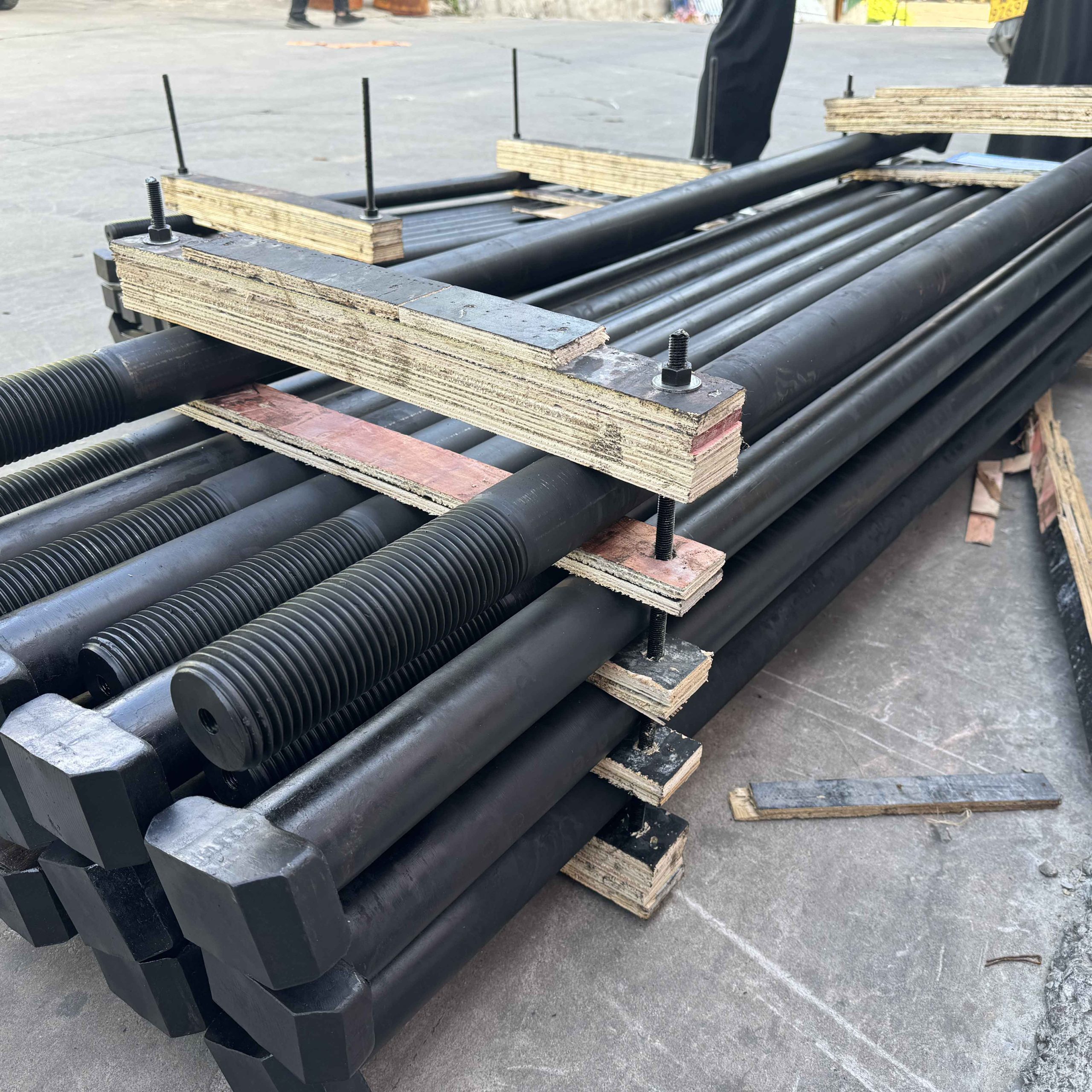
Most discussions jump straight to the bolt itself, but the real starting point is the saddle—the square base plate. Early in my career, we had a recurring failure on a pipeline project. The U-bolts held, but the saddles were deforming under constant vibration, loosening the entire assembly. The innovation wasn’t in a new alloy, but in moving from a simple stamped plate to a forged saddle with a ribbed, reinforced structure. This increased the bearing surface area and stiffness dramatically. It seems obvious now, but back then, the focus was solely on the bolt’s tensile strength. We learned the hard way that the clamp is a system, and its weakest point will fail first.
This leads to another subtle shift: the integration of the saddle and the U-bolt. Traditionally, these were separate pieces, assembled on site. The trend now, driven by efficiency and consistency demands from OEMs, is toward pre-assembled clamps. The innovation is in the manufacturing process—how you securely attach the U-bolt to the saddle without creating a stress riser that becomes a fatigue point. Companies that have mastered high-quality welding or specialized mechanical locking for this junction are solving a huge pain point in the field.
I remember evaluating samples from various manufacturers, including Handan Zitai Fastener Manufacturing Co., Ltd. out of Yongnian. Their advantage, frankly, often comes from the sheer scale and specialization of that region. Being in the largest standard part production base in China means they’ve seen every possible failure mode. When you visit a facility like that, the innovation is sometimes in the consistency of their hot-dip galvanizing process or the precision of their threading, which prevents cross-threading during installation—a simple but costly field issue.
Material Moves Beyond Plain Carbon Steel
For years, ASTM A307 Grade C was the go-to. It worked until it didn’t—usually in highly corrosive environments like chemical plants or offshore. The push for longer maintenance cycles forced innovation in materials. We started testing stainless steel U-bolts, specifically grades like 316 and 304, but the cost jump was significant. The more interesting development has been in coatings and treatments. A standard zinc plating is almost a joke for outdoor infrastructure now.
The move toward mechanical galvanizing for a thicker, more uniform coating was a step. But the real game-changer for many applications has been the adoption of dacromet coatings or similar zinc-flake systems. The corrosion resistance is orders of magnitude better than electroplating. I’ve seen side-by-side tests where a standard galvanized U-bolt shows red rust in a salt spray test after 96 hours, while a dacromet-coated one is clean past 1000 hours. This isn’t lab theory; it translates directly to extended service life on a bridge or a wind turbine.
There’s also a niche but growing use of high-strength, low-alloy (HSLA) steels. You gain higher yield strength without going to a full alloy steel, which allows for potential downsizing—using a smaller diameter bolt to achieve the same clamping force, saving weight and space. It’s a subtle innovation, but in automotive and aerospace adjacent industries, every gram counts.
The Bending and Threading Precision
Here’s where the handmade feel of a workshop note is real. If the bend radius of the U is too tight, you create microfractures and stress points. Too generous, and it doesn’t fit the application snugly. The innovation has been in CNC bending technology that ensures not just consistency, but an optimized radius that minimizes material weakening. It’s not sexy, but it prevents catastrophic field failures.
Then there’s threading. The transition from the bent shank to the threaded section is a critical zone. A poor roll-threading process can create a stress concentration. We’ve moved toward using undercut threads or a reduced shank diameter in the thread root area (like a waisted shank design) to ensure fatigue failure is less likely to initiate there. This is a detail you only appreciate after investigating a few too many broken bolts.
I recall a project where vibration loosening was an issue. We tested a batch with a standard thread and another with a prevailing torque lock feature—a deformed section of thread that creates constant friction with the nut. It worked, but it also made installation tougher, requiring calibrated wrenches. The innovation was a compromise: a better, more consistent nylon-insert lock nut paired with a standard, high-quality thread, which proved more reliable and installer-friendly in the long run. Sometimes, innovation is knowing when not to over-complicate a component.
Integration with Mounting Systems
A U-bolt clamp rarely works in isolation. It’s part of a system securing a pipe to a channel or a beam. The recent innovation is in designing the clamp as part of a modular assembly. Think of a square U-bolt that integrates seamlessly with a specific brand of channel nut or a proprietary rail system. This reduces the number of loose parts and speeds up installation.
We’re also seeing more designs with built-in vibration damping pads or isolators made from EPDM or neoprene, bonded directly to the saddle. This addresses noise, abrasion on the pipe, and galvanic corrosion. It’s a simple add-on, but it requires the fastener manufacturer to think beyond metal and understand elastomer properties and bonding techniques. It’s a cross-material innovation.
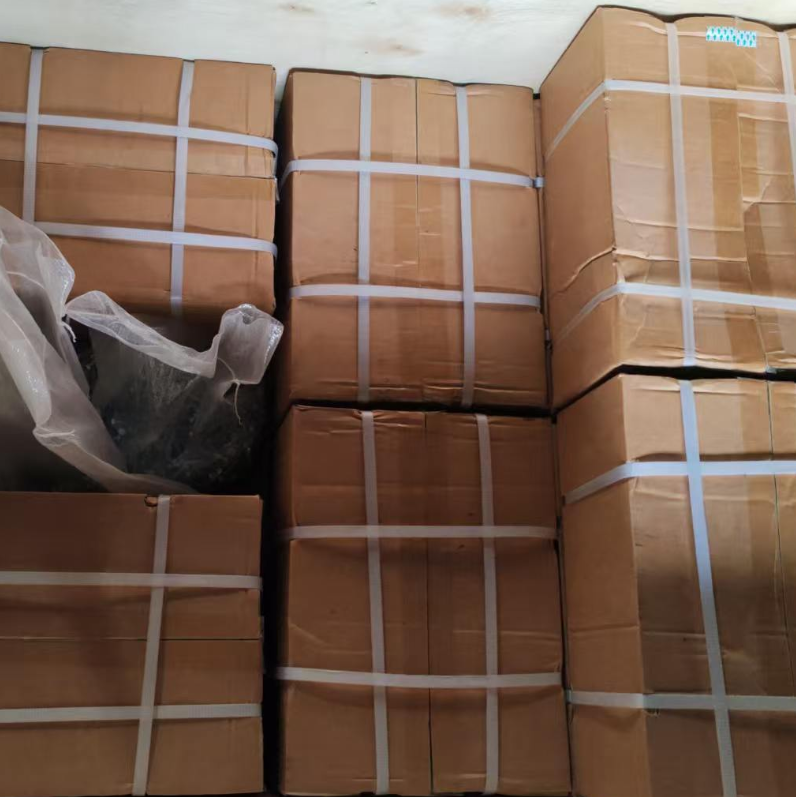
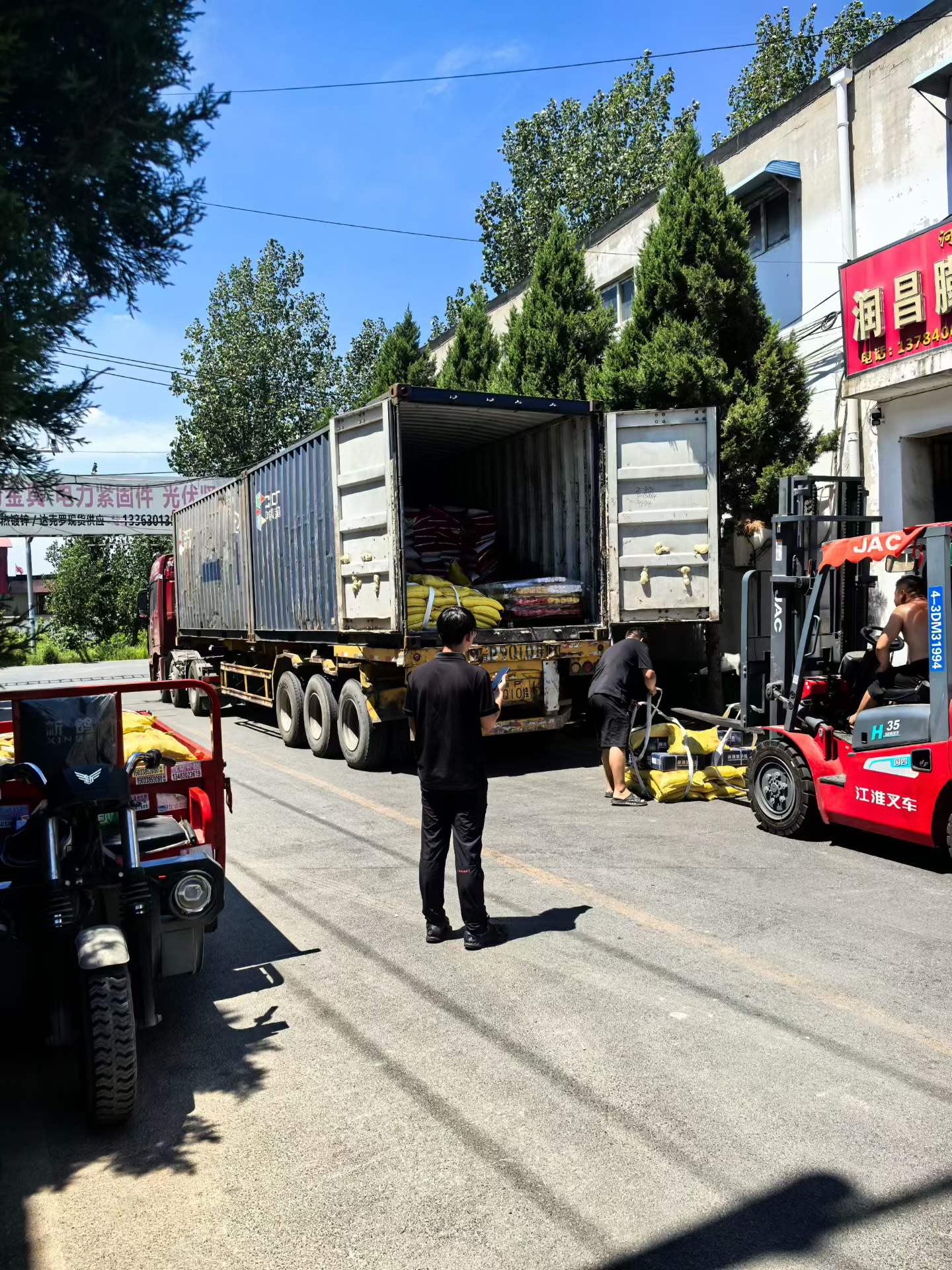
For high-volume buyers, the customization of packaging and kitting has become an unexpected area of value-add. Getting clamps pre-assembled with nuts, washers, and isolators, packed in exact quantities per assembly station, is a logistical innovation that saves countless man-hours on the factory floor. Suppliers who can offer this, like many integrated manufacturers in the Yongnian area with their logistical edge near major transport routes, are becoming partners, not just vendors.
The Future: Smarter and More Traceable
Where’s this heading? I see two paths. One is the continued improvement in materials, maybe wider adoption of duplex stainless steels for extreme environments. The other, more intriguing path is embedding traceability. Imagine a laser-etched QR code on the saddle that links to a digital certificate showing the steel batch, coating thickness measurements, and QA reports. In industries like nuclear or pharmaceuticals, this level of traceability is becoming a requirement, not a luxury.
Another innovation might be a return to basics: better education. The number of failures caused by improper torque application is staggering. Perhaps the next step is designing clamps with visual torque indicators or collaborating with tool companies on smarter installation protocols. The hardware can only be as good as its installation.
So, are there genuine innovations in square U-bolt clamps? Absolutely. They’re just not the kind that make headlines. They’re in the forged grain structure of a saddle, the microns of a non-chrome coating, the precision of a CNC bend, and the logistical savvy of a supplier who gets it. It’s about making a profoundly simple device reliably do its job in an increasingly demanding world. The real innovators are the engineers and manufacturers who pay obsessive attention to these unglamorous details, because they’ve seen what happens when you don’t.
Faʻamolemole tuʻu le feʻau
-

-
-
WeChat



Privacy Policy
Our Commitment to Privacy
Introduction.
Rainbow Inc. recognizes the importance of protecting the privacy of all personal information provided by its customers, including users of www.rainbow-inkjet.com and other Rainbow Inc. affiliated websites (collectively "Rainbow Inc. Sites"). We created the following policy guidelines with a fundamental respect for our customers´ right to privacy and because we value our relationships with our customers. Your visit to the Rainbow Inc. Sites is subject to this Privacy Statement and our Online Terms and Conditions.
Description.
This Privacy Statement describes the types of information we collect and how we may use that information. Our Privacy Statement also describes the measures we take to protect the security of this information as well as how you may reach us to update your contact information.
Data Collection
Personal Data Collected Directly From Visitors.
Rainbow Inc. collects personal information when: you submit questions or comments to us; you request information or materials; you request warranty or post-warranty service and support; you participate in surveys; and by other means that may be specifically provided for on the Rainbow Inc. Sites or in our correspondence with you.
Type of Personal Data.
The type of information collected directly from the user may include your name, your company's name, physical contact information, address, billing and delivery information, e-mail address, the products you use, demographic information such as your age, preferences, and interests and information relating to the sale or installation of your product.
Non-Personal Data Collected Automatically.
We may collect information about your interaction with Rainbow Inc. Sites and services. For example, we may use website analytics tools on our site to retrieve information from your browser, including the site you came from, the search engine(s) and the keywords you used to find our site, and the pages you view within our site. Additionally, we collect certain standard information that your browser sends to every website you visit, such as your IP address, browser type, capabilities and language, your operating system, access times and referring Web site addresses.
Storage and Processing.
Personal data collected on our websites may be stored and processed in the United States in which Rainbow Inc. or its affiliates, joint ventures, or third party servicers maintain facilities.
How We Use the Data
Services and transactions.
We use your personal data to deliver services or execute transactions you request, such as providing information about Rainbow Inc. products and services, processing orders, answering customer service requests, facilitating use of our Web sites, enabling online shopping, and so forth. In order to offer you a more consistent experience in interacting with Rainbow Inc., information collected by our websites may be combined with information we collect by other means.
Product Development.
We use the personal and non-personal data for product development, including for such processes as idea generation, product design and improvements, detail engineering, market research and marketing analysis.
Website Improvement.
We may use the personal and non-personal data to improve our websites (including our security measures) and related products or services, or to make our websites easier to use by eliminating the need for you to repeatedly enter the same information or by customizing our websites to your particular preference or interests.
Marketing Communications.
We may use your personal data to inform you of products or services available from Rainbow Inc. When collecting information that might be used to contact you about our products and services, we often give you the opportunity to opt-out from receiving such communications. Moreover, in our email communications with you we may include an unsubscribe link allowing you to stop delivery of that type of communication. If you elect to unsubscribe, we will remove you from the relevant list within 15 business days.
Commitment to Data Security
Security.
Rainbow Inc. Corporation uses reasonable precautions to keep the personal information disclosed to us secure. To prevent unauthorized access, maintain data accuracy, and ensure the correct use of information, we have put in place appropriate physical, electronic, and managerial procedures to safeguard and secure your personal information. For example, we store sensitive personal data on computer systems with limited access that are located in facilities to which access is limited. When you move around a site to which you have logged in, or from one site to another that uses the same login mechanism, we verify your identity by means of an encrypted cookie placed on your machine. Nonetheless, Rainbow Inc. Corporation does not guarantee the security, accuracy or completeness of any such information or procedures.
Internet.
The transmission of information via the internet is not completely secure. Although we do our best to protect your personal information, we cannot guarantee the security of your personal information transmitted to our Website. Any transmission of personal information is at your own risk. We are not responsible for circumvention of any privacy settings or security measures contained on the Rainbow Inc. Sites.
Faafesootai matou
If you have questions regarding this privacy statement, our handling of your personal data, or your privacy rights under applicable law, please contact us by mail at the address below.
Rainbow Inc.
Attn: Katherine Tan
Add: No.1658 Husong Road, Shanghai, China.
Statement Updates
Revisions.
Rainbow Inc. reserves the right to modify this privacy statement from time to time. If we decide to change our Privacy Statement, we will post the revised Statement here.
Date.
This Privacy Statement was last amended on September 7, 2022.