
- Chinese
- French
- German
- Portuguese
- Spanish
- Russian
- Japanese
- Korean
- Arabic
- Irish
- Greek
- Turkish
- Italian
- Danish
- Romanian
- Indonesian
- Czech
- Afrikaans
- Swedish
- Polish
- Basque
- Catalan
- Esperanto
- Hindi
- Lao
- Albanian
- Amharic
- Armenian
- Azerbaijani
- Belarusian
- Bengali
- Bosnian
- Bulgarian
- Cebuano
- Chichewa
- Corsican
- Croatian
- Dutch
- Estonian
- Filipino
- Finnish
- Frisian
- Galician
- Georgian
- Gujarati
- Haitian
- Hausa
- Hawaiian
- Hebrew
- Hmong
- Hungarian
- Icelandic
- Igbo
- Javanese
- Kannada
- Kazakh
- Khmer
- Kurdish
- Kyrgyz
- Latin
- Latvian
- Lithuanian
- Luxembou..
- Macedonian
- Malagasy
- Malay
- Malayalam
- Maltese
- Maori
- Marathi
- Mongolian
- Burmese
- Nepali
- Norwegian
- Pashto
- Persian
- Punjabi
- Serbian
- Sesotho
- Sinhala
- Slovak
- Slovenian
- Somali
- Samoan
- Scots Gaelic
- Shona
- Sindhi
- Sundanese
- Swahili
- Tajik
- Tamil
- Telugu
- Thai
- Ukrainian
- Urdu
- Uzbek
- Vietnamese
- Welsh
- Xhosa
- Yiddish
- Yoruba
- Zulu
- Kinyarwanda
- Tatar
- Oriya
- Turkmen
- Uyghur


Products
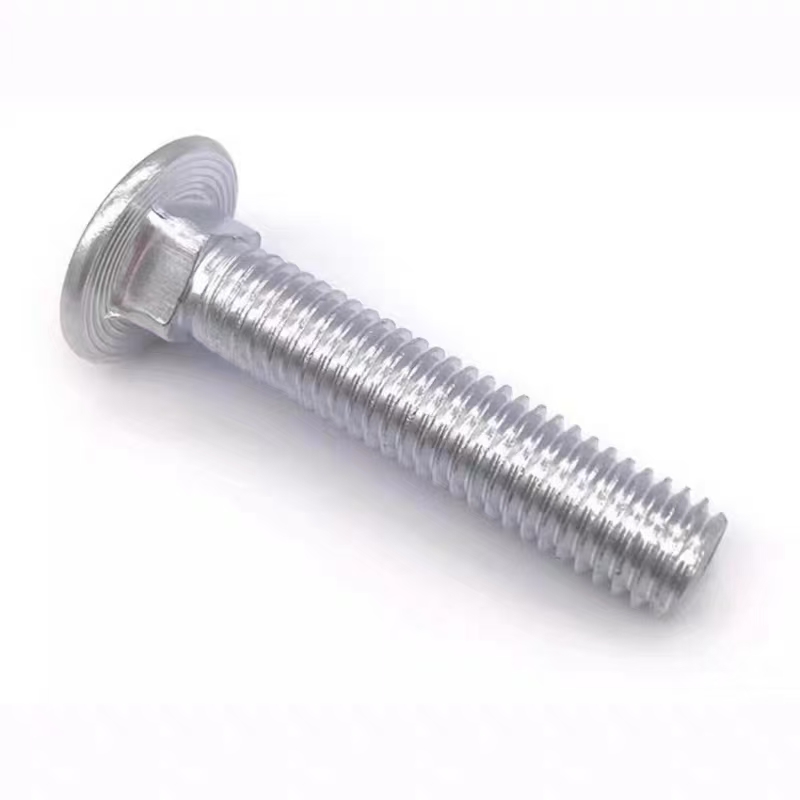
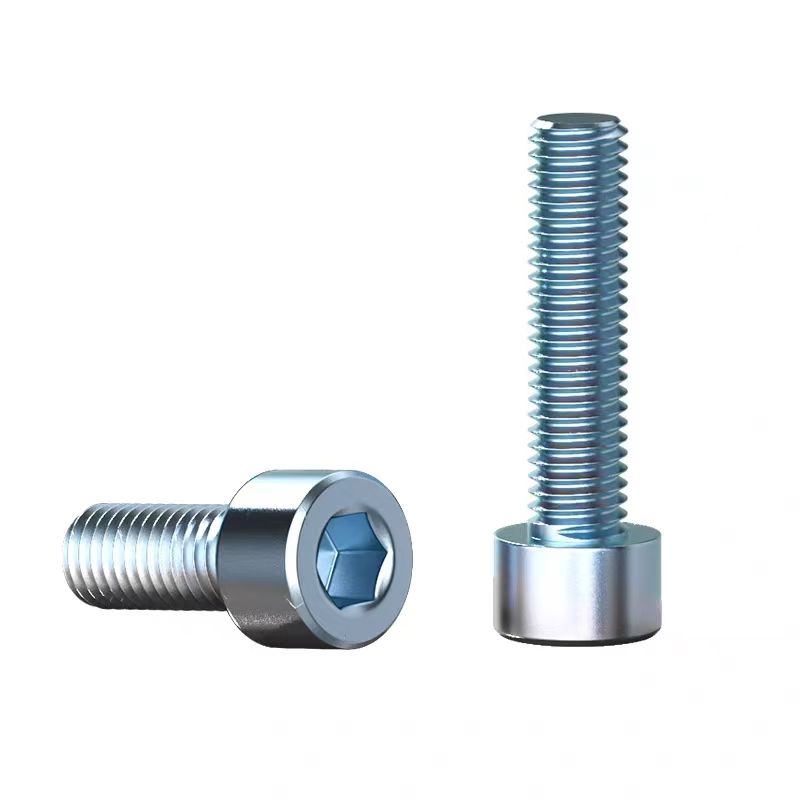
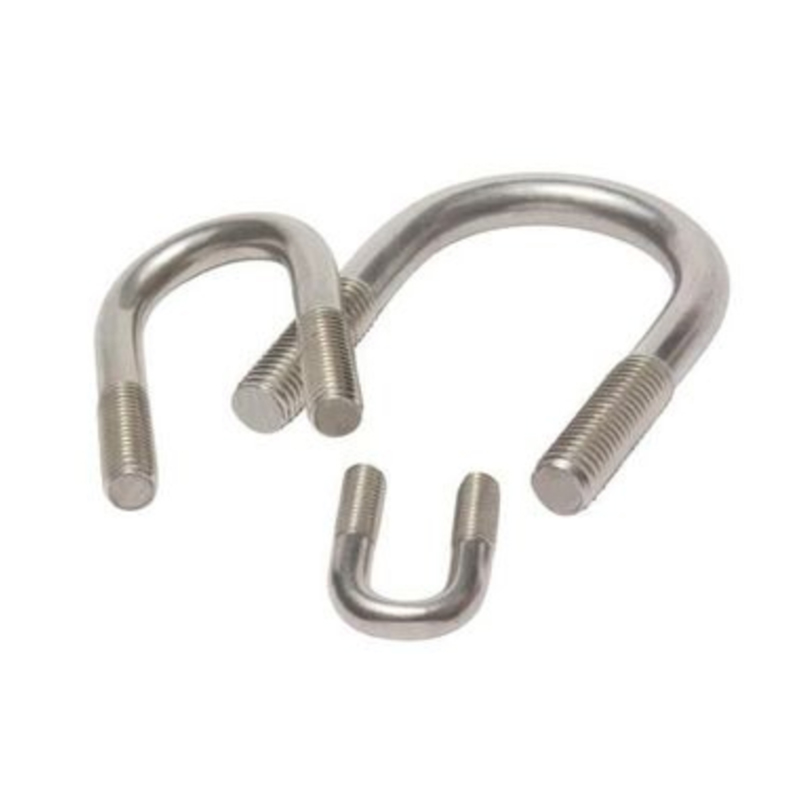
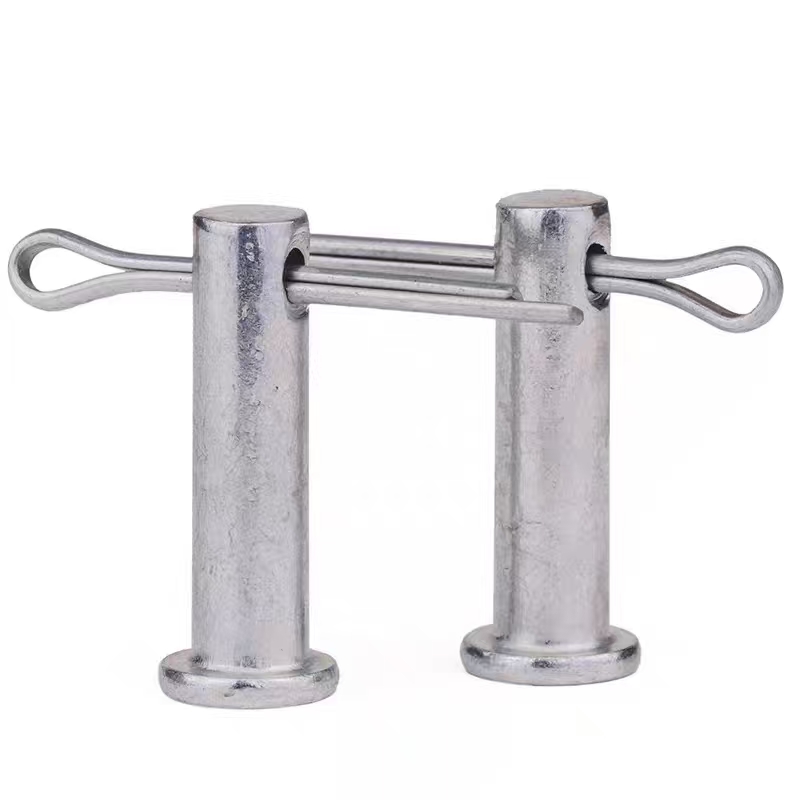
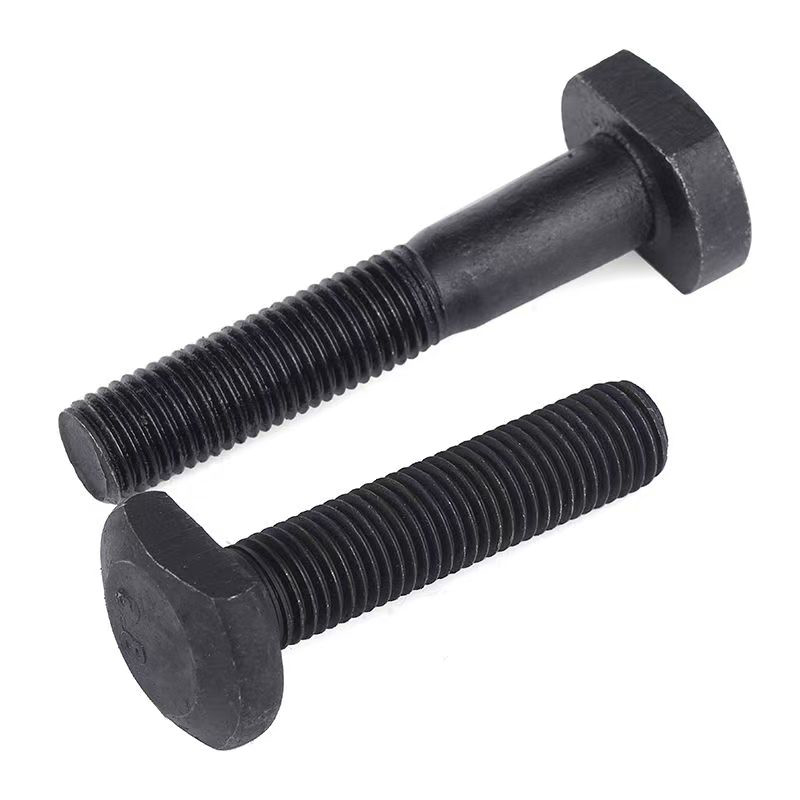
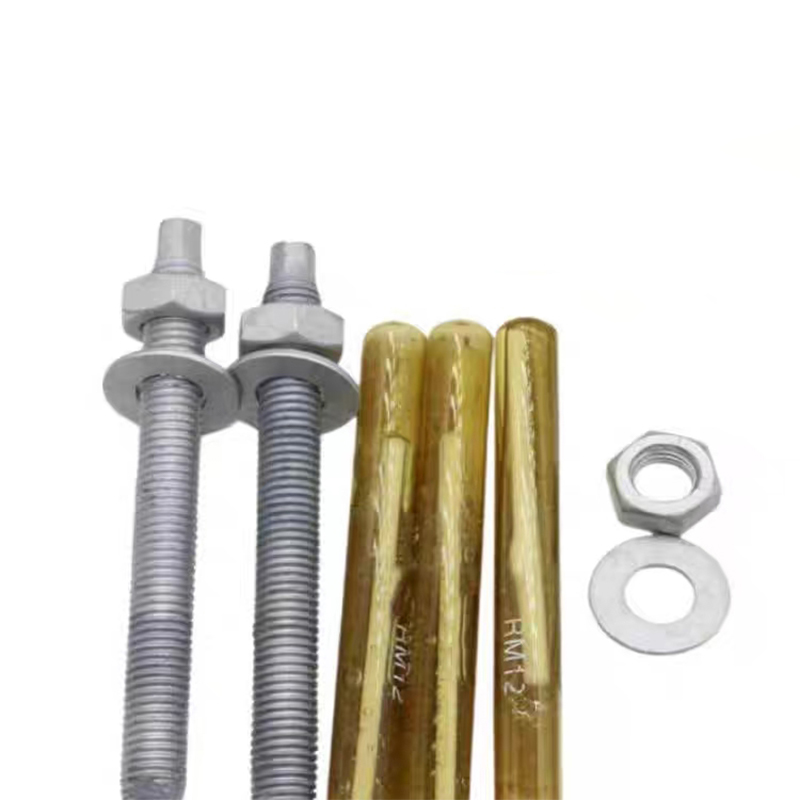
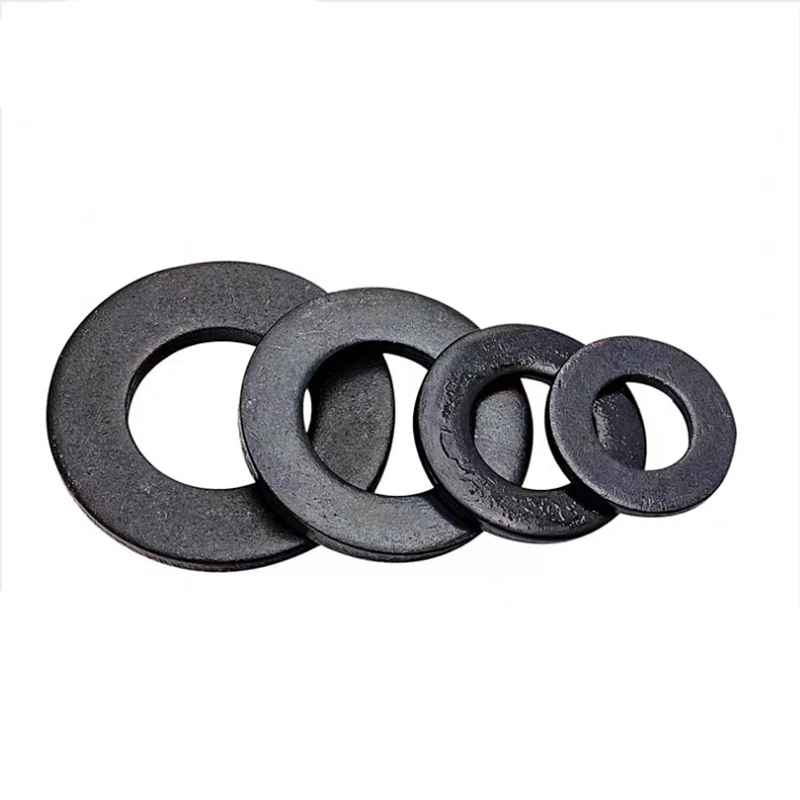
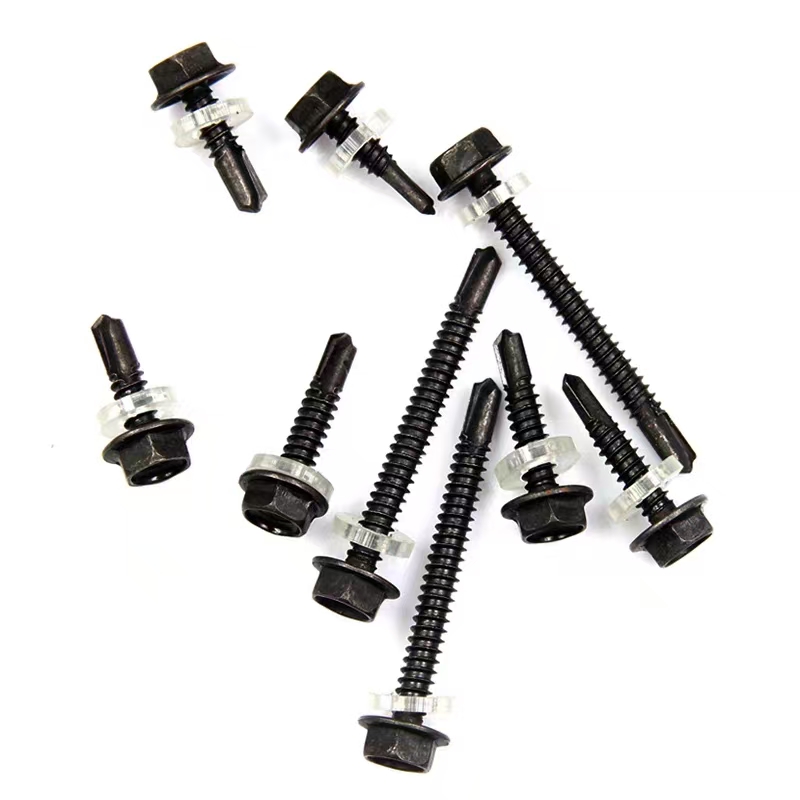
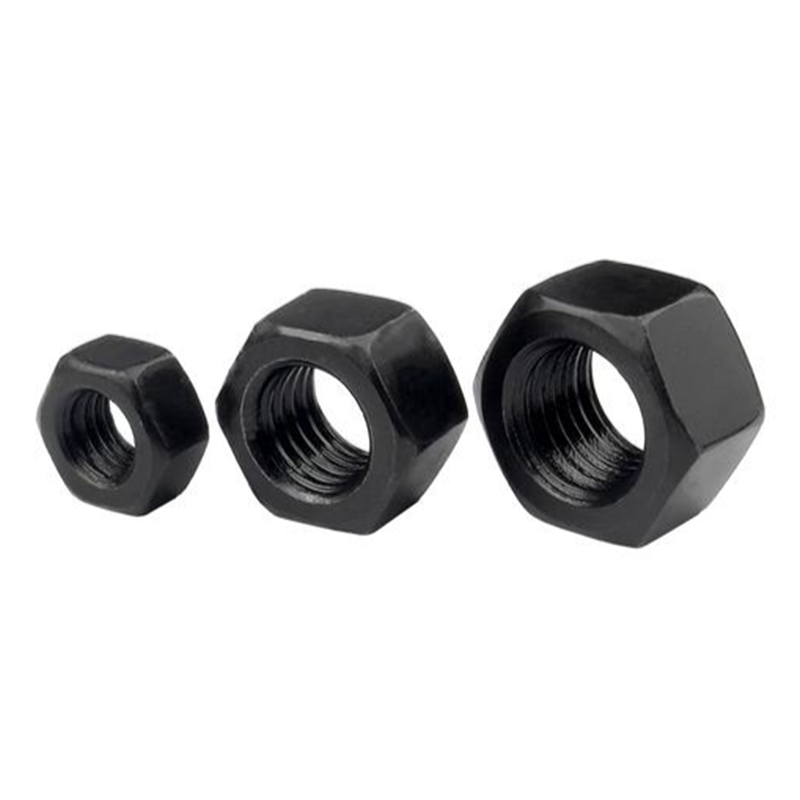
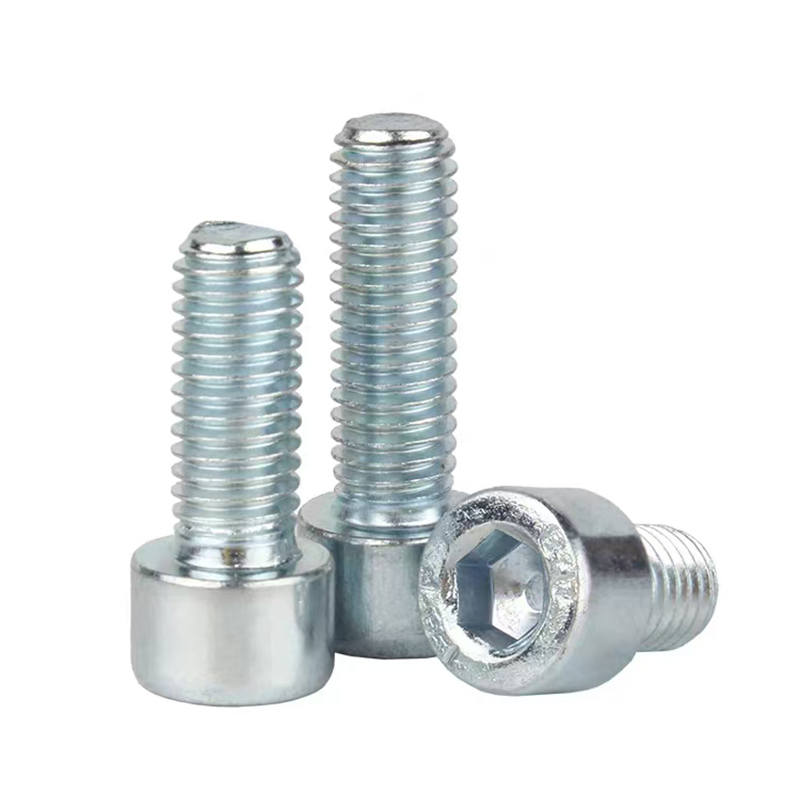
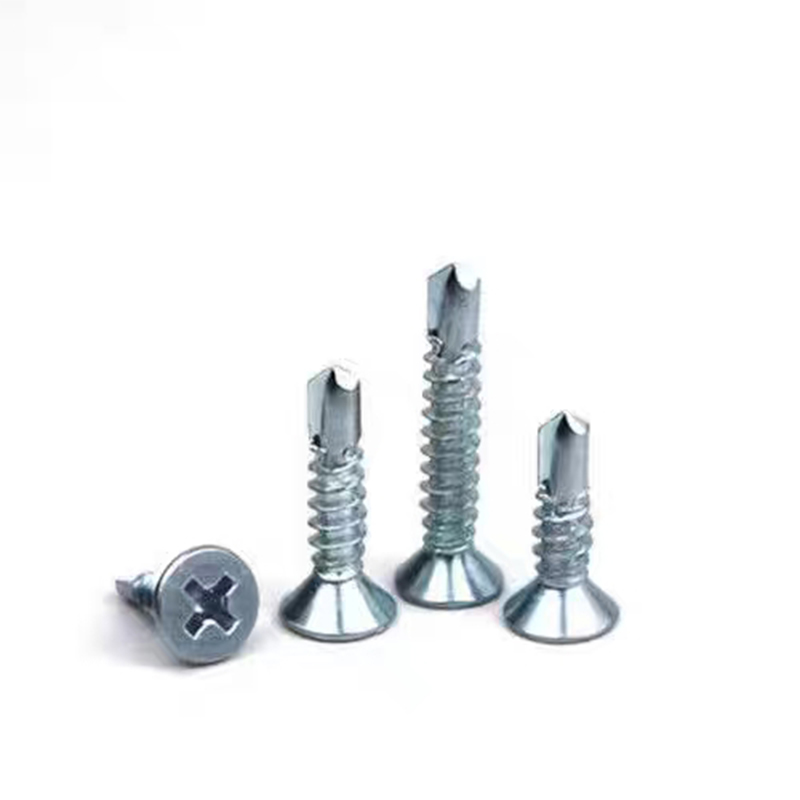
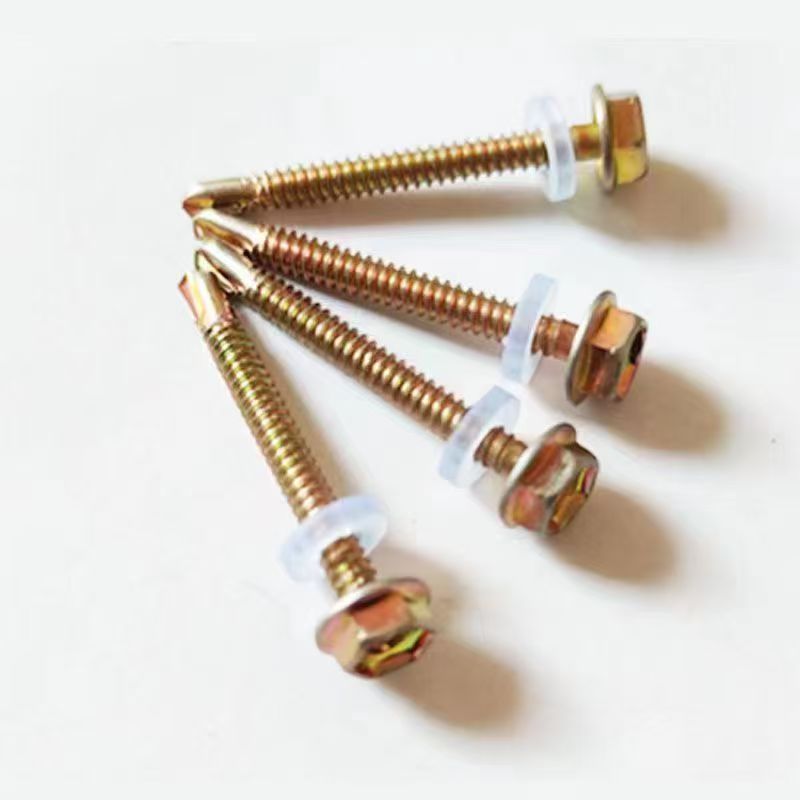
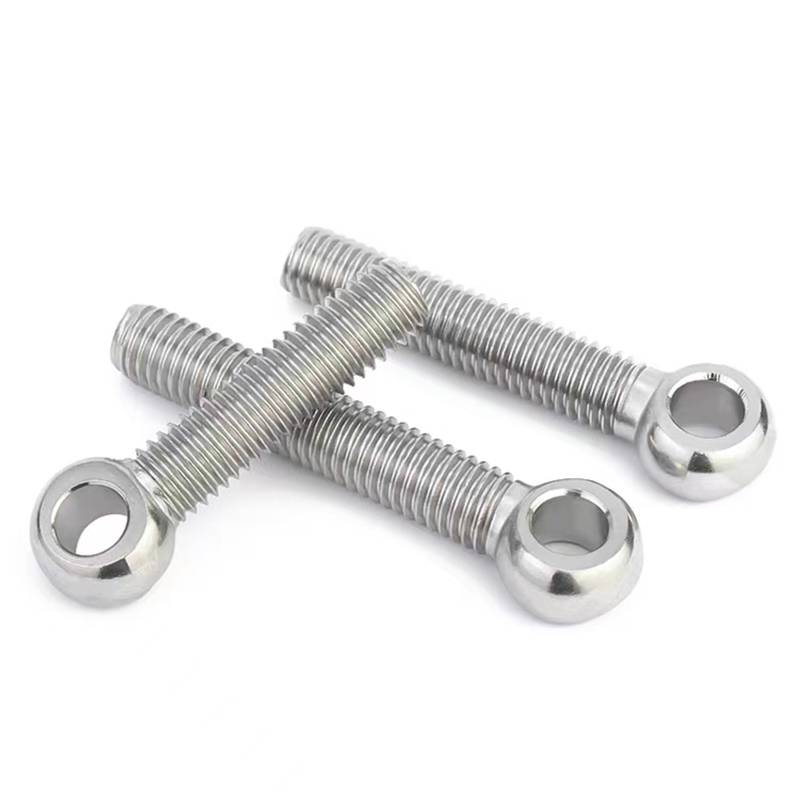
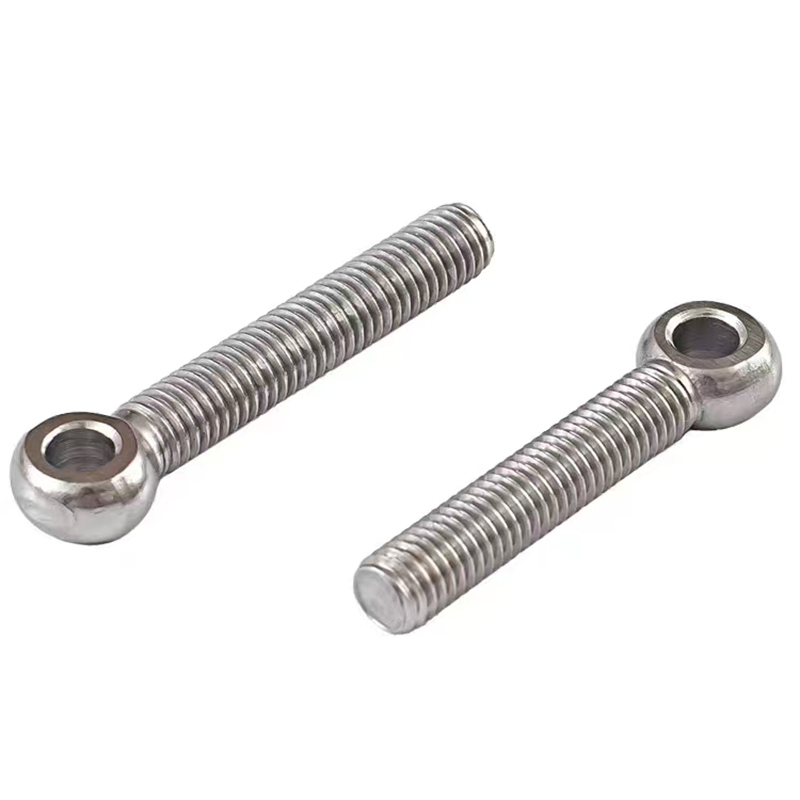
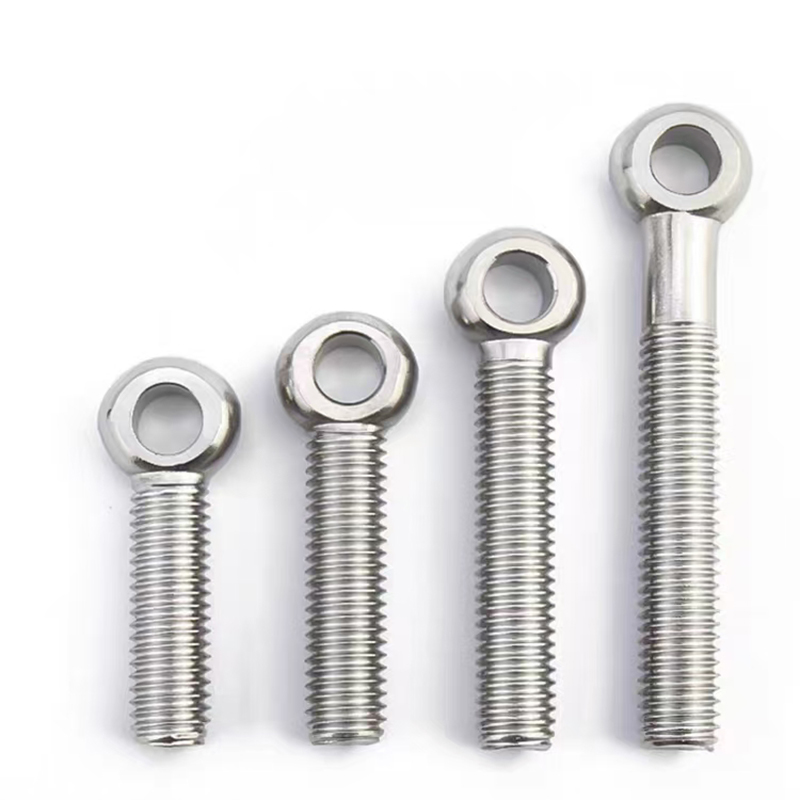
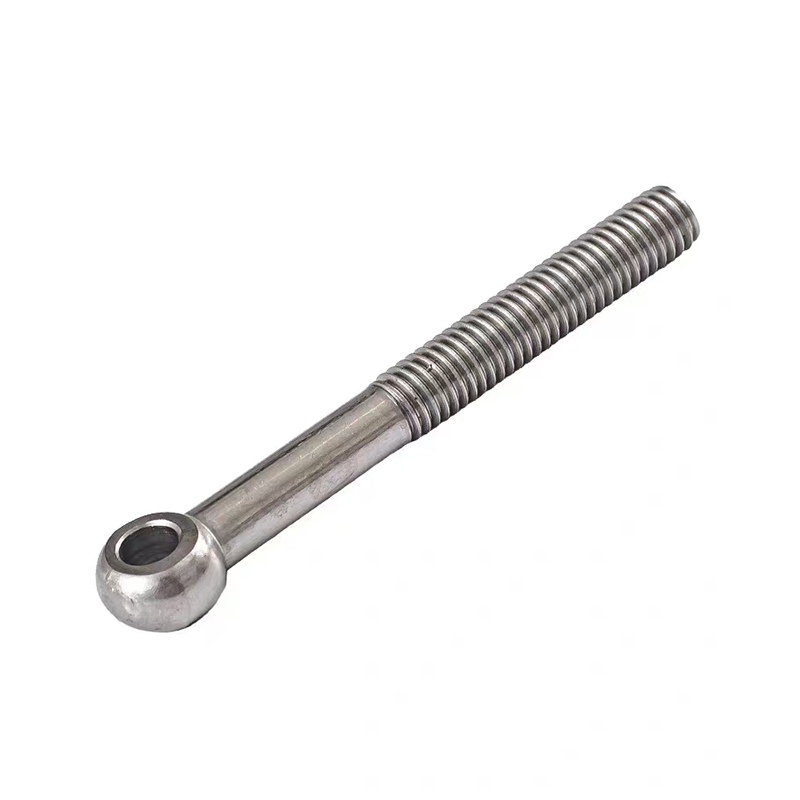
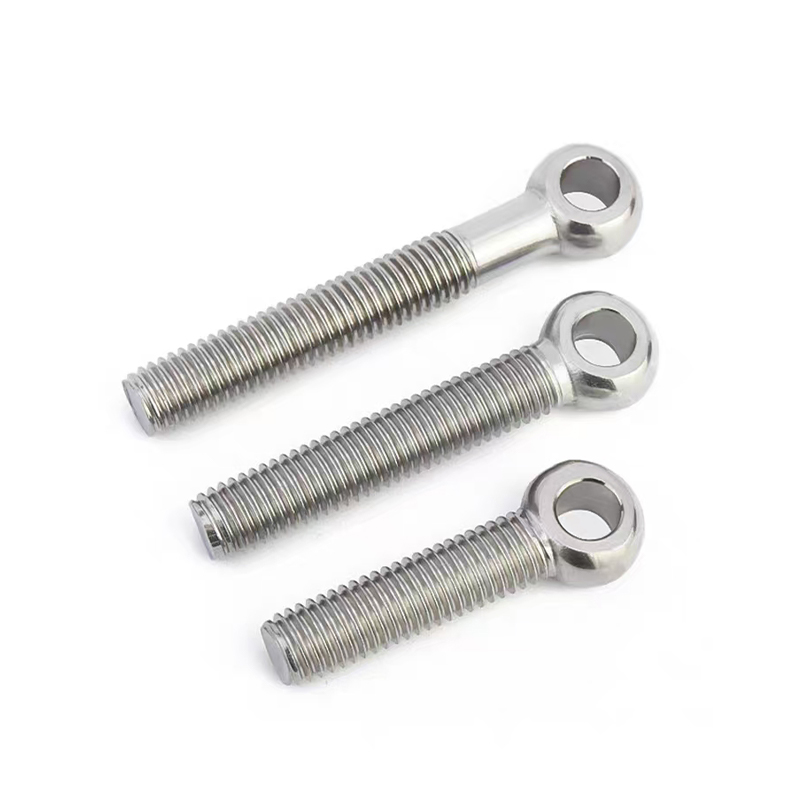
Electrogalvanized hinge bolts
Swivel Bolt Series Structural Features • Basic Structure: Typically consists of a screw, a nut, and a central swivel joint. The screw has threads at both ends; one end connects to a fixed component, and the other end mates with the nut. The central swivel joint is usually spherical or cylindri...
Description
marker
Swivel Bolt Series
Structural Features
• Basic Structure: Typically consists of a screw, a nut, and a central swivel joint. The screw has threads at both ends; one end connects to a fixed component, and the other end mates with the nut. The central swivel joint is usually spherical or cylindrical, allowing for a certain degree of swinging and rotation.
• Head Types: Diverse, common types include hexagonal head, round head, square head, countersunk head, and semi-countersunk head. Different head types are suitable for different installation scenarios and usage requirements.
Materials and Surface Treatment
• Materials: Common materials include Q235, 45#, 40Cr, 35CrMoA, stainless steel 304, and stainless steel 316.
• Surface Treatment: Anti-corrosion measures include hot-dip galvanizing, diffusion coating, white plating, and color plating. High-strength bolts typically have a black oxide finish.
Specifications and Dimensions
Thread specifications generally range from M5 to M39. Different industries can select appropriate specifications according to actual needs. For example, the construction industry commonly uses M12-M24 specifications for steel structure connections, while the mechanical manufacturing field commonly uses M5-M10 specifications for connecting small mechanical equipment parts.
Working Principle
Through the movable characteristics of the swivel joint, the two connected components are allowed to move relative to each other within a certain range, such as swinging and rotation, effectively compensating for relative displacement and angular deviation between the components. At the same time, the threaded connection between the screw and the nut provides the fastening function, and the tightening degree of the nut can be adjusted as needed to achieve the appropriate connection strength.
Application Areas
• Mechanical Manufacturing: Commonly used in various mechanical transmission devices, automated production line equipment, etc., such as connections in chain drives and fixing of swinging mechanisms.
• Pipe Connections: Used to connect pipes of different diameters or with angular changes, as well as connections between pipes and valves, pumps, and other equipment, accommodating thermal expansion and contraction and vibration of the pipes.
• Automotive Manufacturing: Used in the suspension system, steering mechanism, engine mounts, and other parts of automobiles, ensuring the connection requirements of automotive components during movement.
• Building and Decoration: Plays a role in building curtain walls, door and window installation, and movable furniture, such as connection nodes of curtain walls and connection parts of movable furniture.
Marking Example
Taking a hinge bolt with thread specification d=M10, nominal length l=100mm, performance grade 4.6, and without surface treatment as an example, its marking is: Bolt GB 798 M10×100.
contact us
Related popular products
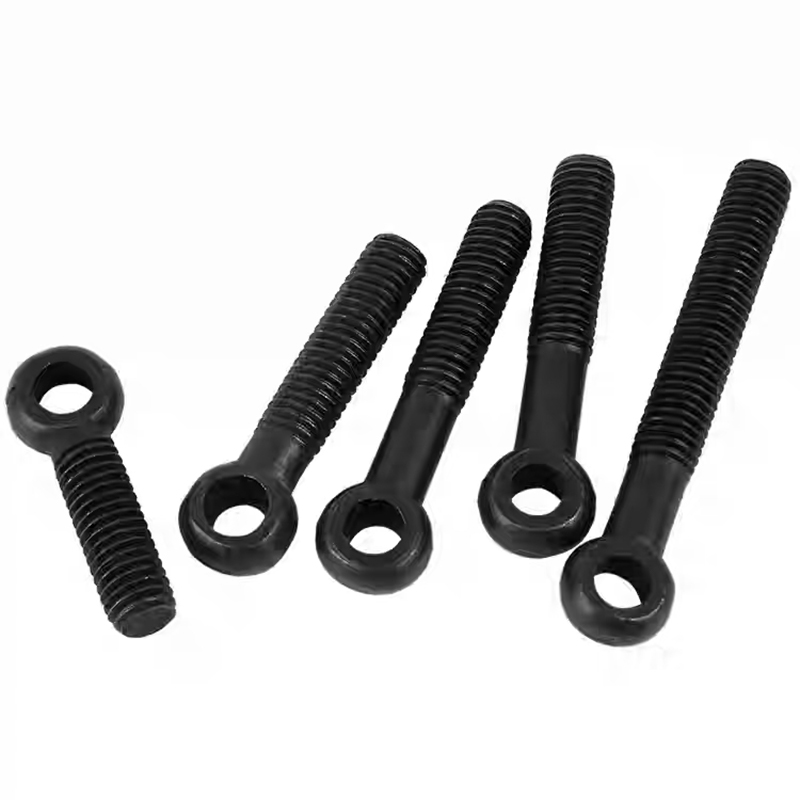
Black zinc plated hinge bolts
Swivel Bolt Series Structural Features • Basic Structure: Typically consists of a screw, a nut, a...
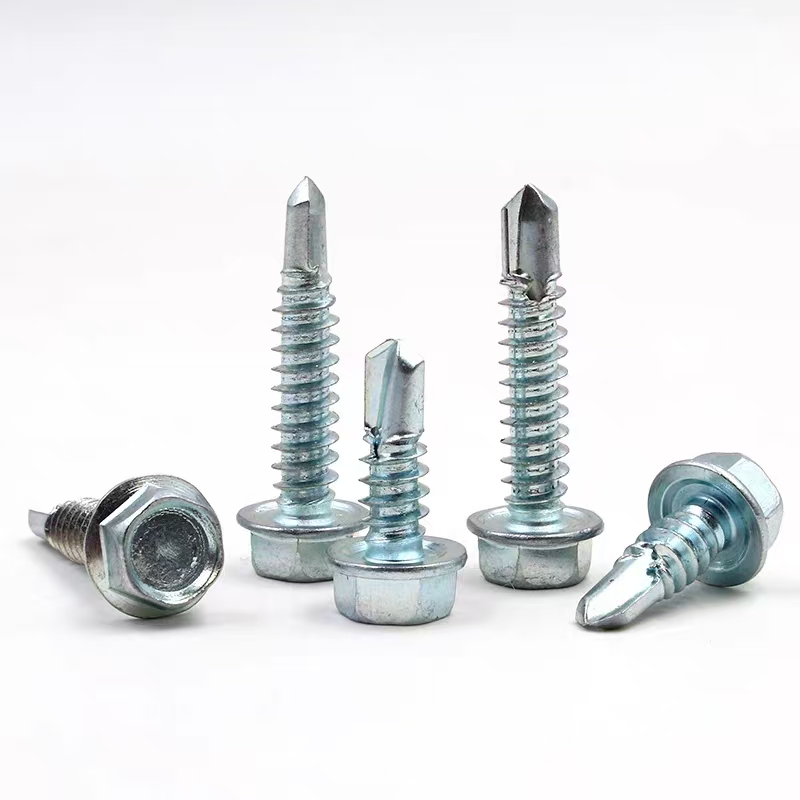
Electro-galvanized hexagonal drill thread
Made of 1022A carbon steel, the surface hardness reaches HV560-750 after heat treatment, and the core hardness reaches HV240-450. The surface is electro-galvanized to form a 5-12μm coating, which meets the GB/T 13912-2002 standard, and the salt spray test reaches 24-48 hours without white rust.
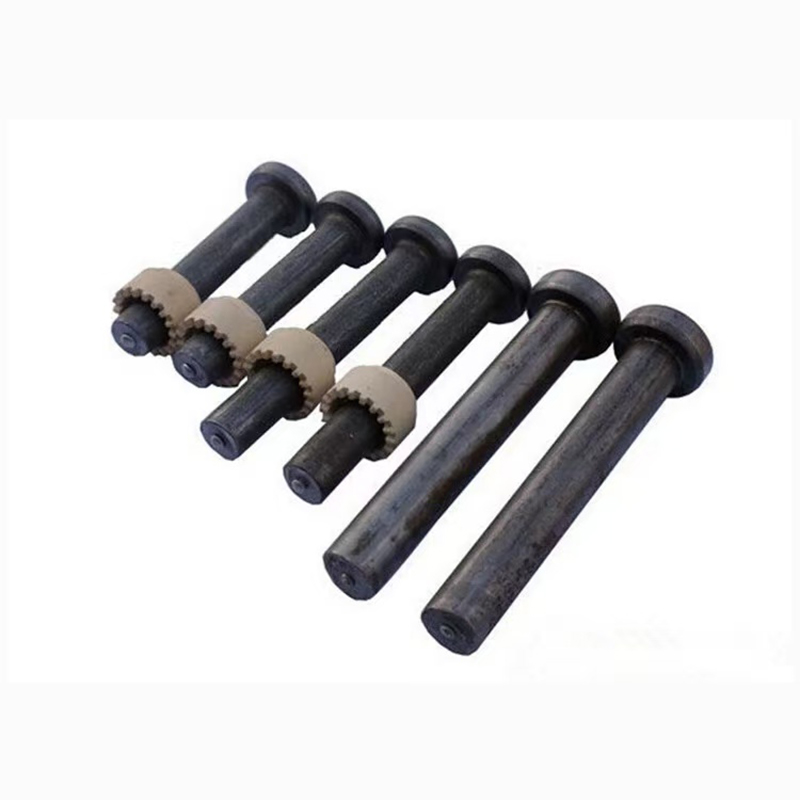
Welding nails
Welding studs are cylindrical head welding studs fixed to the parent material by arc stud welding (standard GB/T 10433), made of SWRCH15A or ML15, with tensile strength ≥400MPa and yield strength ≥320MPa.
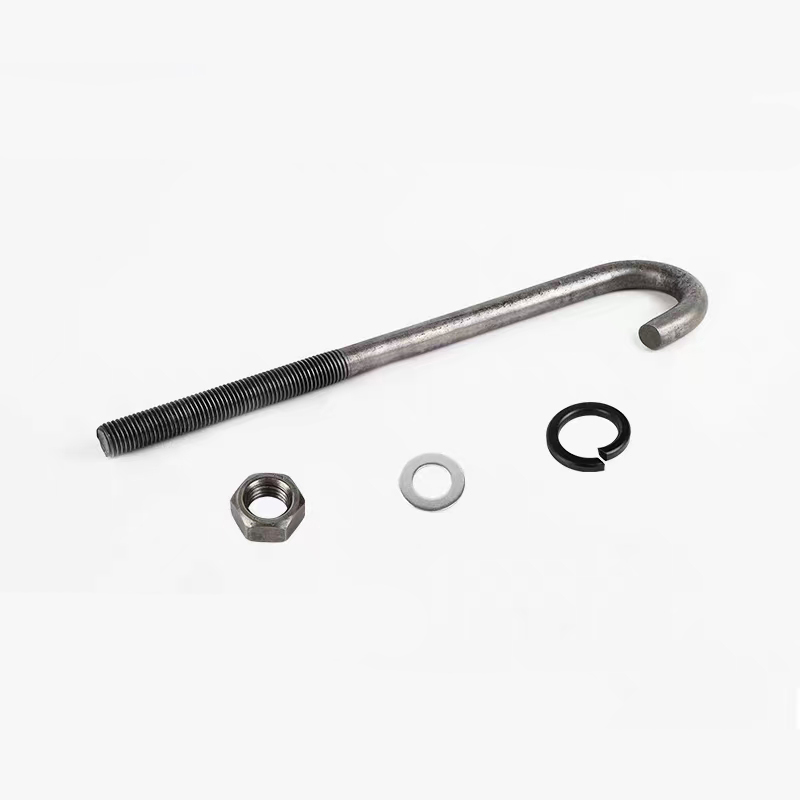
Umbrella handle anchor (J-type anchor bolt/umbrella handle embedded bolt)
The umbrella handle anchor is named because the end of the bolt is a J-shaped hook (similar to the umbrella handle). It consists of a threaded rod and a J-shaped hook. The hook part is completely embedded in the concrete to provide pull-out resistance.
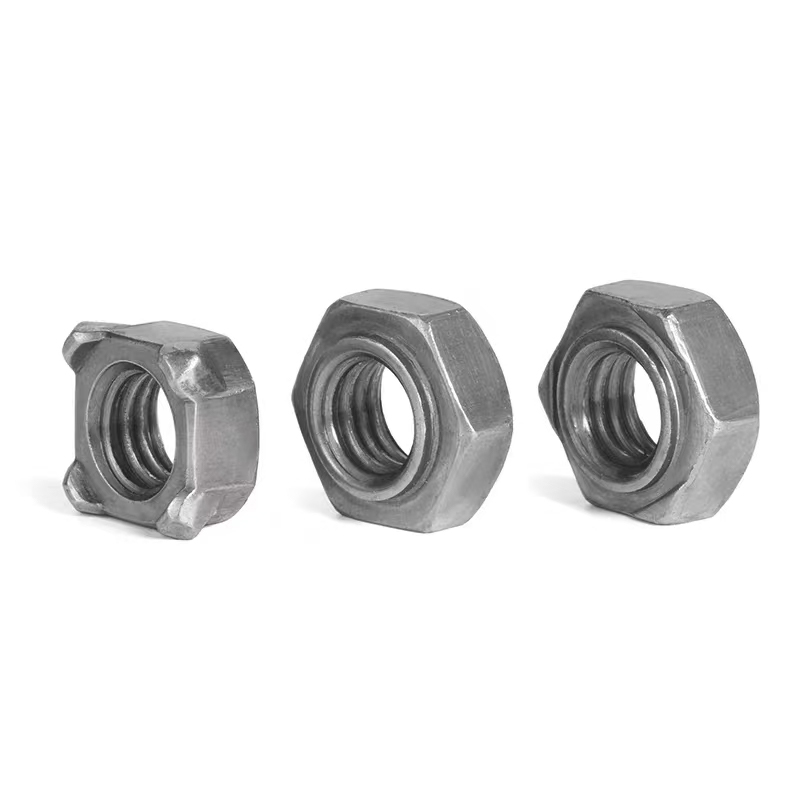
Welding nut (welding nut)
Welding nut is a nut fixed to the workpiece by welding. Common types include projection welding nut (DIN929) and spot welding nut (DIN2527). Its structure includes threaded section and welding base. The welding base has a boss or plane to enhance the welding strength.
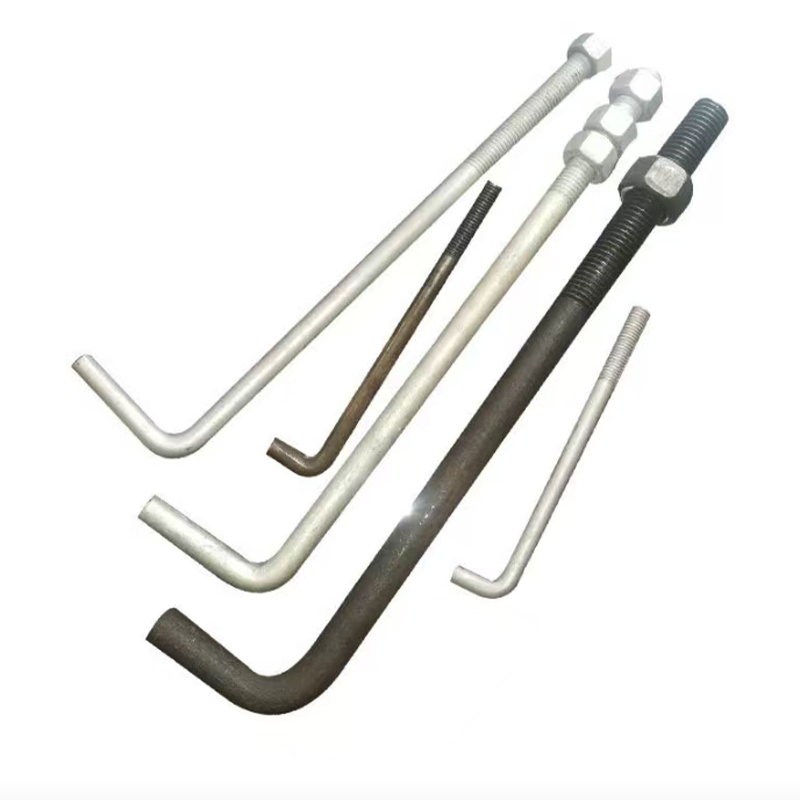
7-shaped anchors (7-shaped anchor bolts)
The 7-shaped anchor is named because one end of the bolt is bent in a “7” shape. It is one of the most basic types of anchor bolts. Its structure includes a threaded rod body and an L-shaped hook. The hook part is buried in the concrete foundation and connected to the equipment or steel structure through a nut to achieve a stable fixation.
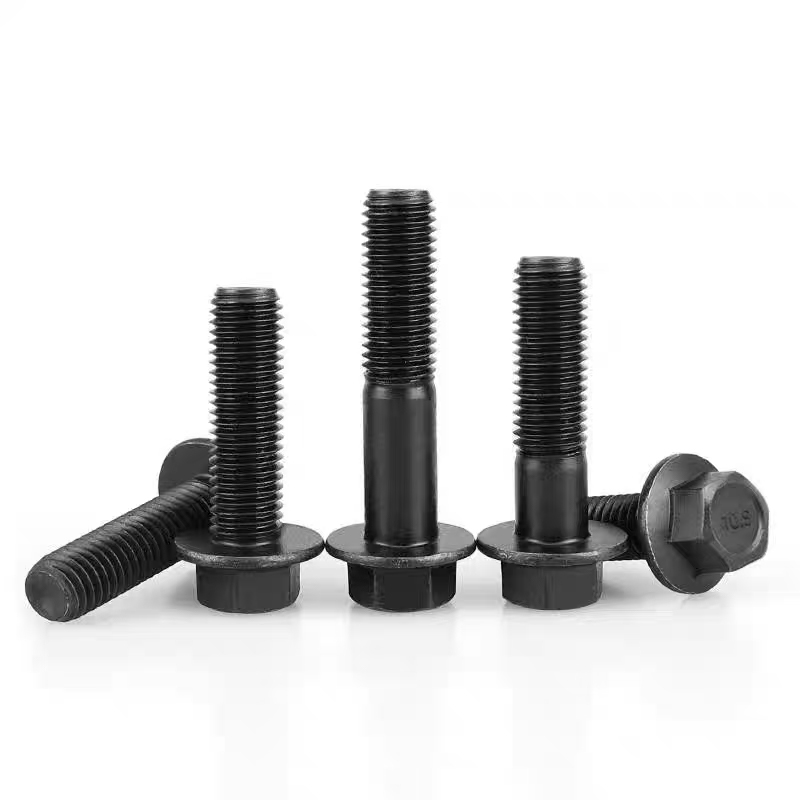
Black zinc flange bolts
The head of the flange bolt has a round flange to increase the contact area and disperse the pressure (standard GB/T 5787, GB/T 5789). Common specifications M6-M30, material Q235 or 35CrMo, surface galvanized or blackened.
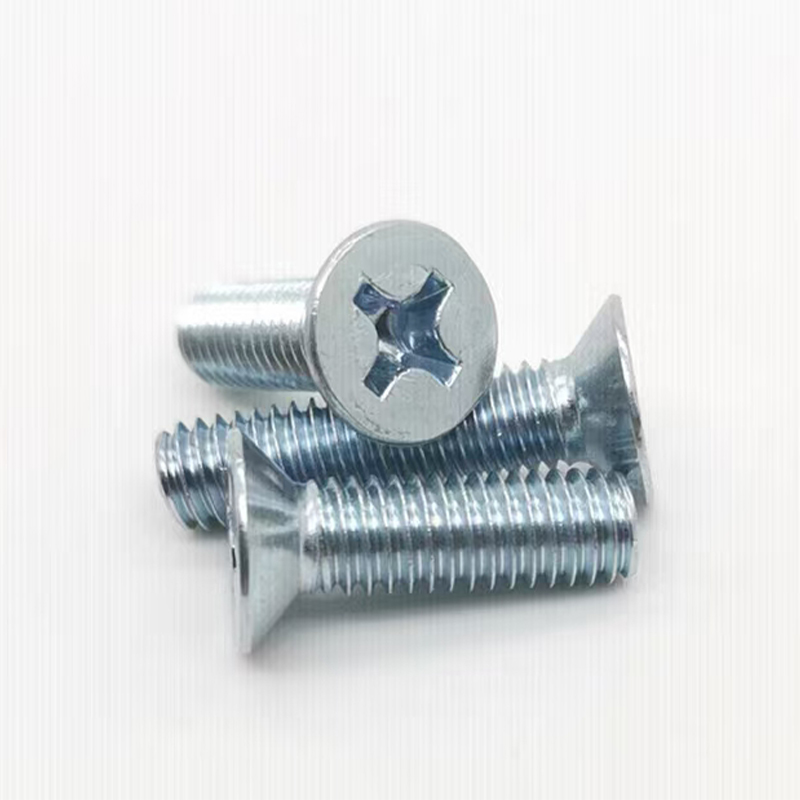
Electro-galvanized countersunk cross bolts
The head of the countersunk cross bolt is conical and can be completely embedded in the surface of the connected parts to maintain a smooth appearance (standard GB/T 68). Common materials are carbon steel, stainless steel or engineering plastics (such as nylon 66), with galvanized or natural color treatment on the surface.
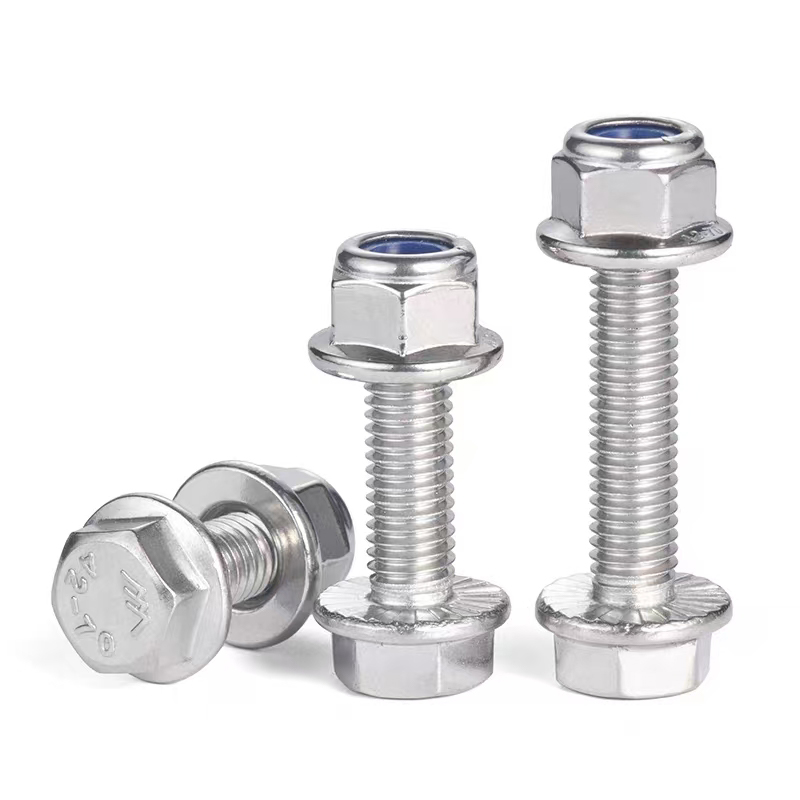
Electroplated zinc flange bolts
The head of the flange bolt has a round flange to increase the contact area and disperse the pressure (standard GB/T 5787, GB/T 5789). Common specifications M6-M30, material Q235 or 35CrMo, surface galvanized or blackened.
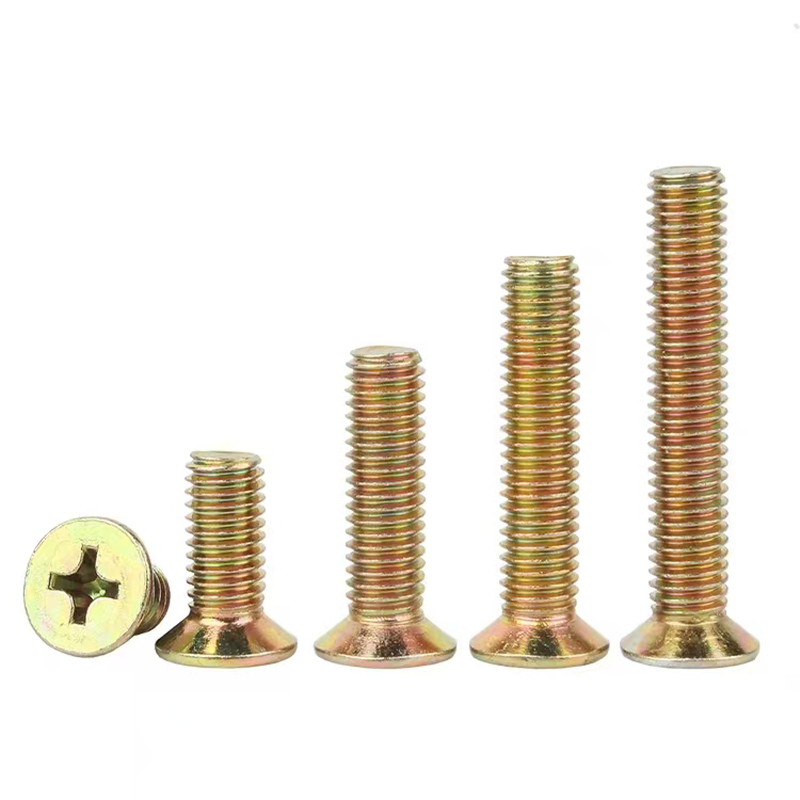
Colored zinc plated countersunk cross bolts
The head of the countersunk cross bolt is conical and can be completely embedded in the surface of the connected parts to maintain a smooth appearance (standard GB/T 68). Common materials are carbon steel, stainless steel or engineering plastics (such as nylon 66), with galvanized or natural color treatment on the surface.
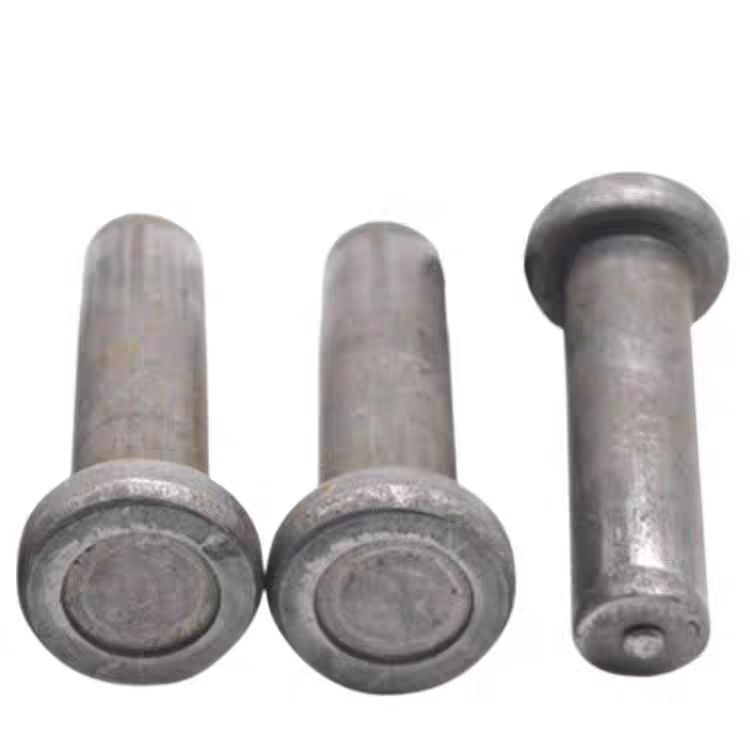
Steel structure welding studs
The materials for welding studs include SWRCH15A, ML15AL or ML15, and ordinary carbon steels Q195...
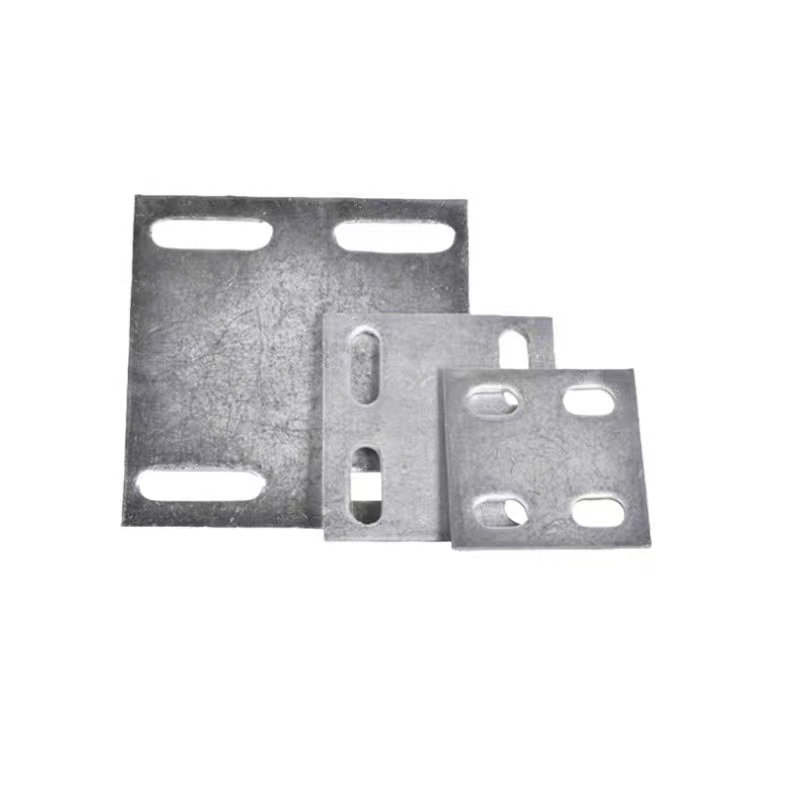
Hot-dip galvanized embedded plate
Same as electrogalvanized embedded plate, using Q235 or Q355 carbon steel, steel plate thickness 8-50mm, anchor bar diameter 10-32mm, in line with GB/T 700 standard.
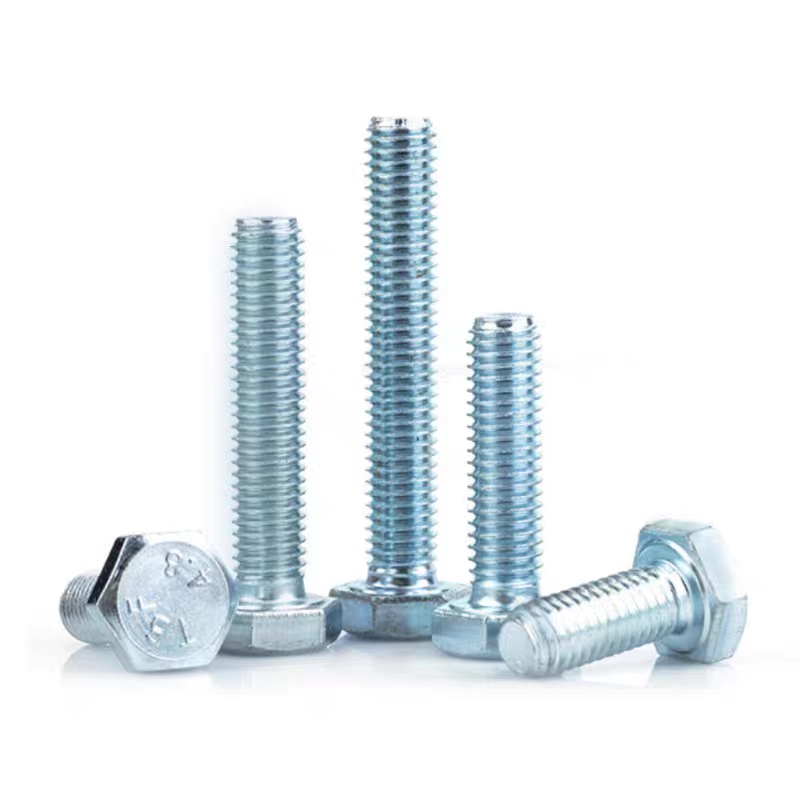
Electrogalvanized hexagonal bolts
Hexagonal bolts are the most common standard bolts with hexagonal heads and are used with nuts (standard GB/T 5780). Common materials are Q235 or 35CrMo, with galvanized or blackened surfaces.
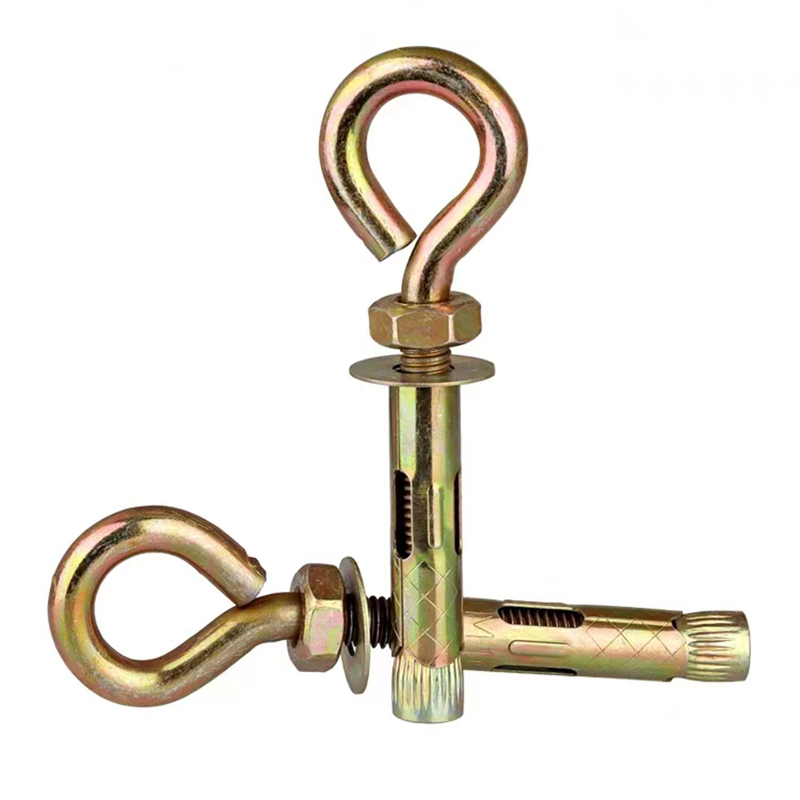
Colored zinc-plated expansion hook
Rainbow chromate passivation (c2C) is performed on the basis of electrogalvanizing to form a colored passivation film with a thickness of about 8-15μm. The salt spray test can last for more than 72 hours without white rust.
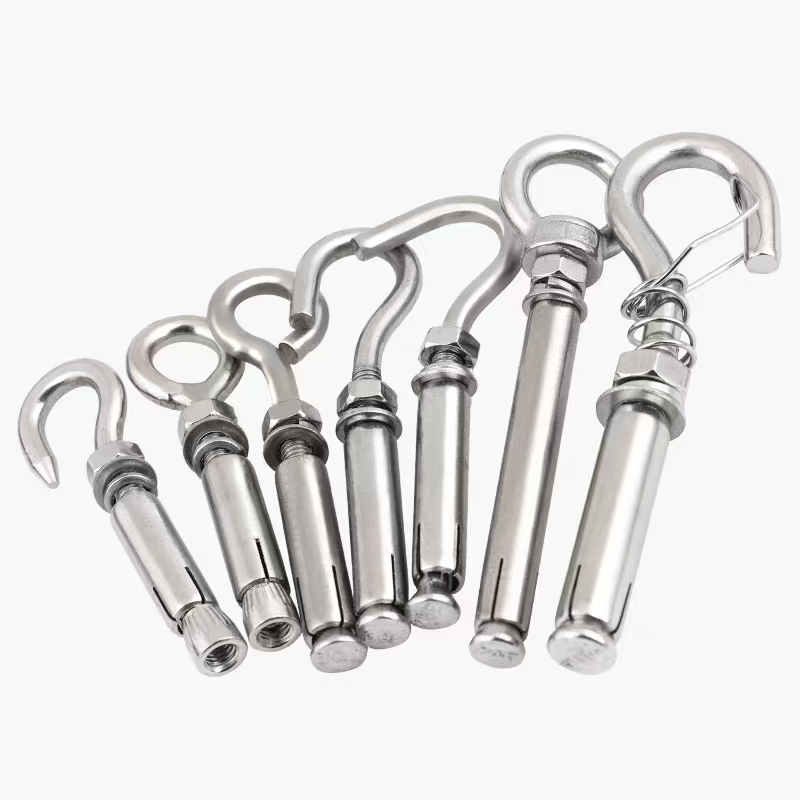
Electro-galvanized expansion hook
Made of Q235 carbon steel and other materials, the surface is electro-galvanized, and the coating thickness is usually 5-12μm, which meets the post-treatment requirements of c1B (blue-white zinc) or c1A (bright zinc) in GB/T 13911-92 standard.
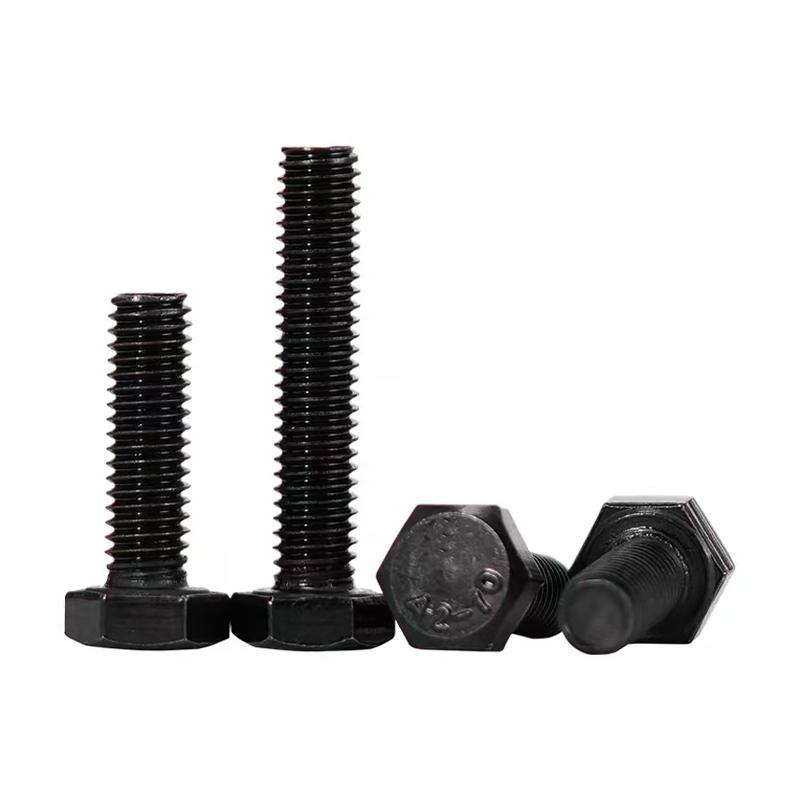
Black zinc plated hexagonal bolts
Hexagonal bolts are the most common standard bolts with hexagonal heads and are used with nuts (standard GB/T 5780). Common materials are Q235 or 35CrMo, with galvanized or blackened surfaces.
Please leave us a message
-


-
-


WeChat
