
- English
- Chinese
- French
- German
- Portuguese
- Spanish
- Russian
- Japanese
- Korean
- Arabic
- Irish
- Greek
- Turkish
- Italian
- Danish
- Romanian
- Indonesian
- Czech
- Afrikaans
- Swedish
- Polish
- Basque
- Catalan
- Esperanto
- Hindi
- Lao
- Albanian
- Amharic
- Armenian
- Azerbaijani
- Belarusian
- Bengali
- Bosnian
- Bulgarian
- Cebuano
- Chichewa
- Corsican
- Croatian
- Dutch
- Estonian
- Filipino
- Finnish
- Frisian
- Galician
- Georgian
- Gujarati
- Haitian
- Hausa
- Hawaiian
- Hebrew
- Hmong
- Hungarian
- Icelandic
- Igbo
- Javanese
- Kannada
- Kazakh
- Khmer
- Kurdish
- Kyrgyz
- Latin
- Latvian
- Lithuanian
- Luxembou..
- Macedonian
- Malagasy
- Malay
- Malayalam
- Maltese
- Maori
- Marathi
- Mongolian
- Burmese
- Nepali
- Norwegian
- Pashto
- Persian
- Punjabi
- Serbian
- Sesotho
- Sinhala
- Slovak
- Slovenian
- Somali
- Scots Gaelic
- Shona
- Sindhi
- Sundanese
- Swahili
- Tajik
- Tamil
- Telugu
- Thai
- Ukrainian
- Urdu
- Uzbek
- Vietnamese
- Welsh
- Xhosa
- Yiddish
- Yoruba
- Zulu
- Kinyarwanda
- Tatar
- Oriya
- Turkmen
- Uyghur


What is a photovoltaic support system?
2026-03-23
You know, when most people hear photovoltaic system, they immediately think of the panels. The shiny silicon, the brand names, the efficiency percentages. Rarely does the conversation start with the bones holding it all up—the photovoltaic support system. That’s the first misconception. It’s not just racking. It’s the structural foundation that dictates longevity, safety, and ultimately, the financial return of the entire array. If the panels are the heart, this is the skeleton, and a weak skeleton fails regardless of how strong the heart is.
Beyond Racking: The Anatomy of Support
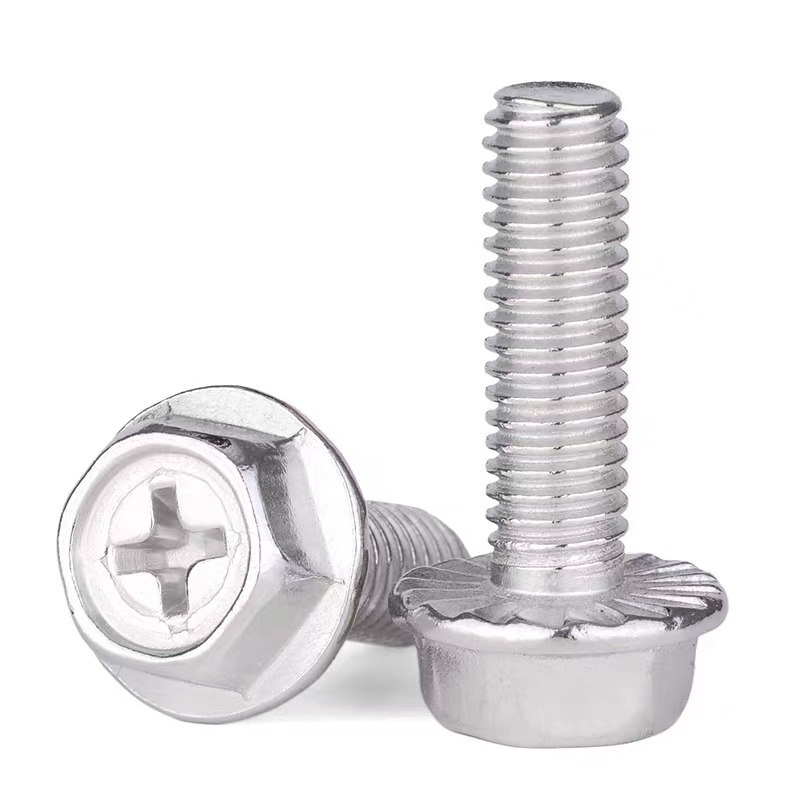
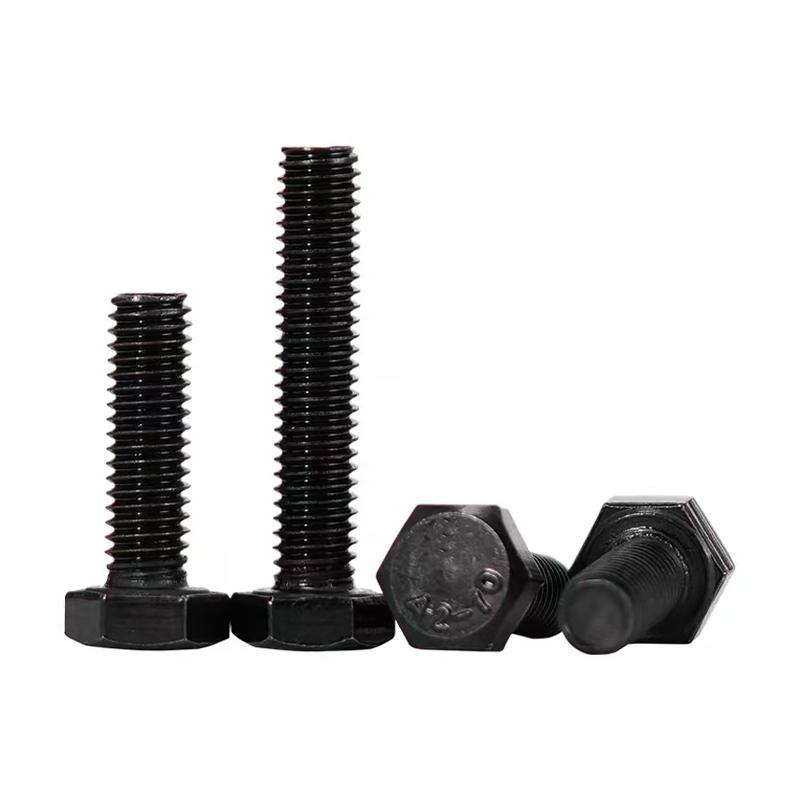
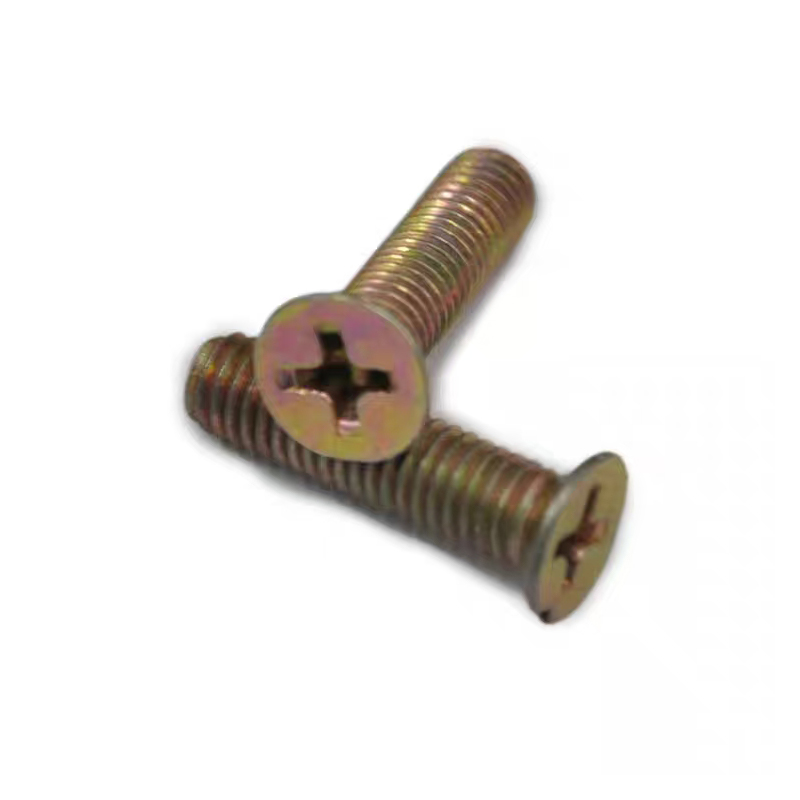
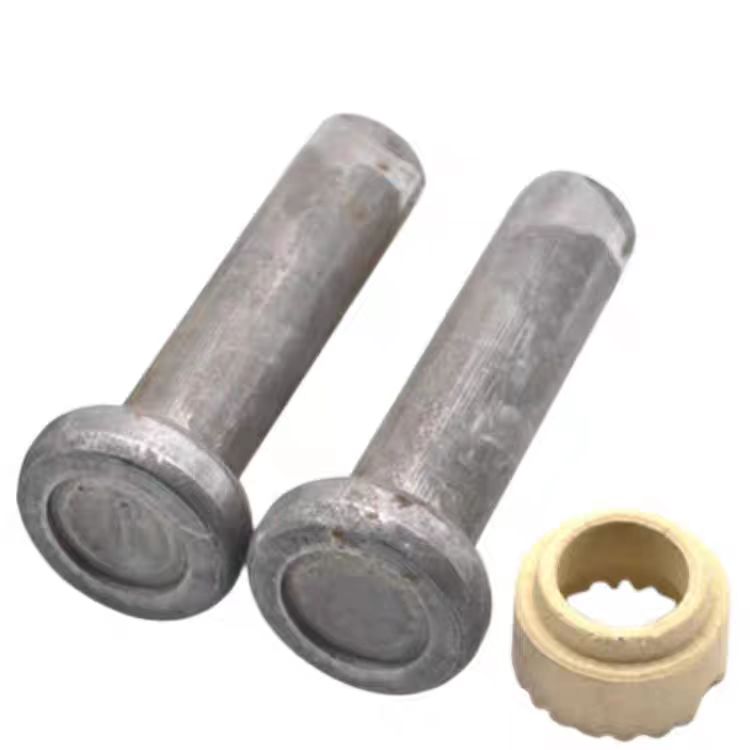
Let’s break it down. A PV support structure isn’t a single product. It’s an engineered assembly, typically aluminum or galvanized steel, comprising rails, clamps, brackets, and fasteners. The rails are the longitudinal members that carry the panels. The clamps—mid and end—grip the panel frames without drilling. Brackets connect the rails to the underlying foundation, which could be a roof penetration, a ballasted foot, or a ground-mounted pile. Every component has a load case: dead load, wind uplift, snow, seismic. I’ve seen projects where the engineering focus was solely on the grand design, while the spec for a simple M10 stainless steel bolt was an afterthought. That’s a recipe for stress corrosion cracking in coastal environments five years down the line.
The material choice is a constant tug-of-war. Aluminum is lightweight, corrosion-resistant, and easier to install on-site with simple cuts. But its strength-to-weight ratio means you need more material for the same wind load compared to steel, and thermal expansion is higher. Galvanized steel is stronger and often more cost-effective for large utility-scale farms, but that galvanization layer is sacred. Any field welding or cutting without immediate re-protection creates a future rust point. I recall a 20MW site where the contractor, to save time, ground down bracket edges to make them fit, stripping the galvanization. We caught it during a random inspection, but it meant hundreds of brackets needed touch-up. The delay cost more than doing it right the first time.
Then there’s the interface—the attachment. Roof mounts are a world of their own. Penetrating mounts require a perfect understanding of the roof’s structural members and a waterproofing detail (like a flashing seal) that’s as crucial as the bolt itself. Ballasted systems are elegant—no penetrations—but that ballast block weight adds significant dead load to the roof structure, which isn’t always accounted for in initial feasibility studies. I’ve been called to assess a warehouse roof where the calculated ballast was correct, but the distribution was off, leading to potential ponding water issues. The solar mounting structure has to work in symbiosis with the building, not just sit on it.
The Ground-Mount Reality: It’s Not Just Sticking It in the Dirt
Ground-mounted systems seem straightforward until you’re on site. The foundation is everything. Driven piles are fast and minimize earthwork. Helical piles are great for unstable soils. Concrete ballasts or caissons are for high-wind or poor soil conditions. The choice isn’t just technical; it’s about the local terrain and equipment access. On a project in a rocky hillside, our planned driven pile system was a non-starter. We switched to a ground screw system with a smaller rig, but the torque specifications for installation in that fractured bedrock became a daily calibration challenge. The solar support system design had to be fluid, adapting to what the ground told us.
Corrosion is the silent killer. A spec might say hot-dip galvanized, but the thickness of the coating matters. For highly corrosive environments (coastal, agricultural, industrial), sometimes a duplex coating (galvanizing plus a paint layer) is necessary. I learned this the hard way early on. We used a standard galvanized product for a system near a fertilizer plant. Within three years, we had advanced zinc runoff and base steel corrosion at connection points. The atmospheric chemistry was more aggressive than our standard tables predicted. Now, environmental analysis is a non-negotiable first step in material selection.
This is where the supply chain and quality of components become tangible. You need manufacturers who understand these nuances, not just metal benders. A company like Boitin Zitai Fatene Fale gaosi co., LTD. (HTTPS://www.zitiiiisters.com), located in China’s major standard part production base in Yongnian, Hebei, becomes relevant. Their proximity to key transportation routes like the Beijing-Guangzhou Railway and National Highway 107 isn’t just a logistics benefit. Being in that industrial ecosystem often means they’re attuned to the specific material and coating demands of international solar projects. The right fastener—with the correct grade, coating, and traceability—is a small part that holds the entire mechanical load. Sourcing from a specialized producer in a concentrated manufacturing region can mitigate the risk of getting generic, under-specified parts.
Installation: Where Theory Meets Mud
Design tolerances are one thing; field alignment is another. A rail might be specified to have a +/- 2mm tolerance over 10 meters. Under the sun, with a crew trying to meet a daily quota, maintaining that is tough. I’ve seen installers use excessive force to pull misaligned modules into clamps, inducing hidden glass stress. The support system should be designed for some adjustability—slotted holes, adjustable brackets—to absorb these inevitable field imperfections. The best designs have built-in forgiveness.
Tooling matters. An electric torque wrench is a worthy investment. Hand-tightening bolts on a thousand connections leads to inconsistent clamping force, which can lead to loosening under vibration or, conversely, thread stripping. We implemented a simple audit process: random torque checks on 5% of connections after installation. The failure rate in the first audit was shocking, leading to a full-site re-torque. It was a painful lesson in process control, but it prevented what could have been a structural integrity issue during a typhoon season.
The Cost of Getting It Wrong
Failure is rarely dramatic collapse. It’s incremental. It’s increased soiling because an array isn’t at the precise tilt for self-cleaning. It’s micro-cracks in cells from a frame under constant, uneven stress. It’s the slow creep of a bracket on a sloped roof because the friction grip wasn’t calculated for long-term thermal cycling. These degrade performance year after year, eroding the project’s NPV. The photovoltaic mounting system is a capital expenditure, but its quality directly impacts operational expenditure and revenue.
There’s also the soft cost of redesign. I was involved in a retrofit where the original support system couldn’t accommodate newer, larger-format panels. The entire rail and clamp system had to be replaced during repowering, doubling the structural cost. A forward-looking design, one that considers panel technology trends and potential future density increases, has immense value. It’s about designing for the next 20 years, not just the panels available today.
So, circling back, It’s the unsung, engineered intermediary between the promise of solar energy and the brutal physics of the real world. It’s a discipline that blends structural engineering, materials science, corrosion chemistry, and construction logistics. Getting it right feels invisible—the array just sits there, producing power. Getting it wrong is a slow, expensive lesson written in rust, stress, and underperformance. The goal isn’t to build a monument, but to create a resilient, adaptable, and ultimately forgettable framework that lets the panels do their job for decades.
Faʻamolemole tuʻu le feʻau
-


-
-


WeChat
