
- Chinese
- French
- German
- Portuguese
- Spanish
- Russian
- Japanese
- Korean
- Arabic
- Irish
- Greek
- Turkish
- Italian
- Danish
- Romanian
- Indonesian
- Czech
- Afrikaans
- Swedish
- Polish
- Basque
- Catalan
- Esperanto
- Hindi
- Lao
- Albanian
- Amharic
- Armenian
- Azerbaijani
- Belarusian
- Bengali
- Bosnian
- Bulgarian
- Cebuano
- Chichewa
- Corsican
- Croatian
- Dutch
- Estonian
- Filipino
- Finnish
- Frisian
- Galician
- Georgian
- Gujarati
- Haitian
- Hausa
- Hawaiian
- Hebrew
- Hmong
- Hungarian
- Icelandic
- Igbo
- Javanese
- Kannada
- Kazakh
- Khmer
- Kurdish
- Kyrgyz
- Latin
- Latvian
- Lithuanian
- Luxembou..
- Macedonian
- Malagasy
- Malay
- Malayalam
- Maltese
- Maori
- Marathi
- Mongolian
- Burmese
- Nepali
- Norwegian
- Pashto
- Persian
- Punjabi
- Serbian
- Sesotho
- Sinhala
- Slovak
- Slovenian
- Somali
- Samoan
- Scots Gaelic
- Shona
- Sindhi
- Sundanese
- Swahili
- Tajik
- Tamil
- Telugu
- Thai
- Ukrainian
- Urdu
- Uzbek
- Vietnamese
- Welsh
- Xhosa
- Yiddish
- Yoruba
- Zulu
- Kinyarwanda
- Tatar
- Oriya
- Turkmen
- Uyghur

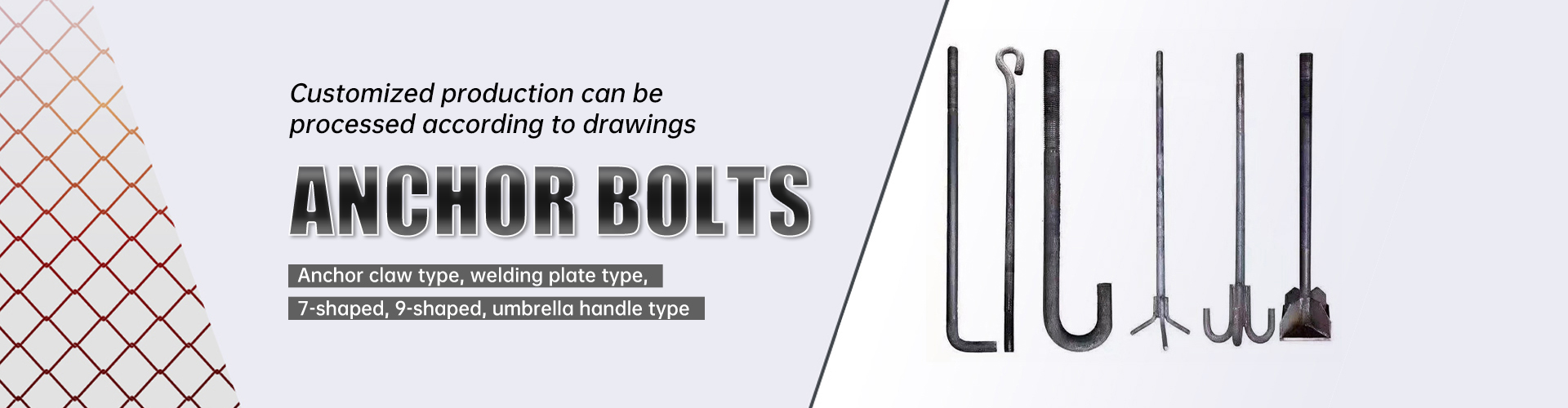
China chemical expansion bolt
The Intricacies of China’s Chemical Expansion Bolt Industry
China's chemical expansion bolt market is as vast as it is nuanced. Picking the right solution isn't just about specifications; it involves understanding the market dynamics and the subtle differences in manufacturing and application. Let's dig into how some professionals navigate this complex landscape.
Understanding the Basics of Chemical Expansion Bolts
When we talk about chemical expansion bolts, it’s more than just hardware. Often, newcomers overlook the importance of the bonding agent's quality and the consistency of the sleeve material. This can lead to installation failures, causing costly delays.
From my experience, it's imperative to test these bolts under actual load conditions. Many overlook this, relying solely on supplier specifications. Handan Zitai Fastener Manufacturing Co., Ltd., for one, emphasizes real-world testing to ensure reliability.
Strategically located in Yongnian District, Handan City, the company benefits from being in China’s largest standard part production base. This proximity to key transportation routes aids in efficient distribution, a factor often underestimated by industry entrants.
Common Pitfalls in Bolt Selection
Every project demands specific characteristics from its fasteners. It’s here that many engineers make the mistake of choosing a one-size-fits-all approach, disregarding environmental factors such as humidity and temperature, which can affect the bolt’s efficacy.
Another common misstep is ignoring the brand's reputation in favor of lower costs. Brands like Handan Zitai have built a reputation for reliability due to rigorous testing processes outlined on their website, zitaifasteners.com.
Failed installations often stem from inadequate surface preparation. This issue came up in one of my past projects, where rushing the procedure led to failed anchors, directly affecting project timelines.
The Role of Manufacturing Precision
The devil's in the details, especially with something as seemingly straightforward as a bolt. Manufacturers like those in Hebei Province have achieved precision by employing advanced technologies to ensure each bolt meets exact specifications.
This precision is crucial as it impacts the uniform distribution of load, preventing potential weakening points. If a bolt fails in the field, retracing steps often leads back to misaligned manufacturing practices.
Companies like Handan Zitai also focus on the eco-friendliness of their production process, another emerging factor influencing choice in modern projects.
Installation Best Practices
One can't overstate the importance of following manufacturer guidelines. The confusion often arises during the mixing of adhesives. Each manufacturer provides distinct specifications that, if ignored, compromise bolt integrity.
Effective training on these procedures can prevent costly installation errors. My experience shows that even seasoned professionals might misjudge the curing time in haste, jeopardizing the bolt's load-bearing capacity.
Moreover, ensuring that installers have the right tools and adequate training can mitigate many issues common in large-scale projects.
Looking Ahead: Innovation and Trends
The expansion bolt sector is evolving with new materials and technologies. Innovations like self-healing resins and corrosion-resistant alloys promise to make future installations more reliable.
Chinese manufacturers, including Handan Zitai, are at the forefront of incorporating these innovations. Their location provides access to a vast pool of technical expertise and resources, vital for driving these advancements.
As the industry grows, so does the need for sustainability. Companies are now evaluating their supply chains, emphasizing green practices, which is becoming a buying point for environmentally conscious clients.
Related products
Related products
Best selling products
Best selling products-
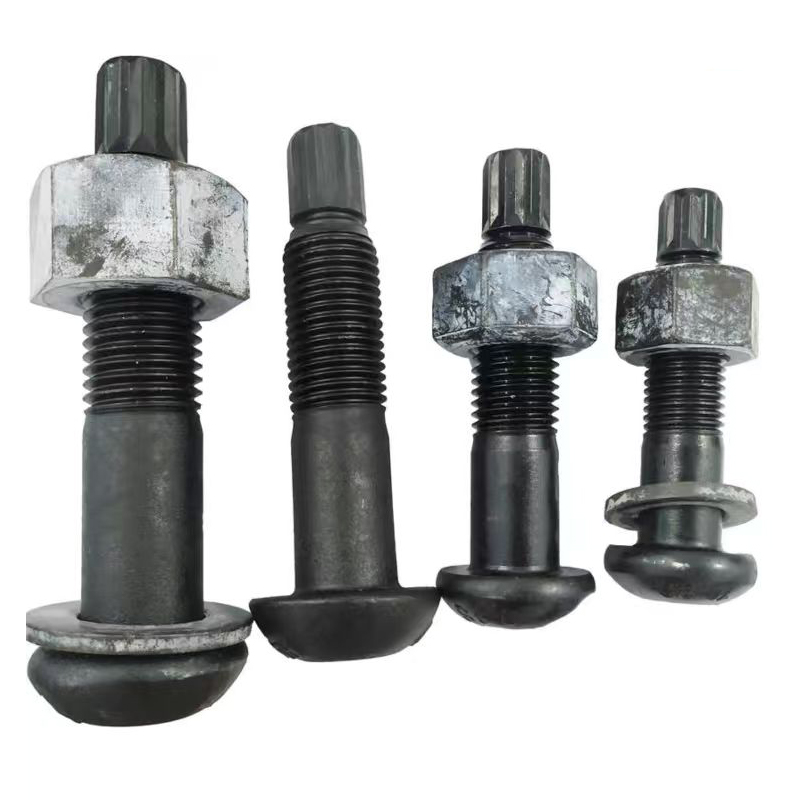 10.9S Torsion Shear Bolts
 -
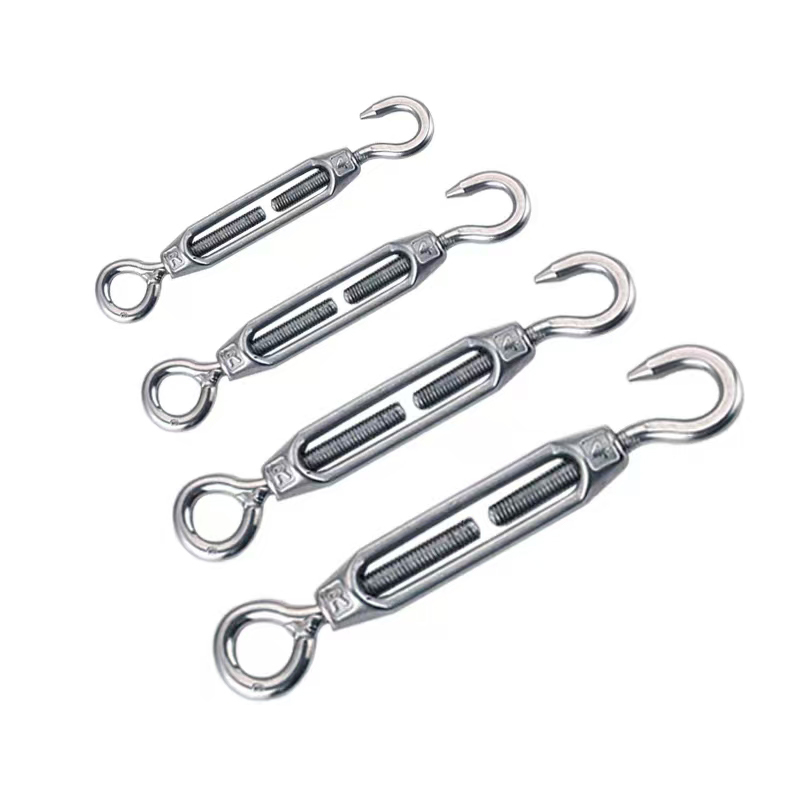 Basket bolts
 -
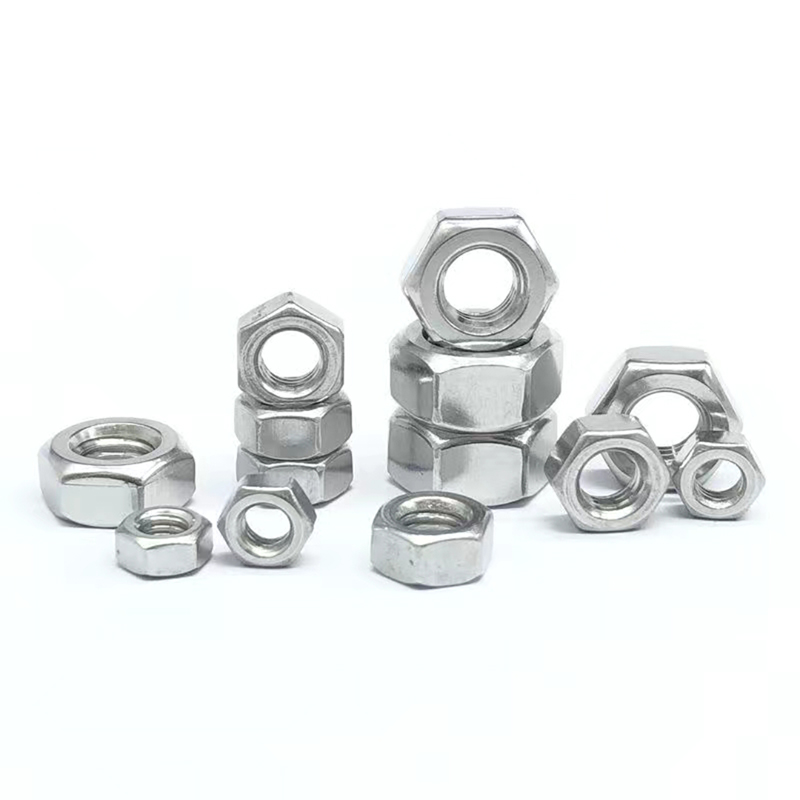 Electrogalvanized nuts
 -
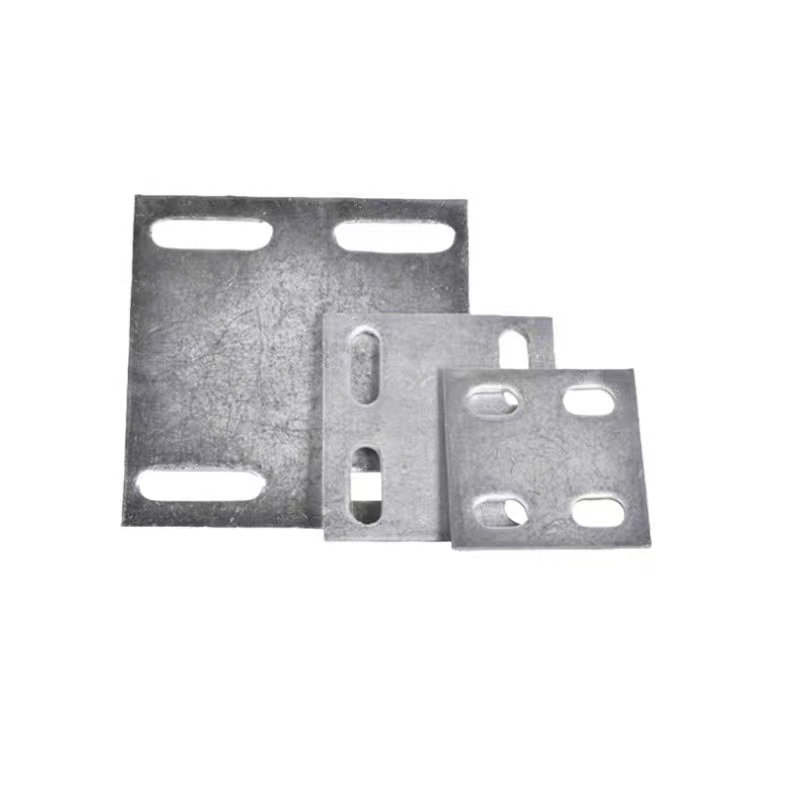 Hot-dip galvanized embedded plate
 -
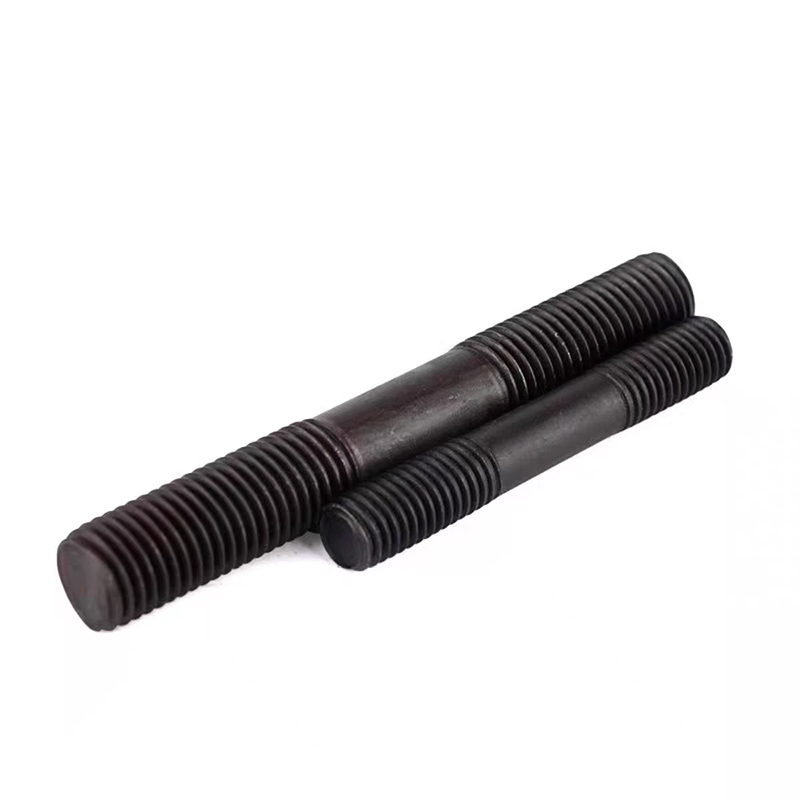 Stud bolts
 -
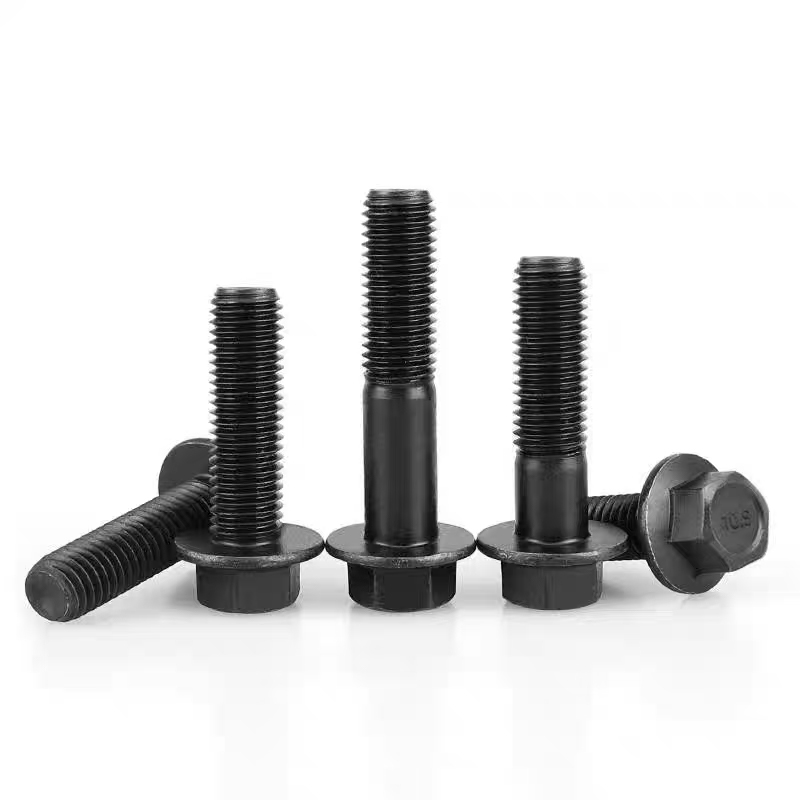 Black zinc flange bolts
 -
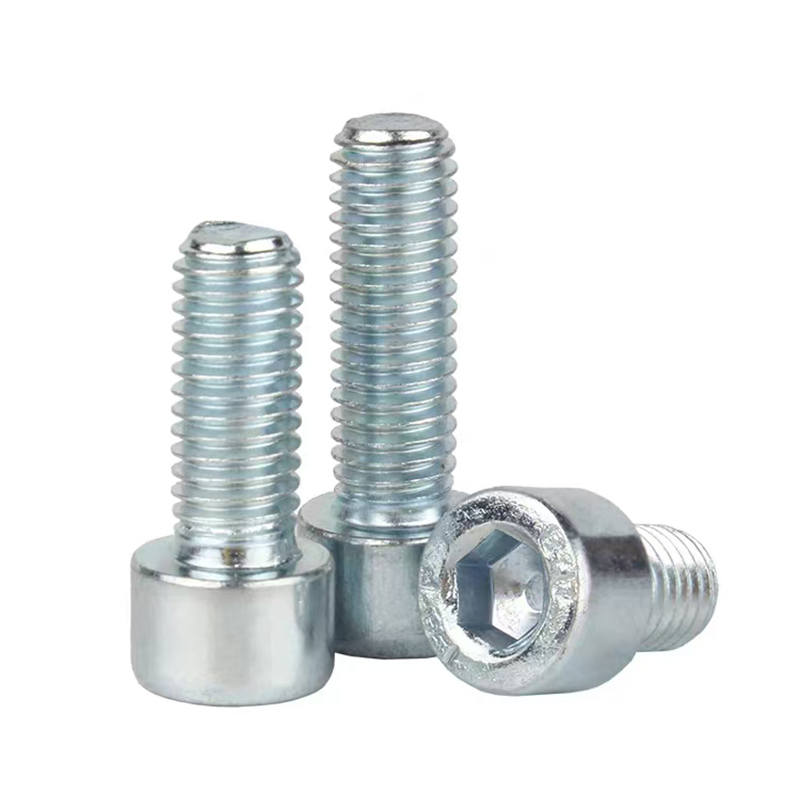 Hexagon socket electrogalvanized bolts
 -
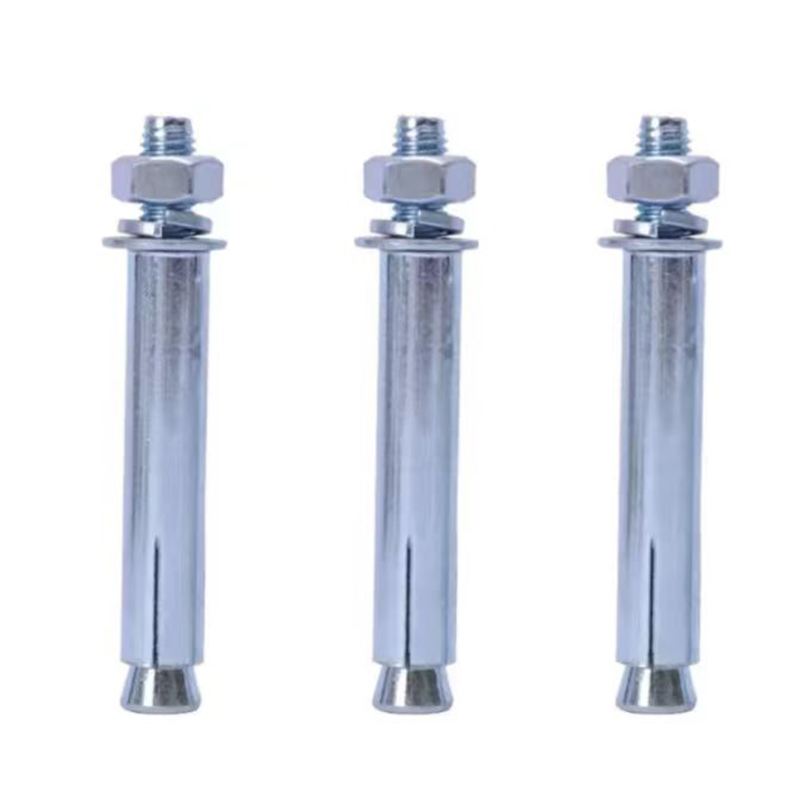 Electrogalvanized expansion bolts
 -
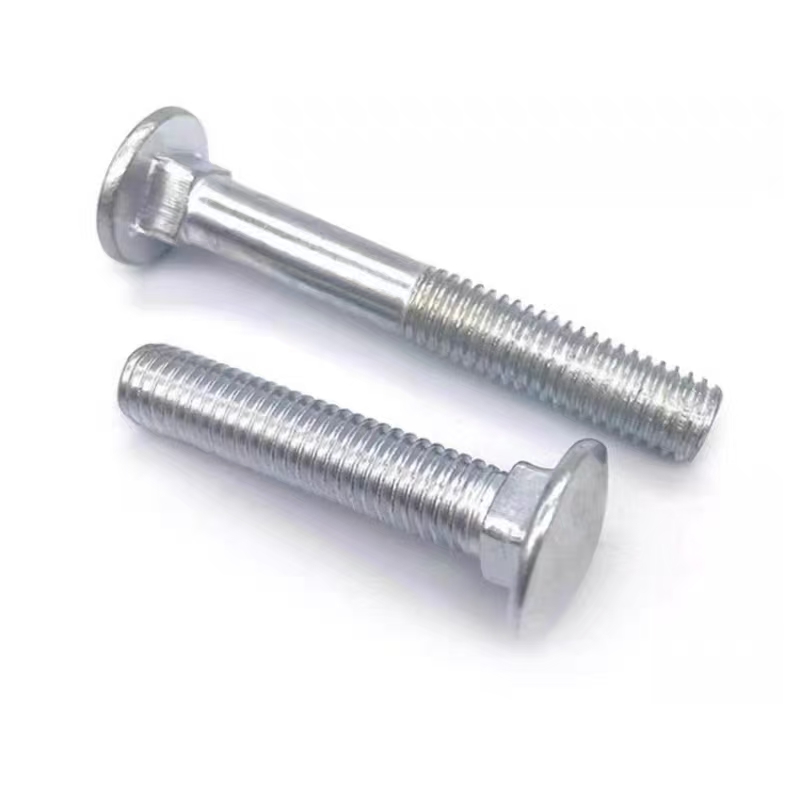 Carriage bolt (half-round head square neck bolt)
 -
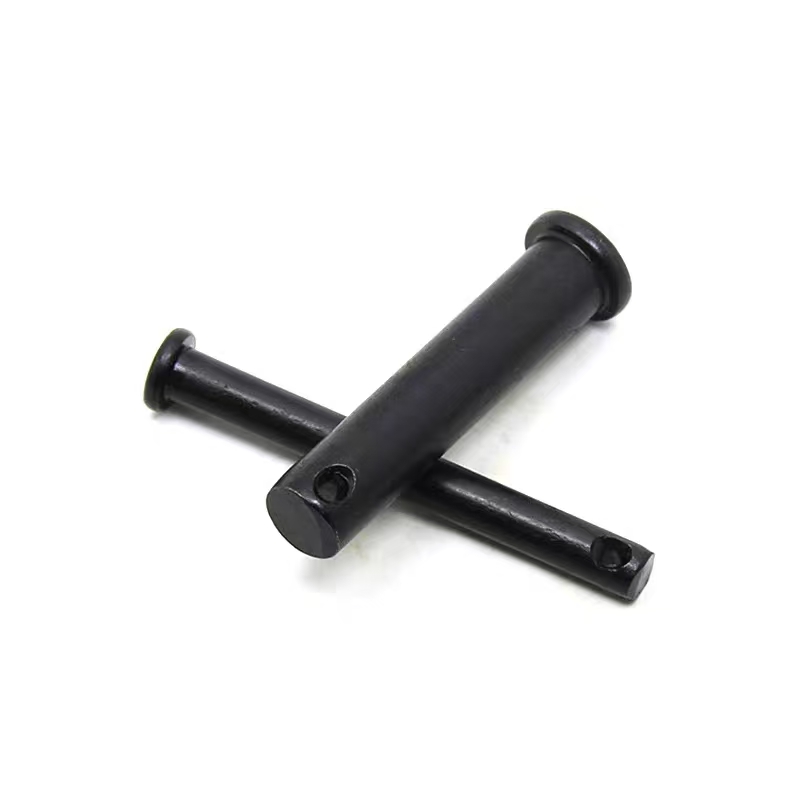 Black zinc plated pin shaft
 -
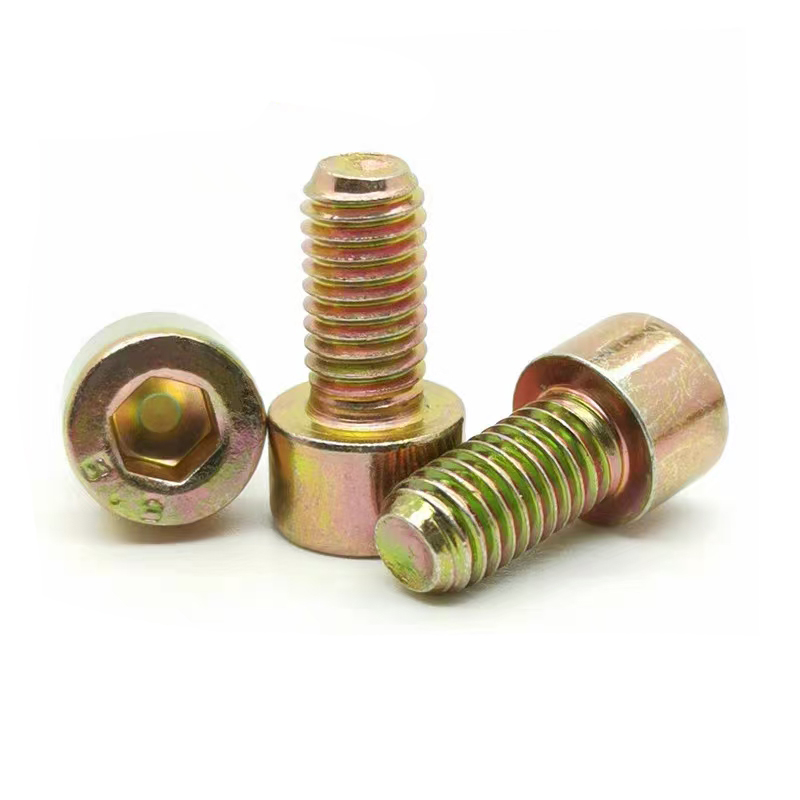 Hexagon socket colored zinc-plated bolts
 -
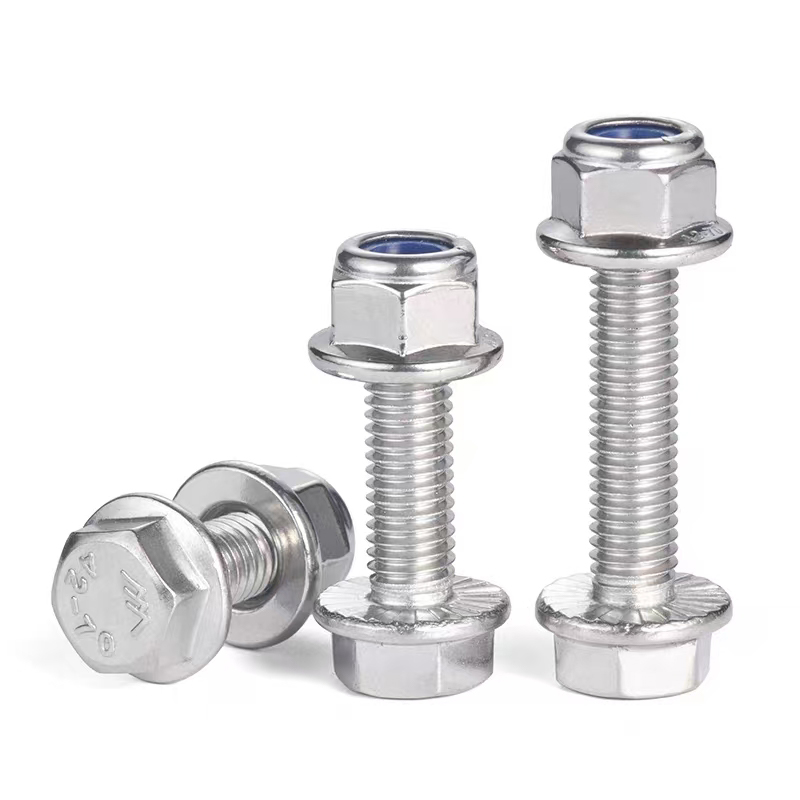 Electroplated zinc flange bolts