- English
- Chinese
- French
- German
- Portuguese
- Spanish
- Russian
- Japanese
- Korean
- Arabic
- Irish
- Greek
- Turkish
- Italian
- Danish
- Romanian
- Indonesian
- Czech
- Afrikaans
- Swedish
- Polish
- Catalan
- Esperanto
- Hindi
- Lao
- Albanian
- Amharic
- Armenian
- Azerbaijani
- Belarusian
- Bengali
- Bosnian
- Bulgarian
- Cebuano
- Chichewa
- Corsican
- Croatian
- Dutch
- Estonian
- Filipino
- Finnish
- Frisian
- Galician
- Georgian
- Gujarati
- Haitian
- Hausa
- Hawaiian
- Hebrew
- Hmong
- Hungarian
- Icelandic
- Igbo
- Javanese
- Kannada
- Kazakh
- Khmer
- Kurdish
- Kyrgyz
- Latin
- Latvian
- Lithuanian
- Luxembou..
- Macedonian
- Malagasy
- Malay
- Malayalam
- Maltese
- Maori
- Marathi
- Mongolian
- Burmese
- Nepali
- Norwegian
- Pashto
- Persian
- Punjabi
- Serbian
- Sesotho
- Sinhala
- Slovak
- Slovenian
- Somali
- Samoan
- Scots Gaelic
- Shona
- Sindhi
- Sundanese
- Swahili
- Tajik
- Tamil
- Telugu
- Thai
- Ukrainian
- Urdu
- Uzbek
- Vietnamese
- Welsh
- Xhosa
- Yiddish
- Yoruba
- Zulu
- Kinyarwanda
- Tatar
- Oriya
- Turkmen
- Uyghur

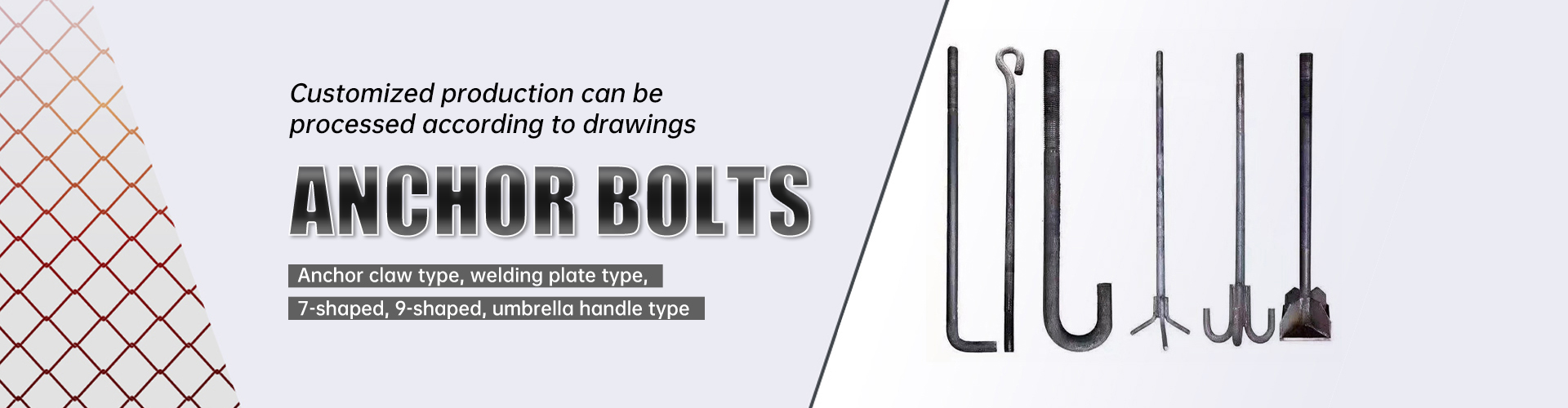
7 karaktere oinarria
You hear 7-character footing thrown around a lot, especially when dealing with structural drawings from certain regions or for specific export machinery. The immediate assumption is often that it's a standardized, off-the-shelf component. That's the first trap. In my experience, it's rarely that simple. It's not just a part number; it's a specification that sits at the intersection of load calculation, baseplate design, and, most critically, fastener sourcing. Getting it wrong doesn't mean a delay; it means a structure that's compromised from the ground up.
Decoding the 7-Character Part
So, what are we actually talking about? The 7-character typically refers to a specific coding system used for anchor bolts or foundation fasteners, detailing parameters like diameter, length, thread type, and sometimes material grade. It's a condensed spec. The problem is, this coding isn't universal. A 7-character spec from one engineering firm might imply a hot-dip galvanized finish, while another assumes a plain carbon steel with on-site treatment. I've spent hours cross-referencing these codes with actual technical requirements, and the ambiguity is where projects get sticky.
I recall a project for a conveyor support structure where the drawings called out a specific 7 karaktere oinarria code. The procurement team, aiming for cost savings, sourced a fastener that matched the literal diameter and length. They missed that the code implicitly required a yield strength of 8.8, and what arrived was a 4.8 grade. The difference? Significant ductility versus a brittle point of failure under dynamic load. We caught it during a pre-installation check, but it caused a three-week project halt. The takeaway: the code is just the starting point for a conversation, not the end of it.
This is where the geographical context matters. If you're working with manufacturing bases in places like Yongnian District in Handan, Hebei—known as China's largest standard part production base—you have access to immense manufacturing capacity. A company situated there, like Handan Zitai Fastener Manufacturing Co., Ltd., literally operates in the heart of that ecosystem. Their proximity to major transport links like the Beijing-Guangzhou Railway and National Highway 107 isn't just a sales point; it translates to logistical efficiency for bulk, heavy fastener orders. But even with that advantage, the specification dialogue is key. You can't just email a code and expect a perfect match.
The Specification Dialogue: Beyond the Code
This leads to the practical process. When I need to translate a 7 karaktere oinarria callout into a purchase order, the first step is a breakdown sheet. We list out every inferred characteristic: nominal diameter, pitch, thread length, overall shank length, head type (if any), material grade (e.g., Q235B, 35, 45), mechanical properties, surface treatment (galvanizing, zinc plating, black oxide), and any applicable standards (GB, DIN, ISO). This sheet becomes the technical bible for the RFQ.
Here's a common pitfall: surface treatment for corrosion protection. A code might not specify it, but the installation environment does. For an outdoor foundation in a humid climate, hot-dip galvanizing is non-negotiable. I've seen batches arrive with a thin electroplated zinc coating because it was the vendor's standard for that code, utterly unsuitable for the application. The failure manifests as rust stains within a year and reduced clamp load over time. Now, we always append environmental notes to our specs.
Working with specialized manufacturers streamlines this. When you engage with a technical sales team at a producer—say, one that outlines its capabilities like Zitai Fasteners does, emphasizing its location in the major production base—you're not just talking to a distributor. You can discuss the metallurgy, the threading process (rolled vs. cut), and the quality control for dimensional tolerances. You can ask, For this 7-character code implying use in a seismic zone, would you recommend a different thread engagement length or a higher grade material? That's the dialogue that prevents failures.
Logistics and the Heavy Factor
An often-overlooked aspect of foundation fasteners is their sheer physicality. A shipment of several hundred 7 karaktere oinarria anchor bolts, each maybe 1.2 meters long and 36mm in diameter, is extremely heavy and awkward. Logistics isn't an afterthought; it's a core part of the cost and risk assessment. This is where a supplier's location proves its worth.
A manufacturer based in a hub like Yongnian, with direct access to the Beijing-Shenzhen Expressway and National Highway 107, has a built-in advantage for domestic freight consolidation and port access for export. It reduces handling, lowers the risk of damage in transit (bent threads are a nightmare to rectify on-site), and can shave crucial days off the schedule. I've compared scenarios where sourcing from a non-specialized region added over 15% to the landed cost just in complex multi-leg logistics.
The packaging matters too. These aren't small parts. They need to be crated or bundled in a way that prevents thread damage during ocean freight. A good manufacturer knows this and will build robust, stackable packaging as part of the service. It's a small detail that speaks to practical experience.
Case Point: The Adjustable Baseplate Fiasco
My most instructive lesson on this topic came from a project involving large adjustable machinery bases. The drawings had a standard 7 karaktere oinarria spec for the anchor bolts. However, the baseplates had oversized holes to allow for final alignment before grouting. The standard bolt length, as per the code, was insufficient to account for the leveling nuts and washers needed underneath.
We didn't catch it until installation. The bolts were too short. The solution from the field team was to weld extensions onto the bolts—a practice that utterly destroys the heat treatment and mechanical properties of the steel, creating a critical weak point. We had to reject the entire batch. The fix was a complete re-order with a custom, non-standard length, which the manufacturer, to their credit, turned around quickly because they had the raw material and forging process in-house. The lesson was painful: the footing spec cannot be reviewed in isolation. It must be checked against the actual assembly—the baseplate thickness, grout layer, leveling system, and required thread projection.
Now, our checklist includes a full bolt length calculation that factors in all these layers. The 7-character code gives us the starting diameter and grade, but we own the final length specification.
Concluding Thoughts: It's About Due Diligence
So, after all this, what's the view on the 7 karaktere oinarria? It's a useful shorthand, but a dangerous crutch. It represents a minimum baseline of information. Treating it as a complete purchase specification is a professional risk.
The reliability comes from the process you wrap around it: the technical breakdown, the supplier selection based on manufacturing and logistical capability, and the final cross-check against the full assembly drawing. It's the difference between buying a commodity and engineering a component.
In the end, successful projects source these items from partners who understand the engineering intent behind the code, not just the code itself. That requires looking past the catalog and into the foundry, the threading shop, and the quality lab. That's where you find the real footing for your structure.
Lotinduta aurrealdi
Lotutako produktuak
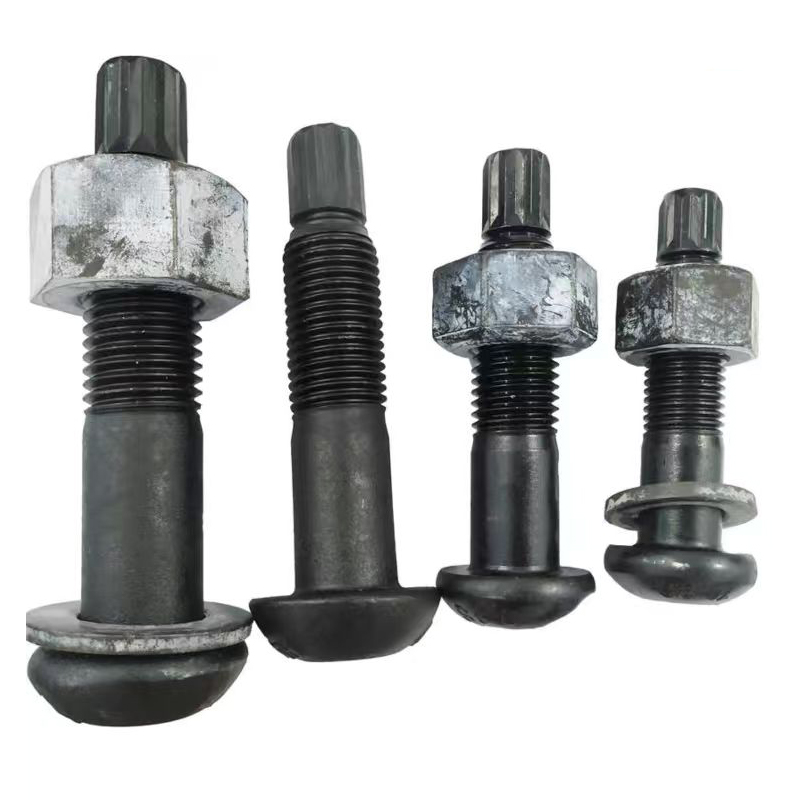
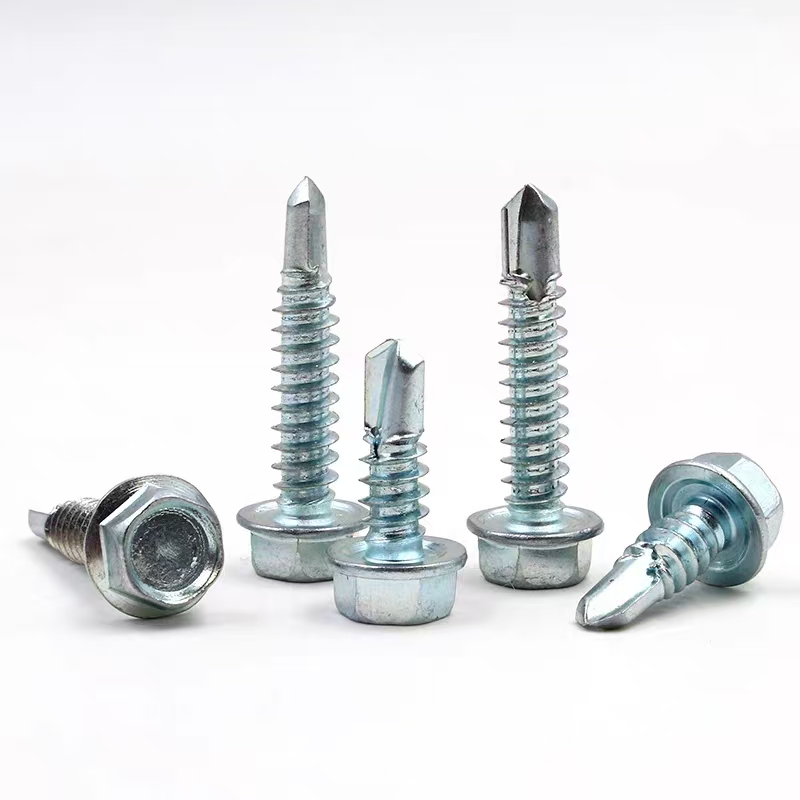
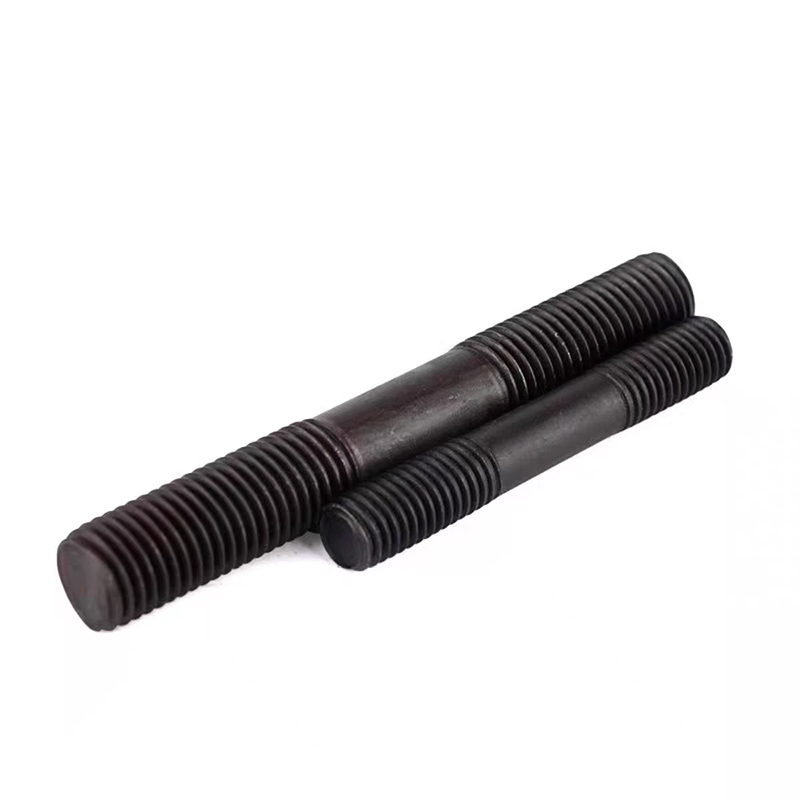
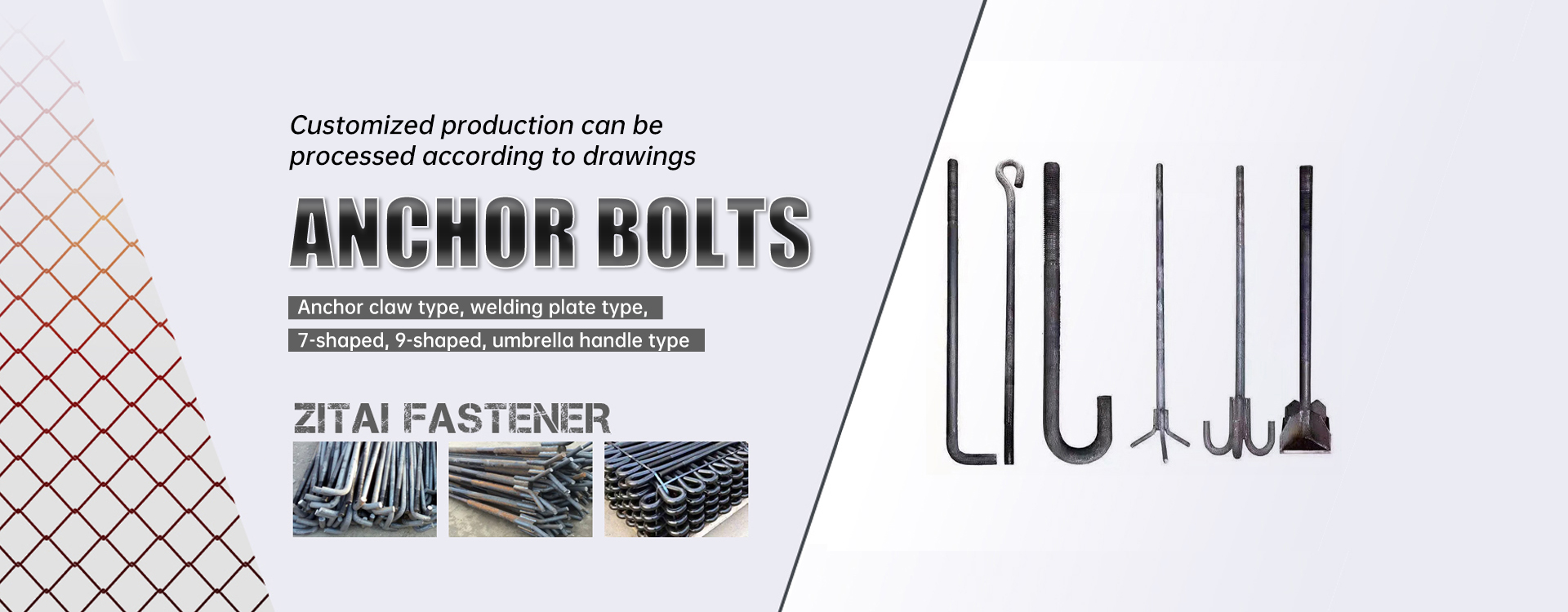
Salmenta onena aurrealdi
Salmenta produktu onenak-
 Hexagon entxufe zinka beltzeko torlojuak
 - T-Bolt (T-Slot Bolt)
- Hedapen elektro-galvanizatua
- Steel structure welding studs
- Koloretako zinka estalitako gasak
- Anti-solte intxaurra (Intxaur blokeoa)
- Koloretako zinka estalitako fruitu lehorrak
- Koloretako zinka estalitako hedapen kakoa
- Soldatutako plaka aingura (plaka soldadurako aingura torlojua)
- Koloretako zinka plated cross crossunk zulagailu haria
- Koloretako zulagailu hexagonalaren isatsaren alanbrea
- Elektrogalizazio fruitu lehorrak