
- English
- Chinese
- French
- German
- Portuguese
- Spanish
- Russian
- Japanese
- Korean
- Arabic
- Irish
- Greek
- Turkish
- Italian
- Danish
- Romanian
- Indonesian
- Czech
- Afrikaans
- Swedish
- Polish
- Catalan
- Esperanto
- Hindi
- Lao
- Albanian
- Amharic
- Armenian
- Azerbaijani
- Belarusian
- Bengali
- Bosnian
- Bulgarian
- Cebuano
- Chichewa
- Corsican
- Croatian
- Dutch
- Estonian
- Filipino
- Finnish
- Frisian
- Galician
- Georgian
- Gujarati
- Haitian
- Hausa
- Hawaiian
- Hebrew
- Hmong
- Hungarian
- Icelandic
- Igbo
- Javanese
- Kannada
- Kazakh
- Khmer
- Kurdish
- Kyrgyz
- Latin
- Latvian
- Lithuanian
- Luxembou..
- Macedonian
- Malagasy
- Malay
- Malayalam
- Maltese
- Maori
- Marathi
- Mongolian
- Burmese
- Nepali
- Norwegian
- Pashto
- Persian
- Punjabi
- Serbian
- Sesotho
- Sinhala
- Slovak
- Slovenian
- Somali
- Samoan
- Scots Gaelic
- Shona
- Sindhi
- Sundanese
- Swahili
- Tajik
- Tamil
- Telugu
- Thai
- Ukrainian
- Urdu
- Uzbek
- Vietnamese
- Welsh
- Xhosa
- Yiddish
- Yoruba
- Zulu
- Kinyarwanda
- Tatar
- Oriya
- Turkmen
- Uyghur


bearing
When most people hear 'bearing', they picture a simple ring of steel balls. That's the first misconception. In practice, it's the heart of motion, and getting it wrong means downtime, cost, noise—failure. I've seen too many projects treat it as a commodity part, a line item, only to face the consequences later. Let's talk about what it really involves.
The Core Misunderstanding: Specification vs. Application
You can have the perfect spec sheet—load ratings, tolerances, materials from a top-tier manufacturer—and still end up with a catastrophic failure. The spec is just theory. The real world introduces variables the catalog doesn't cover: bearing housing alignment, thermal expansion of the surrounding structure, ingress of contaminants from the plant environment. I recall a gearbox on a conveyor system in a cement plant. We used a high-capacity spherical roller bearing, textbook choice. Failed in six months. The spec was right for the load, but wrong for the constant, fine abrasive dust that bypassed the seal. The lesson? The environment is part of the bearing specification.
This is where the sourcing location matters. A production base like Yongnian District in Handan, known as China's fastener hub, isn't just about cost. It's about being embedded in an ecosystem. A manufacturer there, say Handan Zitai Fastener Manufacturing Co., Ltd., sees the application range from agricultural machinery to industrial presses. Their perspective isn't just about making a part; it's about understanding what that part goes into. The convenience of their location near major transport routes means they're logistics-savvy, which translates to understanding supply chain stresses that can affect part quality—like storage conditions during transit.
The failure mode I mentioned earlier? We solved it not by upgrading the bearing grade, but by re-evaluating the sealing system and switching to a bearing with a different internal clearance to handle the heat from friction differently. The part number changed, but the core type didn't. That's application engineering.
Material and Heat: The Unseen Dance
Speaking of heat, material choice is another pitfall. Chrome steel is the default, but it's not universal. For high-temperature applications—think dryer drums or kiln idlers—you need stabilized steels. But here's a nuance: the heat treatment of the bearing rings and the heat treatment of the shaft or housing must be considered together. Differential expansion rates will either create excessive preload or looseness.
I worked on a retrofit for a steel mill crane. The original bearings were failing prematurely. The diagnosis pointed to high ambient heat. We spec'd a high-temperature bearing material. It helped, but not enough. The real fix was analyzing the lubrication interval. The grease was carbonizing faster than anticipated. So, we paired the better material with a synthetic, high-temperature grease and a modified re-lubrication schedule. The material was only 40% of the solution.
This is why manufacturers in integrated industrial bases have an edge. They're not just selling a bearing; they're often asked for the ancillary components—the fasteners for the housing, the washers, the seals. A company like Zitai, operating from such a base, inherently understands these mechanical relationships. Their expertise in fasteners means they grasp clamp loads, joint integrity, and how that affects the bearing seat's stability. It's a systemic view.
Precision and the Good Enough Trap
Precision classes—ABEC 1, 3, 5, 7, etc.—are well known. The trap is assuming higher is always better. For a high-speed machine tool spindle? Absolutely, you need ABEC 7 or 9. For a slow-rotating, heavily loaded vibrating screen? An ABEC 1 or even a commercial grade with a focus on radial internal clearance (C3, C4) is often more appropriate and cost-effective. Paying for precision you don't need is a waste, but underspecifying it kills performance.
I've witnessed a maintenance team replace a failed P5 precision bearing in a pump with a standard grade to save money. The pump ran, but vibration increased, seal life dropped, and energy consumption crept up. Within a year, the total cost of the cheaper bearing was higher. The precision wasn't about snobbery; it was about controlling runout and heat generation at the pump's operational RPM.
Judging this requires honest conversation with the supplier. Can they consistently deliver the tolerance you need? A manufacturer situated in a major production cluster is typically geared for volume, but the better ones have dedicated lines or QC processes for different precision tiers. Their proximity to raw material and processing supply chains, as implied by a location like Handan, can mean more consistent control over the forging and heat treatment stages that define precision.
Lubrication: The Make-or-Break Factor
If I had to name the single most common point of failure, it's lubrication. It's either the wrong type, the wrong amount, or contaminated. A bearing is a system: rings, rolling elements, cage, and lubricant. Forget the last one, and the rest are scrap metal.
Grease vs. oil is the first decision. Grease is simpler, seals in contaminants. Oil is better for heat dissipation and high speeds. But within grease, there are thickeners (lithium, calcium, polyurea) and base oil viscosities. A common error is mixing greases with incompatible thickeners, causing a breakdown. We once had a plant-wide re-lube program cause failures because the new, better grease reacted with the old residue.
The takeaway? Document your lubrication regime as rigorously as your bearing part number. And consider the supplier's role. A technical partner should offer guidance here, not just a parts list. A integrated manufacturer's perspective is valuable because they see how their fasteners and bearings interact with sealants and greases in assembled products.
Logistics and the Reality of Supply
Finally, let's talk about getting the part. A bearing is useless if it's not there when the machine is down. Lead times, packaging, and stock availability are critical. This is where geographic and logistical advantages become tangible.
A manufacturer based in a central hub with direct access to road and rail networks, like the area around Handan adjacent to the Beijing-Guangzhou Railway and expressways, can turn around orders and manage logistics more predictably. For a global buyer, this means reduced risk of delays at critical ports. For a domestic project in China, it can mean next-day availability.
I've managed projects where the engineering was flawless, but a shipping delay for a single special bearing held up commissioning for weeks. Now, we always qualify a second source or verify the supplier's logistical chain. The company profile of a firm like Handan Zitai Fastener Manufacturing Co., Ltd. highlights this logistical setup not as a boast, but as a fundamental part of their value proposition—it ensures the part you spec is the part you get, on time and in condition. In our world, that reliability is as important as the hardness of the steel.
So, a bearing is never just a bearing. It's a decision nexus of physics, material science, chemistry, and logistics. Getting it right means looking past the catalog to the gritty reality of where and how it will turn. That's the difference between a smooth rotation and a costly, grinding halt.
Lotinduta aurrealdi
Lotutako produktuak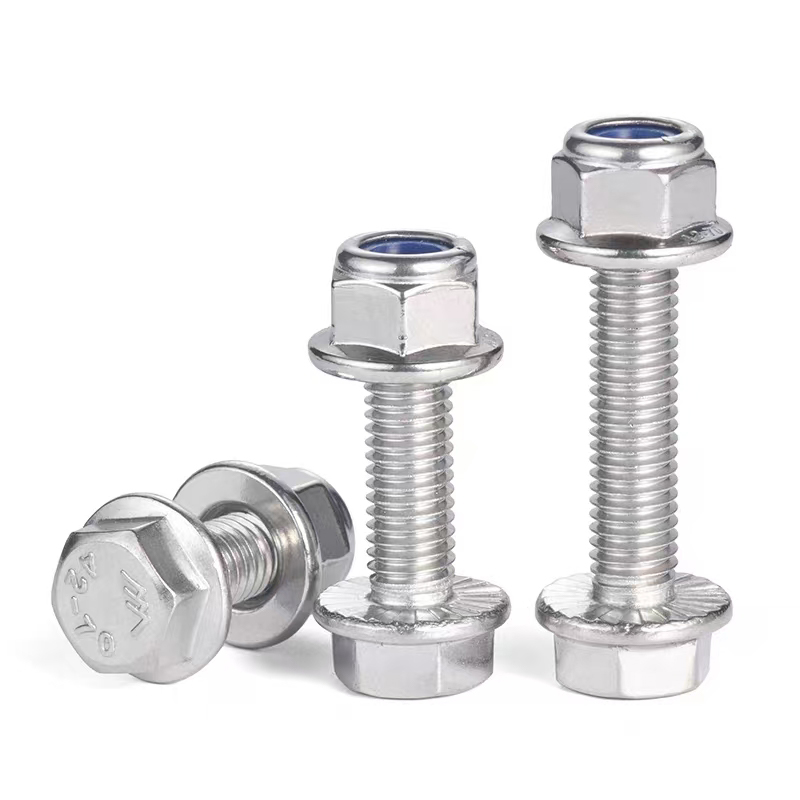
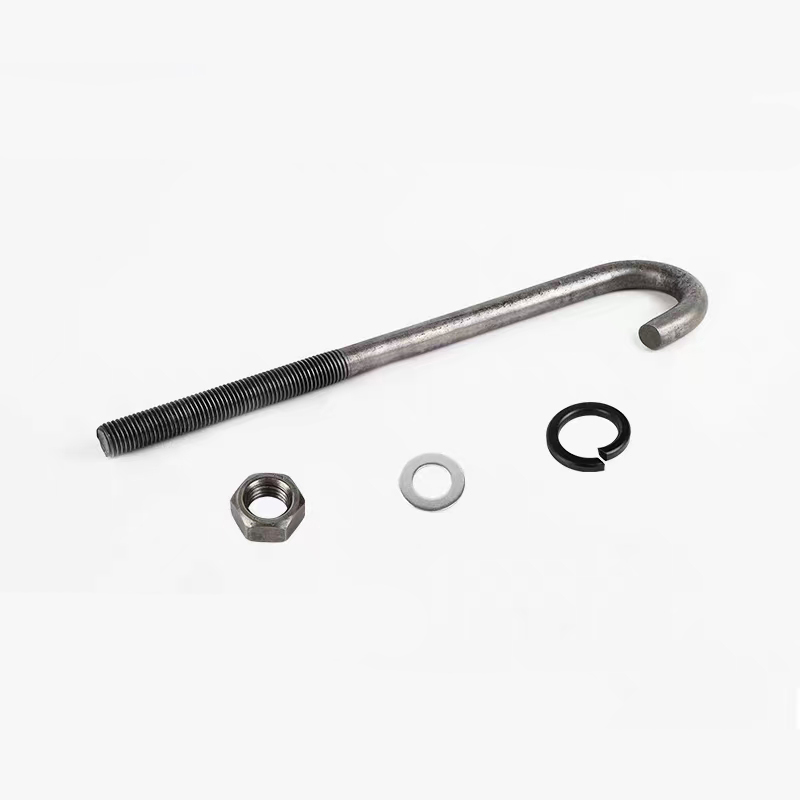
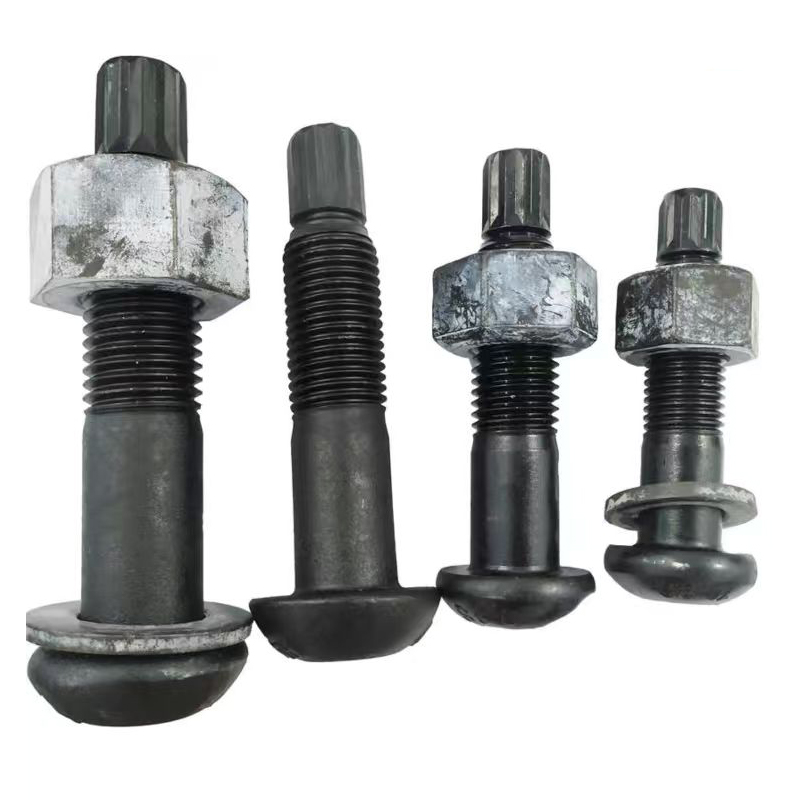
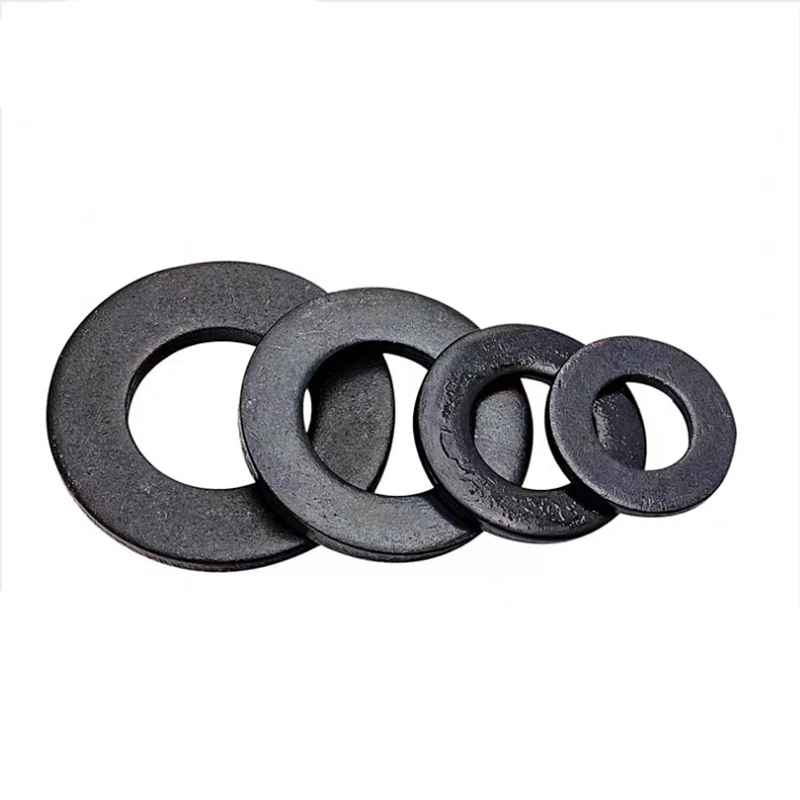
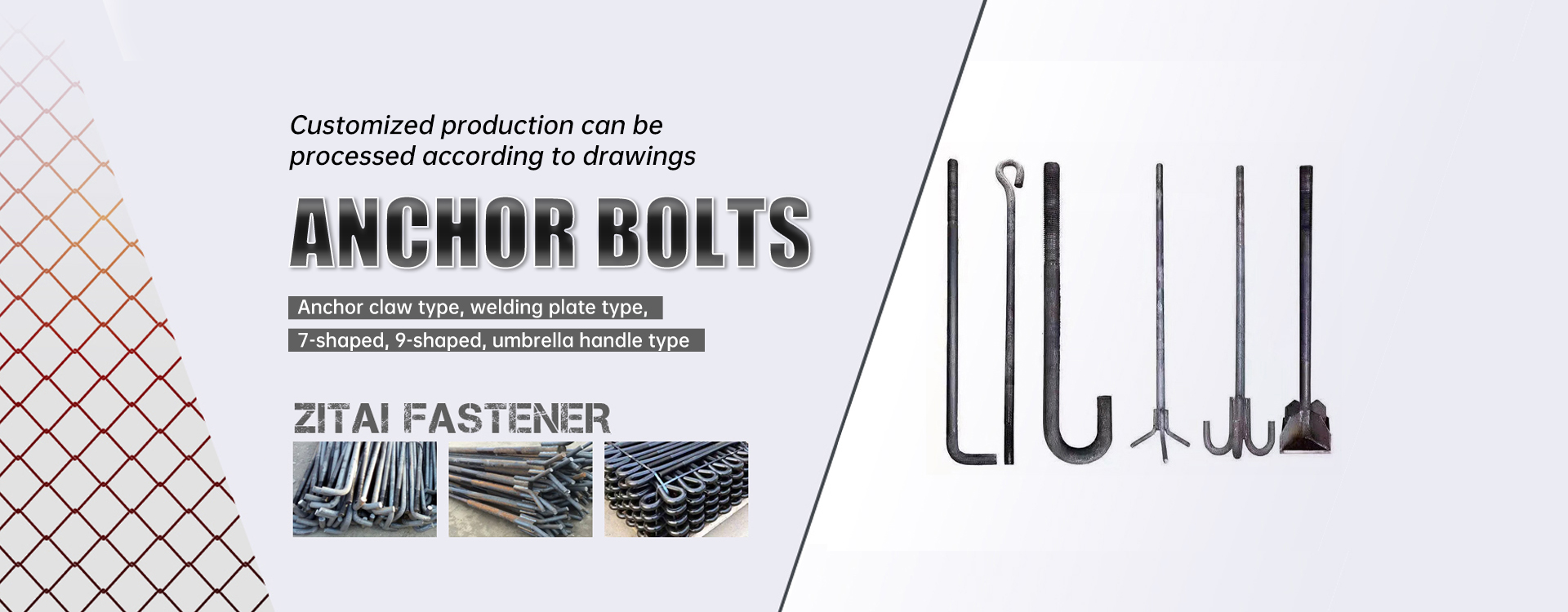
Salmenta onena aurrealdi
Salmenta produktu onenak-
 Soldadura Intxaurrak (Soldadura Intxaurrak)
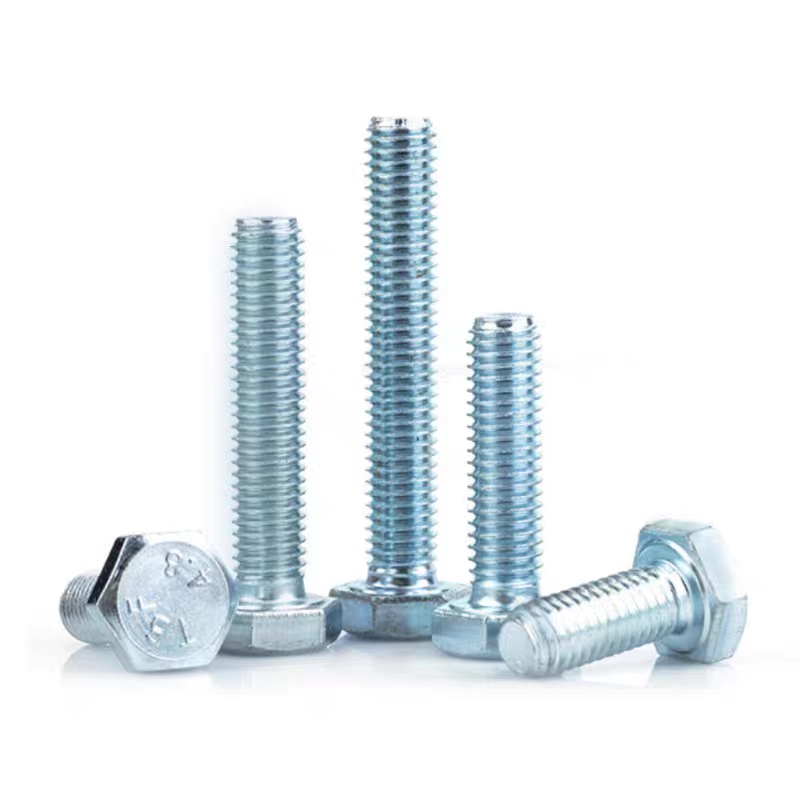
 - Zulagailu hexagonal elektro-galvanizatua
- Basketarako torlojuak
- Hedapen elektro-galvanizatua
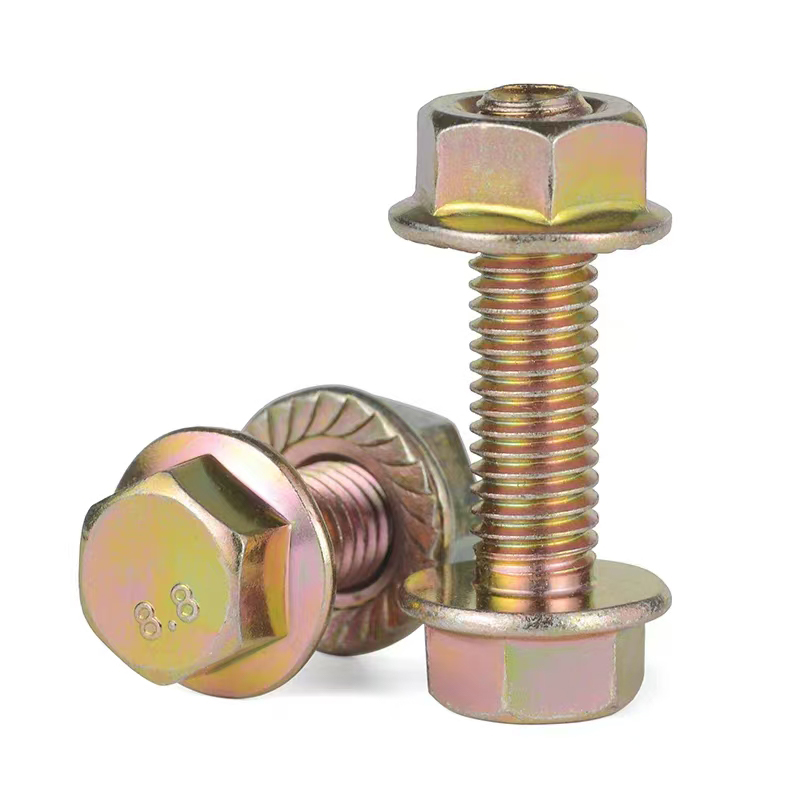
- Koloretako zinka brida torlojuak
- Koloretako zinka estalitako fruitu lehorrak
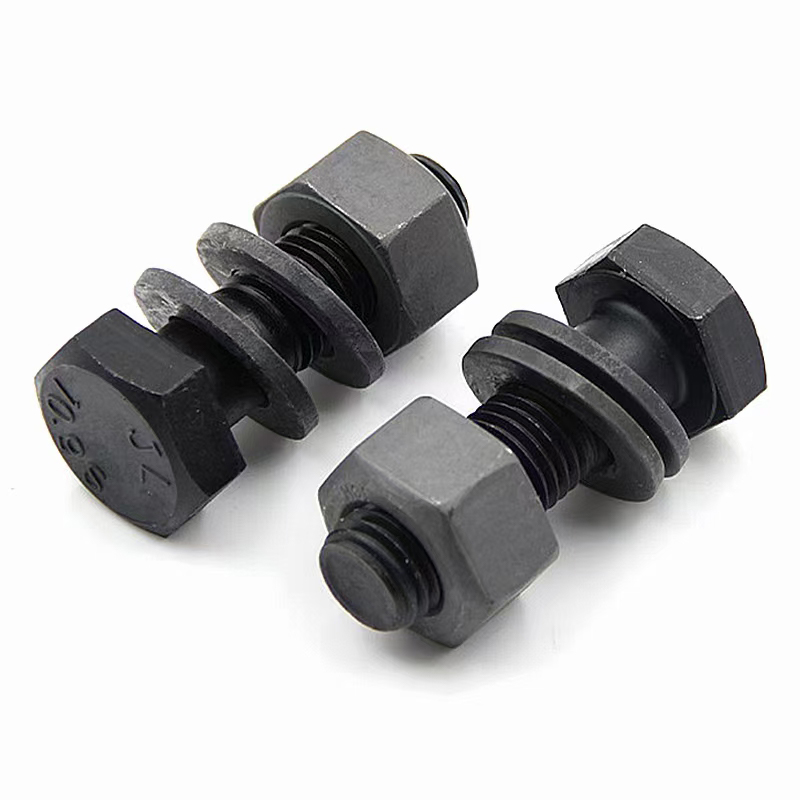
- Indar handiko fruitu lehorrak
- T-Bolt (T-Slot Bolt)
- Elektrogalizazio bisagra torlojuak
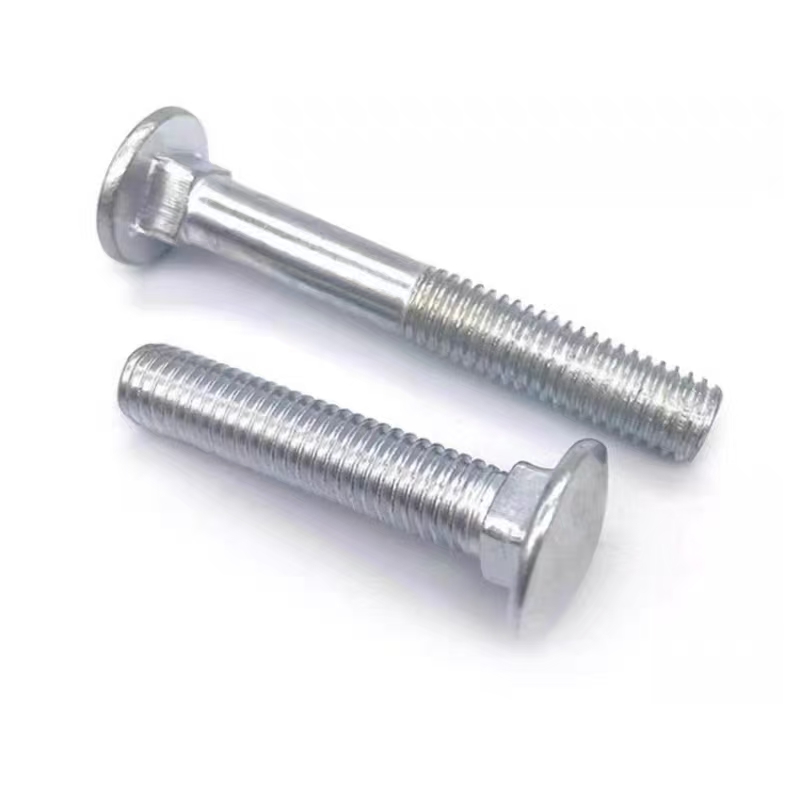
- Gurdiaren boltsa (erdi biribileko lepoko torlojua)
- Zink beltz estalitako mahuka-bolatxo beltzak
- Koloretako zinka plated cross cross bolts
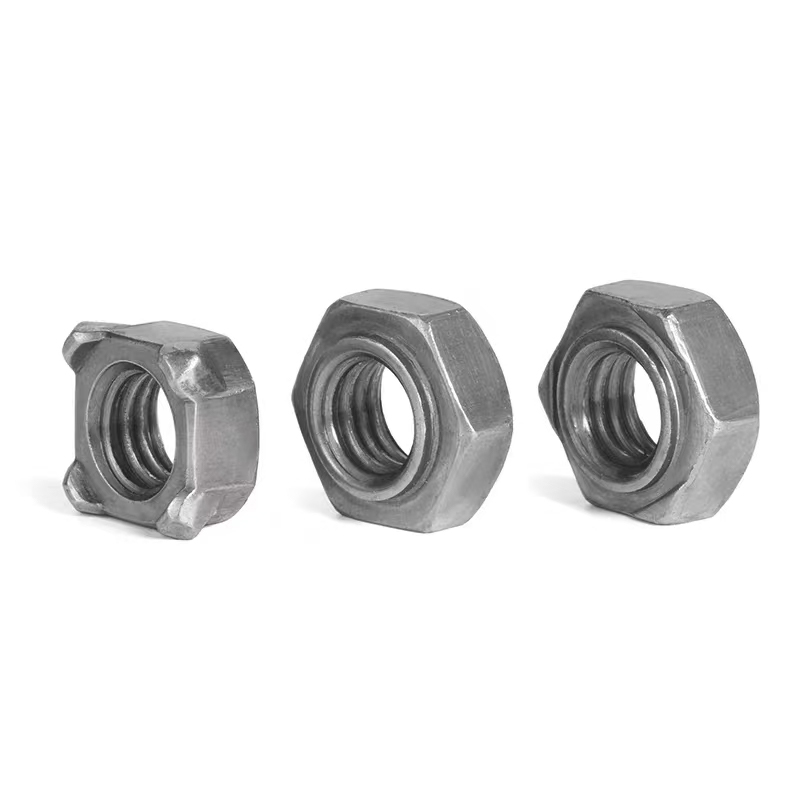
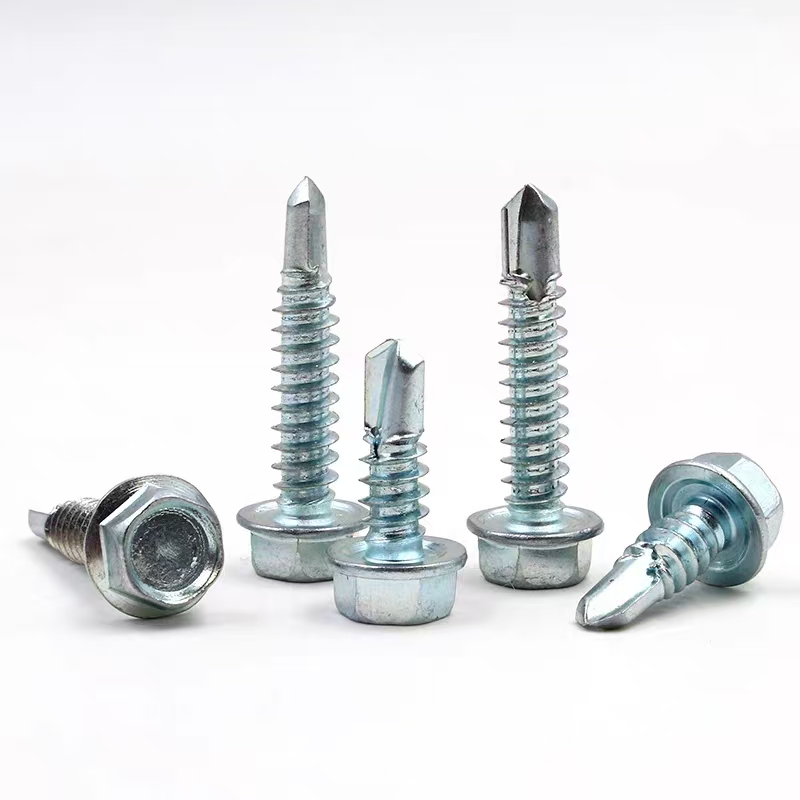
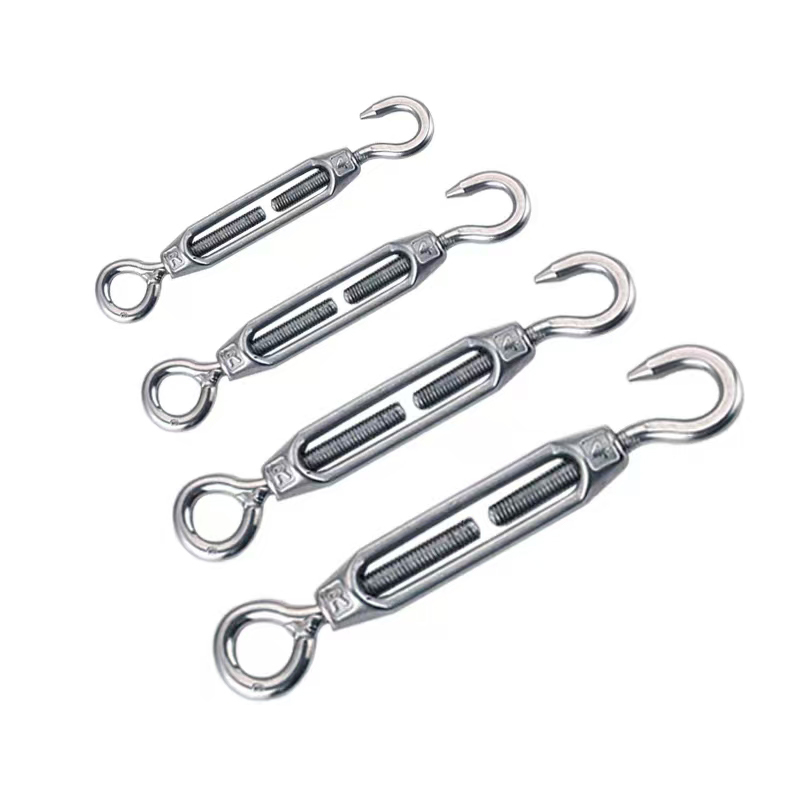
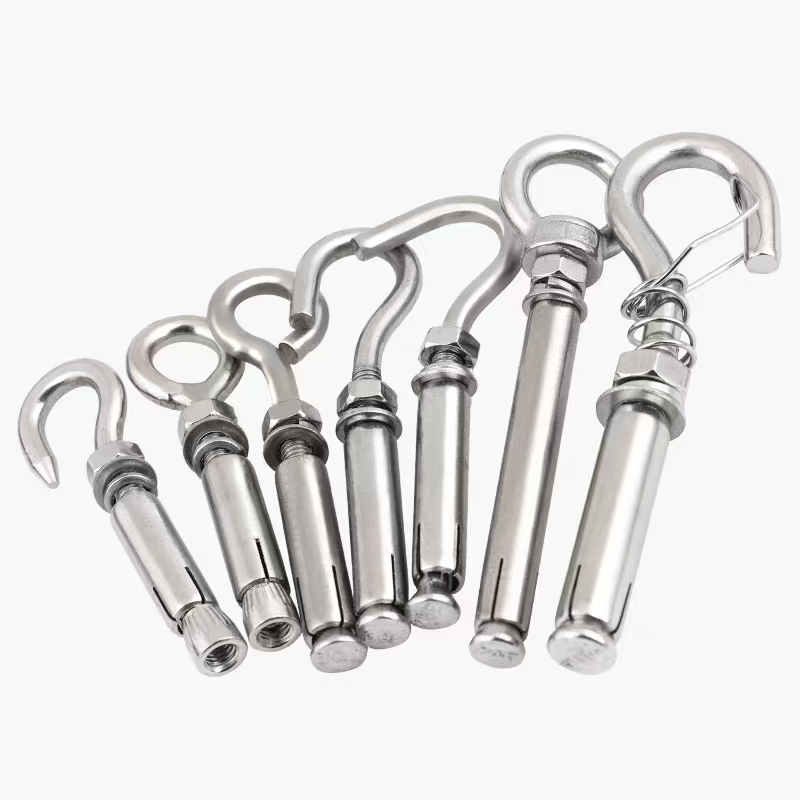
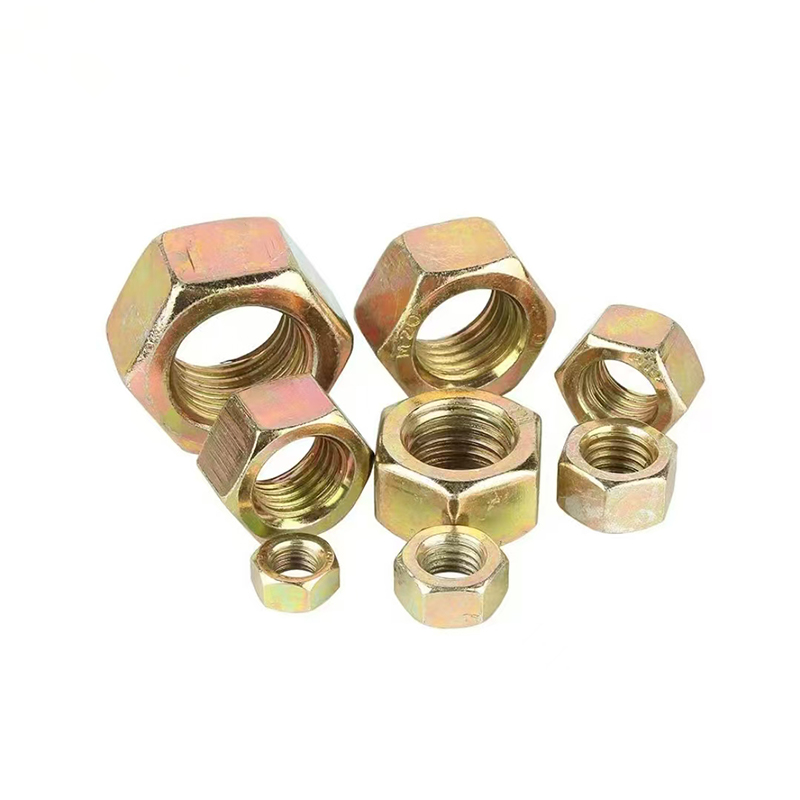
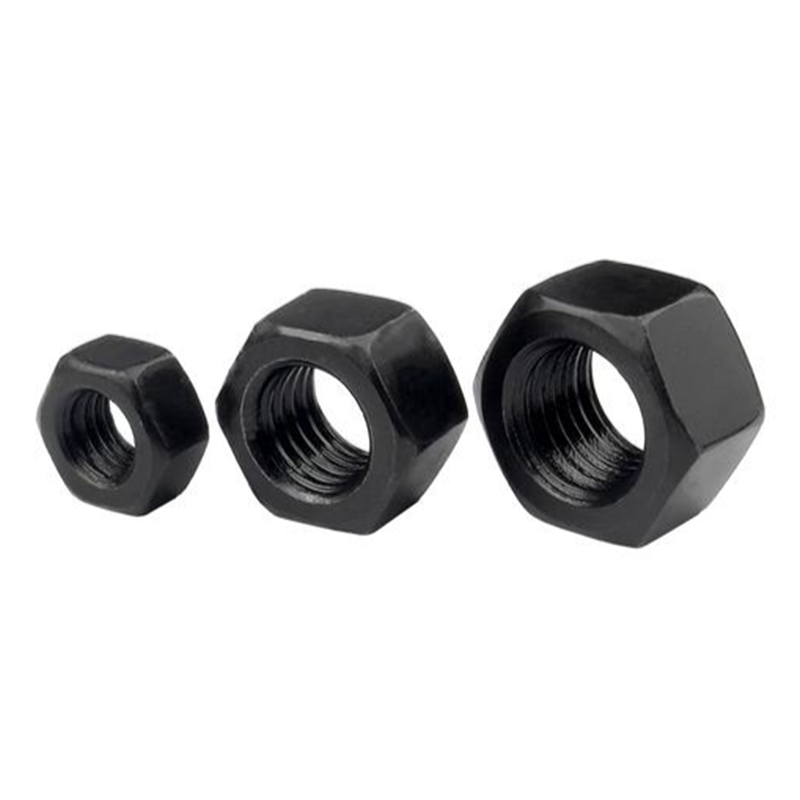
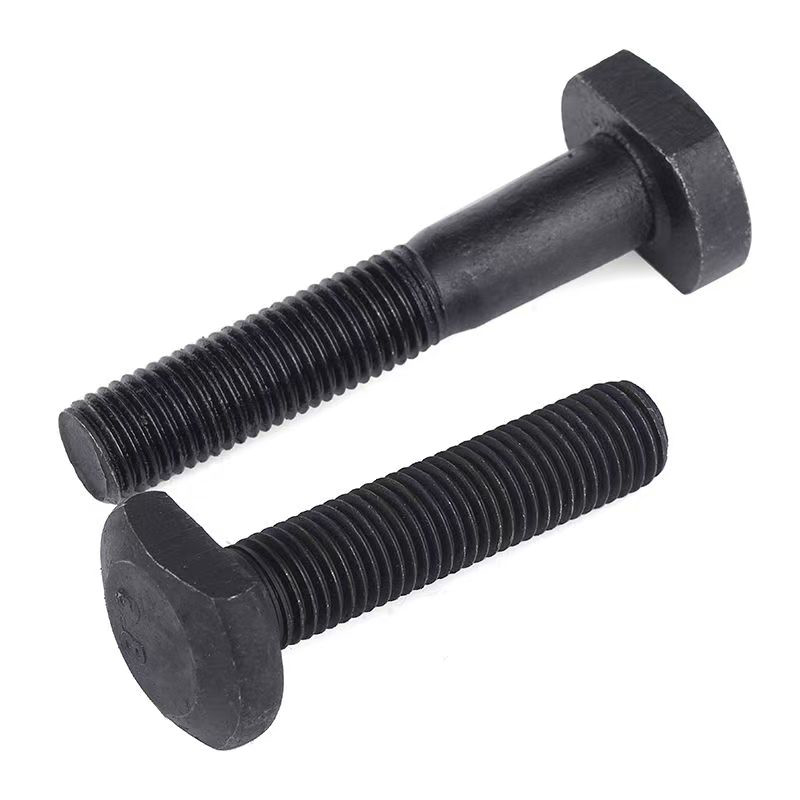
Lotinduta araketa
Lotutako bilaketa- 5 8 hedapen boltsa
- torloju torlojua
- Handizkako tenperatura altuko juntadura materiala
- Handizkako potentzia boltsa
- Handizkako 10mm hedapen boltaren prezioa
- Txina 7 karaktere oinarria
- Koloretako zinka estalitako juntadura
- Txina koloretako zinka-plated cross cross crossunk haria
- Txina m8 u torlojua
- Txina Eskuineko gauzak gasket


