
- English
- Chinese
- French
- German
- Portuguese
- Spanish
- Russian
- Japanese
- Korean
- Arabic
- Irish
- Greek
- Turkish
- Italian
- Danish
- Romanian
- Indonesian
- Czech
- Afrikaans
- Swedish
- Polish
- Catalan
- Esperanto
- Hindi
- Lao
- Albanian
- Amharic
- Armenian
- Azerbaijani
- Belarusian
- Bengali
- Bosnian
- Bulgarian
- Cebuano
- Chichewa
- Corsican
- Croatian
- Dutch
- Estonian
- Filipino
- Finnish
- Frisian
- Galician
- Georgian
- Gujarati
- Haitian
- Hausa
- Hawaiian
- Hebrew
- Hmong
- Hungarian
- Icelandic
- Igbo
- Javanese
- Kannada
- Kazakh
- Khmer
- Kurdish
- Kyrgyz
- Latin
- Latvian
- Lithuanian
- Luxembou..
- Macedonian
- Malagasy
- Malay
- Malayalam
- Maltese
- Maori
- Marathi
- Mongolian
- Burmese
- Nepali
- Norwegian
- Pashto
- Persian
- Punjabi
- Serbian
- Sesotho
- Sinhala
- Slovak
- Slovenian
- Somali
- Samoan
- Scots Gaelic
- Shona
- Sindhi
- Sundanese
- Swahili
- Tajik
- Tamil
- Telugu
- Thai
- Ukrainian
- Urdu
- Uzbek
- Vietnamese
- Welsh
- Xhosa
- Yiddish
- Yoruba
- Zulu
- Kinyarwanda
- Tatar
- Oriya
- Turkmen
- Uyghur

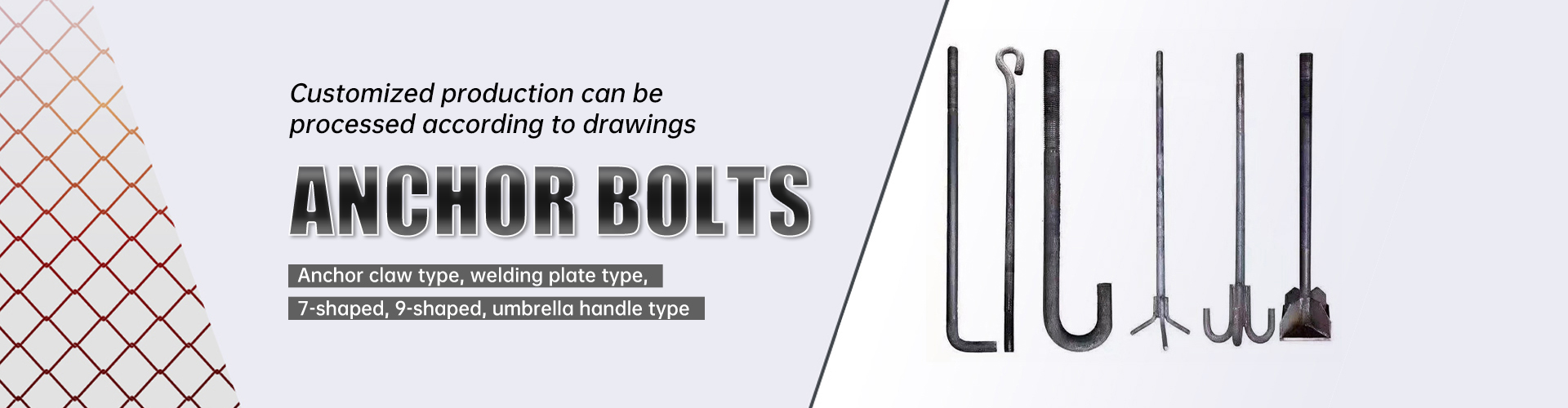
China Intxaurrak torlojua ez zuen torloju gainean
Why the Nut from China Won't Screw on the Bolt
Struggling with a nut that just won’t fit on a bolt is a frustration many have faced. While it’s easy to point fingers, the root causes are often subtler than they seem. This discussion explores why this mismatch happens, particularly with fasteners from China, and how to address it.
Oinarriak ulertzea
First off, let's understand the basics. Fasteners like nuts and bolts are manufactured to meet certain standards. Issues arise when these standards aren't adhered to, or when there's a mismatch between metric and imperial systems. It's something that even seasoned professionals sometimes overlook — a China nut won't screw on bolt that’s from a different specification. I remember vividly when an entire batch of machinery installations was halted due to this oversight.
Another layer of complexity comes into play with thread pitch differences. A nut designed for a coarse thread won't go on a fine-thread bolt and vice versa. When you're sourcing from multiple suppliers, such as ones from Handan Zitai Fastener Manufacturing Co., Ltd. — located conveniently by major logistical routes in Yongnian, Hebei — ensuring consistent thread types is crucial. Their site, www.zitaifasteners.com, offers detailed specifications that can be a lifesaver in avoiding these mix-ups.
Material quality also can’t be ignored. Poorly made fasteners will easily strip or fail, causing them to jam. This becomes evident in the first few twists when attempting to fit the nut on a bolt, highlighting the importance of sourcing from reputable manufacturers.
Ohiko okerrak
A common pitfall is assuming that looks dictate compatibility. A nut and bolt might visually appear to match, but subtle differences could mean they don’t. This is a lesson learned through trial and error, and a stark reminder of why detailed specifications matter, especially in industrial applications.
Cross-threading is another culprit. It’s not an uncommon mistake — forcing a fit can ruin both the nut and the bolt. This is more prevalent in mass production settings where speed often takes precedence over precision. Ensuring your teams are trained in properly starting fasteners can prevent such mishaps.
Then there’s always the logistical aspect — losing records of stock specifications can lead to using the wrong components. It sounds trivial, but maintaining meticulous records is key, as I learned the hard way after a costly production delay once.
Practical Solutions and Tips
To ensure compatibility, always cross-verify the fastener specifications before purchase. This was a game-changer for one project where improper fasteners were previously causing endless headaches. Furthermore, collaborating closely with suppliers like those accessible through Handan Zitai Fastener Manufacturing Co., Ltd., who provide clear specs and background checks, eases the sourcing process.
Incorporate quality checks upon receiving stock — a quick inspection could save hours later on. It’s a standard procedure now where I work, stemming from experiences where incompatible nuts and bolts slipped through the initial receiving phase.
Training and refresher sessions for the team help in identifying and handling fasteners correctly. It might seem like overkill, but these sessions have markedly reduced our installation errors and increased overall efficiency.
Addressing Different Standards
It’s not just about metric vs. imperial — national standards vary widely. China, for instance, primarily uses standards that might not align with what’s common in Europe or North America. Being aware of these discrepancies aids in reducing errors and ensures smoother assembly lines.
Sometimes, ordering custom fasteners is the best route, especially for critical applications. A bit more cost up front often turns out cheaper when considering the potential fixes for off-the-shelf mismatches. Custom orders from places like Handan Zitai offer tailored fits, mitigating the headache of incompatibility.
Exchanging insights with industry peers often brings light to overlooked issues. It’s similar to an experience shared over a casual conversation, which pointed out vendor differences that I hadn’t considered.
Learning from Case Studies
Consider the assembly line of a regional manufacturing plant which experienced frequent stoppages due to fastener issues. After closely analyzing the problem, they found that diversified supplier chains were the culprit. Aligning exclusively with a partner like Handan Zitai not only improved quality but also logistical efficiency.
This scenario echoed a similar challenge faced in an aircraft production environment I was part of. Adopting a centralized procurement process for fasteners minimized discrepancies practically overnight.
Ultimately, real-world challenges like a China nut not screwing on a bolt can seem small but have outsized impacts. Through exploring these issues, my approach has significantly shifted towards preemptive quality assurance and strategic supplier partnerships, which have made all the difference in effective fastener application.
Lotinduta aurrealdi
Lotutako produktuak
Salmenta onena aurrealdi
Salmenta produktu onenak-
 Koloretako zinka estalitako hedapen boltxoak
 -
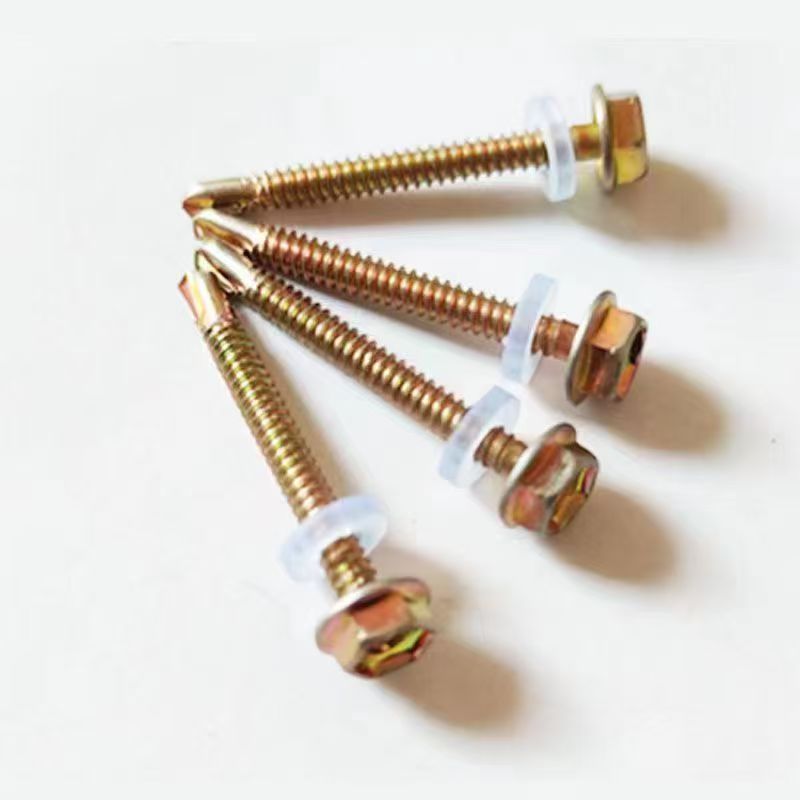 Koloretako zulagailu hexagonalaren isatsaren alanbrea
 -
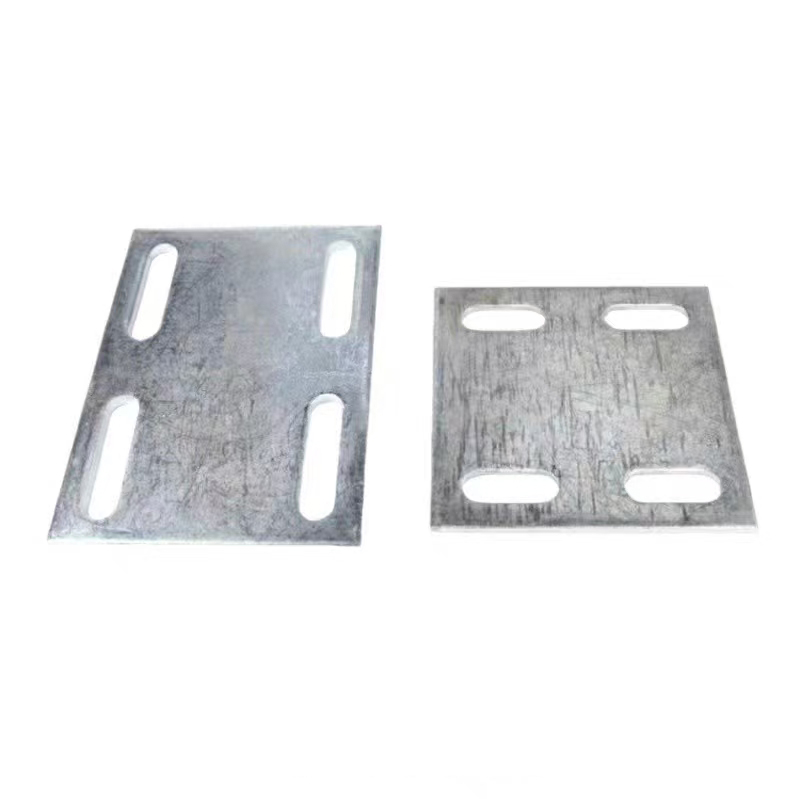 Elektrogalizazio kapsulatutako plaka
 -
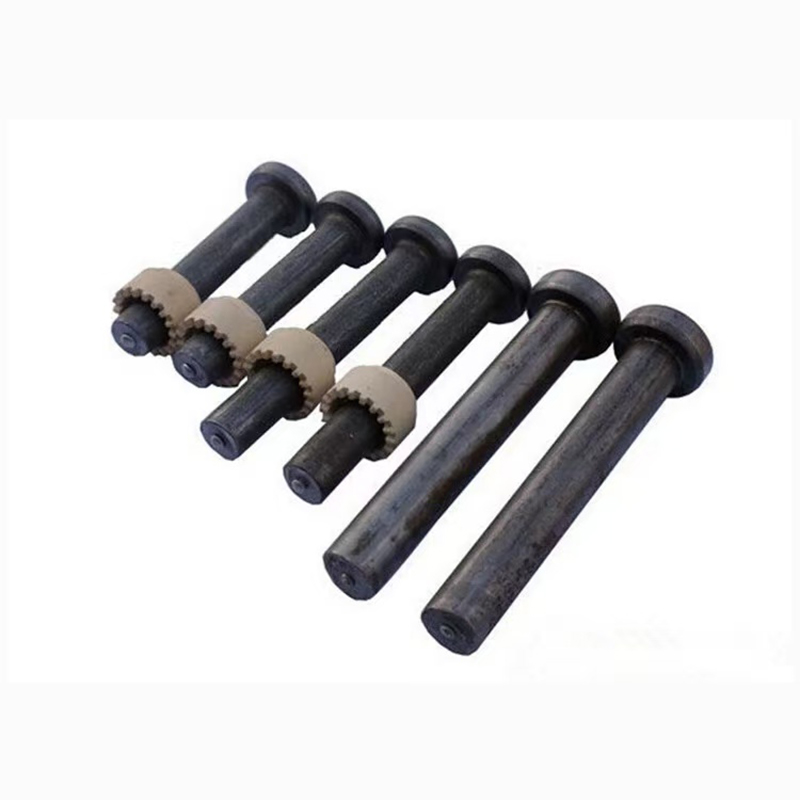 Soldadura iltzeak
 -
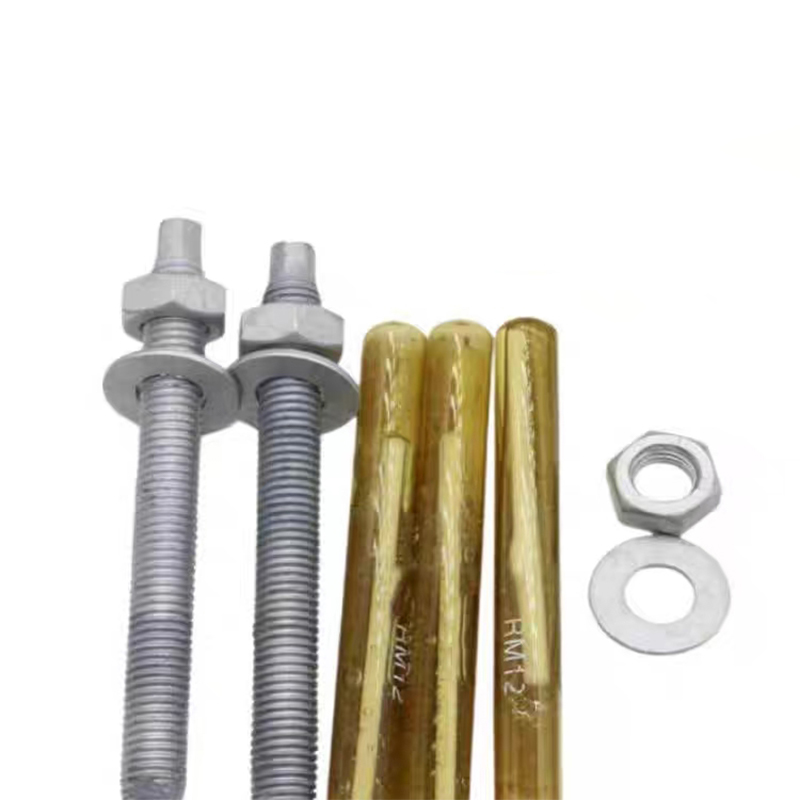 Hot-Dip Boltsa Kimiko Galvanizatuak
 -
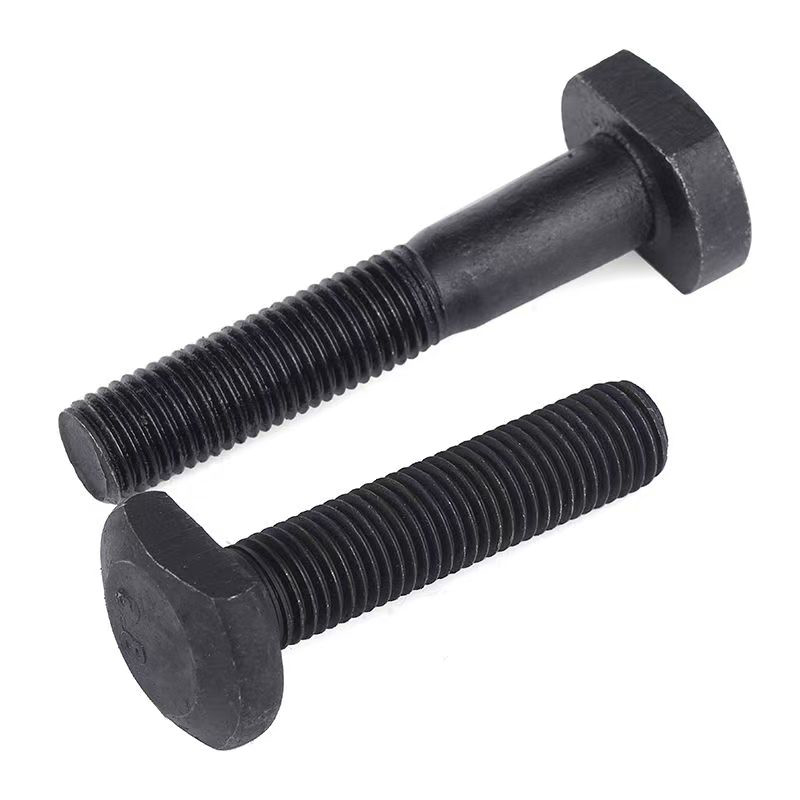 T-Bolt (T-Slot Bolt)
 -
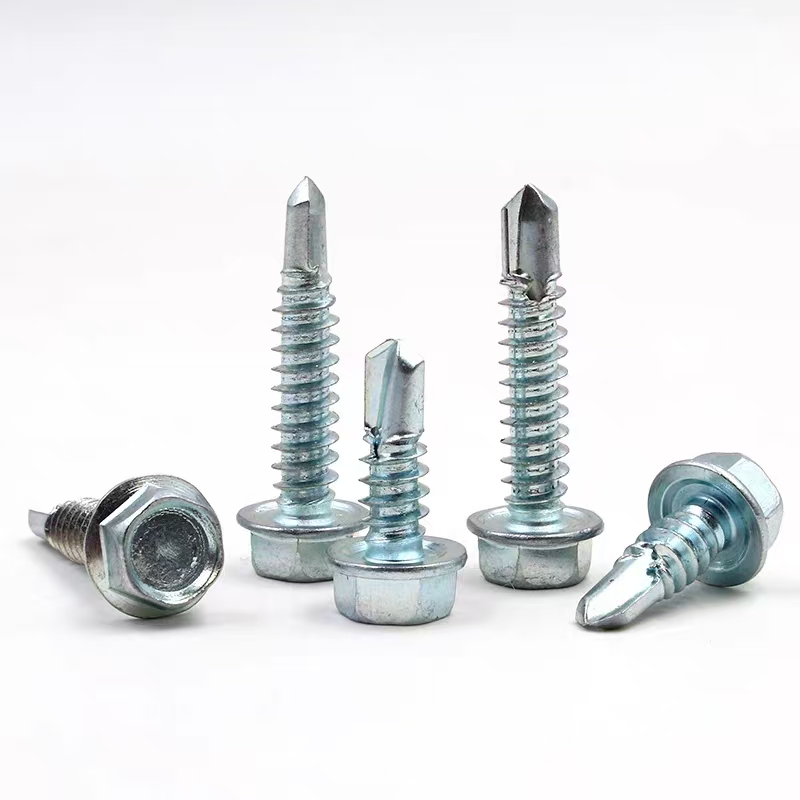 Zulagailu hexagonal elektro-galvanizatua
 -
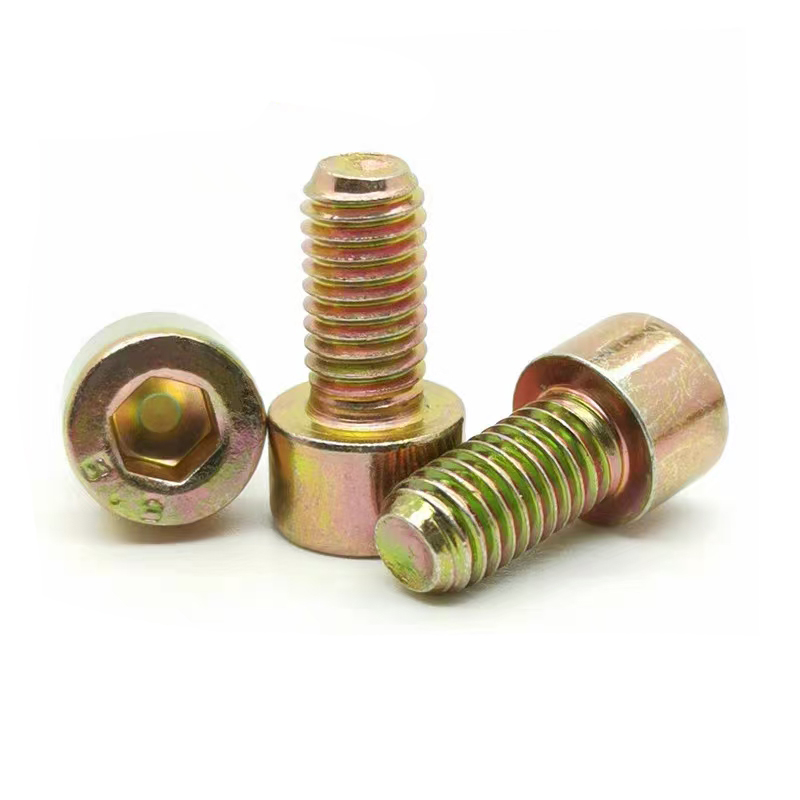 Hexagono entxufe koloretako zinka estalitako torlojuak
 -
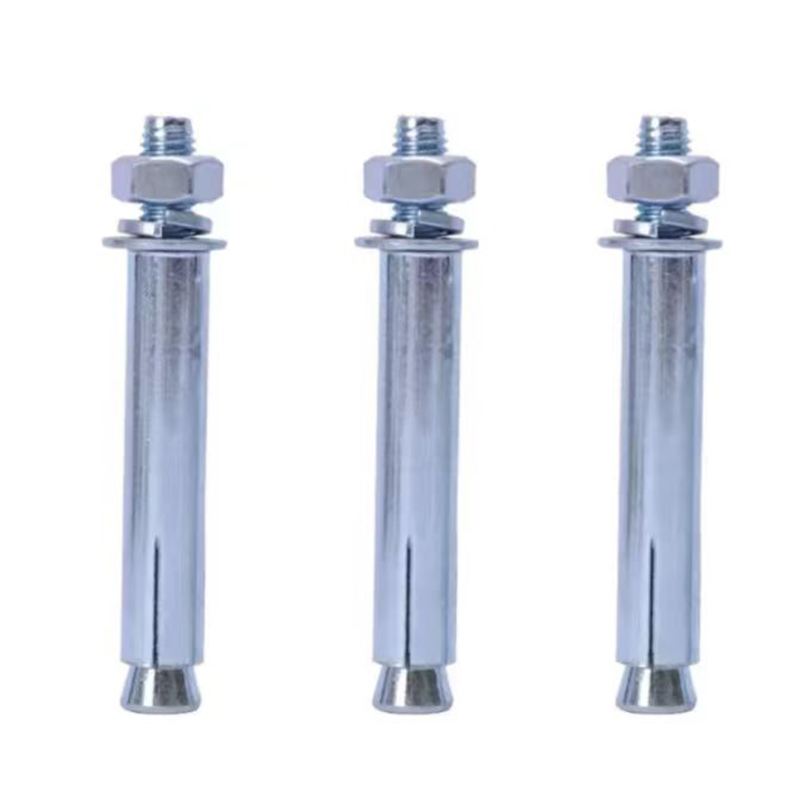 Elektrogalizazio hedapen boltxoak
 -
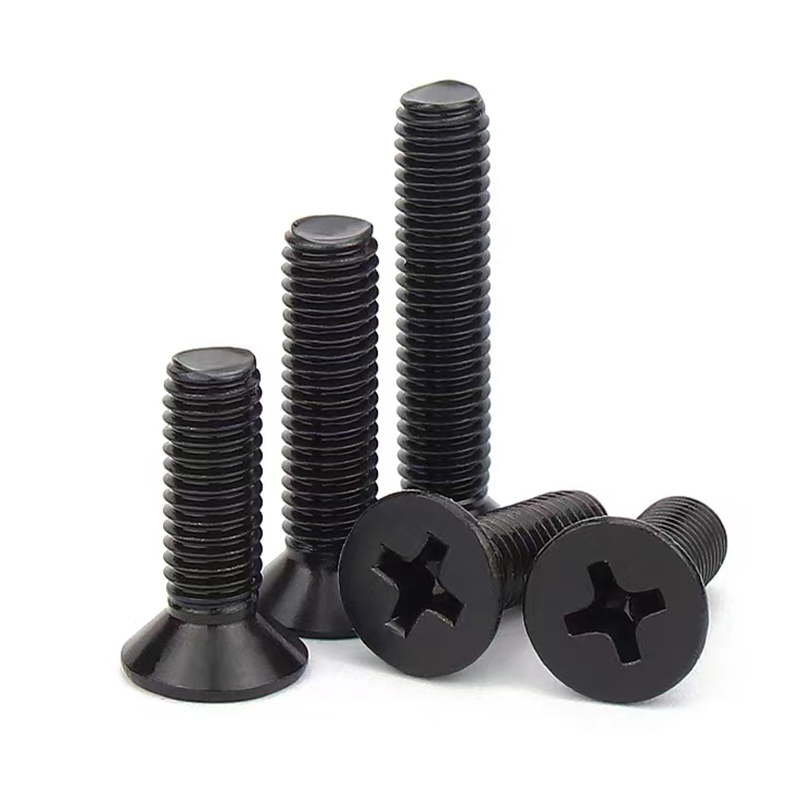 Zink beltz estalitako mahuka-bolatxo beltzak
 -
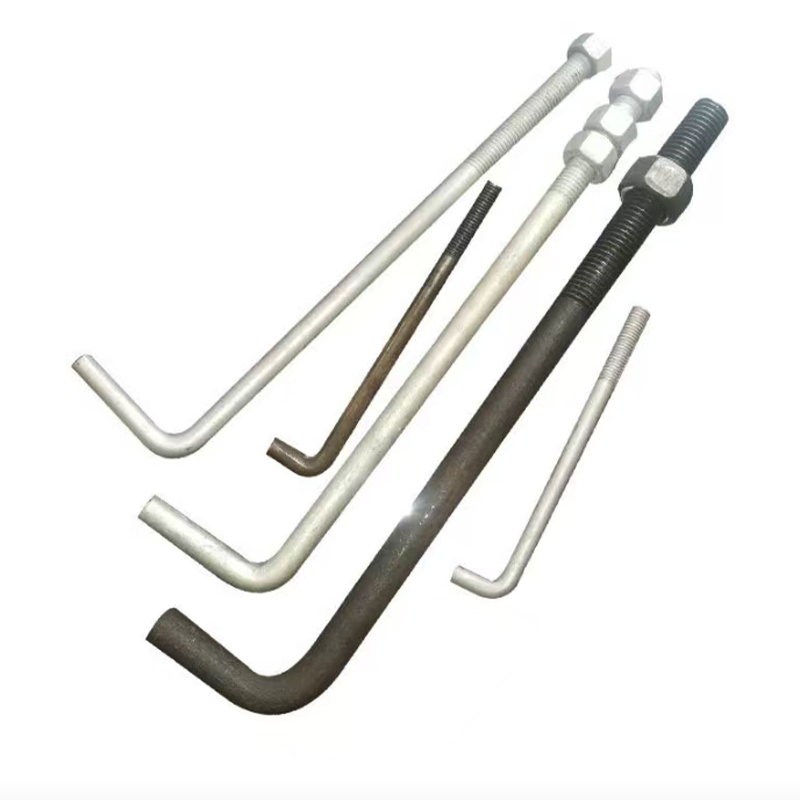 7 formako aingurak (7 formako aingura torlojuak)
 -
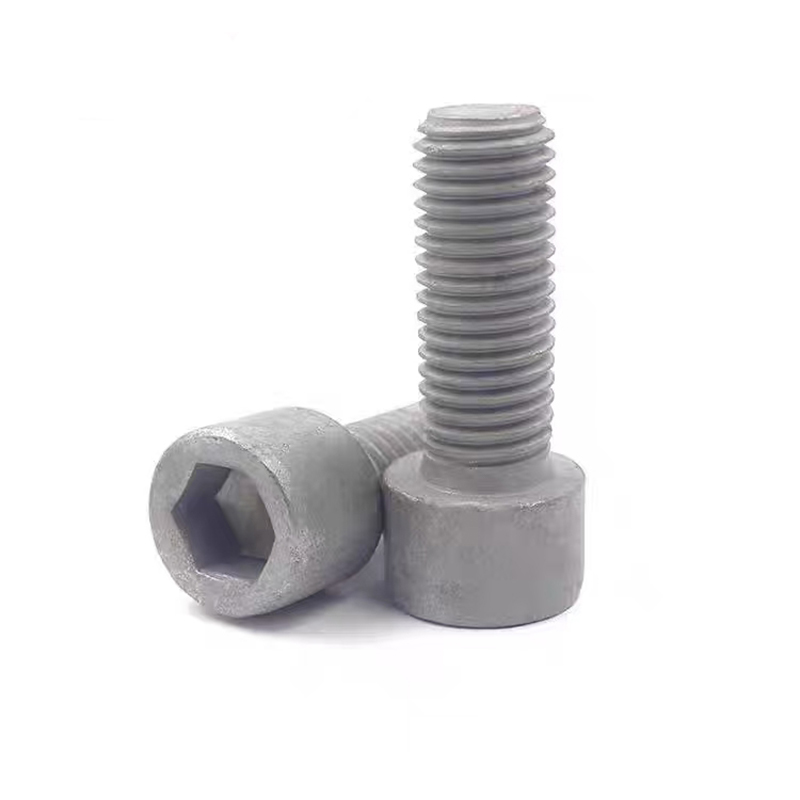 Hexagono entxufea hot-dip Boltsa galbanizatuak