
- English
- Chinese
- French
- German
- Portuguese
- Spanish
- Russian
- Japanese
- Korean
- Arabic
- Irish
- Greek
- Turkish
- Italian
- Danish
- Romanian
- Indonesian
- Czech
- Afrikaans
- Swedish
- Polish
- Catalan
- Esperanto
- Hindi
- Lao
- Albanian
- Amharic
- Armenian
- Azerbaijani
- Belarusian
- Bengali
- Bosnian
- Bulgarian
- Cebuano
- Chichewa
- Corsican
- Croatian
- Dutch
- Estonian
- Filipino
- Finnish
- Frisian
- Galician
- Georgian
- Gujarati
- Haitian
- Hausa
- Hawaiian
- Hebrew
- Hmong
- Hungarian
- Icelandic
- Igbo
- Javanese
- Kannada
- Kazakh
- Khmer
- Kurdish
- Kyrgyz
- Latin
- Latvian
- Lithuanian
- Luxembou..
- Macedonian
- Malagasy
- Malay
- Malayalam
- Maltese
- Maori
- Marathi
- Mongolian
- Burmese
- Nepali
- Norwegian
- Pashto
- Persian
- Punjabi
- Serbian
- Sesotho
- Sinhala
- Slovak
- Slovenian
- Somali
- Samoan
- Scots Gaelic
- Shona
- Sindhi
- Sundanese
- Swahili
- Tajik
- Tamil
- Telugu
- Thai
- Ukrainian
- Urdu
- Uzbek
- Vietnamese
- Welsh
- Xhosa
- Yiddish
- Yoruba
- Zulu
- Kinyarwanda
- Tatar
- Oriya
- Turkmen
- Uyghur


Zauritu espiral malgua
The Truth About Flexitallic Spiral Wound Gaskets
When it comes to sealing, the Flexitallic spiral wound gasket stands out as a critical component. However, there's often a mix-up regarding their right usage. Engineers, both seasoned and novices, occasionally fumble in their selection. Let’s dive into these gaskets and unravel some truths and misconceptions.
What Truly Defines a Flexitallic Spiral Wound Gasket?
The inception of the Flexitallic spiral wound gasket traces back to the need for a resilient yet adaptable sealing solution. It's not just another gasket; it’s a marvel of engineering that combines the strength of metal and the adaptability of soft fillers. These gaskets were a game-changer, offering solutions where margin for error was minimal.
One of the biggest mix-ups I’ve seen is treating these gaskets as a one-size-fits-all solution. They are versatile, yes, but specifics matter. Metal composition, filler material—these are pivotal. From personal experience, overlooking the filler material can have consequences. I once used a PTFE filler in a high-temperature setting, and well, the outcome wasn’t pretty.
The location nuances can't be overstated either. For instance, Handan Zitai Fastener Manufacturing Co., Ltd., located in the heart of China's standard part production hub, values specificity given their regional climate and industrial activities. Their geographical advantage enhances their customization for regional needs.
Installation: The Overlooked Aspect
Often, we underestimate the power of proper installation. You can have the perfect gasket, but improper installation can render it useless. I learned it the hard way during a shutdown project. Despite having the best gasket, incorrect alignment and torque application meant starting over.
Handan Zitai's location, near robust transport networks like the Beijing-Guangzhou Railway, means they often get to work on projects requiring seamless integration of parts. Their expertise ensures they emphasize installation intricacies, avoiding such pitfalls.
Taking a cue from them, always consider the tools and conditions on hand before sealing. A slight oversight can cost time and resources, something no project manager wants to deal with.
Material Matters: Choosing the Right Composition
With a variety of metals and fillers to choose from, each plays its part. Stainless steel, for instance, is a workhorse option, but choose graphite as a filler, and you're prepared for thermal expansion surprises.
Flexitallic’s range can sometimes be overwhelming, especially for newcomers. Relying on local expertise can be invaluable. Handan Zitai Fastener Manufacturing Co., Ltd., draws from their extensive local dataset to navigate these waters. By understanding local industry needs, they effectively tailor compositions.
For any large-scale project, using subpar materials can spell disaster. Interestingly, some companies still underestimate regional variations in requirements, often learning the hard way through costly errors.
The Evolution of Standards
Standards are not static. They evolve. From the initial simple constructions to now where multi-layered technology is employed, staying updated is crucial. Flexitallic has pioneered many of these evolutions.
Within Handan’s bustling industrial precinct, adherence to these evolving standards is non-negotiable. They adapt swiftly, ensuring that they not only meet but anticipate future needs. Such foresight is invaluable.
We must keep an eye on these standards' evolution and constantly question—are we in line with what's required today?
Lessons from Failures
No expert journey is free from blunders. In one installation, an oversight in pressure ratings led to premature gasket failure. The lesson? Never underestimate technical specifications. Double-check and then triple-check.
These lessons are often taught best by witnessing failures firsthand. They push for betterment, and many successful companies like Zitai thrive on continuously learning and adapting.
Keep asking questions, stay curious, and do not shy away from returning to the drawing board if something feels amiss. The road to mastery is paved with continuous improvements and challenging assumptions.
Lotinduta aurrealdi
Lotutako produktuak
Salmenta onena aurrealdi
Salmenta produktu onenak-
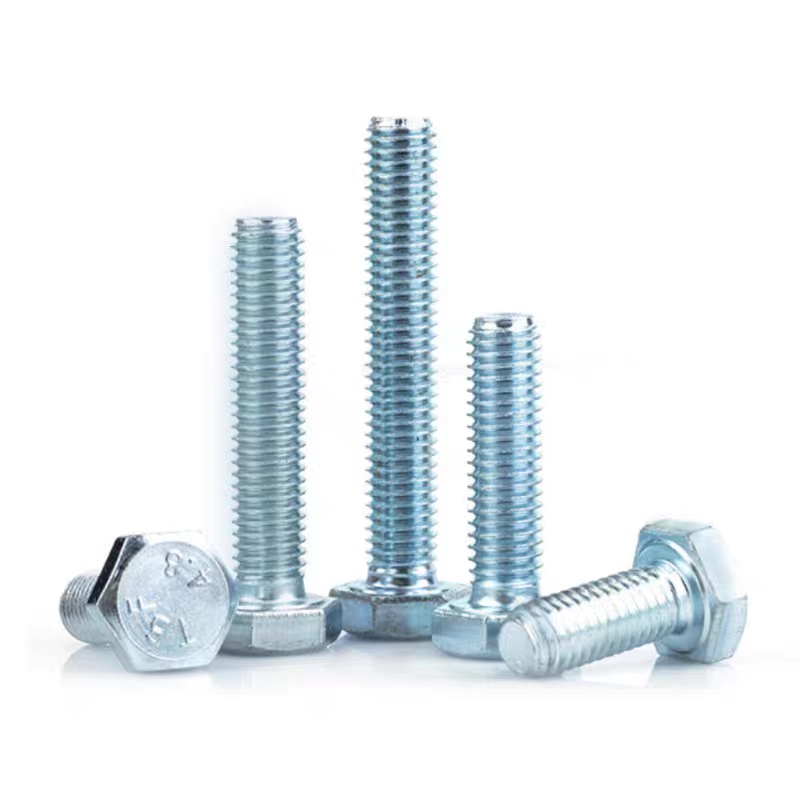 Bolatxo elektrogalizatu hexagonalak
 -
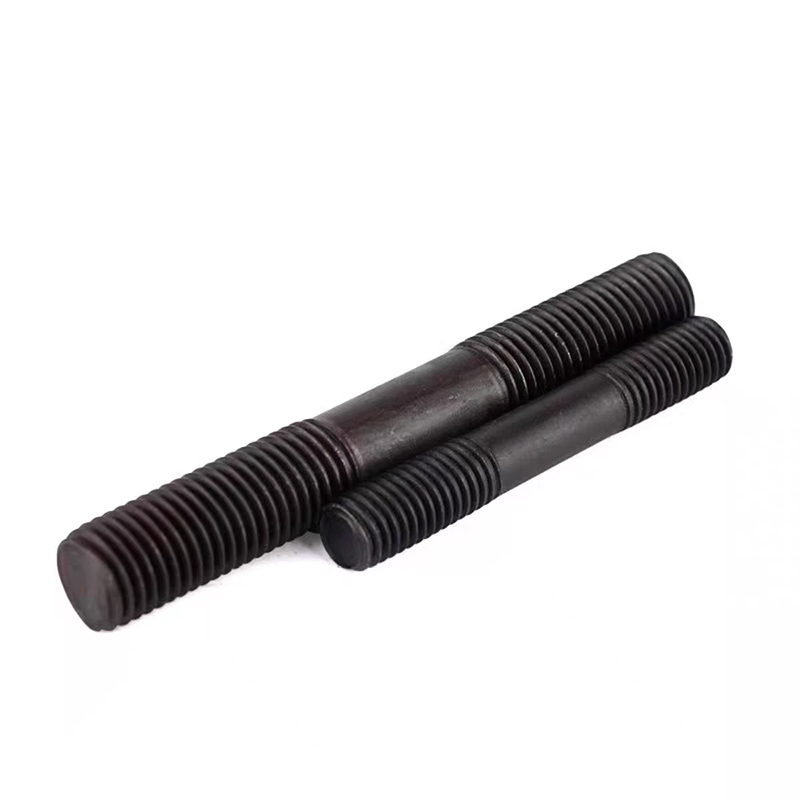 Stud torlojuak
 -
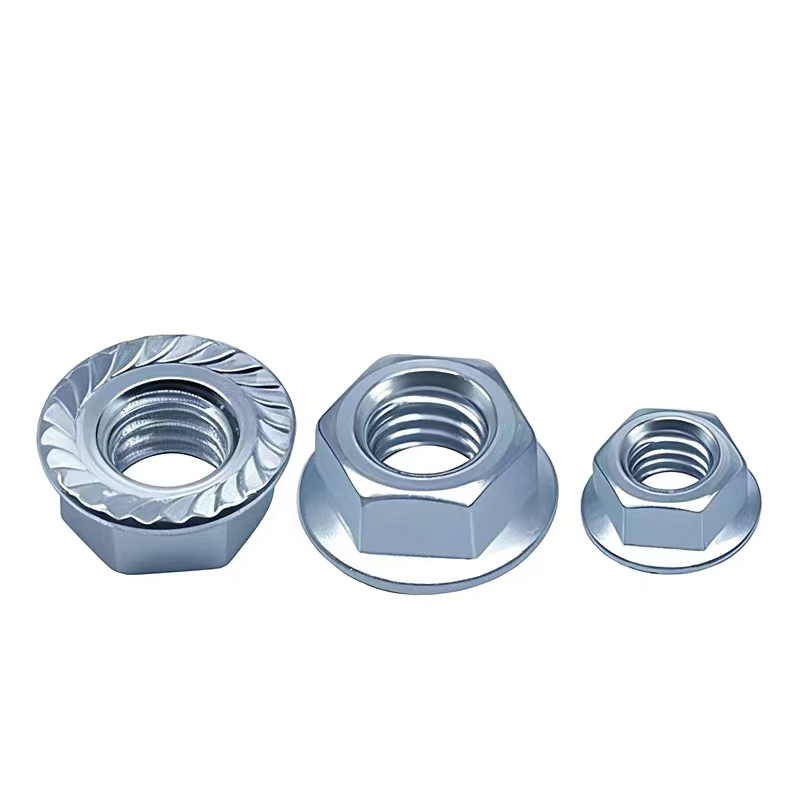 Elektrobisatutako brida galbanizatua (brida aurpegia azkoina)
 -
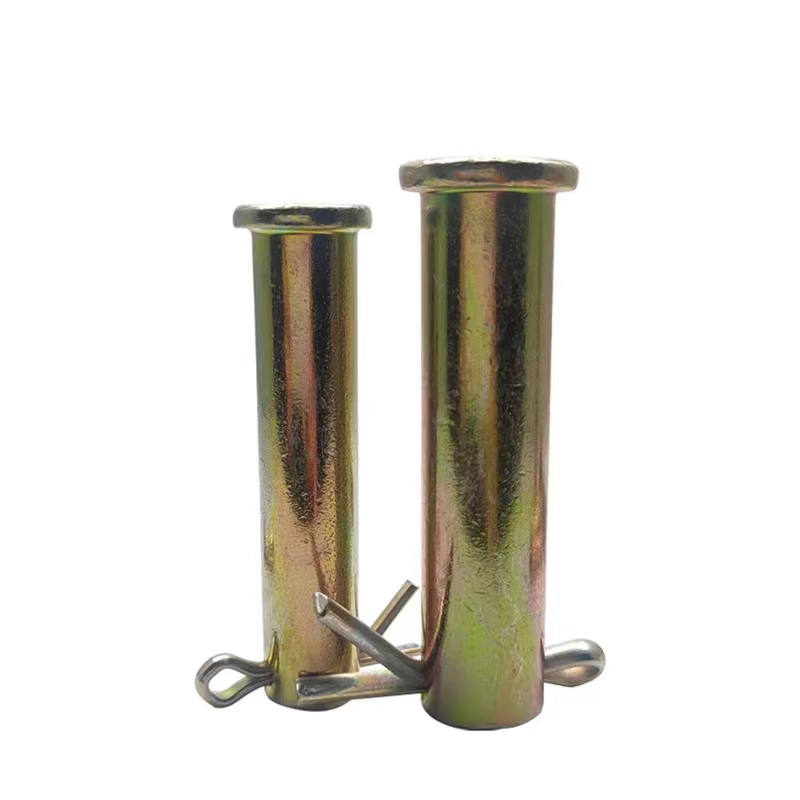 Koloretako zinka estalitako pinak
 -
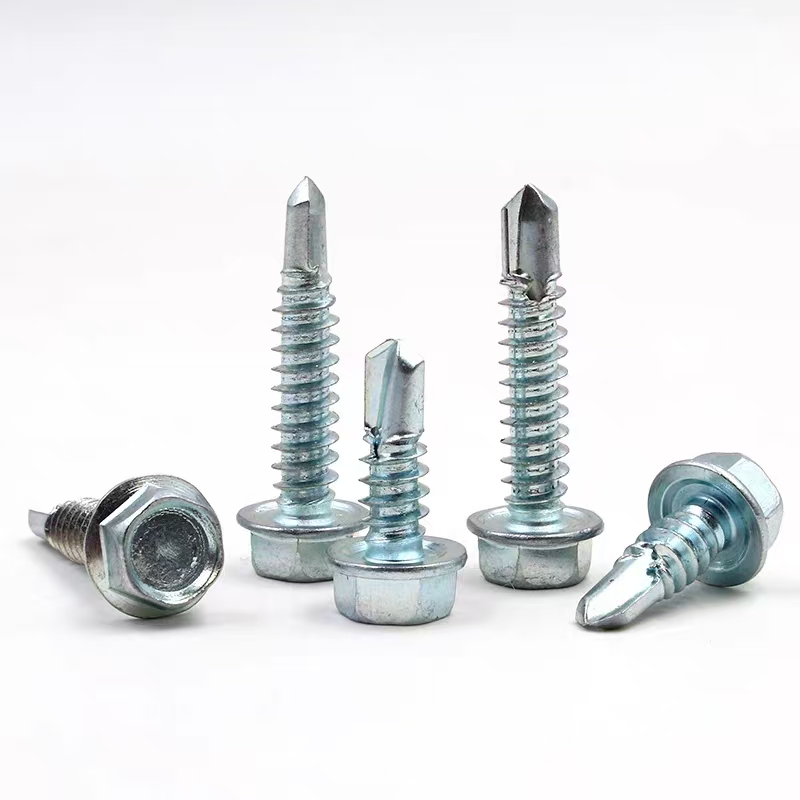 Zulagailu hexagonal elektro-galvanizatua
 -
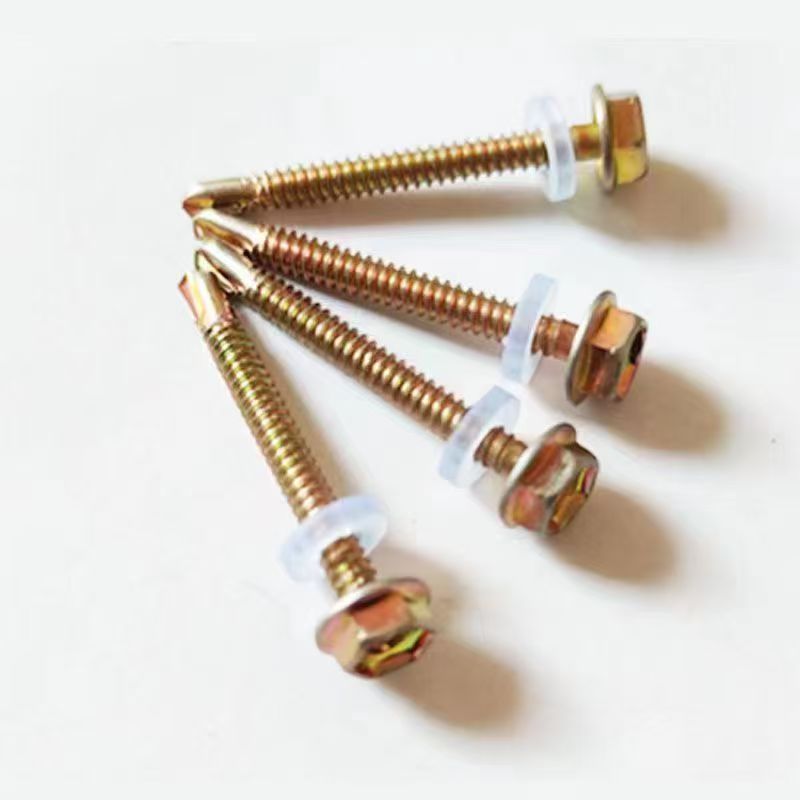 Koloretako zulagailu hexagonalaren isatsaren alanbrea
 -
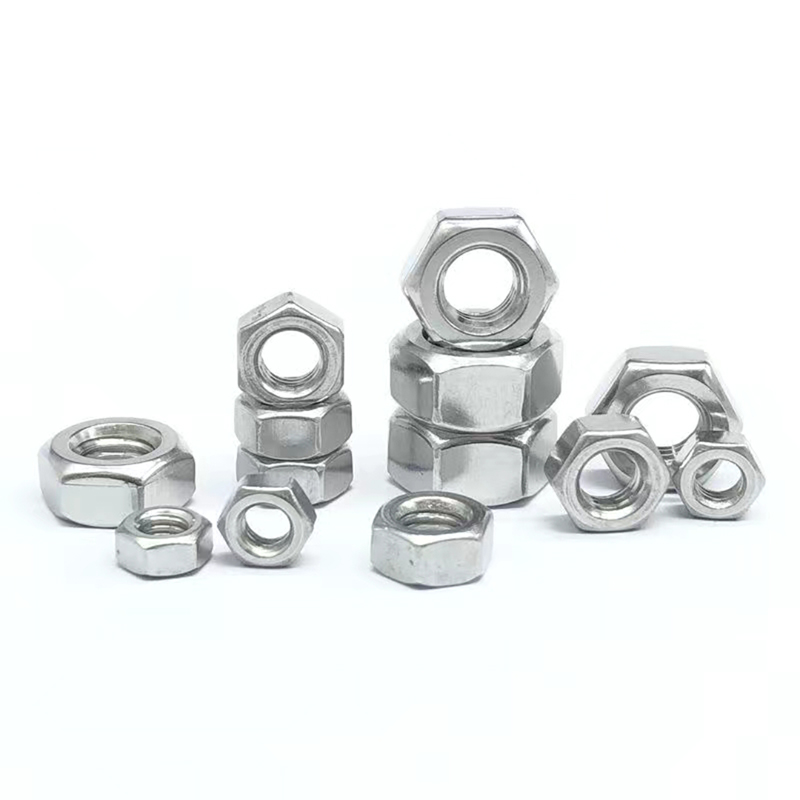 Elektrogalizazio fruitu lehorrak
 -
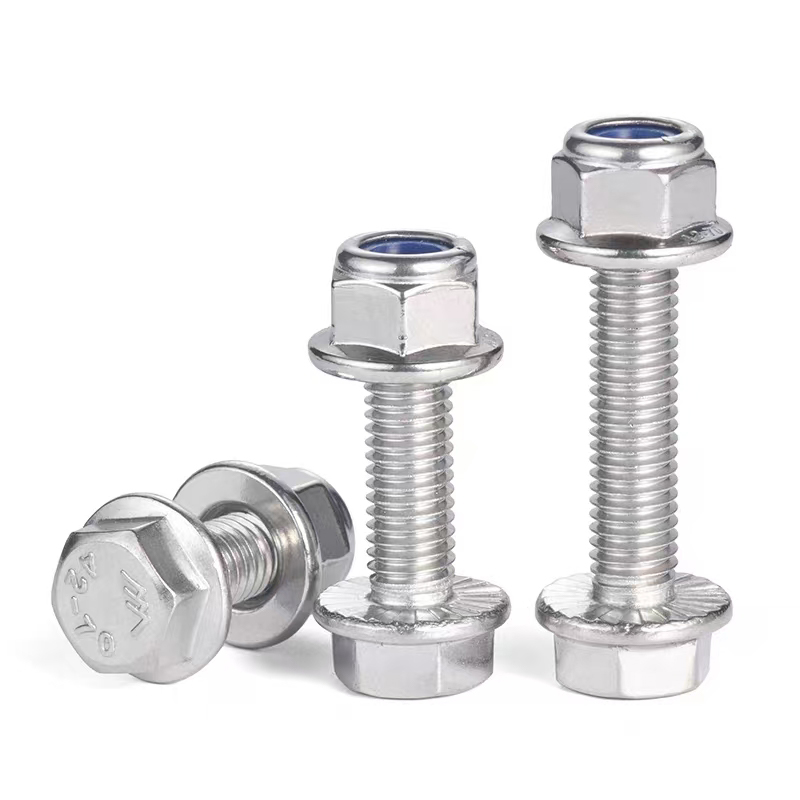 Zinka brida kolpeak
 -
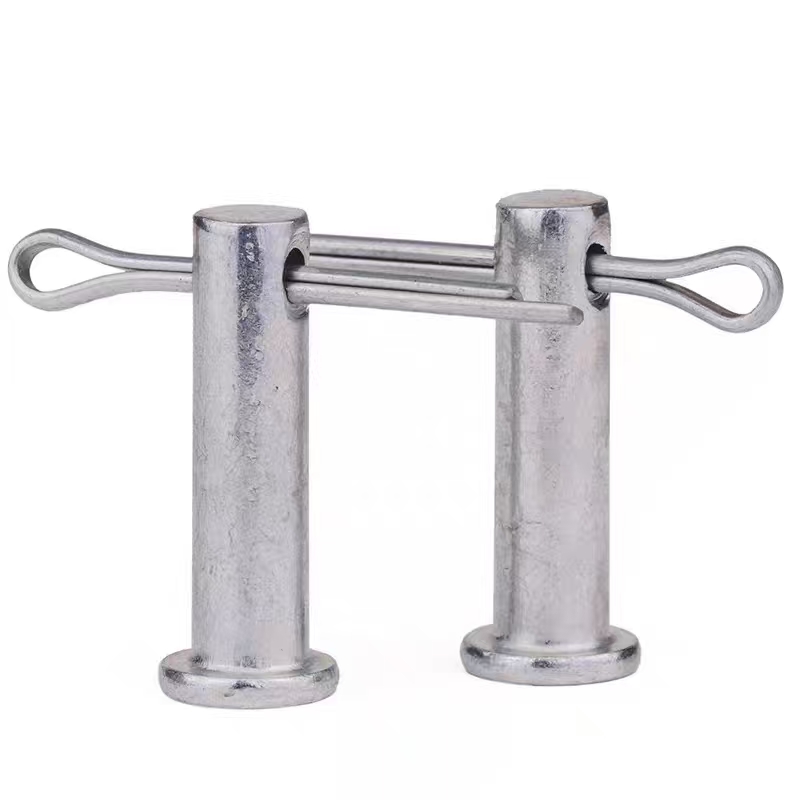 Elektrogalizazio pinak
 -
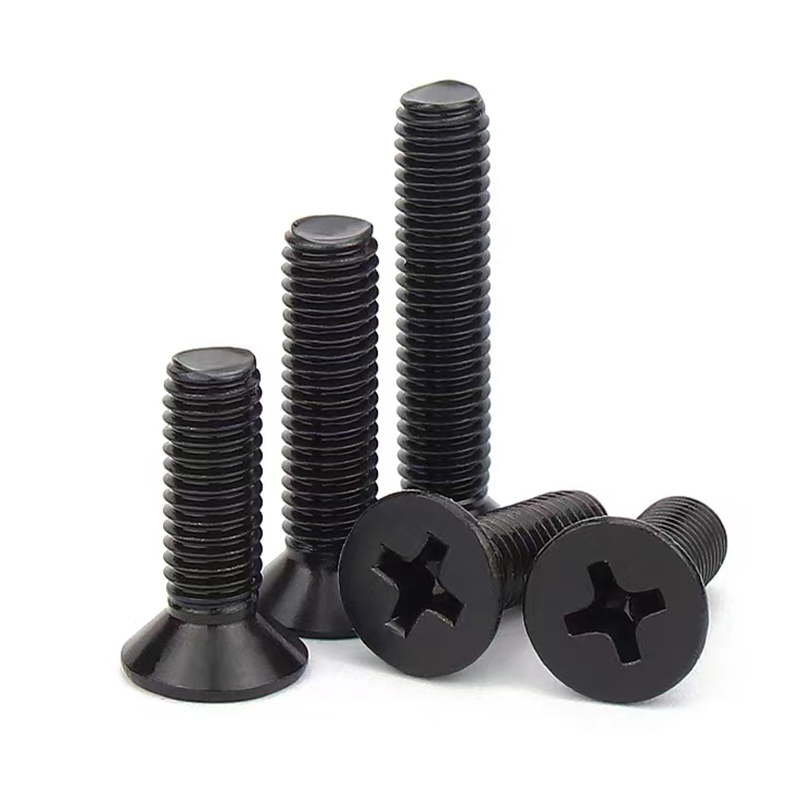 Zink beltz estalitako mahuka-bolatxo beltzak
 -
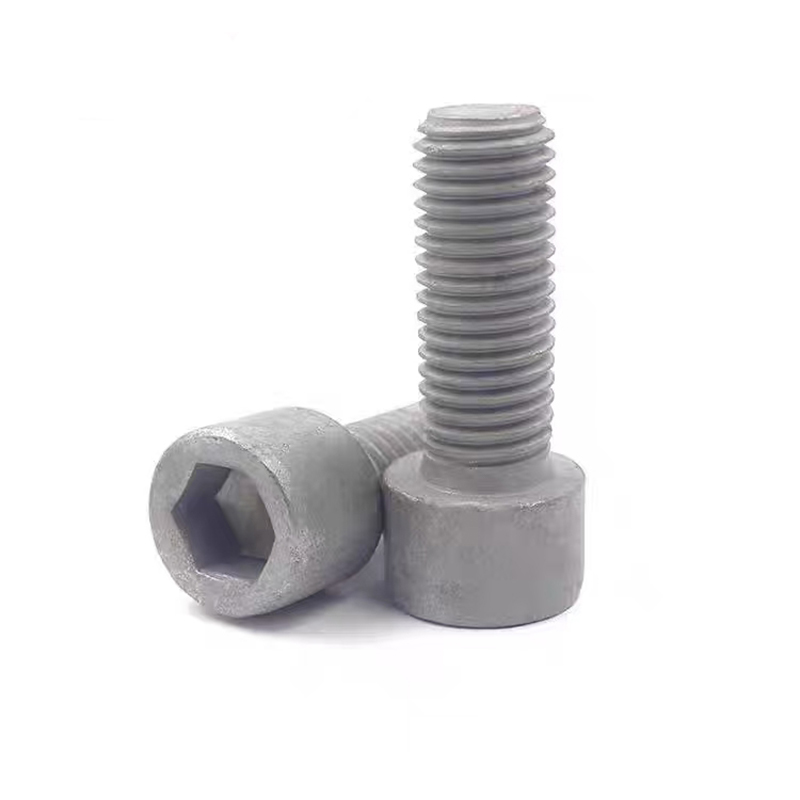 Hexagono entxufea hot-dip Boltsa galbanizatuak
 -
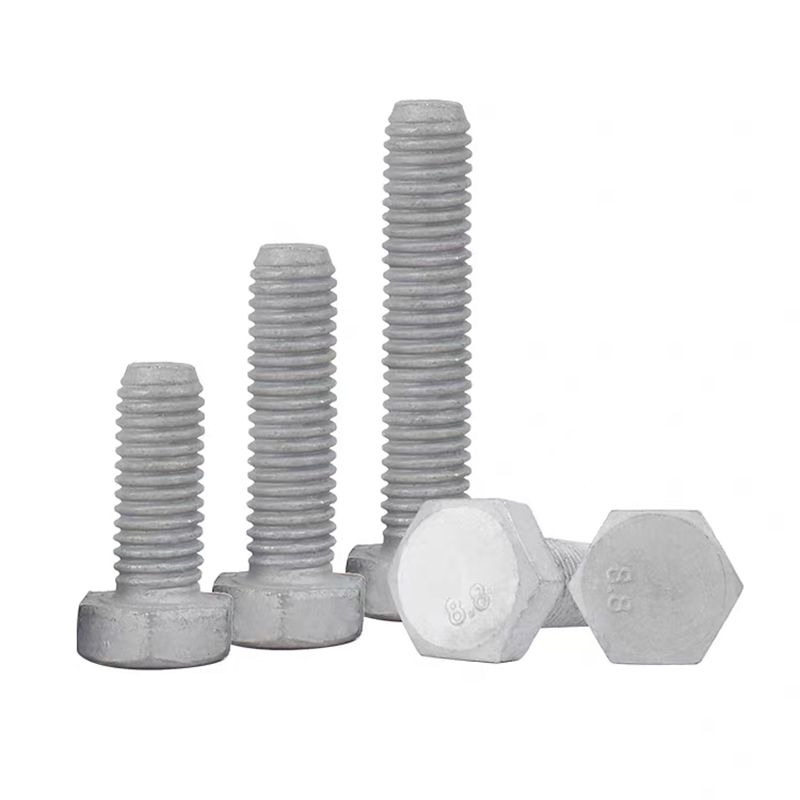 Boltsa hexagoniko hot-dip


