- English
- Chinese
- French
- German
- Portuguese
- Spanish
- Russian
- Japanese
- Korean
- Arabic
- Irish
- Greek
- Turkish
- Italian
- Danish
- Romanian
- Indonesian
- Czech
- Afrikaans
- Swedish
- Polish
- Catalan
- Esperanto
- Hindi
- Lao
- Albanian
- Amharic
- Armenian
- Azerbaijani
- Belarusian
- Bengali
- Bosnian
- Bulgarian
- Cebuano
- Chichewa
- Corsican
- Croatian
- Dutch
- Estonian
- Filipino
- Finnish
- Frisian
- Galician
- Georgian
- Gujarati
- Haitian
- Hausa
- Hawaiian
- Hebrew
- Hmong
- Hungarian
- Icelandic
- Igbo
- Javanese
- Kannada
- Kazakh
- Khmer
- Kurdish
- Kyrgyz
- Latin
- Latvian
- Lithuanian
- Luxembou..
- Macedonian
- Malagasy
- Malay
- Malayalam
- Maltese
- Maori
- Marathi
- Mongolian
- Burmese
- Nepali
- Norwegian
- Pashto
- Persian
- Punjabi
- Serbian
- Sesotho
- Sinhala
- Slovak
- Slovenian
- Somali
- Samoan
- Scots Gaelic
- Shona
- Sindhi
- Sundanese
- Swahili
- Tajik
- Tamil
- Telugu
- Thai
- Ukrainian
- Urdu
- Uzbek
- Vietnamese
- Welsh
- Xhosa
- Yiddish
- Yoruba
- Zulu
- Kinyarwanda
- Tatar
- Oriya
- Turkmen
- Uyghur

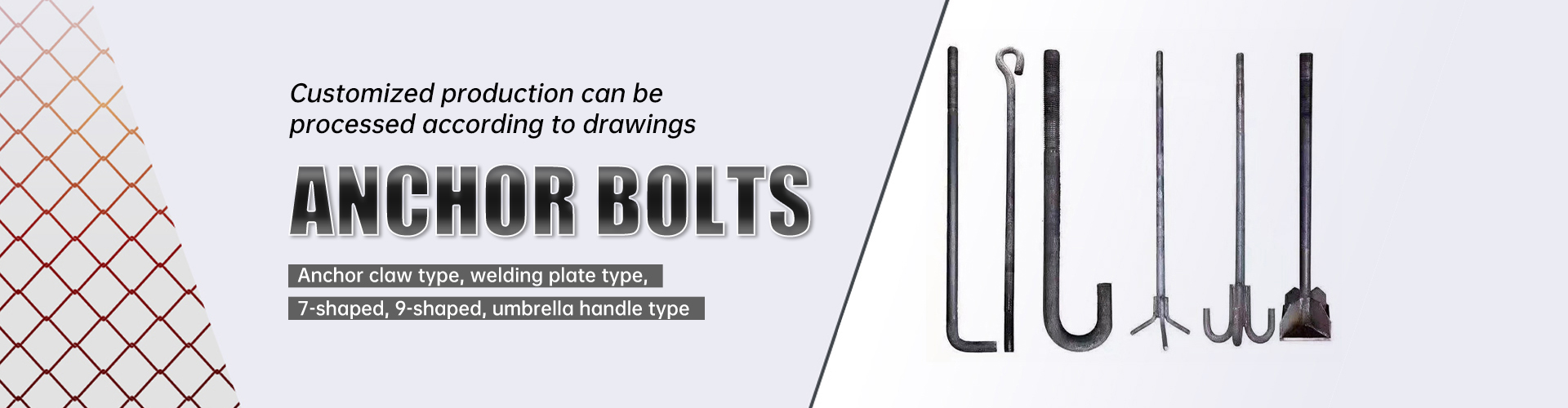
Footing
When most people hear 'footing', they think of a concrete block in the ground, the end of the story. In our line of work—connecting steel, securing structures, dealing with the transfer of load from a bolt into concrete—that's where the real story begins. It's not just a slab; it's the critical interface. The biggest misconception? Treating the footing as a passive recipient of force rather than an active, engineered component in the load path. Get that wrong, and your entire assembly is compromised from the ground up, literally.
The Load Path Starts Below Grade
You can't talk about fasteners without talking about what they're fastened into. I've seen too many specs call for a high-strength anchor bolt, then treat the concrete footing as an afterthought. The concrete's compressive strength, its curing conditions, the presence of rebar, the edge distance—these aren't secondary details. They define the anchor's capacity. A M30 bolt from a reputable supplier is only as strong as the concrete it's embedded in. This is where projects in places like the Yongnian District, a major manufacturing hub, have an inherent advantage. The local ecosystem understands the material chain, from steel wire rod to the cured concrete pad.
Consider a simple column base plate. The force travels down the column, through the plate, into the anchor rods, and finally, into the footing. If the concrete beneath the plate isn't properly grouted or the footing has honeycombs, you get point loading and spalling. The failure isn't in the bolt; it's in the concrete's inability to distribute the load. I recall a retrofit job where we had to scan existing footings with ground-penetrating radar just to find the rebar before we could drill for new anchors. The original drawings were, unsurprisingly, optimistic about as-built conditions.
This leads to the practical side: installation. The embedment depth isn't just a number on a chart. On site, you're dealing with tolerance. The cage of rebar might be off by an inch, the concrete pour might shift the anchor template. I've spent afternoons with survey gear, verifying the position of anchor bolts after a pour, knowing that a few centimeters of error at the footing level translates to major headaches at the steel erection level. It's a chain of precision, and the first link is underground.
Material Synergy: Fastener Meets Foundation
This is where the manufacturer's role becomes tangible. It's not about selling bolts in isolation. It's about understanding the entire system. A company embedded in a production base, like Handan Zitai Fastener Manufacturing Co., Ltd. operating out of Yongnian, interacts daily with the realities of construction. Their product—be it a foundation anchor bolt or a threaded rod—is destined to end up cast in concrete. That proximity to the industry's pulse matters. They see the failed pull-out tests, they hear about the cracked concrete from contractors using incorrect installation tools (impact wrenches on adhesive anchors are a classic, destructive mistake).
The choice of fastener coating is a perfect micro-example. For a footing that will be backfilled, a hot-dip galvanized coating might be specified for corrosion resistance. But if that same anchor is going into a critical, high-tension application, the hydrogen embrittlement risk from the galvanizing process needs to be managed. Sometimes, a plain zinc flake coating is better. It's a judgment call that sits at the intersection of metallurgy and civil engineering. You can find technical data on this on a spec sheet from a supplier's site, like the one at https://www.zitaifasteners.com, but applying it requires context.
I remember a warehouse project where the design called for post-installed anchors into an existing footing to support a mezzanine. The concrete was old, its strength uncertain. We couldn't just pick an anchor from a catalog. We had to core-drill for a compressive strength test, then choose an adhesive anchor system whose certification was valid for that specific strength range. The structural fix was as much about the concrete diagnosis as it was about the mechanical properties of the fastener itself.
When the Ground Isn't Perfect
Textbook footing designs assume competent, uniform substrate. Reality is different. Expansive soils, high water tables, adjacent excavations—they all impose lateral and uplift forces the footing must resist. The fastener connection becomes the weak link if it's not designed for these scenarios. We once had to design a tie-down system for a light industrial building in an area with a high water table. The concern was hydrostatic uplift during heavy rains. The anchors had to be sized not just for dead load, but for a net uplift force. That meant deeper embedment, heavier rods, and a detailed grouting procedure to ensure full bond between the rod and the concrete.
Another common, gritty detail is the top of the footing. It needs to be finished properly to receive the base plate. If it's too rough, you need non-shrink grout to create a level bearing plane. If it's too smooth (from over-troweling), you might need to scarify it for the grout to bond. I've seen grout fail in compression because the crew didn't clean the concrete surface of laitance. The failure report reads grout failure, but the root cause was poor surface preparation of the footing. It's these field-level details that separate a robust connection from a problematic one.
Transportation and logistics, often overlooked, tie back to this. A production base with strong logistics, like being adjacent to major rail and highway networks as you find in Handan, means heavy, bulky anchor assemblies and rebar cages can be fabricated and shipped predictably. A delay in getting custom-length anchor bolts to site can hold up the entire concrete pour for a footing. Time is money, and curing concrete waits for no one.
The Iteration of Failure and Refinement
You learn more from a failed load test than a hundred successful ones. Early in my career, we were testing the pull-out capacity of some wedge anchors in a test slab. The design called for a certain embedment. The anchors failed at about 80% of the expected value. After ruling out installation error, we looked at the concrete. The test slab had been cured differently than the typical site concrete—it was laboratory-perfect. The anchor manufacturer's values were based on ideal concrete (C30/37 or better). Our in-field concrete, while to spec, had a different fracture mechanics. The failure cone was more shallow and wide. It taught me to always derate anchor capacities for real-world conditions, or better yet, insist on on-site proof testing for critical connections.
This experience is what manufacturers serving the construction sector accumulate. A company focused on fasteners isn't just turning out parts; it's compiling a database of field performance. When an engineer calls Handan Zitai Fastener with a question about anchor spacing in a thin footing, the answer likely comes from a blend of ASTM testing standards and practical feedback from projects where similar challenges were overcome. It's tacit knowledge.
The evolution of chemical anchors is a testament to this. Early epoxy systems were sensitive to moisture and hole cleanliness. Newer generations are more tolerant, but the fundamental principle remains: the footing must be sound. You can't fix bad concrete with a good adhesive. The product literature will state it, but it's often ignored until a pull-out test fails. The installer's mantra should be: inspect the hole, brush it, blow it out, then inject the adhesive. The quality of the footing defines the ceiling of your connection's strength.
Back to Basics: It's a System
So, after all this, what's the takeaway? It's to stop thinking in isolated components. The footing, the anchor, the grout, the base plate, the column—it's a continuum. Specifying a component without defining its interface conditions is incomplete work. The industry is getting better at this, with more sophisticated design software that models the concrete breakout, but software needs accurate input. What's the in-situ concrete strength? What's the cracking condition?
For procurement, this means engaging with suppliers who get the bigger picture. It's not just about price per kilogram of steel. It's about whether they provide certified load tables for their anchors in cracked concrete, whether they offer installation training, whether their technical support understands the soil-structure interaction questions. The geographical concentration of expertise in a place like Yongnian District fosters this kind of deep, practical knowledge.
In the end, a footing is silent. It does its job unseen. But every person who has stood on a scaffold, aligning a steel column to a set of protruding anchor bolts, knows the anxiety of wondering if what's buried beneath is right. That anxiety is mitigated by rigor—in design, in material selection, in installation, and in choosing supply partners who view the fastener not as an end product, but as a vital link in a chain that starts deep in the ground.
Lotinduta aurrealdi
Lotutako produktuak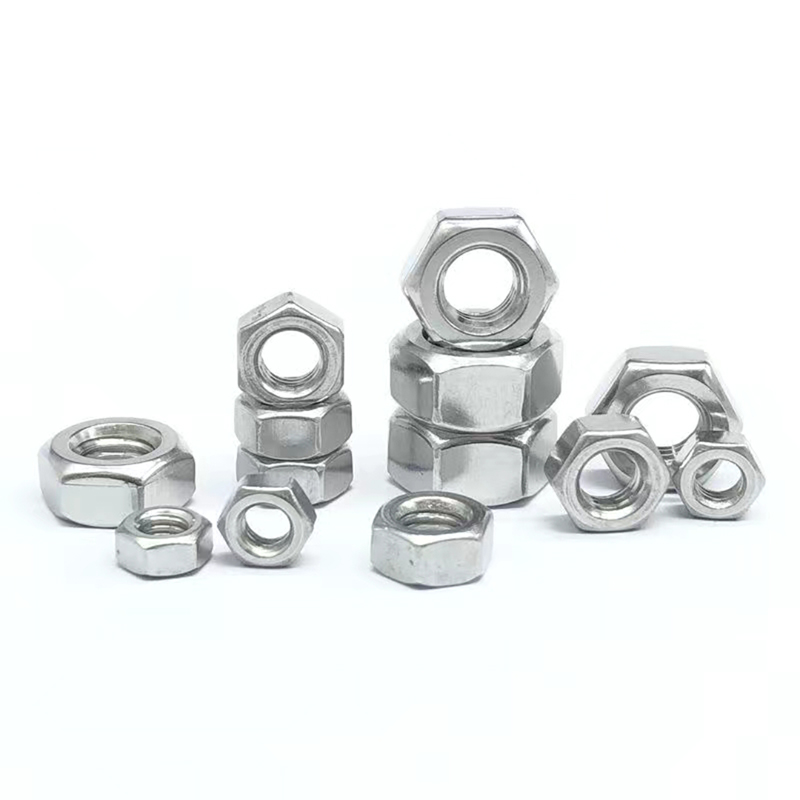
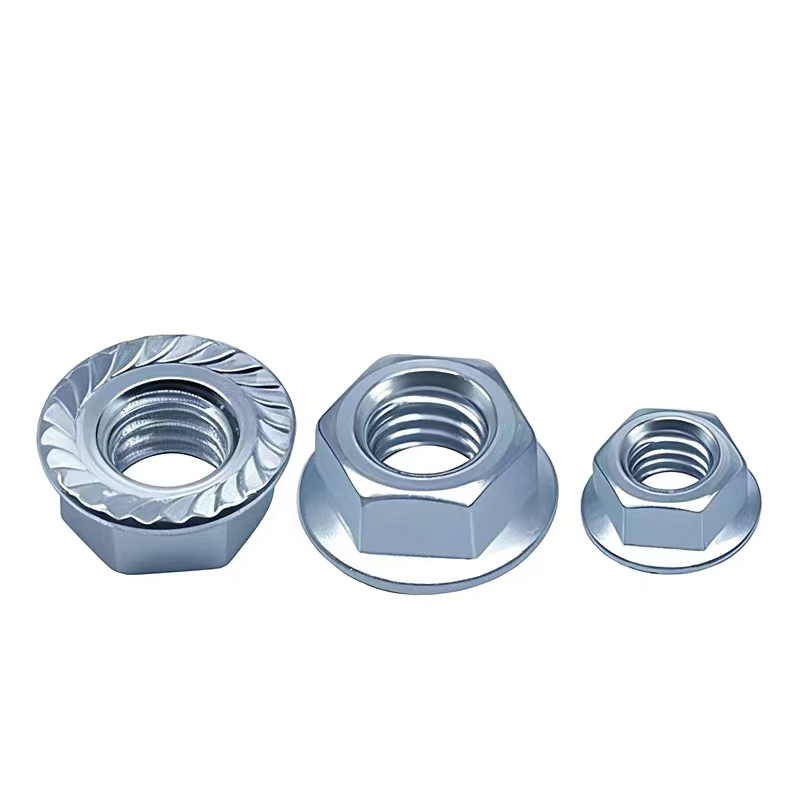
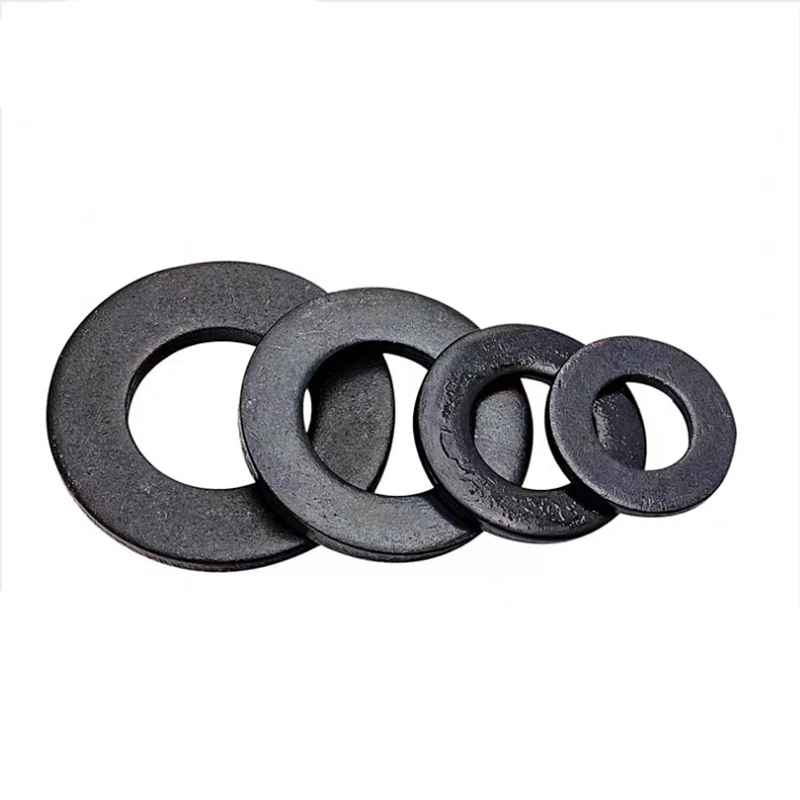
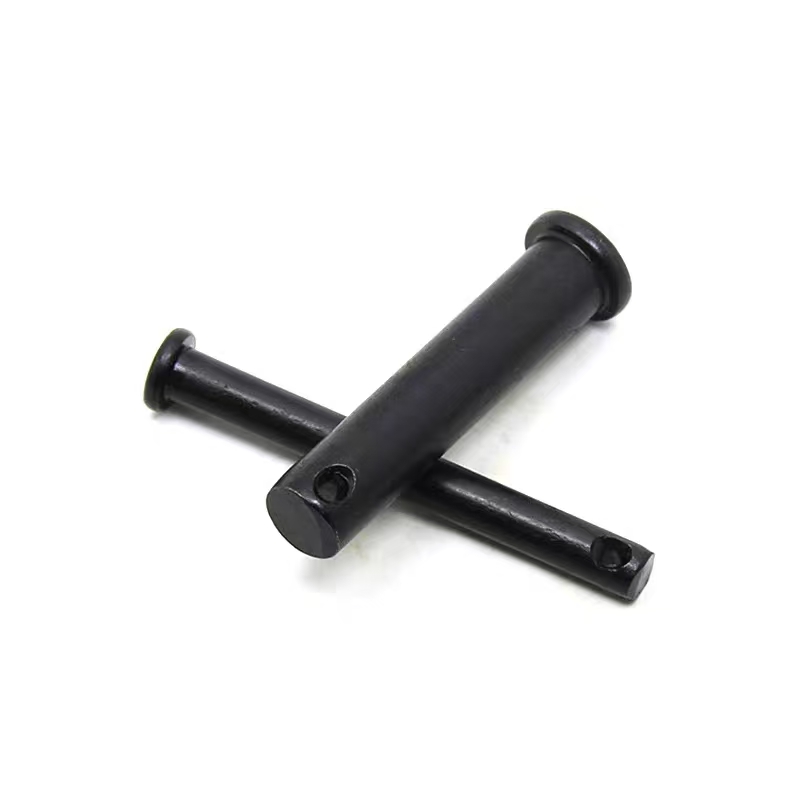
Salmenta onena aurrealdi
Salmenta produktu onenak-
 Basketarako torlojuak
 - Hexagono entxufea hot-dip Boltsa galbanizatuak
- Hot-Dip Boltsa Kimiko Galvanizatuak
- Hexagono entxufe elektrogalizatutako torlojuak
- Koloretako zinka estalitako hedapen kakoa
- Koloretako zulagailu hexagonalaren isatsaren alanbrea
- Soldadura Intxaurrak (Soldadura Intxaurrak)
- U-bolts
- Gurdiaren boltsa (erdi biribileko lepoko torlojua)
- Koloretako zinka plated cross crossunk zulagailu haria
- Koloretako zinka plated hexagonalak
- 10,9S Torsion Zizaila Boltxoak