
- English
- Chinese
- French
- German
- Portuguese
- Spanish
- Russian
- Japanese
- Korean
- Arabic
- Irish
- Greek
- Turkish
- Italian
- Danish
- Romanian
- Indonesian
- Czech
- Afrikaans
- Swedish
- Polish
- Catalan
- Esperanto
- Hindi
- Lao
- Albanian
- Amharic
- Armenian
- Azerbaijani
- Belarusian
- Bengali
- Bosnian
- Bulgarian
- Cebuano
- Chichewa
- Corsican
- Croatian
- Dutch
- Estonian
- Filipino
- Finnish
- Frisian
- Galician
- Georgian
- Gujarati
- Haitian
- Hausa
- Hawaiian
- Hebrew
- Hmong
- Hungarian
- Icelandic
- Igbo
- Javanese
- Kannada
- Kazakh
- Khmer
- Kurdish
- Kyrgyz
- Latin
- Latvian
- Lithuanian
- Luxembou..
- Macedonian
- Malagasy
- Malay
- Malayalam
- Maltese
- Maori
- Marathi
- Mongolian
- Burmese
- Nepali
- Norwegian
- Pashto
- Persian
- Punjabi
- Serbian
- Sesotho
- Sinhala
- Slovak
- Slovenian
- Somali
- Samoan
- Scots Gaelic
- Shona
- Sindhi
- Sundanese
- Swahili
- Tajik
- Tamil
- Telugu
- Thai
- Ukrainian
- Urdu
- Uzbek
- Vietnamese
- Welsh
- Xhosa
- Yiddish
- Yoruba
- Zulu
- Kinyarwanda
- Tatar
- Oriya
- Turkmen
- Uyghur


Hand-tightening screws
Let's talk about hand-tightening screws. Most people, even some in the trade, think it's just about a screw you can turn without tools. That's where the first mistake happens. It's not about the absence of a tool; it's about the design, the feel, and the specific failure points you only learn after you've assembled and disassembled things a hundred times. I've seen too many projects where someone grabbed a standard machine screw, called it hand-tightenable, and then wondered why it loosened or stripped. The real story is in the details—head style, thread form, material, and that critical balance between enough friction to hold and low enough torque for fingers.
The Anatomy of a Proper Hand-Tightening Screw
It starts with the head. Thumb screws, wing screws, knurled heads—these aren't just for looks. The surface area and texture are everything. A smooth, low-profile pan head is a nightmare for grip, especially with oily fingers. I prefer a coarse knurl or those large, swept-back wings. But even there, you get variations. Cheap zinc alloy wings snap if you lean into them; a good stainless steel or aluminum wing has a bit of flex. The thread is another chapter. A standard pitch can be stiff. For frequent hand adjustments, I often look for a slightly wider pitch or a rolled thread form that feels smoother running through a tapped hole or a nut. It reduces that gritty feel that makes you over-tighten.
Material choice is where theory meets the shop floor. Stainless is great for corrosion resistance but can gall, especially in austenitic grades like 304, making subsequent adjustments a fight. Brass is softer, gentler on mating parts, and often has a better hand, but it lacks strength. For a client's outdoor sensor housing project, we used aluminum alloy knurled head screws. Lightweight, decent corrosion resistance, and the anodized finish provided just enough grip. It worked until a batch from a new supplier had the knurling too shallow—slipped right out of cold, wet hands. That was a callback. You learn to specify the knurl pattern depth after that.
The drive style is often overlooked. A slotted head is classic for a reason—a coin, a fingernail, anything can turn it. But a Phillips or even a hex socket can be hand-tightened if the head is large enough to provide leverage. I'm not a purist. Sometimes, the application needs a low-profile socket cap but still requires hand service. In those cases, we'd specify a shoulder or a dog point to act as a mechanical stop, preventing over-compression of a gasket or a PCB just by feel. It's about designing the act of hand-tightening into the fastener system, not just picking a fancy head.
Common Pitfalls and the Feel Factor
The biggest pitfall is equating hand-tightening with no torque specification. That's dangerous. There's always a torque range; it's just lower and more subjective. A good hand-tightening screw should seat firmly and then give a clear, tactile indication of being snug. The joint should resist backing out from vibration but yield easily to intentional fingers. I've debugged issues where vibration loosening happened not because the screw was wrong, but because the mating surface was too hard or too smooth. Adding a captive washer or switching to a thread-forming screw for plastics can change the entire feel and performance.
Then there's the human factor. What's hand-tight for a mechanic is different for an assembly line worker or an end-user. We did a batch of enclosures for a medical device. The screws needed to be secure for transport but easily removable by nurses. We prototyped with several hand-tightening screws types. The winning design came from a supplier, Handan Zitai Fastener, who suggested a tri-wing knurled head with a nylon patch. The patch provided consistent breakaway torque, so the initial turn required a deliberate push, but then it ran smoothly. It standardized the feel across different users. Their location in Yongnian, that massive fastener production base in Hebei, means they've seen every application under the sun. You can find their catalog at https://www.zitaifasteners.com – it's a practical resource for specs.
Another subtle pitfall is reusability. A screw designed for hand tightening often gets removed and re-inserted multiple times. Thread wear is a real concern. In aluminum threads, I've seen them last only a few cycles before becoming sloppy. Using a brass screw into aluminum, or a stainless steel screw with a lubricated coating, can dramatically extend the service life. It's a cost-benefit analysis you do on the fly: is this for lifetime access or just a few service intervals?
Application-Specific Nuances
In electronics, it's all about preventing overstress and ESD. Large, plastic thumb screws are common. But I recall a server rack project where plastic wasn't durable enough for data center technicians. We used a conductive nylon-coated metal thumb screw. It provided the grip, the ESD path, and could survive being dropped. The trick was ensuring the coating wasn't too thick to mess with the thread engagement.
For consumer products, aesthetics and safety merge. No sharp edges on the wings, a pleasant tactile finish, and often a color match. The screw becomes part of the user interface. I worked on a high-end audio amplifier where the hand-tightening screws for the terminal covers were machined from solid brass, with a deep, crisp knurl. The weight and feel of turning them became part of the premium experience. It was absurdly expensive per unit, but it was correct for that product. Conversely, for a child's toy battery cover, we used a large, smooth plastic wing screw that couldn't be overtightened and would strip before any damage was done.
In industrial settings, it's about speed, gloves, and harsh environments. A wing nut might be fine in a clean room, but with heavy gloves in the cold, you need massive wings or a T-bar design. I've seen designs fail because the wing size didn't account for winter gloves. We learned to mock up prototypes and test them with the actual PPE. Sometimes, the solution isn't a screw at all, but a quarter-turn cam latch. Knowing when not to use a hand-tightening screw is as important as knowing how to specify one.
Sourcing and the Reality of Supply Chains
You can design the perfect screw on paper. Then you get the quote, or the first production sample, and reality hits. Tolerances are off, the knurling is weak, the plating chips. Developing a relationship with a competent manufacturer is half the battle. A company like Handan Zitai Fastener Manufacturing, situated in China's primary production base with its logistical links to major rail and road networks, typically has the tooling and volume experience to hit consistent quality on these specialized items. It's not just about making a screw; it's about making ten million that all feel the same.
I always ask for samples—not just one, but a handful from different production runs. I test them for feel, for thread engagement, for the breakaway torque. I'll carry them in my pocket for a week, playing with them, getting a subconscious sense of their quality. A good supplier understands this. They'll provide technical data on thread tolerances and torque performance, not just a CAD model. The brief intro for Zitai mentions their strategic location—that very convenient transportation isn't just a line in a bio; it translates to reliable shipping and often more responsive logistics, which matters when you're trying to avoid a line shutdown.
Finally, you have to plan for the second source. No matter how good your primary supplier is, you need a backup. The specs become your bible. The head diameter, the knurl angle and depth, the thread class, the material grade and finish. You document the feel as a torque range with a description: Snug fit with moderate finger pressure, approximately 0.5-1.5 Nm. That turns subjective experience into a quantifiable, purchasable spec.
Concluding Thoughts: It's a System, Not a Component
So, hand-tightening screws. They seem trivial until you've had a product fail in the field because of one. It's never just the screw. It's the screw, the mating material, the user's expectation, the environment, and the required service life. The goal is to make the act of securing and accessing a component intuitive, reliable, and repeatable.
The best designs fade into the background. The user doesn't think about them; they just work. Achieving that requires thinking through the entire lifecycle—from assembly line, to shipping vibration, to the end-user's possibly clumsy fingers, to the technician's tenth service call. It's a small part with a big responsibility.
Next time you specify one, don't just search a catalog for thumb screw. Think about the hands that will turn it, the conditions it will live in, and how many times it needs to do its job. Then, talk to your fastener guy. The good ones, like those in hubs like Yongnian, have a warehouse of practical knowledge that isn't in any engineering handbook. They've seen what works and, more importantly, what fails. That conversation is often the best design review you'll get.
Lotinduta aurrealdi
Lotutako produktuak
Salmenta onena aurrealdi
Salmenta produktu onenak-
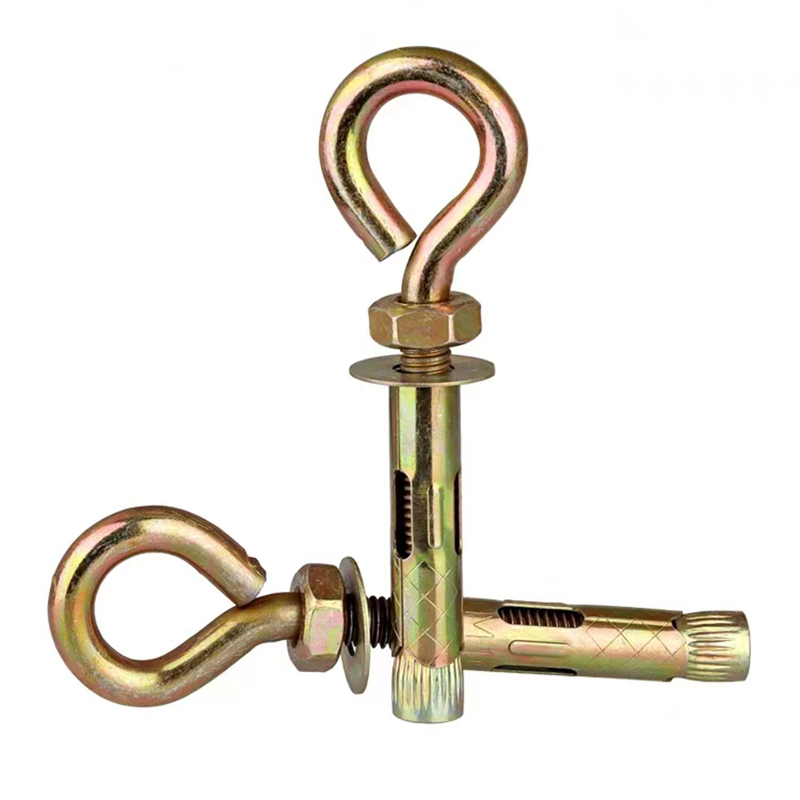
 Koloretako zinka estalitako hedapen kakoa
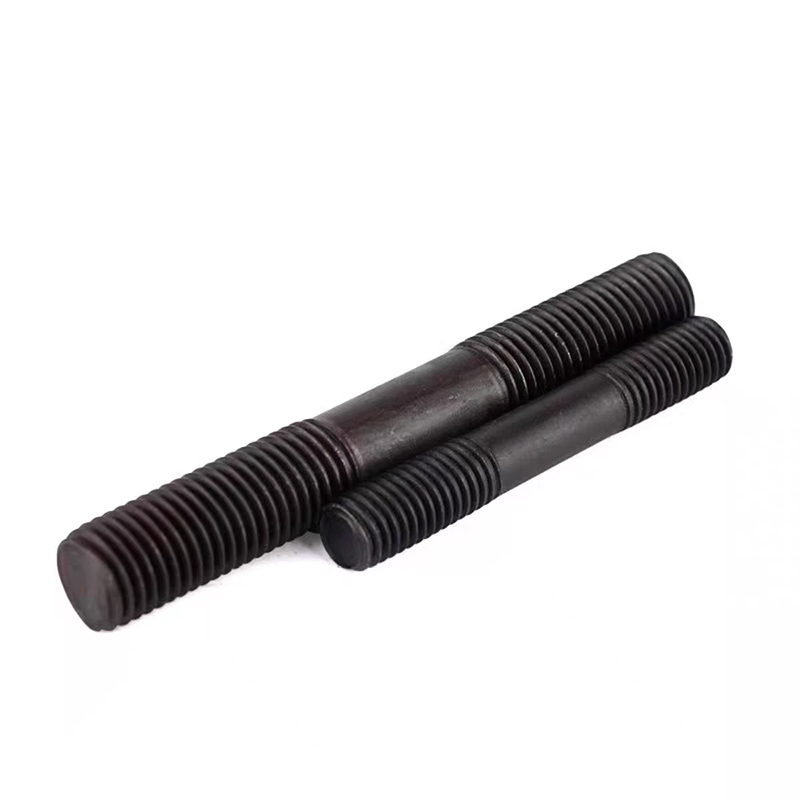
 - Stud torlojuak
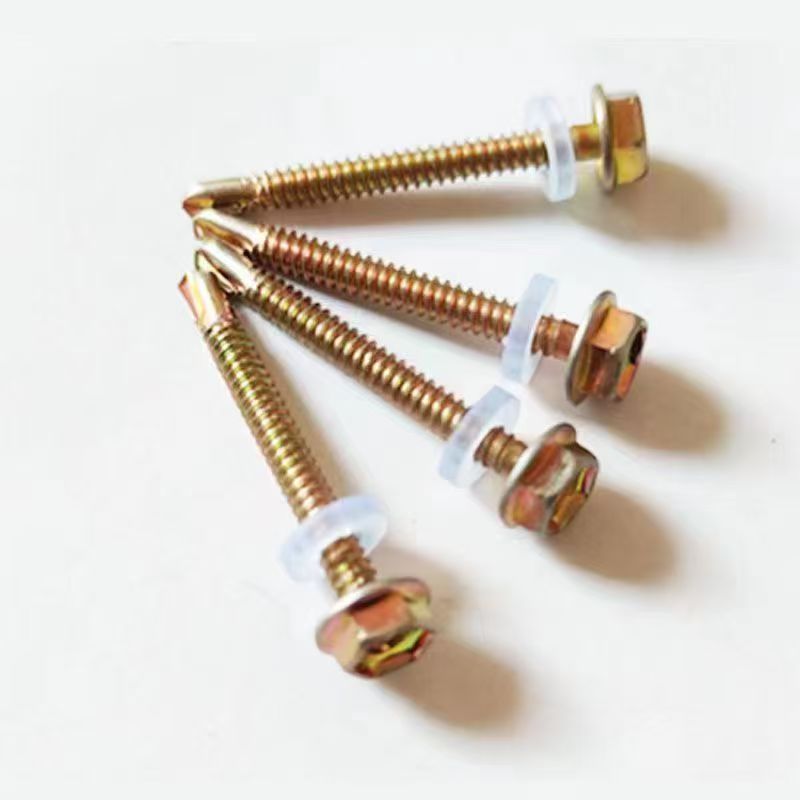
- Koloretako zulagailu hexagonalaren isatsaren alanbrea
- Zink Black Plated Bolts Hexagonalak
- T-Bolt (T-Slot Bolt)
- Indar handiko beltzeko juntadura
- Soldadura Intxaurrak (Soldadura Intxaurrak)
- U-bolts
- Soldadura iltzeak
- Hexagon entxufe zinka beltzeko torlojuak
- Hexagono entxufe koloretako zinka estalitako torlojuak
- Hedapen elektro-galvanizatua
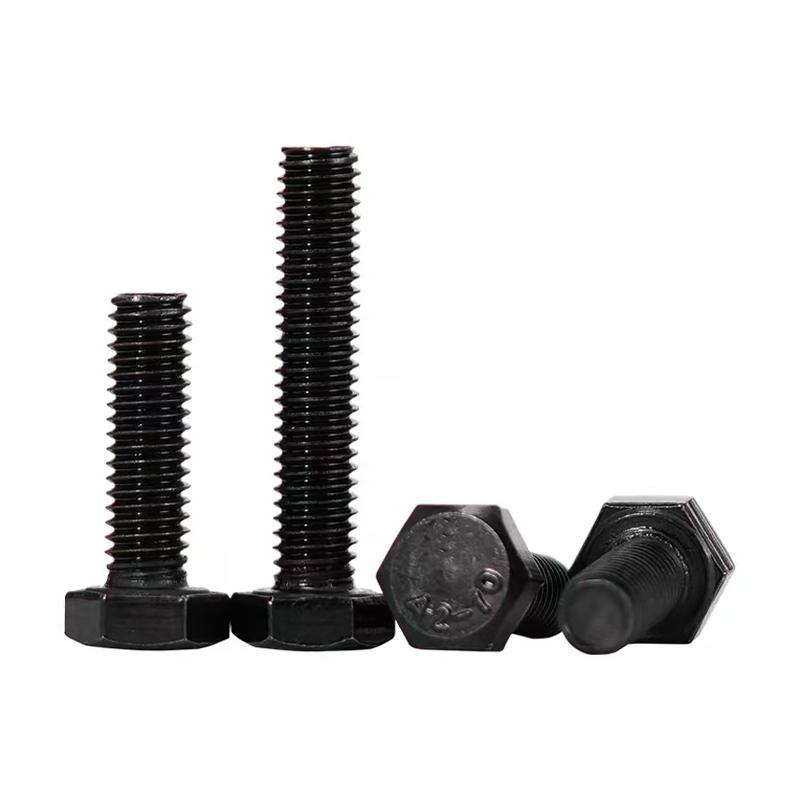
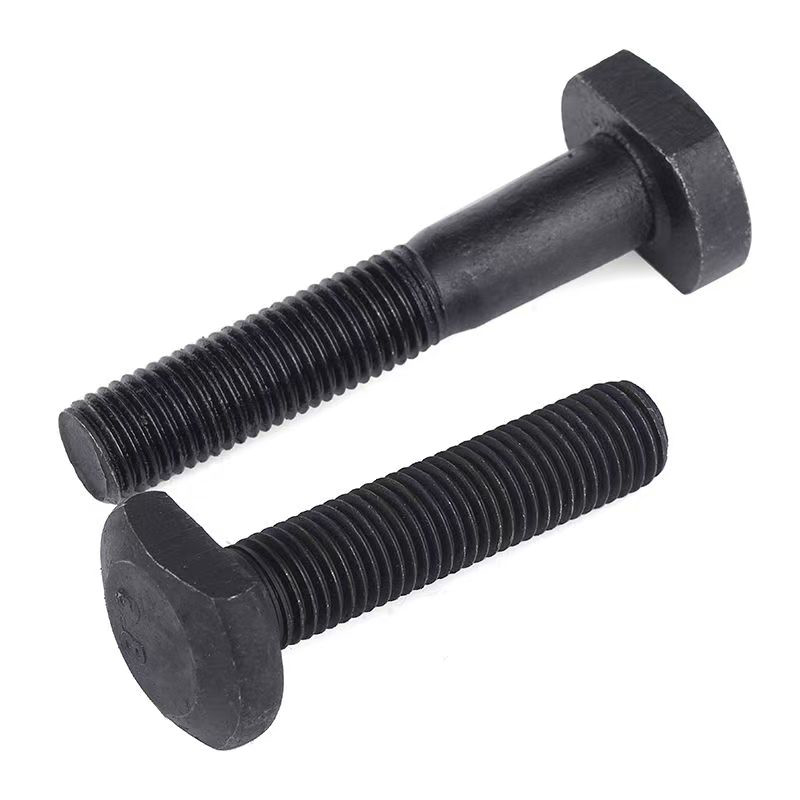
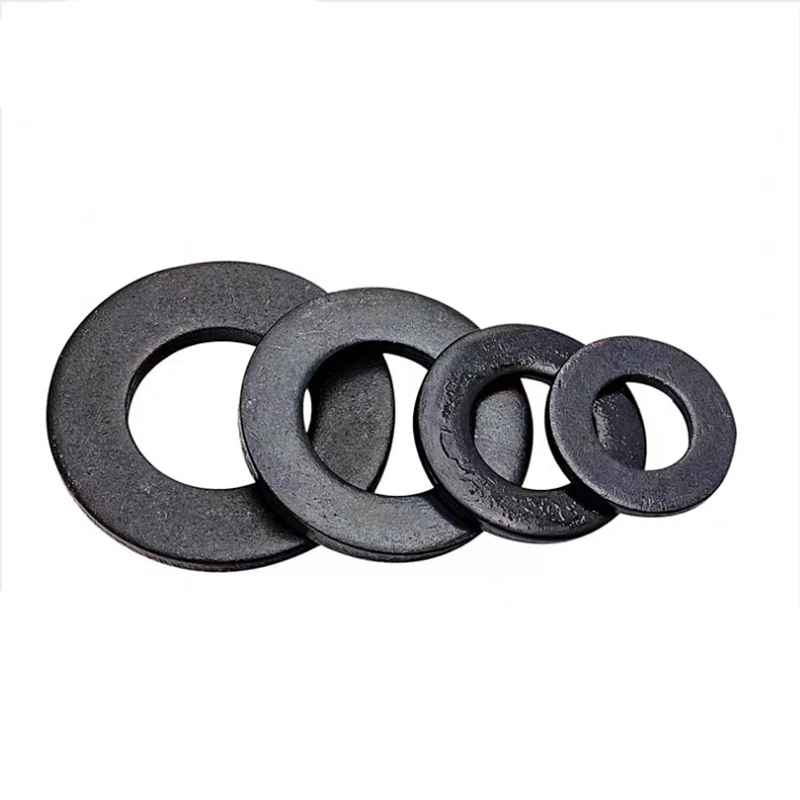
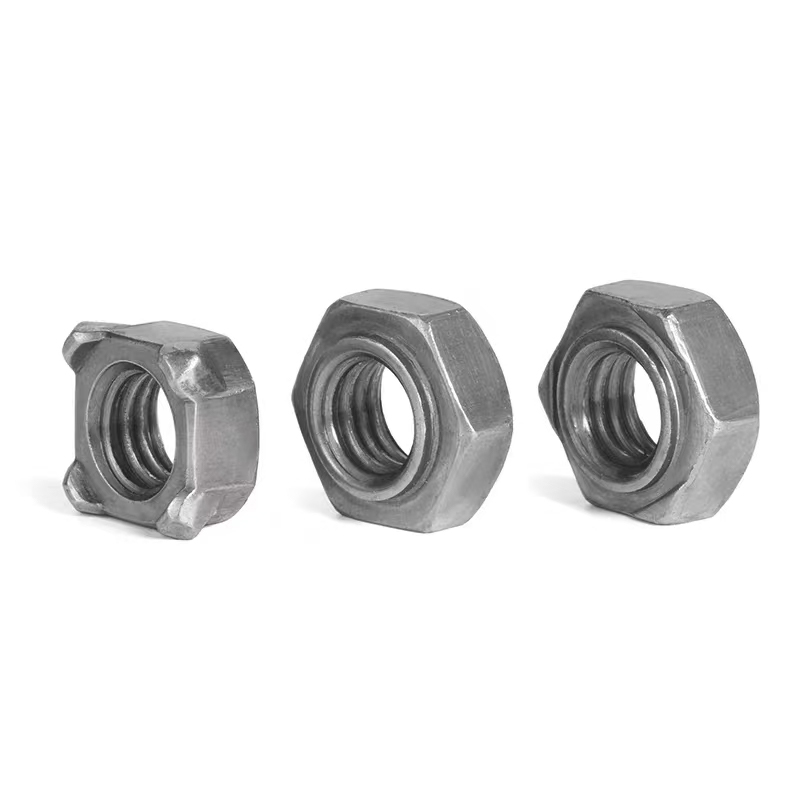
Lotinduta araketa
Lotutako bilaketa- Txina M16 T Bolt
- Box Bolt hedapen aingura
- Handizkako zink beltzeko zintzilikatutako bridak
- Handizkako zinka beltzeko hexagono socket boltsa
- Kautxuzko juntaduraren zigilua
- Txinako hedapen boltsa etxeko biltegia
- Koloretako zinka estalitako fruitu lehorrak
- handizkako m6 t slot boltsa
- Txinako hedapen boltsa m10x80
- Kautxuzko juntaduraren materiala


