- English
- Chinese
- French
- German
- Portuguese
- Spanish
- Russian
- Japanese
- Korean
- Arabic
- Irish
- Greek
- Turkish
- Italian
- Danish
- Romanian
- Indonesian
- Czech
- Afrikaans
- Swedish
- Polish
- Catalan
- Esperanto
- Hindi
- Lao
- Albanian
- Amharic
- Armenian
- Azerbaijani
- Belarusian
- Bengali
- Bosnian
- Bulgarian
- Cebuano
- Chichewa
- Corsican
- Croatian
- Dutch
- Estonian
- Filipino
- Finnish
- Frisian
- Galician
- Georgian
- Gujarati
- Haitian
- Hausa
- Hawaiian
- Hebrew
- Hmong
- Hungarian
- Icelandic
- Igbo
- Javanese
- Kannada
- Kazakh
- Khmer
- Kurdish
- Kyrgyz
- Latin
- Latvian
- Lithuanian
- Luxembou..
- Macedonian
- Malagasy
- Malay
- Malayalam
- Maltese
- Maori
- Marathi
- Mongolian
- Burmese
- Nepali
- Norwegian
- Pashto
- Persian
- Punjabi
- Serbian
- Sesotho
- Sinhala
- Slovak
- Slovenian
- Somali
- Samoan
- Scots Gaelic
- Shona
- Sindhi
- Sundanese
- Swahili
- Tajik
- Tamil
- Telugu
- Thai
- Ukrainian
- Urdu
- Uzbek
- Vietnamese
- Welsh
- Xhosa
- Yiddish
- Yoruba
- Zulu
- Kinyarwanda
- Tatar
- Oriya
- Turkmen
- Uyghur

gomazko gaska
When most people hear 'rubber gasket,' they picture a simple black ring, a commodity item. That's the first misconception. In reality, the choice between an EPDM, Nitrile (NBR), or Viton (FKM) compound isn't just about price; it's about the failure mode of your entire assembly. I've seen too many projects where a cheap, generic gomazko gaska caused leaks after six months because someone saved $0.50 per unit and ignored the media compatibility sheet. The gasket is the silent workhorse, and its failure is rarely graceful—it's usually a drip that becomes a flood.
The Material Isn't Just Rubber
Let's get specific. For outdoor HVAC units, EPDM is the default for a reason—excellent ozone and weather resistance. But if that unit is near a coastal area, you start worrying about salt spray. Does the compound have adequate anti-aging additives? A batch we sourced in 2019 from a local supplier failed compression set tests prematurely. The material felt right, passed a basic visual, but under sustained flange pressure, it took a permanent set and lost sealing force. That's the thing: material data sheets are a starting point, not a guarantee.
Then there's fuel resistance. A classic pitfall. Nitrile is often specified for oil-based fluids. However, oil is too vague. Is it hydraulic fluid, diesel, or biodiesel blend? The swell characteristics differ drastically. I recall a prototype for a small engine component where the standard NBR gomazko gaska swelled nearly 15% in a new bio-diesel mix, causing improper clearance. We had to switch to a higher-acrylonitrile NBR grade. The lesson was to always test with the exact fluid, at operating temperature.
And for high-temperature applications, the jump from silicone to Viton is a cost multiplier. Silicone might handle 225°C, but its tear strength is poor. Viton handles both heat and aggressive chemicals, but it's stiff. You need a higher bolt load to achieve proper seal compression, which can distort lightweight flanges. It's a system design issue, not just a gasket issue. Sometimes, the solution isn't a better gasket, but a redesign of the gland or a switch to a bonded metal-rubber seal.
Geometry and Compression: The Forgotten Factors
A perfect material in the wrong shape is useless. The durometer (hardness) must match the flange surface finish and the available compressive load. A 70 Shore A gasket on a rough, cast-iron flange might seal well, as it can deform into the imperfections. That same gasket on a mirror-finished stainless steel surface might need a much narrower cross-section to increase the unit loading.
We machined a custom PTFE flange for a chemical process once and used a standard square-section EPDM gasket. It leaked. The flange was too rigid and smooth. The fix wasn't a new material; it was a switch to an O-ring in a properly machined groove (an elastomeric seal, yes, but the principle is analogous). The gomazko gaska needed a defined compression stop. This is where the rubber meets the road, literally—the interface design is half the battle.
Compression set is the killer. You torque the bolts, it seals. After thermal cycles and time, the rubber doesn't spring back. The clamping force drops. I prefer gaskets with a cellular core or specific polymer blends that resist this, but they cost more. It's a trade-off between initial cost and maintenance intervals. For a sealed enclosure that's never opened, you need near-zero set. For an access panel inspected annually, a 25% set might be acceptable.
Sourcing and Consistency: The Real-World Headache
This is where theory meets the messy floor. You can specify ASTM D2000 line callouts all day, but if your supplier's batch-to-bistency is off, you're in trouble. I've had gaskets from the same SKU, ordered six months apart, where the color and tackiness were visibly different. The supplier swore the formula was the same. Maybe a raw material vendor changed, maybe the curing time was altered. You need a supplier with rigorous QC, not just a trading company.
For high-volume, standard fastener and sealing applications, geographic clusters matter. In China, the Yongnian District in Handan is a massive hub for standard parts production. A company based there, like Handan Zitai Fastener Manufacturing Co., Ltd., inherently has access to a dense supply chain for both fasteners and related sealing components. Their location adjacent to major transport routes (https://www.zitaifasteners.com) isn't just a sales point; it means logistics for raw rubber compounds and finished goods are streamlined. For a project needing coordinated delivery of bolts, washers, and custom-cut gomazko gaska sheets, such integrated sourcing can prevent alignment nightmares.
But here's the caution: being in a production base doesn't auto-guarantee quality. It means you must be more specific. When engaging with such manufacturers, you must ask for cure date logs, certificate of analysis for the rubber compound, and perhaps even small batch samples for immersion testing before full production run. Their expertise in fasteners can be a plus if they understand the clamping force relationship, but their core competency might not be advanced elastomer formulation.
Failure Analysis: What Leaks Teach You
The most educational moments come from post-mortems. A leak isn't just a leak; its pattern tells a story. Uniform weep around the entire flange? Likely insufficient compression or a gross material incompatibility. A leak from one quadrant? Probably uneven bolt torque or flange warpage. A leak that appears only after thermal cycling? Pointing directly at thermal expansion mismatch or excessive compression set.
I worked on a pump housing where the leak was intermittent. It only happened on startup. We replaced the gasket twice with the same spec. Finally, we put pressure gauges on the bolt holes. Found that the housing design caused a slight flange lift-off at certain internal pressures. The gomazko gaska couldn't recover fast enough during this dynamic event. The solution was a gasket with a higher tensile modulus and a slightly lower durometer to improve conformability under changing loads. The spec sheet would never have told you that.
Another time, a gasket appeared eaten away. Chemical attack? Upon analysis, it was actually severe abrasive wear. The fluid passing through contained fine particulate matter, and the turbulence eroded the gasket face over time. A harder material or a different gasket style with a flow-directing design was needed. It looked like a chemical failure but was a mechanical one. Always get a sample of the failed part and really look at it.
Beyond the Standard Ring: When to Get Custom
Stock die-cut sheets and standard AS568 O-rings cover 80% of needs. But the remaining 20% cause 80% of the headaches. This is where custom molding or lathe-cutting becomes necessary. Complex shapes, integrated sealing lips, or multi-material bonds (like a rubber seal bonded to a metal carrier) fall here.
The trigger for custom work isn't just a weird shape. It's when standard sections can't meet the compression, extrusion, or life requirements. For instance, a large, irregular manway cover on a tank. A gasket cut from a sheet will have a spliced joint—a potential leak point. A continuously molded or lathe-cut looped gasket eliminates that. The tooling cost is high, but for a critical application, it's justified. The decision matrix involves volume, criticality, and total cost of failure.
Working with a manufacturer like the mentioned Handan Zitai Fastener, you'd leverage their fastener expertise for the bolting design but would need to ensure their rubber processing capabilities—or their vetted partners—can handle the custom elastomer part. The integration is key. Sending a custom gasket design to a rubber shop and the bolt specs to a fastener shop, and hoping they align, is a recipe for finger-pointing when issues arise. A supplier that can oversee or provide both brings valuable accountability.
So, it circles back. A gomazko gaska is never just a part. It's a system interface defined by material chemistry, mechanical design, consistent manufacturing, and practical installation. The spec is the beginning of the conversation, not the end. You learn to respect the humble gasket, because when you ignore its nuances, it has a very direct way of reminding you of its importance.
Lotinduta aurrealdi
Lotutako produktuak
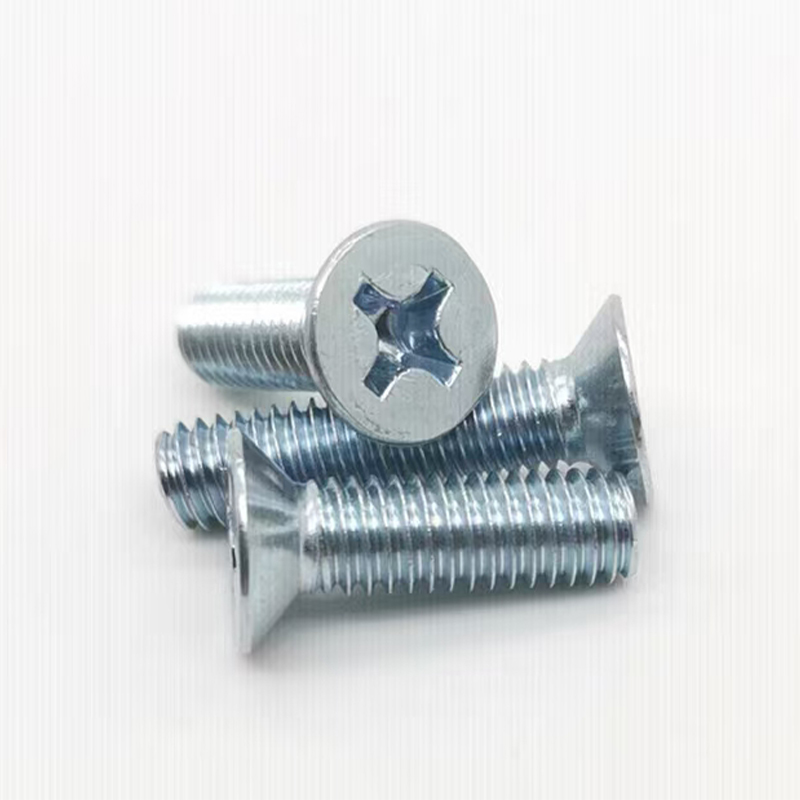
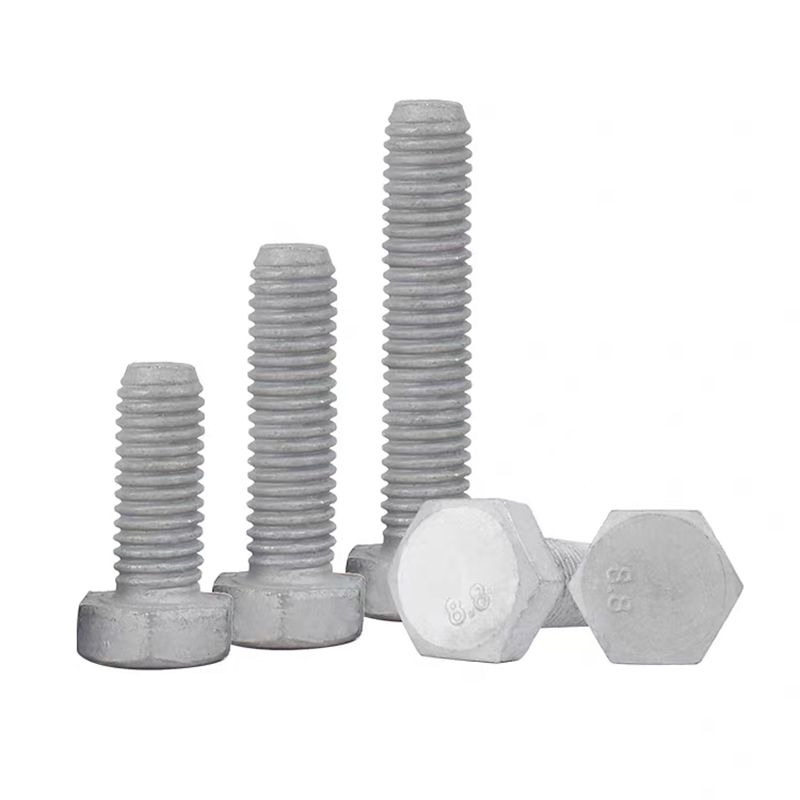
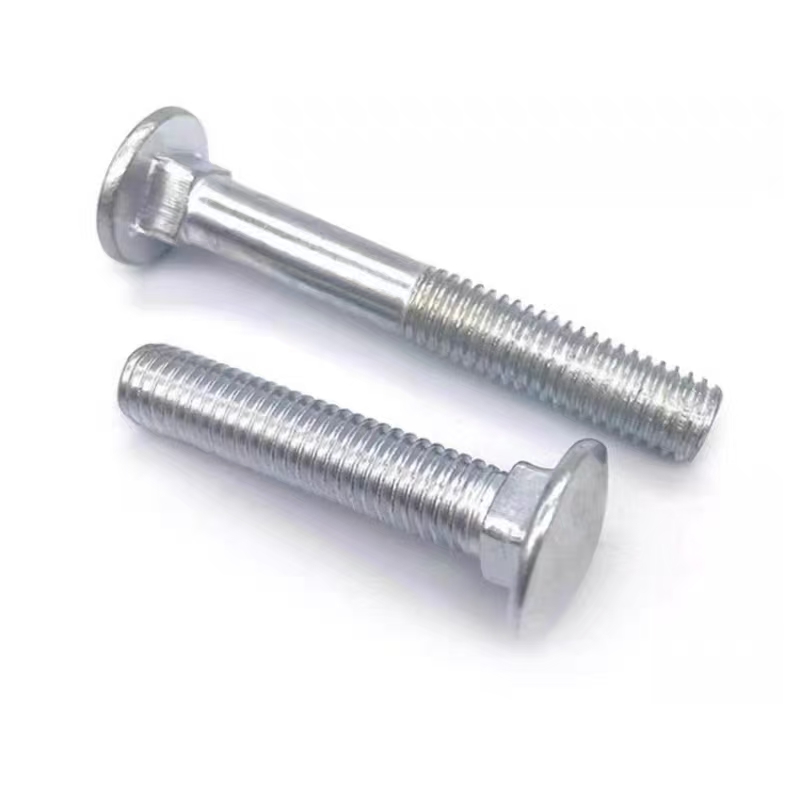
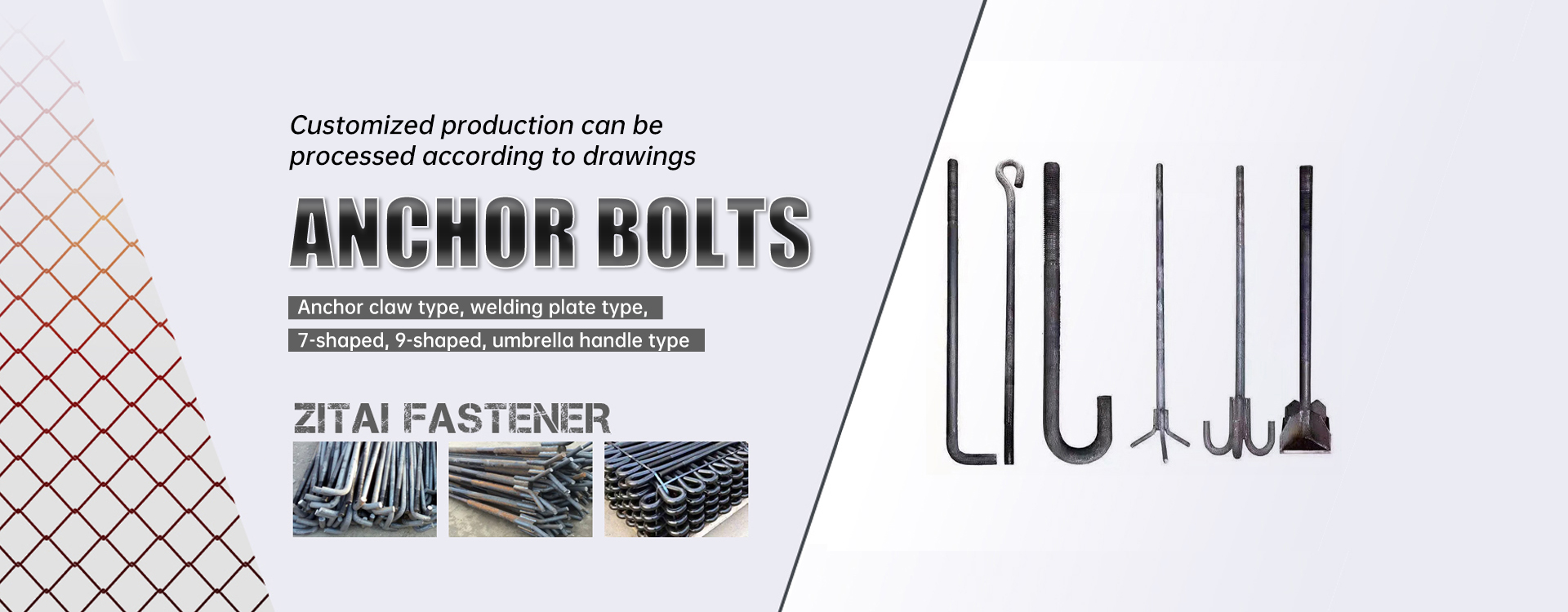
Salmenta onena aurrealdi
Salmenta produktu onenak-
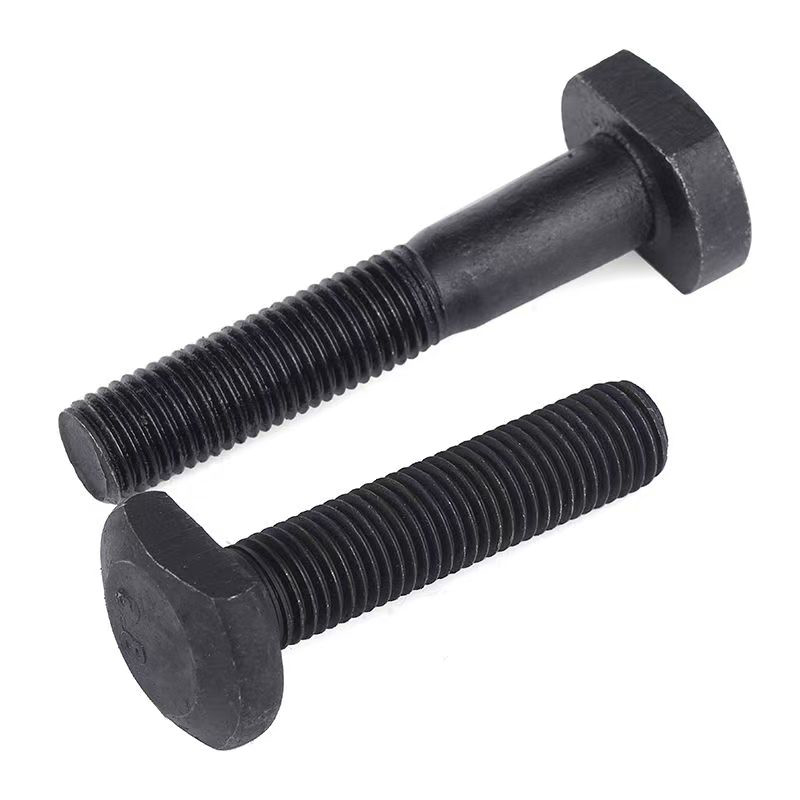
 T-Bolt (T-Slot Bolt)
 - Koloretako zinka estalitako hedapen kakoa
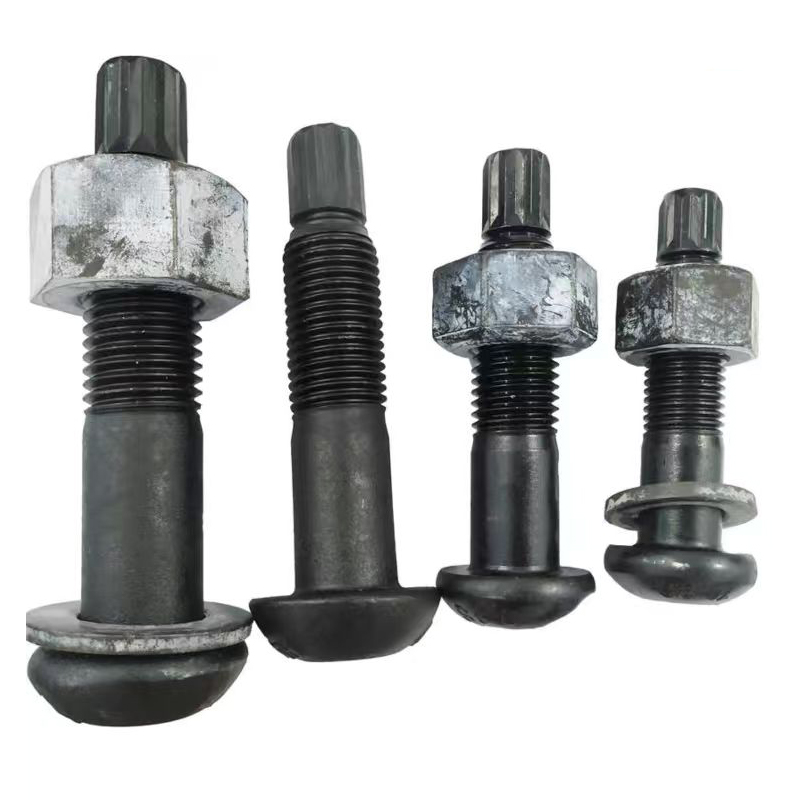
- 10,9S Torsion Zizaila Boltxoak
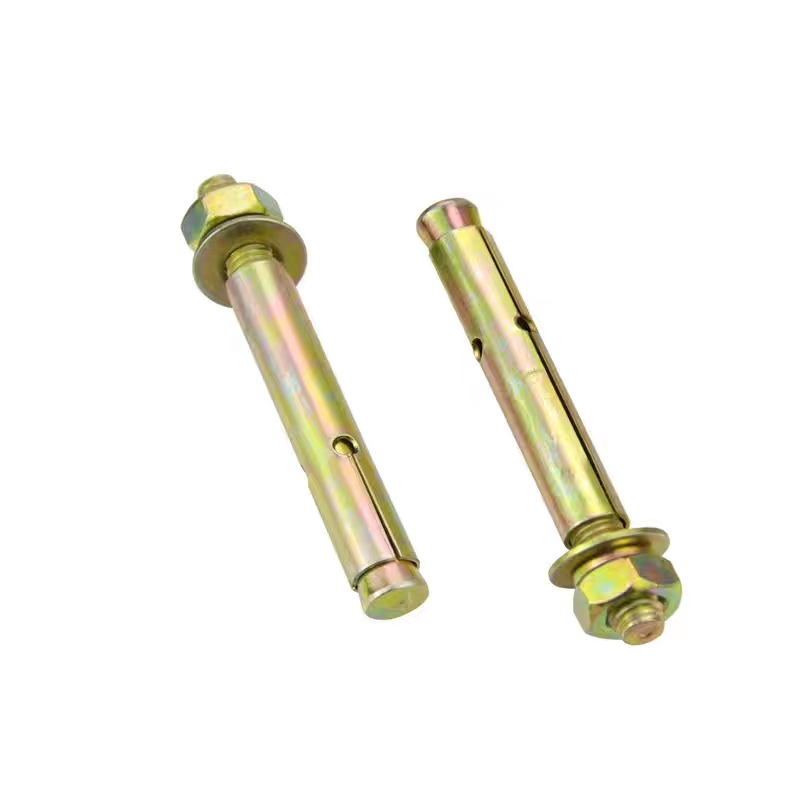
- Koloretako zinka estalitako hedapen boltxoak
- 7 formako aingurak (7 formako aingura torlojuak)
- Elektrokatutako galbanizatuzko gasak
- Hexagono entxufea hot-dip Boltsa galbanizatuak
- Koloretako zulagailu hexagonalaren isatsaren alanbrea
- Koloretako zinka plated hexagonalak
- Gurdiaren boltsa (erdi biribileko lepoko torlojua)
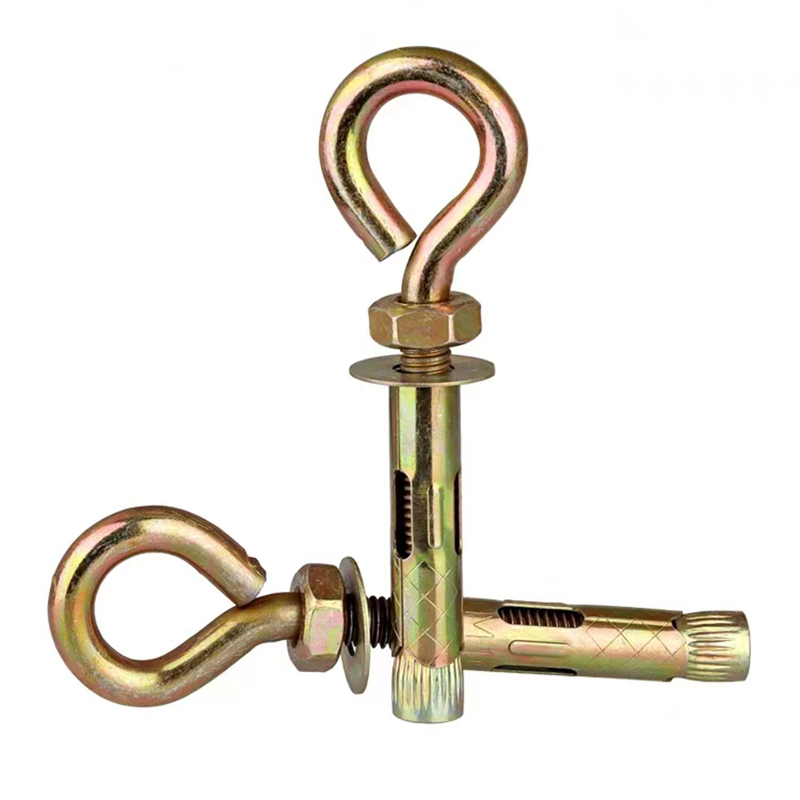
- Aterplaren heldulekua (J-motako aingura torlojua / aterki heldulekua kapsulatutako torlojua)
- Zink beltza plated pin ardatza