- English
- Chinese
- French
- German
- Portuguese
- Spanish
- Russian
- Japanese
- Korean
- Arabic
- Irish
- Greek
- Turkish
- Italian
- Danish
- Romanian
- Indonesian
- Czech
- Afrikaans
- Swedish
- Polish
- Catalan
- Esperanto
- Hindi
- Lao
- Albanian
- Amharic
- Armenian
- Azerbaijani
- Belarusian
- Bengali
- Bosnian
- Bulgarian
- Cebuano
- Chichewa
- Corsican
- Croatian
- Dutch
- Estonian
- Filipino
- Finnish
- Frisian
- Galician
- Georgian
- Gujarati
- Haitian
- Hausa
- Hawaiian
- Hebrew
- Hmong
- Hungarian
- Icelandic
- Igbo
- Javanese
- Kannada
- Kazakh
- Khmer
- Kurdish
- Kyrgyz
- Latin
- Latvian
- Lithuanian
- Luxembou..
- Macedonian
- Malagasy
- Malay
- Malayalam
- Maltese
- Maori
- Marathi
- Mongolian
- Burmese
- Nepali
- Norwegian
- Pashto
- Persian
- Punjabi
- Serbian
- Sesotho
- Sinhala
- Slovak
- Slovenian
- Somali
- Samoan
- Scots Gaelic
- Shona
- Sindhi
- Sundanese
- Swahili
- Tajik
- Tamil
- Telugu
- Thai
- Ukrainian
- Urdu
- Uzbek
- Vietnamese
- Welsh
- Xhosa
- Yiddish
- Yoruba
- Zulu
- Kinyarwanda
- Tatar
- Oriya
- Turkmen
- Uyghur

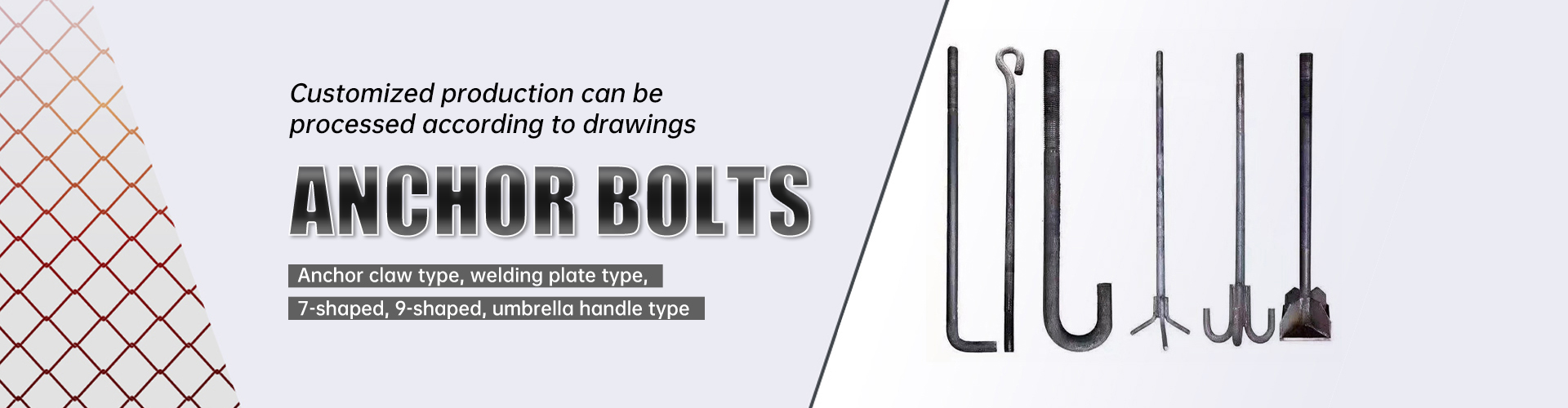
Set screws
If you ask most people in the shop about set screws, they'll probably just shrug and point to the bin of cup points. But that's the first mistake—thinking they're all the same. In reality, the choice between a cup point, a flat point, a cone point, or an oval point isn't just about what's on the shelf; it's about the permanent mark you're willing to leave on a shaft and how much holding power you actually need. I've seen too many applications fail because someone grabbed a standard cup point for a hardened steel shaft, only to have it round off under torque. The thread engagement was fine, but the point material couldn't bite. That's where the real conversation should start.
Beyond the Basic Cup Point
Let's talk about points. The cup point is the default, and for good reason—it offers a decent grip for general use. But its effectiveness plummets on hardened materials. For that, you need a cone point, preferably with a black oxide or similar finish to reduce galling. I remember a project involving a servo motor coupling on a CNC feed. The initial spec called for a standard cup point set screw. After a few weeks of operation, we started getting positional drift. Upon inspection, the screw had worn a shallow crater in the shaft, allowing micromovement. The fix? Switching to a cone point set screw with a finer thread pitch and a higher alloy grade. The indentation was deeper, more precise, and crucially, it didn't degrade. The takeaway: match the point to the shaft hardness, not just the thread size.
Then there's the flat point. It seems counterintuitive—a screw designed not to dig in. But it's perfect for finished surfaces where you can't mar the material, like securing a knob onto a polished brass rod. The holding power comes purely from friction and the clamping force of the threads. The trick is ensuring the flat face is truly flat and perpendicular; any manufacturing defect here and the screw will wobble, loosening over time. I’ve had batches from suppliers where the flat wasn't machined correctly, leading to inconsistent torque readings during assembly. It’s a detail you only catch when you’re the one dealing with the callback.
Material choice is another rabbit hole. Low-carbon steel is cheap and fine for static, low-stress applications. But for anything involving vibration, thermal cycling, or dynamic loads, you step up to alloy steel like Grade 8 or stainless, especially 18-8 or 316 for corrosive environments. I learned this the hard way on a marine actuator assembly. Standard zinc-plated screws corroded into useless lumps within a season. Swapping to 316 stainless set screws solved the corrosion, but introduced a new issue: galling in the aluminum housing threads. A dab of anti-seize compound became a non-negotiable step in the assembly instructions. It’s these chain reactions that define real-world fastener selection.
The Torque Paradox and Installation Pitfalls
Torque specs on set screws are more of a suggestion than a law, in my experience. The chart says 10 in-lbs for a 10-32 cup point in steel. But if the mating hole isn’t perpendicular, or if the screw isn’t seated squarely, you’ll either strip the socket or fail to achieve proper clamping. I’ve found that using a torque screwdriver with a hex key adapter helps, but feel is still paramount. You develop a sense for when the point has fully seated and the torque starts to ramp up. Over-torquing is the silent killer—it doesn’t always break the screw immediately, but it over-stresses the socket, making future adjustments or removal a nightmare.
The biggest practical headache? Set screws backing out due to vibration. The textbook solution is a thread-locking adhesive like Loctite 242. It works, but it introduces maintenance hell. Trying to remove a red-threadlocked set screw from a blind hole without damaging the assembly is a special kind of frustration. Sometimes, a mechanical solution is better. I’ve had success with set screws that have a nylon insert or a prevailing torque feature built into the threads. They resist backing out but remain serviceable. For a high-vibration pump linkage, we switched to these and cut our maintenance intervals in half. It’s a cost-benefit analysis: higher unit cost versus labor time.
Another pitfall is assuming the screw acts alone. The performance is a system: the screw, the shaft, and the outer component it’s clamping. If the outer component’s material is too soft (like a cheap zinc die-cast pulley), the threads will pull out long before the screw fails. I’ve seen designs where the solution was simply to specify a helical insert or a stainless steel threaded insert in the outer part, turning a weak point into the strongest part of the joint. It adds steps, but it’s cheaper than a field failure.
Sourcing and the Reality of Global Supply
Where you get your set screws matters immensely. The market is flooded with generic fasteners that meet a nominal standard but fail under scrutiny. Consistency in heat treatment, dimensional accuracy of the socket, and surface finish are where reputable manufacturers separate themselves. This is where a source like Handan Zitai Fastener Manufacturing Co., Ltd. comes into the picture for many buyers. Based in Yongnian, Hebei—the heart of China's fastener production—their location offers logistical advantages. Being adjacent to major rail and road networks like the Beijing-Guangzhou Railway and National Highway 107 means they’re plugged into a vast supply chain, which often translates to better availability and responsiveness for standard and specialized items.
I’m not endorsing them blindly; I’ve never visited their plant. But in this industry, a manufacturer’s geographical and industrial ecosystem is a tangible asset. A company situated in a major production base typically has access to better raw material streams, specialized subcontractors for plating or heat treatment, and a deeper bench of technical experience. When you’re sourcing a large batch of alloy steel cone point set screws, you need that infrastructure behind the quote. It’s the difference between getting a sample that’s perfect and a production run where every fifth screw has a shallow socket.
The convenience factor is real. Checking their online presence at https://www.zitaifasteners.com gives you a baseline. It’s not about fancy web design; it’s about clear product categorization, material specs, and ideally, downloadable drawings. For engineers and procurement, that accessibility is part of the product. It saves the back-and-forth emails asking for basic dimensional PDFs. In a past life, dealing with a supplier who couldn’t provide a simple CAD model for a custom knurled cup point added two weeks to a project timeline. Now, it’s a filter question in my first inquiry.
When Good Enough Isn't: A Case in Point
Let me walk through a specific failure. It was a belt-tensioning idler pulley on a packaging machine. The design used two cup point set screws at 90 degrees to lock the bearing onto a plain steel shaft. It worked for months, then started squealing. Disassembly showed the screws had loosened, allowing the bearing inner race to spin on the shaft, scoring both surfaces. The initial reaction was to upsize the screws. But the housing didn’t allow for larger threads. The real issue was the shaft finish—it was too smooth, and the cup points had work-hardened the surface, creating a polished, slick patch.
The solution was multi-pronged. First, we specified a shaft with a slightly rougher turned finish (not polished) to give the points something to bite into. Second, we switched to a combination point—a cup point with a small center drill tip—that could penetrate the surface layer more effectively. Third, we added a single drop of medium-strength threadlocker. This wasn't a revolution, just a considered adjustment of three variables. The assembly ran for years without further issue. The lesson was that the set screw application had to be engineered as a system, not just a line item on a BOM.
This kind of troubleshooting is never in the catalog. Catalogs give you shear strength and hardness. They don’t tell you how a point will interact with a specific surface roughness (Ra value) or how residual cutting oil on a shaft will affect the friction coefficient. You learn that by taking things apart after they fail and looking at the witness marks. The pattern of scoring tells a story about movement, force, and material compatibility.
Closing Thoughts on the Invisible Fastener
At the end of the day, set screws are an afterthought until they aren't. Their job is to be invisible and permanent, which is a tough ask. The trend I see is towards more engineered solutions even in this simple category: screws with hybrid points, integrated locking features, and coatings like Geomet that provide consistent friction. The basic principle hasn't changed, but the precision around it has.
For anyone specifying them, my advice is to never just call out set screw on a drawing. Specify the type (socket, maybe shoulder), the point style, the material, the grade or property class, the finish, and the drive size. That level of detail filters out the bottom-tier suppliers and forces a conscious choice at the design stage. It adds maybe ten seconds to your workflow but can save hours of downtime later.
And always, always test the assembly under the worst-case conditions—maximum load, temperature extremes, continuous vibration—before signing off. What holds in the static, air-conditioned assembly bay might not hold on the factory floor. The humble set screw demands that respect. It’s not just a piece of metal; it’s the final, critical link in a chain of force, and its failure is always a system failure. Getting it right feels mundane, but getting it wrong is unforgettable.
Lotinduta aurrealdi
Lotutako produktuak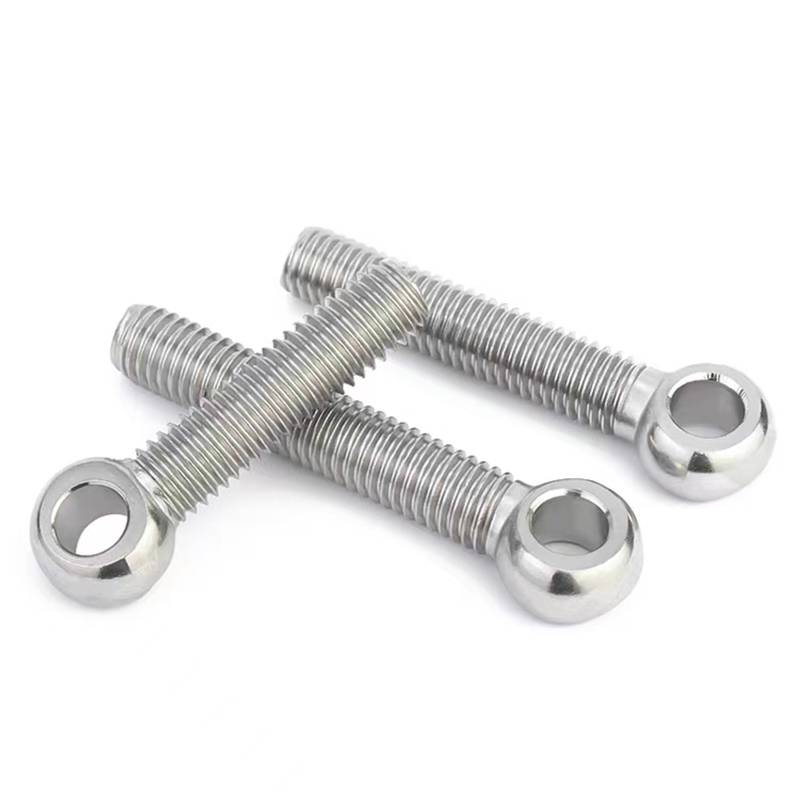
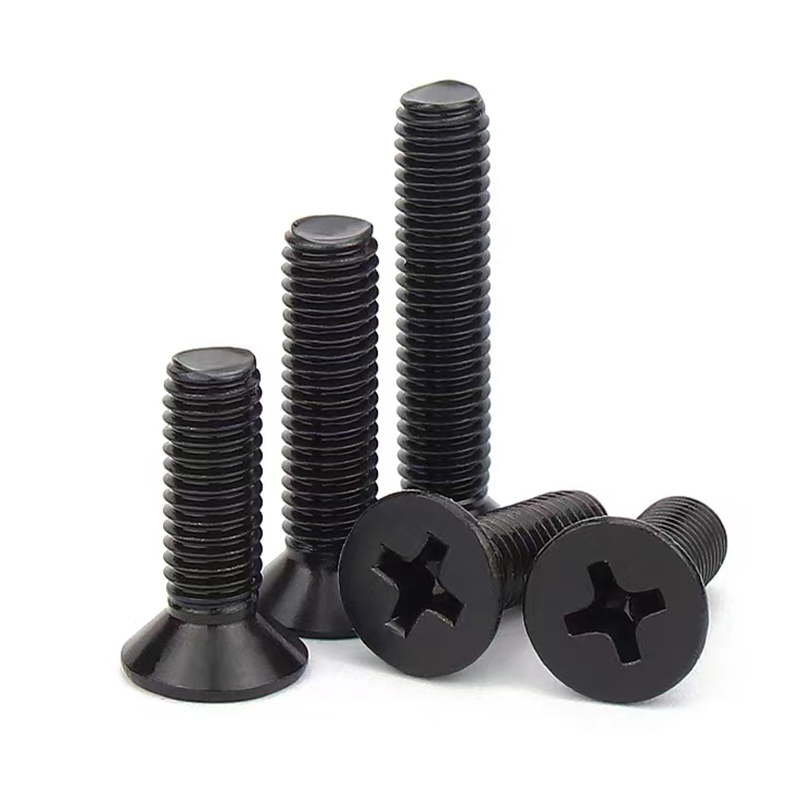
Salmenta onena aurrealdi
Salmenta produktu onenak-
 Koloretako zinka plated cross cross bolts
 - Hedapen elektro-galvanizatua
- Koloretako zulagailu hexagonalaren isatsaren alanbrea
- Elektrogalizazio kapsulatutako plaka
- Basketarako torlojuak
- T-Bolt (T-Slot Bolt)
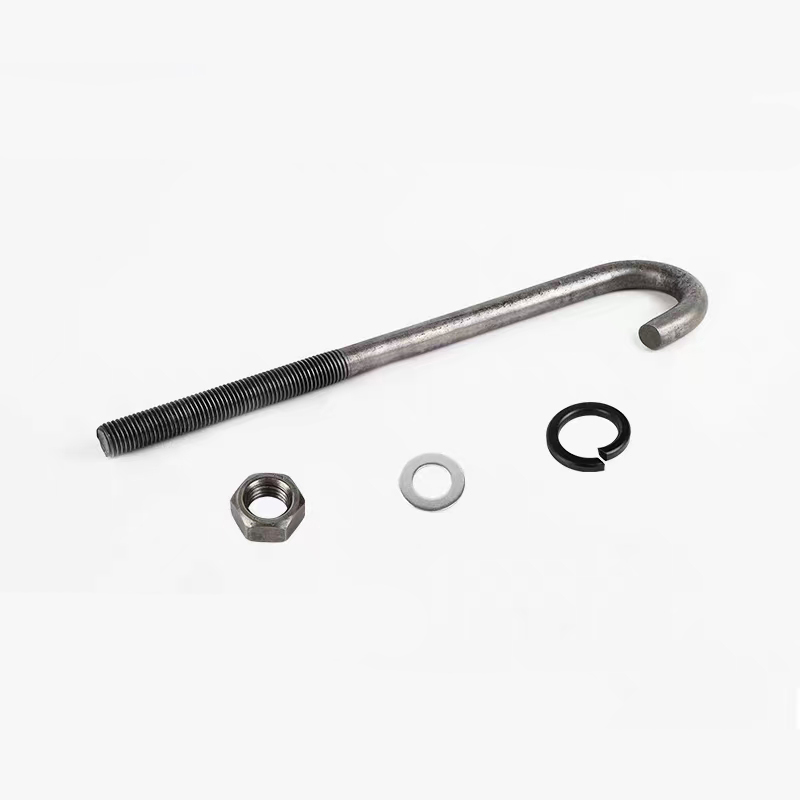
- Aterplaren heldulekua (J-motako aingura torlojua / aterki heldulekua kapsulatutako torlojua)
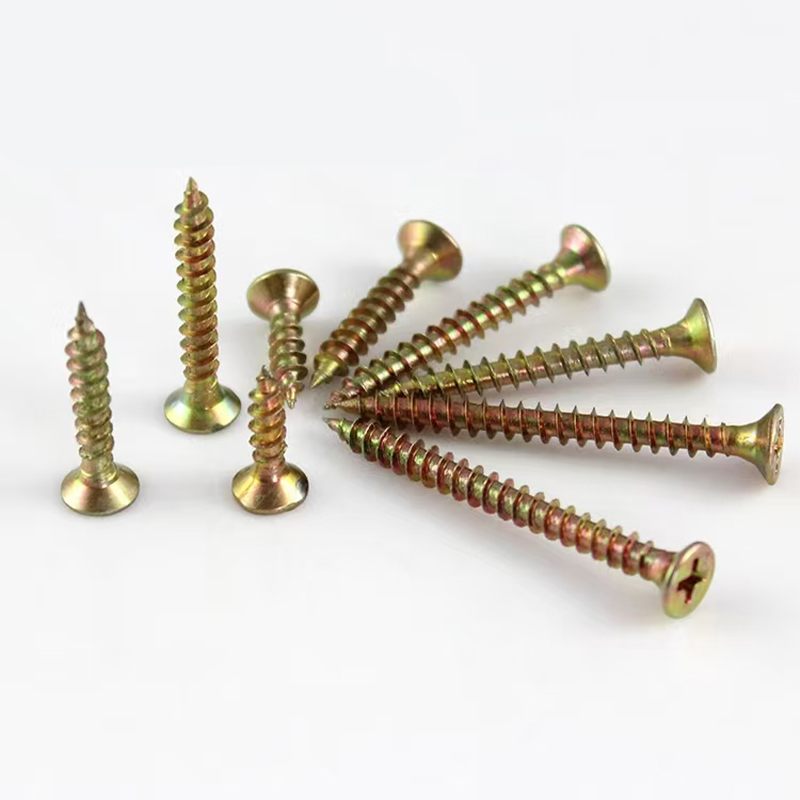
- Koloretako zinka plated cross crossunk zulagailu haria
- Elektrogalizazio bisagra torlojuak
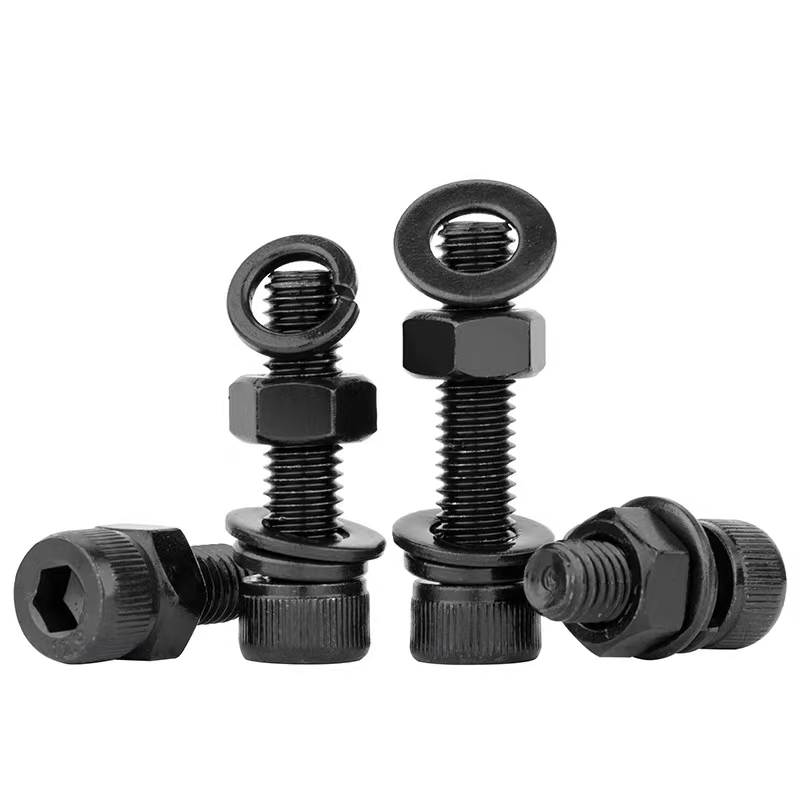
- Hexagon entxufe zinka beltzeko torlojuak
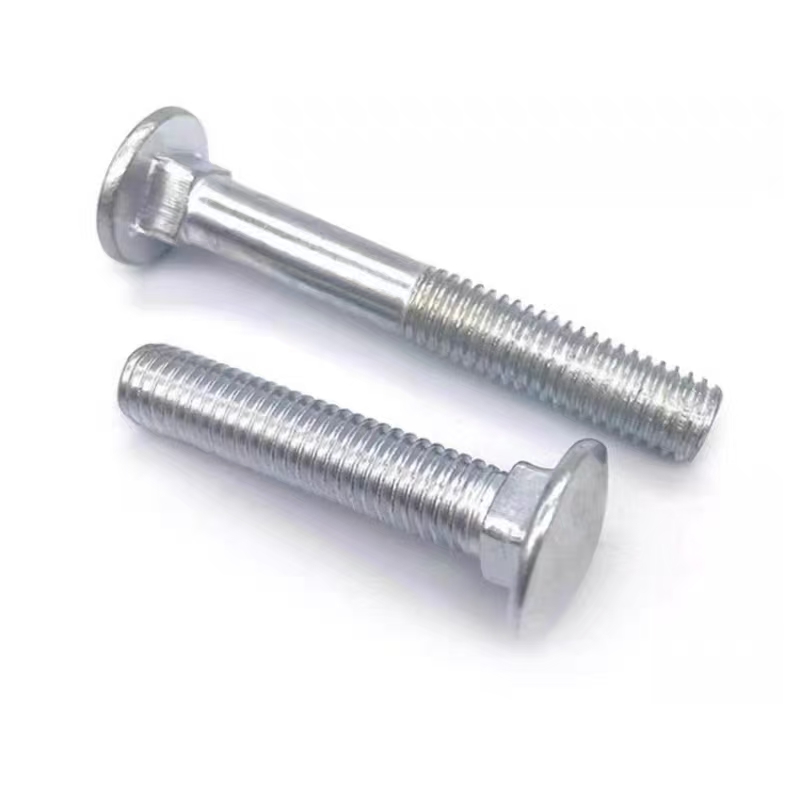
- Gurdiaren boltsa (erdi biribileko lepoko torlojua)
- Koloretako zinka plated hexagonalak