
- English
- Chinese
- French
- German
- Portuguese
- Spanish
- Russian
- Japanese
- Korean
- Arabic
- Irish
- Greek
- Turkish
- Italian
- Danish
- Romanian
- Indonesian
- Czech
- Afrikaans
- Swedish
- Polish
- Catalan
- Esperanto
- Hindi
- Lao
- Albanian
- Amharic
- Armenian
- Azerbaijani
- Belarusian
- Bengali
- Bosnian
- Bulgarian
- Cebuano
- Chichewa
- Corsican
- Croatian
- Dutch
- Estonian
- Filipino
- Finnish
- Frisian
- Galician
- Georgian
- Gujarati
- Haitian
- Hausa
- Hawaiian
- Hebrew
- Hmong
- Hungarian
- Icelandic
- Igbo
- Javanese
- Kannada
- Kazakh
- Khmer
- Kurdish
- Kyrgyz
- Latin
- Latvian
- Lithuanian
- Luxembou..
- Macedonian
- Malagasy
- Malay
- Malayalam
- Maltese
- Maori
- Marathi
- Mongolian
- Burmese
- Nepali
- Norwegian
- Pashto
- Persian
- Punjabi
- Serbian
- Sesotho
- Sinhala
- Slovak
- Slovenian
- Somali
- Samoan
- Scots Gaelic
- Shona
- Sindhi
- Sundanese
- Swahili
- Tajik
- Tamil
- Telugu
- Thai
- Ukrainian
- Urdu
- Uzbek
- Vietnamese
- Welsh
- Xhosa
- Yiddish
- Yoruba
- Zulu
- Kinyarwanda
- Tatar
- Oriya
- Turkmen
- Uyghur


Stud torlojua
If you ask someone outside of heavy industry to picture a stud bolt, they’ll likely imagine a simple threaded rod. That’s the first misconception. In reality, a stud bolt is a precision fastener, a critical component whose failure can mean more than a leak—it can mean a shutdown, or worse. The difference lies in the application and the specs. I’ve seen projects delayed because someone sourced generic threaded rods for a pressure vessel flange. They look similar, but they aren’t interchangeable. The stud, with its continuous threading or specific threaded ends, is designed for even clamp load distribution in a bolted joint assembly. Getting that wrong isn't an option.
The Anatomy of a Reliable Stud
It starts with the material, but it doesn’t end there. For most petrochemical or power plant applications, you’re looking at ASTM A193 B7 or B16 for high-temperature service. But specifying “B7” isn’t enough. The devil is in the heat treatment and the threading. A proper stud isn’t just turned; the threads are often rolled after heat treatment. This work-hardens the thread roots, significantly improving fatigue resistance. I recall a batch from a supplier—the material certs were perfect, but the threads were cut. Under cyclic loading on a pump assembly, they started failing at the first engaged thread. The problem? Improper manufacturing process. The studs were strong, but the threads were the weak link.
Then there’s the finish. Cadmium plating was the old standard for corrosion resistance, but environmental regulations are phasing it out. More common now is zinc-nickel or hot-dip galvanizing, but you must account for hydrogen embrittlement, especially with high-strength bolts like B7. They require baking after plating to drive out hydrogen. Skip that step, and you install a time bomb. I’ve witnessed the aftermath of an embrittlement failure on a compressor—a clean, brittle fracture with no deformation. The root cause was traced back to a plating shop that omitted the bake cycle. The takeaway? Your quality control needs to extend to your supplier’s sub-contractors.
Length and chamfer matter more than you’d think. A stud should protrude through the nut by about 1.5 to 2 threads. Too long, and it’s wasteful and can interfere; too short, and you don’t get full nut engagement. The chamfer on the ends isn’t just for easy starting; it protects the first threads from damage during handling and installation. We once had a site crew complain about nuts cross-threading. Turns out, the studs were delivered with burred ends from rough handling, and the chamfer was insufficient. A small detail that caused big headaches.
Gaskets, Load, and the Tightening Dance
A stud bolt doesn’t work alone. Its entire purpose is to compress the gasket uniformly to create a seal. The type of gasket—spiral wound, ring joint, soft graphite—dictates the required bolt load. Under-torque, and the gasket won’t seat properly, leading to a leak. Over-torque, and you can crush a spiral wound gasket, damaging its filler, or worse, overstress the stud itself. The goal is to achieve the “yield point” of the gasket material, not the bolt. This is where torque-and-turn procedures or hydraulic tensioning come in. Simple torque wrenches are often inadequate for large-diameter studs due to friction inconsistencies.
I prefer hydraulic tensioning for critical joints. It stretches the stud bolt elastically, and then the nut is run down. This method gives a much more accurate and uniform load across all studs in a flange. The alternative, impact wrenches, are a recipe for uneven loading. I’ve seen flanges that were “tight” but leaked after thermal cycling because the load was uneven, causing the flange to warp slightly. Retorquing after a heat cycle is standard practice, but if the initial load was all over the place, retorquing might not fix it.
Lubrication is non-negotiable but often botched. You must use the lubricant specified in the procedure—usually a high-temperature anti-seize compound like nickel-based or copper-based. And it must be applied only to the threads and the nut bearing surface, not the bit that will be under tension. The coefficient of friction changes dramatically with the lubricant. Using the wrong one, or applying it inconsistently, means your calculated torque value is useless. I’ve calibrated torque wrenches only to have the effort wasted because a crew used whatever grease was in their tool cart.
Sourcing and the Reality of the Global Market
You can have perfect specs and procedures, but if the fastener itself is subpar, you’re finished. The market is flooded with product, and quality varies wildly. Price shopping is dangerous. For non-critical applications, maybe it’s fine. But for a refinery or a subsea pipeline, you need traceability: heat numbers, mill certs, full chemical and mechanical reports. This is where established manufacturing bases matter. A region like Yongnian in Hebei, China, for instance, is a colossal hub for fastener production. The concentration of expertise and infrastructure there can be a real advantage.
Take a manufacturer based there, like Handan Zitai Fastener Manufacturing Co., Ltd.. Their location in the largest standard part production base in China isn’t just a marketing line. Being adjacent to major rail and road networks means logistics for raw material in and finished goods out are integrated. For a buyer, that can translate to cost efficiency and reliability in the supply chain. When you’re ordering a few tons of stud bolts for a project, you don’t want them stuck in a port. Their site, https://www.zitaifasteners.com, shows the typical range—from B7 to more specialized grades. The key is whether they have the quality processes to back it up for critical applications.
I’ve dealt with good and bad suppliers from similar regions. The good ones understand international standards like ASME, ASTM, and DIN. They invest in their forging, threading, and heat treatment lines. They provide the full certification package without being asked. The bad ones might provide a fake cert or mix batches. One painful lesson was a “ASTM A320 L7” order for low-temperature service. The certs looked okay, but Charpy impact tests at -150°F failed spectacularly. The material was off-grade. The supplier vanished. Now, we audit. We ask for process control sheets, not just final certs.
When Things Go Wrong: Field Lessons
Failure analysis is the best teacher. The most common field issue is seizure or galling, especially with stainless steel studs like B8 (304/316). When under high load, the protective oxide layer can break down, causing the threads to cold-weld together. It’s a nightmare to disassemble. Using a different grade like B8M (316) can help, but often the solution is a high-quality anti-galling compound. I remember a heat exchanger bundle replacement that took three days longer because every other stainless stud and nut had galled. The cost in labor far exceeded the premium for better anti-seize.
Corrosion under tension is another silent killer. A stud bolt under constant tensile stress in a corrosive environment is prone to stress corrosion cracking (SCC). For chloride environments, this rules out standard 304/316 stainless for stressed parts. You might need to upgrade to a more resistant alloy or use a coated carbon steel stud. We had a coastal plant where B7 studs with a thin zinc coating corroded through in a year. The solution was a thicker, more robust barrier coating, coupled with more frequent inspection intervals.
Sometimes, the failure is in the design. A standard stud bolt might not be the answer. In high-vibration environments, like on compressors or pumps, you might need a drilled stud for safety wiring or a prevailing torque nut. Or, for frequent disassembly, a double-ended stud with a shoulder might be better to prevent wear on the flange threads. It’s about matching the fastener to the service, not just pulling one from a generic catalog.
The Takeaway: It's a System, Not a Part
So, after all this, what’s the point? It’s that a stud bolt is never just a commodity item you tick off on a bill of materials. It’s an engineered component within a larger system—the bolted joint. Its performance depends on the material, the manufacturing process, the complementary hardware (nuts, washers), the installation procedure, and the operating environment. Ignoring any one of these is asking for trouble.
My advice is always to over-specify on documentation and under-specify on blind trust. Demand the paperwork. Understand the process. And build a relationship with suppliers who get it, whether they’re down the road or on the other side of the world, like those in major production clusters. Because when you’re staring at a leaking flange at 2 AM, the last thing you want to question is the integrity of the studs holding it all together. That’s when you realize the true value of that “simple” threaded rod.
Lotinduta aurrealdi
Lotutako produktuak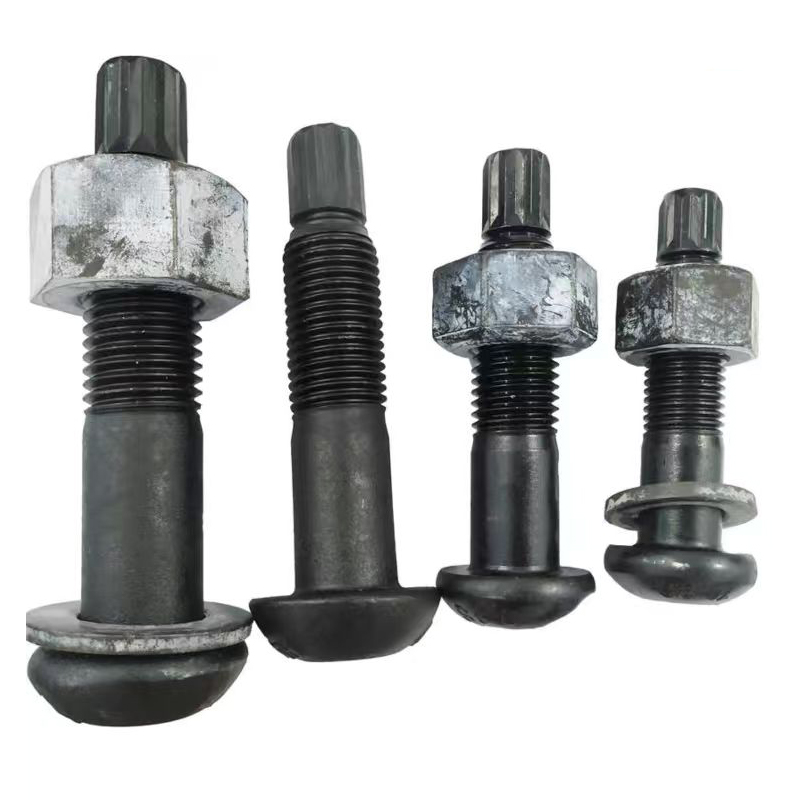
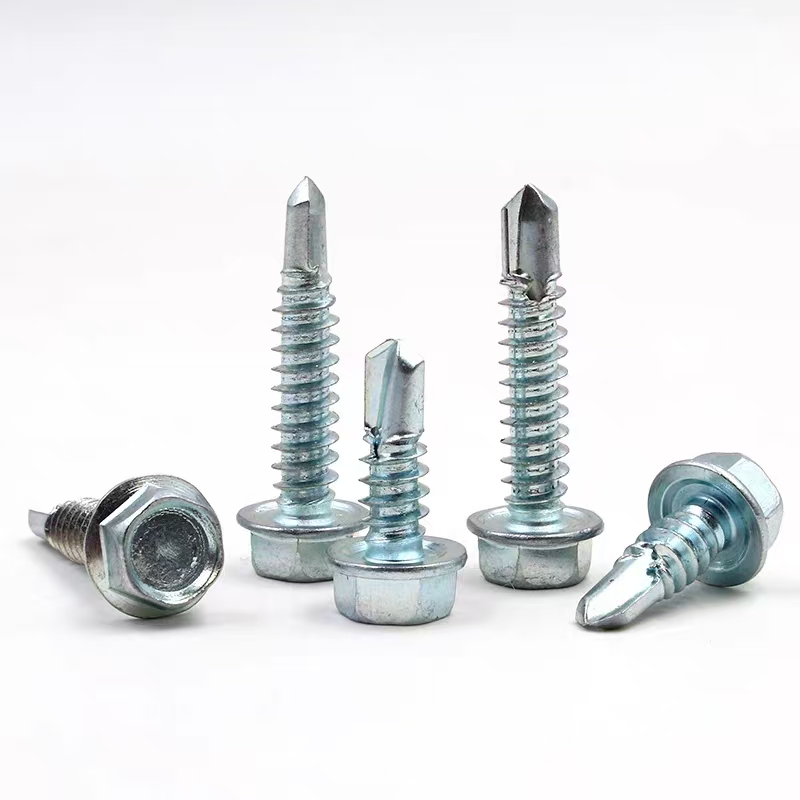
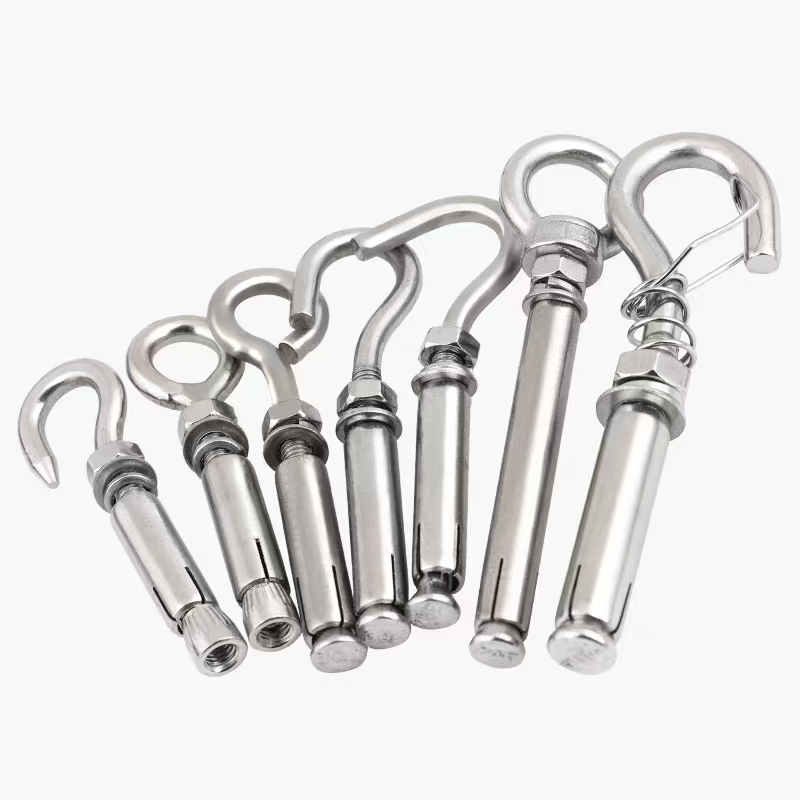
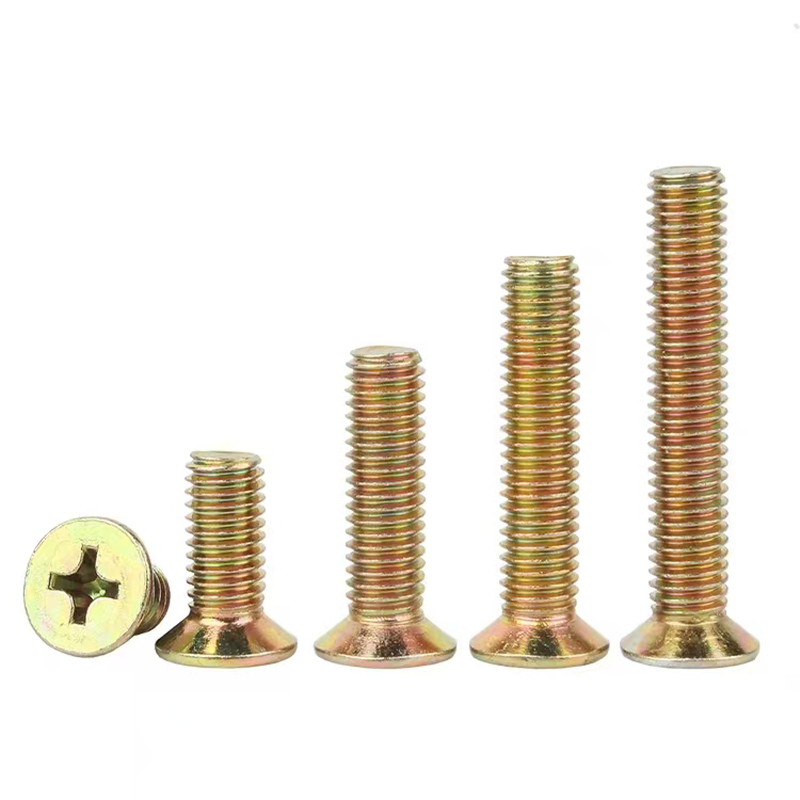
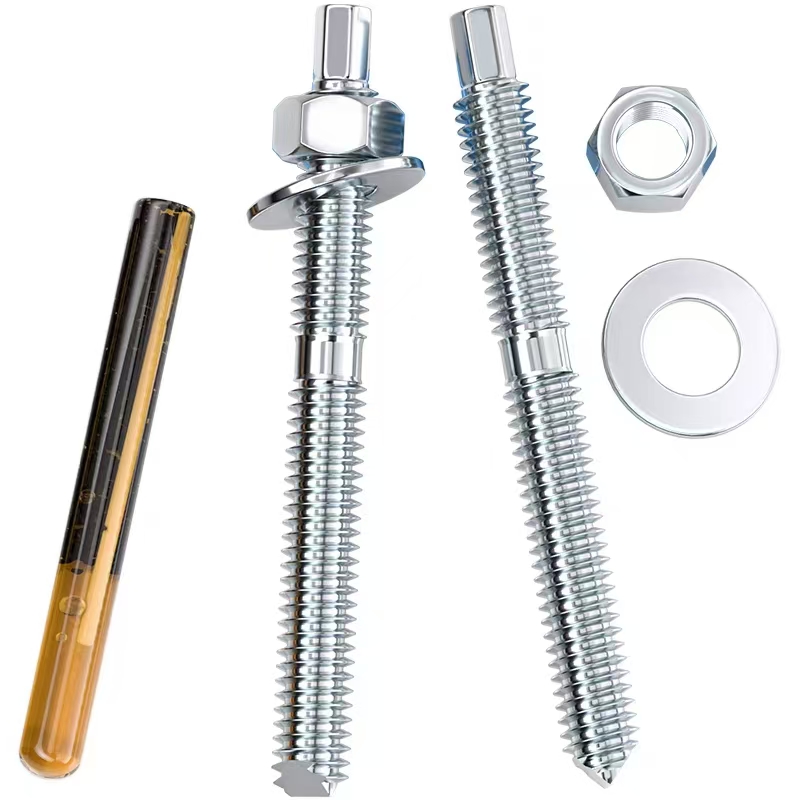
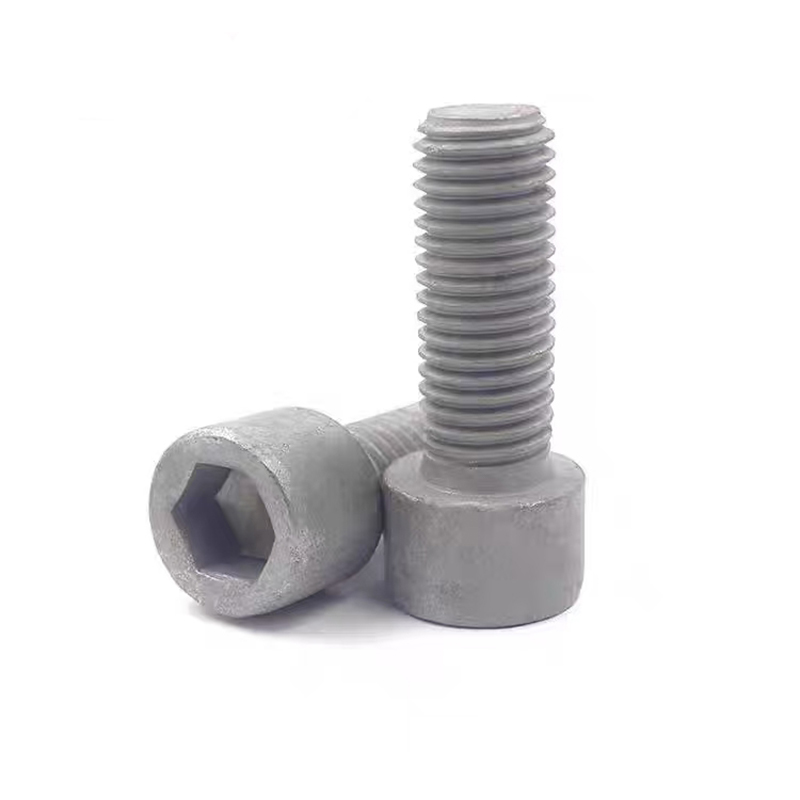
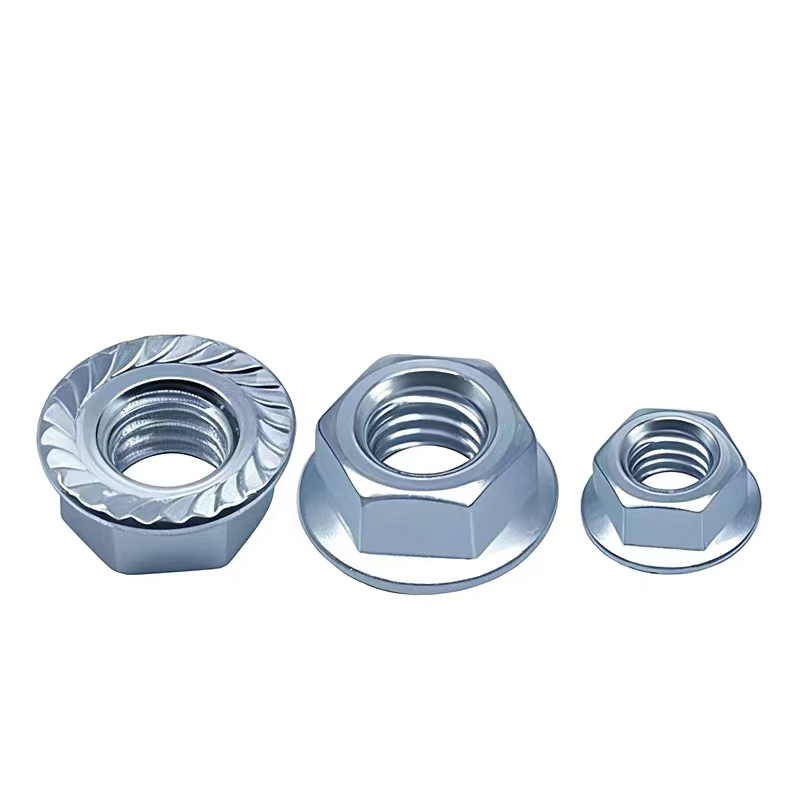
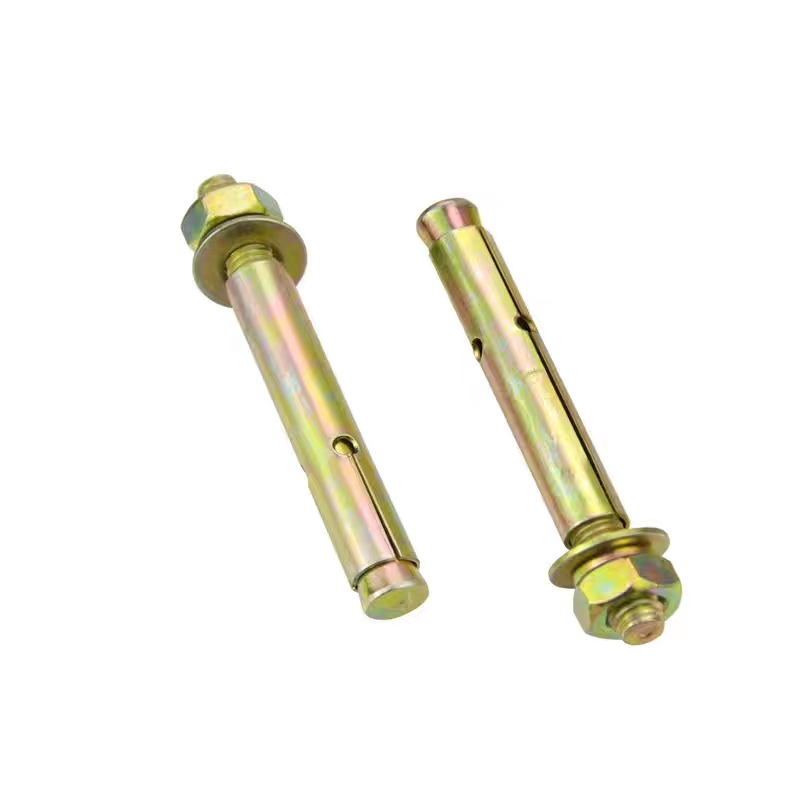
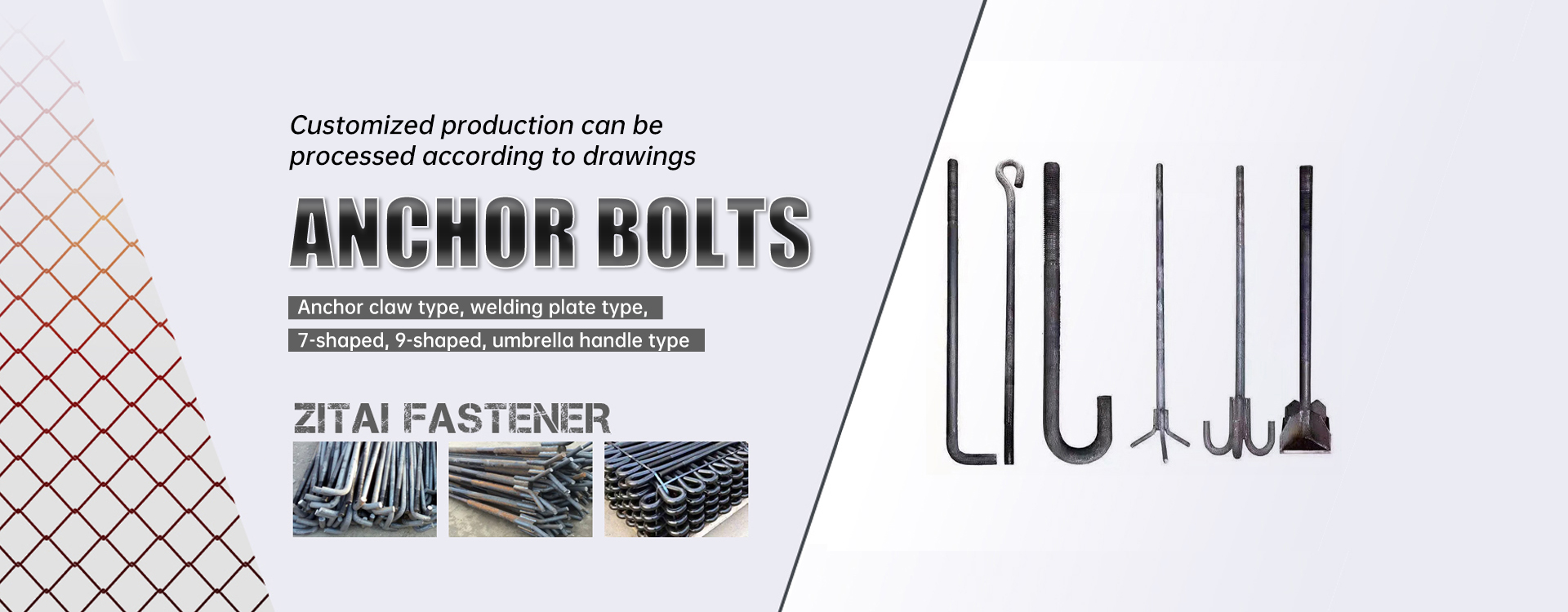
Salmenta onena aurrealdi
Salmenta produktu onenak-
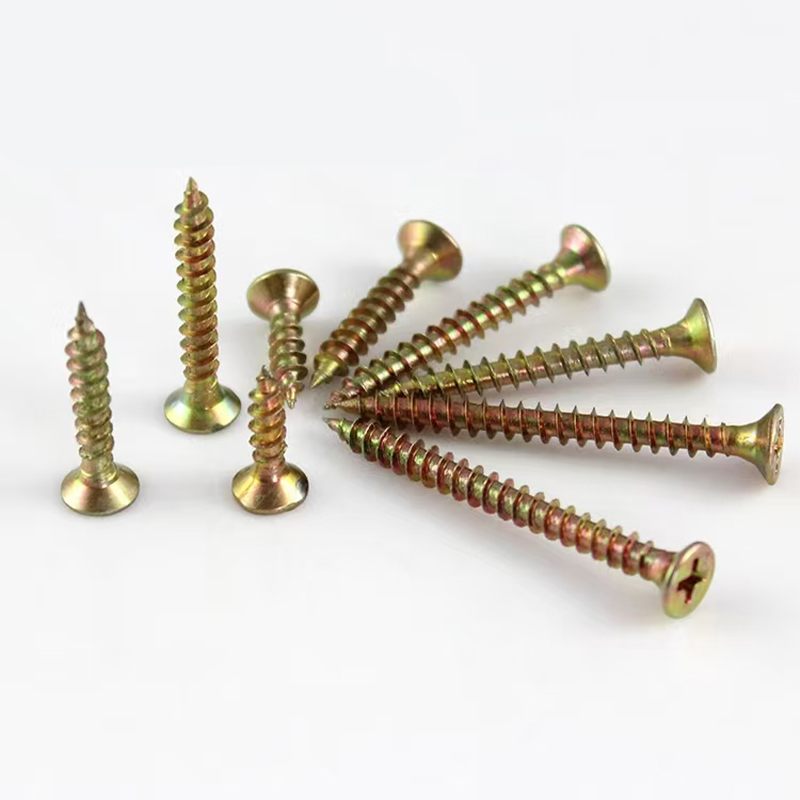
 Koloretako zinka plated cross crossunk zulagailu haria
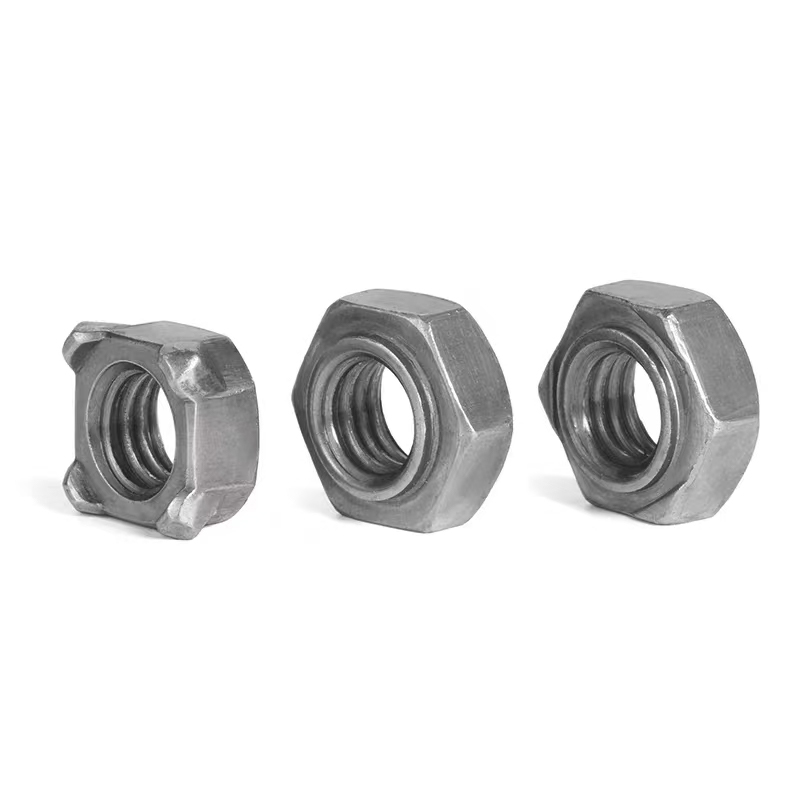
 - Soldadura Intxaurrak (Soldadura Intxaurrak)
- Zink beltza estalitako boltxoak
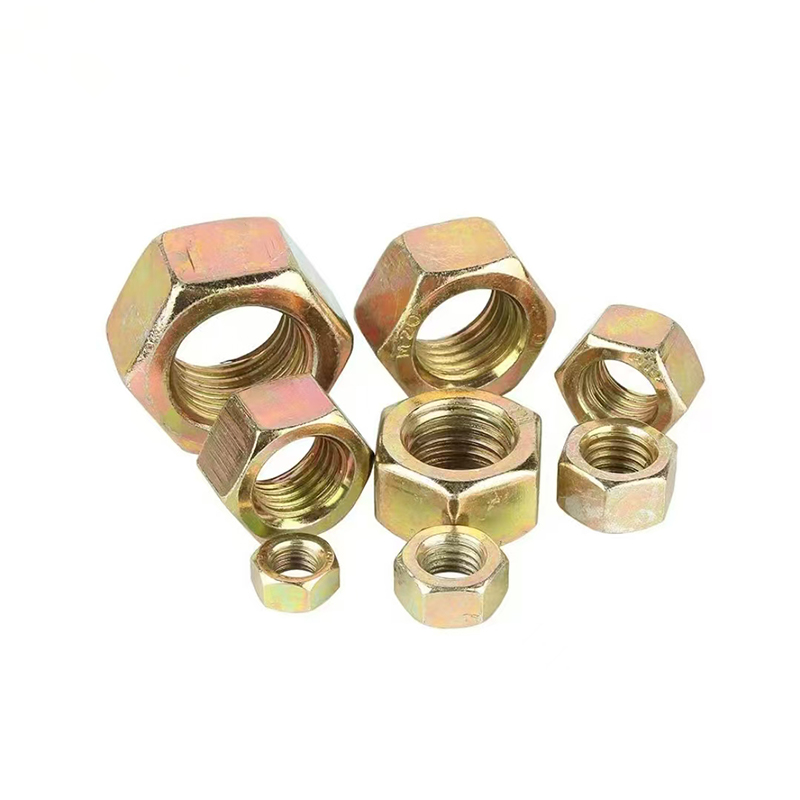
- Koloretako zinka estalitako fruitu lehorrak
- Hedapen elektro-galvanizatua
- Koloretako zinka plated cross cross bolts
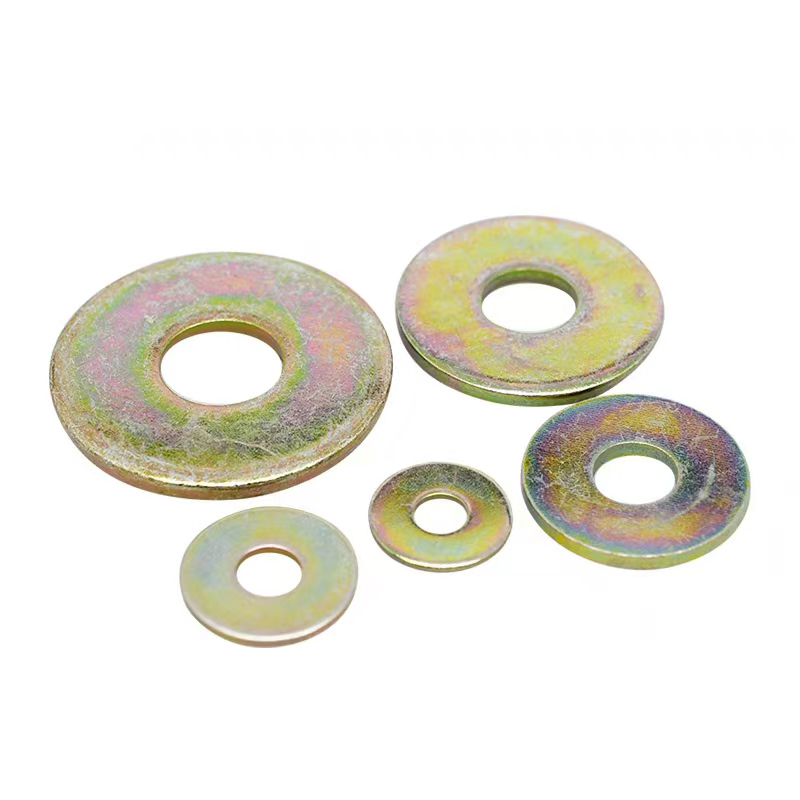
- Koloretako zinka estalitako gasak
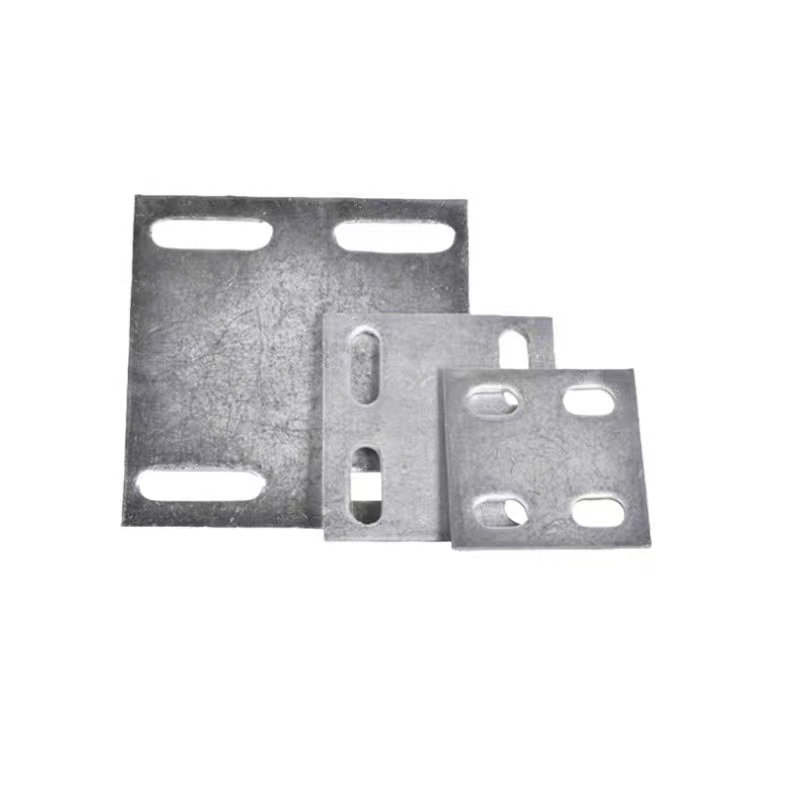
- Hot-dip kapsulatutako plaka galvanizatua
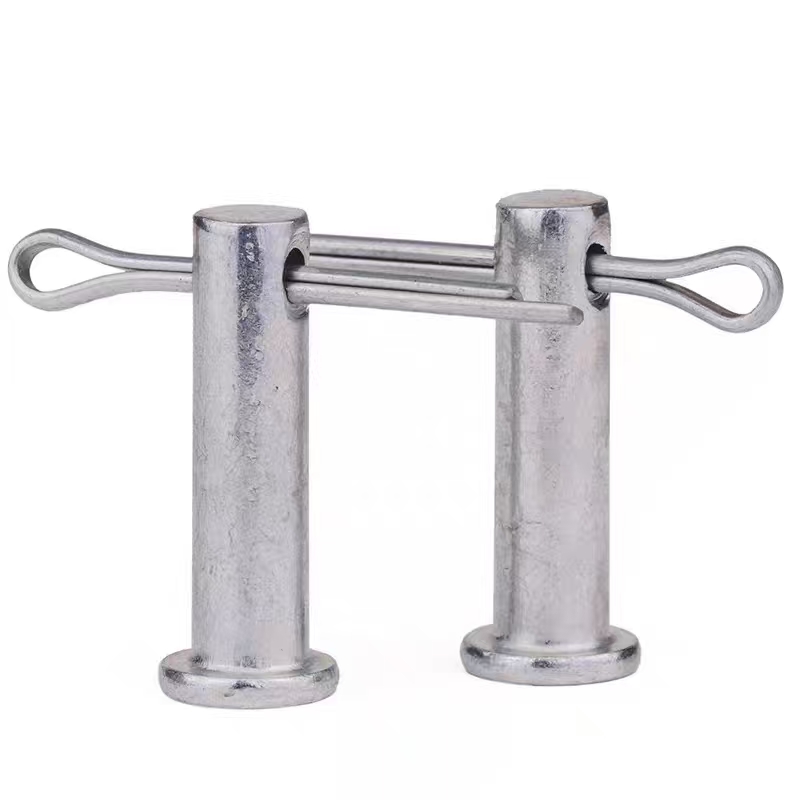
- Elektrogalizazio pinak
- Elektrogalizazio fruitu lehorrak
- 7 formako aingurak (7 formako aingura torlojuak)
- Hexagono entxufea hot-dip Boltsa galbanizatuak
Lotinduta araketa
Lotutako bilaketa- Txina Permatex Gasket Maker
- checkered plate
- Round head self-tapping screws with cut ends
- Neoprenozko juntadura materiala
- Txina beroa-dip kapsulatutako plaka
- Handizkako Bolt Tresna
- Handizkako zinka beltzeko hexagono socket boltsa
- drywall nail
- Handizkako neopreno juntaduraren materiala
- Txina giltza galbanizatua


