- English
- Chinese
- French
- German
- Portuguese
- Spanish
- Russian
- Japanese
- Korean
- Arabic
- Irish
- Greek
- Turkish
- Italian
- Danish
- Romanian
- Indonesian
- Czech
- Afrikaans
- Swedish
- Polish
- Catalan
- Esperanto
- Hindi
- Lao
- Albanian
- Amharic
- Armenian
- Azerbaijani
- Belarusian
- Bengali
- Bosnian
- Bulgarian
- Cebuano
- Chichewa
- Corsican
- Croatian
- Dutch
- Estonian
- Filipino
- Finnish
- Frisian
- Galician
- Georgian
- Gujarati
- Haitian
- Hausa
- Hawaiian
- Hebrew
- Hmong
- Hungarian
- Icelandic
- Igbo
- Javanese
- Kannada
- Kazakh
- Khmer
- Kurdish
- Kyrgyz
- Latin
- Latvian
- Lithuanian
- Luxembou..
- Macedonian
- Malagasy
- Malay
- Malayalam
- Maltese
- Maori
- Marathi
- Mongolian
- Burmese
- Nepali
- Norwegian
- Pashto
- Persian
- Punjabi
- Serbian
- Sesotho
- Sinhala
- Slovak
- Slovenian
- Somali
- Samoan
- Scots Gaelic
- Shona
- Sindhi
- Sundanese
- Swahili
- Tajik
- Tamil
- Telugu
- Thai
- Ukrainian
- Urdu
- Uzbek
- Vietnamese
- Welsh
- Xhosa
- Yiddish
- Yoruba
- Zulu
- Kinyarwanda
- Tatar
- Oriya
- Turkmen
- Uyghur


suspended beam fastener
You hear 'suspended beam fastener' and most people, even some in the trade, immediately picture a simple J-bolt or a threaded rod hanging from a concrete deck. That's the first misconception. It's not just the hanging part; it's the entire system—the interaction between the fastener, the beam, the embedment, and the dynamic loads over time. The real challenge isn't holding it up today; it's ensuring it doesn't become a liability in five years due to vibration, corrosion, or sheer fatigue. I've seen specs that call for an M20 chemical anchor for a light cable tray, which is massive overkill, and others that try to use a wedge anchor in cracked concrete for a critical HVAC unit, which is just asking for trouble. The choice is everything.
The Core Function and Common Pitfalls
Let's break down the function. A suspended beam fastener's primary job is to transfer the load from the suspended element—be it a pipe, duct, secondary steel, or even a false ceiling grid—back into the primary overhead structure. The failure point is rarely the fastener itself snapping; it's usually at the interface. Pull-out from the concrete, cracking around the embedment zone, or loosening due to vibration. I recall a project where we used standard expansion anchors for a conveyor support system. They passed the initial load test, but within six months of operation, the constant, low-frequency vibration had worked half of them loose. The fix was a costly shutdown and a switch to a more suitable vibration-resistant system.
Material compatibility is another silent killer. In a chemical plant retrofit, we suspended a stainless steel support beam. The spec called for stainless anchors, but the concrete slab had a high chloride content from years of exposure. We ended up with galvanic corrosion at the thread interface, severely compromising the clamp load. The lesson? The fastener material must be chosen for the environment, not just the beam material. Sometimes, a hot-dip galvanized carbon steel anchor in an isolation sleeve is smarter than a pricey stainless one sitting directly in aggressive concrete.
Then there's the issue of access and installation. Everyone draws a neat little fastener on the plan. On-site, you find a dense web of rebar right where you need to drill. You can't just shift it 10 cm without affecting the entire downstream support layout. This is where a degree of flexibility in the fastener system pays off. Having a design that allows for some lateral adjustment in the bracket or using a channel system as the primary anchor point, from which you can hang beams at various locations, saves countless man-hours and headaches. It's not theoretical; it's the daily grind.
Product Realities and Supplier Landscape
Navigating the product market is its own task. You have the big European and American brands pushing their engineered systems, which are excellent but come with a price tag that can blow the budget on a large-scale industrial project. Then you have the local manufacturing hubs, which are often underestimated. Take a place like Yongnian District in Handan. It's a colossal production base for standard parts in China. A company operating there, like Handan Zitai Fastener Manufacturing Co., Ltd., sits right in the heart of that ecosystem. Their location, adjacent to major rail and road networks, isn't just a line on a website (https://www.zitaifasteners.com); it translates to logistical efficiency for bulk orders. For standard suspended beam applications—think commercial building MEP supports, non-critical infrastructure—sourcing from such a specialized manufacturing base can be a pragmatic balance of cost, volume, and consistent quality.
However, pragmatism requires verification. Ordering a batch of suspended beam fasteners from any supplier, local or international, means you must have your own QA protocol. It's not about distrust, it's about professional diligence. We'd test sample batches for dimensional accuracy, coating thickness if galvanized, and ultimate tensile strength. I remember a shipment where the thread pitch was off by a fraction on a batch of all-thread rods meant for beam clamps. It wasn't visible to the eye, but it caused cross-threading during installation, damaging the nuts and slowing the job. The supplier made it right, but the delay was ours to absorb.
The key is matching the product to the application's criticality. For a seismic zone or a heavy vibrating machinery support, you need a certified, traceable system with published dynamic load data. For suspending a network of lightweight cable ladders in an office building, a reliable, cost-effective solution from a volume manufacturer like those in the Yongnian/Handan region is often the most sensible choice. It's about allocating the project's risk and budget appropriately across thousands of connection points.
Installation: Where Theory Meets Reality
This is where plans often fall apart. The install crew's understanding is paramount. A chemical anchor's strength depends entirely on correct hole cleaning. If they don't use the brush, blow out the dust, and repeat, the resin bonds to dust, not concrete. The failure load can be half of what's expected. I've made it a habit to do unannounced spot checks, pulling out a torque wrench or even a simple tap tester to check for hollow sounds around the embedment.
Torque versus tension is another classic site confusion. The specified torque for a mechanical anchor is to achieve a specific pre-load (clamp force) in the rod. Overtorquing a wedge anchor can actually expand the sleeve too much and crack the concrete substrate, especially near edges. Undertorquing means the suspended beam isn't properly clamped and can sway. Using a calibrated wrench and training the crews on the 'feel' is a basic but frequently overlooked step. We started including a mandatory 15-minute tool-box talk on this for every new crew, and the call-back rate for loose fittings dropped noticeably.
Then there's the beam connection itself. The fastener is in the concrete, but how does it connect to the beam? A beam clamp, a clevis, a welded plate? Field welding to a galvanized beam requires grinding off the coating, welding, and then re-treating the area, which is often done poorly, creating a future rust spot. Mechanical clamps are faster and preserve the coating, but you must ensure the clamp is rated for the load and the beam flange thickness. I've seen clamps slip because they were designed for a 10mm flange but installed on a 12mm one.
Lessons from the Field and Evolving Practices
One painful lesson was on a warehouse project with long-span steel joists. We used a popular drop-in anchor for the suspension points. The concrete pour was in winter, and the curing wasn't ideal. Later, during installation, several anchors pulled out under mere hand-tightening. The investigation pointed to micro-cracking around the anchor due to the concrete's early-age strength being lower than assumed. We switched to a undercut anchor system for the remaining areas, which performs better in less-than-perfect concrete. It cost more, but it worked. Now, for any suspended load over a certain threshold, we insist on a pre-installation test anchor program in the actual substrate.
The trend now is towards more integrated systems, especially for BIM-driven projects. It's less about a standalone suspended beam fastener and more about a coordinated support system: a primary channel fixed to the slab with heavy-duty anchors, with trapeze hangers or beam clamps that click into the channel. This allows for adjustability, eases future modifications, and simplifies the load path calculation. Companies that manufacture both the fasteners and the support hardware, offering a tested system, are gaining ground. It moves the responsibility from the site crew piecing it together to a pre-engineered solution.
Looking back, the biggest shift in my thinking has been from seeing it as a commodity item to viewing it as a critical link in the load chain. You can't just circle a part number on a schedule. You have to consider the substrate, the environment, the load type (static, dynamic, seismic), the installation conditions, and the long-term maintenance. Sometimes the right answer is a premium system from a global brand. Other times, it's a robust, no-frills component from a large-scale manufacturing base like the one Handan Zitai Fastener operates in. The judgment call between those options, based on the specific project's needs and constraints, is the real mark of experience. It's never just a bolt.
Lotinduta aurrealdi
Lotutako produktuak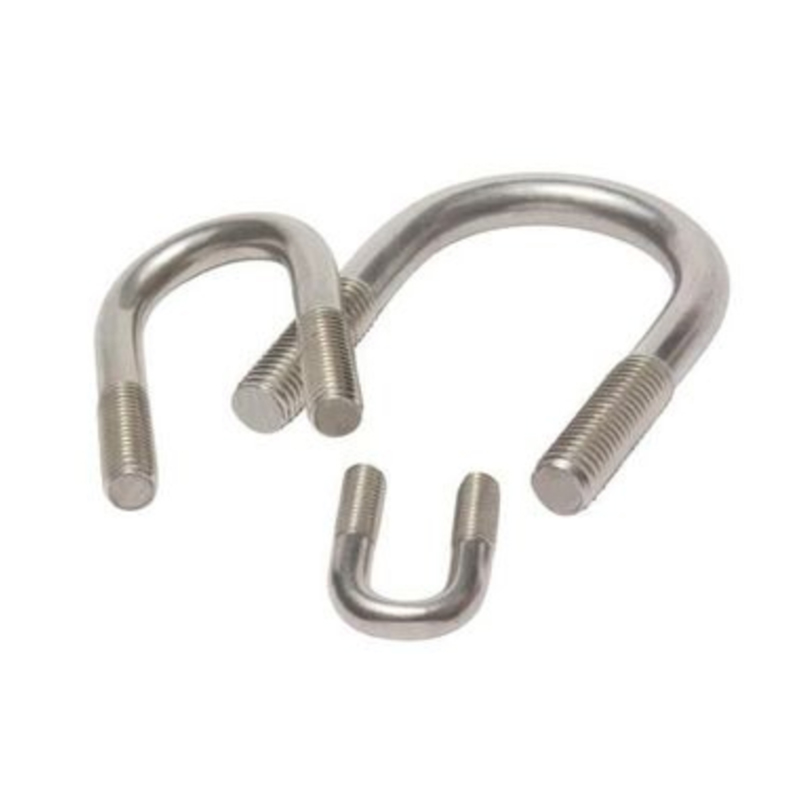
Salmenta onena aurrealdi
Salmenta produktu onenak-
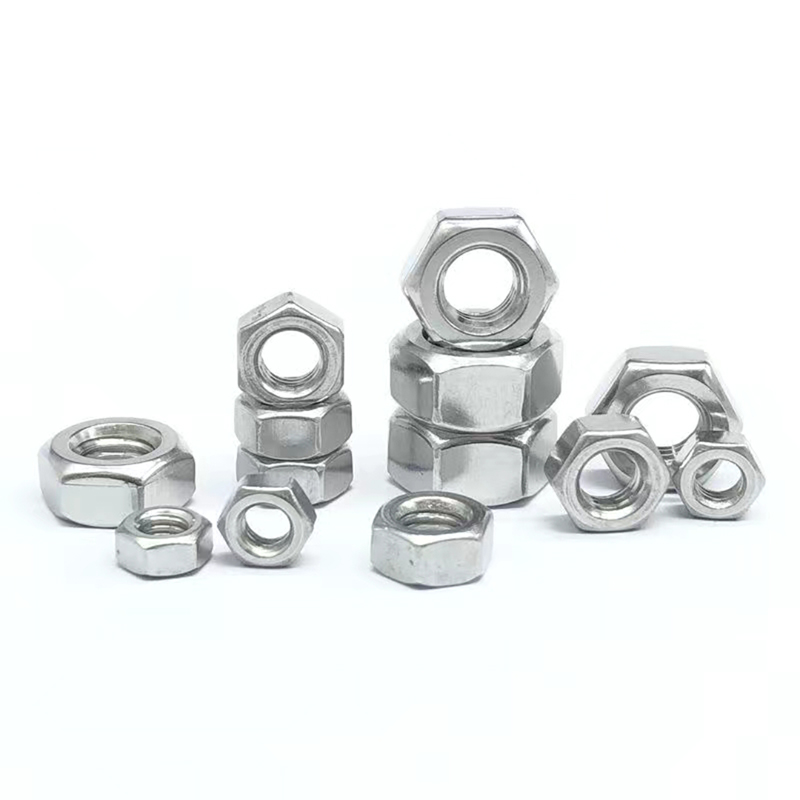
 Koloretako zinka plated hexagonalak
 - Hot-dip kapsulatutako plaka galvanizatua
- Elektrogalizazio kapsulatutako plaka
- Elektrobisatutako brida galbanizatua (brida aurpegia azkoina)
- 10,9S Torsion Zizaila Boltxoak
- U-bolts
- Soldadura Intxaurrak (Soldadura Intxaurrak)
- Electro-Galvanized Cross Cross Bolts
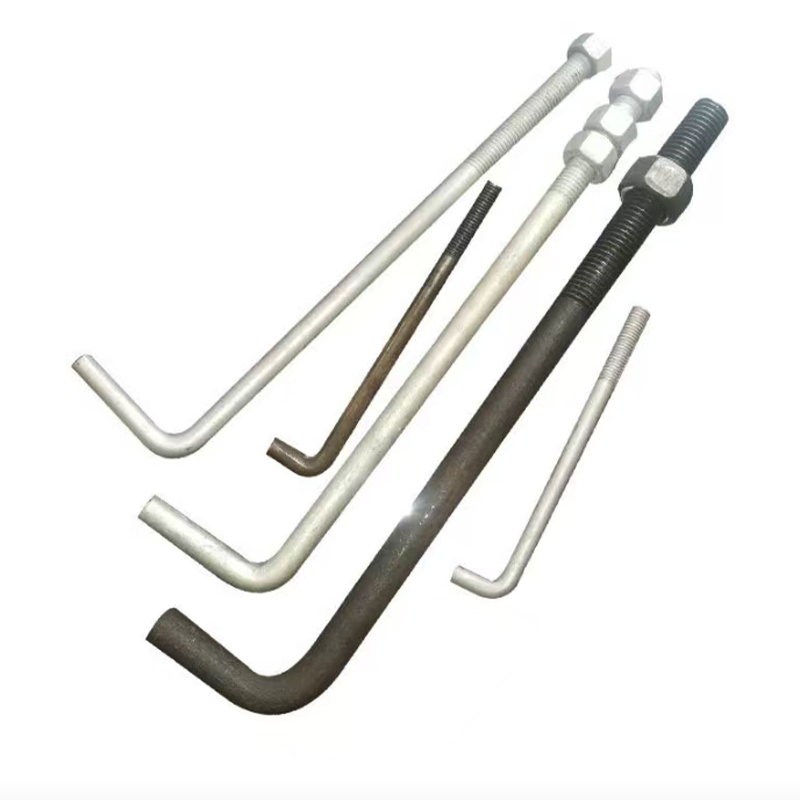
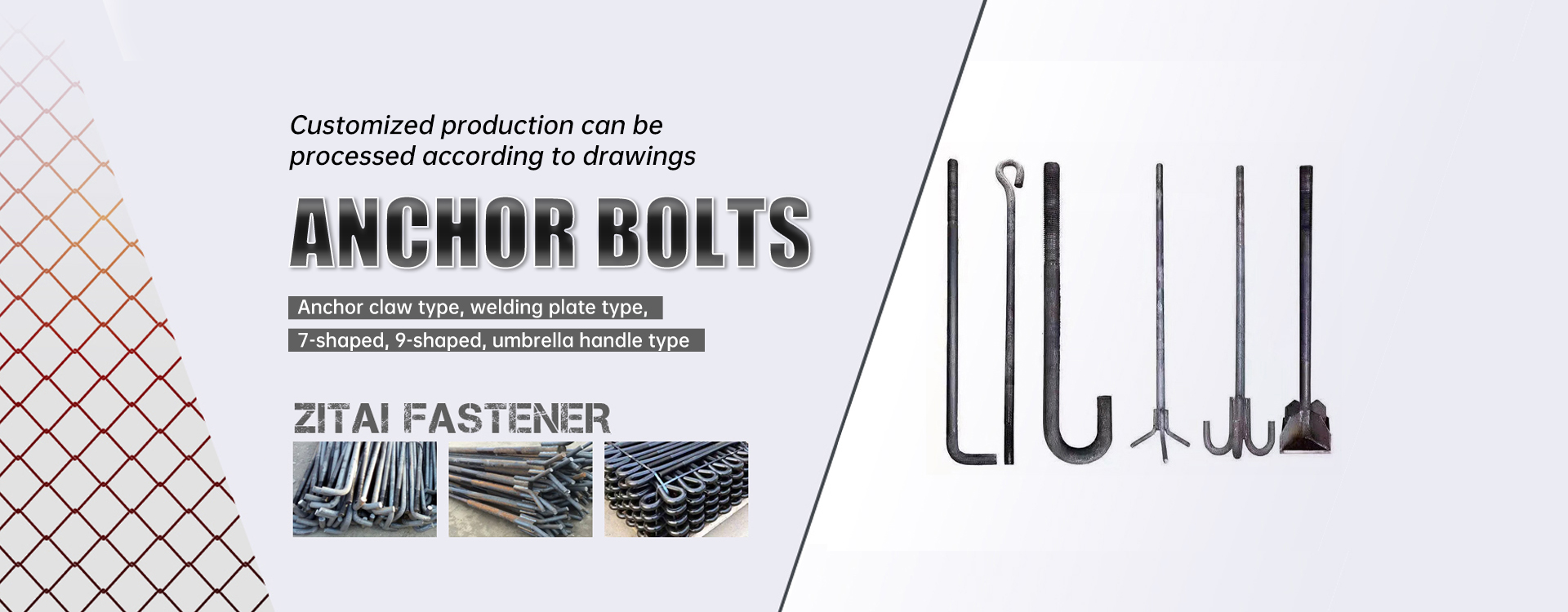
- 7 formako aingurak (7 formako aingura torlojuak)
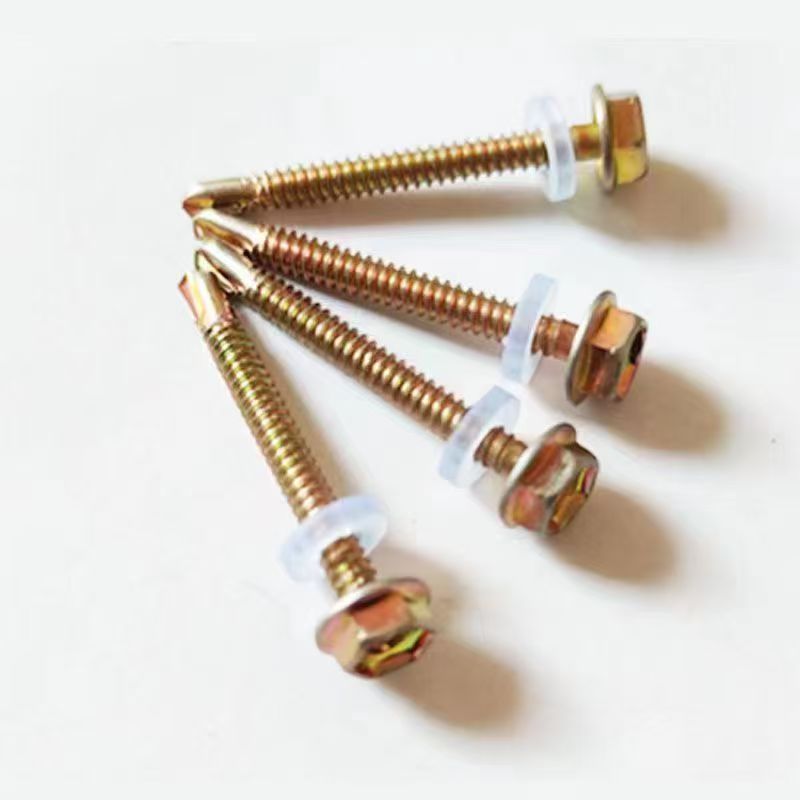
- Koloretako zinka estalitako gasak
- Steel structure welding studs
- Hedapen elektro-galvanizatua