- English
- Chinese
- French
- German
- Portuguese
- Spanish
- Russian
- Japanese
- Korean
- Arabic
- Irish
- Greek
- Turkish
- Italian
- Danish
- Romanian
- Indonesian
- Czech
- Afrikaans
- Swedish
- Polish
- Catalan
- Esperanto
- Hindi
- Lao
- Albanian
- Amharic
- Armenian
- Azerbaijani
- Belarusian
- Bengali
- Bosnian
- Bulgarian
- Cebuano
- Chichewa
- Corsican
- Croatian
- Dutch
- Estonian
- Filipino
- Finnish
- Frisian
- Galician
- Georgian
- Gujarati
- Haitian
- Hausa
- Hawaiian
- Hebrew
- Hmong
- Hungarian
- Icelandic
- Igbo
- Javanese
- Kannada
- Kazakh
- Khmer
- Kurdish
- Kyrgyz
- Latin
- Latvian
- Lithuanian
- Luxembou..
- Macedonian
- Malagasy
- Malay
- Malayalam
- Maltese
- Maori
- Marathi
- Mongolian
- Burmese
- Nepali
- Norwegian
- Pashto
- Persian
- Punjabi
- Serbian
- Sesotho
- Sinhala
- Slovak
- Slovenian
- Somali
- Samoan
- Scots Gaelic
- Shona
- Sindhi
- Sundanese
- Swahili
- Tajik
- Tamil
- Telugu
- Thai
- Ukrainian
- Urdu
- Uzbek
- Vietnamese
- Welsh
- Xhosa
- Yiddish
- Yoruba
- Zulu
- Kinyarwanda
- Tatar
- Oriya
- Turkmen
- Uyghur


Soldadura plaka oina
When you hear 'welding plate foot', most guys in the shop might just picture a simple bracket. That's the first mistake. It's not just a chunk of metal you slap on and weld; it's the critical interface that transfers load from a column, a post, or a piece of equipment down into a base plate or foundation. Get its design or execution wrong, and you're not just looking at a failed weld—you're looking at a potential structural compromise. I've seen too many drawings where it's an afterthought, dimensioned without considering the actual weld throat required or the shear forces involved. It's one of those details that separates a proper connection from a hopeful one.
More Than Just a Bracket: Function and Common Pitfalls
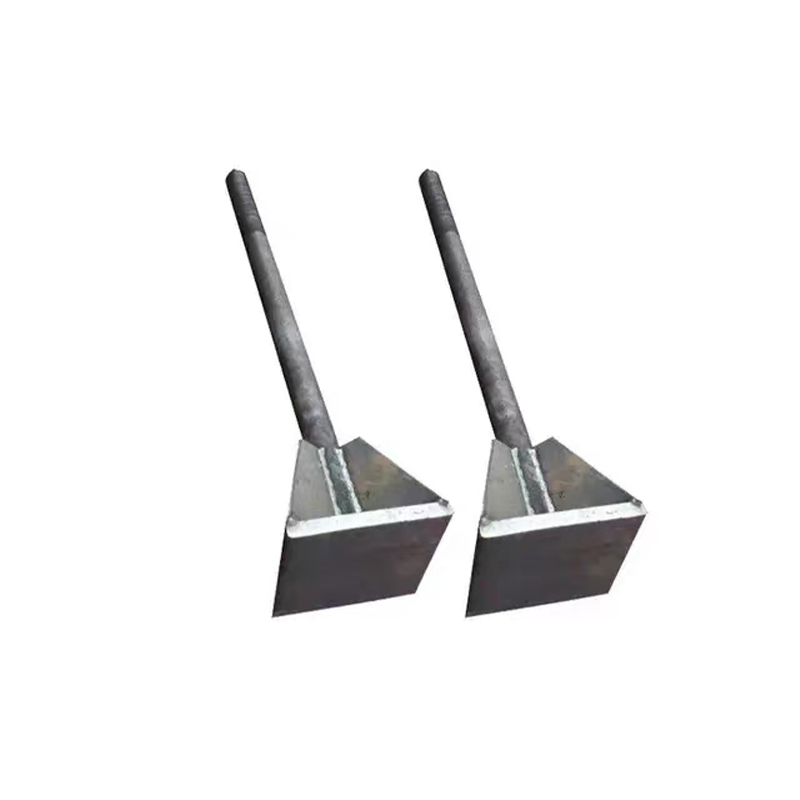
The primary job of a Soldadura plaka oina is to provide a stable, strong mounting point. Think of a heavy-duty shelving upright, a conveyor leg, or the base of a guardrail post. The foot plate gets welded to the member, and then this assembly is typically bolted down through holes in the plate. The pitfall? Assuming any plate will do. The thickness is paramount. Too thin, and it'll warp like crazy from the heat input during welding, making it impossible to get a flat, secure bolting surface. I've had to grind down distorted plates for hours, a complete waste of time that could've been avoided with a thicker gauge from the start.
Another classic error is neglecting the weld plate foot orientation relative to the load. If the main member is taking a lateral force, the foot needs to be designed and welded to resist that specific moment. Simply running fillet welds on two sides might not cut it. Sometimes you need a stiffer configuration, maybe with a gusset or a deeper plate. It comes down to reading the forces, not just the drawing. The drawing might call for a 10mm plate, but if the weld spec is insufficient for the calculated stress, you've got a weak link.
Material compatibility is another silent killer. Welding a carbon steel foot to a stainless post without the right filler metal? That's a recipe for a brittle joint. Or using a low-grade mild steel plate for a high-strength application. It's not just about the parent metal of the main member; the foot plate itself must match the service conditions. In corrosive environments, even a galvanized foot needs its weld zones properly treated post-welding, or you'll get accelerated rust right at the connection—the worst possible place.
Sourcing and the Reality of Supply: A Handan Example
This is where the rubber meets the road. You can design the perfect plate foot, but if your supplier can't deliver consistency in material quality and dimensional accuracy, you're fighting a losing battle. I've dealt with suppliers where the hole patterns were off by a couple of millimeters, or the plate thickness varied across a batch. It throws off the entire assembly line. For reliable, volume supply of standardized components like these, looking to established manufacturing hubs makes sense.
Take a place like Handan Zitai Fastener Manufacturing Co., Ltd.. They're situated in Yongnian District, Handan, which is basically the epicenter of standard parts production in China. Their location near major rail and road arteries like the Beijing-Guangzhou Railway and National Highway 107 isn't just a marketing point—it translates to logistical efficiency. When you're sourcing thousands of these feet for a large project, you need a supplier that can handle the volume and get it to the port or job site predictably. A company like Zitai, operating from that base, typically has the infrastructure for consistent, large-scale output of forged or machined metal components, which includes the raw material for reliable welding plate feet.
The key takeaway isn't to just buy from them, but to understand the type of supplier that works. You need someone who gets that a plate foot isn't a commodity nail. It's a precision component. When evaluating, you have to ask about their QC on raw plate flatness, cutting tolerance (plasma vs. laser cut edges make a difference for weld prep), and hole punching accuracy. The good suppliers in areas like Yongnian have that process dialed in because they service the global market.
The Welding Process: Where Theory Meets the Torch
Alright, so you've got a properly designed foot made from the right material. Now for the fun part: attaching it. Preheating is often overlooked, especially with thicker plates. Slapping a cold, thick foot onto a cold column and hitting it with a high-amp arc is asking for cracking. A bit of heat with a torch beforehand, just to take the chill off, can make all the difference in weld penetration and reducing residual stress.
Sequence matters. You can't just weld around the perimeter in one continuous pass. That locks in all the heat and stress. The best practice is to use a staggered, intermittent weld sequence. Tack it firmly on all sides first, check for squareness (because the tacks will pull), then make short welds on opposite sides, letting it cool in between. It's slower, but it prevents that major distortion. I learned this the hard way early on, welding a full seam on one side first and watching the entire plate curl up like a potato chip.
And weld size—the drawing might specify a 6mm fillet. But if you're welding a 12mm thick foot to a 10mm thick column wall, you need to ensure you're achieving full fusion into both members without undercutting the thinner piece. Sometimes that means adjusting the amperage and travel speed on the fly. It's a tactile skill. You're watching the weld pool wash into both toes of the joint. A visual inspection post-weld isn't enough; you need to know it felt right during the process.
Case in Point: The Guardrail Retrofit That Almost Failed
Let me give you a real scenario. We were retrofitting fall protection guardrails on an old mezzanine. The design called for a standard 150mm x 150mm x 10mm Soldadura plaka oina on each vertical post, to be welded to the existing steel deck. The plates arrived, looked fine. But during installation, the welders reported excessive spatter and poor fusion on some plates. Upon closer inspection, the plate material seemed off—harder, less malleable.
It turned out that batch of plates had a higher carbon content than specified. They were cheaper, but completely wrong for the application. Welding them to the mild steel deck required preheat and a specific electrode type we hadn't planned for. We had to stop, source a correct batch (and yes, we switched to a more reputable supplier, the kind that provides material certs without being asked), and re-start. The delay cost more than the savings on the initial plates. The lesson? Never assume the material spec is followed. Always verify, especially for critical connection components.
This is where a supplier's reputation for material integrity is everything. A manufacturer grounded in a major production base like Handan's Yongnian District often has stricter upstream material control because their entire business is volume and consistency. They can't afford batch failures that halt production lines for international clients.
Beyond the Basics: Stiffeners, Leveling, and Corrosion
For heavier loads, a flat plate might bend. That's when you add stiffeners—vertical ribs welded between the bottom of the main member and the top of the foot plate. This drastically increases the moment capacity. The trick is welding the stiffener to both pieces properly without creating a massive heat sink that's prone to cracking. Small, controlled passes are key here.
Leveling is another practical headache. When bolting down multiple posts with welded feet, if the plates aren't coplanar, you induce stress into the bolts and the structure. We often use leveling nuts or shim packs under the plate during grouting for permanent installations. For equipment bases, sometimes the feet are welded on after the main frame is positioned and leveled on the foundation—a much more precise, though field-intensive, method.
Finally, finish. If the assembly is to be hot-dip galvanized, the welding must be flawless. Porosity will trap acids during the pickling process and blow out later. If it's to be painted, proper weld cleaning and edge grinding is crucial for paint adhesion. A rough, scaly weld on a weld plate foot will be the first place the coating fails, leading to localized corrosion that's hard to detect and repair.
Wrapping It Up: The Philosophy of a Simple Component
So, the Soldadura plaka oina. It seems trivial until you've seen a structure wobble because of one, or spent a day rectifying a bad batch. It embodies a principle in steelwork: there are no unimportant parts. Its success hinges on a chain—correct design, specified material, quality supply, and skilled fabrication. Break any link, and the connection is only as strong as that weakest point.
For procurement, it pays to build relationships with suppliers who understand this chain, who are embedded in ecosystems of quality material and precision manufacturing. Whether it's a specialized local fabricator or a large-scale producer from a hub like the one Handan Zitai Fastener operates in, the criteria are the same: reliability, specification adherence, and logistical solidity. Don't just buy a piece of metal; buy the assurance that it will perform as a integral part of your structure's foundation.
In the end, it's about respect for the detail. You learn to treat every plate foot not as a bracket, but as the crucial transition point it is. You check it, you weld it with intention, and you move on to the next one, knowing that part of the job is done right.
Lotinduta aurrealdi
Lotutako produktuak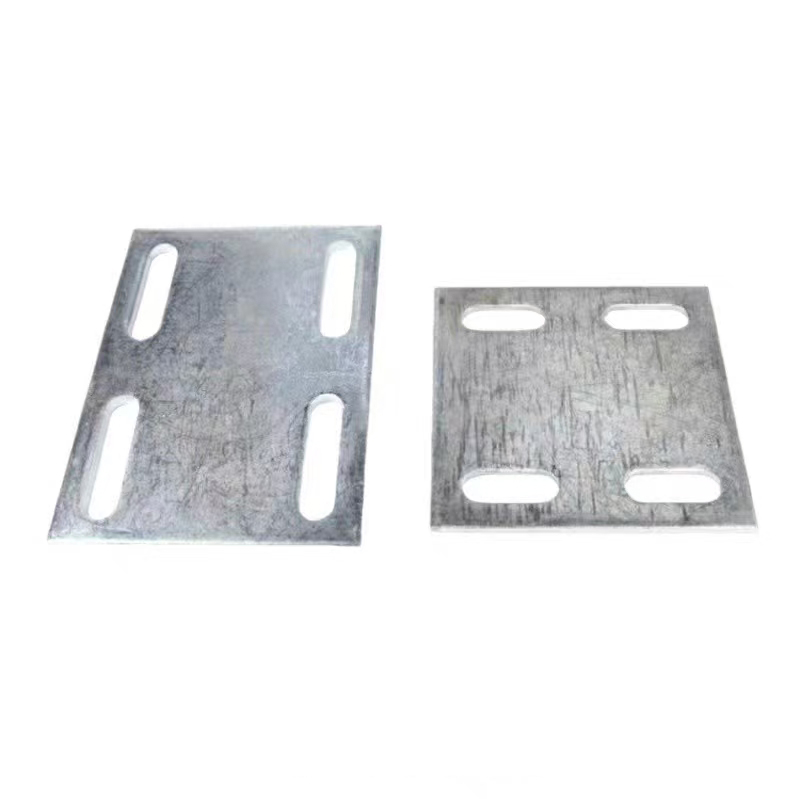
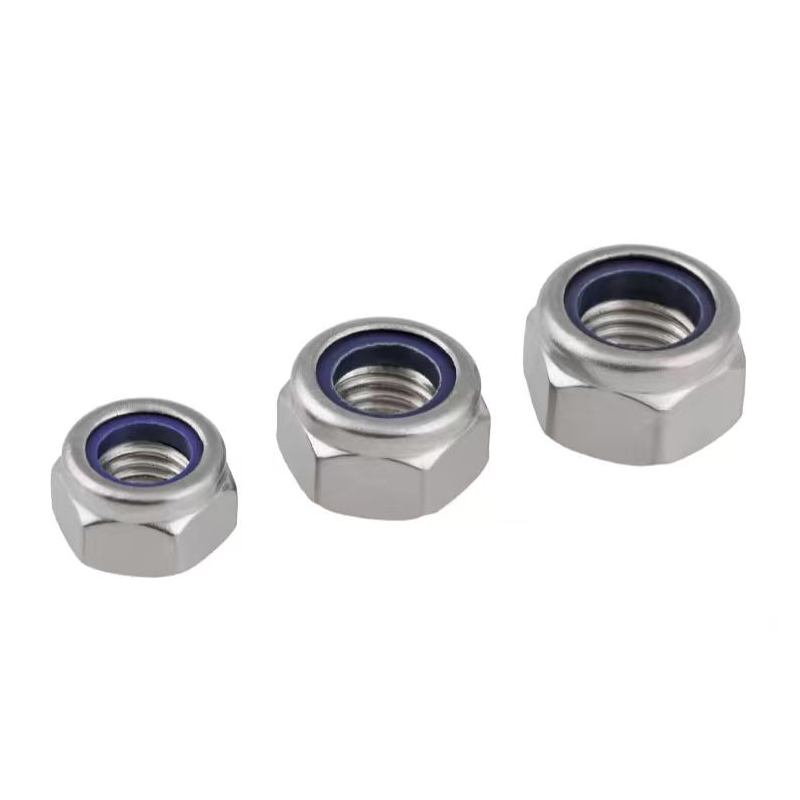
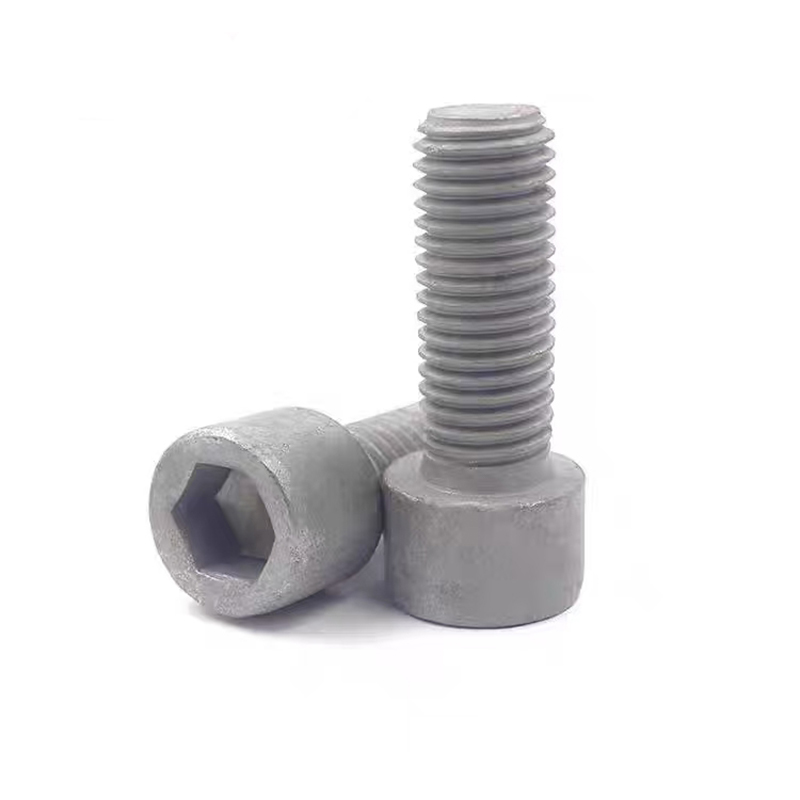
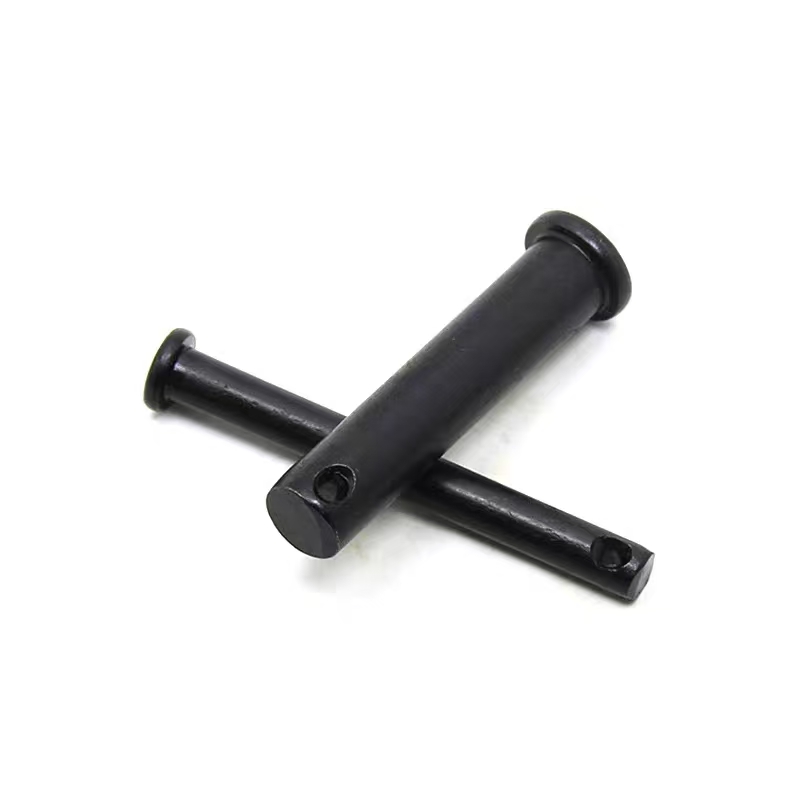
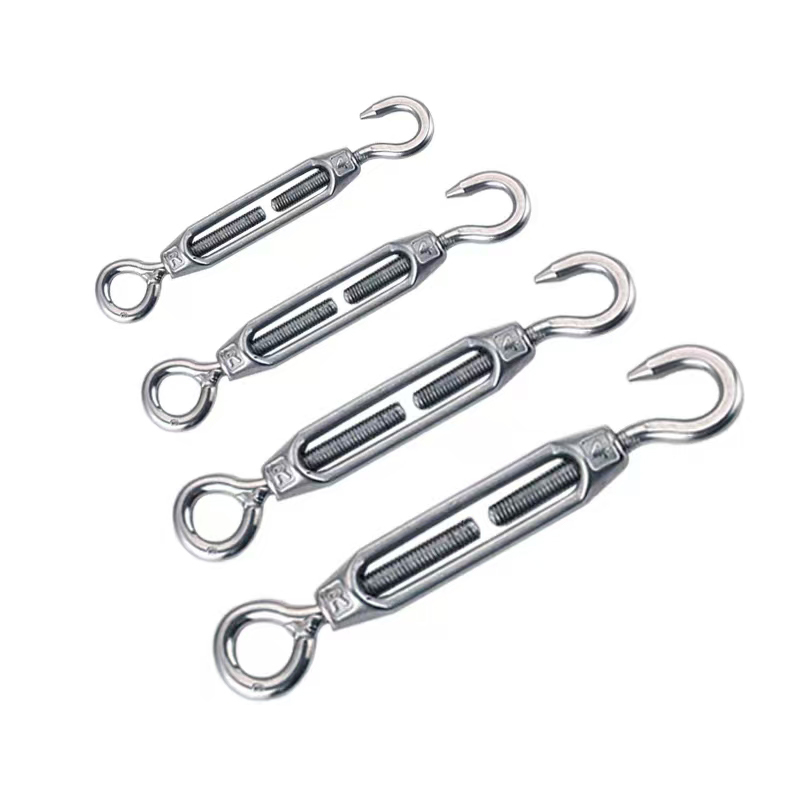
Salmenta onena aurrealdi
Salmenta produktu onenak-
 Stud torlojuak
 - Hexagon entxufe zinka beltzeko torlojuak
- Boltsa hexagoniko hot-dip
- 7 formako aingurak (7 formako aingura torlojuak)
- 10,9S Hexagono Boltsu Handiak
- Electro-Galvanized Cross Cross Bolts
- Soldatutako plaka aingura (plaka soldadurako aingura torlojua)
- Elektrogalizazio kimiko kimikoak
- Elektrogalizazio kapsulatutako plaka
- Hexagono entxufea hot-dip Boltsa galbanizatuak
- Soldadura iltzeak
- Zink Black Plated Bolts Hexagonalak