
- English
- Chinese
- French
- German
- Portuguese
- Spanish
- Russian
- Japanese
- Korean
- Arabic
- Irish
- Greek
- Turkish
- Italian
- Danish
- Romanian
- Indonesian
- Czech
- Afrikaans
- Swedish
- Polish
- Catalan
- Esperanto
- Hindi
- Lao
- Albanian
- Amharic
- Armenian
- Azerbaijani
- Belarusian
- Bengali
- Bosnian
- Bulgarian
- Cebuano
- Chichewa
- Corsican
- Croatian
- Dutch
- Estonian
- Filipino
- Finnish
- Frisian
- Galician
- Georgian
- Gujarati
- Haitian
- Hausa
- Hawaiian
- Hebrew
- Hmong
- Hungarian
- Icelandic
- Igbo
- Javanese
- Kannada
- Kazakh
- Khmer
- Kurdish
- Kyrgyz
- Latin
- Latvian
- Lithuanian
- Luxembou..
- Macedonian
- Malagasy
- Malay
- Malayalam
- Maltese
- Maori
- Marathi
- Mongolian
- Burmese
- Nepali
- Norwegian
- Pashto
- Persian
- Punjabi
- Serbian
- Sesotho
- Sinhala
- Slovak
- Slovenian
- Somali
- Samoan
- Scots Gaelic
- Shona
- Sindhi
- Sundanese
- Swahili
- Tajik
- Tamil
- Telugu
- Thai
- Ukrainian
- Urdu
- Uzbek
- Vietnamese
- Welsh
- Xhosa
- Yiddish
- Yoruba
- Zulu
- Kinyarwanda
- Tatar
- Oriya
- Turkmen
- Uyghur


Handizkako 5 16 24 t Bolt
Wholesale Insights on 5/16 24 T-Bolts
The world of fasteners is intricate, peppered with countless variations that often go unnoticed unless you're knee-deep in the industry. One such modest hero is the 5 16 24 T bolt, a staple in many industrial applications. But before you dive into bulk purchasing, let's unravel some common misconceptions and crucial takeaways often overlooked by newcomers.
Oinarriak ulertzea
At first glance, when people hear T-Bolt, they're often focused on size and thread count, like the 5/16 24 specification. Yet, what often skips the radar is the significance of material composition. Fasteners might seem uniform, but the choice between stainless steel and carbon steel can dramatically impact performance and longevity.
Working at Handan Zitai Fastener Manufacturing Co., Ltd., a firm nestled in the bustling heart of China's Yongnian District, I’ve seen firsthand how these material choices play out. The company's strategic location near major transport hubs enhances both access to raw materials and dispatch to clients. Visit us at Gure webgunea to explore more about our offerings.
The various projects I've been involved in—from construction to automotive—each demands a different type of T-bolt. While stainless steel boasts great corrosion resistance, carbon steel often wins when it comes to strength, which may sway your decision in purchasing in bulk.
Common Purchasing Pitfalls
One of the most frequent errors I see is the rush to buy whatever's cheapest on the market. But in the realm of fasteners, price should never be the sole deciding factor. The long-term costs of replacing subpar T-bolts can far outweigh initial savings. Always consider the application and environment first.
A client I recently advised initially insisted on the most economical option, only to realize the climate impact on his facility required a higher-grade bolt to prevent ongoing maintenance issues. Sometimes, the adage 'buy cheap, buy twice' rings especially true.
Therefore, understanding the true needs of your project is essential before picking up the phone to order wholesale from suppliers like Handan Zitai.
The Importance of Standards
When dealing with fasteners day to day, I'm often reminded of the critical role standards play. Specifications like ISO, DIN, and ANSI are not just bureaucratic hurdles—they ensure reliability and safety. For instance, a 5 16 24 T bolt should meet all applicable standards to ensure its suitability for safe application.
I once had an unforgettable experience where a batch lacking proper certification led to a costly recall for a client. It was a hard lesson in ensuring all T-bolts not only match specifications but are certified accordingly.
So, checking these credentials with any fastener supplier, including those at Handan Zitai, should always be a priority. A few extra steps during procurement can save a myriad of headaches down the line.
Supplier Relationship Dynamics
Building a relationship with your supplier cannot be overstated. It's never just a transaction; it's a partnership. Your wholesale supplier can offer insights on industry trends, material innovations, and even alert you to potential pitfalls before they become issues.
Take Handan Zitai, for instance—we pride ourselves on understanding our client's needs and offer customized solutions. It's this partnership approach that enhances both parties' growth.
Establishing clear communication channels and aligning expectations is crucial, especially when dealing with something as fundamental as 5/16 24 T-bolts. This collaboration ensures smooth operations and exceptional outcomes.
Scalability and Supply Chain Considerations
Scaling up is another hurdle altogether. You may think that securing more bolts is just a matter of increasing orders but consider logistics, storage, and cash flow.
Understanding your supply chain is pivotal. With its prime location, Handan Zitai Fastener Manufacturing enjoys robust supply lines, but this might not be the case for every player. A choke in one part of the chain can lead to significant delays and added costs, so have a backup plan in place.
Navigating the operational challenges of scaling requires a mindset shift, where planning and foresight become as indispensable as the T-bolts themselves. Trust in reliable suppliers and prepare for changing needs—that way, your business can adapt faster than ever.
Lotinduta aurrealdi
Lotutako produktuak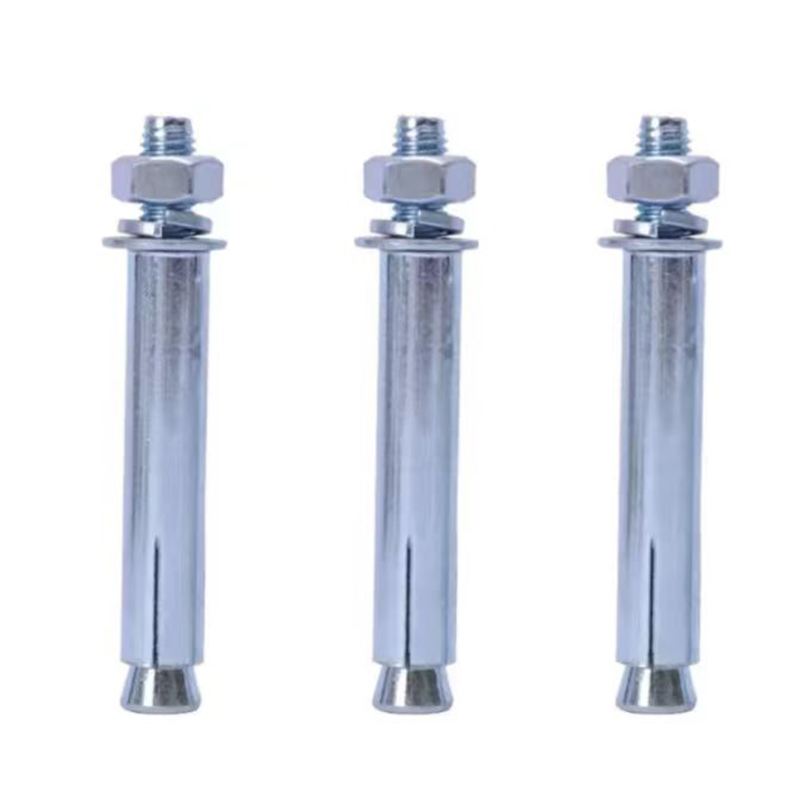
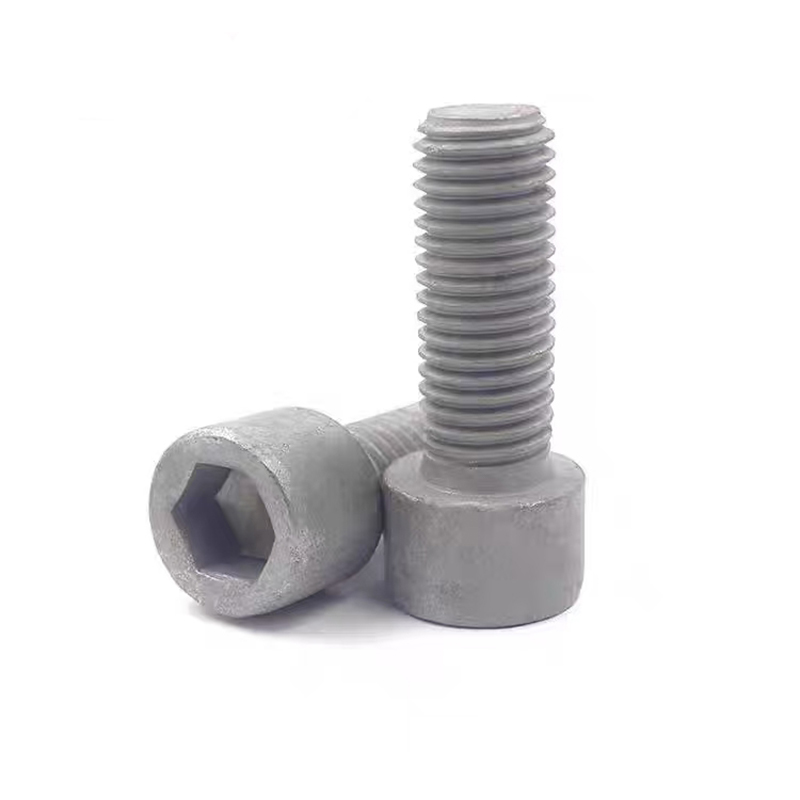
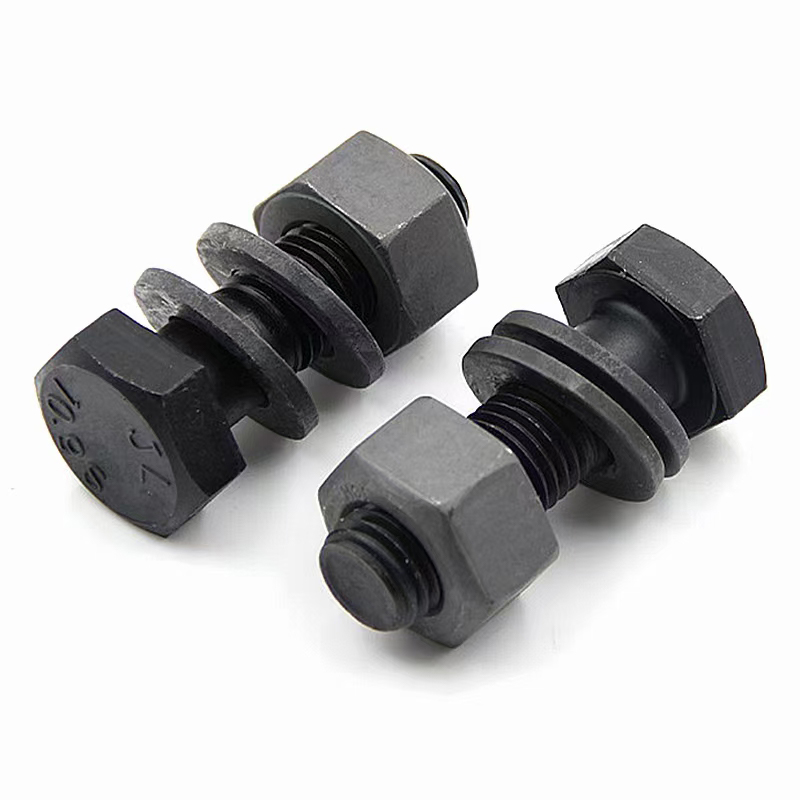
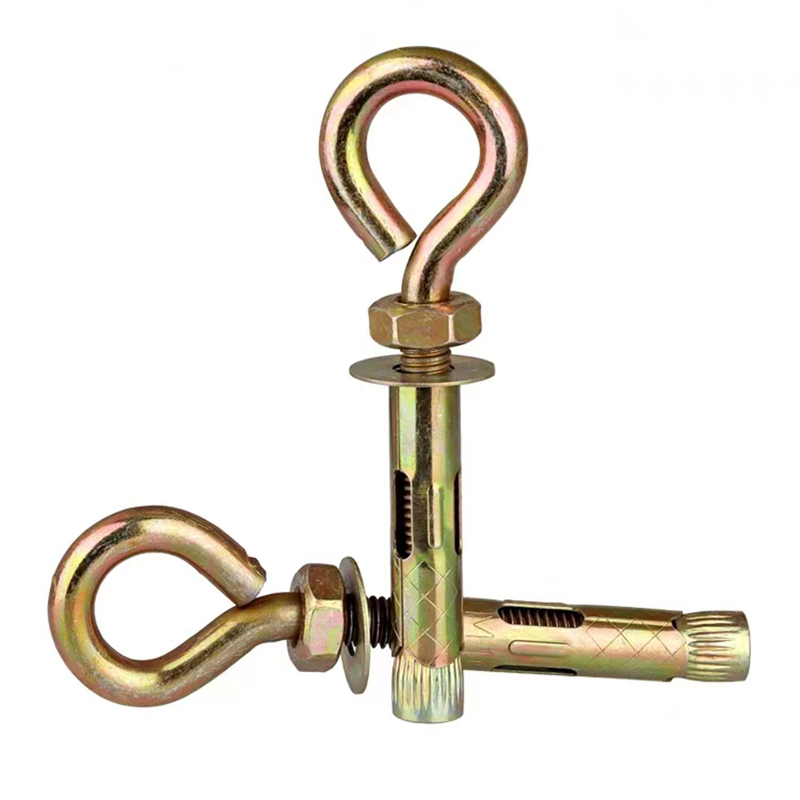
Salmenta onena aurrealdi
Salmenta produktu onenak-
 Elektrogalizazio bisagra torlojuak
 -
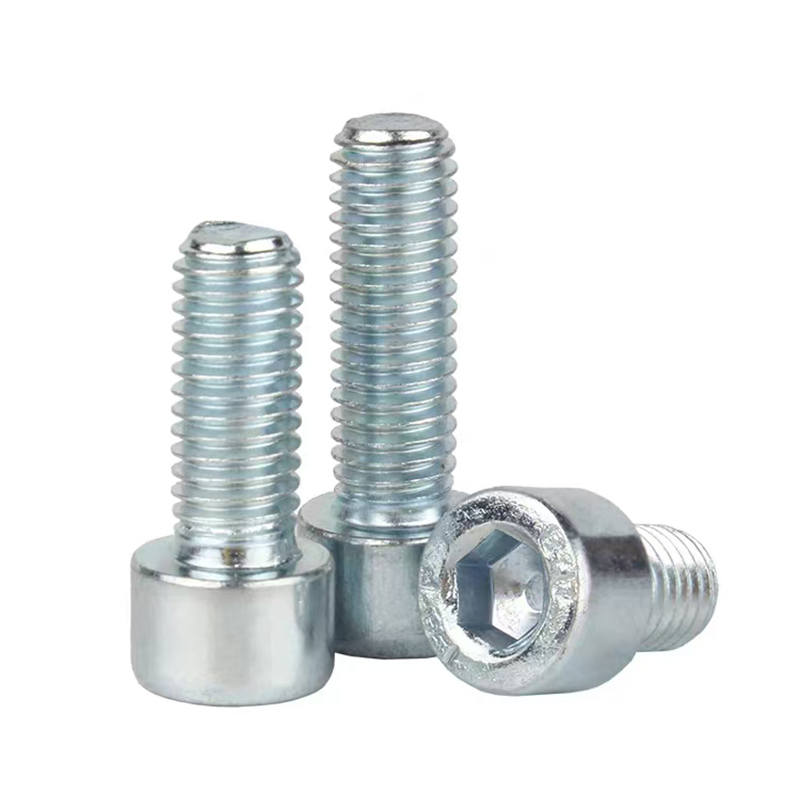 Hexagono entxufe elektrogalizatutako torlojuak
 -
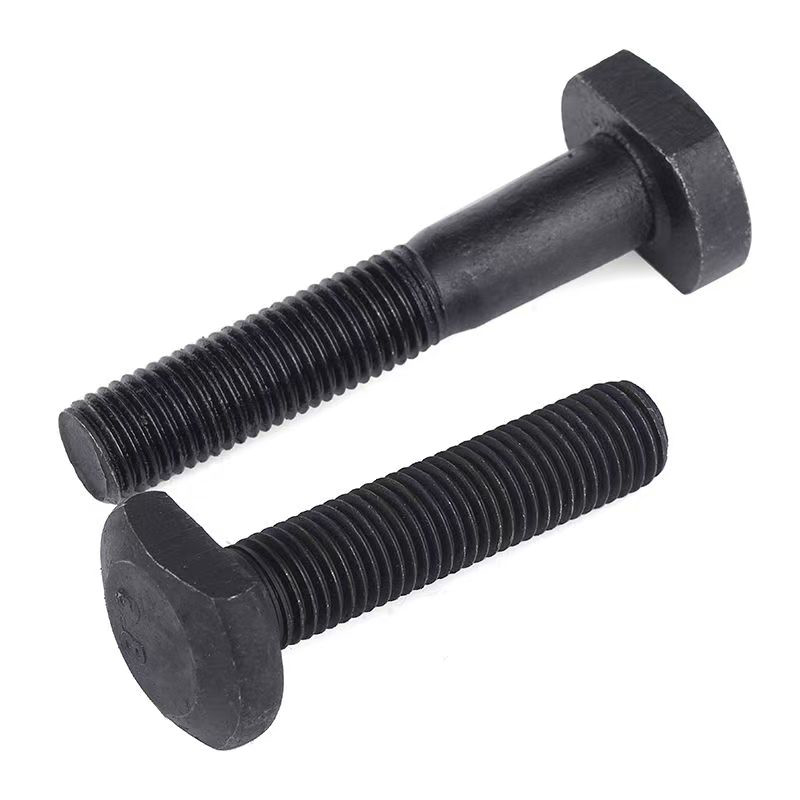 T-Bolt (T-Slot Bolt)
 -
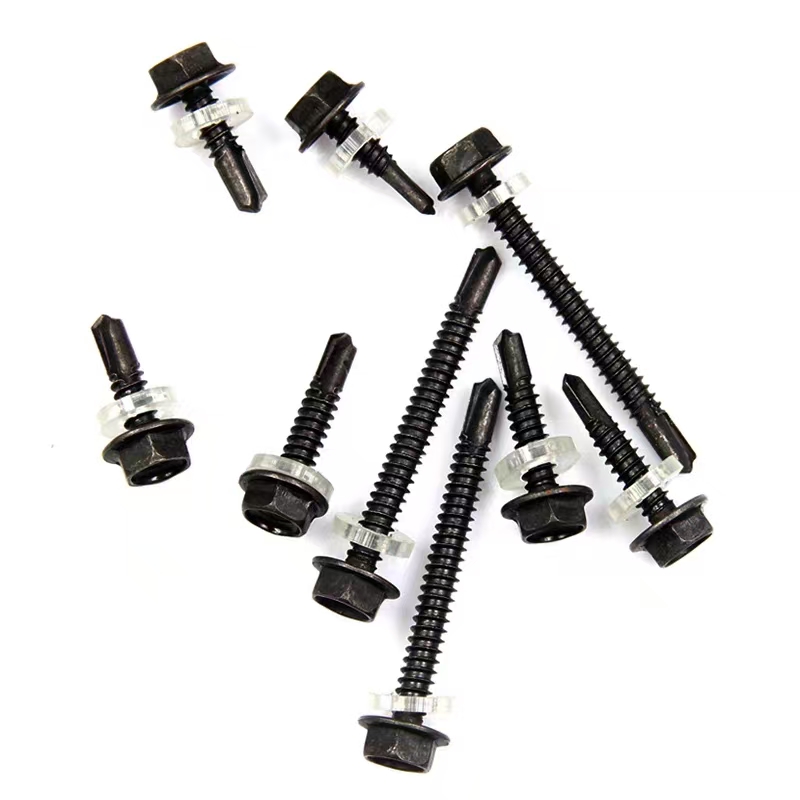 Zinka beltza hexagonal zulagailuaren isatsaren alanbrea
 -
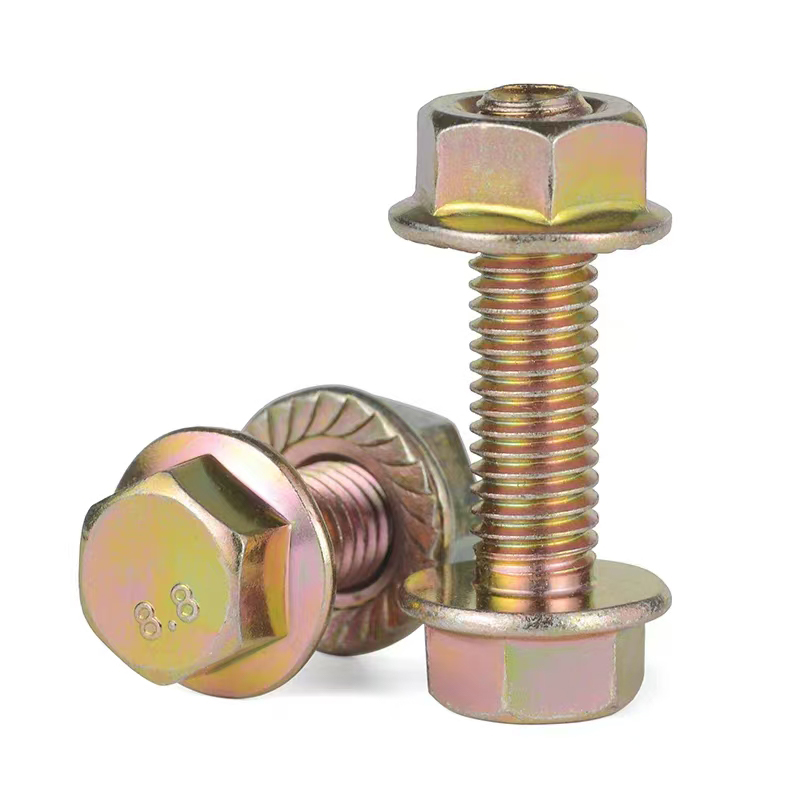 Koloretako zinka brida torlojuak
 -
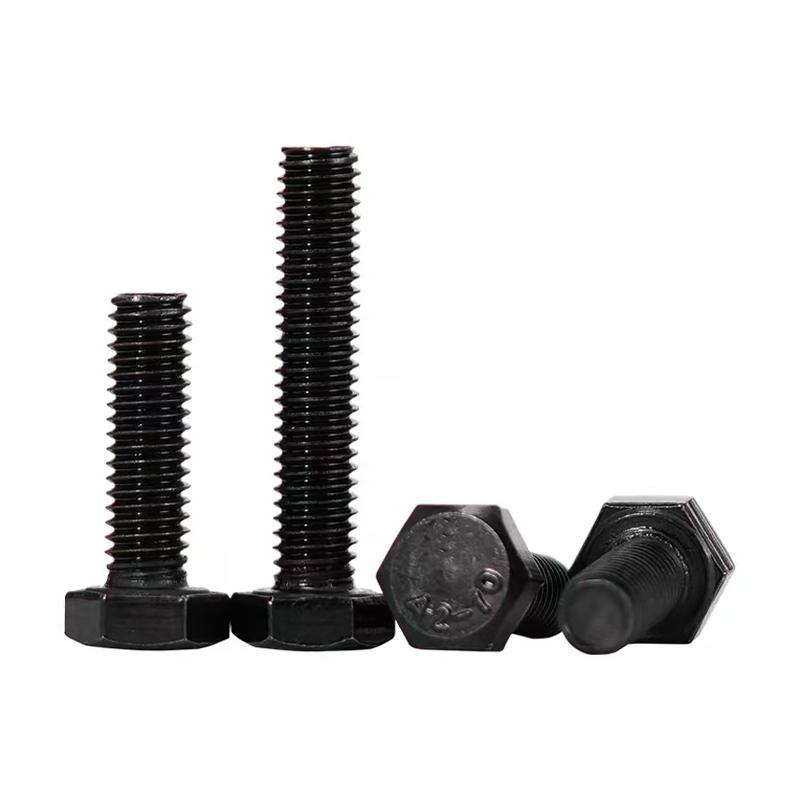 Zink Black Plated Bolts Hexagonalak
 -
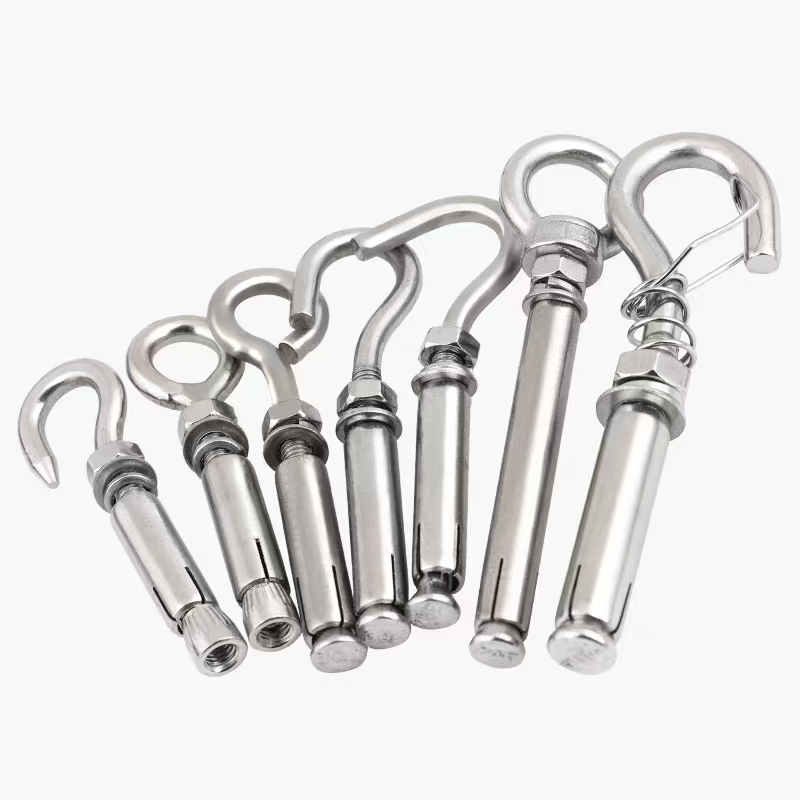 Hedapen elektro-galvanizatua
 -
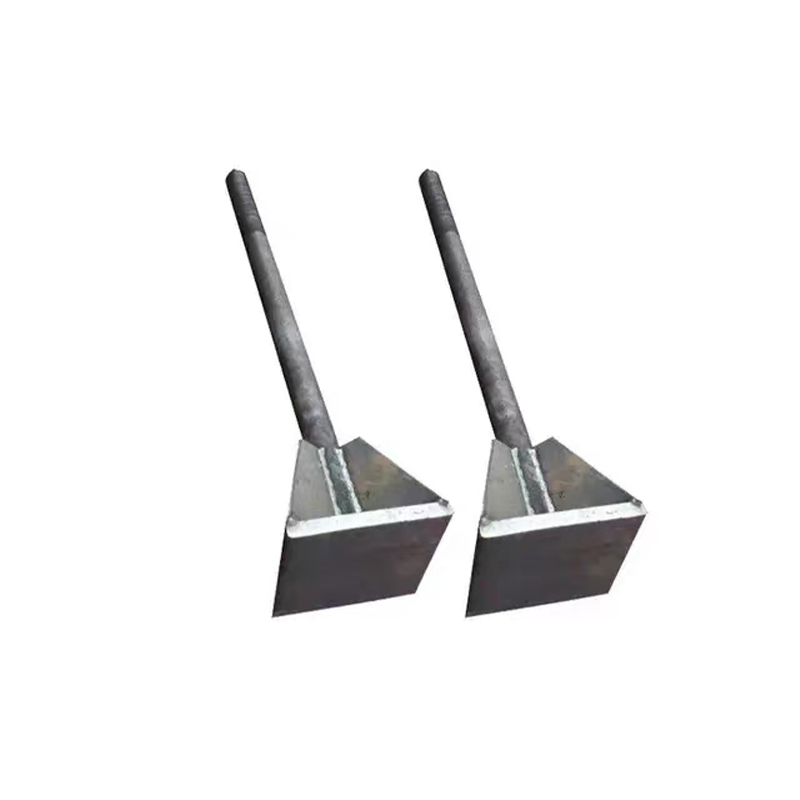 Soldatutako plaka aingura (plaka soldadurako aingura torlojua)
 -
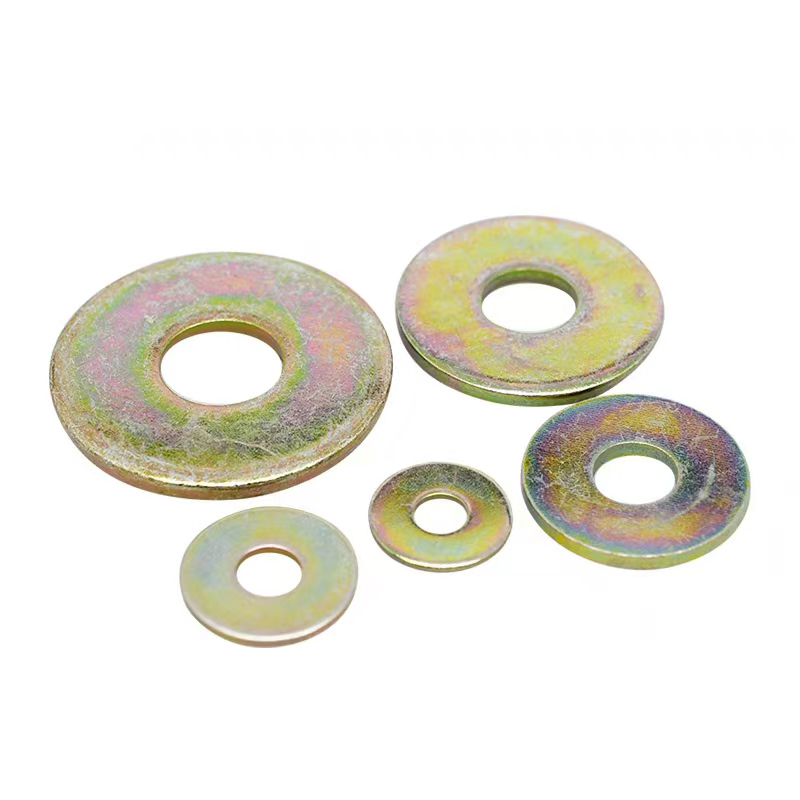 Koloretako zinka estalitako gasak
 -
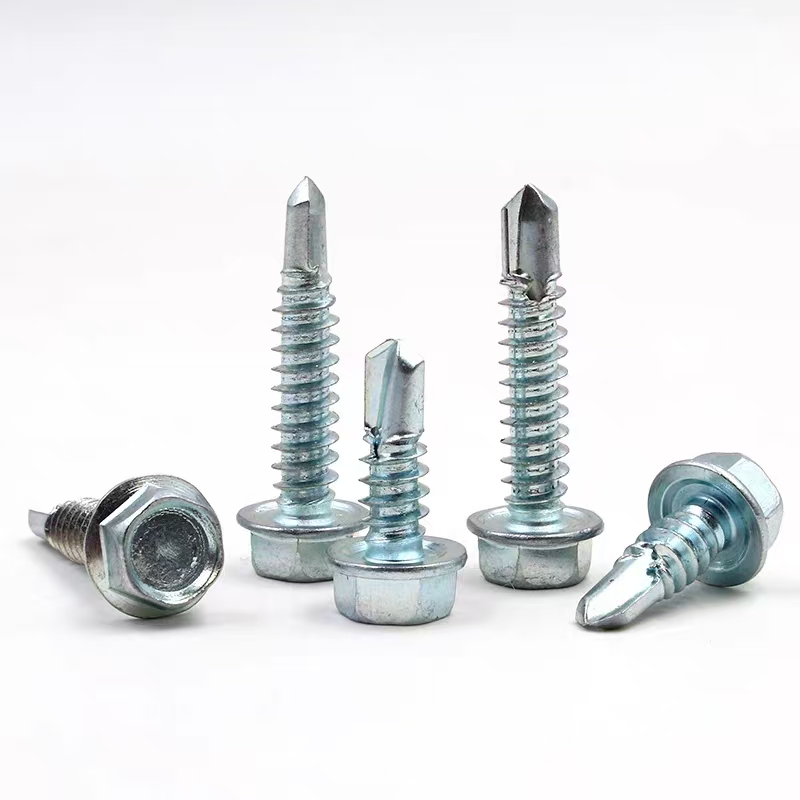 Zulagailu hexagonal elektro-galvanizatua
 -
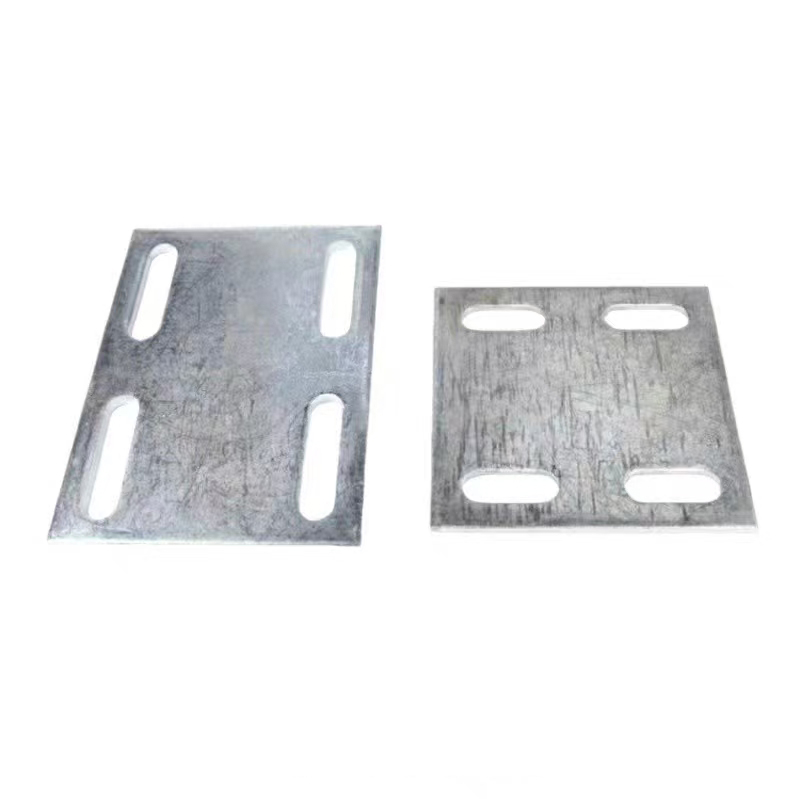 Elektrogalizazio kapsulatutako plaka
 -
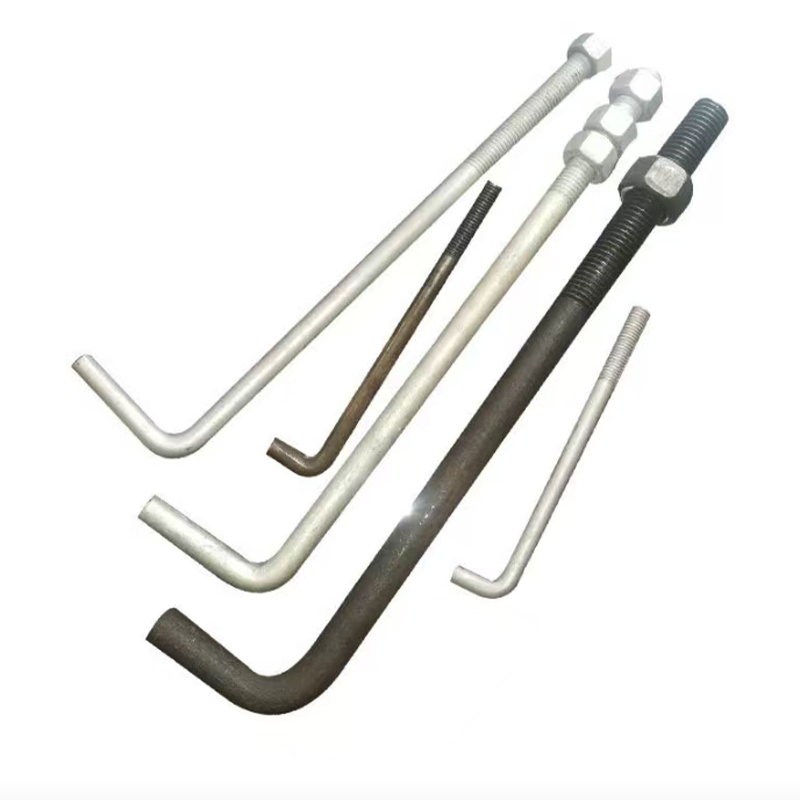 7 formako aingurak (7 formako aingura torlojuak)


