
- English
- Chinese
- French
- German
- Portuguese
- Spanish
- Russian
- Japanese
- Korean
- Arabic
- Irish
- Greek
- Turkish
- Italian
- Danish
- Romanian
- Indonesian
- Czech
- Afrikaans
- Swedish
- Polish
- Catalan
- Esperanto
- Hindi
- Lao
- Albanian
- Amharic
- Armenian
- Azerbaijani
- Belarusian
- Bengali
- Bosnian
- Bulgarian
- Cebuano
- Chichewa
- Corsican
- Croatian
- Dutch
- Estonian
- Filipino
- Finnish
- Frisian
- Galician
- Georgian
- Gujarati
- Haitian
- Hausa
- Hawaiian
- Hebrew
- Hmong
- Hungarian
- Icelandic
- Igbo
- Javanese
- Kannada
- Kazakh
- Khmer
- Kurdish
- Kyrgyz
- Latin
- Latvian
- Lithuanian
- Luxembou..
- Macedonian
- Malagasy
- Malay
- Malayalam
- Maltese
- Maori
- Marathi
- Mongolian
- Burmese
- Nepali
- Norwegian
- Pashto
- Persian
- Punjabi
- Serbian
- Sesotho
- Sinhala
- Slovak
- Slovenian
- Somali
- Samoan
- Scots Gaelic
- Shona
- Sindhi
- Sundanese
- Swahili
- Tajik
- Tamil
- Telugu
- Thai
- Ukrainian
- Urdu
- Uzbek
- Vietnamese
- Welsh
- Xhosa
- Yiddish
- Yoruba
- Zulu
- Kinyarwanda
- Tatar
- Oriya
- Turkmen
- Uyghur

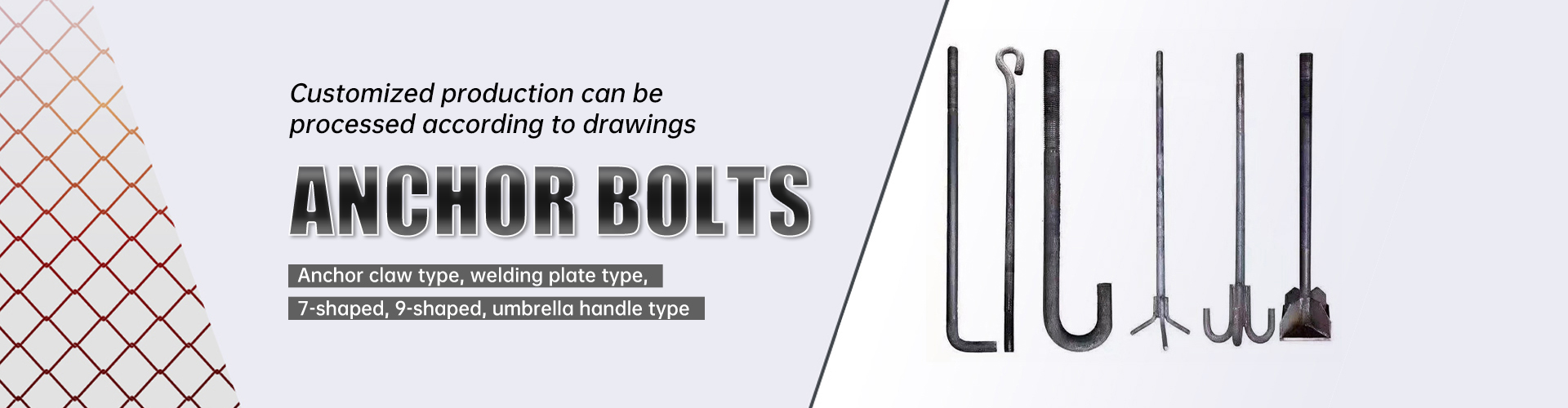
Handizkako oina
Understanding Wholesale Footing in the Fastener Industry
Navigating the fastener industry isn't as straightforward as it seems, and dealing with wholesale footing—something that's not everyone's cup of tea—can be quite tricky. Let's break down what it means and dive into some practical insights.
The Basics of Wholesale Footing
To start, understanding wholesale footing requires us to explore what it involves in the fastener market. Primarily, it's about getting the balance right between supply demand and the costs involved. Companies like Handan Zitai Fastener Manufacturing Co., Ltd., located in a strategic position in the Yongnian District, navigate this balance daily.
What's often overlooked is the intricacies in pricing strategies—one wrong step, and you could be dealing with unsold stock or unhappy clients. Given the proximity of Handan Zitai to key transportation routes like the Beijing-Guangzhou Railway, logistics play an integral role in this equation.
I remember a situation where we underestimated our transport costs, which were supposed to be mitigated by advantageous locations. The assumption was that proximity equals lower costs, but that's not always the case. Experience taught us to dive deeper into logistics strategies beyond just the maps.
Challenges in Managing Inventory
Facing challenges with inventory while handling wholesale footing is not uncommon. The key is to have a robust monitoring system. For example, Handan Zitai utilizes advanced tracking systems to ensure real-time updates on stock levels, mitigating the risk of overproduction.
But what if demand suddenly spikes? That’s where flexibility comes into play. I recall a scenario where the demand for certain fasteners surged unexpectedly; our real-time system saved the day by quickly alerting us, allowing for adjustments in production schedules. This kind of agility can make or break your wholesale footing approach.
Trying predictive analytics can also be beneficial. It's about staying ahead of the curve, foreseeing market trends, and proactively adjusting stock levels. It's not fail-proof, but it definitely provides an edge.
The Role of Supplier Relationships
Building strong relationships with suppliers is vital. When you're in a bind, these connections can mean quicker turnaround times and better negotiation power. In my experience, negotiating terms with suppliers isn’t always about cost—sometimes it's about timing and reliability.
Handan Zitai, leveraging its large production base, collaborates closely with suppliers to ensure consistency. This isn't just partnerships on paper—it's about real, dependable interactions, which I've seen pay dividends, especially when tight deadlines crop up.
Moreover, it’s about trust. A history of reliable dealings often results in better deals, which reflects positively on your wholesale footing. It's not something that can be rushed; it’s built over time.
Understanding Market Dynamics
Market dynamics constantly shift, and being attuned to these changes is crucial for effective wholesale footing. For example, rising raw material costs or new regulations can suddenly change the playing field.
In the region around Handan City, where Handan Zitai operates, governmental policies can impact production norms. Being aware of these ahead of time allowed us to adjust quickly, maintaining our foothold in the market.
Understanding these dynamics isn't just about reading reports; it's about interpreting them in the context of your business. Real-world application beats theoretical knowledge any day.
Learning from Failures
Failures aren't just possible—they're inevitable, and each one is a learning opportunity. I've had experiences where assumptions led to miscalculations, affecting our wholesale footing. We adjusted by revisiting our fundamental strategies and outcomes improved.
One time, overlooking a minor regulatory change cost us a significant amount. It was a wake-up call that paying attention to every detail can prevent costly mistakes. This is why keeping abreast with the latest industry updates is non-negotiable.
Ultimately, the goal is to be adaptable. Being successful with wholesale footing means learning from past mistakes and remaining flexible to change. This constant learning and adaptation turn what could be viewed as a failure into a stepping stone for future success.
Lotinduta aurrealdi
Lotutako produktuak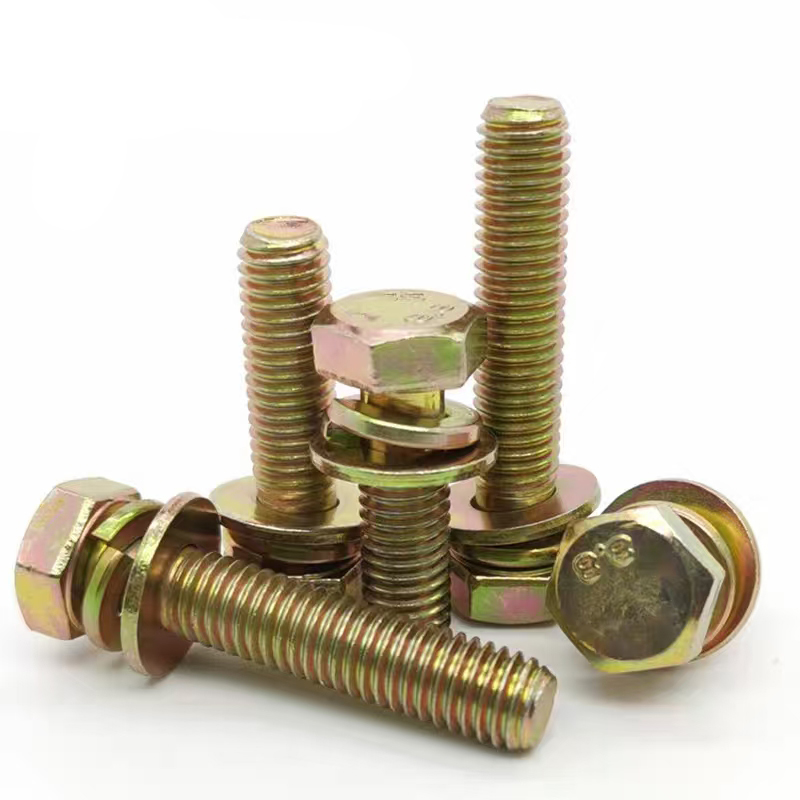
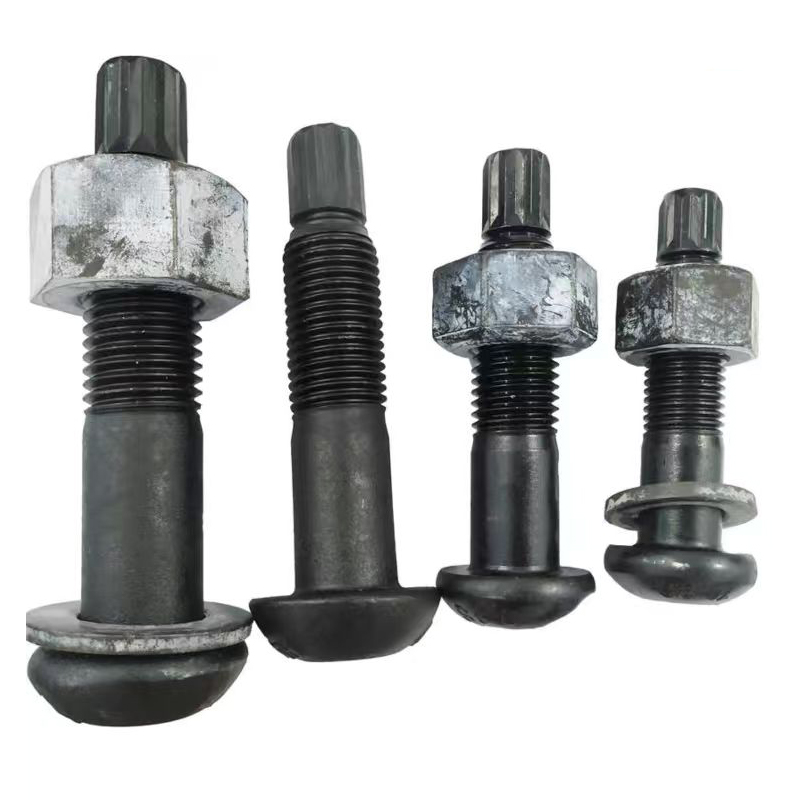
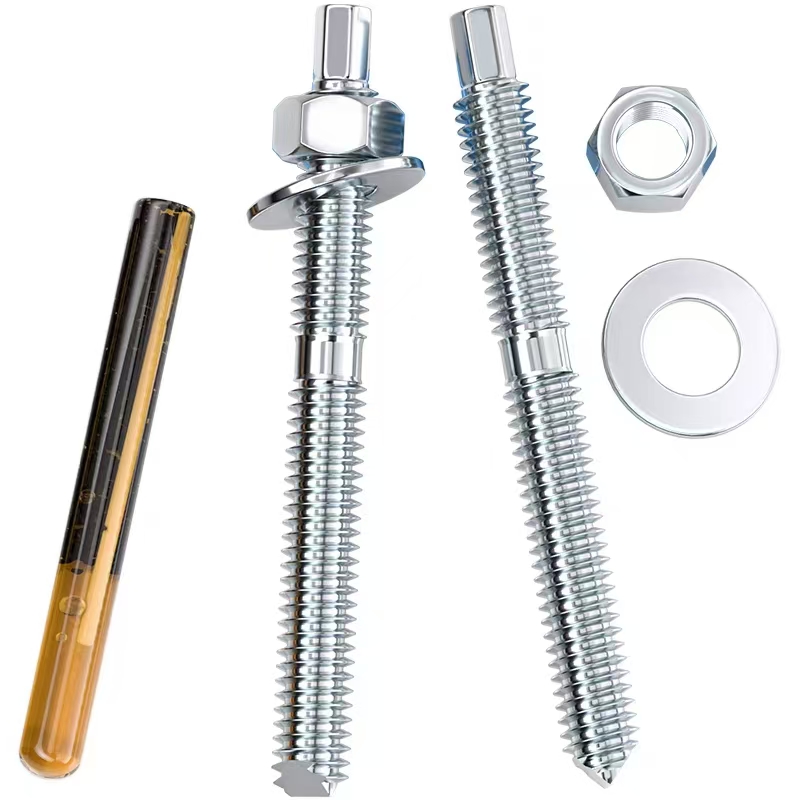
Salmenta onena aurrealdi
Salmenta produktu onenak-
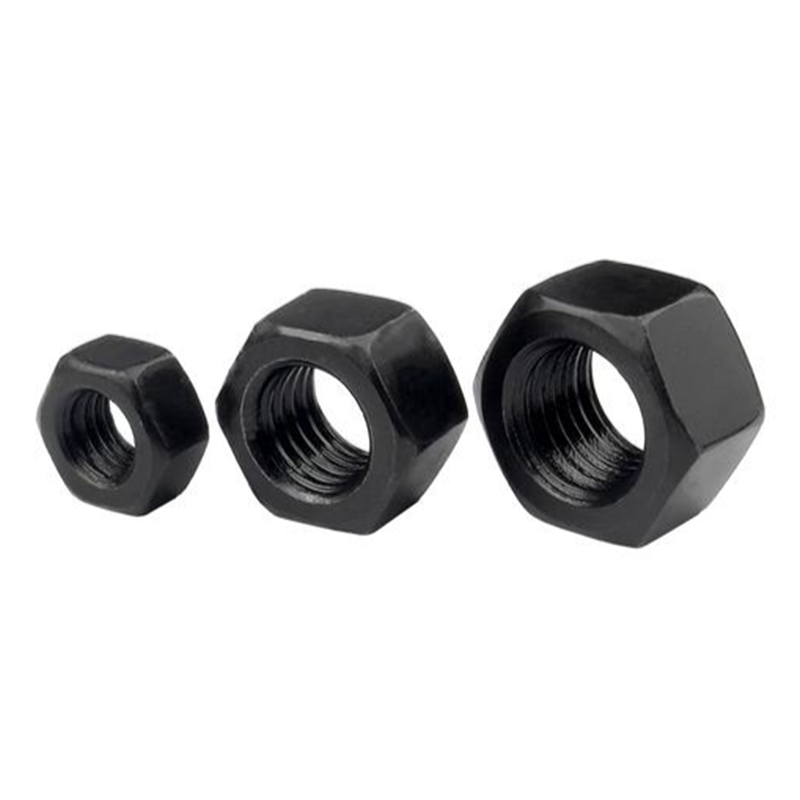 Indar handiko fruitu lehorrak
 -
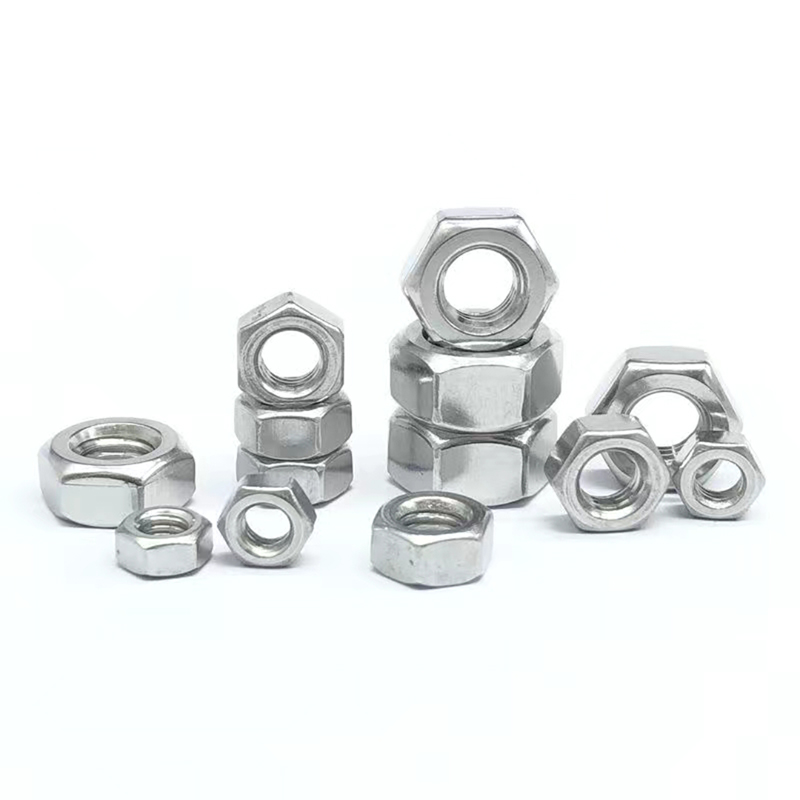 Elektrogalizazio fruitu lehorrak
 -
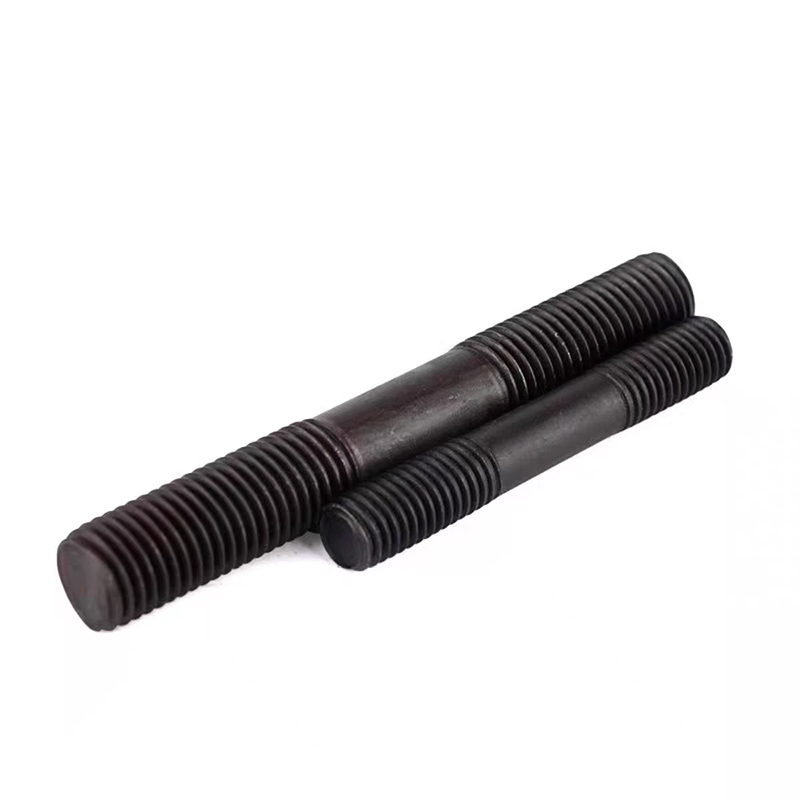 Stud torlojuak
 -
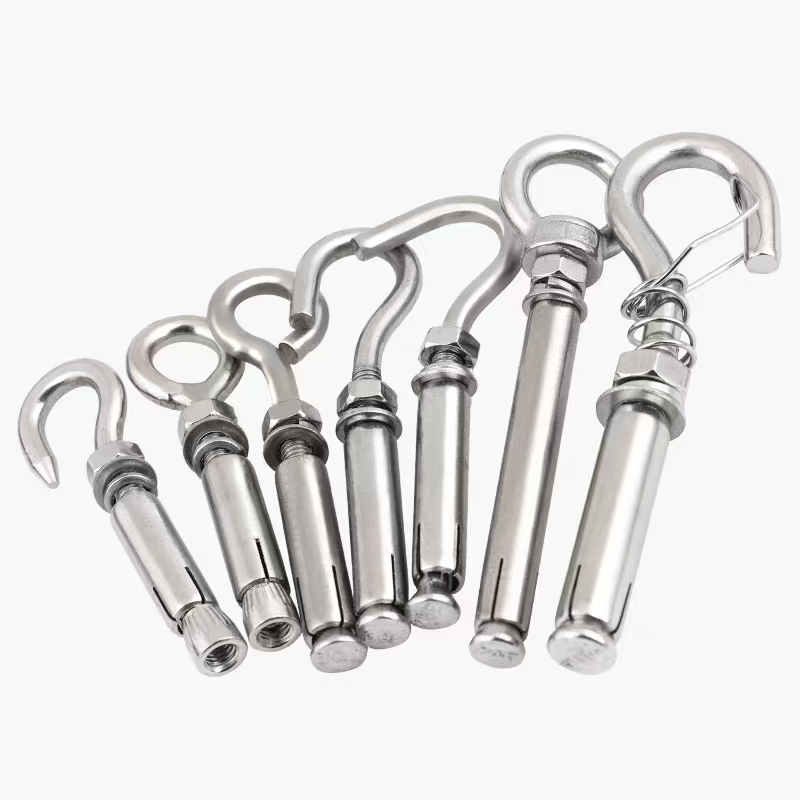 Hedapen elektro-galvanizatua
 -
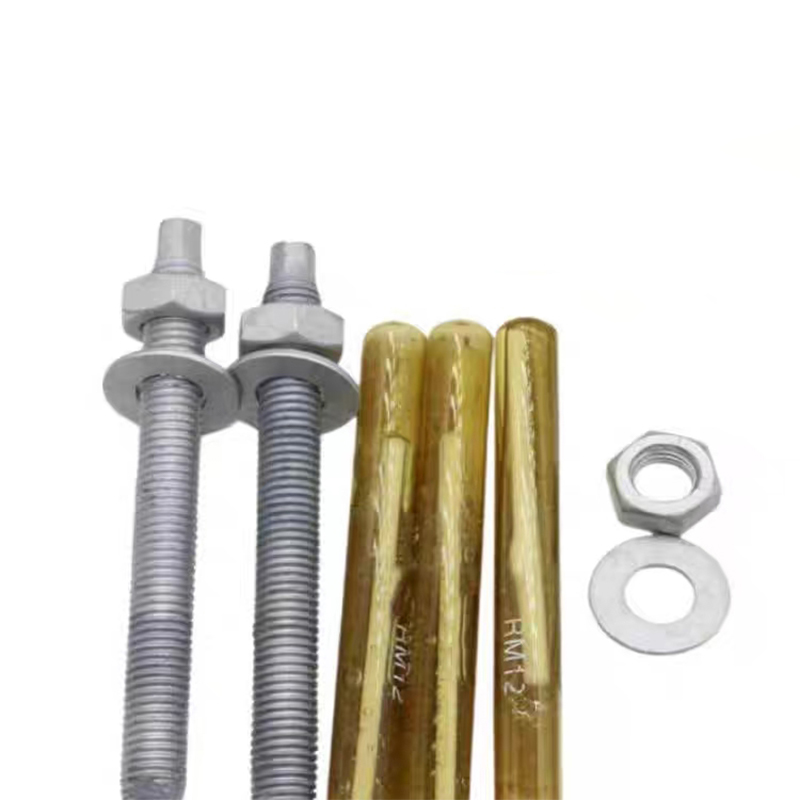 Hot-Dip Boltsa Kimiko Galvanizatuak
 -
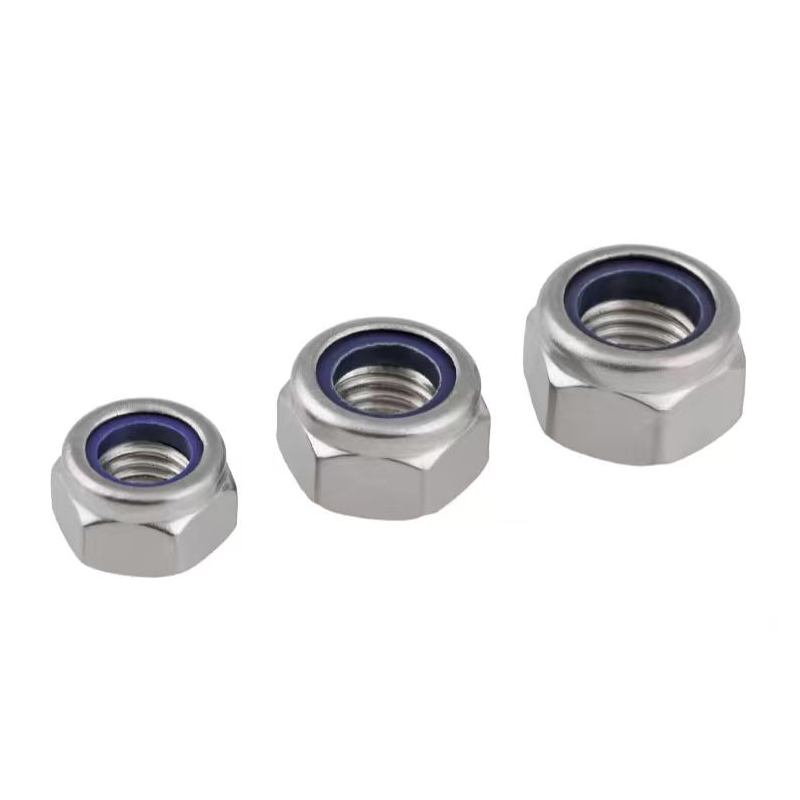 Anti-solte intxaurra (Intxaur blokeoa)
 -
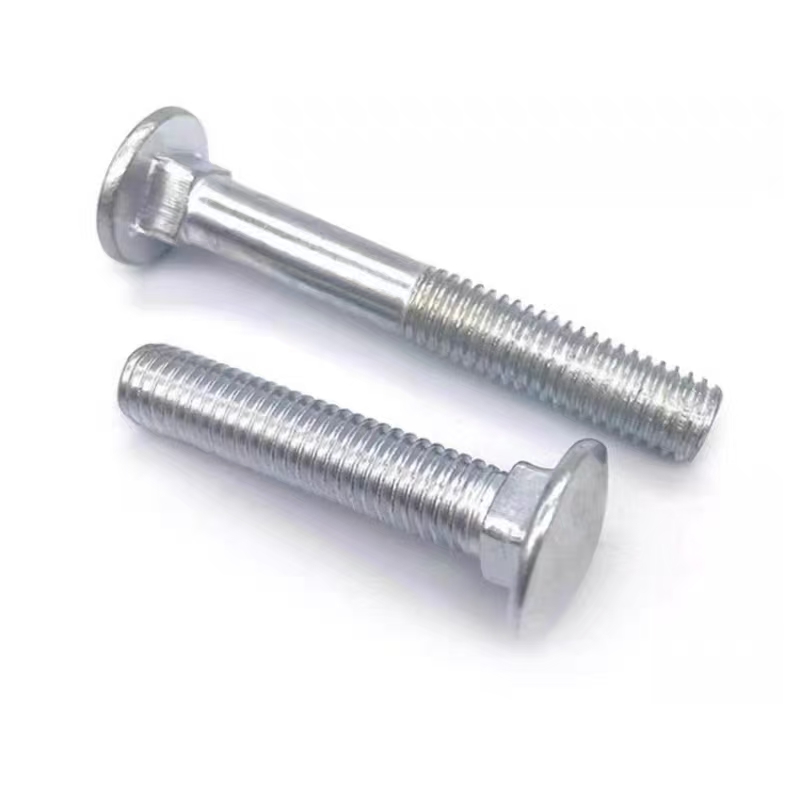 Gurdiaren boltsa (erdi biribileko lepoko torlojua)
 -
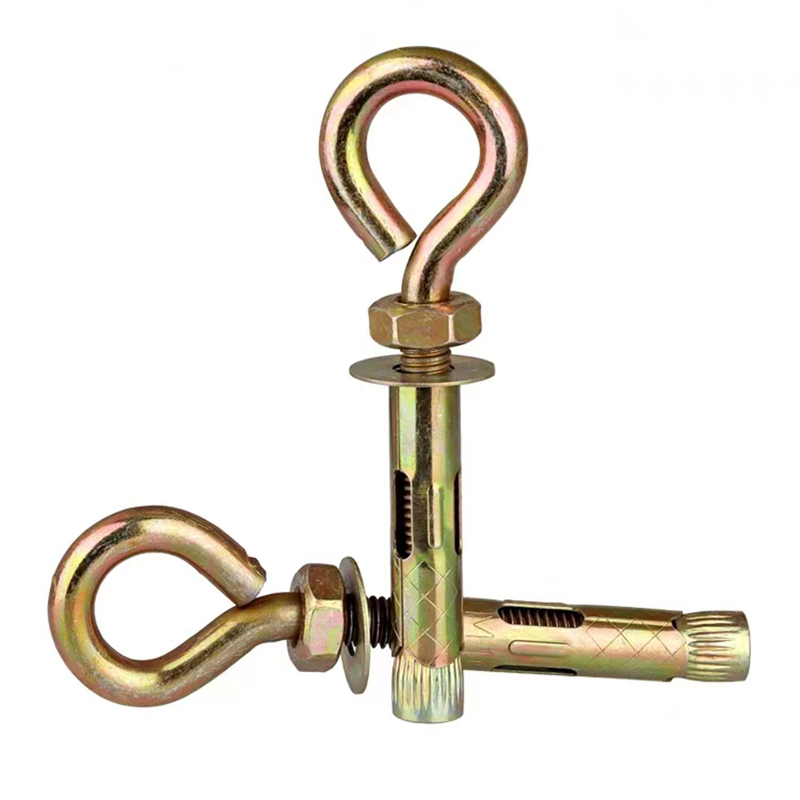 Koloretako zinka estalitako hedapen kakoa
 -
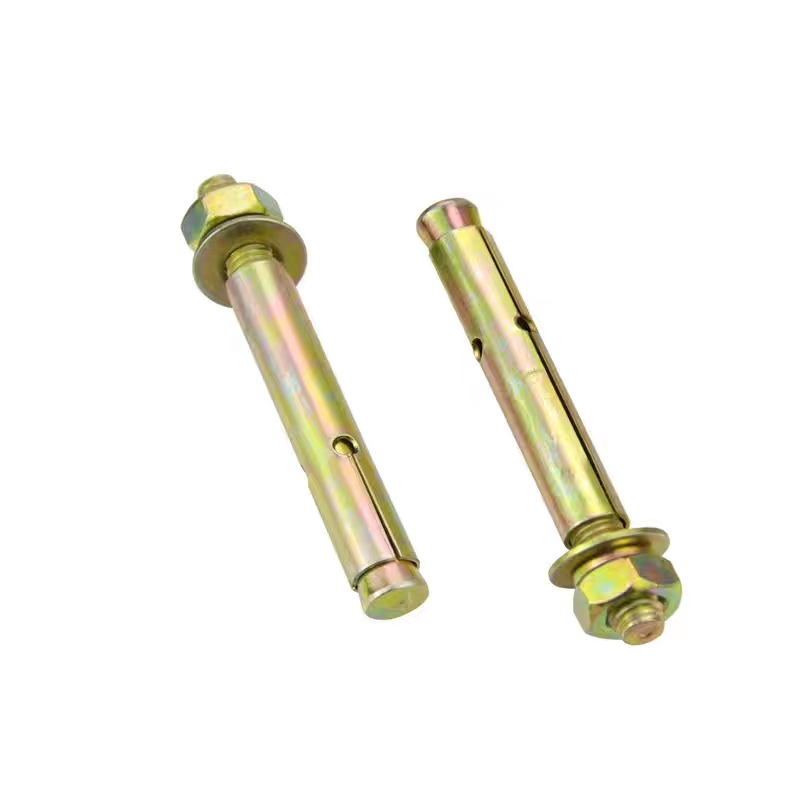 Koloretako zinka estalitako hedapen boltxoak
 -
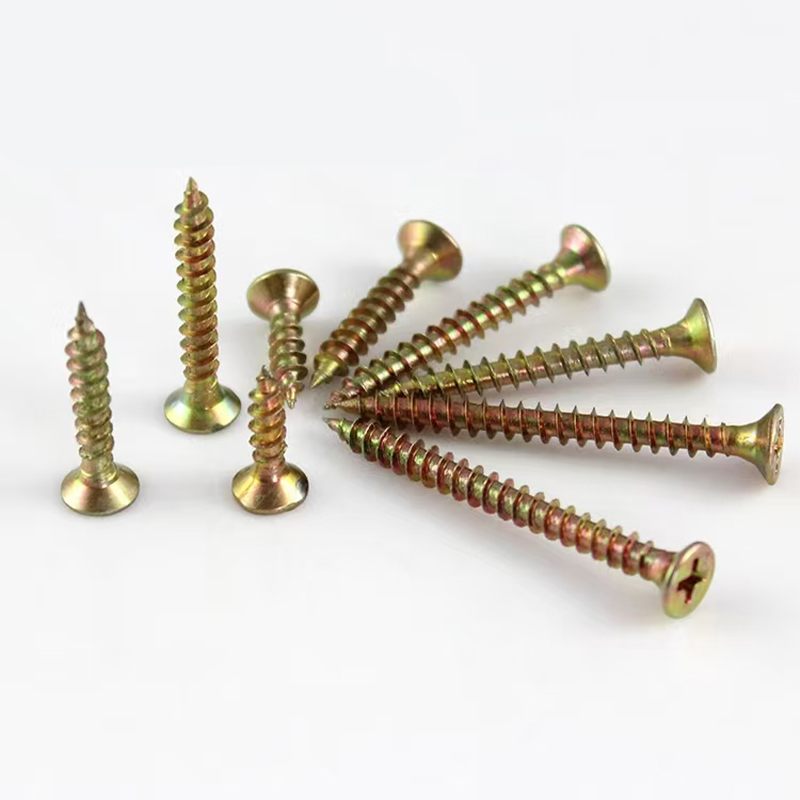 Koloretako zinka plated cross crossunk zulagailu haria
 -
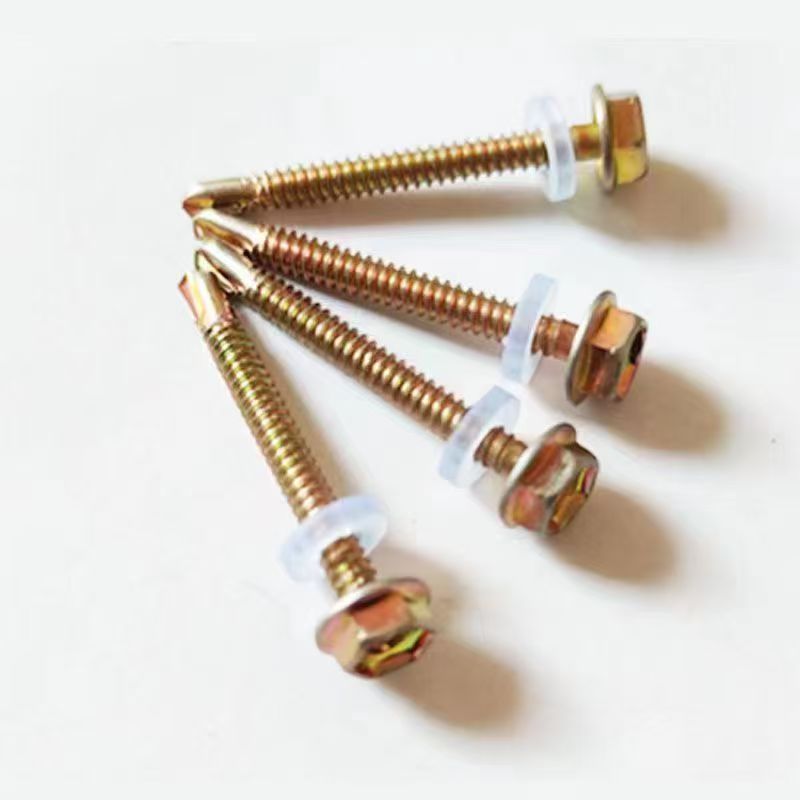 Koloretako zulagailu hexagonalaren isatsaren alanbrea
 -
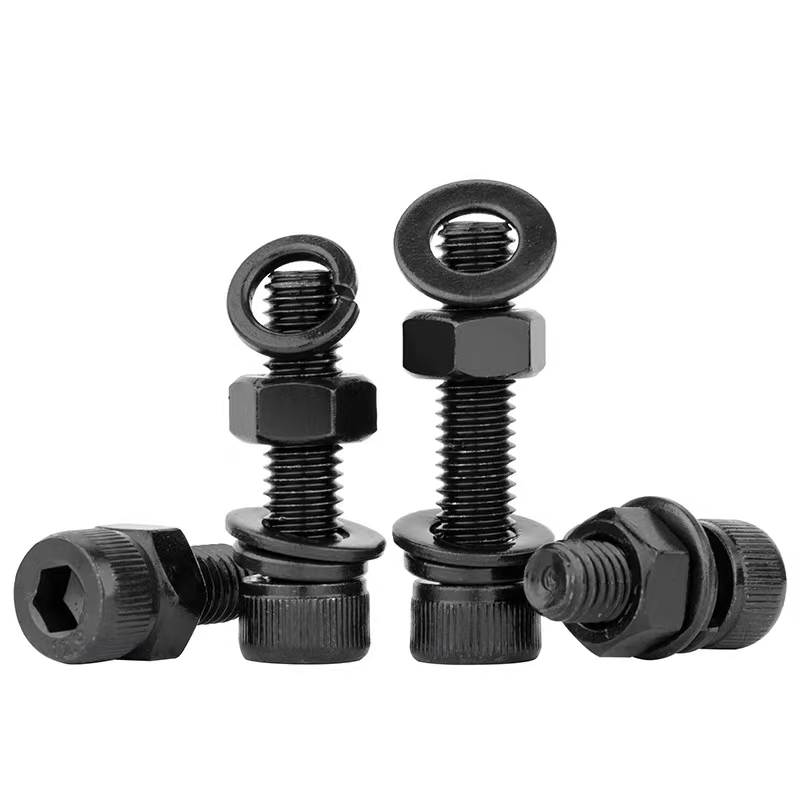 Hexagon entxufe zinka beltzeko torlojuak