
- English
- Chinese
- French
- German
- Portuguese
- Spanish
- Russian
- Japanese
- Korean
- Arabic
- Irish
- Greek
- Turkish
- Italian
- Danish
- Romanian
- Indonesian
- Czech
- Afrikaans
- Swedish
- Polish
- Catalan
- Esperanto
- Hindi
- Lao
- Albanian
- Amharic
- Armenian
- Azerbaijani
- Belarusian
- Bengali
- Bosnian
- Bulgarian
- Cebuano
- Chichewa
- Corsican
- Croatian
- Dutch
- Estonian
- Filipino
- Finnish
- Frisian
- Galician
- Georgian
- Gujarati
- Haitian
- Hausa
- Hawaiian
- Hebrew
- Hmong
- Hungarian
- Icelandic
- Igbo
- Javanese
- Kannada
- Kazakh
- Khmer
- Kurdish
- Kyrgyz
- Latin
- Latvian
- Lithuanian
- Luxembou..
- Macedonian
- Malagasy
- Malay
- Malayalam
- Maltese
- Maori
- Marathi
- Mongolian
- Burmese
- Nepali
- Norwegian
- Pashto
- Persian
- Punjabi
- Serbian
- Sesotho
- Sinhala
- Slovak
- Slovenian
- Somali
- Samoan
- Scots Gaelic
- Shona
- Sindhi
- Sundanese
- Swahili
- Tajik
- Tamil
- Telugu
- Thai
- Ukrainian
- Urdu
- Uzbek
- Vietnamese
- Welsh
- Xhosa
- Yiddish
- Yoruba
- Zulu
- Kinyarwanda
- Tatar
- Oriya
- Turkmen
- Uyghur


Handizkako uztaia
Navigating the World of Wholesale Hoop: Insights from the Trenches
Delving into the realm of Handizkako uztaia marketing isn’t merely about volume purchase; it involves an intricate dance of understanding market demands, quality assurance, and logistics management. Let’s unpack some of the mysteries that often perplex newcomers.
Understanding Market Demands
The hoop market is vast, with applications spanning construction, crafts, and athletic equipment. Identifying the niche that aligns with your business can be challenging. For instance, I once ventured into metal hoops, mainly supplying to the construction industry. The needs can drastically differ from those of craft sectors or sports equipment manufacturers.
Keeping a finger on the pulse of market trends is invaluable. I recall the initial confusion when I first encountered fluctuating demands. Surveys and direct communication with potential buyers helped steer my direction more pragmatically.
Engagement with manufacturers directly, such as Handan Zitai Fastener Manufacturing Co., Ltd. — a company I found through https://www.zitaifasteners.com — proved resourceful. Their proximity to key transport lines, like the Beijing-Guangzhou Railway, assists not only in seamless shipment but also in understanding regional demands.
Quality Assurance Considerations
Without question, quality remains a cornerstone. Consumers today are more informed and particular about their purchases. In one instance, a batch of substandard hoops cost us a significant client. A hard lesson learned was the need for stringent quality checks.
Implementing a robust quality control process involves setting clear standards — something often underestimated. With Handan Zitai, leveraging their expertise in fasteners and their stringent testing protocols ensured a reduction in product returns.
Continuous communication with suppliers also ensures that they’re aware of your quality expectations. Transparent dialogues can avert quality mishaps and build stronger supplier relationships.
Managing Logistics Effectively
Logistics play a pivotal role. I’ve seen projects where logistics miscalculations led to overspending or missed deadlines. Understanding every leg of the journey — from factory to client — is crucial.
Choosing partners like Handan Zitai, located strategically by the Beijing-Shenzhen Expressway, allowed for a logistics framework that reduced delays. The harmony between proximity and production capabilities made for a seamless operation.
Don’t underestimate the power of local infrastructure. Often, adjacent transport routes such as National Highway 107 can make unforeseen costs more predictable, an insight gained over multiple shipments.
Building Strong Supplier Relationships
Fostering relationships with suppliers is more than transactional; it's about trust and mutual growth. This relationship evolves over time. Initially, understanding cultural nuances can play a massive part in smooth operations.
I remember the initial language barriers and business etiquette learning curves I had to navigate. Building rapport with companies like Zitai Fasteners helped bridge these gaps, leading to more cohesive dealings.
Regular visits and open communication channels can crystallize these bonds, ensuring both parties are aligned on expectations and capabilities.
The Role of Technology and Innovation
Incorporating technology early on saves countless hours and dollars. From inventory management systems to predictive analytics, technology is the bedrock of modern wholesale operations.
One might think such implementations are reserved for massive corporations, but even small businesses can harness basic tools to streamline processes. Handan Zitai, for instance, incorporates modern manufacturing technology, aiding in scalable production which remains a backbone for consistent supply.
Staying adaptive to technological advancements also means keeping ahead of competition. In a world where time is money, these innovations are not just beneficial but essential for sustainability.
Lotinduta aurrealdi
Lotutako produktuak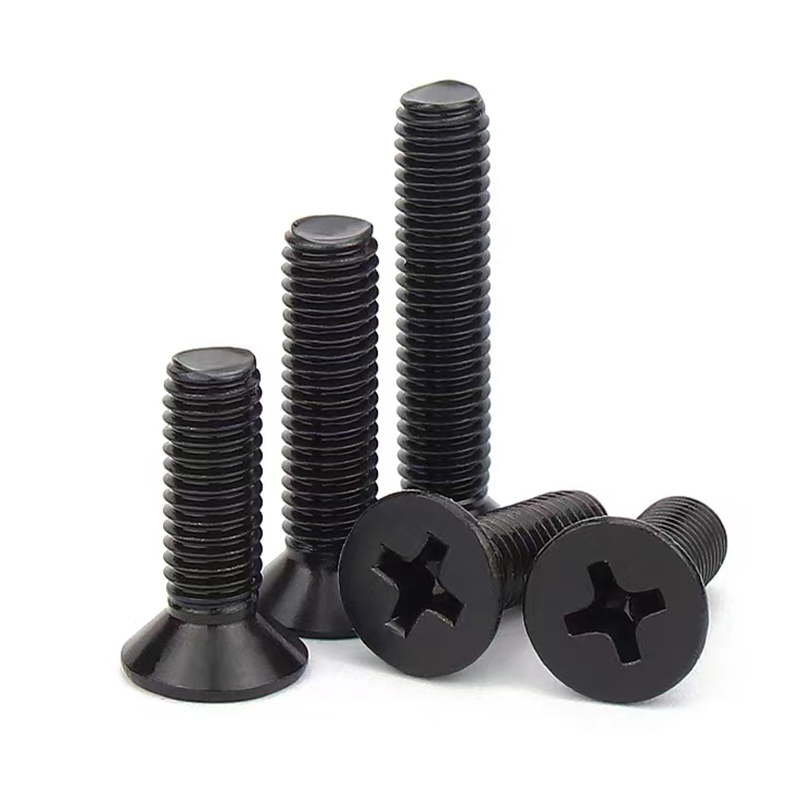
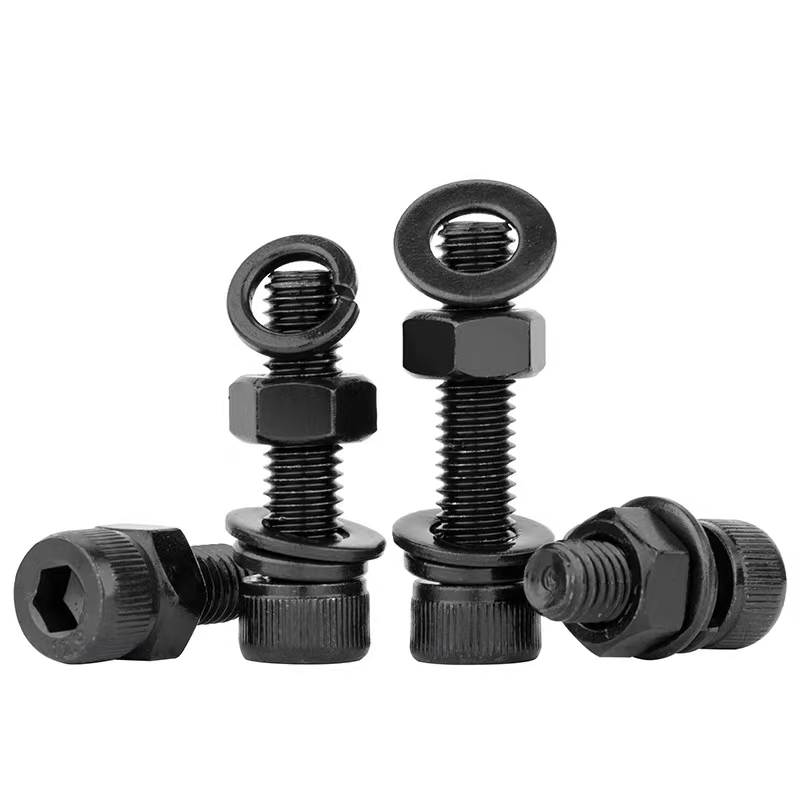
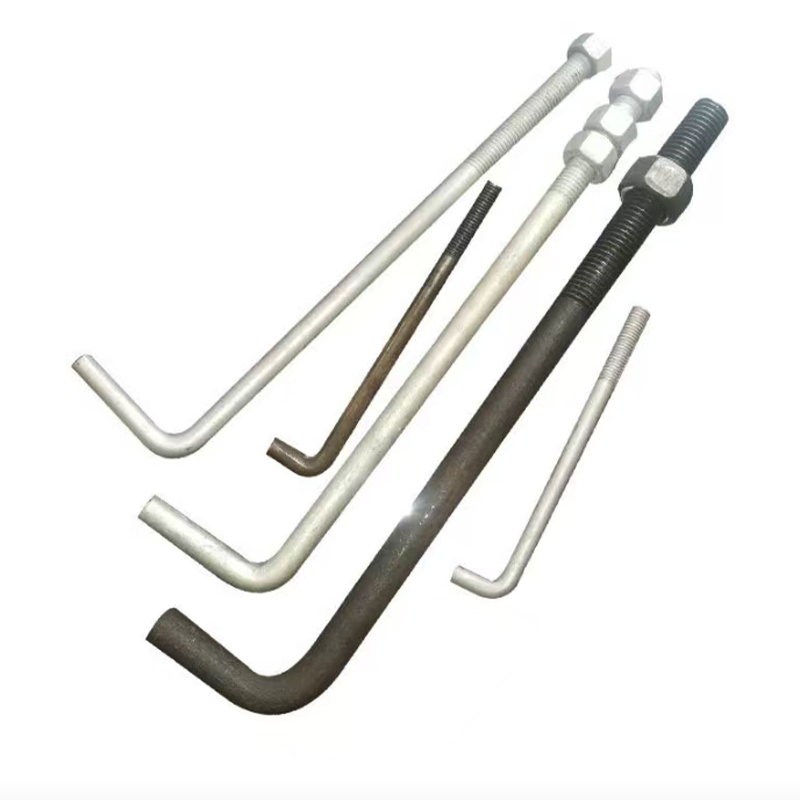
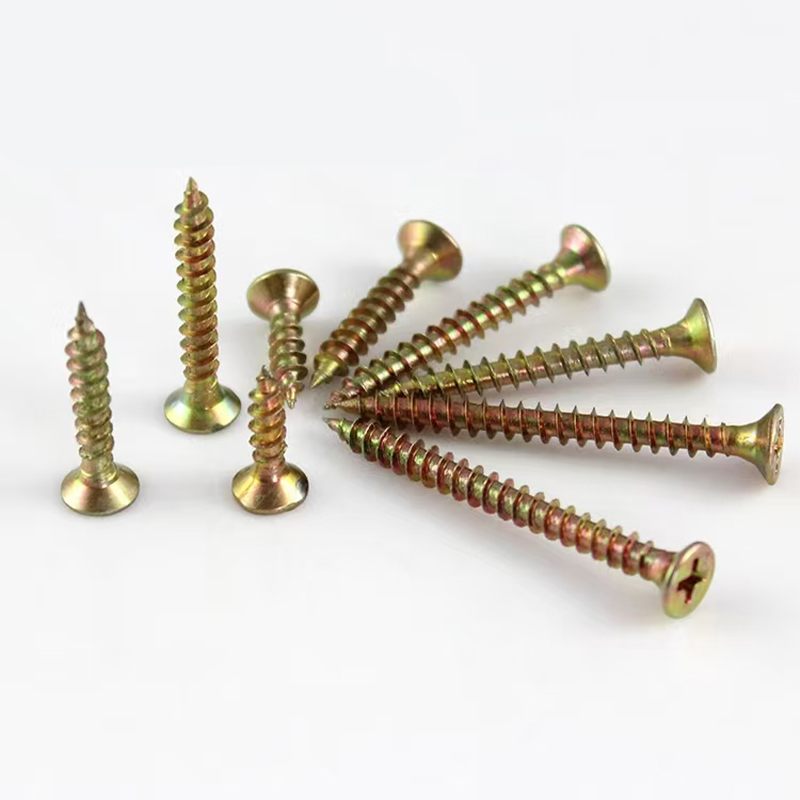
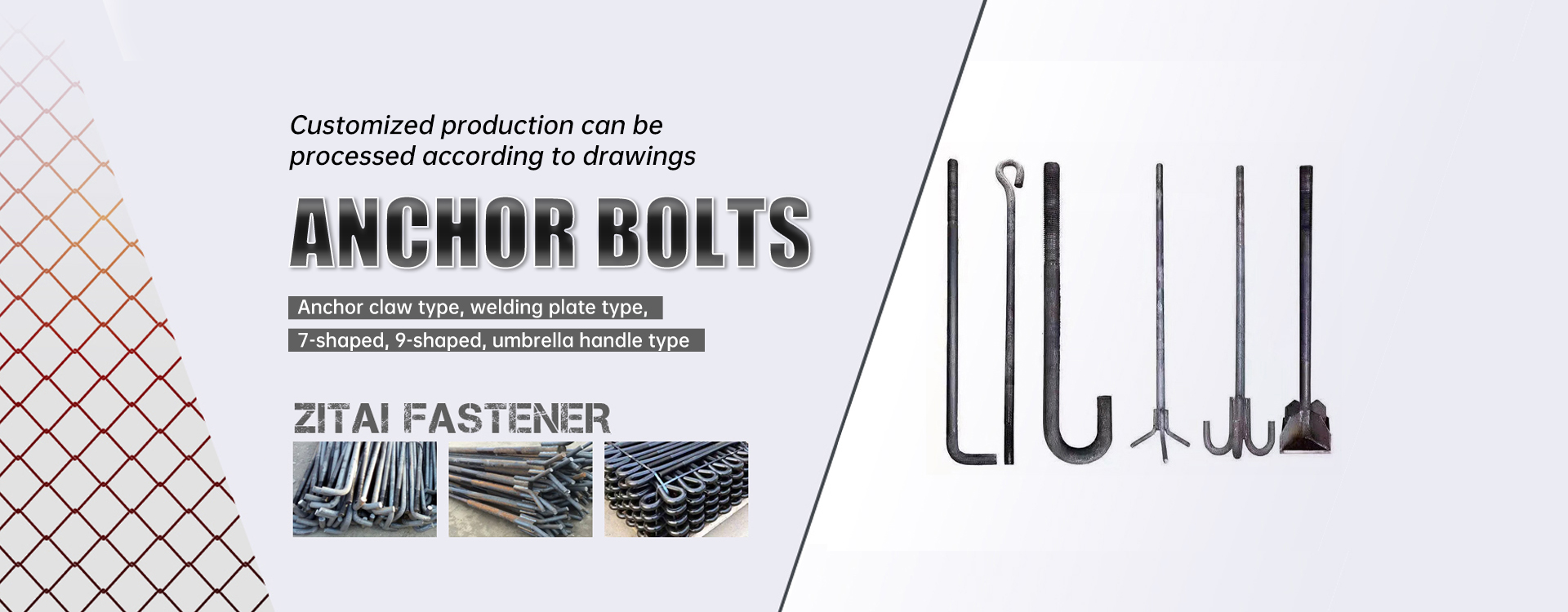
Salmenta onena aurrealdi
Salmenta produktu onenak-
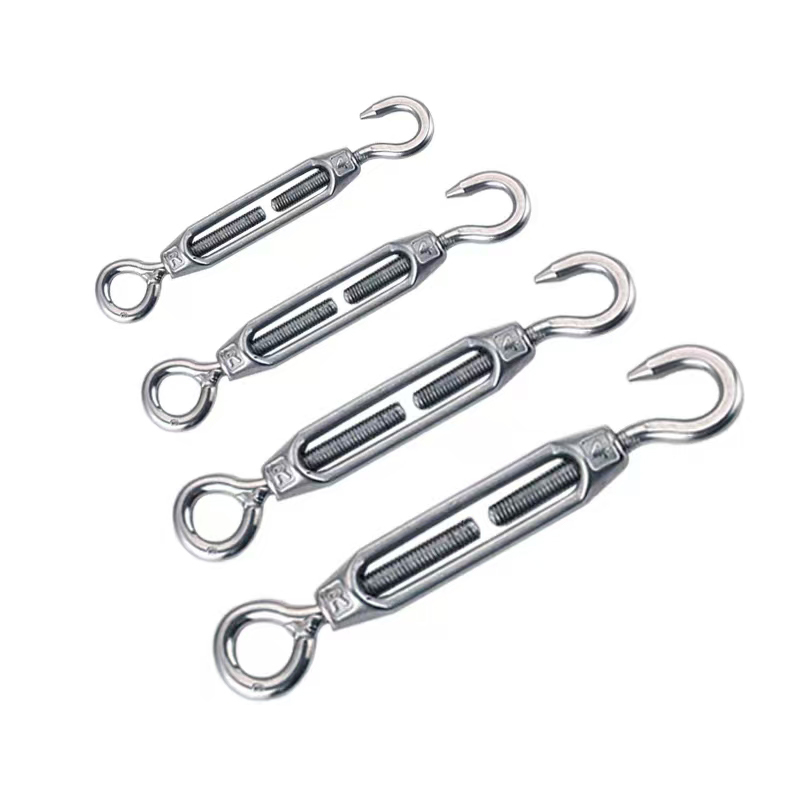 Basketarako torlojuak
 -
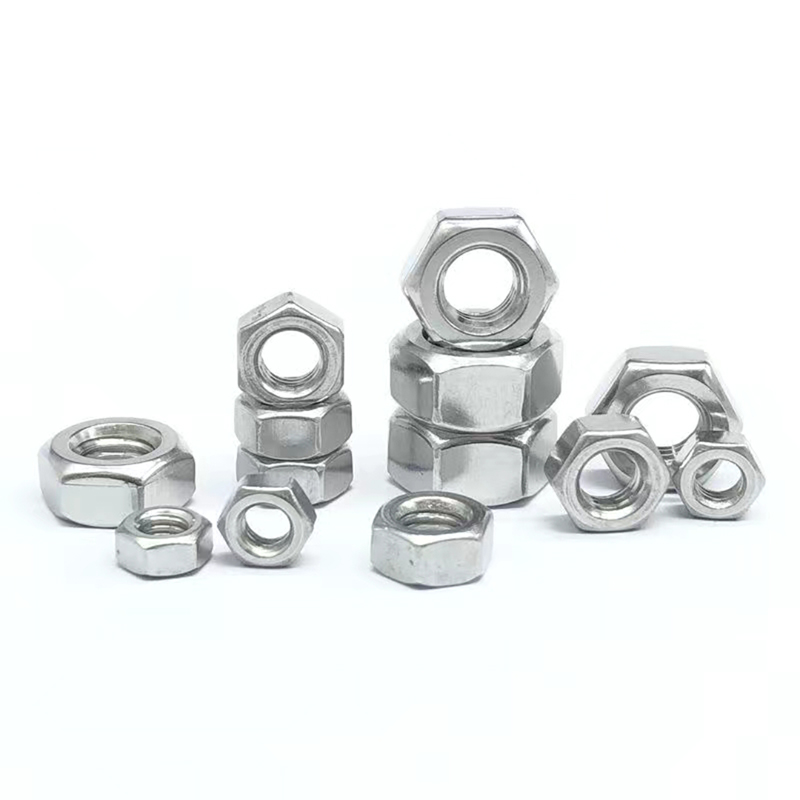 Elektrogalizazio fruitu lehorrak
 -
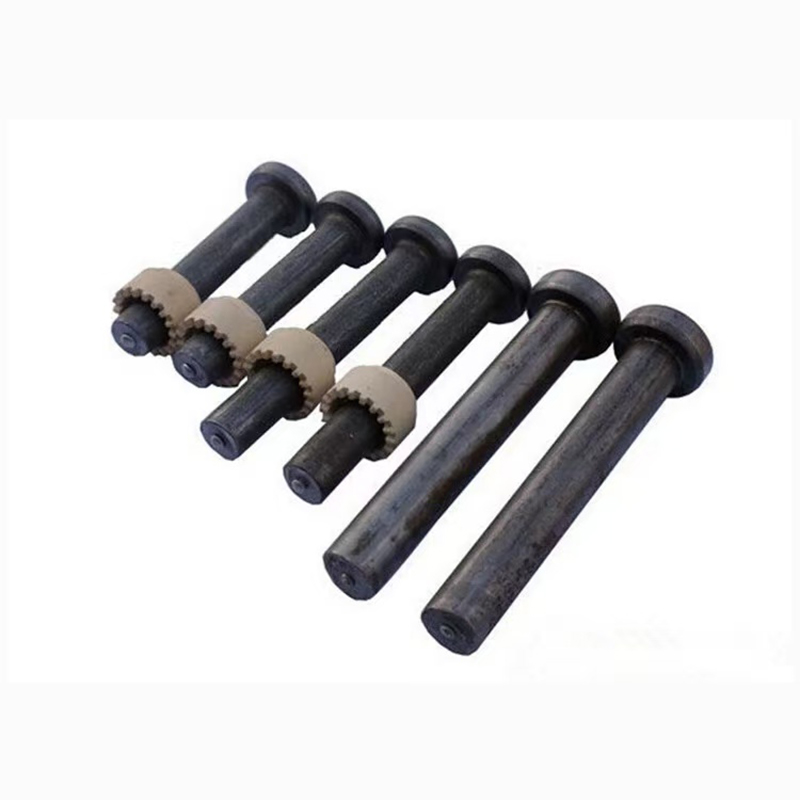 Soldadura iltzeak
 -
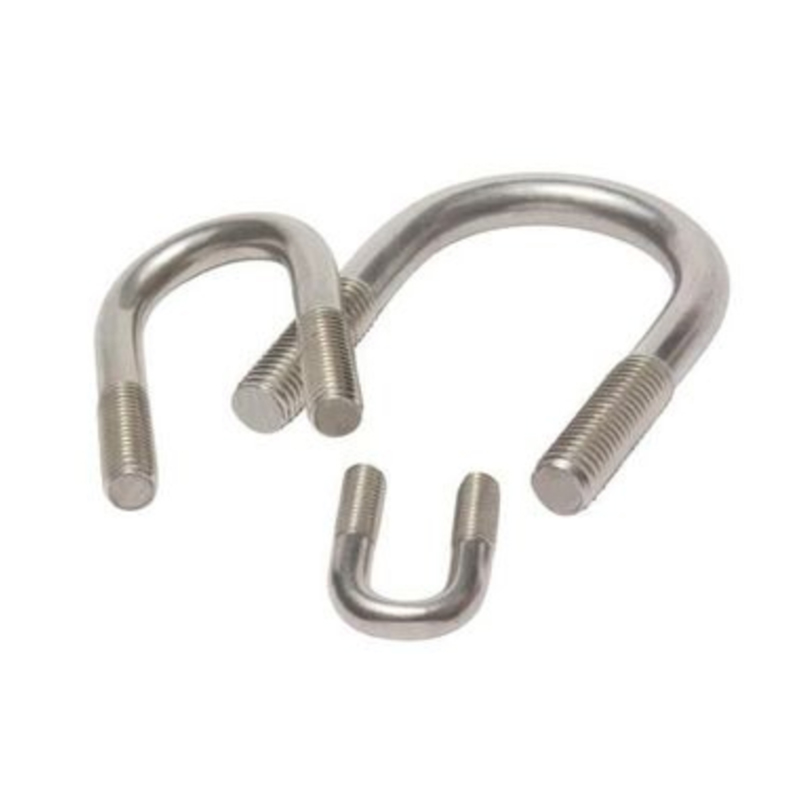 U-bolts
 -
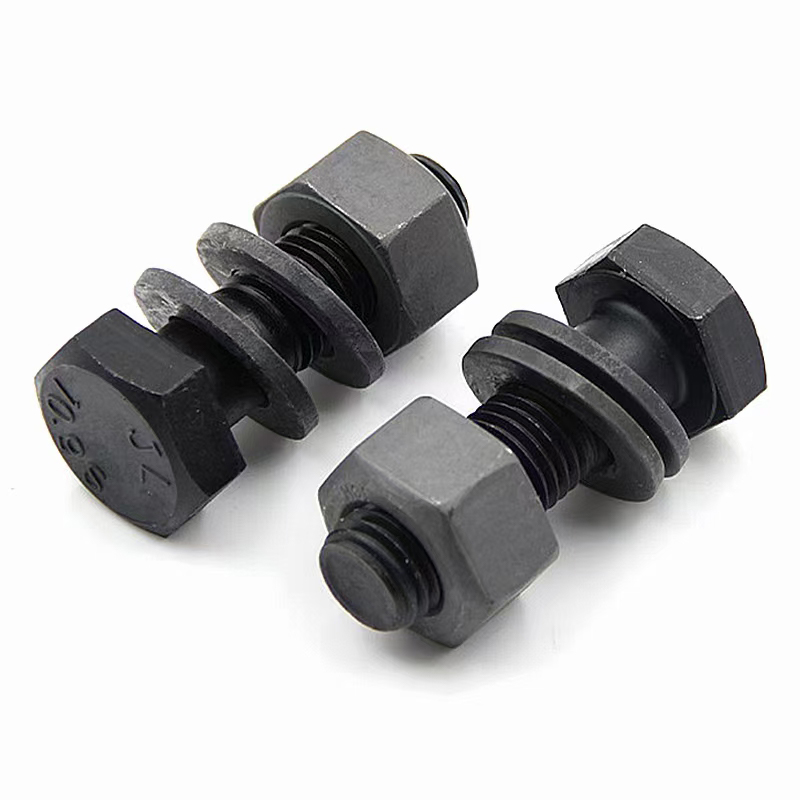 10,9S Hexagono Boltsu Handiak
 -
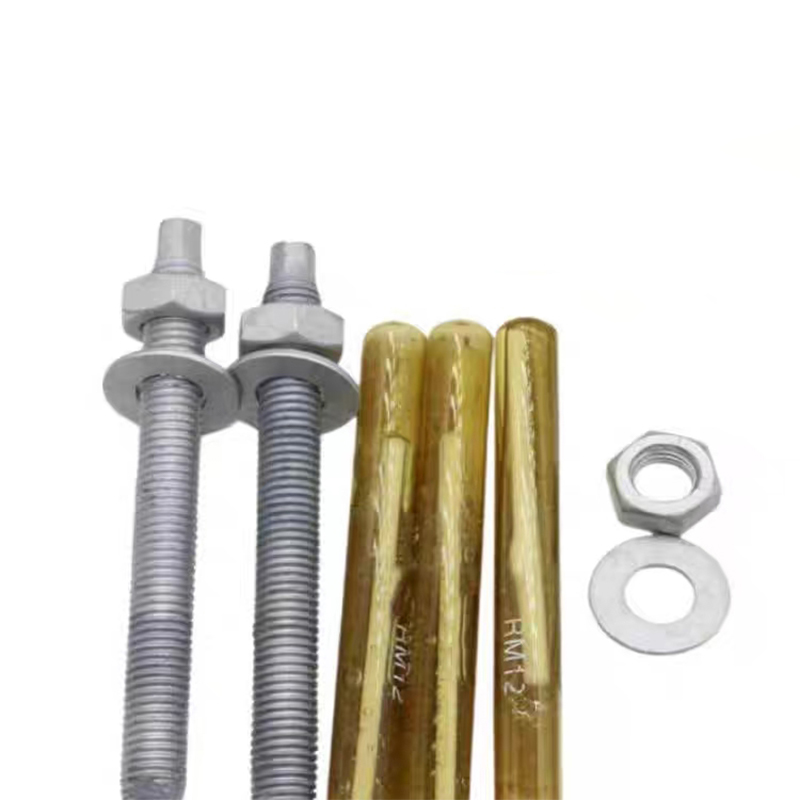 Hot-Dip Boltsa Kimiko Galvanizatuak
 -
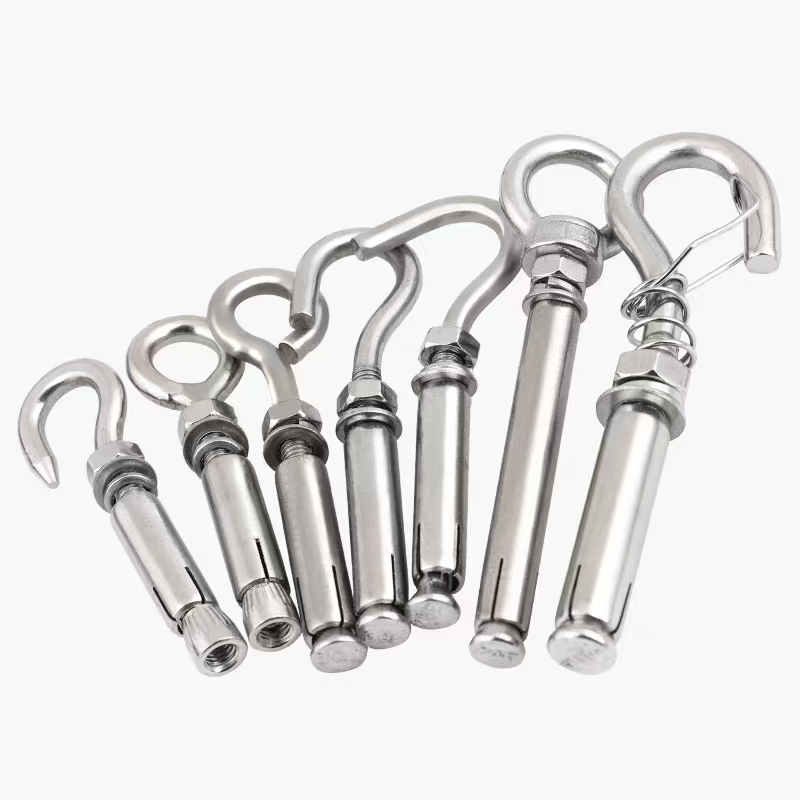 Hedapen elektro-galvanizatua
 -
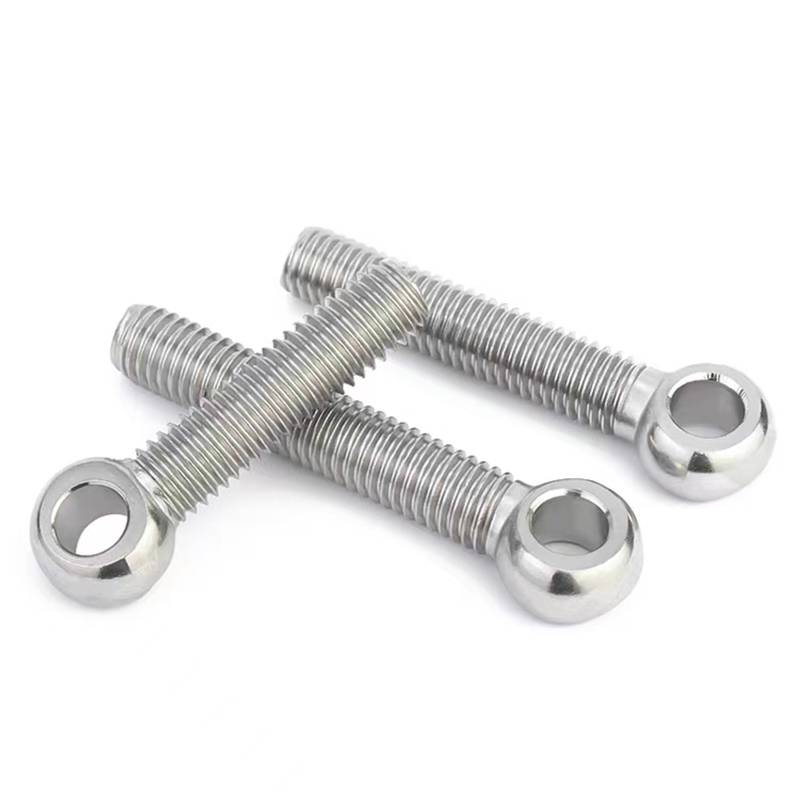 Elektrogalizazio bisagra torlojuak
 -
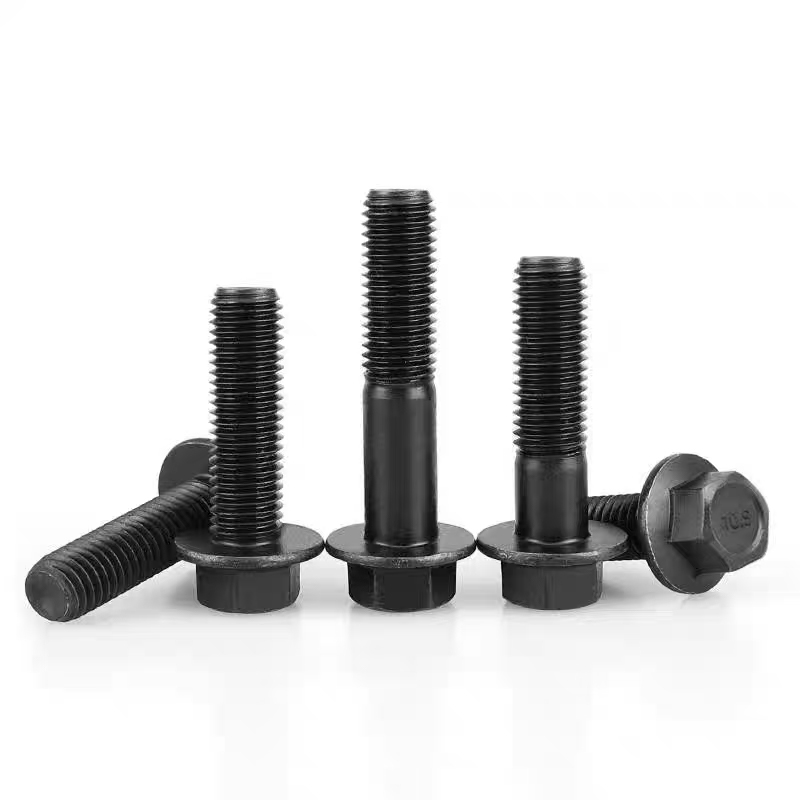 Zinka beltza brida torlojuak
 -
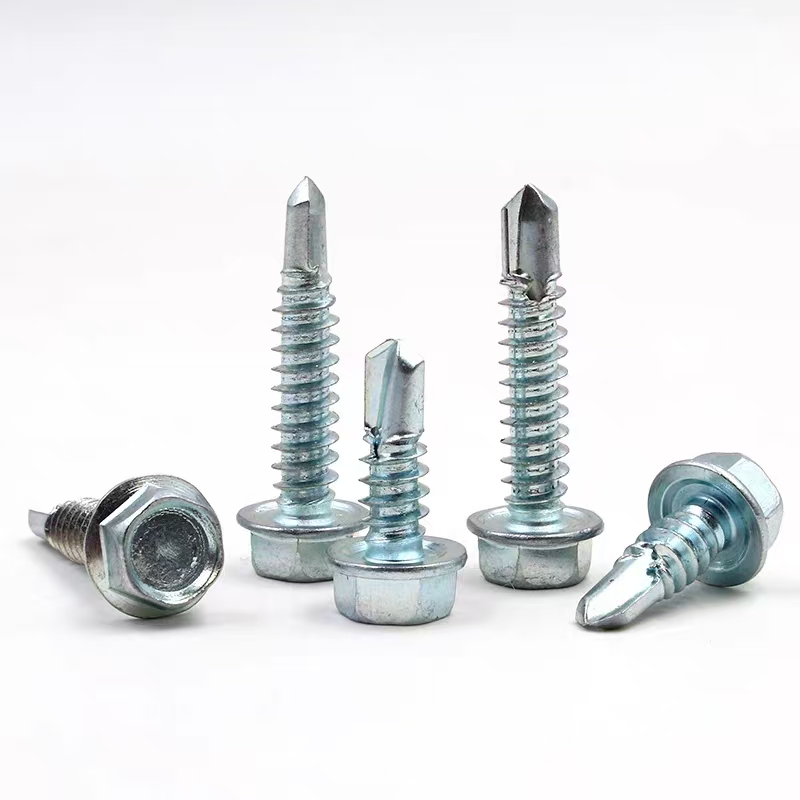 Zulagailu hexagonal elektro-galvanizatua
 -
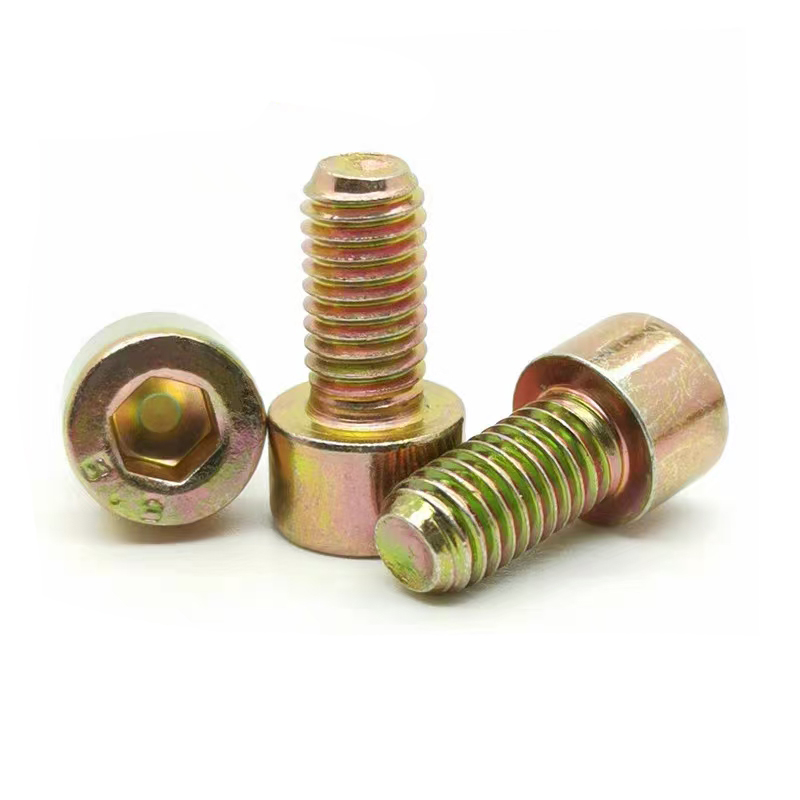 Hexagono entxufe koloretako zinka estalitako torlojuak
 -
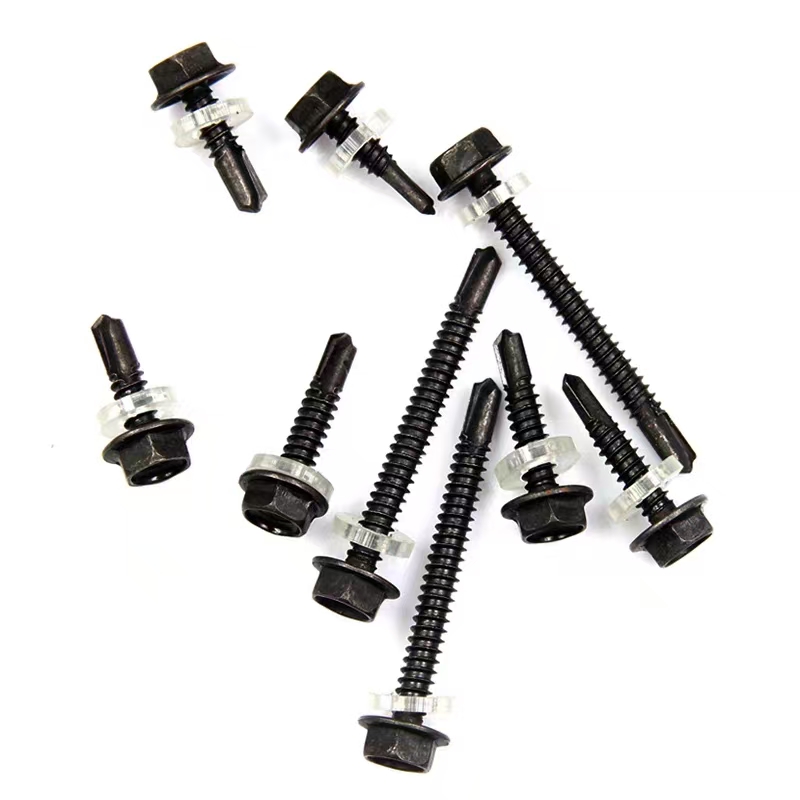 Zinka beltza hexagonal zulagailuaren isatsaren alanbrea


