
- English
- Chinese
- French
- German
- Portuguese
- Spanish
- Russian
- Japanese
- Korean
- Arabic
- Irish
- Greek
- Turkish
- Italian
- Danish
- Romanian
- Indonesian
- Czech
- Afrikaans
- Swedish
- Polish
- Catalan
- Esperanto
- Hindi
- Lao
- Albanian
- Amharic
- Armenian
- Azerbaijani
- Belarusian
- Bengali
- Bosnian
- Bulgarian
- Cebuano
- Chichewa
- Corsican
- Croatian
- Dutch
- Estonian
- Filipino
- Finnish
- Frisian
- Galician
- Georgian
- Gujarati
- Haitian
- Hausa
- Hawaiian
- Hebrew
- Hmong
- Hungarian
- Icelandic
- Igbo
- Javanese
- Kannada
- Kazakh
- Khmer
- Kurdish
- Kyrgyz
- Latin
- Latvian
- Lithuanian
- Luxembou..
- Macedonian
- Malagasy
- Malay
- Malayalam
- Maltese
- Maori
- Marathi
- Mongolian
- Burmese
- Nepali
- Norwegian
- Pashto
- Persian
- Punjabi
- Serbian
- Sesotho
- Sinhala
- Slovak
- Slovenian
- Somali
- Samoan
- Scots Gaelic
- Shona
- Sindhi
- Sundanese
- Swahili
- Tajik
- Tamil
- Telugu
- Thai
- Ukrainian
- Urdu
- Uzbek
- Vietnamese
- Welsh
- Xhosa
- Yiddish
- Yoruba
- Zulu
- Kinyarwanda
- Tatar
- Oriya
- Turkmen
- Uyghur


handizkako soldaduraren ama
Understanding the Wholesale Market for Solder Motherboards
Mundua handizkako soldaduraren ama components is complex and fascinating, balancing high-volume demands with precise manufacturing details. Navigating this market requires insight into industry practices, supplier reliability, and the nuances of bulk transactions. Let’s delve into what makes this field tick.
The Dynamics of Wholesale Solder Motherboards
In the realm of electronics, the handizkako soldaduraren ama board is a crucial backbone. These components must be produced with precision to ensure they meet current technological requirements. The challenge here lies in scaling production without compromising on quality. Historically, many have stumbled attempting to achieve this balance.
One fundamental aspect is supplier choice. Companies like Handan Zitai Fastener Manufacturing Co., Ltd., located at the heart of China's largest production base, shed light on how logistics play a significant role in component availability and speed to market. Their proximity to key transportation links like the Beijing-Guangzhou Railway and major highways is a strategic advantage that cannot be overstated.
However, selecting the right supplier isn’t just about location. Reliability and expertise are paramount. Engaging with suppliers requires more than just a spreadsheet; it’s about building relationships that ensure priority access during peak demands.
Quality Assurance in Bulk Manufacturing
Here’s where it gets tricky. Quality control in bulk manufacturing is a different beast compared to smaller runs. It's about systems and processes. A solder motherboard must pass rigorous testing phases, and any oversight in this stage can lead to costly recalls or failures.
In my own experience, working on mass production lines revealed the importance of on-the-ground quality checks. Automated systems help, but they aren’t foolproof. Hands-on expertise often catches errors machines might miss, underscoring the value of skilled labor.
At the same time, the fast-paced evolution of technology means the ability to adapt quickly is crucial. Being tied to outdated testing methods can render you irrelevant almost overnight. That's a mistake I've seen firsthand when companies lagged because they didn’t invest in updated tech.
Market Challenges and Adaptability
The wholesale market isn’t static. Consistent innovation in motherboard design means constant adaptation. The solder points—a seemingly minor detail—play a crucial role in overall functionality, and improvements in solder materials can dramatically impact performance.
This brings us to the issue of adaptability. Companies that innovate survive, and those that don't inevitably fall behind. A case in point is how some manufacturers adapted to new lead-free solder regulations faster than their competitors, gaining a significant market edge.
For businesses like Handan Zitai Fastener Manufacturing Co., Ltd., adapting involves more than just shifting materials. It's about strategic investments in R&D and actively participating in industry trends. A dynamic market requires a proactive approach.
Insights from Failures and Successes
Failures aren’t uncommon in this industry. Whether due to oversight or miscalculated demand, knowing how to handle setbacks defines long-term success. One key lesson from companies that bounced back—never stray too far from your core competencies.
There was a time we ventured into an unfamiliar market without sufficient groundwork. The outcome wasn't pretty. It taught us the importance of thorough market research and incremental market testing—insights starkly illustrated during post-mortem analyses.
Conversely, wins don’t come from luck but learning. Implementing robust feedback systems allowed us to continually improve and streamline processes—advice I'd share with any newcomers looking to succeed in the handizkako soldaduraren ama market.
Conclusion: The Art of Mastery in Wholesale
Mastering the wholesale trade of solder motherboards extends beyond technical know-how. It’s an art that combines strategic foresight, adaptable processes, and the relentless pursuit of quality. Companies like Handan Zitai Fastener Manufacturing Co., Ltd. illustrate the symbiosis of location advantage and industry expertise, making them stalwarts in this intricate field. For those involved, understanding these deeper layers is crucial—not just to compete, but to lead and innovate.
In summary, the path to success in this sector is paved with both caution and boldness—knowing when to follow the tried and tested, and when to break the mold. It’s a dance, intricate and rewarding, that defines the future of technology.
Lotinduta aurrealdi
Lotutako produktuak
Salmenta onena aurrealdi
Salmenta produktu onenak-
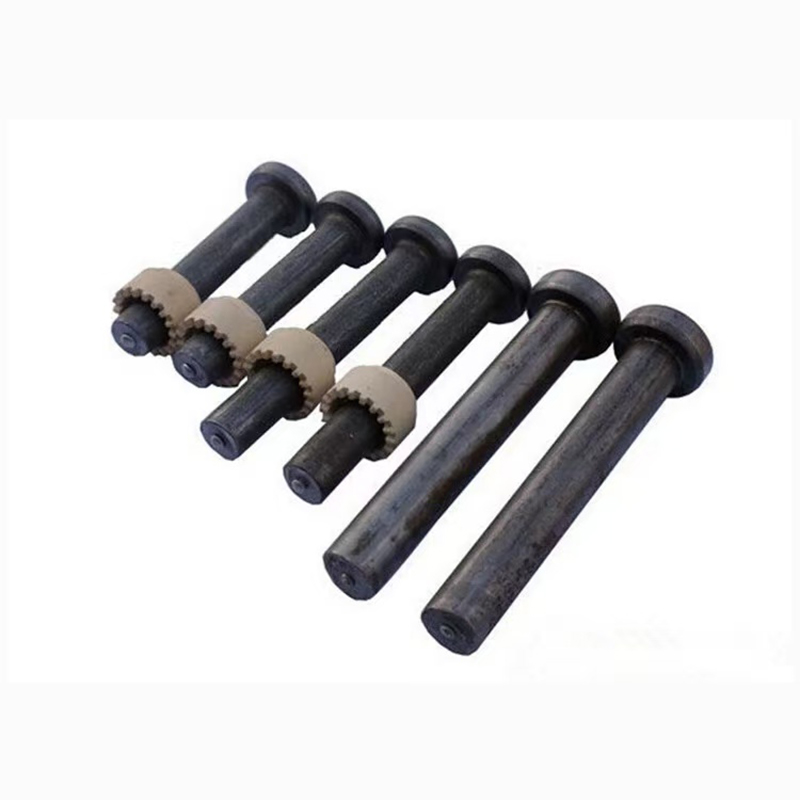 Soldadura iltzeak
 -
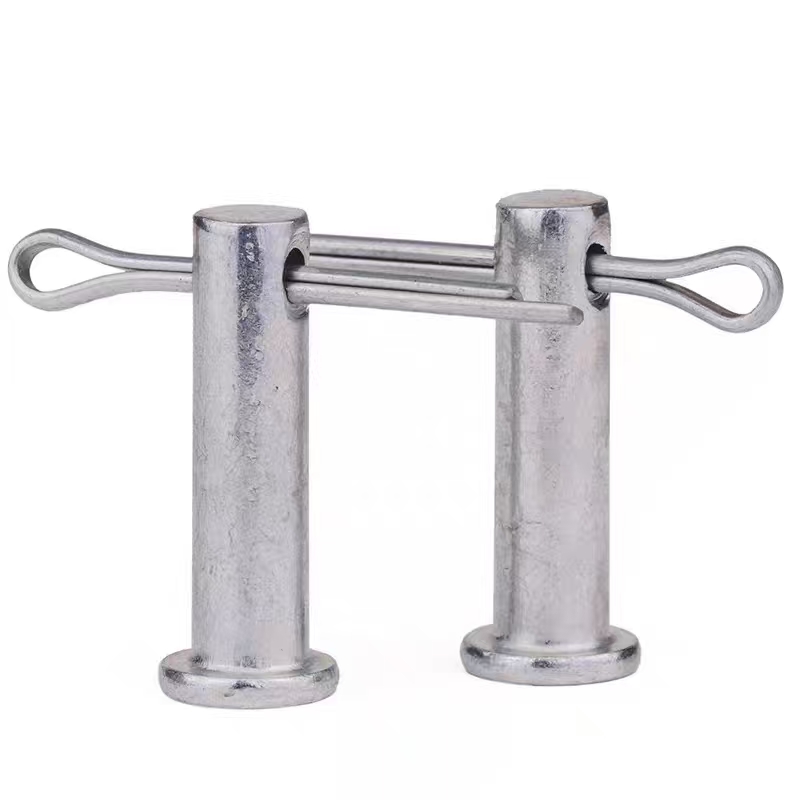 Elektrogalizazio pinak
 -
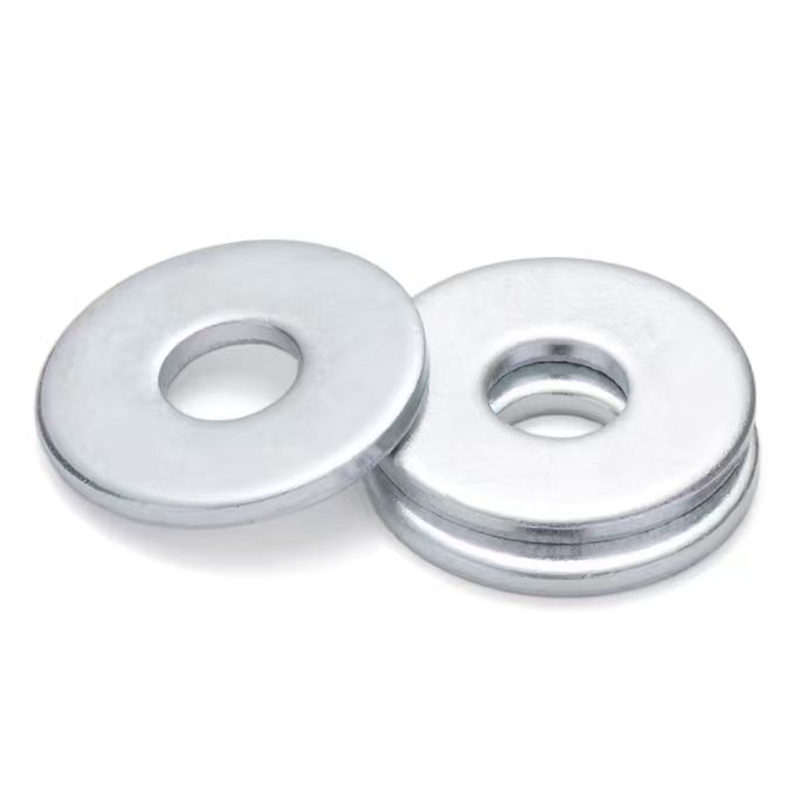 Elektrokatutako galbanizatuzko gasak
 -
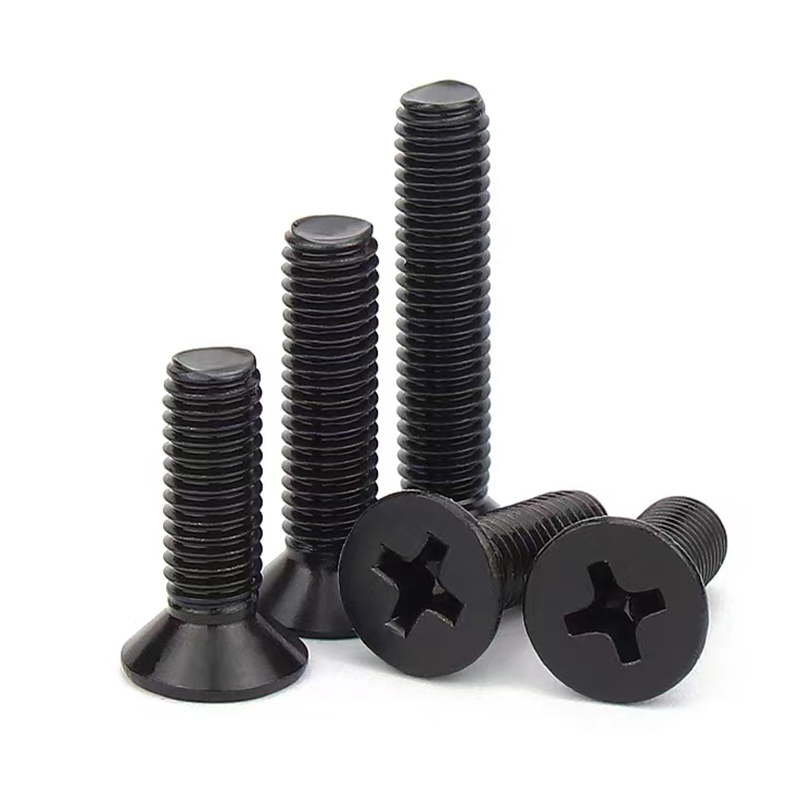 Zink beltz estalitako mahuka-bolatxo beltzak
 -
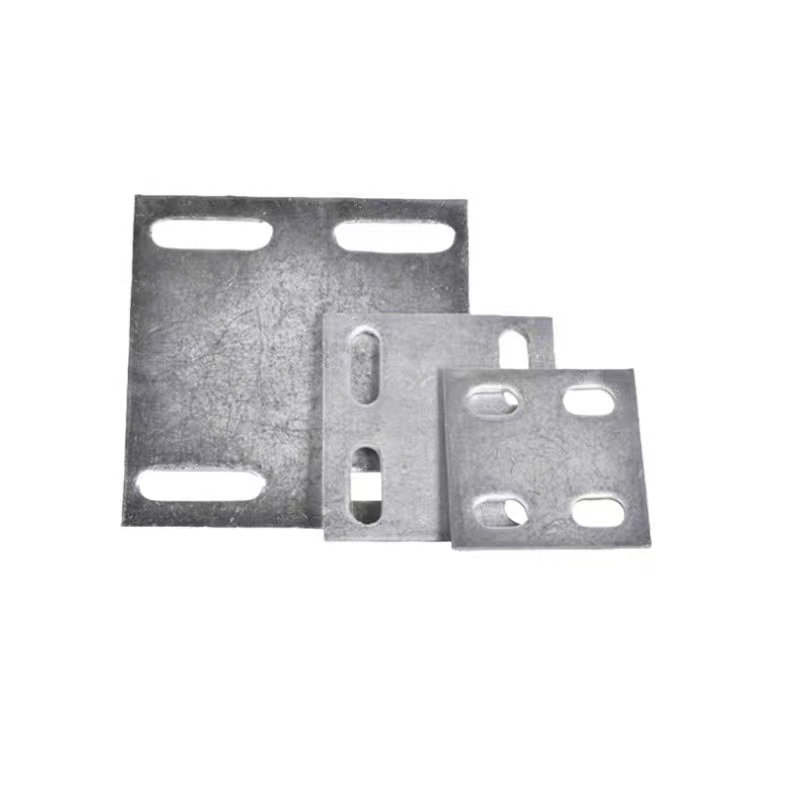 Hot-dip kapsulatutako plaka galvanizatua
 -
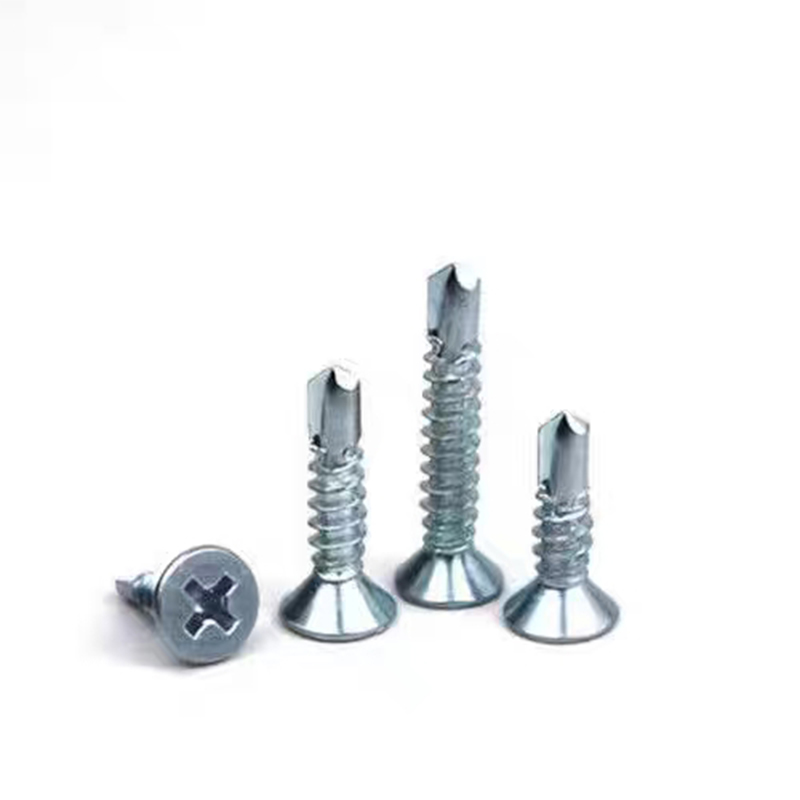 Elektrogalizazio gurutze-zulagailu haria
 -
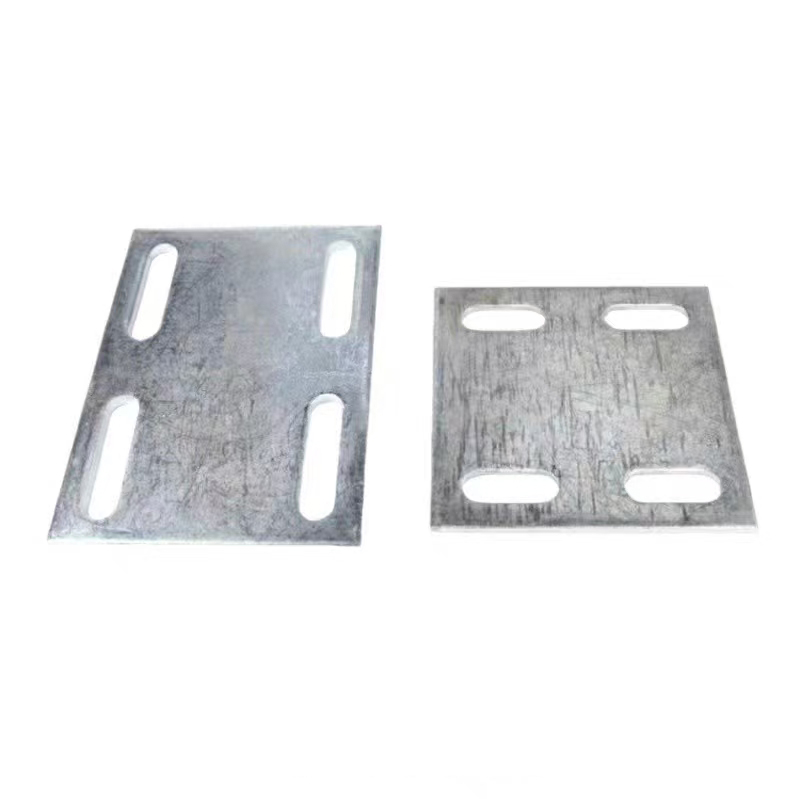 Elektrogalizazio kapsulatutako plaka
 -
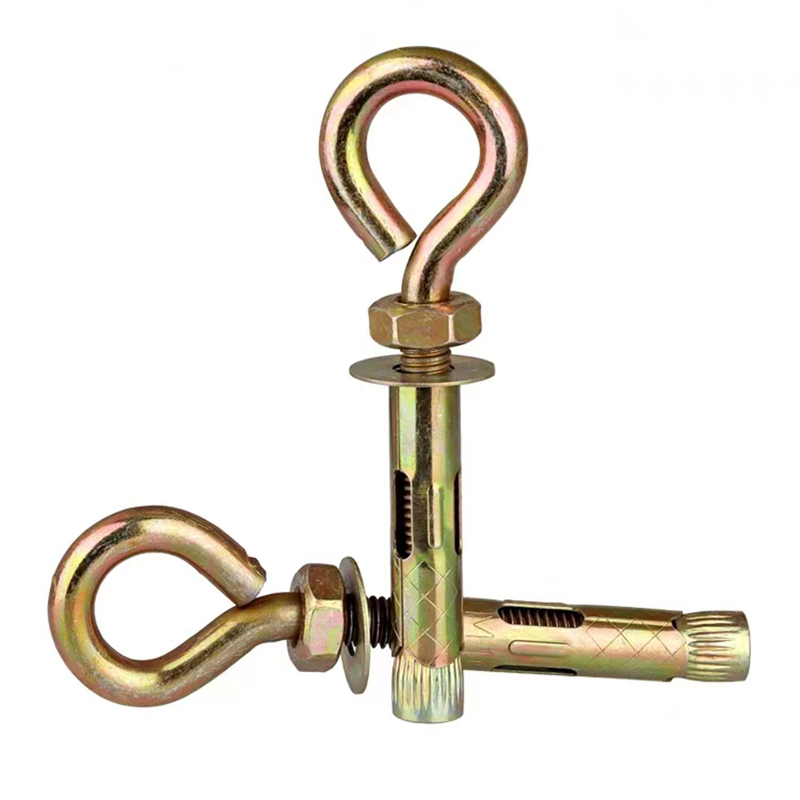 Koloretako zinka estalitako hedapen kakoa
 -
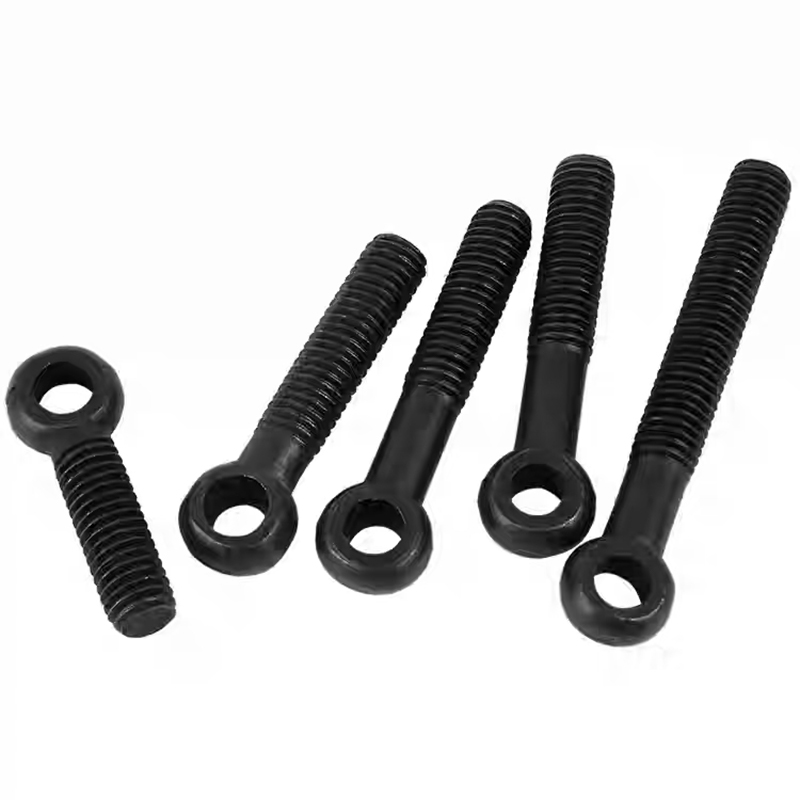 Zink beltza estalitako boltxoak
 -
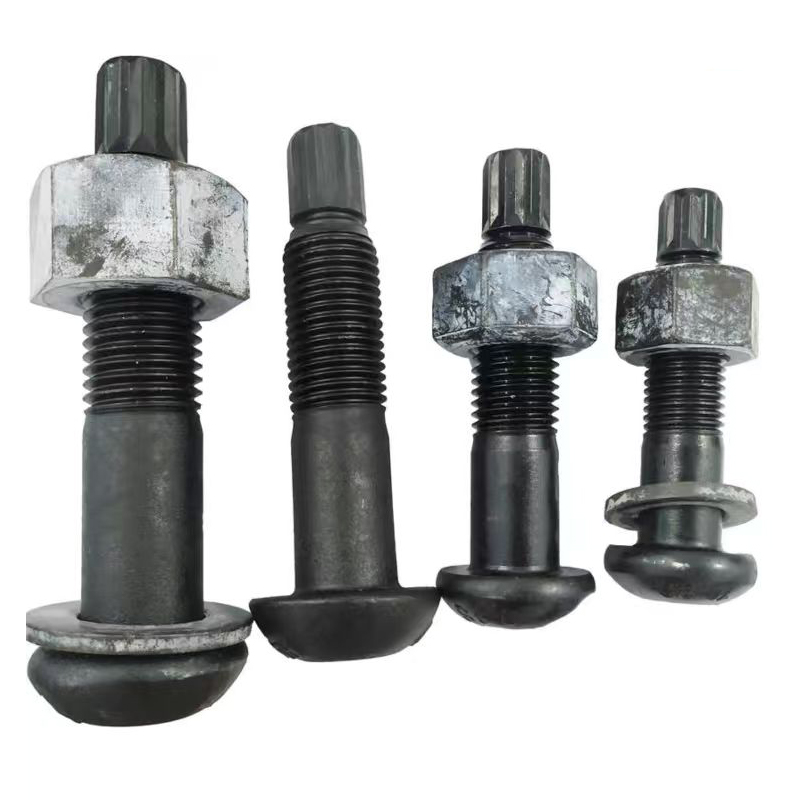 10,9S Torsion Zizaila Boltxoak
 -
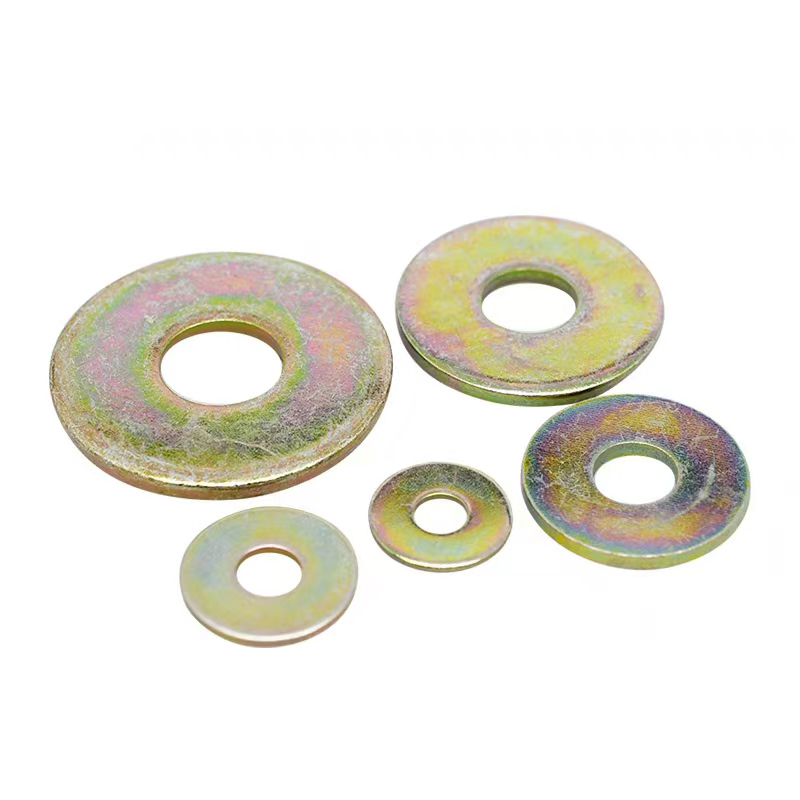 Koloretako zinka estalitako gasak
 -
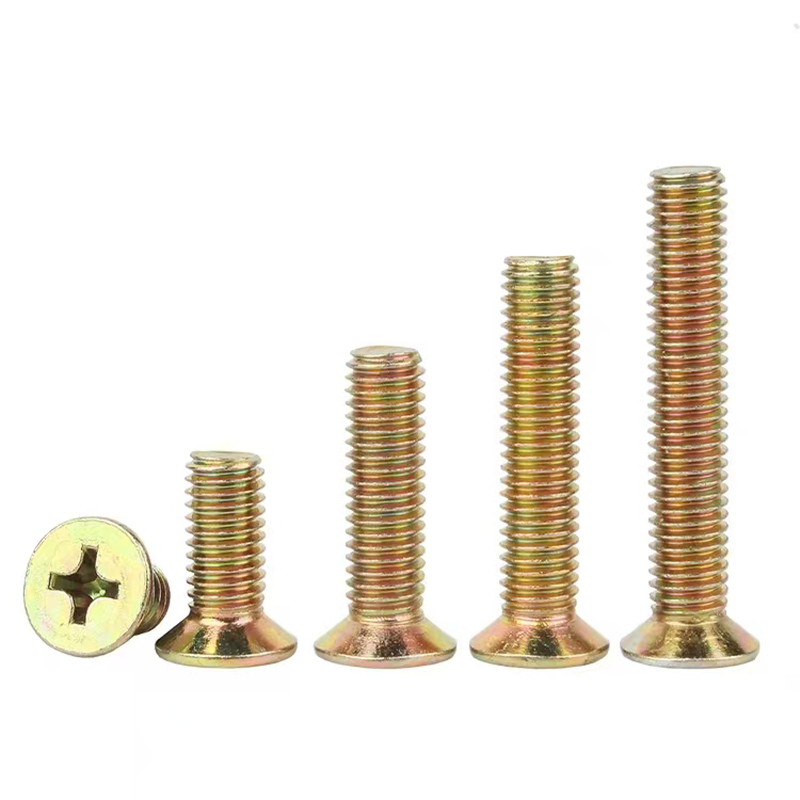 Koloretako zinka plated cross cross bolts
Lotinduta araketa
Lotutako bilaketa- handizkako 10mm t torlojua
- Handizkako Bolt Hedapen Aingura
- Handizkako hedapen elektro-galvanizatutako boltxoak
- Txina koloretako zinka-plated cross cross crossunk haria
- Handizkako juntadurako materiala
- Hedapen begi boltsa
- Txinako Kortxoaren Gasket Materiala
- Txinako hedapen boltsa eta ezkutua
- Handizkako elektro-galbanizatutako gurutze-zulagailu haria
- Handizkako elektrogalizazioko juntadura


