
- English
- Chinese
- French
- German
- Portuguese
- Spanish
- Russian
- Japanese
- Korean
- Arabic
- Irish
- Greek
- Turkish
- Italian
- Danish
- Romanian
- Indonesian
- Czech
- Afrikaans
- Swedish
- Polish
- Catalan
- Esperanto
- Hindi
- Lao
- Albanian
- Amharic
- Armenian
- Azerbaijani
- Belarusian
- Bengali
- Bosnian
- Bulgarian
- Cebuano
- Chichewa
- Corsican
- Croatian
- Dutch
- Estonian
- Filipino
- Finnish
- Frisian
- Galician
- Georgian
- Gujarati
- Haitian
- Hausa
- Hawaiian
- Hebrew
- Hmong
- Hungarian
- Icelandic
- Igbo
- Javanese
- Kannada
- Kazakh
- Khmer
- Kurdish
- Kyrgyz
- Latin
- Latvian
- Lithuanian
- Luxembou..
- Macedonian
- Malagasy
- Malay
- Malayalam
- Maltese
- Maori
- Marathi
- Mongolian
- Burmese
- Nepali
- Norwegian
- Pashto
- Persian
- Punjabi
- Serbian
- Sesotho
- Sinhala
- Slovak
- Slovenian
- Somali
- Samoan
- Scots Gaelic
- Shona
- Sindhi
- Sundanese
- Swahili
- Tajik
- Tamil
- Telugu
- Thai
- Ukrainian
- Urdu
- Uzbek
- Vietnamese
- Welsh
- Xhosa
- Yiddish
- Yoruba
- Zulu
- Kinyarwanda
- Tatar
- Oriya
- Turkmen
- Uyghur


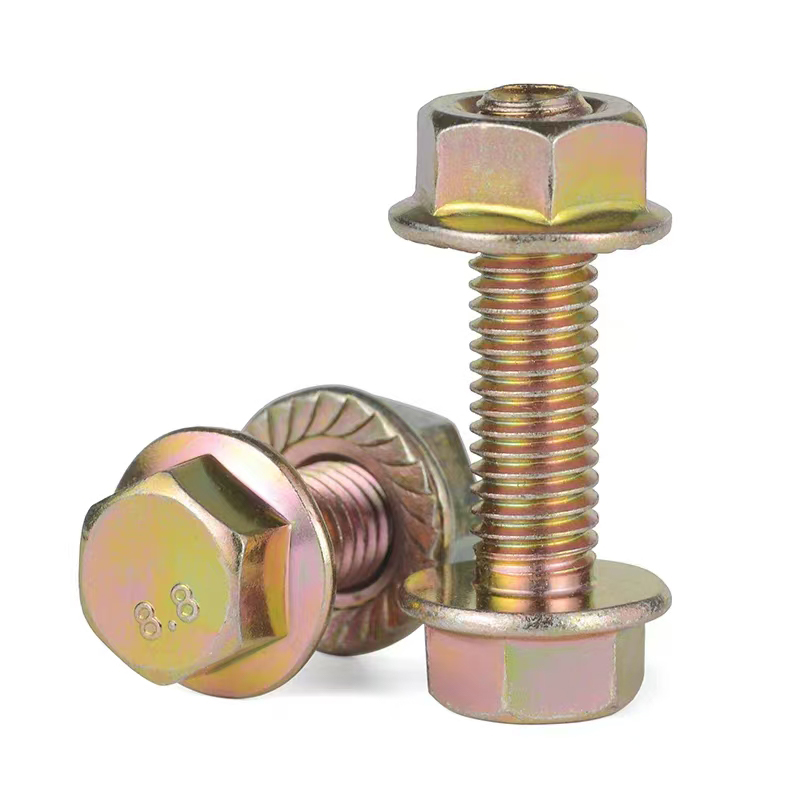
handizkako soldadura plaka oina
The Essentials of Wholesale Welding Plate Foot
When delving into the world of welding plate foot components, particularly from a wholesale perspective, one must sift through common misunderstandings. Many equate wholesale simply with bulk purchasing: it's more intricate than that. The interplay between quality, supplier reliability, and logistical efficiency can make or break a venture. Let's break it down based on what really happens in the industry.
Understanding the Wholesale Landscape
First, consider the landscape. Handan Zitai Fastener Manufacturing Co., Ltd., based in Yongnian District, Handan City, epitomizes strategic location advantages. Situated near essential transport links like the Beijing-Guangzhou Railway, this company exemplifies how location impacts success in wholesale. Easy access means reduced lead times, a crucial factor when you're dealing with large scale distribution.
But it's not just about location. It's also about the production base context. Yongnian is known as the largest standard part production hub in China. This reputation brings weight, but it also brings competition. Quality differentiation becomes critical, something often observed in the fluctuating standards of various suppliers.
The key here is balancing cost and quality. Many newcomers to wholesale stumble by prioritizing cost over quality, betting on volume alone. However, experienced wholesalers know that repeat business hinges on reliability—and by extension, on maintaining a standard that customers can trust.
Key Features of a Trustworthy Supplier
Having navigated through multiple partnerships, it's clear what separates the wheat from the chaff. Firstly, communication. Establishing open channels with a supplier such as Zitai Fastener, for instance, enables you to address issues before they snowball. This is where a website like Zitai Fasteners becomes invaluable, providing a point of reference and a platform for ongoing dialogue.
Another factor is the supplier's capacity for innovation. Welding plate foot products have specific demands, often requiring custom adaptations. A responsive manufacturing setup means you're not left with outdated stock when industry standards evolve. I've seen others falter because their supplier was sluggish in adapting to market shifts.
Lastly, there's the question of scalability. As your operations grow, your supplier should be able to match this, avoiding bottlenecks and supply chain hiccups. A commitment to scalability without compromising on delivery times is non-negotiable for continued growth.
Quality Control Techniques
Quality control is not just a buzzword; it's a necessity. Conducting regular inspections, even when dealing with a trusted supplier, remains a staple practice. A few years back, a lapse in this resulted in a product recall—a valuable lesson on oversight. Regular checks mitigate such risks significantly.
Incorporating feedback loops with end users also provides insight into any looming quality issues. This reactive measure turns proactive when suppliers like those at Handan Zitai take customer feedback seriously, implementing necessary changes swiftly.
Additionally, leveraging technology for quality assurance, like using barcoding for traceability, can prevent logistical errors that affect product quality. A system that tracks each step from manufacturing to delivery adds a layer of accountability crucial for wholesale reliability.
Logistikako gogoetak
The logistical side can't be overlooked. Ensuring a steady supply chain from places like Hebei Province, with its favorable transport networks, is vital. But remember, logistical ease doesn't inherently mean logistical efficiency. Route optimization to cut unnecessary transit time and robust inventory management come into play here.
Another logistical nuance is handling shipping regulations where a mismatch in documentation can derail entire shipments. Adequate staff training on compliance issues ensures smooth operations, albeit at a slight upfront cost. Consider this an investment rather than an expense.
For long-term success, forecasting demand accurately and planning shipments accordingly prevent overstock or stockouts. This balance is delicate but essential for optimizing storage costs and meeting customer demand promptly.
Etorkizuneko jarraibideak
Looking ahead, the wholesale market for welding plate foot parts is poised for technological integrations. AI and machine learning for predictive analytics promise efficiency leaps, though adoption has been slow. Early adopters who leverage these technologies for demand forecasting and inventory management could find themselves at the forefront.
Moreover, sustainability concerns are nudging the industry towards greener practices. Recyclable materials and energy-efficient production processes are becoming desirable traits among top suppliers—a trend worth noting when choosing partners.
Finally, the digital transformation of client interactions means online platforms will only grow in importance. As you navigate the seas of wholesale, tools from websites like Zitai Fasteners could well determine the tide of your success.
Lotinduta aurrealdi
Lotutako produktuak
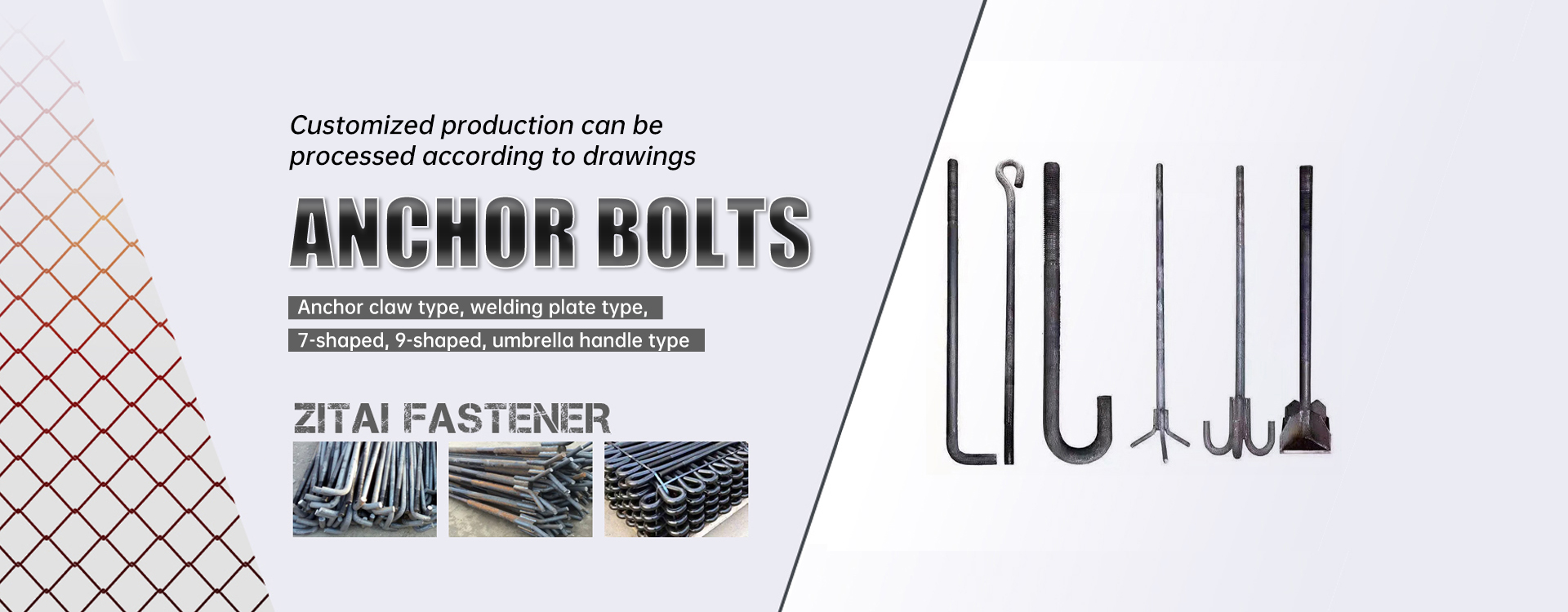
Salmenta onena aurrealdi
Salmenta produktu onenak-
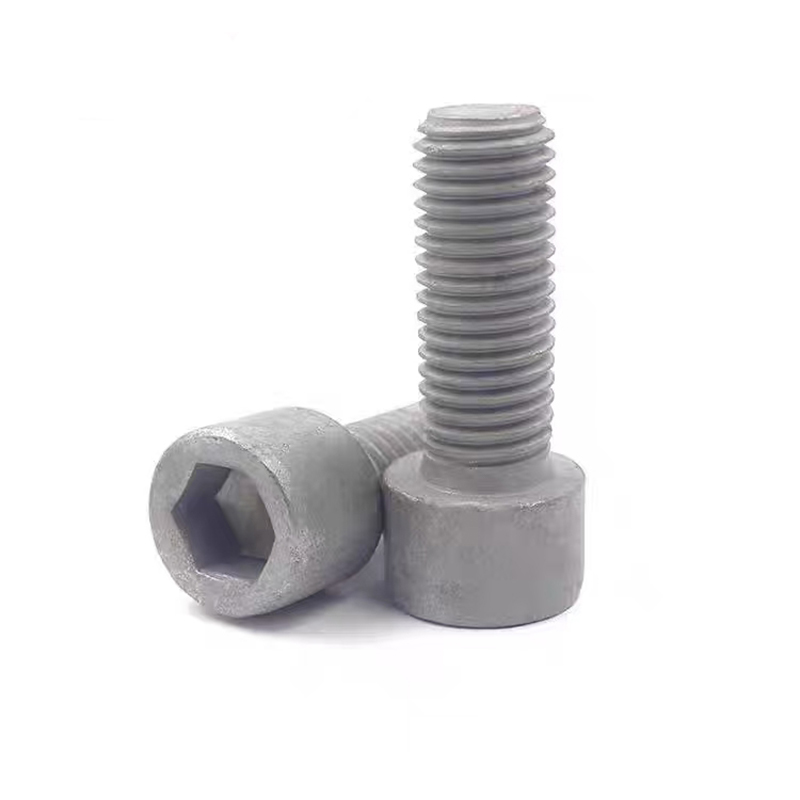 Hexagono entxufea hot-dip Boltsa galbanizatuak
 -
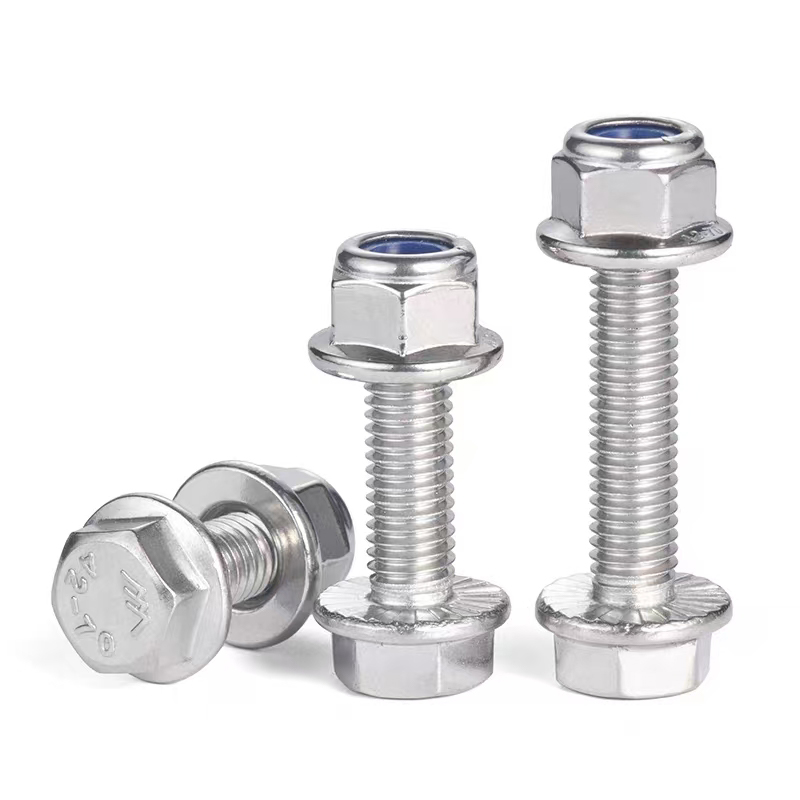 Zinka brida kolpeak
 -
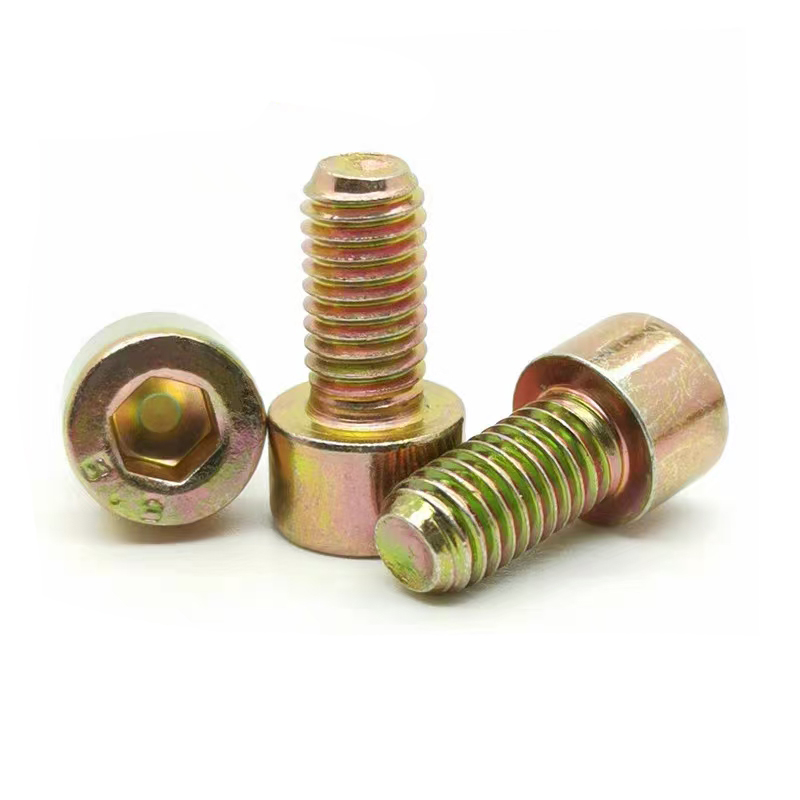 Hexagono entxufe koloretako zinka estalitako torlojuak
 -
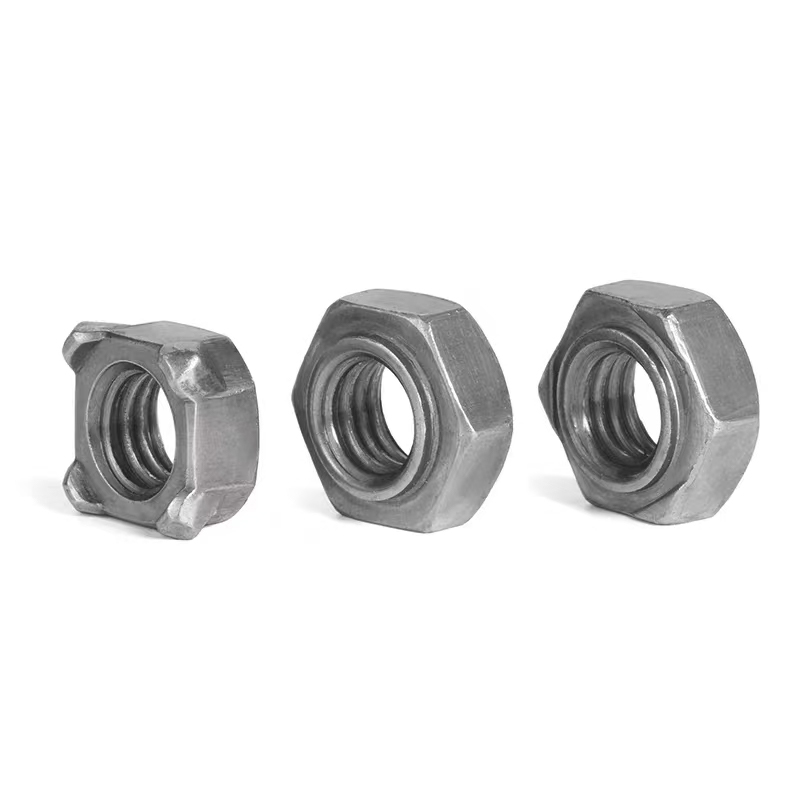 Soldadura Intxaurrak (Soldadura Intxaurrak)
 -
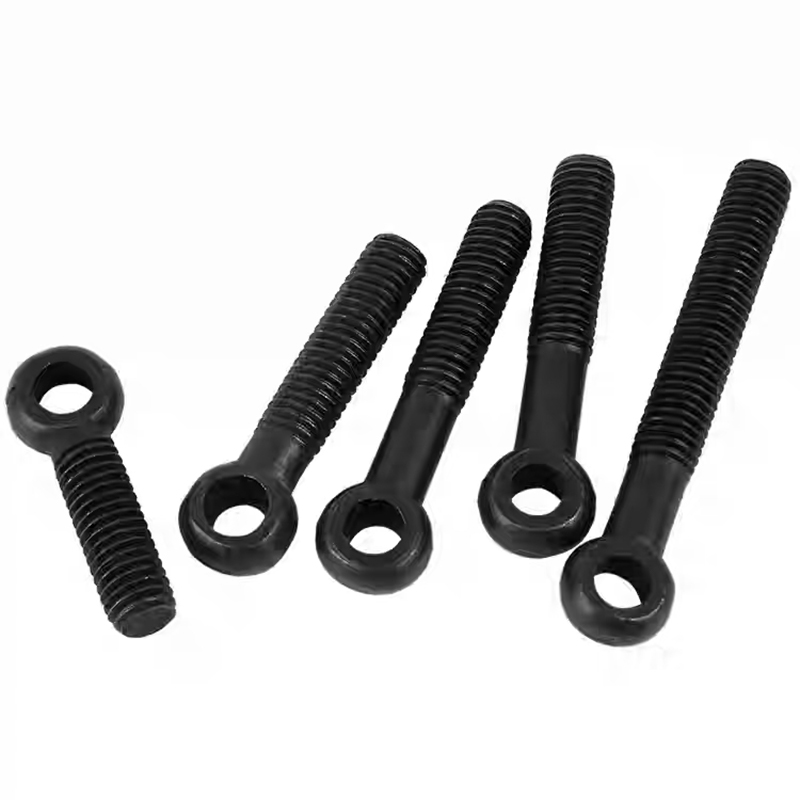 Zink beltza estalitako boltxoak
 -
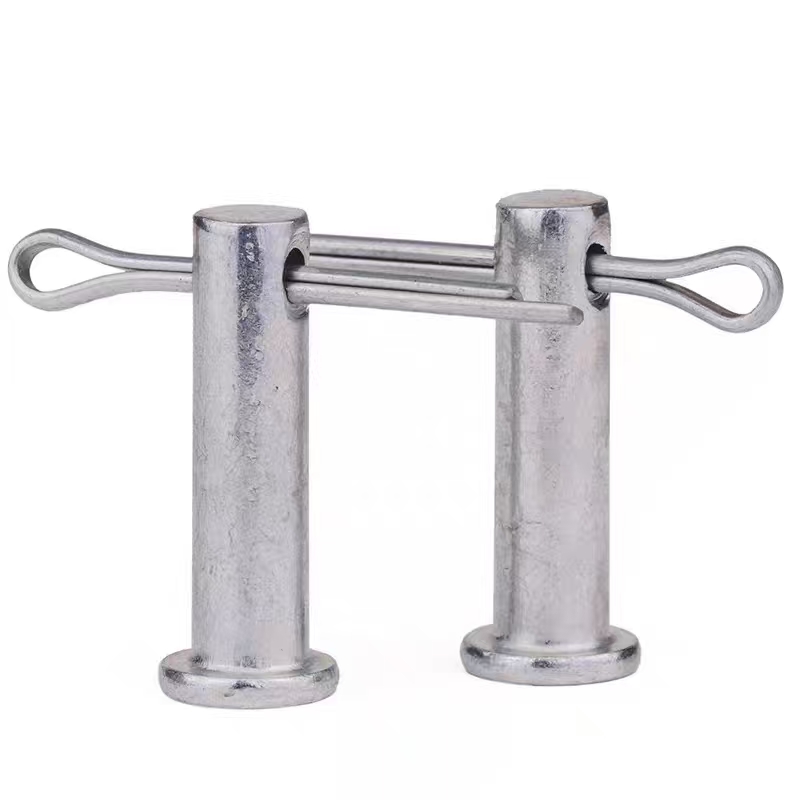 Elektrogalizazio pinak
 -
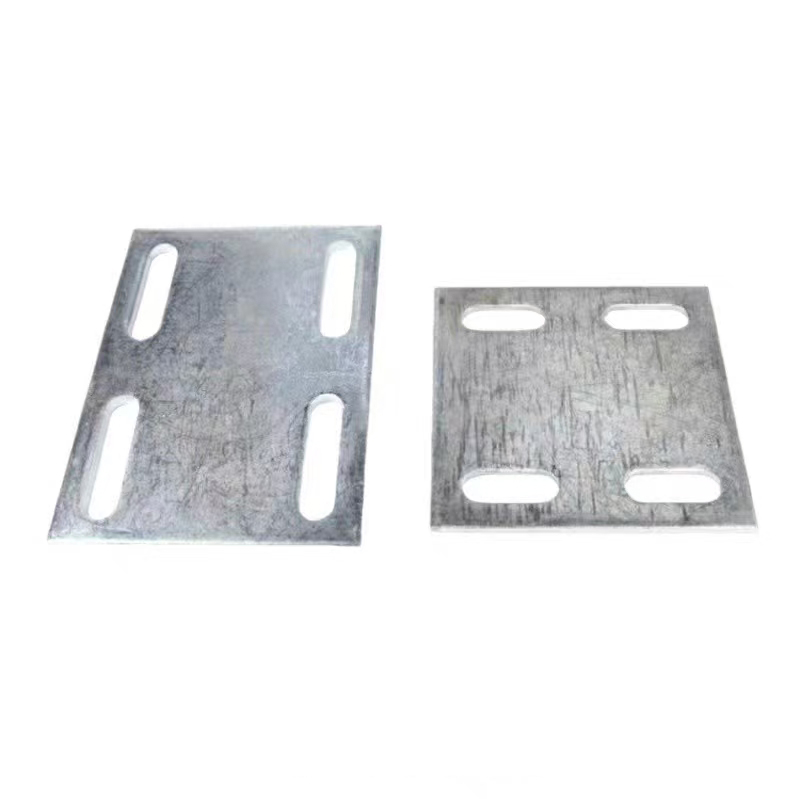 Elektrogalizazio kapsulatutako plaka
 -
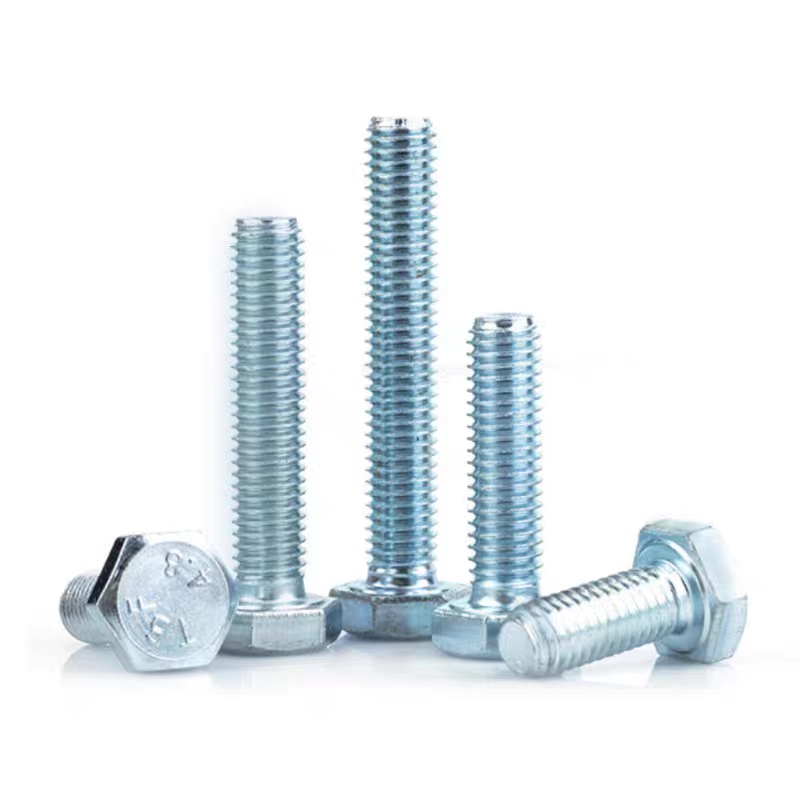 Bolatxo elektrogalizatu hexagonalak
 -
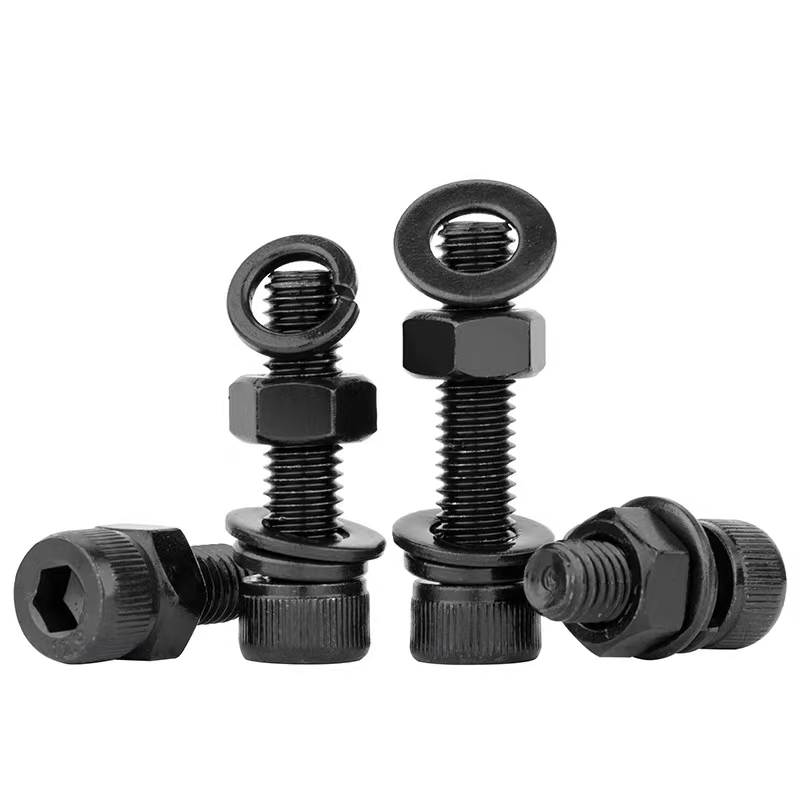 Hexagon entxufe zinka beltzeko torlojuak
 -
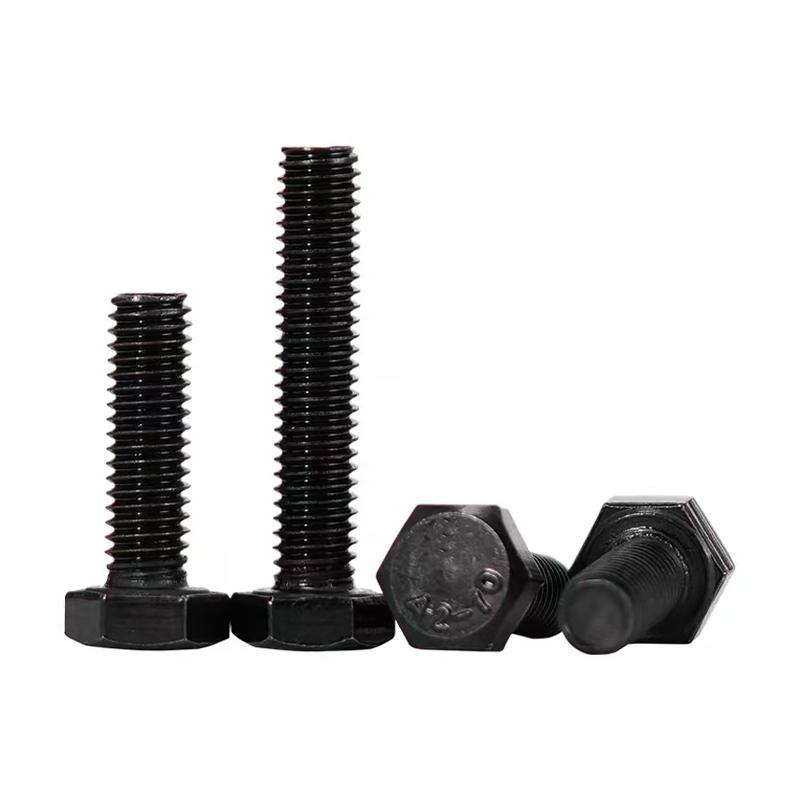 Zink Black Plated Bolts Hexagonalak
 -
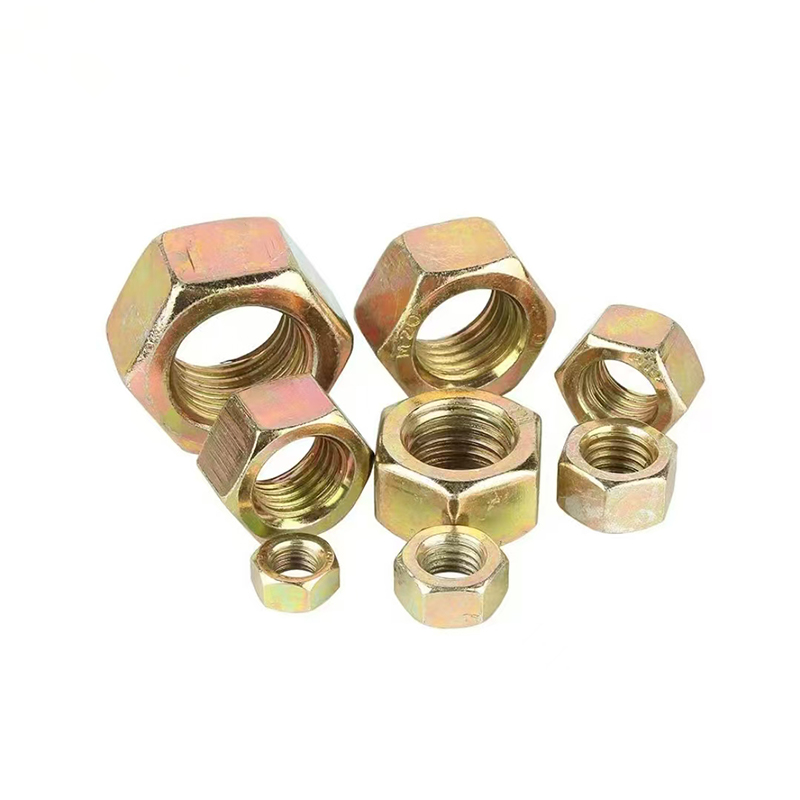 Koloretako zinka estalitako fruitu lehorrak
 -
 Koloretako zinka brida torlojuak


