
- English
- Chinese
- French
- German
- Portuguese
- Spanish
- Russian
- Japanese
- Korean
- Arabic
- Irish
- Greek
- Turkish
- Italian
- Danish
- Romanian
- Indonesian
- Czech
- Afrikaans
- Swedish
- Polish
- Basque
- Catalan
- Esperanto
- Hindi
- Lao
- Albanian
- Amharic
- Armenian
- Azerbaijani
- Belarusian
- Bengali
- Bosnian
- Bulgarian
- Cebuano
- Chichewa
- Corsican
- Croatian
- Dutch
- Estonian
- Filipino
- Finnish
- Frisian
- Galician
- Georgian
- Gujarati
- Hausa
- Hawaiian
- Hebrew
- Hmong
- Hungarian
- Icelandic
- Igbo
- Javanese
- Kannada
- Kazakh
- Khmer
- Kurdish
- Kyrgyz
- Latin
- Latvian
- Lithuanian
- Luxembou..
- Macedonian
- Malagasy
- Malay
- Malayalam
- Maltese
- Maori
- Marathi
- Mongolian
- Burmese
- Nepali
- Norwegian
- Pashto
- Persian
- Punjabi
- Serbian
- Sesotho
- Sinhala
- Slovak
- Slovenian
- Somali
- Samoan
- Scots Gaelic
- Shona
- Sindhi
- Sundanese
- Swahili
- Tajik
- Tamil
- Telugu
- Thai
- Ukrainian
- Urdu
- Uzbek
- Vietnamese
- Welsh
- Xhosa
- Yiddish
- Yoruba
- Zulu
- Kinyarwanda
- Tatar
- Oriya
- Turkmen
- Uyghur


1 4 20 t boulon
A Deep Dive into the 1 4 20 T Bolt: Practical Experiences
A 1 4 20 T bolt—a specialized fastener that finds its place in numerous practical applications—may seem straightforward at first glance, but there’s more beneath its surface. This article explores the nuances, common misconceptions, and real-world insights surrounding this particular bolt, as seen through the eyes of industry professionals.
Konprann Basics yo
When we talk about a 1 4 20 T bolt, we’re referring to its thread size and type, which speaks volumes about its application potential and limitations. In practice, getting the specifications right is crucial, and that’s not always as simple a task as it appears.
In the construction and automotive industries, among others, such bolts are invaluable. The key lies in their adaptability and the footprint they provide. My early work in ironworks taught me that even with seemingly simple installations, the bolt’s thread precision can make or break the project.
Besides, the positioning—especially in environments exposed to diverse stressors—demands a level of understanding not just of the bolt’s specification, but the material it’s fastening. This is where the expertise of manufacturers like Handan Zitai Fastener Manufacturing Co., Ltd. comes into play, offering nuanced products for specific needs.
Choosing the Right Bolt for the Task
One common oversight is underestimating the environmental factors affecting a 1 4 20 T bolt. Early in my career, I thought one bolt size fit all but quickly learned otherwise during a project involving extreme temperatures.
In such contexts, not only the material but also the coatings used on the bolts can be decisive. Zinc plating, for example, can provide significant benefits in terms of corrosion resistance, something Handan Zitai Fastener Manufacturing prides itself on ensuring with precision.
Then there’s the question of load capacity. A colleague once shared a painful anecdote of underestimated load leading to project delays. It’s stories like these that highlight the vital role a simple T bolt can play in larger systems.
Installation Concerns
Installation is another challenging aspect, often muddled by assumptions. If a T bolt isn’t seated correctly, you could face significant challenges down the line. This is why, whether you’re a seasoned professional or a newcomer, revisiting the basics of installation is never a wasted effort.
At Handan Zitai, proper installation training is often emphasized for all kinds of fasteners. Mistakes at this stage could lead to loosened bolts over time, which might only become apparent when it’s too late.
Additionally, the torque applied during installation can’t be overstated. Getting it right ensures the longevity and effectiveness of the assembly, a detail too crucial to overlook.
Konsiderasyon materyèl
Chwa a nan materyèl pou yon 1 4 20 T bolt is as varied as its applications. Stainless steel offers unmatched corrosion resistance, yet carbon steel T bolts excel under different conditions, mainly related to mechanical stress.
In oil and gas industries, where corrosion is a persistent enemy, stainless steel remains a preferred choice. This is corroborated by insights shared by Handan Zitai, reflecting on market demands and solution adaptations.
In settings where temperature fluctuations are prevalent, however, other alloys might serve better. Understanding these material benefits and limitations can often be the edge you need.
The Role of Customization
The real world is never as tidy as one might wish. Customization becomes necessary, and that brings us back to the manufacturers who provide such flexibility. Handan Zitai Manufacturing, with its immense production capability based in Hebei Province, often customizes fasteners to meet specific customer needs.
This bespoke approach answers many industry concerns, tailoring aspects like size, coating, and even thread type to specific applications. It’s not just about what’s on paper but the tangible outcomes in rigorous conditions.
Ultimately, the journey of understanding a simple fastener like the 1 4 20 T bolt reveals broader insights into industrial mechanics and material science, showcasing how a small component can play a critical role in complex systems.
Ki gen rapò pwodwi
Pwodwi ki gen rapò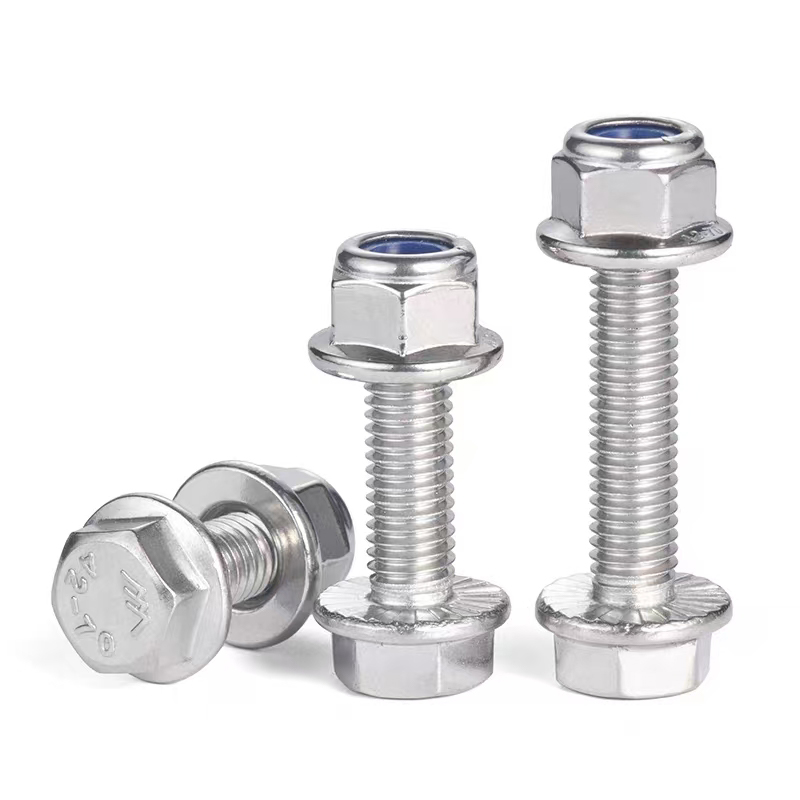
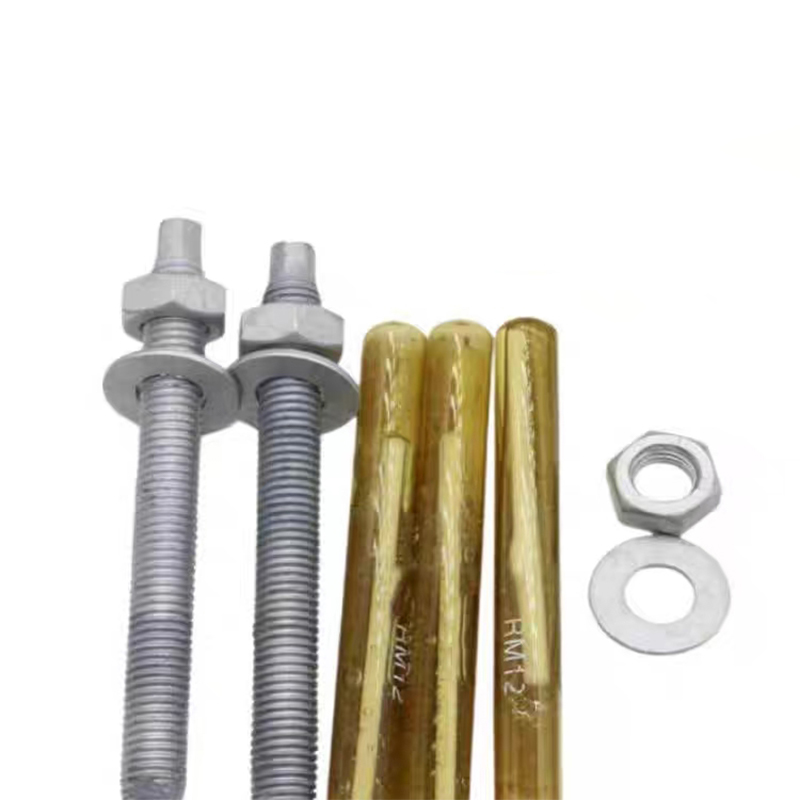
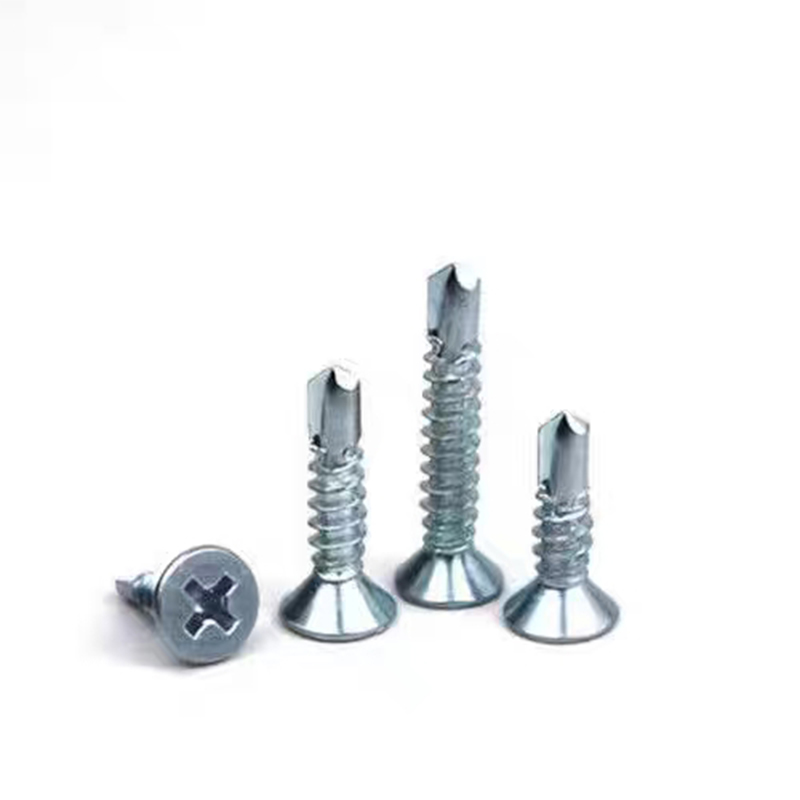
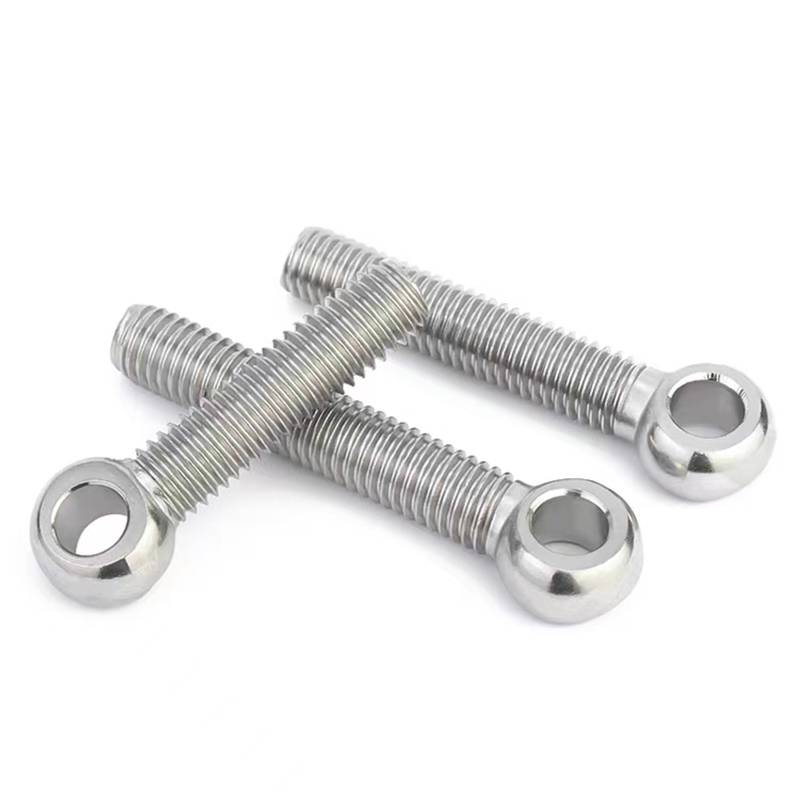
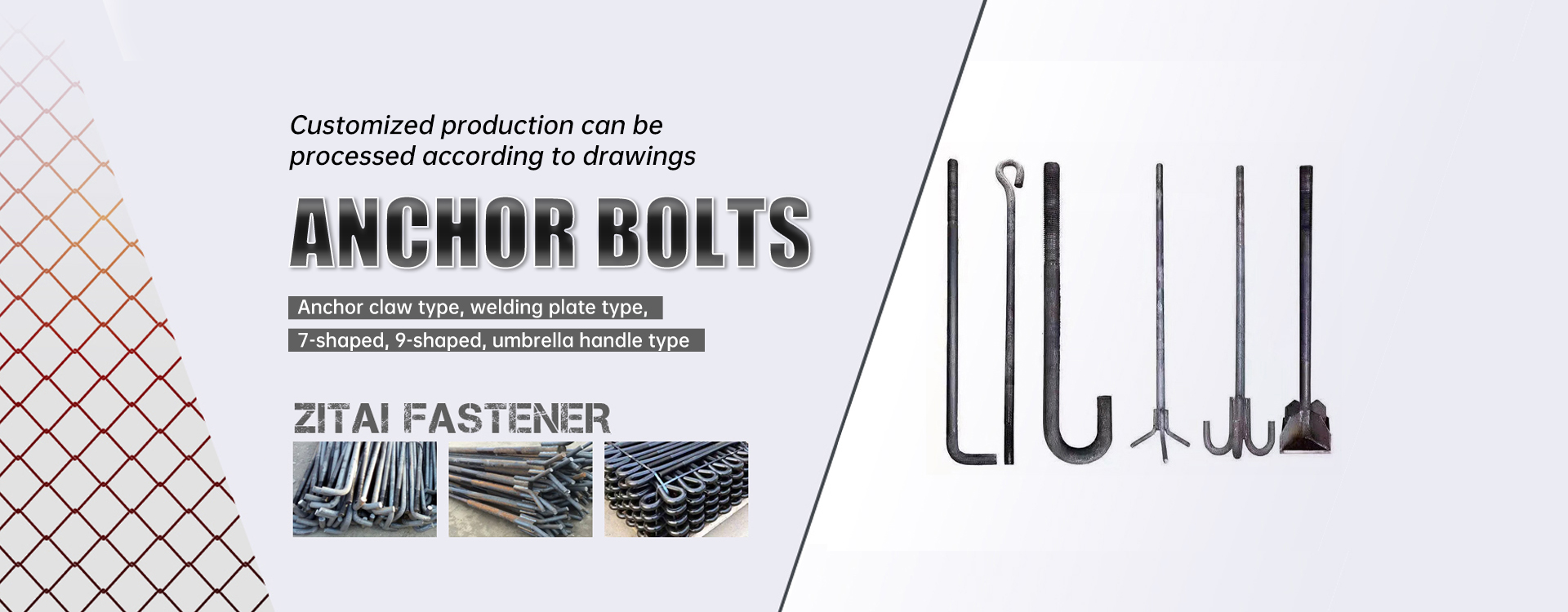
Pi bon vann pwodwi
Pi bon pwodwi vann-
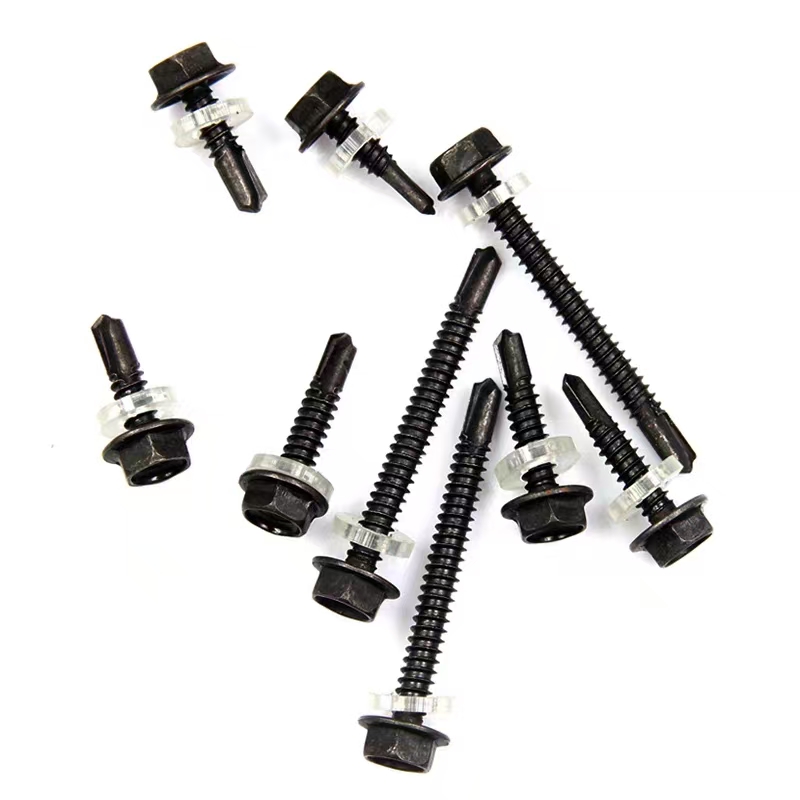 Nwa zenk-blende egzèsis egzèsis ke fil
 -
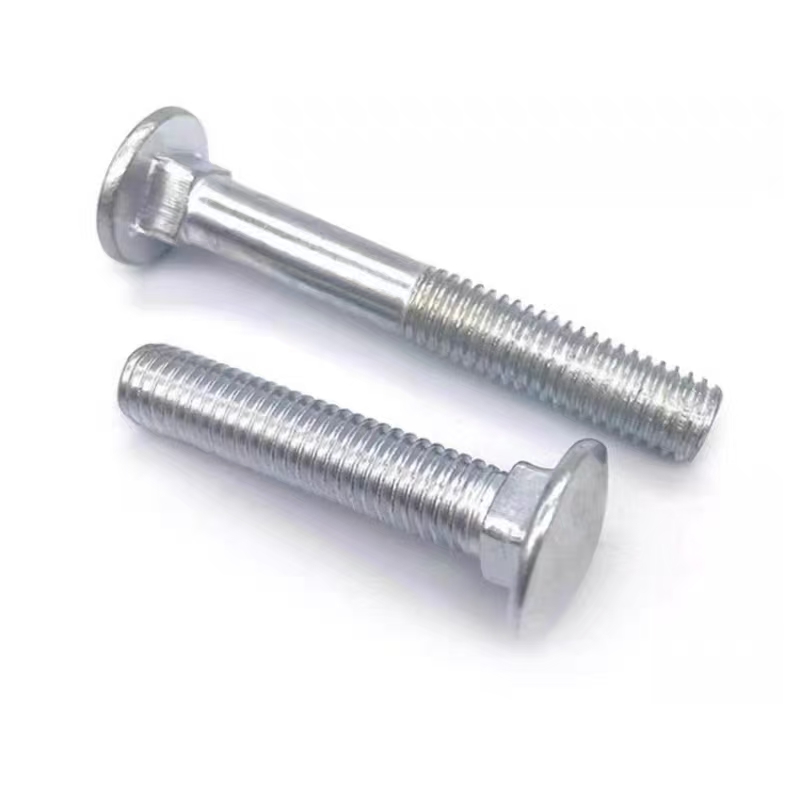 Bolt cha (mwatye wonn tèt kare kou boulon)
 -
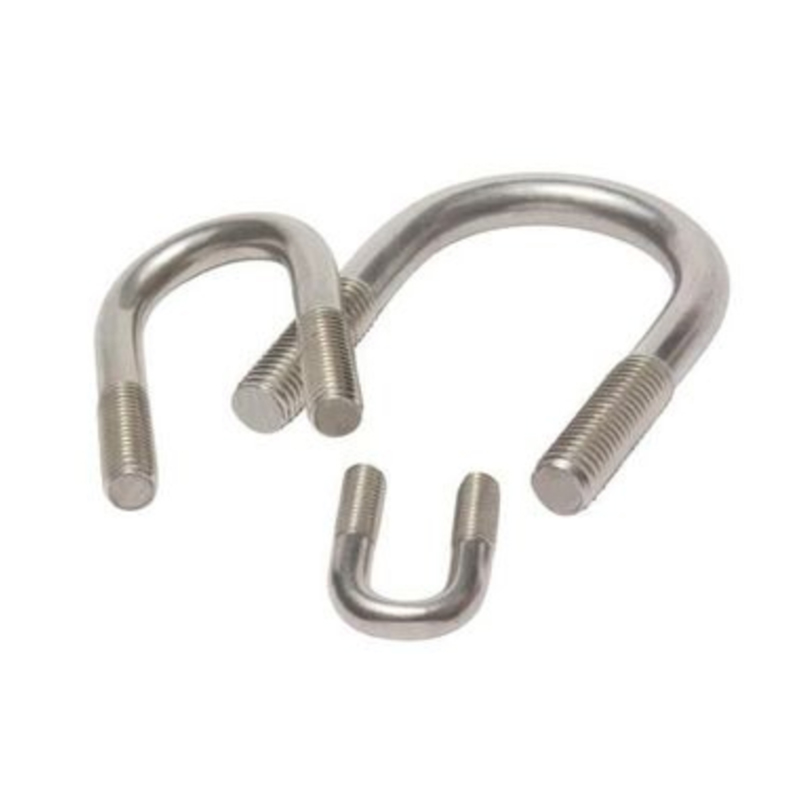 U-boulon
 -
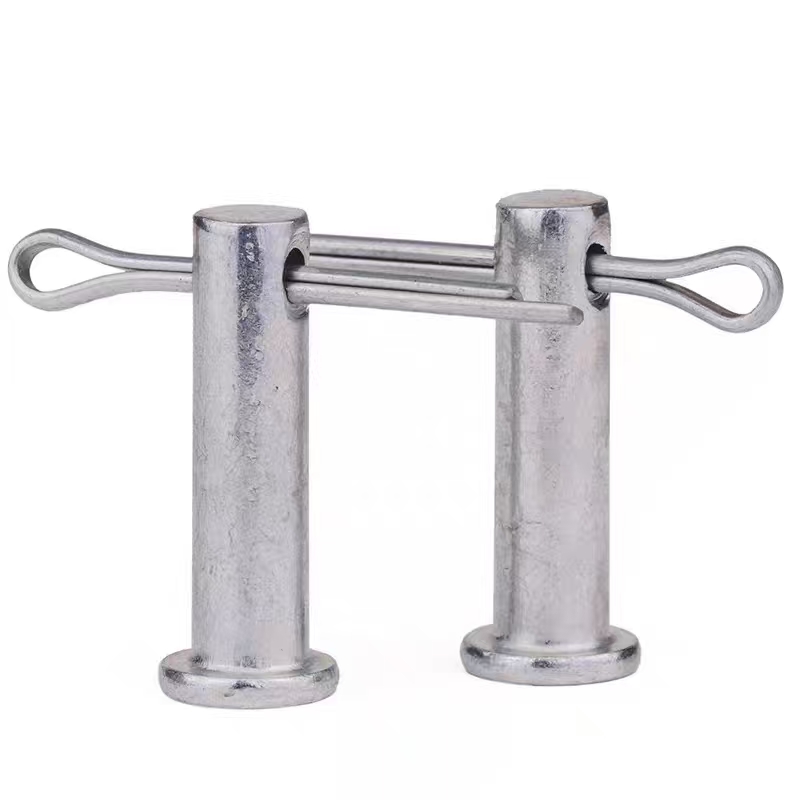 Broch electrogalvanized
 -
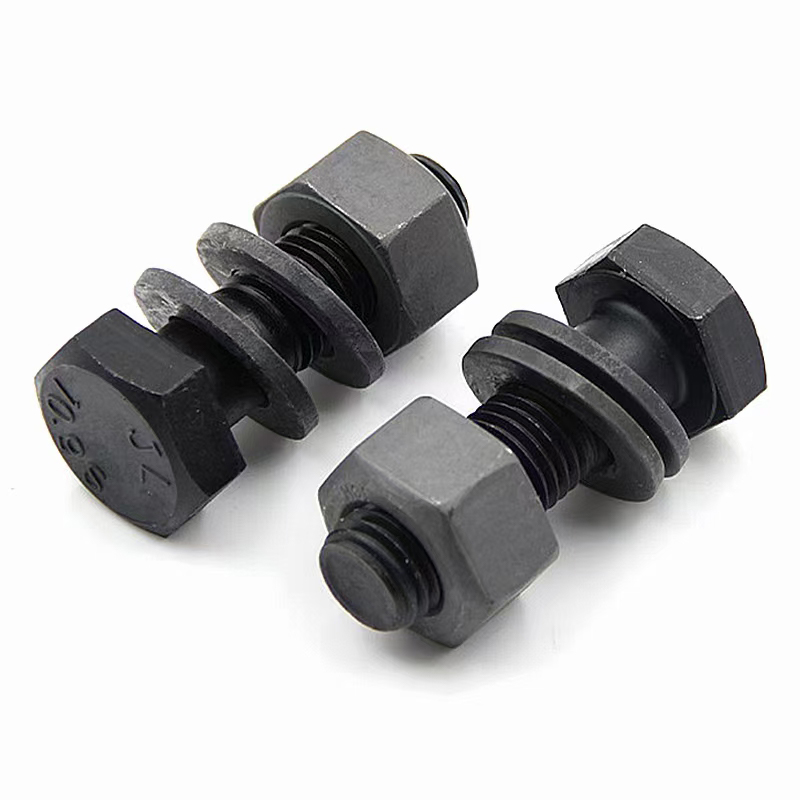 10.9s gwo boulon egzagòn
 -
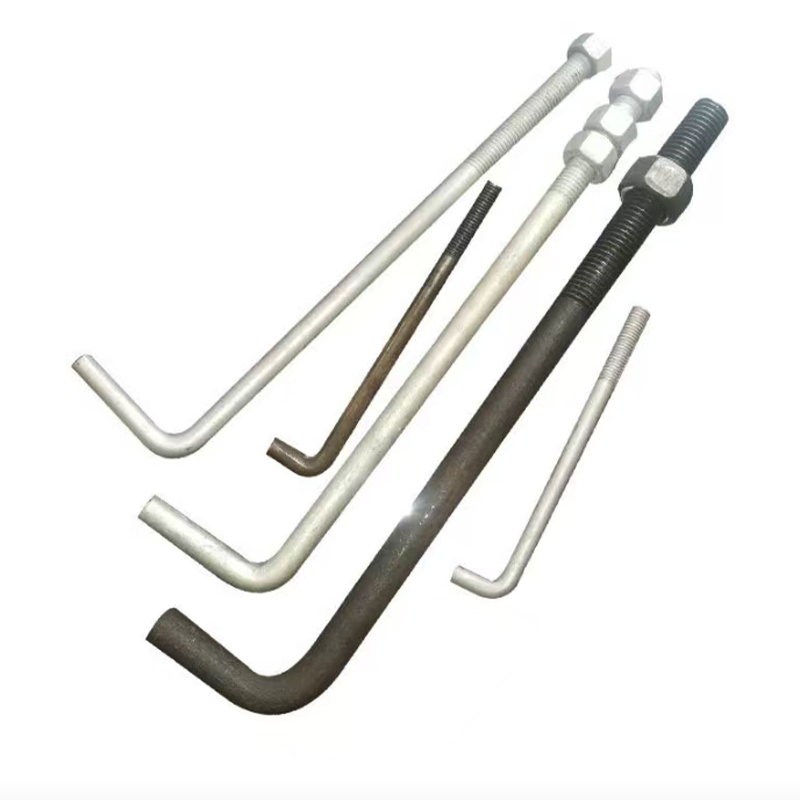 7 ki gen fòm lankr (7 ki gen fòm boulon jete lank)
 -
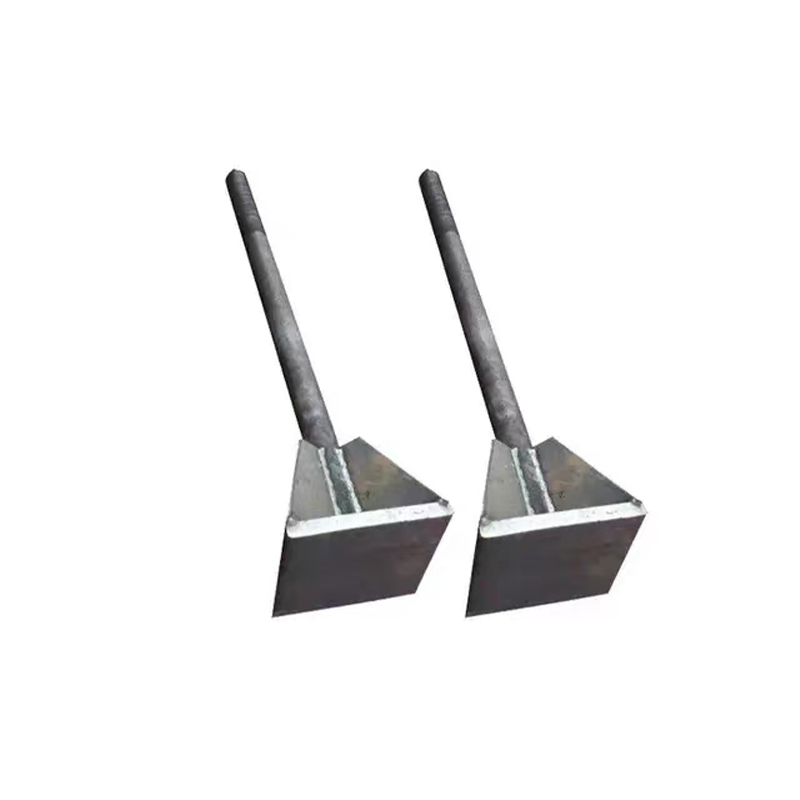 Anchor plak soude (soude plak jete lank)
 -
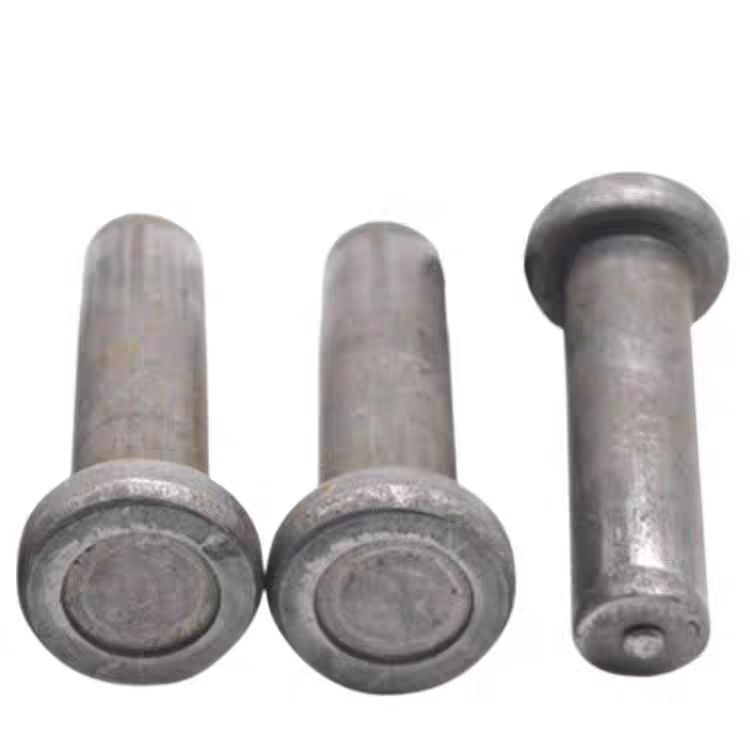 Steel structure welding studs
 -
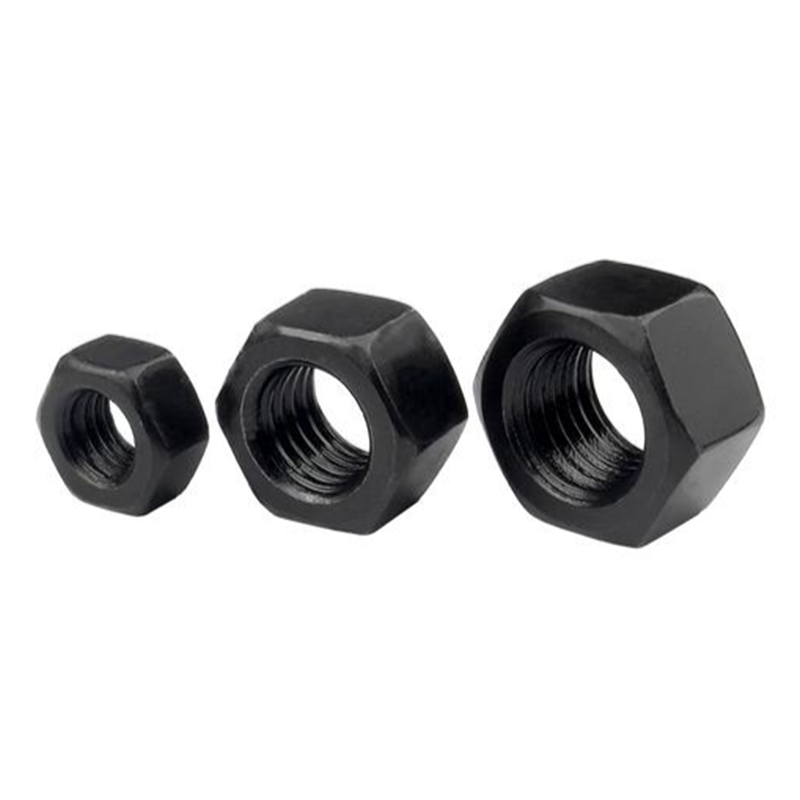 High-fòs nwa nwasi
 -
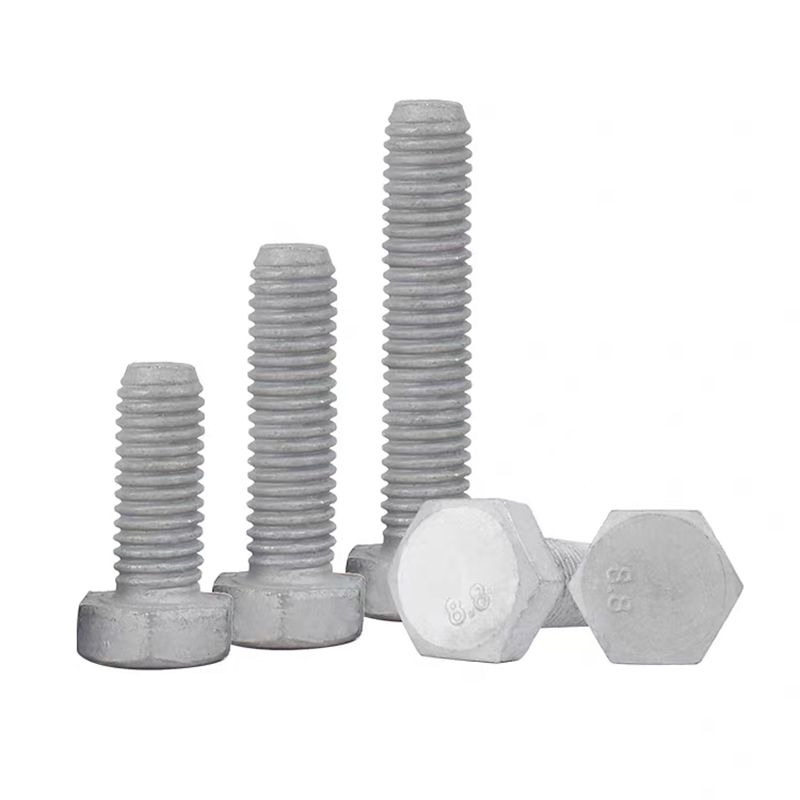 Boulon egzagonal cho-tranpe
 -
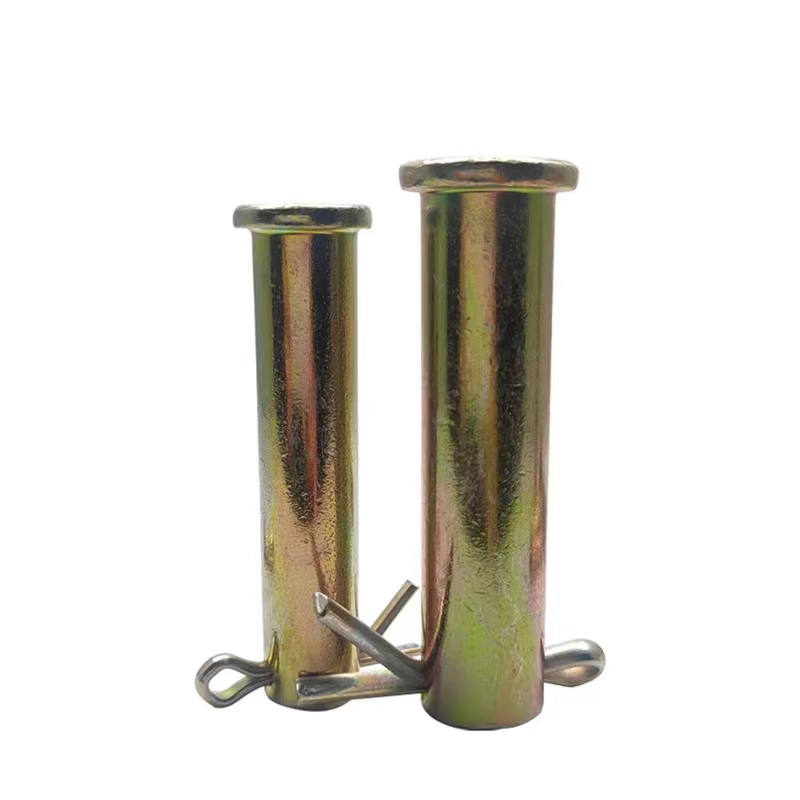 Broch ki gen koulè zenk-plake
 -
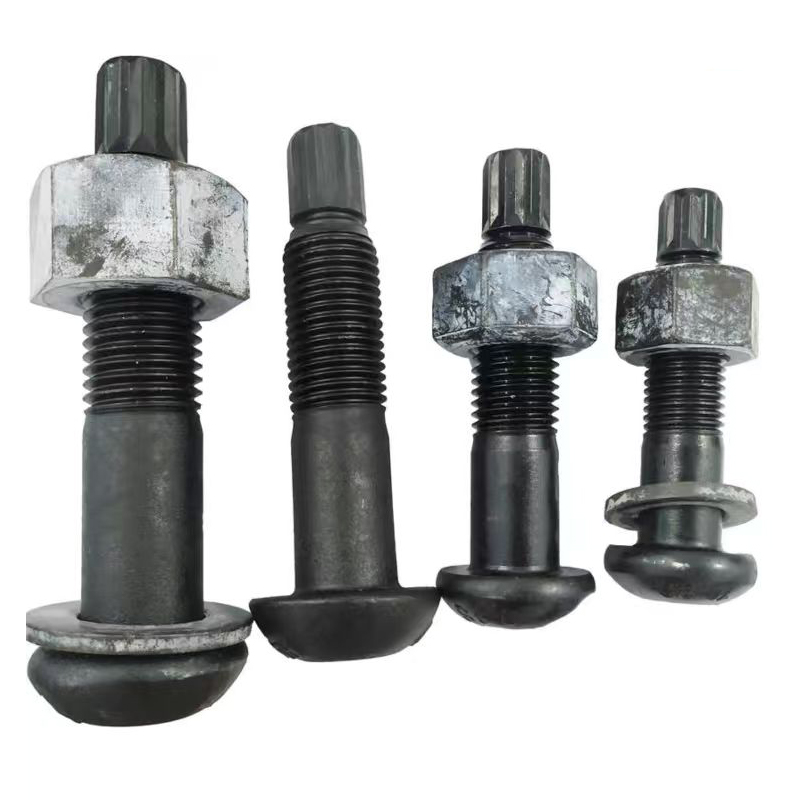 10.9s boulon taye torsion


