
- English
- Chinese
- French
- German
- Portuguese
- Spanish
- Russian
- Japanese
- Korean
- Arabic
- Irish
- Greek
- Turkish
- Italian
- Danish
- Romanian
- Indonesian
- Czech
- Afrikaans
- Swedish
- Polish
- Basque
- Catalan
- Esperanto
- Hindi
- Lao
- Albanian
- Amharic
- Armenian
- Azerbaijani
- Belarusian
- Bengali
- Bosnian
- Bulgarian
- Cebuano
- Chichewa
- Corsican
- Croatian
- Dutch
- Estonian
- Filipino
- Finnish
- Frisian
- Galician
- Georgian
- Gujarati
- Hausa
- Hawaiian
- Hebrew
- Hmong
- Hungarian
- Icelandic
- Igbo
- Javanese
- Kannada
- Kazakh
- Khmer
- Kurdish
- Kyrgyz
- Latin
- Latvian
- Lithuanian
- Luxembou..
- Macedonian
- Malagasy
- Malay
- Malayalam
- Maltese
- Maori
- Marathi
- Mongolian
- Burmese
- Nepali
- Norwegian
- Pashto
- Persian
- Punjabi
- Serbian
- Sesotho
- Sinhala
- Slovak
- Slovenian
- Somali
- Samoan
- Scots Gaelic
- Shona
- Sindhi
- Sundanese
- Swahili
- Tajik
- Tamil
- Telugu
- Thai
- Ukrainian
- Urdu
- Uzbek
- Vietnamese
- Welsh
- Xhosa
- Yiddish
- Yoruba
- Zulu
- Kinyarwanda
- Tatar
- Oriya
- Turkmen
- Uyghur


bolt t head
T Head Bolt: Understanding Its Role in Construction and Industry
The T head bolt, a commonly overlooked yet crucial component, often holds the framework in place. Many think of it as just another fastener, but its design offers specific advantages in various construction scenarios.
The Basics of T Head Bolts
Let’s start with the basics. A T tèt boulon features a T-shaped head, which allows it to fit snugly into channels or grooves. This design provides stability and is particularly effective in structural applications where movement constraint is crucial.
In my experience, the T head bolt is invaluable for securing metal frames and sections in place. The engineering behind it ensures that it can handle significant shear stress while maintaining alignment. Especially in modular construction, the ease of installation it offers can’t be overstated.
Yet, despite its utility, there are some common misconceptions. People often underestimate the load-bearing capacity of T head bolts. It’s not just about the size of the bolt but the materials and how it's used within the design framework.
Applications and Advantages
The T head bolt finds its place in railway tracks, construction frameworks, and even some heavy machinery. Its shape is particularly advantageous in situations where repositioning might be necessary without disassembling entire structures.
For example, in railway construction, the channels specific to the tracks require precise fitting, and the T head bolt fits this job description perfectly. Its ease of insertion and removal also reduces maintenance time and labor costs considerably.
One should always consider the environment where the bolt will be applied. Corrosion resistance, tensile strength, and compatibility with other materials are aspects that get discussed in every planning meeting I’ve been a part of. Ignoring these can lead to premature wearing or failure.
Challenges in Using T Head Bolts
Despite their advantages, T head bolts come with their set of challenges. Access to quality bolts is critical. Companies like Handan Zitai Fastener Manufacturing Co., Ltd. provide reliable options (check their offerings at sit entènèt yo), ensuring high-quality standards which are essential in demanding industrial conditions.
Another challenge is ensuring proper torque during installation. A loose bolt can be catastrophic, especially in dynamic loads. Thus, careful calibration is non-negotiable.
Additionally, the compatibility of T head bolts with various groove designs can be a limiting factor. Sometimes custom fabrication might be necessary, which can increase project costs and timelines.
Real World Examples
There was an instance during a project involving a steel frame canopy installation where the T head bolt proved its worth. The ability to slide along the frame groove made it possible to adjust the alignment without taking everything apart—a real-world benefit that goes beyond theoretical advantages.
We also encountered issues with subpar bolts from an unknown supplier during another project, leading to significant delays. Since then, we’ve opted for reliable sources like Handan Zitai Fastener Manufacturing Co., Ltd., who has consistently delivered quality products.
The lesson here is clear: the right supplier can be as critical as the choice of the bolt itself in ensuring project success.
Considerations for Future Projects
Looking ahead, it’s essential to factor in technological advances. New materials and manufacturing techniques are emerging that promise even greater durability and versatility for T head bolts.
In terms of environmental impact, there’s a growing need to understand how these components interact with eco-friendly materials as sustainability becomes a more pressing concern. Proper recycling protocols for metal components are also something to keep in mind.
In conclusion, the T head bolt is more than just a simple hardware piece; it’s a vital part of construction and industry. By understanding its proper application and challenges, and by utilizing reputable suppliers such as those found at Zitai Fasteners, projects can achieve greater success and longevity.
Ki gen rapò pwodwi
Pwodwi ki gen rapò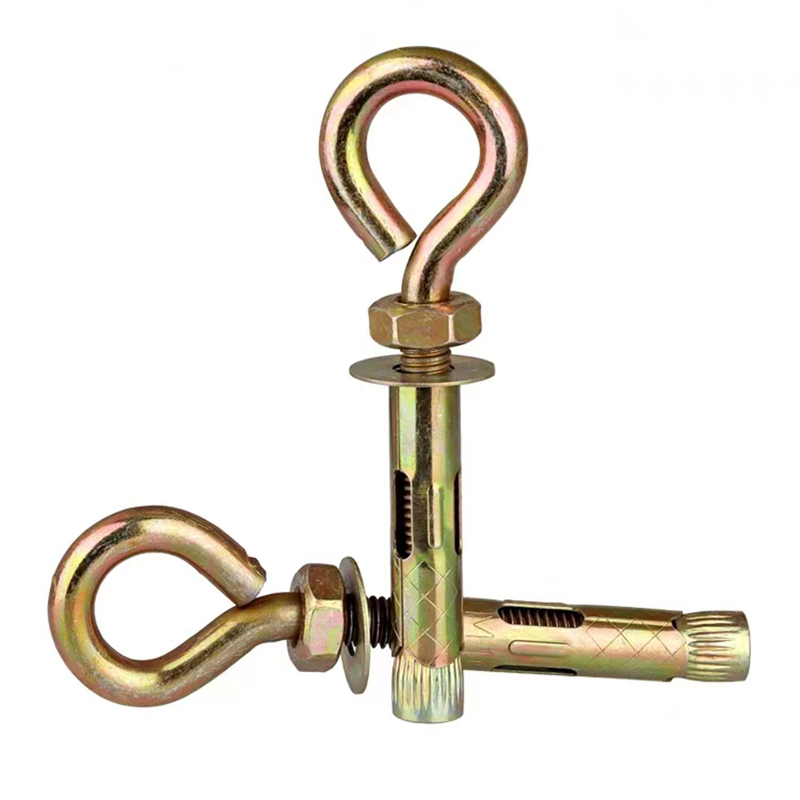
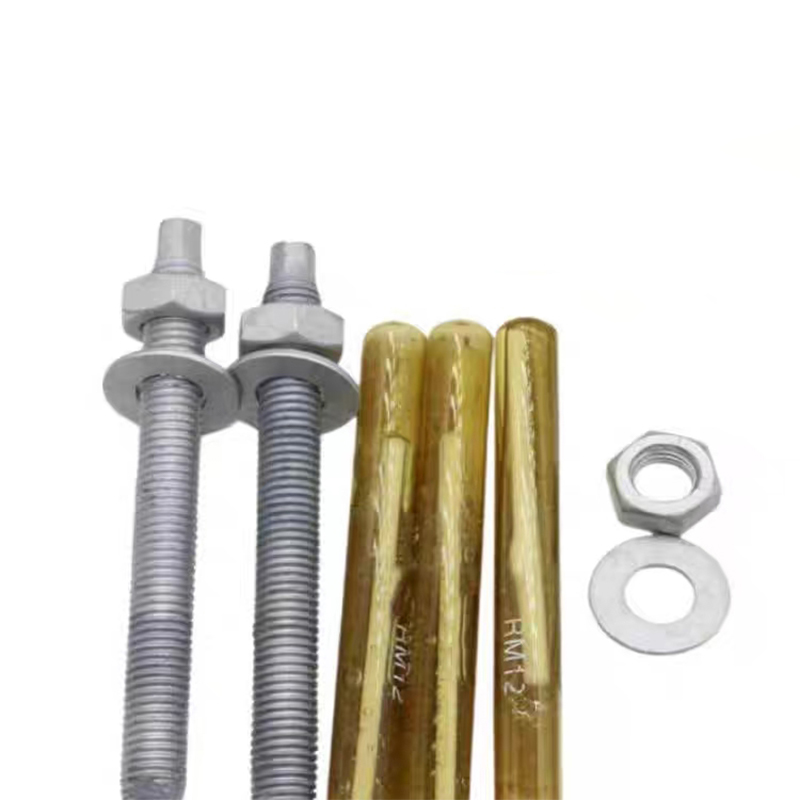
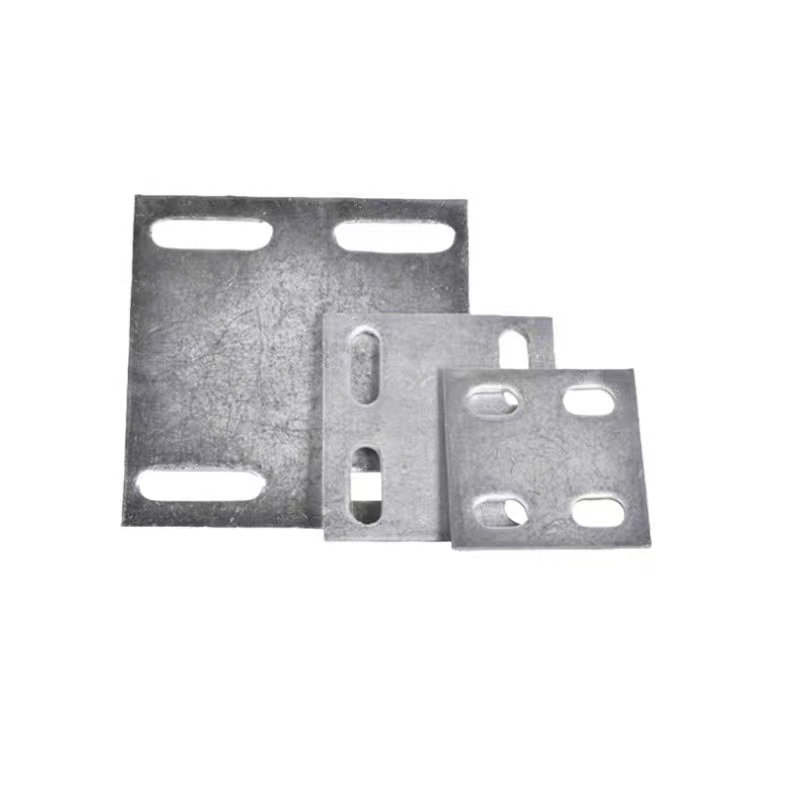
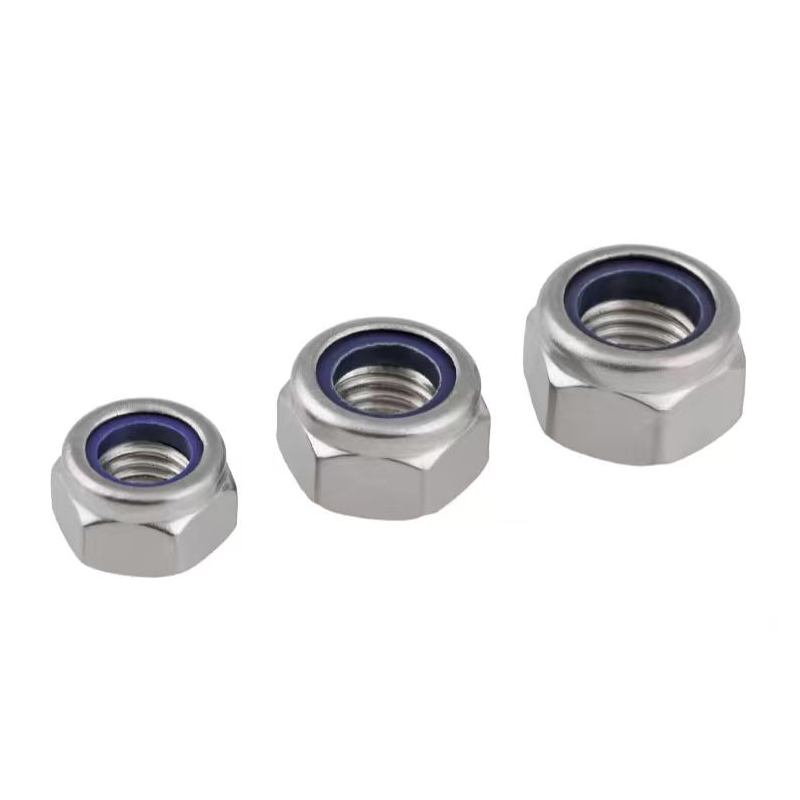
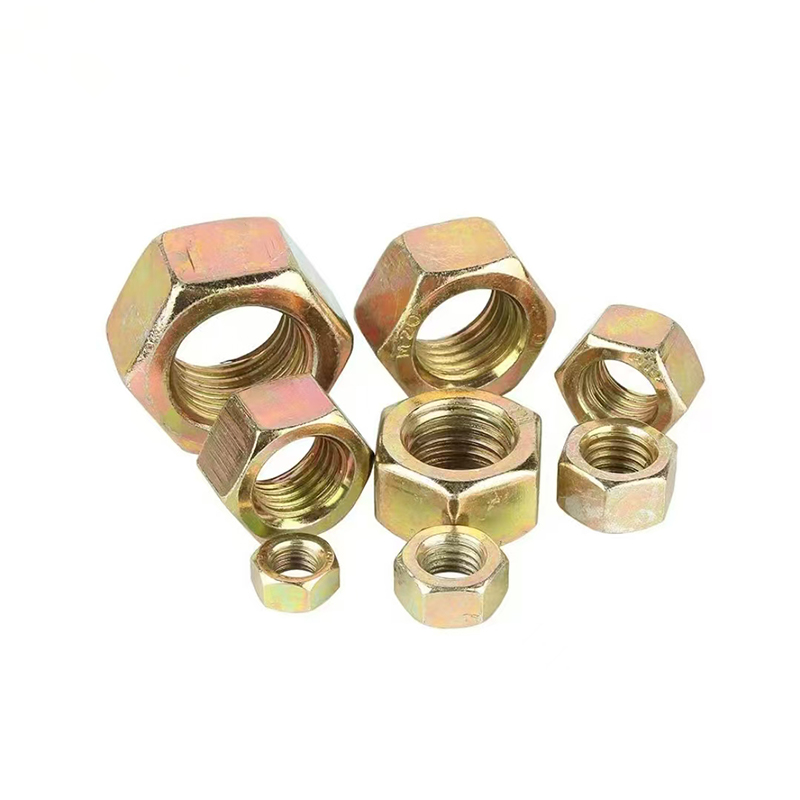
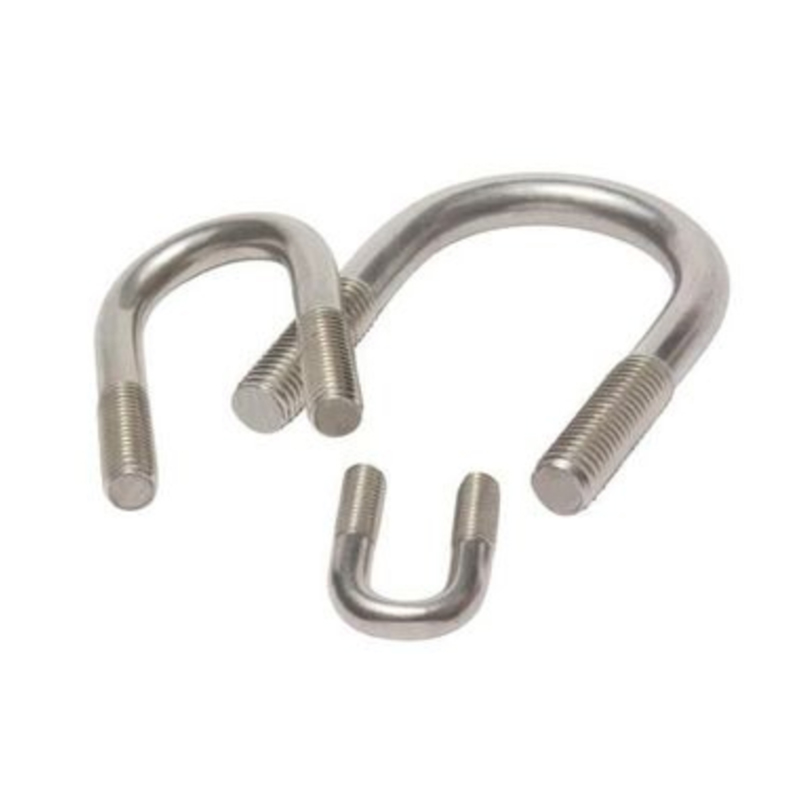
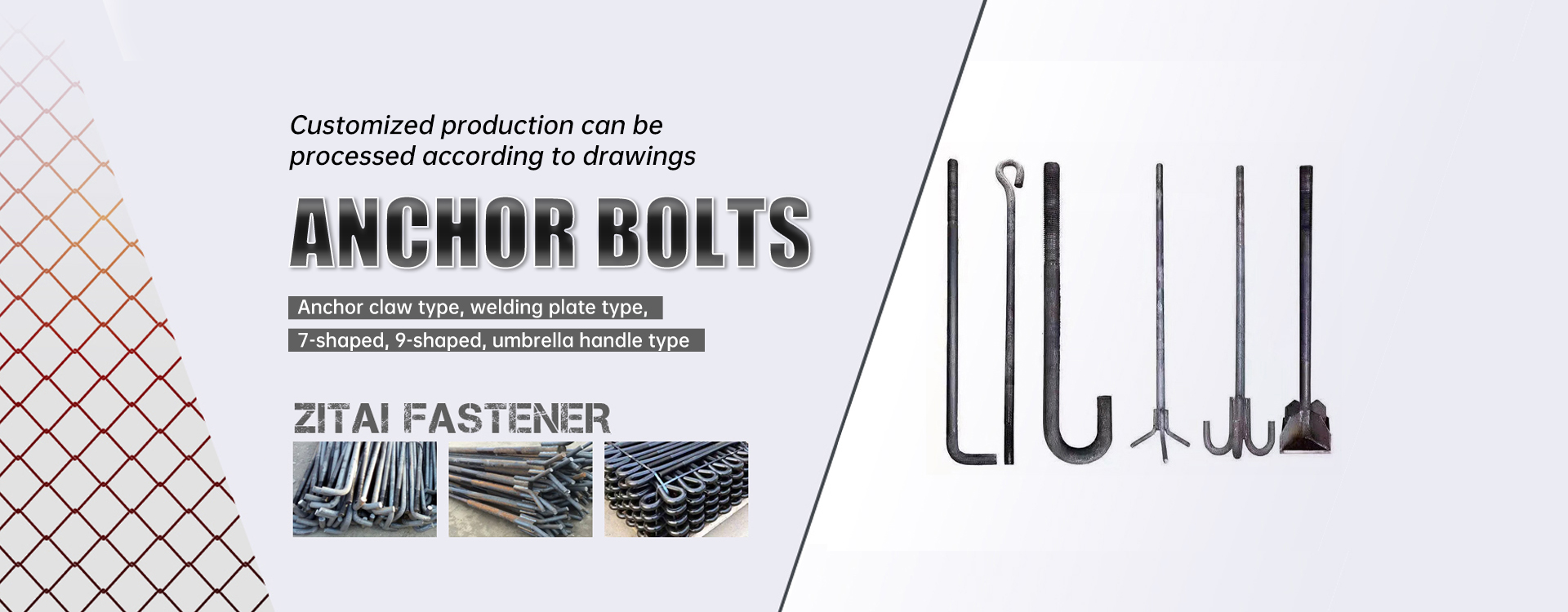
Pi bon vann pwodwi
Pi bon pwodwi vann-
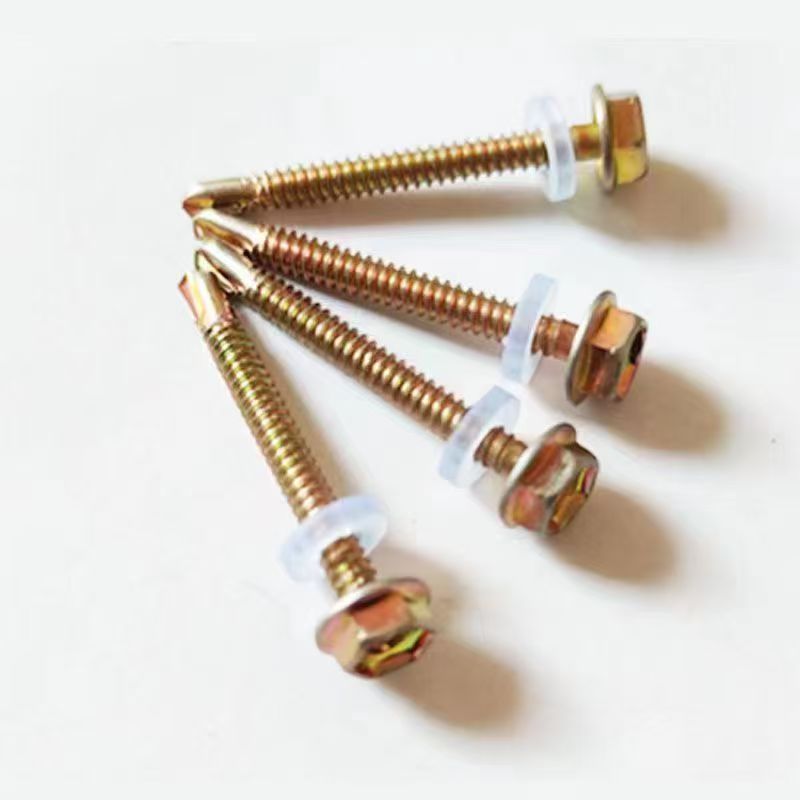 Koulè galvanised egzèsis egzèsis ke fil
 -
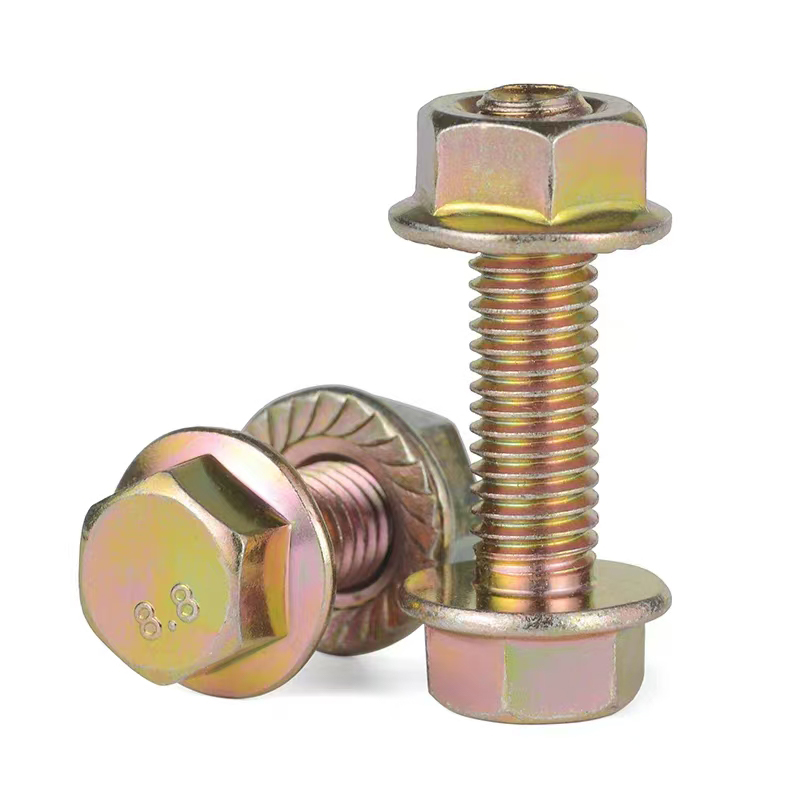 Boulon bride ki gen koulè pal
 -
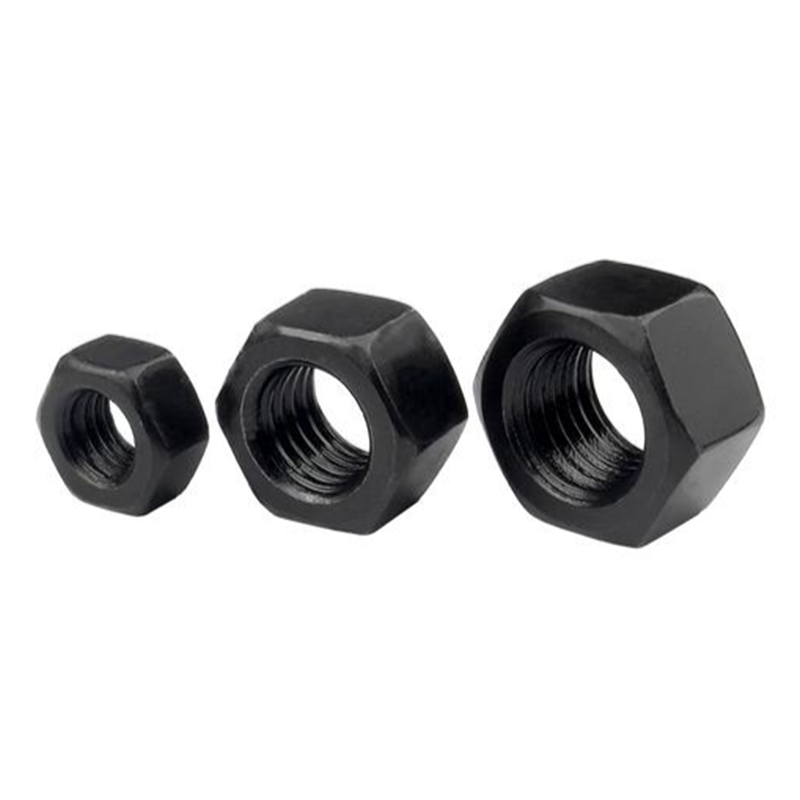 High-fòs nwa nwasi
 -
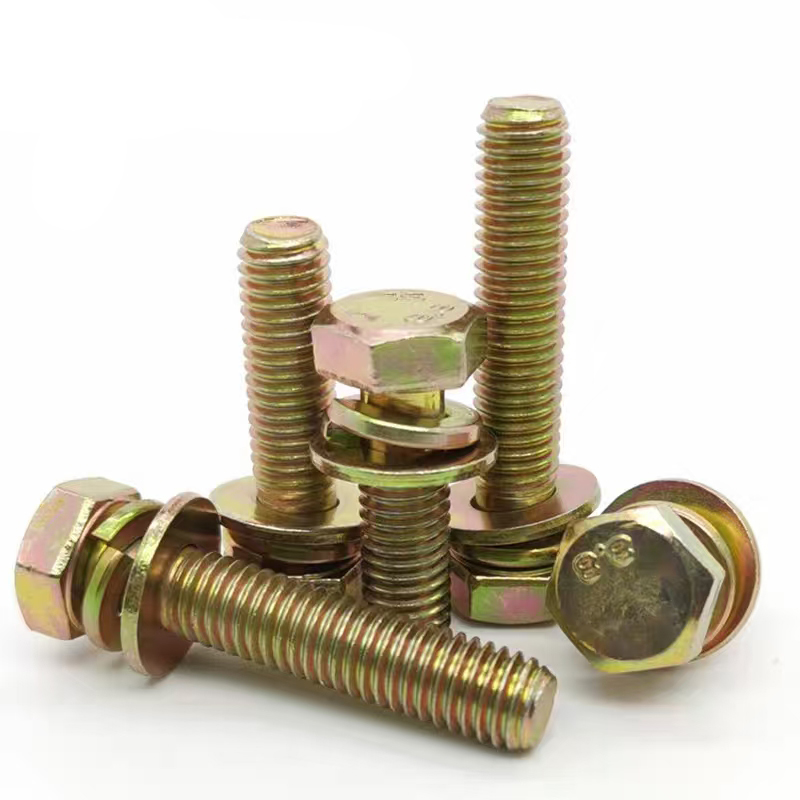 Koulè zenk plake boulon egzagonal
 -
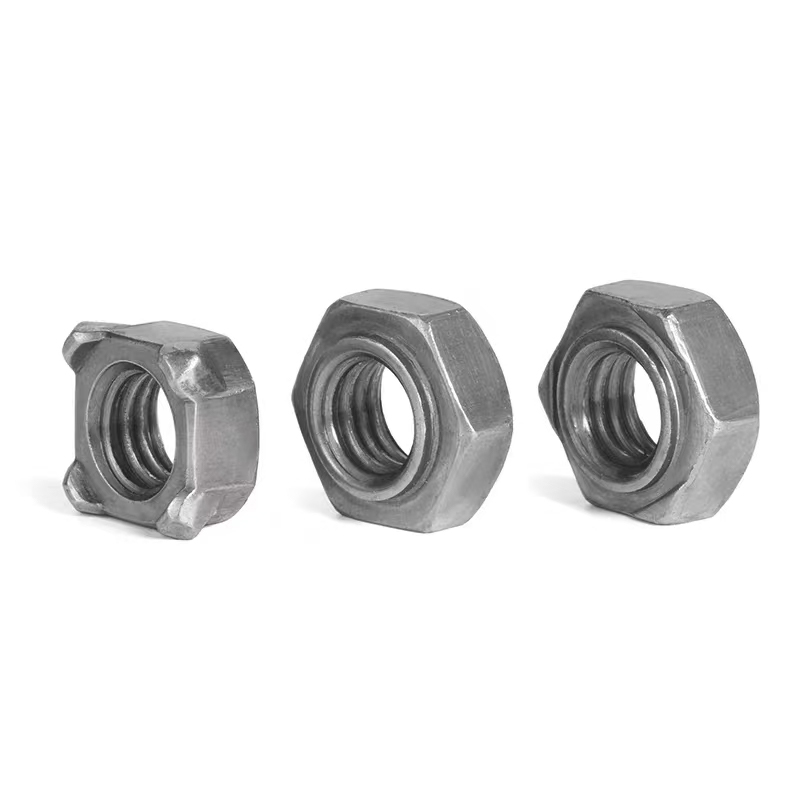 Nwa soude (nwa soude)
 -
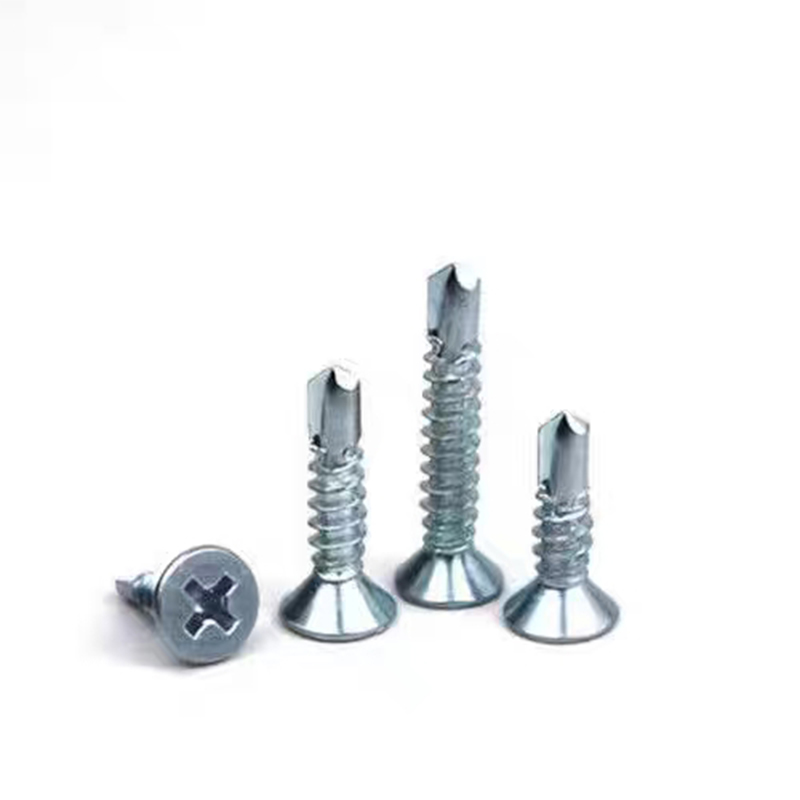 Electrogalvanized Cross Countersunk Drill Fil
 -
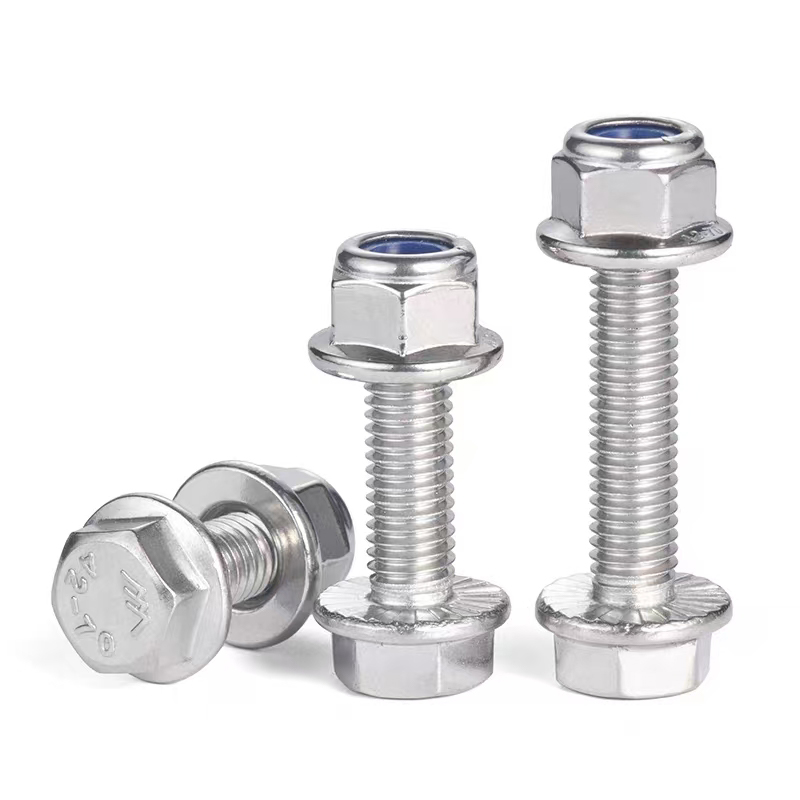 Boulon bride zenk elèktroplated
 -
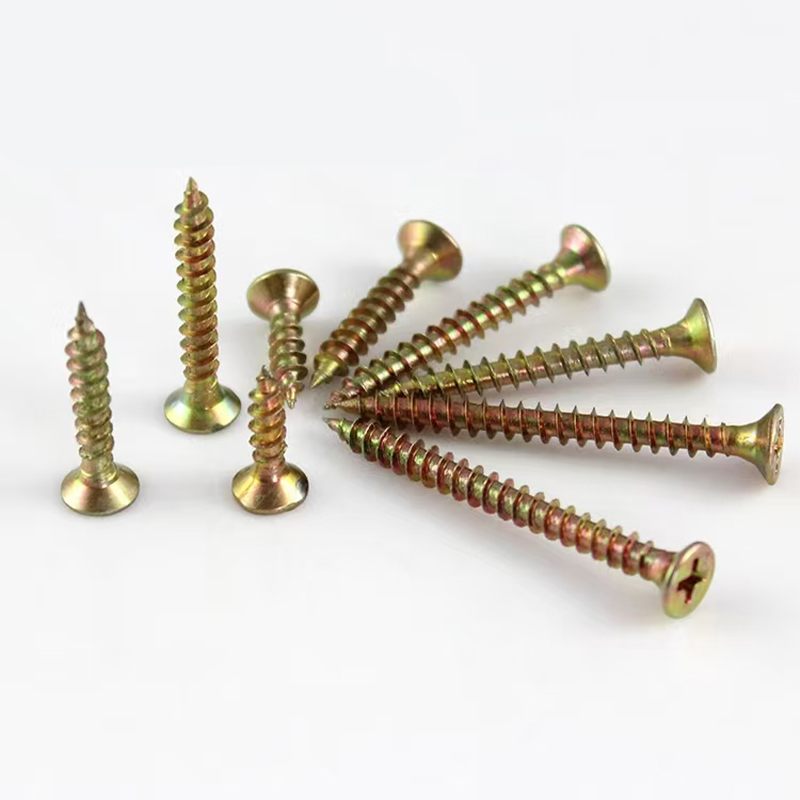 Koulè Zenk-plake kwa kontwar fil fè egzèsis
 -
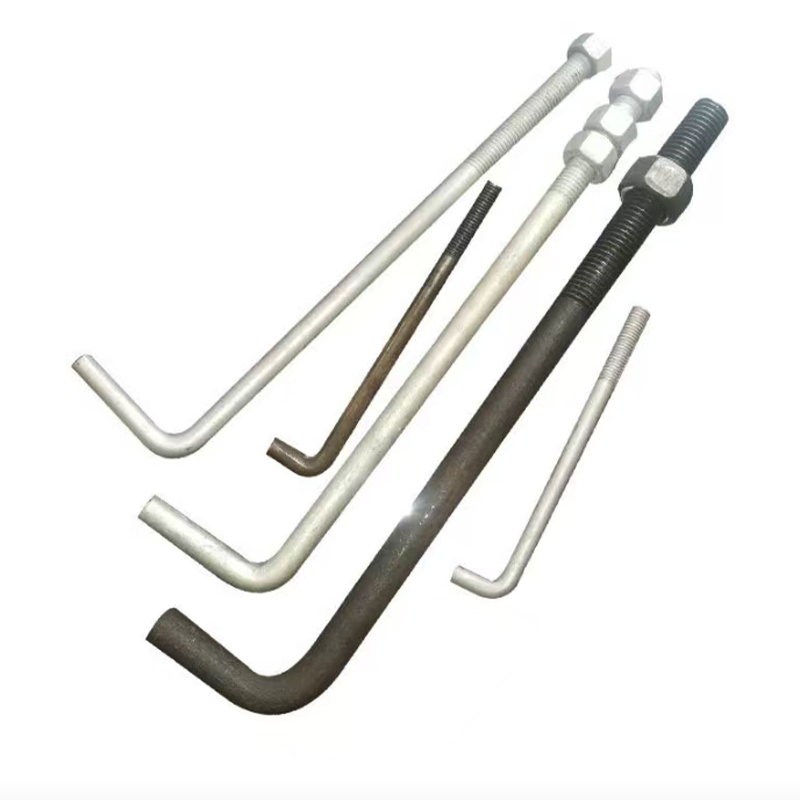 7 ki gen fòm lankr (7 ki gen fòm boulon jete lank)
 -
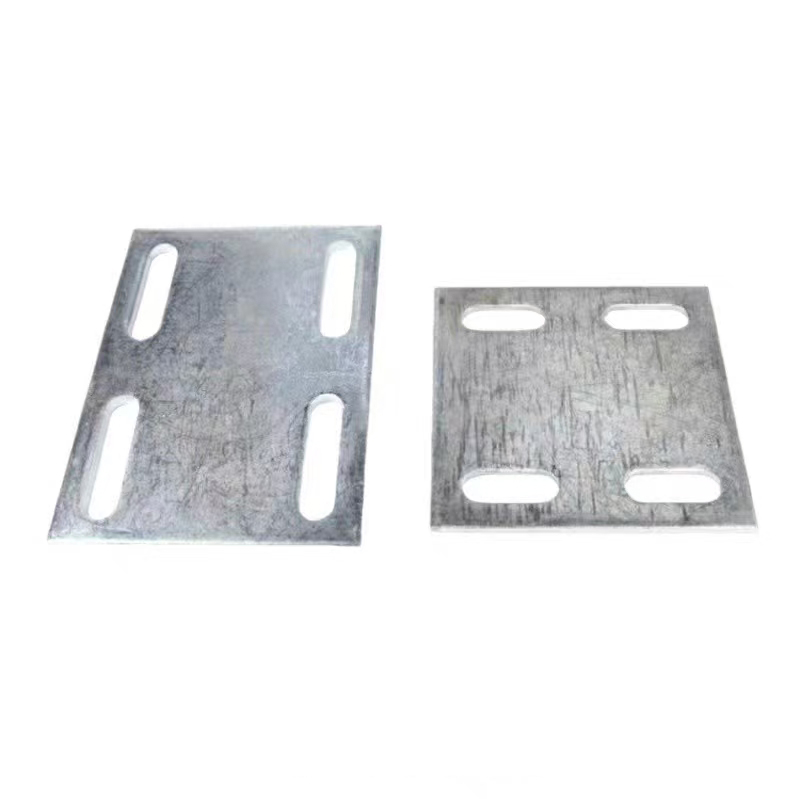 Plak Electrogalvanized Embedded
 -
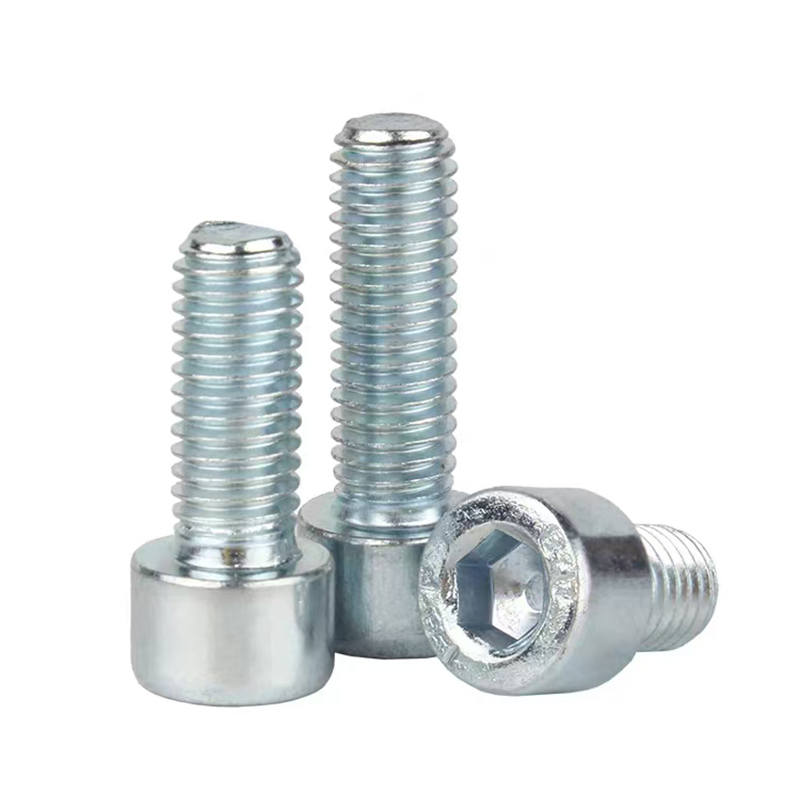 Egzagòn Socket Electrogalvanized boulon
 -
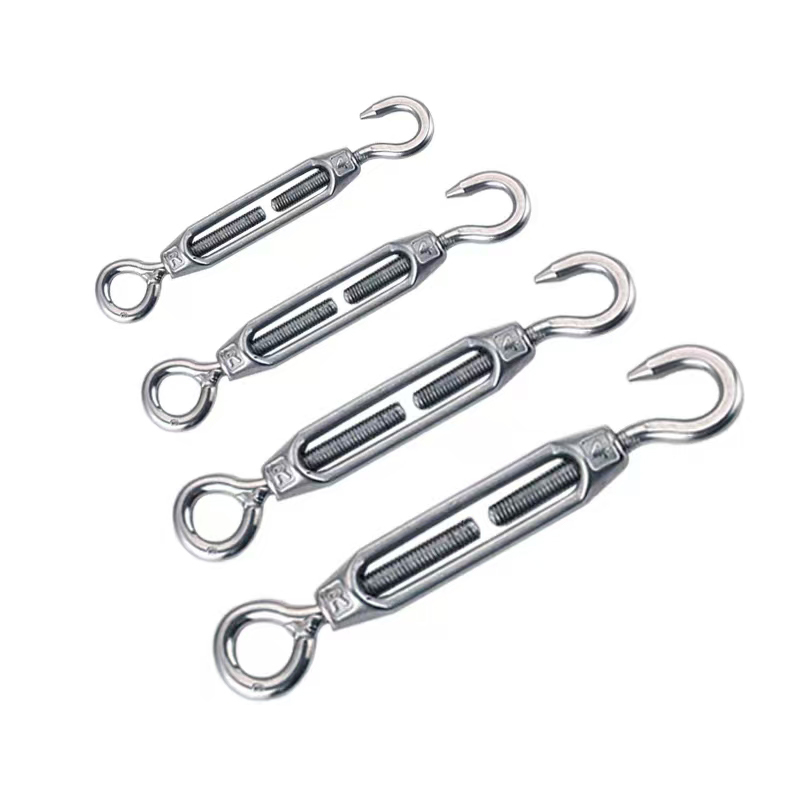 Boulon panyen


