
- English
- Chinese
- French
- German
- Portuguese
- Spanish
- Russian
- Japanese
- Korean
- Arabic
- Irish
- Greek
- Turkish
- Italian
- Danish
- Romanian
- Indonesian
- Czech
- Afrikaans
- Swedish
- Polish
- Basque
- Catalan
- Esperanto
- Hindi
- Lao
- Albanian
- Amharic
- Armenian
- Azerbaijani
- Belarusian
- Bengali
- Bosnian
- Bulgarian
- Cebuano
- Chichewa
- Corsican
- Croatian
- Dutch
- Estonian
- Filipino
- Finnish
- Frisian
- Galician
- Georgian
- Gujarati
- Hausa
- Hawaiian
- Hebrew
- Hmong
- Hungarian
- Icelandic
- Igbo
- Javanese
- Kannada
- Kazakh
- Khmer
- Kurdish
- Kyrgyz
- Latin
- Latvian
- Lithuanian
- Luxembou..
- Macedonian
- Malagasy
- Malay
- Malayalam
- Maltese
- Maori
- Marathi
- Mongolian
- Burmese
- Nepali
- Norwegian
- Pashto
- Persian
- Punjabi
- Serbian
- Sesotho
- Sinhala
- Slovak
- Slovenian
- Somali
- Samoan
- Scots Gaelic
- Shona
- Sindhi
- Sundanese
- Swahili
- Tajik
- Tamil
- Telugu
- Thai
- Ukrainian
- Urdu
- Uzbek
- Vietnamese
- Welsh
- Xhosa
- Yiddish
- Yoruba
- Zulu
- Kinyarwanda
- Tatar
- Oriya
- Turkmen
- Uyghur


China 4 u bolt clamp
The Importance of China 4 U Bolt Clamps in Industrial Applications
China's manufacturing prowess has long been recognized globally, especially in specialized hardware like the China 4 U Bolt Clamp. These components are fundamental, yet many underestimate their significance until they're needed to secure heavy-duty pipes or structural elements. My experience with these clamps highlights not only their reliability but also the occasional hurdles faced in their selection and installation.
Konprann Basics yo
A U Bolt Clamp may seem straightforward, but selecting the right one can make or break a project. Particularly, the 4 in our China 4 U Bolt Clamp refers to a specific dimension or configuration, crucial when matching components with project specifications. In industries where precision matters, such as construction or telecommunications, overlooking these details can lead to increased downtime and costs.
I recall a project where a mismatch in clamp size led to hours of recalibration. This isn't unique; many have fallen into the trap of assuming one-size-fits-all. Understanding the terminology and specifications, typically outlined in product catalogues from manufacturers like Handan Zitai Fastener Manufacturing Co., Ltd., can prevent costly errors.
Proximity to reliable suppliers is critical. For instance, Handan Zitai, located in the strategic hub of the Yongnian District, provides not only quality components but also invaluable logistics support, thanks to its advantageous location near major transport routes like the Beijing-Guangzhou Railway.
Choosing the Right Material
Material selection can't be overstated. A U Bolt Clamp might need to resist corrosion in harsh environments or endure high temperatures. The choice between stainless steel, galvanized coating, or plain steel significantly impacts performance.
During a maintenance project I was involved in, improper material selection led to rapid degradation of clamps used in a coastal area. Researching materials that align with environmental conditions is essential. Consulting with suppliers like Handan Zitai, who understand local material advantages, often leads to better outcomes.
It's tempting to aim for cost-cutting, but when you're dealing with something that supports critical infrastructure, investing in the right material pays dividends. Long-term costs from failures often outweigh initial savings.
Enstalasyon nuans
Even the best U Bolt Clamp can underperform if poorly installed. Having firsthand experience, I can vouch for clamps loosening due to inadequate tightening or misalignment with support structures. Utilizing torque specifications suggested by manufacturers minimizes these risks.
During a broadband installation, a team underestimated the significance of torque, resulting in signal loss due to pipe displacement. This scenario emphasized the importance of training and proper tool usage.
Companies like Handan Zitai often provide guidelines or recommendations, ensuring their clamps are not only top-quality but also well-applied.
Common Challenges
Beyond material and installation, supply chain issues sometimes surface. Items may be marked in stock but take weeks to arrive, delaying projects. Partnering with a reputable manufacturer close to major logistical routes—like Handan Zitai, with its strategic location—is advantageous.
Anticipating potential disruptions by keeping open communication lines with suppliers can prevent these delays. It's also advisable to maintain a buffer stock of crucial components.
Building relationships with suppliers rather than transactional engagements opens doors to better service and sometimes unexpected solutions to seemingly insurmountable issues.
Understanding Manufacturer Support
Lastly, the manufacturer's support role can't be overlooked. It's about more than just buying a product; it's access to expertise and sometimes even troubleshooting assistance. This is especially true with companies like Handan Zitai, readily offering detailed product information and service support through their website (https://www.zitaifasteners.com).
In one instance, I reached out for a detailed load-bearing chart that wasn't readily available. This level of support ensured the project stayed on track and informed future installations.
The takeaway is clear: a reliable clamp isn't just about its physical characteristics but the knowledge, support, and accessibility provided by its manufacturer. This holistic view ensures that the investment in a seemingly simple component offers long-term benefits beyond its immediate function.
Ki gen rapò pwodwi
Pwodwi ki gen rapò
Pi bon vann pwodwi
Pi bon pwodwi vann-
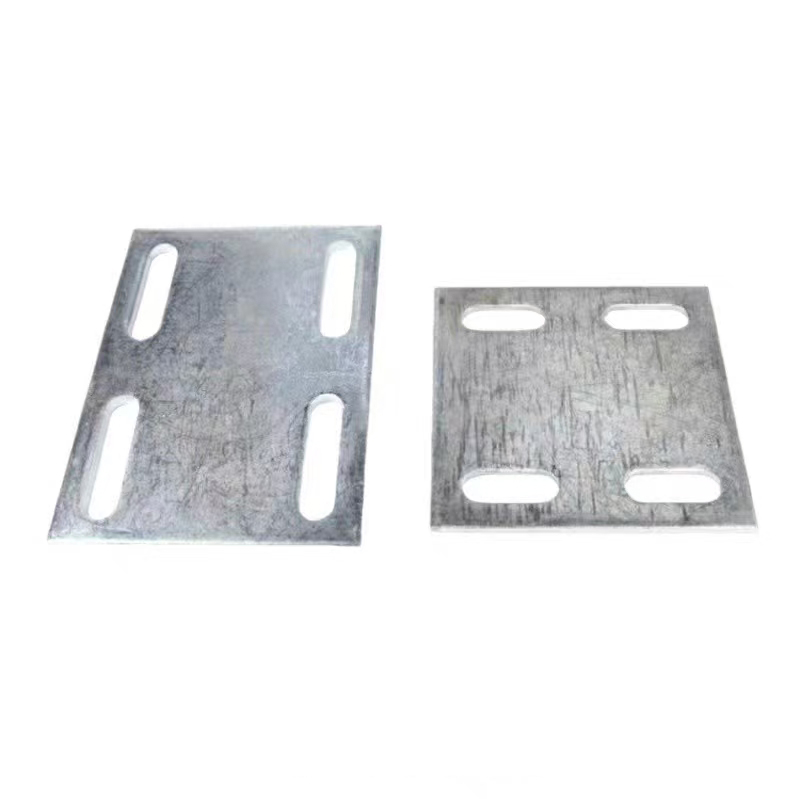 Plak Electrogalvanized Embedded
 -
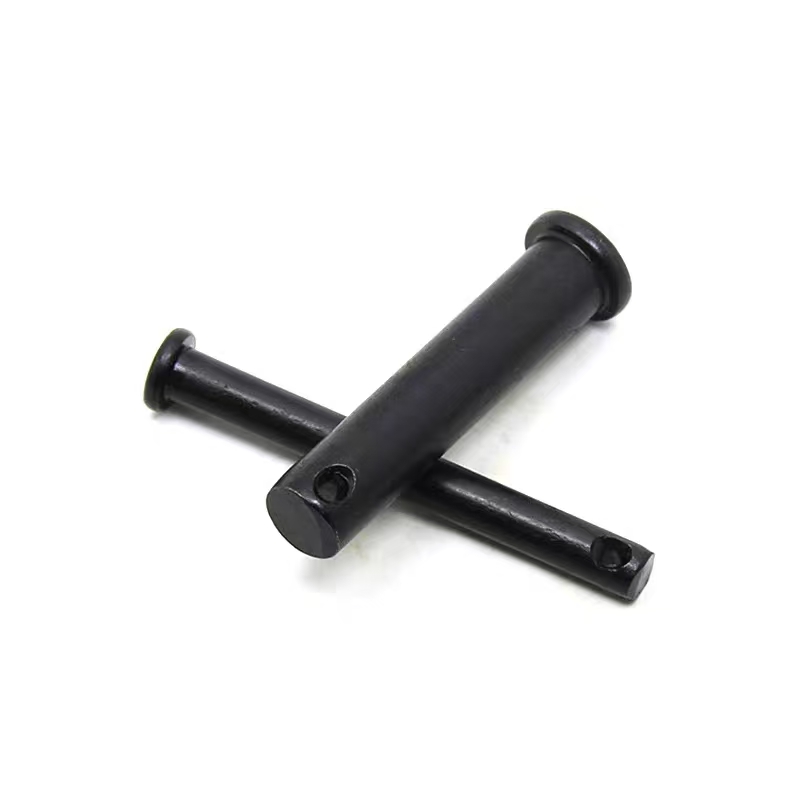 Nwa zenk plake arbr peny
 -
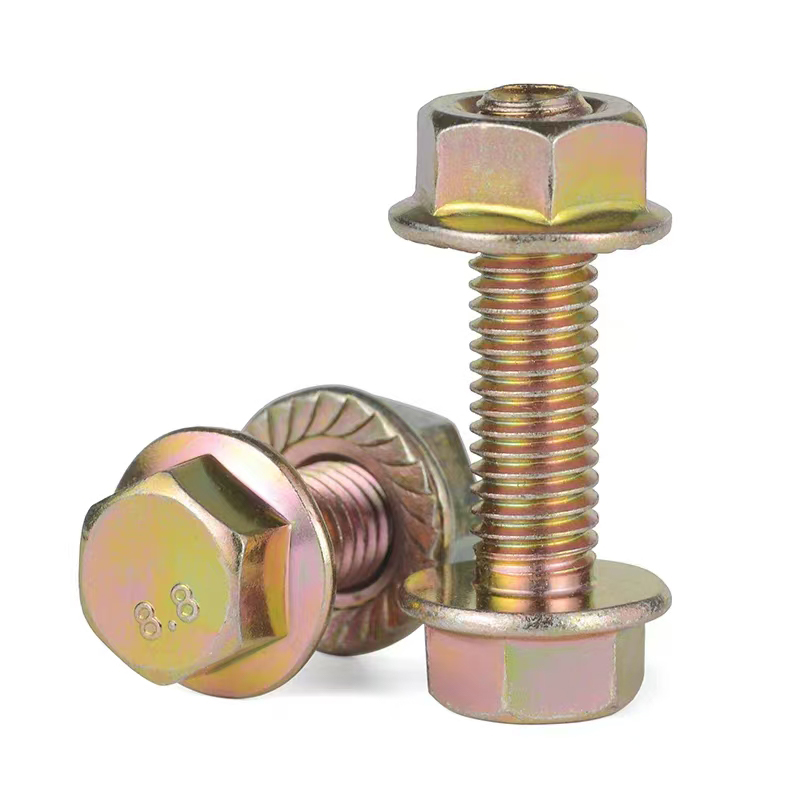 Boulon bride ki gen koulè pal
 -
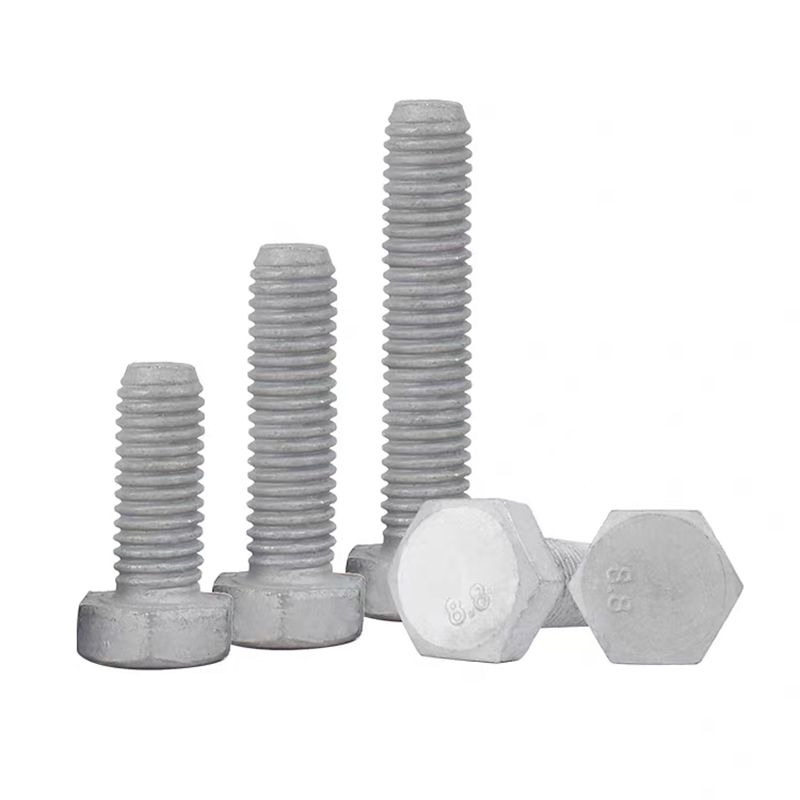 Boulon egzagonal cho-tranpe
 -
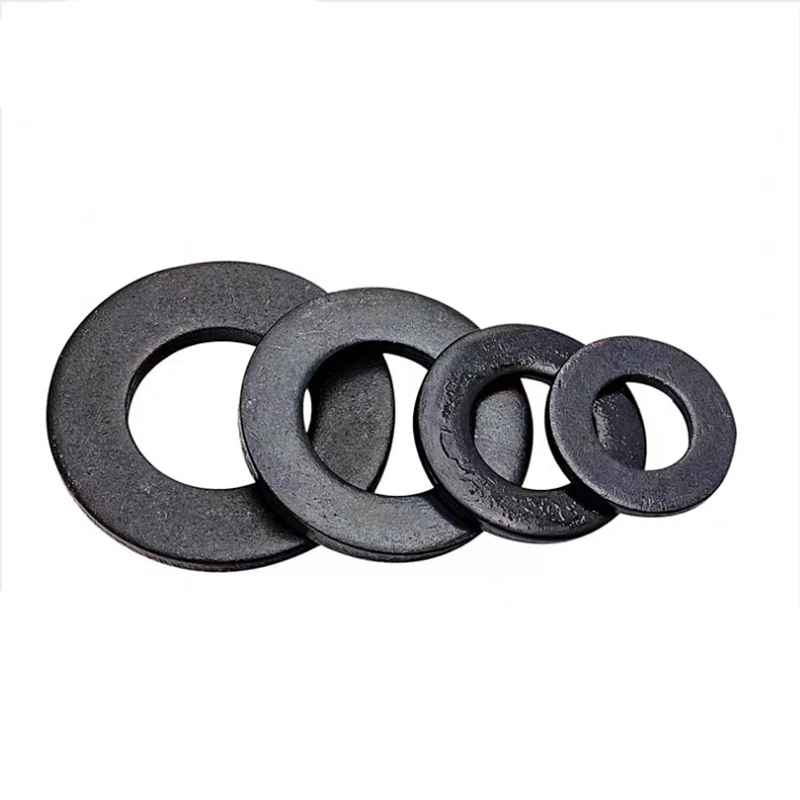 High-fòs nwasi gasket
 -
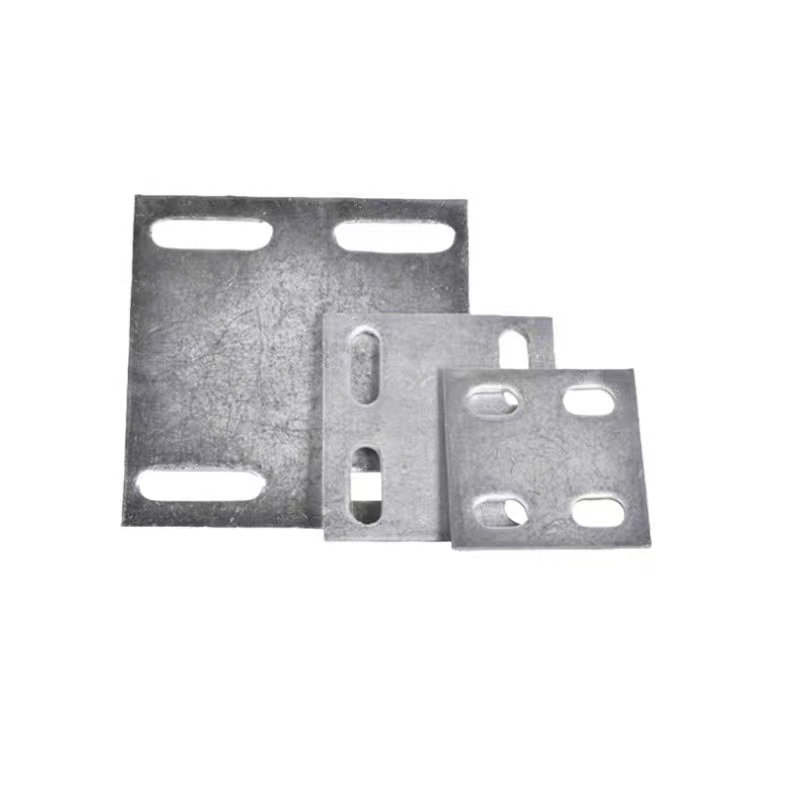 Cho-tranpe plak galvanised entegre
 -
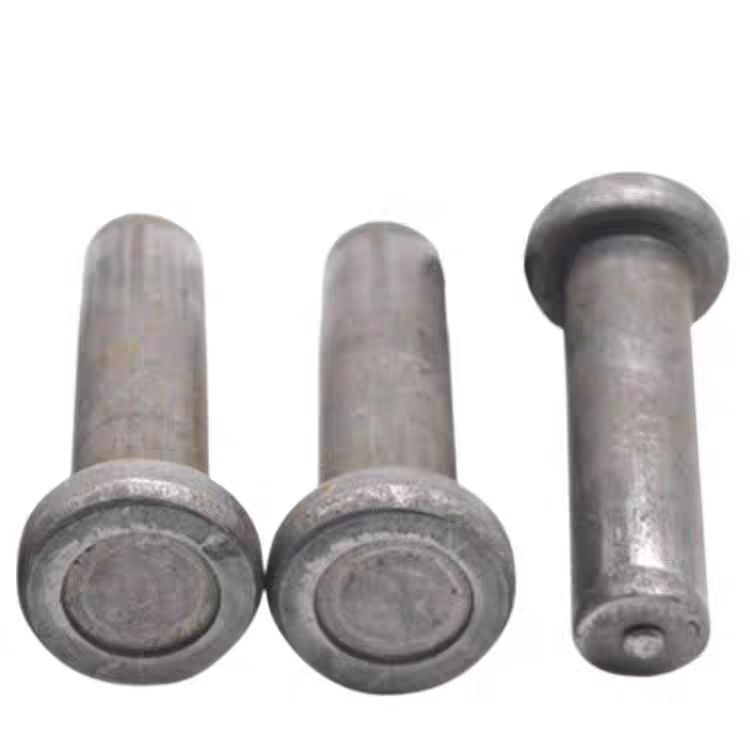 Steel structure welding studs
 -
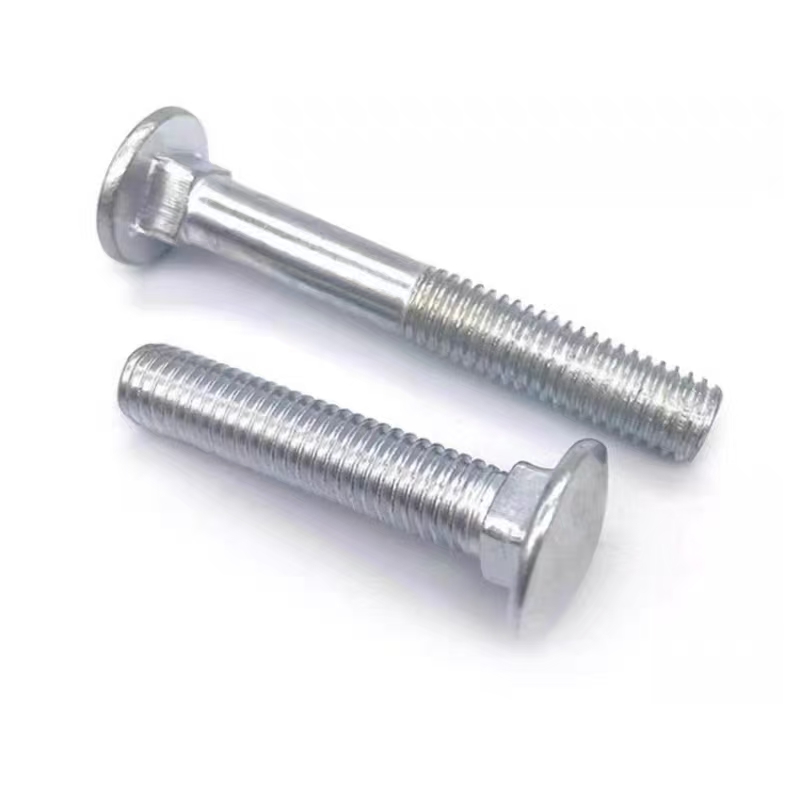 Bolt cha (mwatye wonn tèt kare kou boulon)
 -
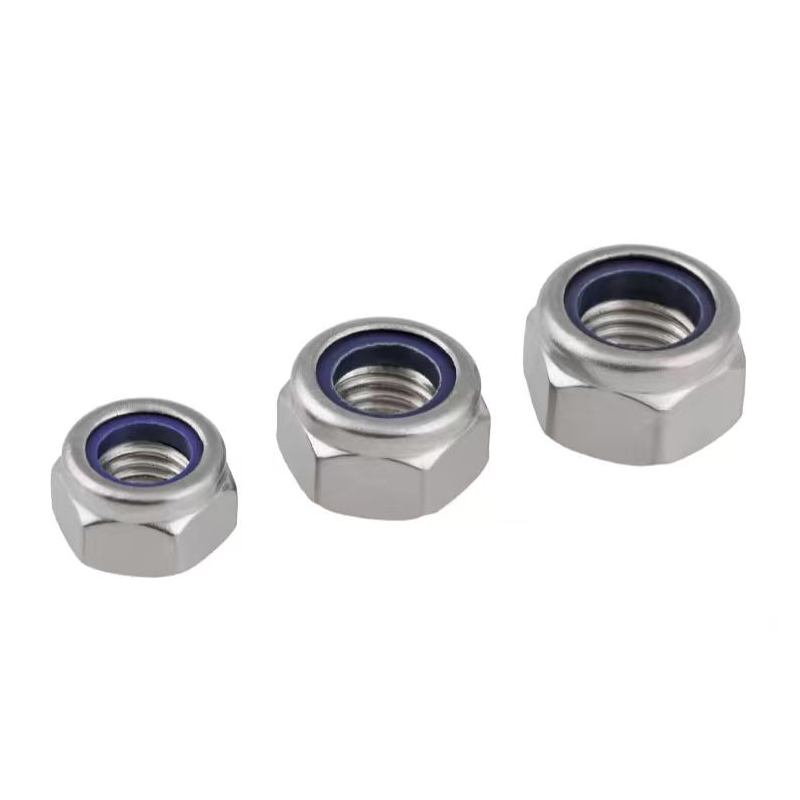 Anti-lyen nwa (bloke nwa)
 -
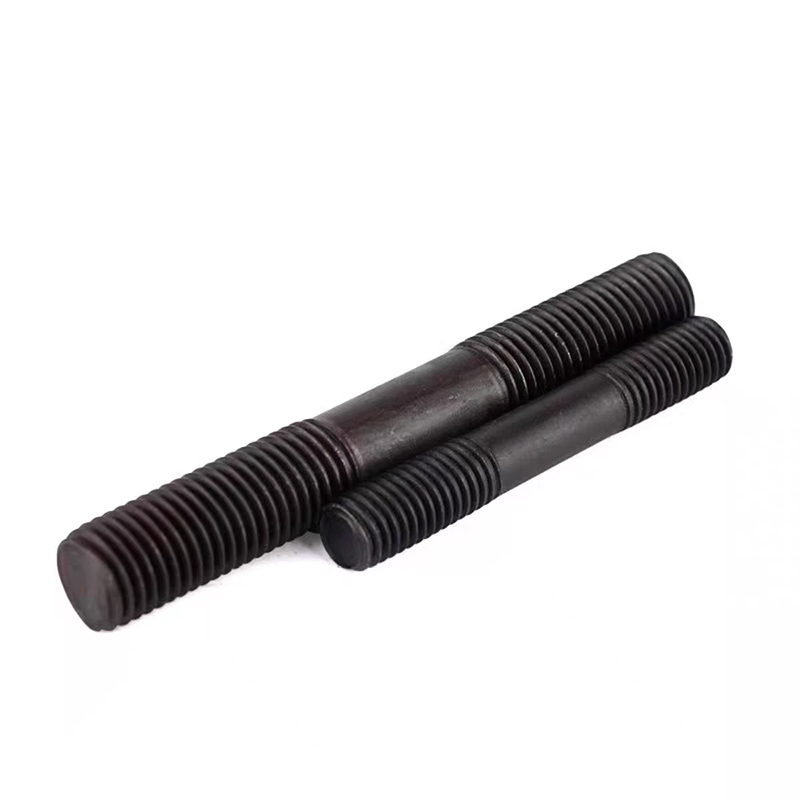 Boulon stud
 -
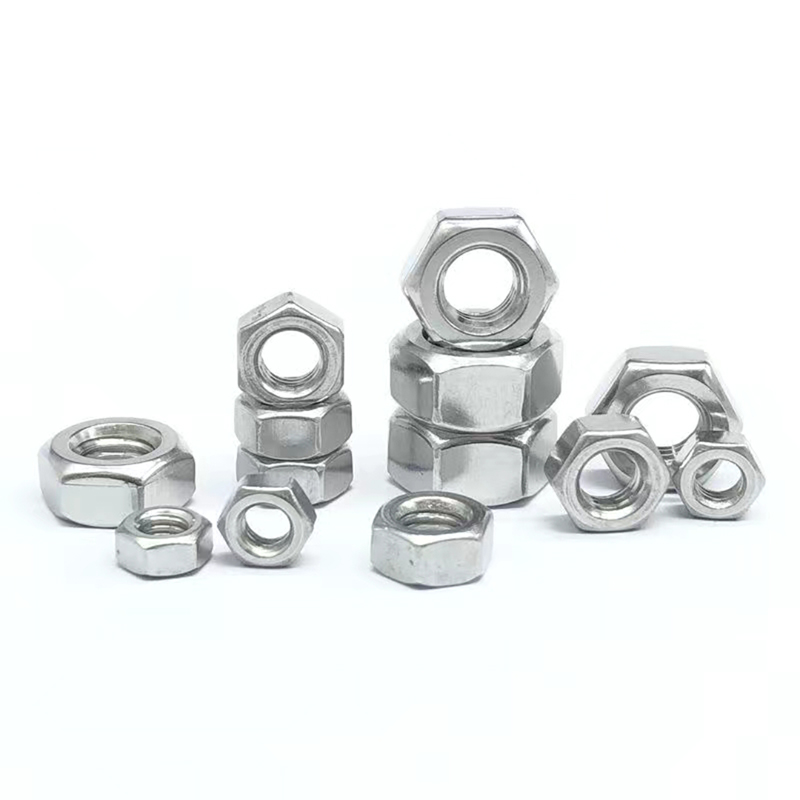 Nwa electrogalvanized
 -
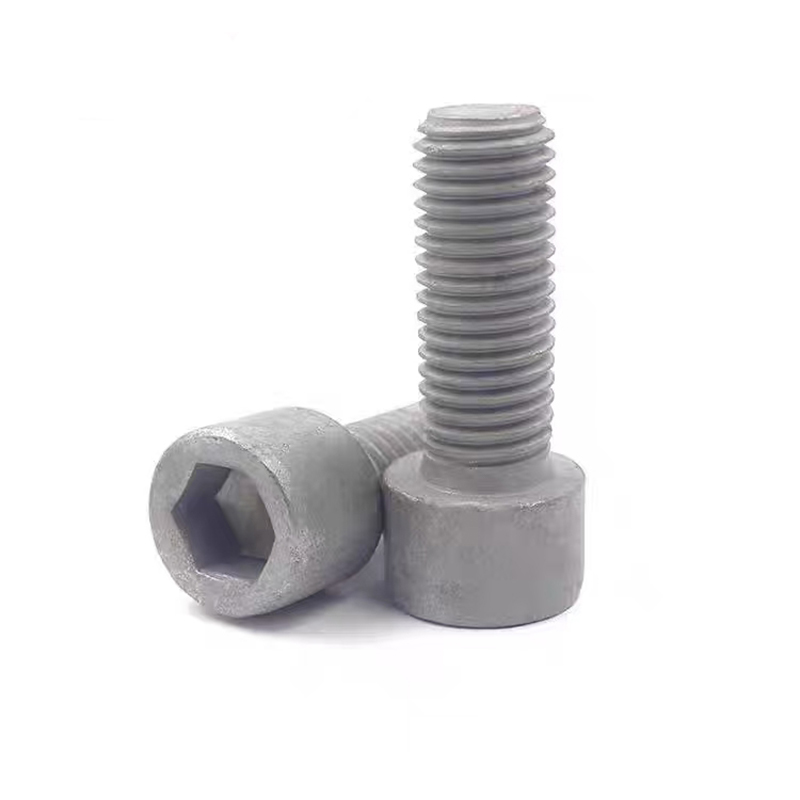 Egzagòn priz cho-plonje boulon galvanised


