
- English
- Chinese
- French
- German
- Portuguese
- Spanish
- Russian
- Japanese
- Korean
- Arabic
- Irish
- Greek
- Turkish
- Italian
- Danish
- Romanian
- Indonesian
- Czech
- Afrikaans
- Swedish
- Polish
- Basque
- Catalan
- Esperanto
- Hindi
- Lao
- Albanian
- Amharic
- Armenian
- Azerbaijani
- Belarusian
- Bengali
- Bosnian
- Bulgarian
- Cebuano
- Chichewa
- Corsican
- Croatian
- Dutch
- Estonian
- Filipino
- Finnish
- Frisian
- Galician
- Georgian
- Gujarati
- Hausa
- Hawaiian
- Hebrew
- Hmong
- Hungarian
- Icelandic
- Igbo
- Javanese
- Kannada
- Kazakh
- Khmer
- Kurdish
- Kyrgyz
- Latin
- Latvian
- Lithuanian
- Luxembou..
- Macedonian
- Malagasy
- Malay
- Malayalam
- Maltese
- Maori
- Marathi
- Mongolian
- Burmese
- Nepali
- Norwegian
- Pashto
- Persian
- Punjabi
- Serbian
- Sesotho
- Sinhala
- Slovak
- Slovenian
- Somali
- Samoan
- Scots Gaelic
- Shona
- Sindhi
- Sundanese
- Swahili
- Tajik
- Tamil
- Telugu
- Thai
- Ukrainian
- Urdu
- Uzbek
- Vietnamese
- Welsh
- Xhosa
- Yiddish
- Yoruba
- Zulu
- Kinyarwanda
- Tatar
- Oriya
- Turkmen
- Uyghur

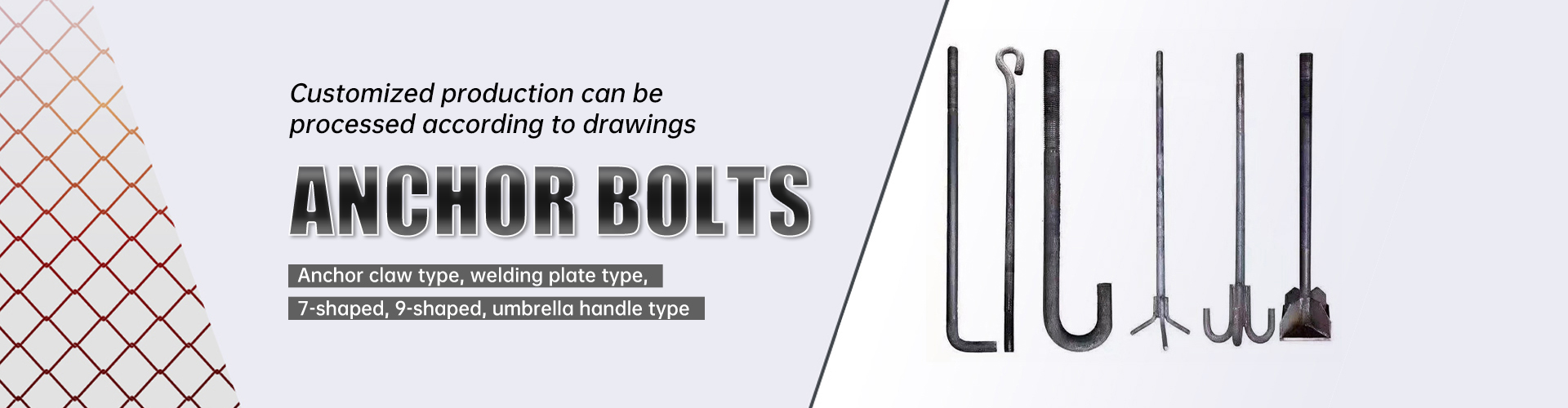
Lachin 5 U boulon kranpon
Understanding the China 5 U Bolt Clamp: A Practitioner’s Insight
When diving into the world of fasteners, particularly in regions renowned for manufacturing like China, the China 5 U bolt clamp frequently surfaces as a staple product. But there’s more to it than meets the eye—especially if you’re serious about quality and application. This piece unpacks what it’s like from a hands-on perspective.
The Basics of U Bolt Clamps
Let’s start with what a U bolt clamp is and why the “China 5” specification matters. Generally, these clamps are widely used in securing pipes and tubes, offering stability even under stress. But when ordering from Chinese manufacturers, the specifications often have nuances that can puzzle newcomers.
Some might assume that these clamps are universal, but the reality is far from it. Just because it’s made in China doesn’t always mean it’s standard across the board. The “China 5” label often refers to specific diameters and thread types that are prevalent in domestic production.
A quick tour of manufacturing hubs like Yongnian in Handan City—a well-known site for fasteners—reveals the scale and expertise embedded in these products. Here, companies like Handan Zitai Fastener Manufacturing Co., Ltd. leverage their location to produce parts efficiently. Their facilities, close to major transport routes, make shipping straightforward and cost-effective.
Materials and Manufacturing
One critical factor in determining the quality of a U boulon kranpon is the material. Commonly, manufacturers opt for stainless steel due to its corrosion-resistant properties. However, you may encounter variations using carbon steel for different stress levels or environments.
Handan Zitai, for example, utilizes advanced machinery to ensure each bolt meets rigorous standards. It’s not just about cutting and shaping—the process involves treating and testing the bolts to withstand real-world conditions. Visiting their factory (check them out at zitaifasteners.com) gives you a clear sense of their operational precision.
But then comes the finer details like threading. An often overlooked aspect, the thread pitch can affect fit and hold, making it imperative to understand exactly what's needed for your particular project.
Defi nan aplikasyon an
While they seem simple, using U bolt clamps requires skill—something I found out the hard way. During one installation on a large-scale piping system, assuming uniform tension led to uneven pressure distribution. This resulted in stress fractures on the pipes.
What I learned was the importance of applying even force gradually and cross-checking torque specifications. It’s meticulous work, but that’s the nature of the beast when dealing with clamping forces.
This is where the expertise of local manufacturers comes into play. Companies like Handan Zitai often provide valuable guidance on such applications, minimizing trial and error thanks to their expansive industry experience.
Market Dynamics and Costs
Discussing cost, China-made U bolt clamps are often lauded for their affordability, which is true. However, it’s essential to balance cost with quality. Low prices can sometimes hint at corners being cut—material thickness reduced or finishes less durable.
Experienced buyers often work directly with manufacturers to ensure specifications are met without compromise. Regular communication and clarity on requirements save time and money in the long haul.
Interestingly, the pricing can fluctuate based on global steel prices and regional demand shifts. Having a reliable partner like Handan Zitai can be a strategic move, particularly when navigating these market variables.
Conclusions and Best Practices
In conclusion, while the China 5 U bolt clamp may appear straightforward, a deeper understanding of its production and application—especially when working with Chinese manufacturers—can significantly impact outcomes.
Every detail counts, whether it’s the choice of alloy, precise dimensions, or understanding application intricacies. Engaging with a seasoned supplier like Handan Zitai Fastener Manufacturing Co., Ltd. brings this knowledge within reach, ensuring that each project is a success rather than a string of surprises.
Remember, the best results often lie at the crossroads of quality manufacturing, informed purchasing, and practical application knowledge. Always be willing to explore, question, and learn—that’s how mastery in fasteners is truly achieved.
Ki gen rapò pwodwi
Pwodwi ki gen rapò
Pi bon vann pwodwi
Pi bon pwodwi vann-
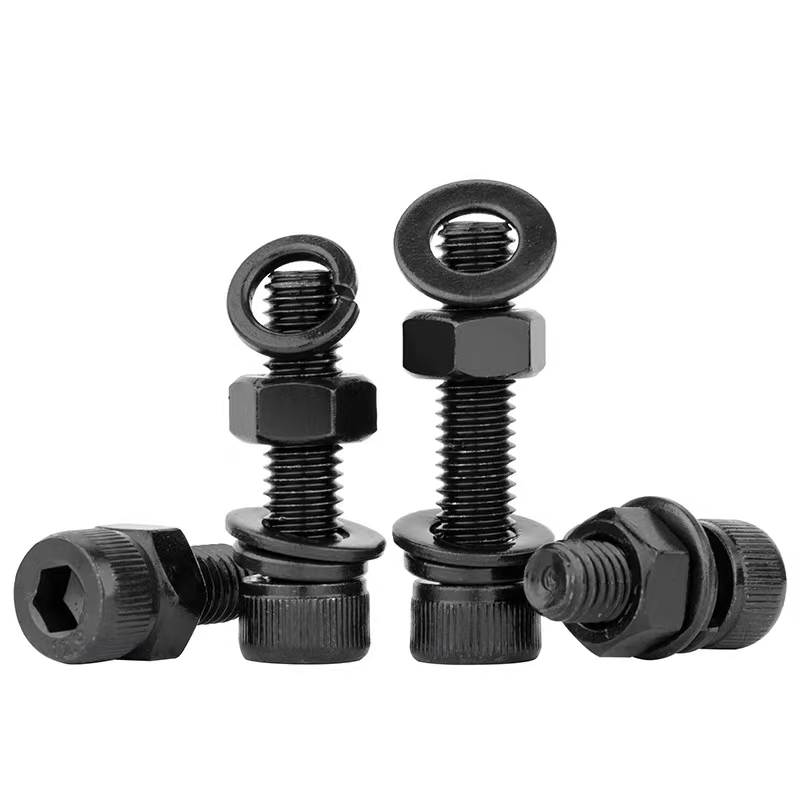 Egzagòn priz nwa zenk-plake boulon
 -
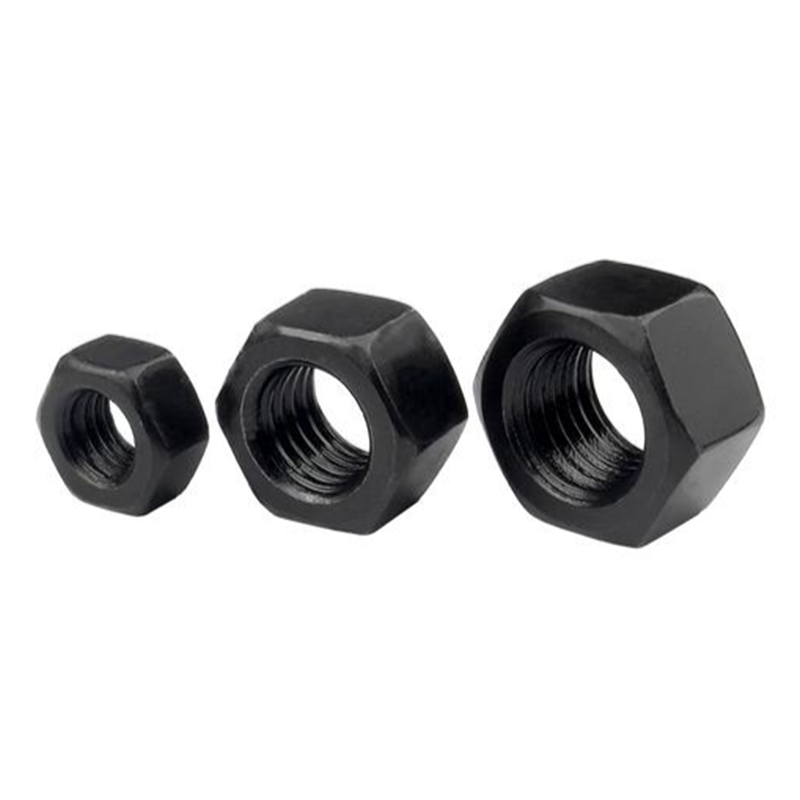 High-fòs nwa nwasi
 -
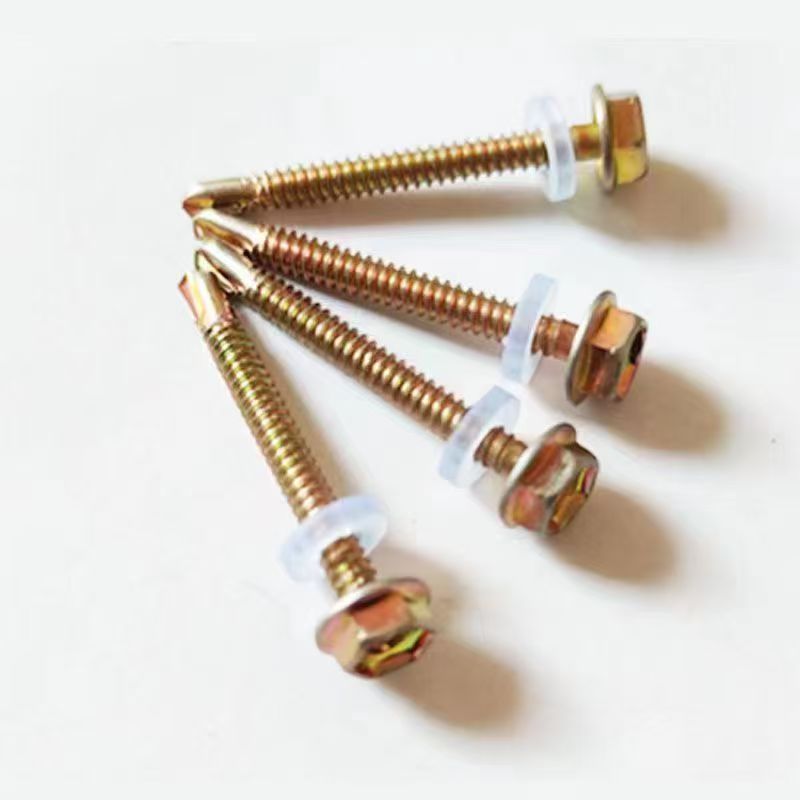 Koulè galvanised egzèsis egzèsis ke fil
 -
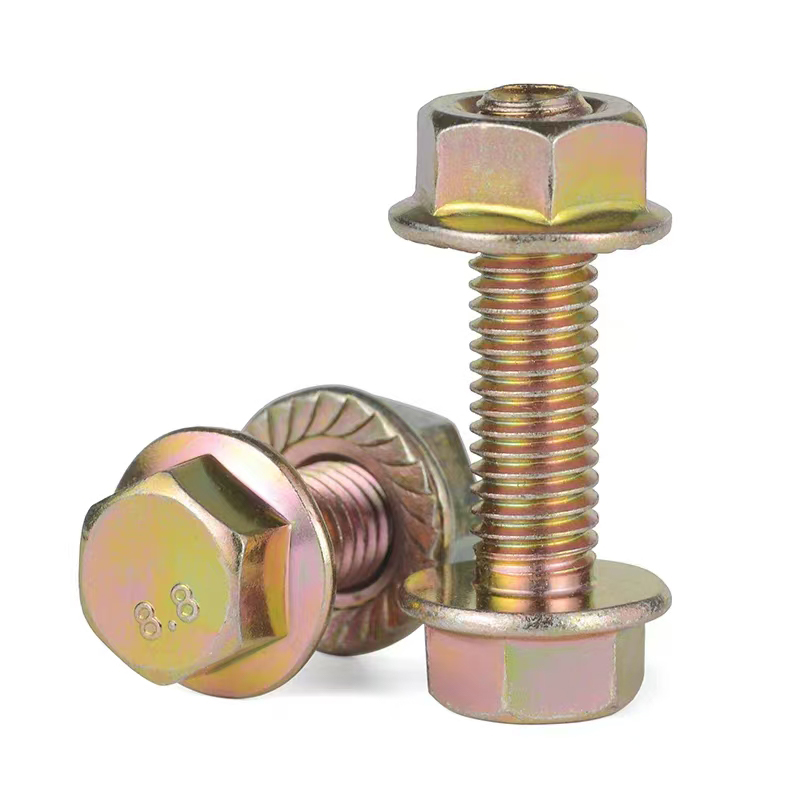 Boulon bride ki gen koulè pal
 -
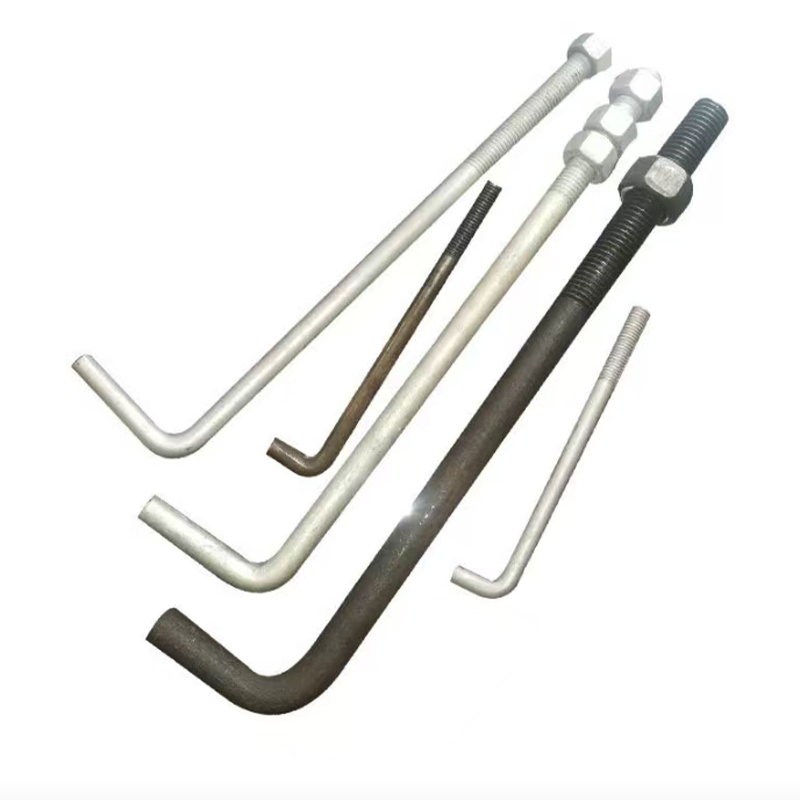 7 ki gen fòm lankr (7 ki gen fòm boulon jete lank)
 -
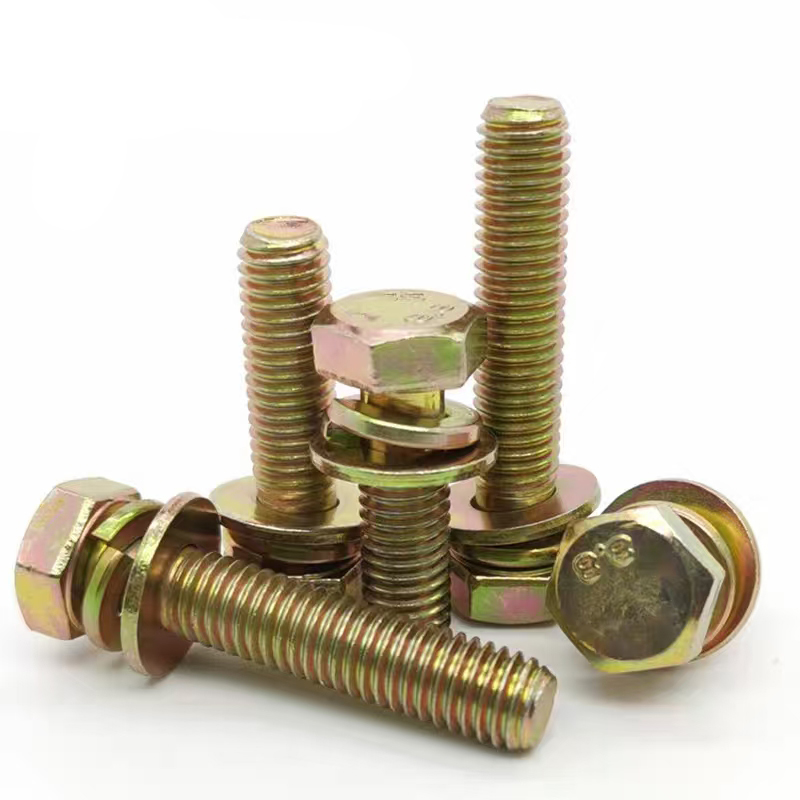 Koulè zenk plake boulon egzagonal
 -
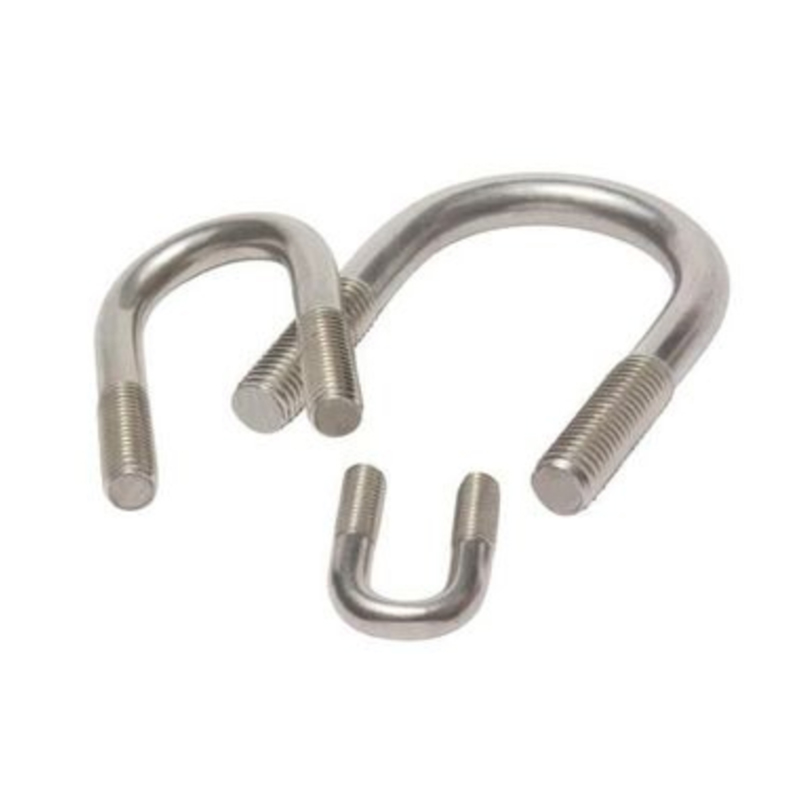 U-boulon
 -
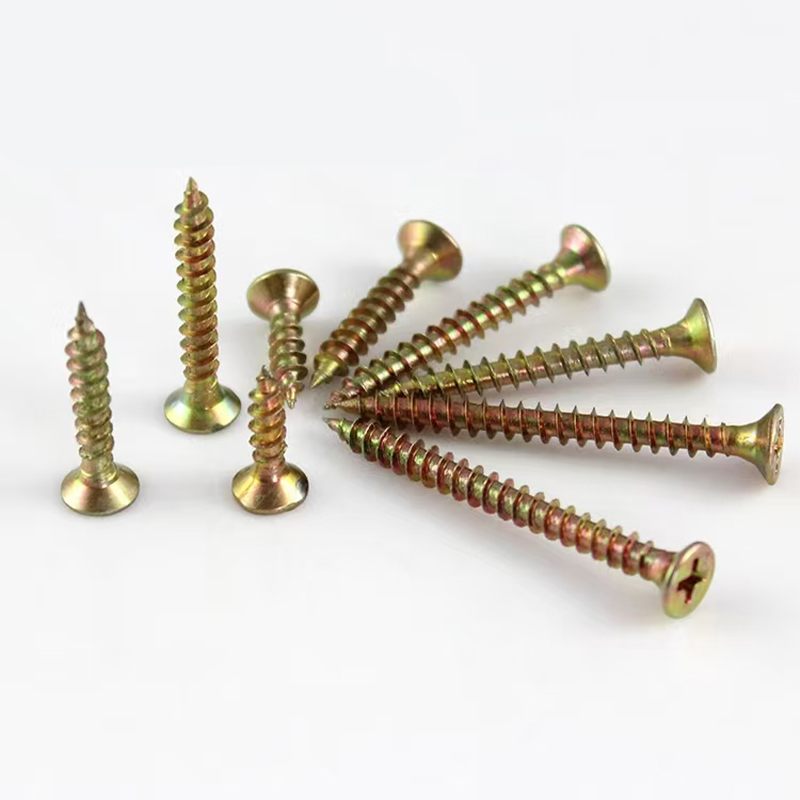 Koulè Zenk-plake kwa kontwar fil fè egzèsis
 -
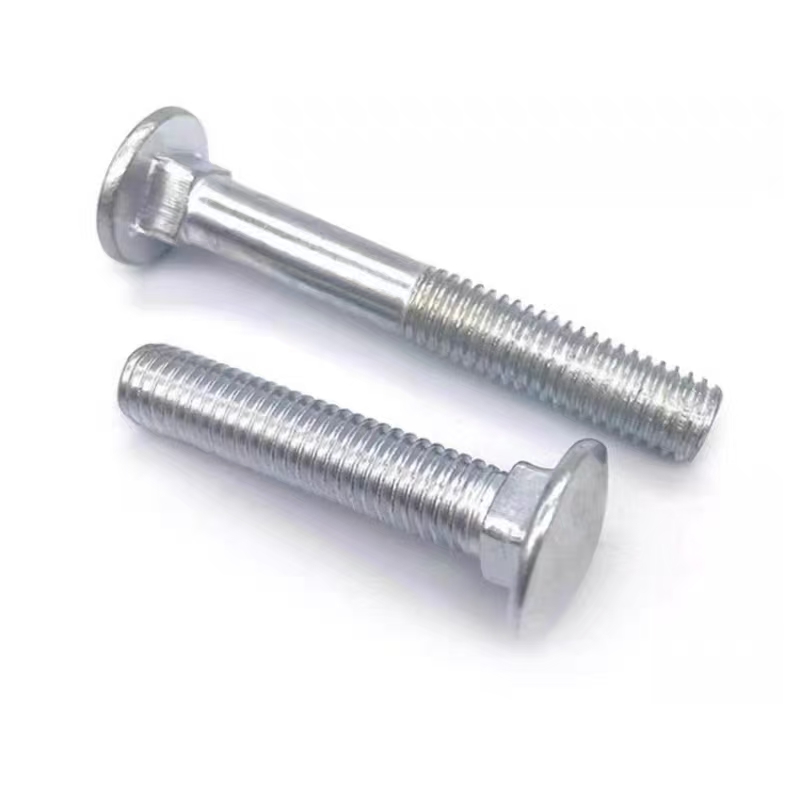 Bolt cha (mwatye wonn tèt kare kou boulon)
 -
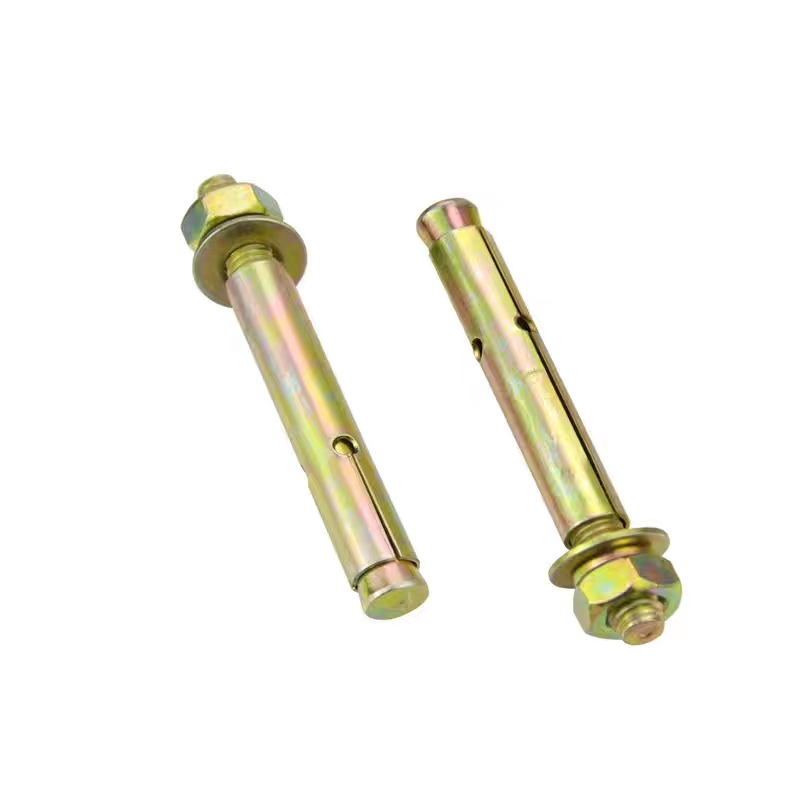 Boulon ekspansyon ki gen koulè pal zenk
 -
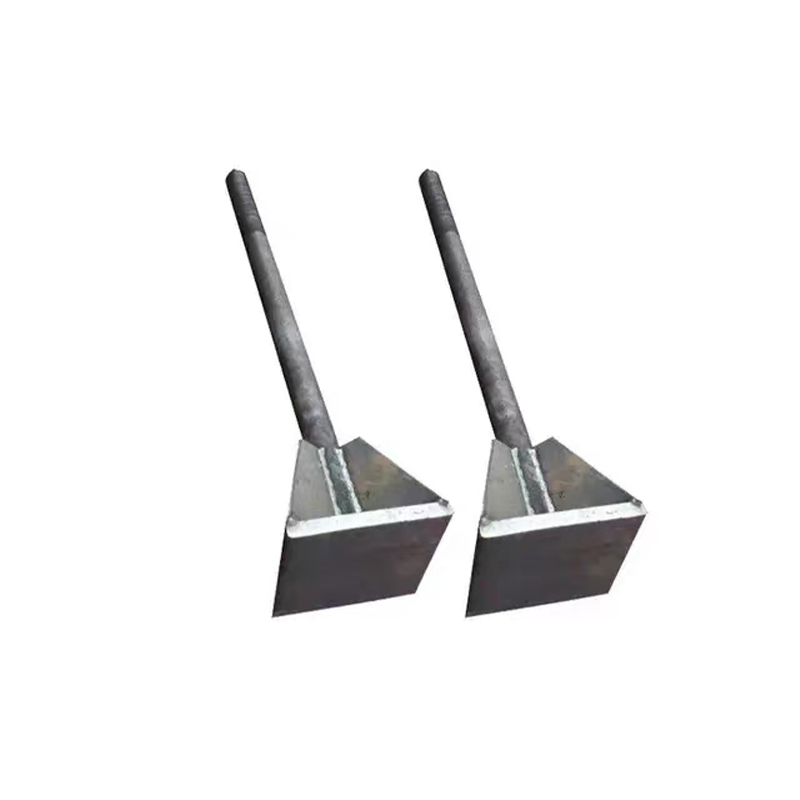 Anchor plak soude (soude plak jete lank)
 -
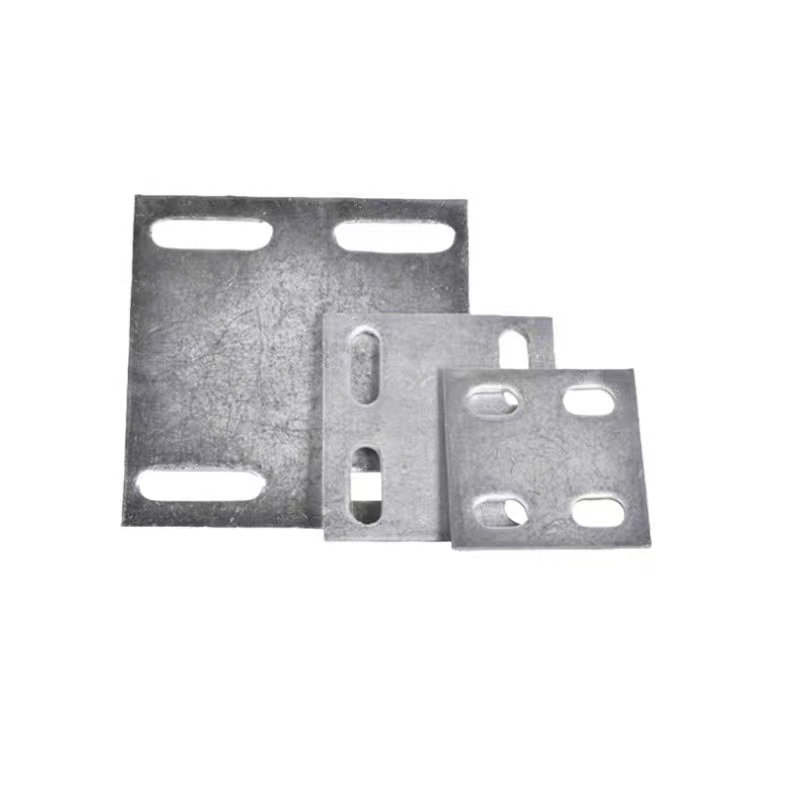 Cho-tranpe plak galvanised entegre