
- English
- Chinese
- French
- German
- Portuguese
- Spanish
- Russian
- Japanese
- Korean
- Arabic
- Irish
- Greek
- Turkish
- Italian
- Danish
- Romanian
- Indonesian
- Czech
- Afrikaans
- Swedish
- Polish
- Basque
- Catalan
- Esperanto
- Hindi
- Lao
- Albanian
- Amharic
- Armenian
- Azerbaijani
- Belarusian
- Bengali
- Bosnian
- Bulgarian
- Cebuano
- Chichewa
- Corsican
- Croatian
- Dutch
- Estonian
- Filipino
- Finnish
- Frisian
- Galician
- Georgian
- Gujarati
- Hausa
- Hawaiian
- Hebrew
- Hmong
- Hungarian
- Icelandic
- Igbo
- Javanese
- Kannada
- Kazakh
- Khmer
- Kurdish
- Kyrgyz
- Latin
- Latvian
- Lithuanian
- Luxembou..
- Macedonian
- Malagasy
- Malay
- Malayalam
- Maltese
- Maori
- Marathi
- Mongolian
- Burmese
- Nepali
- Norwegian
- Pashto
- Persian
- Punjabi
- Serbian
- Sesotho
- Sinhala
- Slovak
- Slovenian
- Somali
- Samoan
- Scots Gaelic
- Shona
- Sindhi
- Sundanese
- Swahili
- Tajik
- Tamil
- Telugu
- Thai
- Ukrainian
- Urdu
- Uzbek
- Vietnamese
- Welsh
- Xhosa
- Yiddish
- Yoruba
- Zulu
- Kinyarwanda
- Tatar
- Oriya
- Turkmen
- Uyghur


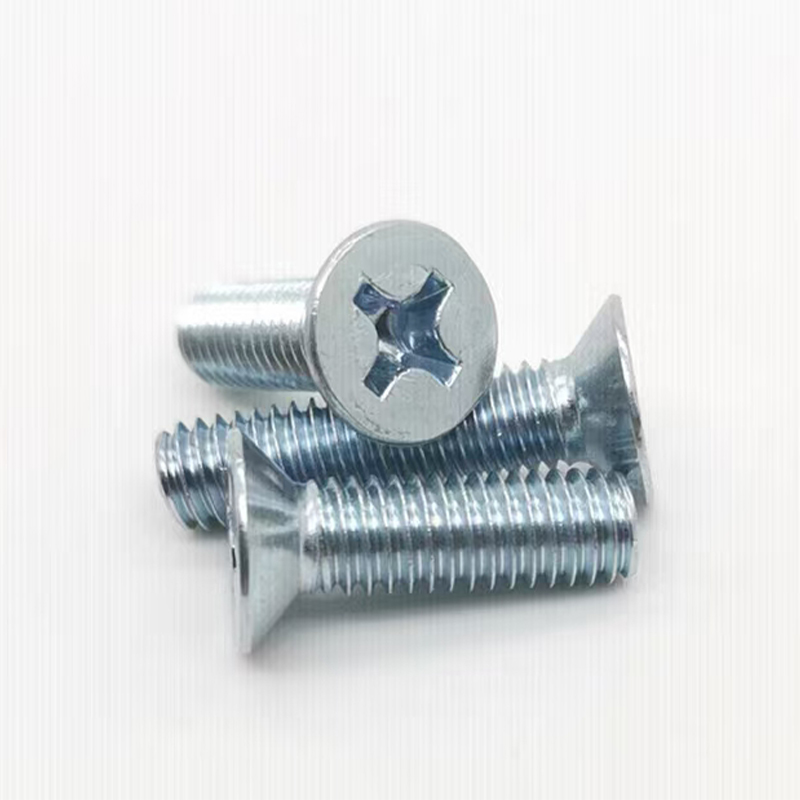
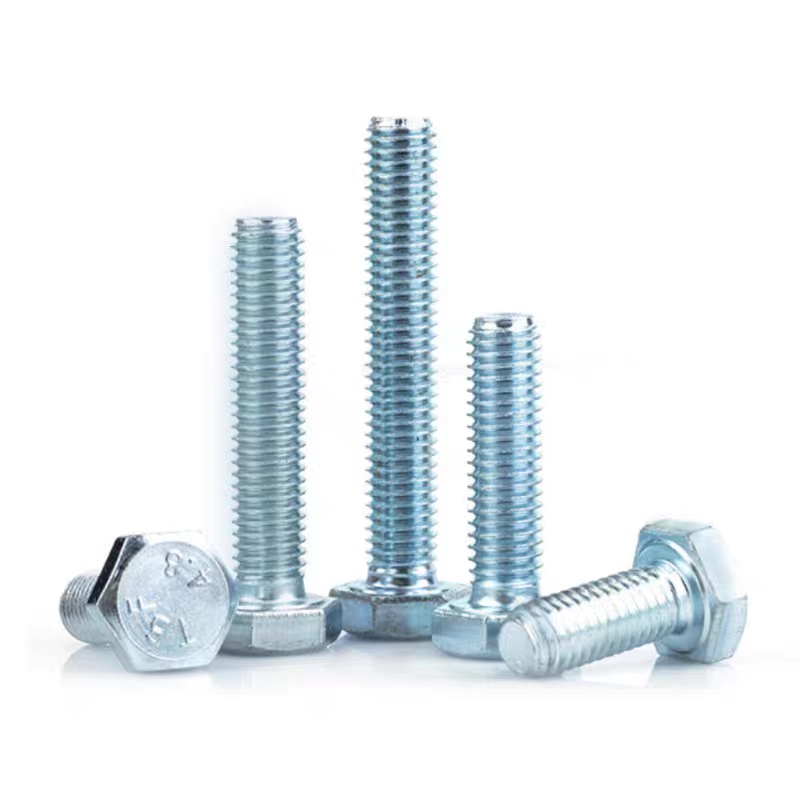
Lachin nwa zenk-plake fil egzèsis egzèsis
The Intricacies of China Black Zinc-Plated Hexagonal Drill Thread
When people think about fasteners, they often skip over the subtle complexities hidden in components like the Lachin nwa zenk-plake fil egzèsis egzèsis. It's not just about holding things together; there's a nuanced world of material science and manufacturing techniques that underline their existence. Troubled by issues of corrosion resistance and mechanical integrity, I've found myself knee-deep in these topics more times than I'd like to admit.
Understanding the Black Zinc-Plating Process
The black zinc-plating – a seemingly simple aspect of the fastener – involves a lot more than just dunking a piece in a solution. This process not only provides a sleek black finish but also enhances corrosion resistance, vital for exposed applications. It's this very layer that can make or break a product under harsh environmental conditions. The ability to offer reliable performance hinges largely on this aspect of production, as I've often discussed with peers in the industry.
From my visits to various manufacturing facilities, including Handan Zitai Fastener Manufacturing Co., Ltd., the largest standard part production base in China, the range of finishes available can be overwhelming. Each has its pros and cons, and choosing the wrong one can lead to unexpected failures. Their location, close to major routes like the Beijing-Guangzhou Railway, ensures they get materials on time, aiding consistency in production.
The role of black zinc-plating becomes particularly pronounced when these components are used in environments where rust could bring operations to a halt. It's an insurer of sorts, protecting the core metal beneath from the wear and tear of daily assaults.
The Role of Hexagonal Design in Functionality
Then there's the hexagonal design aspect of the hexagonal drill thread, primarily chosen for its versatility and ease of use. This shape allows for uniform distribution of load across surfaces, something any engineer would appreciate, especially when working with structures requiring high precision and durability.
I remember a project where the hex design saved us considerable time. The uniformity in distribution made the assembly process smoother and the final structure more resilient to stress. It's a little detail, but it can avert major headaches down the line.
However, the choice of hexagonal over other shapes isn't purely academic. Real-world applications have driven its popularity, providing a balance between easy manipulation with tools and maintaining structural integrity under duress. The shape is crucial in ensuring the fastener remains reliable even in dynamic conditions.
The Challenge of Thread Specifications
Matching thread specifications to application needs – now that's a real challenge. I’ve seen instances where overlooking thread counts or sizes has led to assemblies failing catastrophically. With drill threads, accuracy is non-negotiable. A minor deviation can result in a costly overhaul.
Handan Zitai Fastener Manufacturing Co., Ltd., for example, is not just about scale but also precision. Their expertise comes from years of honing manufacturing techniques to meet varying industrial standards. Access to high-quality raw materials and precision equipment means specified tolerances are met consistently.
The devil truly is in the details. You'd think standardization should streamline things, and to an extent it does, but specificity is where the rubber meets the road. In projects with tight tolerances, miscalculations can ripple through an entire production line, spelling delays or failures.
Applications and Failures: Lessons Learned
When dealing with the Lachin nwa zenk-plake fil egzèsis egzèsis, its applications can be both broad and niche. I've seen them used efficiently in everything from construction to intricate engineering projects. Yet, I've also witnessed inadvertently spectacular failures.
One memorable scenario involved a fastener in a marine setting. Despite proper plating, increased saline exposure unexpectedly accelerated corrosion, leading to a review and subsequent design tweak. It reminded me again that environment plays a crucial role and complacency isn’t an option.
These failures, while frustrating, serve as valuable lessons. Each incident adds to a reservoir of knowledge, not only for those directly involved but collectively across the industry. It’s a cycle that never quite ends, and each iteration hopefully brings about better outcomes.
Reflections on Manufacturing and Innovations
Innovation doesn’t halt for the humble fastener—not in China, not anywhere. Handan Zitai Fastener Manufacturing Co., Ltd., operating from their strategically advantageous position in Hebei Province, exemplifies this proactive approach. Constantly adapting to new standards, materials, and technologies, they illustrate the need for progression even in traditional sectors.
Whether it's enhancing production techniques or revisiting well-trodden paths to glean more insights, the industry is perpetually in flux. These businesses thrive because they refuse stagnation, consistently pushing the boundaries in search of more efficient, reliable results.
Ultimately, the journey of understanding a simple black zinc-plated hexagonal drill thread is one of continuous learning. It's a blend of art and science, experience and experimentation, failure and success. After all, in the world of fasteners, nothing is ever really as simple as it seems.
Ki gen rapò pwodwi
Pwodwi ki gen rapò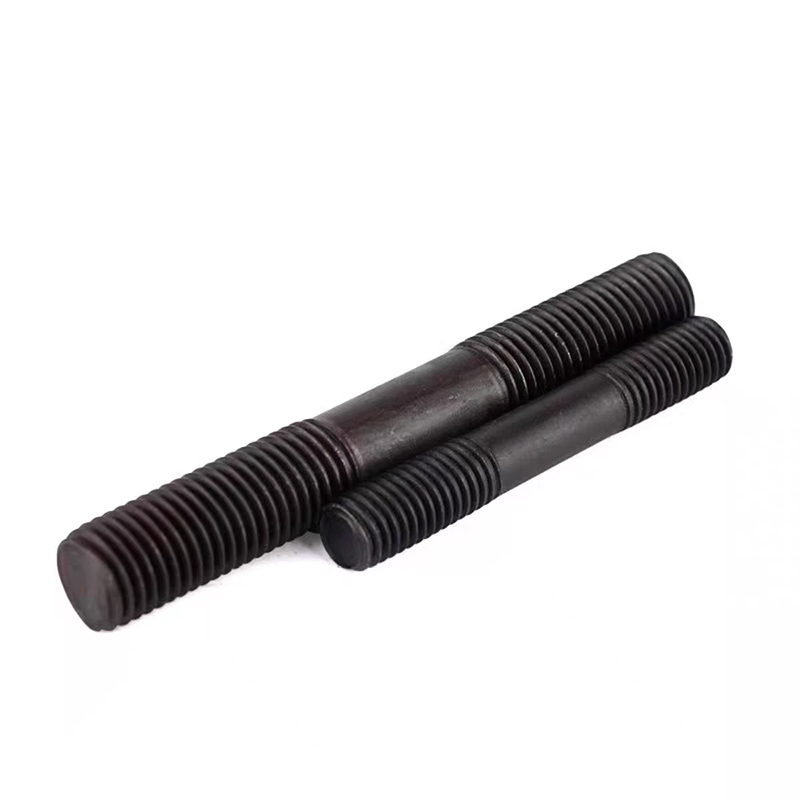
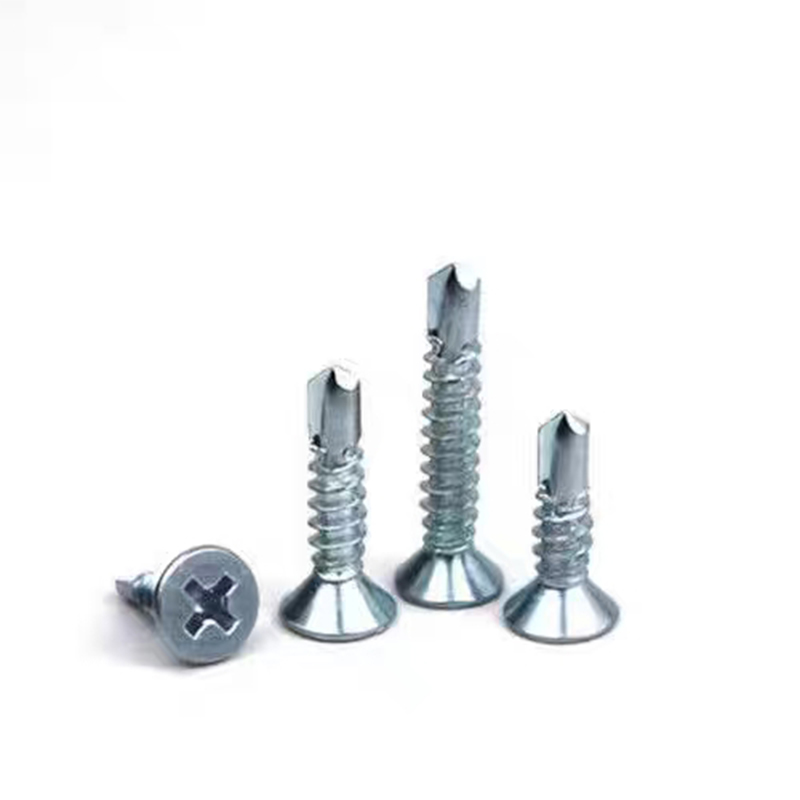
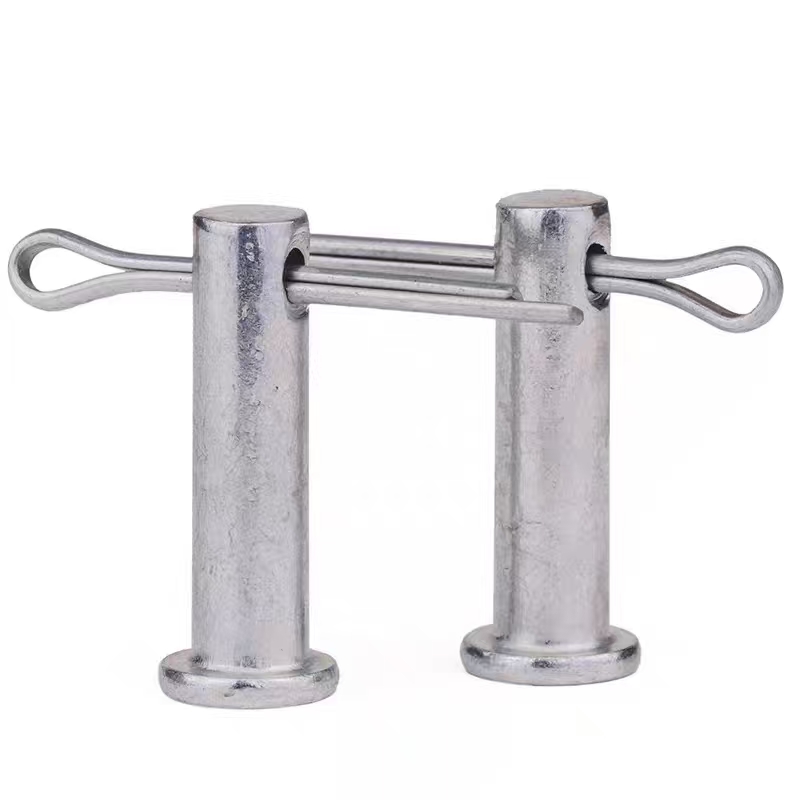
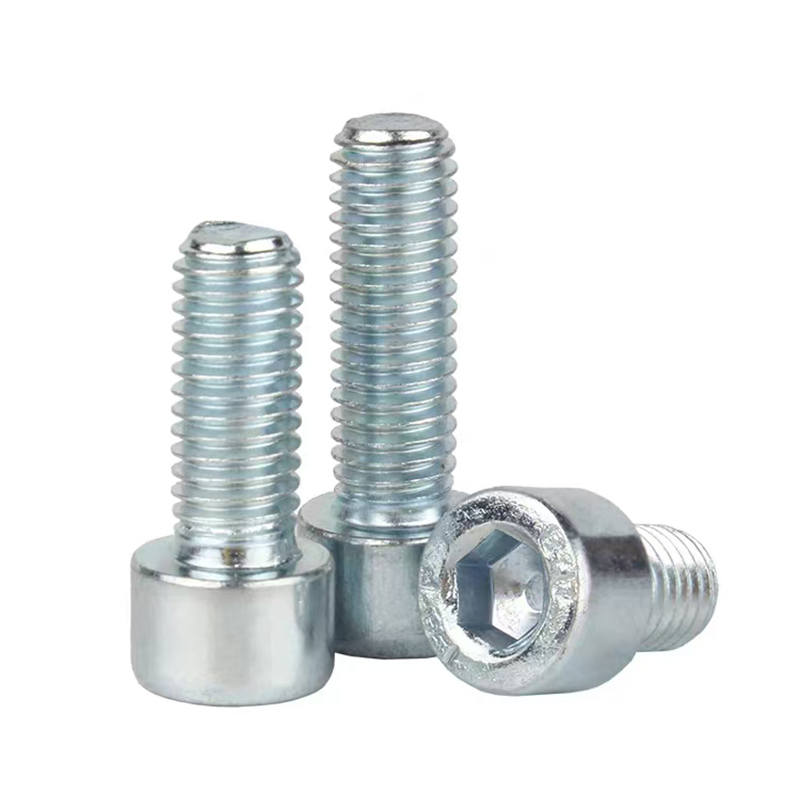
Pi bon vann pwodwi
Pi bon pwodwi vann-
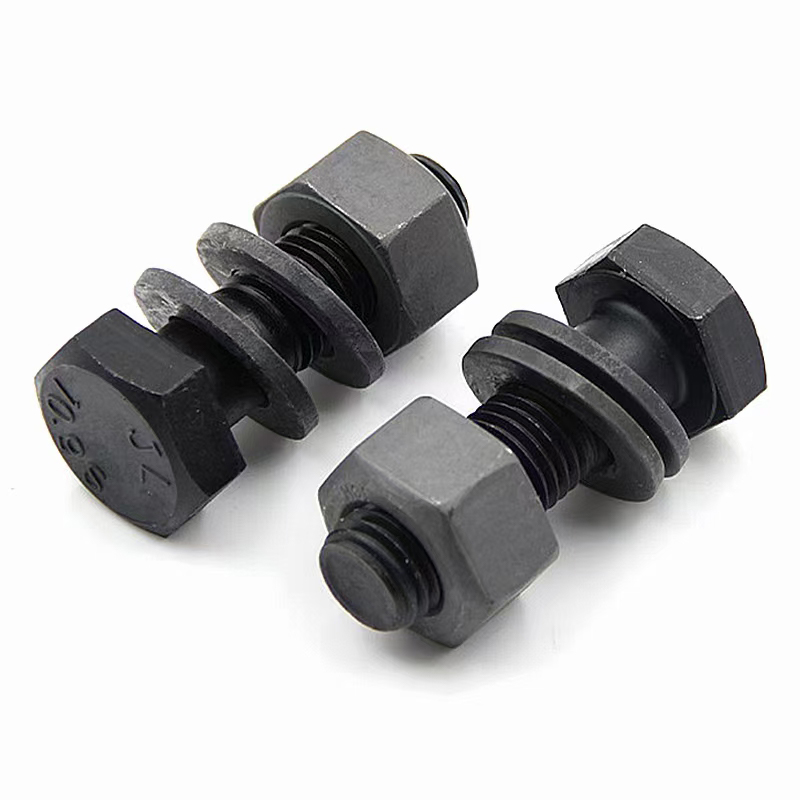 10.9s gwo boulon egzagòn
 -
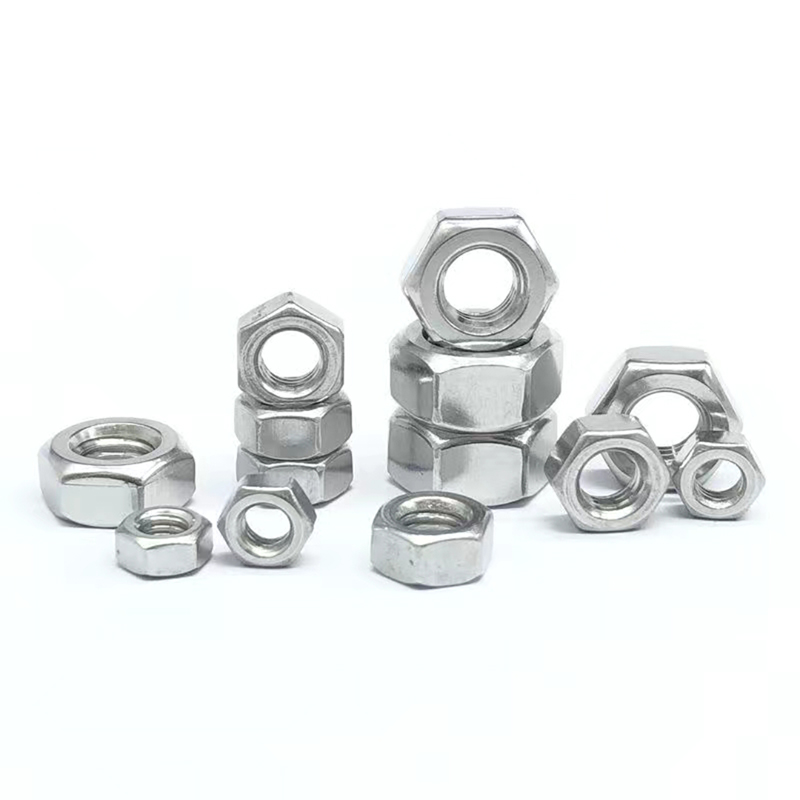 Nwa electrogalvanized
 -
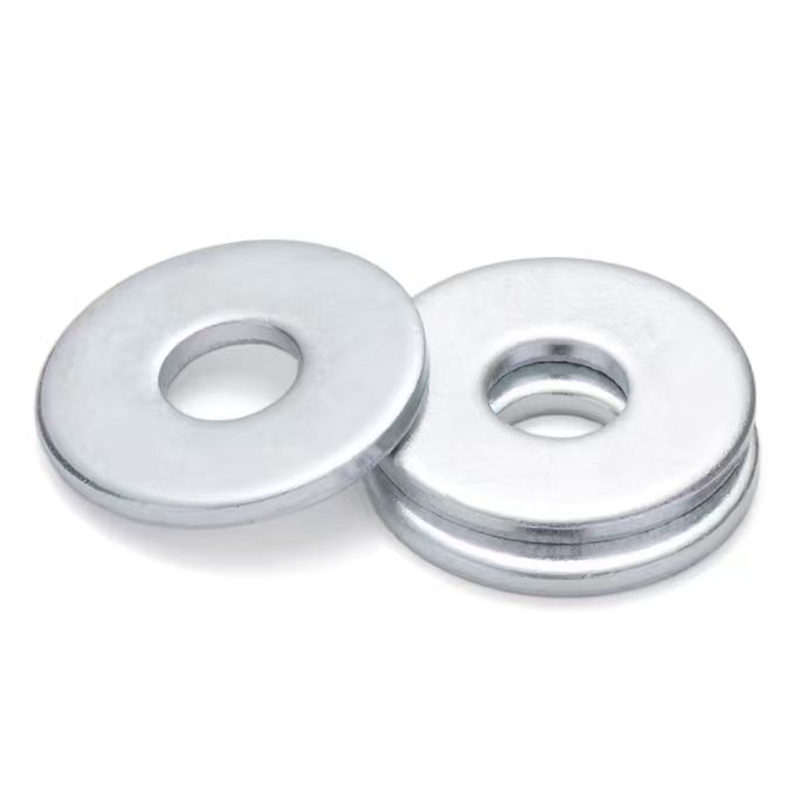 Electroplated Galvanised Galvanised
 -
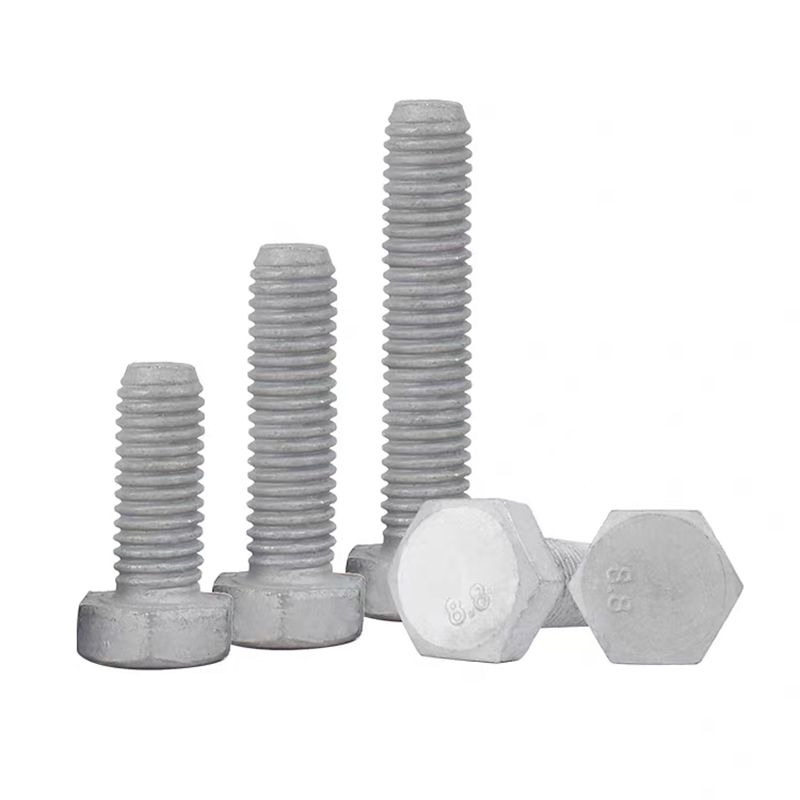 Boulon egzagonal cho-tranpe
 -
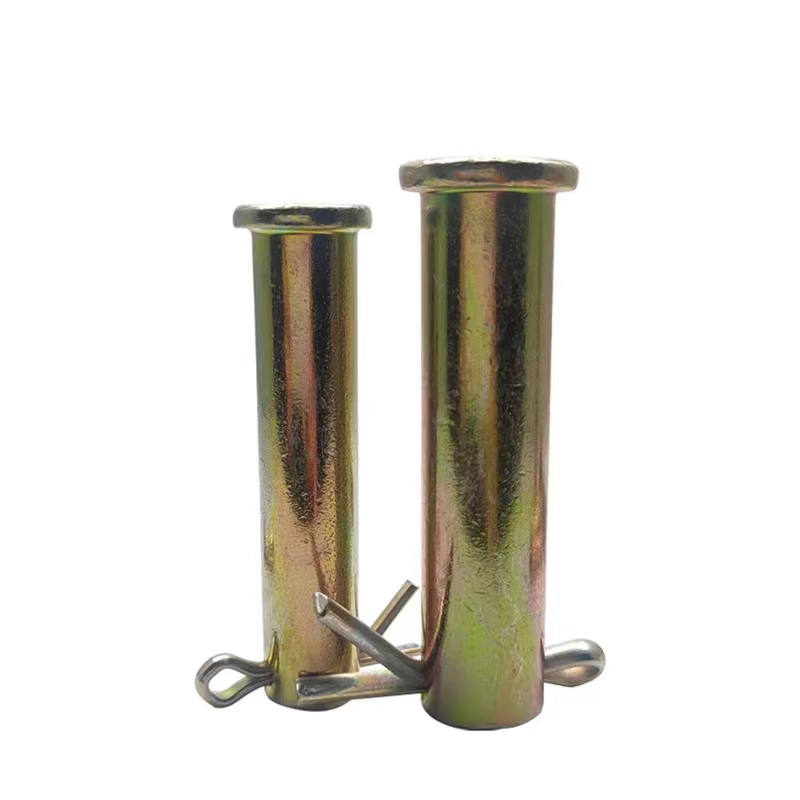 Broch ki gen koulè zenk-plake
 -
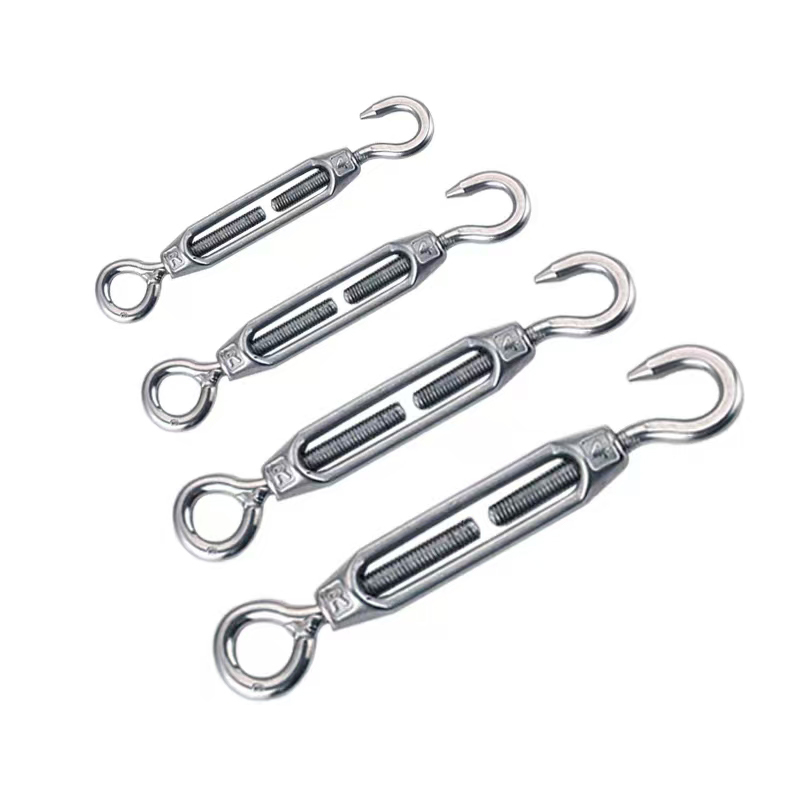 Boulon panyen
 -
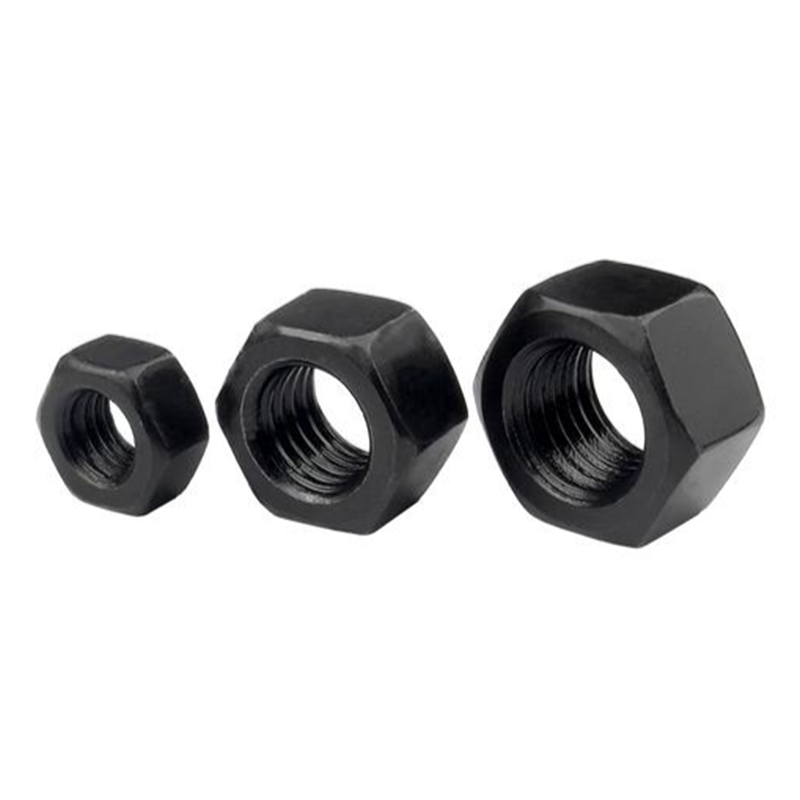 High-fòs nwa nwasi
 -
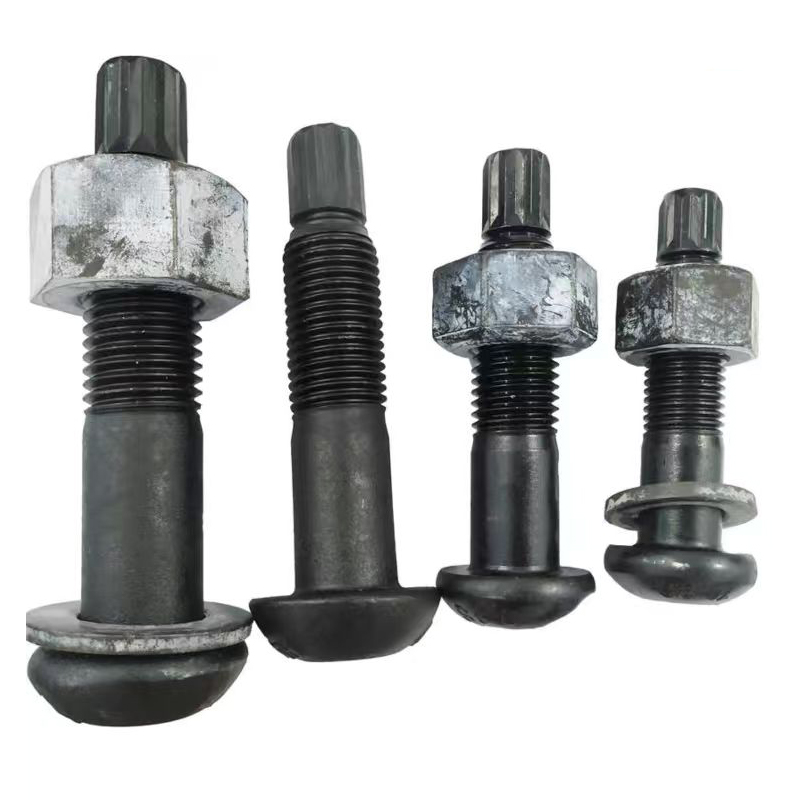 10.9s boulon taye torsion
 -
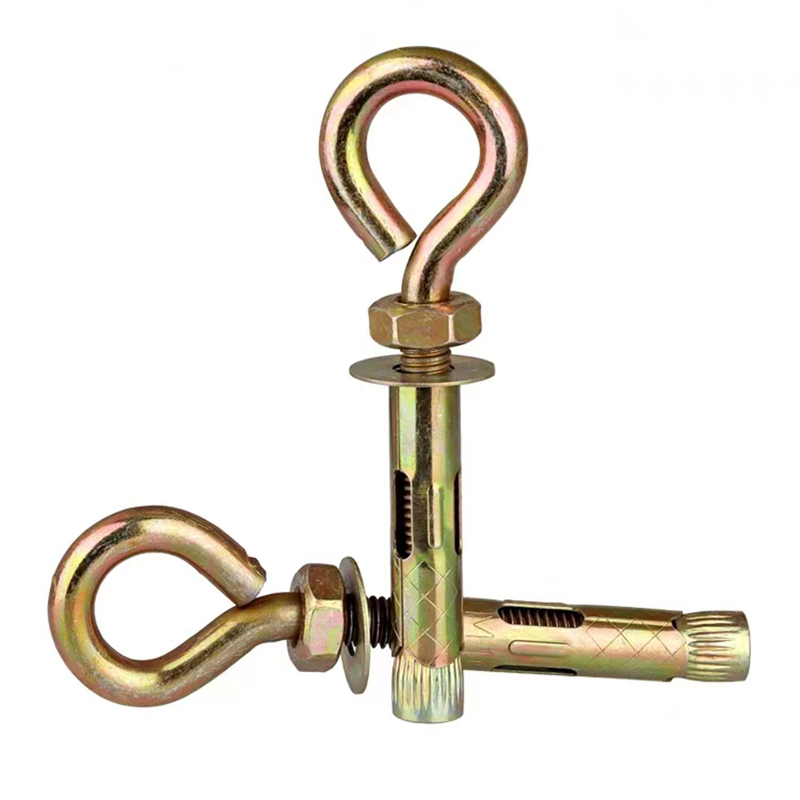 Ki gen koulè pal zenk-plake zen ekspansyon
 -
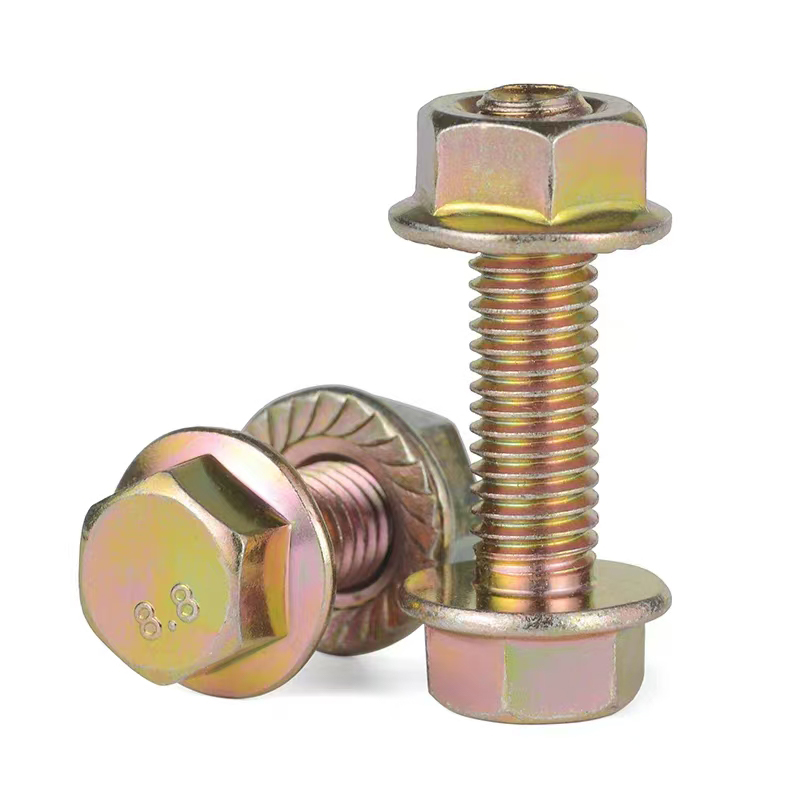 Boulon bride ki gen koulè pal
 -
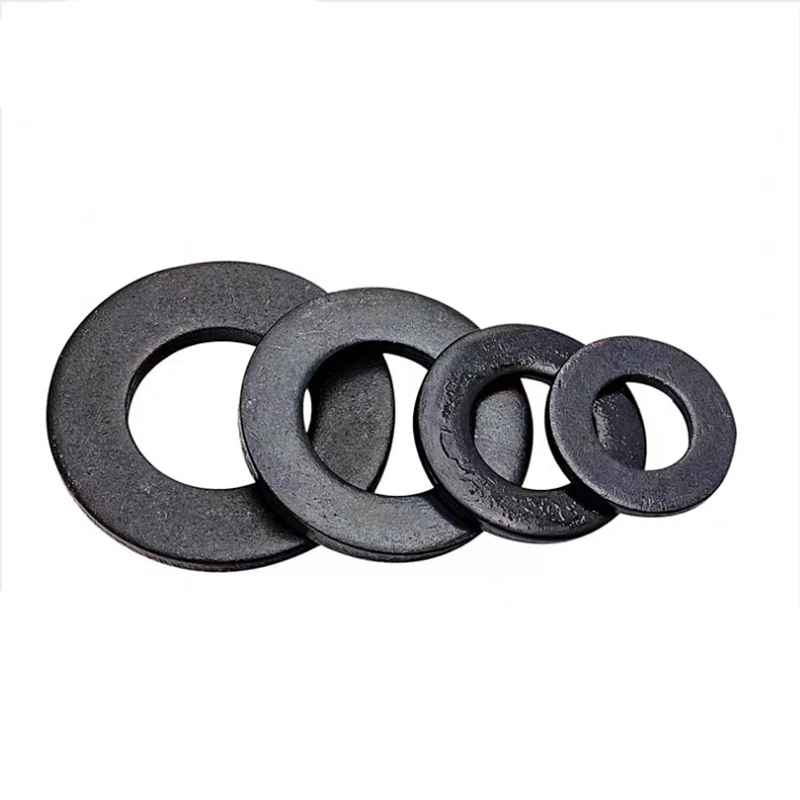 High-fòs nwasi gasket
 -
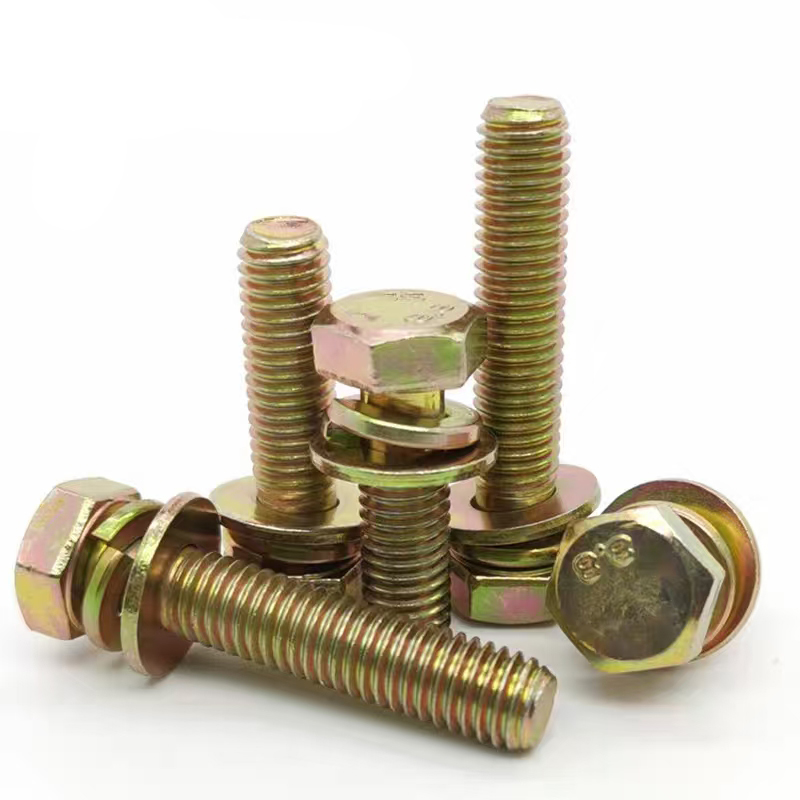 Koulè zenk plake boulon egzagonal


