
- English
- Chinese
- French
- German
- Portuguese
- Spanish
- Russian
- Japanese
- Korean
- Arabic
- Irish
- Greek
- Turkish
- Italian
- Danish
- Romanian
- Indonesian
- Czech
- Afrikaans
- Swedish
- Polish
- Basque
- Catalan
- Esperanto
- Hindi
- Lao
- Albanian
- Amharic
- Armenian
- Azerbaijani
- Belarusian
- Bengali
- Bosnian
- Bulgarian
- Cebuano
- Chichewa
- Corsican
- Croatian
- Dutch
- Estonian
- Filipino
- Finnish
- Frisian
- Galician
- Georgian
- Gujarati
- Hausa
- Hawaiian
- Hebrew
- Hmong
- Hungarian
- Icelandic
- Igbo
- Javanese
- Kannada
- Kazakh
- Khmer
- Kurdish
- Kyrgyz
- Latin
- Latvian
- Lithuanian
- Luxembou..
- Macedonian
- Malagasy
- Malay
- Malayalam
- Maltese
- Maori
- Marathi
- Mongolian
- Burmese
- Nepali
- Norwegian
- Pashto
- Persian
- Punjabi
- Serbian
- Sesotho
- Sinhala
- Slovak
- Slovenian
- Somali
- Samoan
- Scots Gaelic
- Shona
- Sindhi
- Sundanese
- Swahili
- Tajik
- Tamil
- Telugu
- Thai
- Ukrainian
- Urdu
- Uzbek
- Vietnamese
- Welsh
- Xhosa
- Yiddish
- Yoruba
- Zulu
- Kinyarwanda
- Tatar
- Oriya
- Turkmen
- Uyghur


Lachin grafit gasket
Understanding the Importance of China Graphite Gaskets
Graphite gaskets are a crucial component in countless industrial applications due to their excellent sealing capabilities and adaptability. However, there's more nuance to selecting the right gasket than most people initially perceive. Here’s a deeper dive based on firsthand experiences from the field.
The Basics of Graphite Gaskets
To start, a grafit gasket is renowned for its ability to withstand extreme temperatures and pressures while ensuring a tight seal. This is why they're widely used across various industries including petrochemical, energy, and manufacturing. These gaskets consist mostly of flexible graphite, which gives them distinct properties that other materials simply can't match.
Working with China graphite gaskets specifically offers its own set of benefits and challenges. China, as a major global supplier, provides a wide array of options in terms of specifications and customization. Companies like Handan Zitai Fastener Manufacturing Co., Ltd., located in Yongnian District, Hebei Province, play a key role here. Their strategic location enhances logistical efficiency, making it easier for them to distribute products both domestically and internationally.
However, a common error is assuming any graphite gasket will do the job. Industrial environments require careful consideration of the gasket's material compatibility, temperature range, and pressure thresholds to avoid costly failures.
Material Quality and Specifications
When evaluating a Lachin grafit gasket, one must delve into the material quality being offered. The raw graphite's grain structure and purity hugely impact performance. In my early days working with gaskets, I learned the hard way that ignoring these details often leads to premature wear and system inefficiencies.
Handan Zitai Fastener Manufacturing Co., Ltd. provides a range of gaskets that can be tailored to specific applications, whether you need them for high-pressure environments or for more moderate applications. Their website, zitaifasteners.com, is an excellent resource for exploring these options.
A word of advice: Always request technical sheets and, if possible, samples. Conduct your own stress tests or work with a supplier who can provide honest performance assessments.
Installation Considerations
Proper installation is as important as selecting the right gasket. I’ve witnessed situations where even a high-quality gasket, poorly installed, ended up failing during operations. Precision is key.
Training your maintenance team on the nuances of handling and installing these gaskets will minimize such risks. It’s often worth investing in training sessions offered by manufacturers.
Moreover, collaboration with a company close to major transportation hubs, like Handan Zitai located near the Beijing-Guangzhou Railway and major highways, ensures that you have timely access to parts and technical services.
Defi komen ak solisyon yo
One recurring challenge in the industry is dealing with rapid temperature fluctuations which can mislead the expansion and contraction behavior of graphite. Addressing this requires deep familiarity with both the gasket material and the operational environment.
My practical experience suggests using composite gaskets that incorporate materials such as stainless steel to balance out graphite’s limitations in certain scenarios. This hybrid approach often offers the best of both worlds, combining flexibility with strength.
Don’t hesitate to ask your supplier about alternative material configurations. They can offer invaluable insights tailored to your specific use-case scenario.
Future Trends
The advancements in manufacturing technology are poised to further enhance the capabilities of China graphite gaskets. For instance, innovations in composite materials promise to deliver even more resilient gaskets with broader application scopes.
Staying updated with market trends and advancements from leading manufacturers such as Handan Zitai Fastener Manufacturing Co., Ltd. can give you a competitive edge. Regularly checking in on industry publications and supplier news can keep you informed of the latest developments.
Ultimately, the key is to never stop learning and adjusting. The more you understand the capabilities and limitations of graphite gaskets, the more effectively you can leverage their strengths in your applications.
Ki gen rapò pwodwi
Pwodwi ki gen rapò
Pi bon vann pwodwi
Pi bon pwodwi vann-
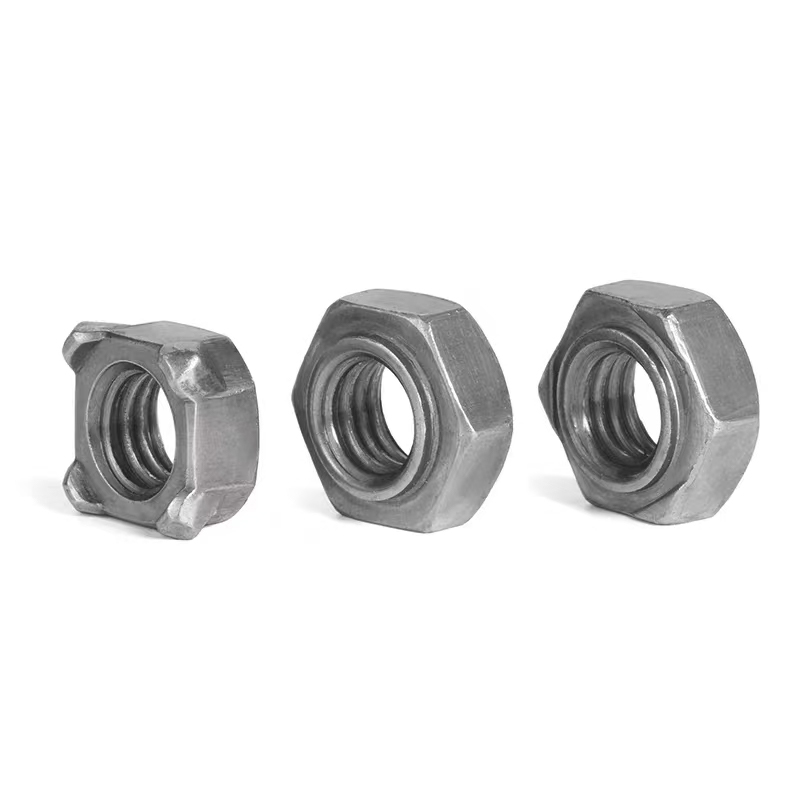 Nwa soude (nwa soude)
 -
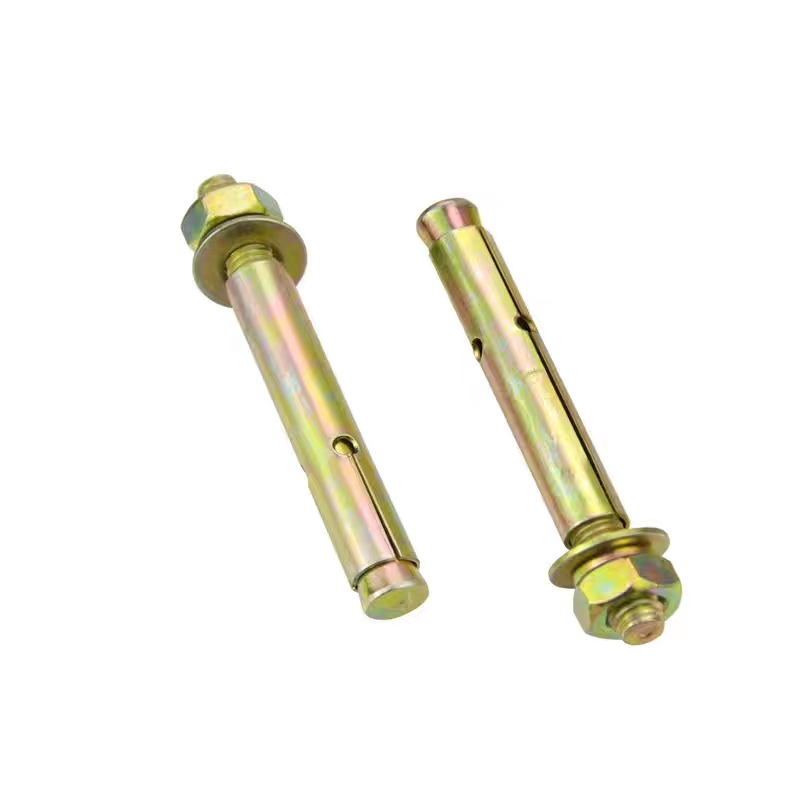 Boulon ekspansyon ki gen koulè pal zenk
 -
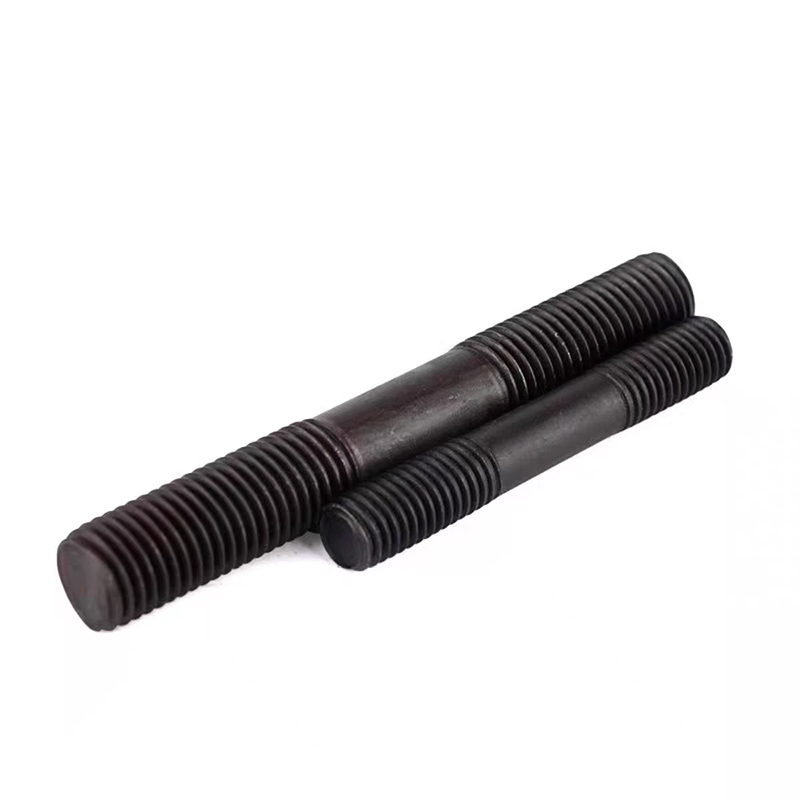 Boulon stud
 -
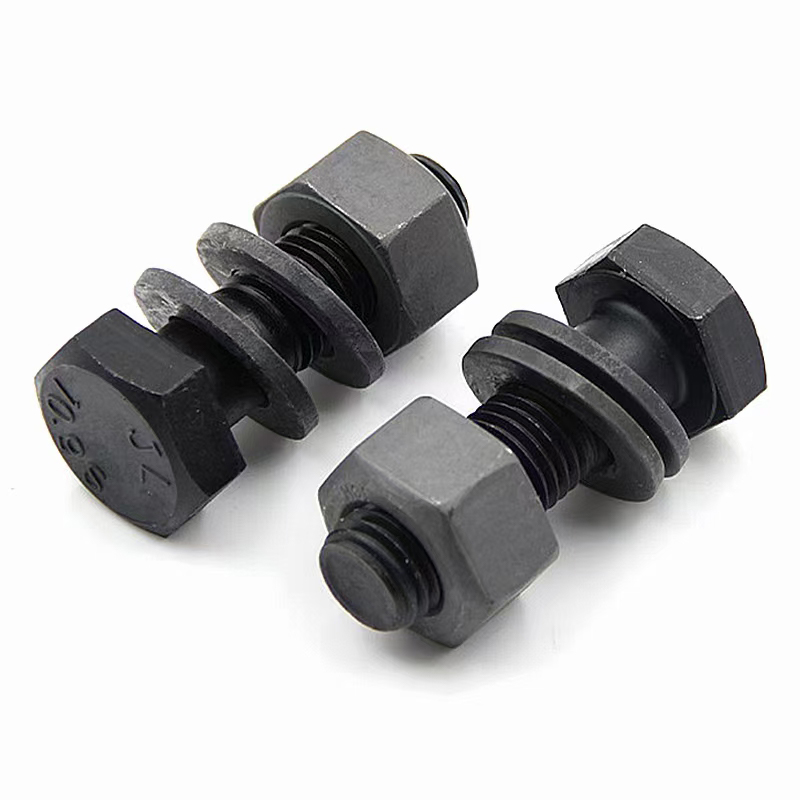 10.9s gwo boulon egzagòn
 -
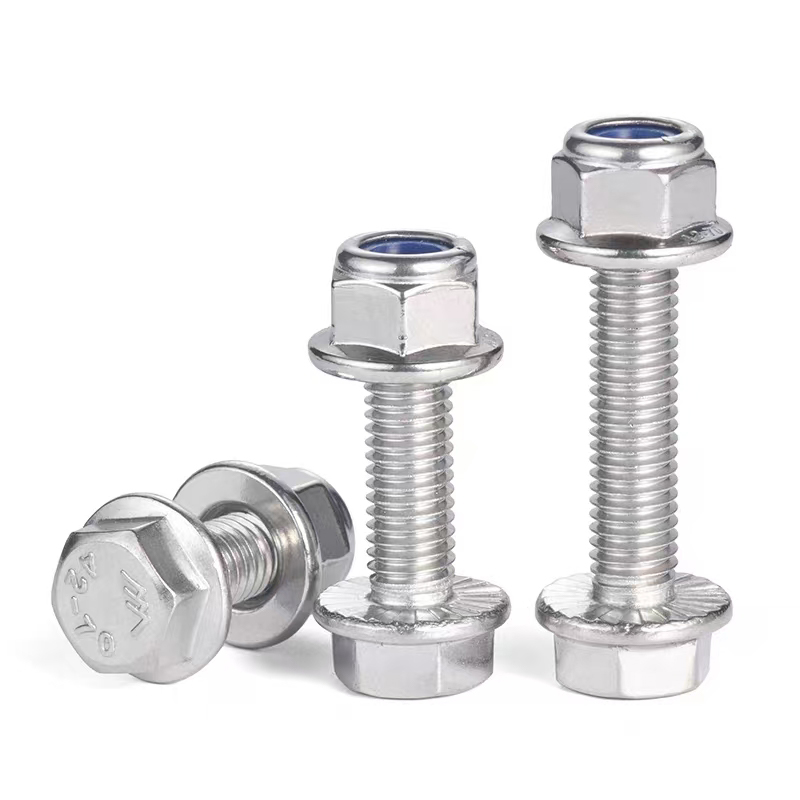 Boulon bride zenk elèktroplated
 -
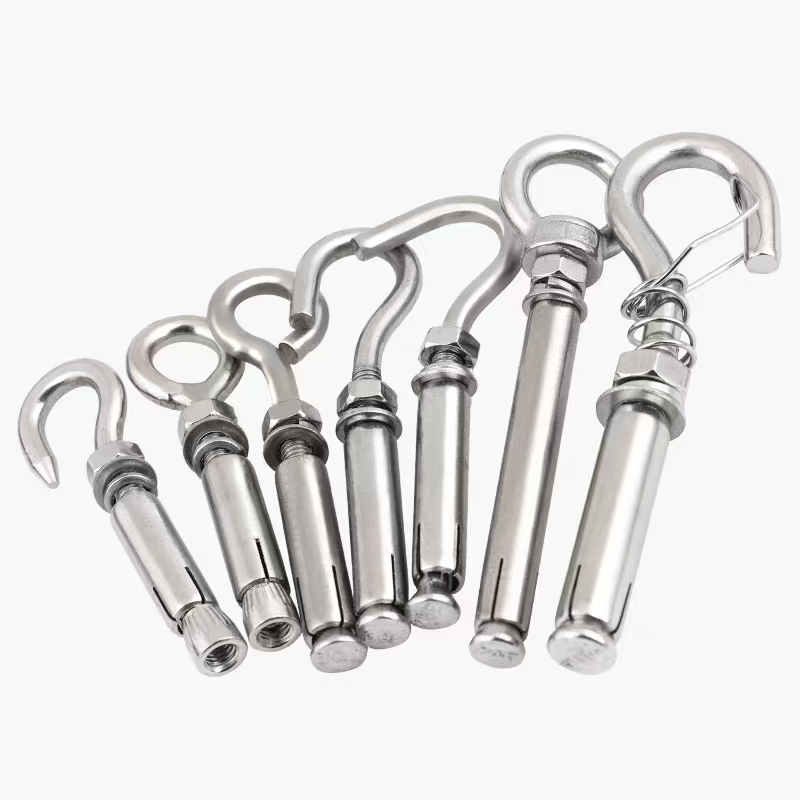 Electro-galvanised ekspansyon zen
 -
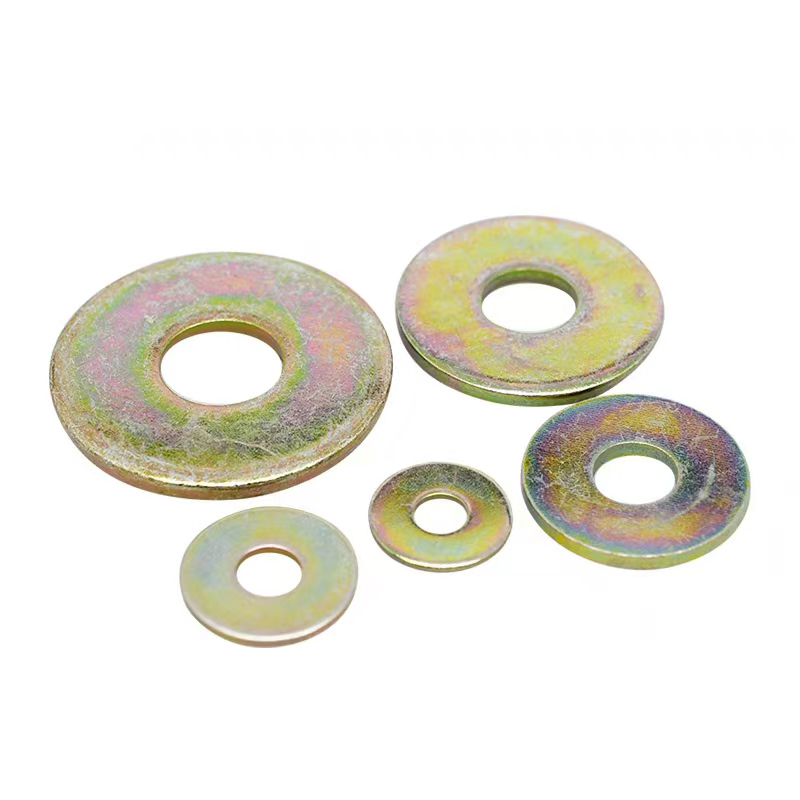 Ki gen koulè zenk-plake garnitur
 -
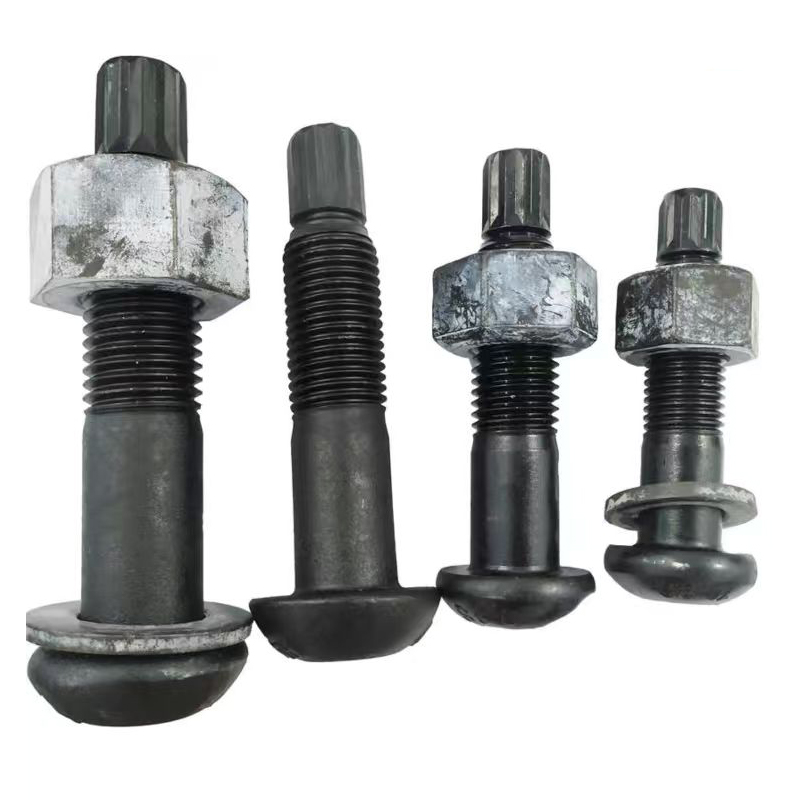 10.9s boulon taye torsion
 -
 Nwa electrogalvanized
 -
 Boulon egzagonal cho-tranpe
 -
 Electro-galvanised fil egzèsis egzèsis
 -
 Nwa ki gen koulè pal zenk


