
- English
- Chinese
- French
- German
- Portuguese
- Spanish
- Russian
- Japanese
- Korean
- Arabic
- Irish
- Greek
- Turkish
- Italian
- Danish
- Romanian
- Indonesian
- Czech
- Afrikaans
- Swedish
- Polish
- Basque
- Catalan
- Esperanto
- Hindi
- Lao
- Albanian
- Amharic
- Armenian
- Azerbaijani
- Belarusian
- Bengali
- Bosnian
- Bulgarian
- Cebuano
- Chichewa
- Corsican
- Croatian
- Dutch
- Estonian
- Filipino
- Finnish
- Frisian
- Galician
- Georgian
- Gujarati
- Hausa
- Hawaiian
- Hebrew
- Hmong
- Hungarian
- Icelandic
- Igbo
- Javanese
- Kannada
- Kazakh
- Khmer
- Kurdish
- Kyrgyz
- Latin
- Latvian
- Lithuanian
- Luxembou..
- Macedonian
- Malagasy
- Malay
- Malayalam
- Maltese
- Maori
- Marathi
- Mongolian
- Burmese
- Nepali
- Norwegian
- Pashto
- Persian
- Punjabi
- Serbian
- Sesotho
- Sinhala
- Slovak
- Slovenian
- Somali
- Samoan
- Scots Gaelic
- Shona
- Sindhi
- Sundanese
- Swahili
- Tajik
- Tamil
- Telugu
- Thai
- Ukrainian
- Urdu
- Uzbek
- Vietnamese
- Welsh
- Xhosa
- Yiddish
- Yoruba
- Zulu
- Kinyarwanda
- Tatar
- Oriya
- Turkmen
- Uyghur


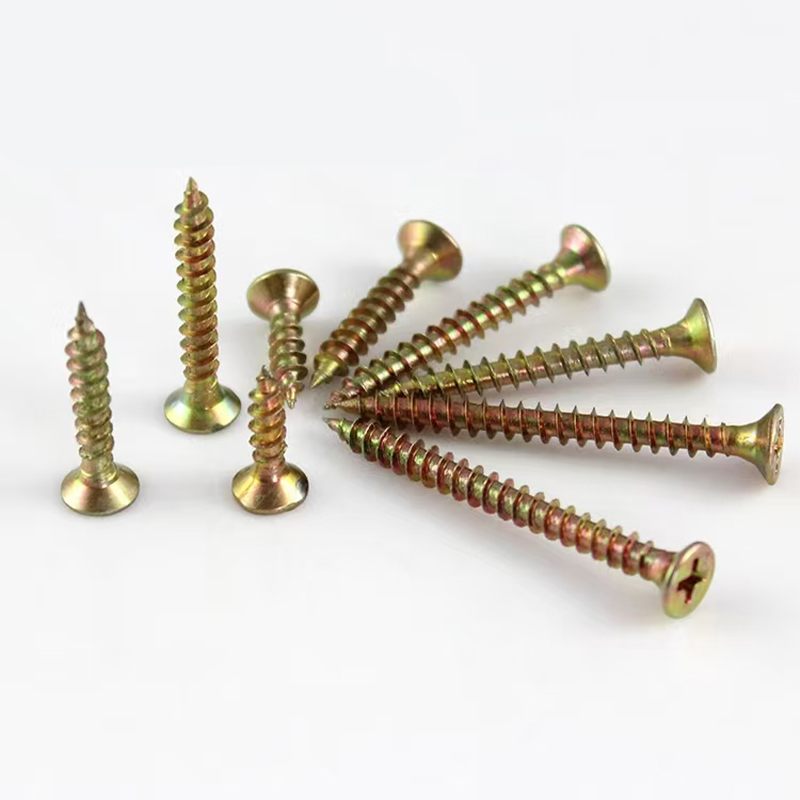
Cross countersunk drill thread
Understanding the Cross Countersunk Drill Thread Technique
This article dives deep into the nuances of the cross countersunk drill thread method, a vital technique in fastening technology. Often misunderstood or misapplied, mastering it can significantly enhance project durability and safety.
The Basics of Cross Countersunk Drill Thread
Nan nwayo li, yon cross countersunk drill thread combines two distinct processes: countersinking and drilling. The aim is to achieve a flush surface where the screw or bolt sits level with or below the material surface, essential for certain structural and aesthetic requirements.
I still recall my early days in the field, working on a project where improper countersinking led to major alignment issues. A slight misjudgment in depth or angle can lead to significant complications, including compromised thread integrity or weakened material. This highlights the need for precise execution during installation.
Companies like Handan Zitai Fastener Manufacturing Co., Ltd., located in Handan City, Hebei Province, hold a wealth of expertise in this area. Their strategic location provides immediate access to key transportation routes, aiding efficient distribution of high-standard fasteners across China and beyond.
Why Precision Matters
Precision in drilling and countersinking directly affects the final outcome. An imprecise cut can cause the screw to sit improperly, affecting both structural integrity and appearance. For instance, when I worked in a high-stakes aerospace project, even a minor misalignment in the fastener placement was non-negotiable due to strict safety standards.
In workshops, discussions often revolve around the minutiae of tool selection—diameter, angle, and countersink depth must be carefully determined based on the specific requirements of the project. This ensures the fastener holds firmly without damaging the substrate.
Zitai Fasteners often emphasize the importance of using high-quality, specifically designed screws and bolts to complement the countersinking process. With their extensive experience, they make a valuable partner in ensuring that every detail is up to par.
Common Mistakes and How to Avoid Them
From my experience, the three most common pitfalls are improper tool selection, incorrect depth setting, and failure to consider material type. Each material—whether metal, wood, or composite—behaves differently under stress, so adapting your approach is crucial.
I once made the mistake of using the wrong drill bit size, which compromised an entire batch of components. The only fix was labor-intensive rework, clearly demonstrating the importance of initial diligence.
When working with new materials, it’s worth experimenting with test pieces. This helps avoid costly errors and is a standard practice at many quality-centric manufacturing businesses, including those at Zitai's scale.
Konsiderasyon materyèl
The choice of material impacts how you approach the cross countersunk drill thread process. Metals require different treatment compared to wood or composites. Metals might need lubrication to reduce friction, while certain woods can splinter if not handled with care.
I remember a particular type of steel that was unusually hard, requiring modified drill bits and a slower drilling speed. This kind of adaptability is crucial in achieving desired outcomes without compromising efficiency or damaging materials.
This expertise is what sets experienced manufacturers apart. Zitai, for example, invests in R&D to constantly refine these techniques and adapt to new material demands, maintaining competitive quality standards.
Advanced Techniques and Innovations
Over the years, advanced machining techniques have revolutionized traditional processes. Computerized Numeric Control (CNC) machines now allow for more precise drilling and countersinking, minimizing human error.
The integration of advanced monitoring technology ensures consistency and quality control. During one of my projects, real-time monitoring systems helped identify slight deviations that could be corrected immediately, ensuring perfection in every piece.
Handan Zitai Fastener Manufacturing Co., Ltd. embraces such innovations, with their strategically located facility leveraging cutting-edge technology to cement their position as a leader in the fastener industry.
Ultimately, understanding and efficiently executing the cross countersunk drill thread method can greatly influence the success of construction projects, from foundational engineering to high-stakes aerospace applications. Bringing together the right tools, materials, and expertise is key—and outlets like Zitai continue to champion these standards in the industry.
Ki gen rapò pwodwi
Pwodwi ki gen rapò
Pi bon vann pwodwi
Pi bon pwodwi vann-
 Electroplated galvanised nwa bride (bride figi nwa)
 -
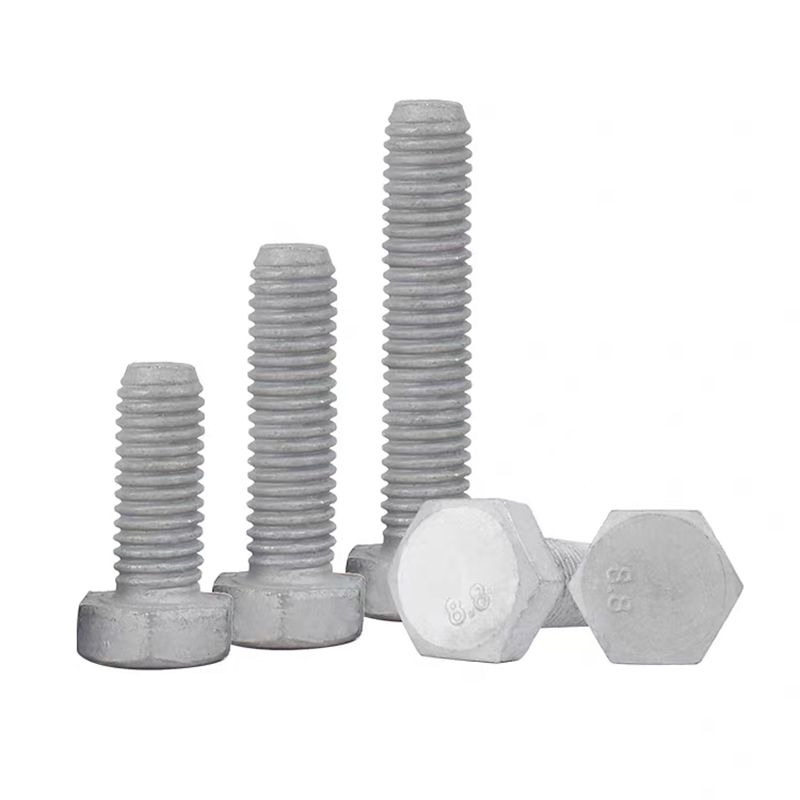 Boulon egzagonal cho-tranpe
 -
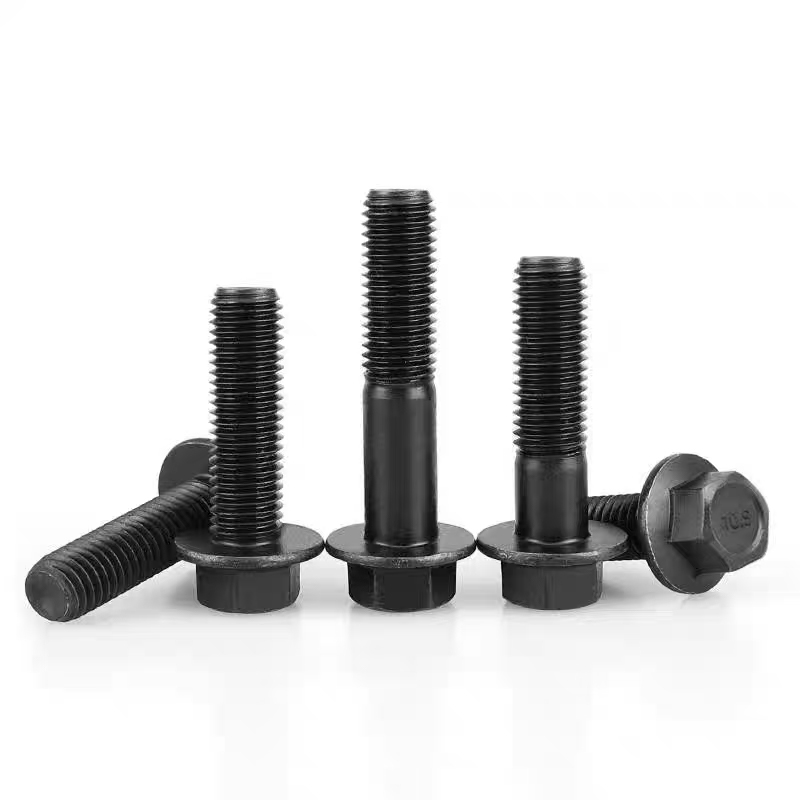 Boulon bride zenk nwa
 -
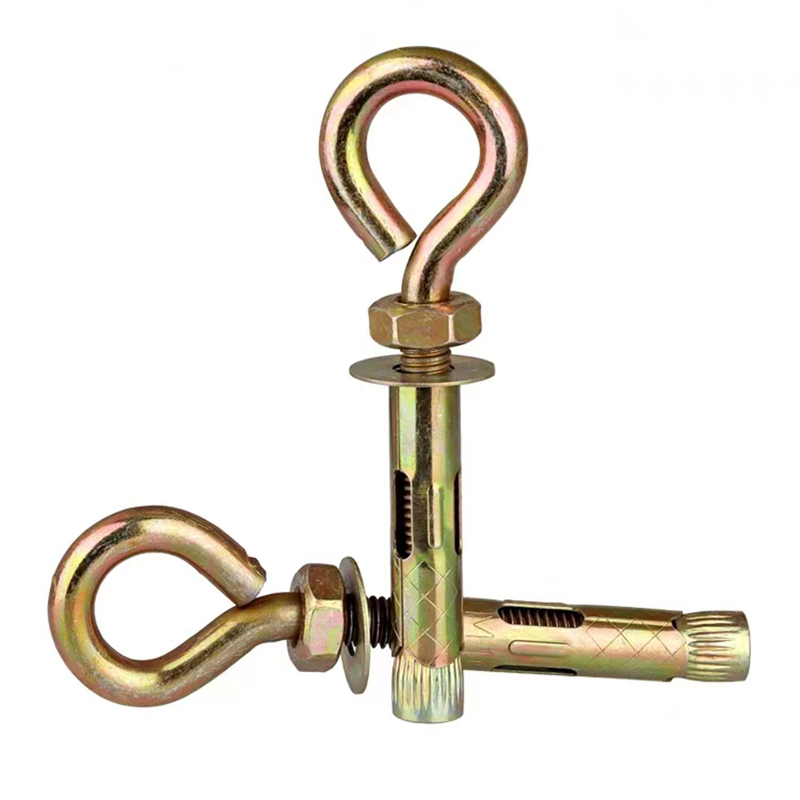 Ki gen koulè pal zenk-plake zen ekspansyon
 -
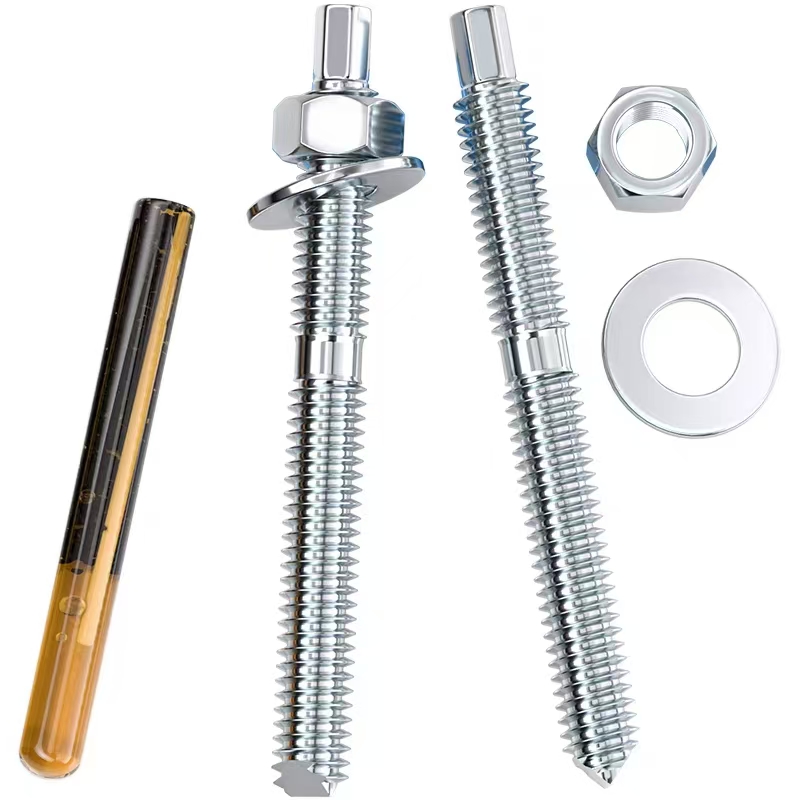 Boulon chimik elektwogalvanize
 -
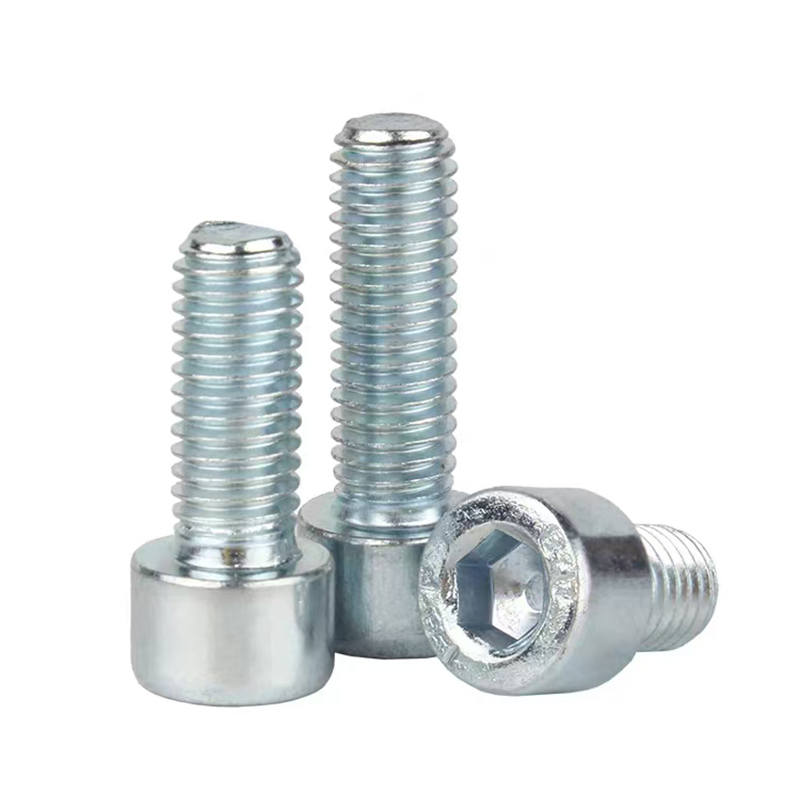 Egzagòn Socket Electrogalvanized boulon
 -
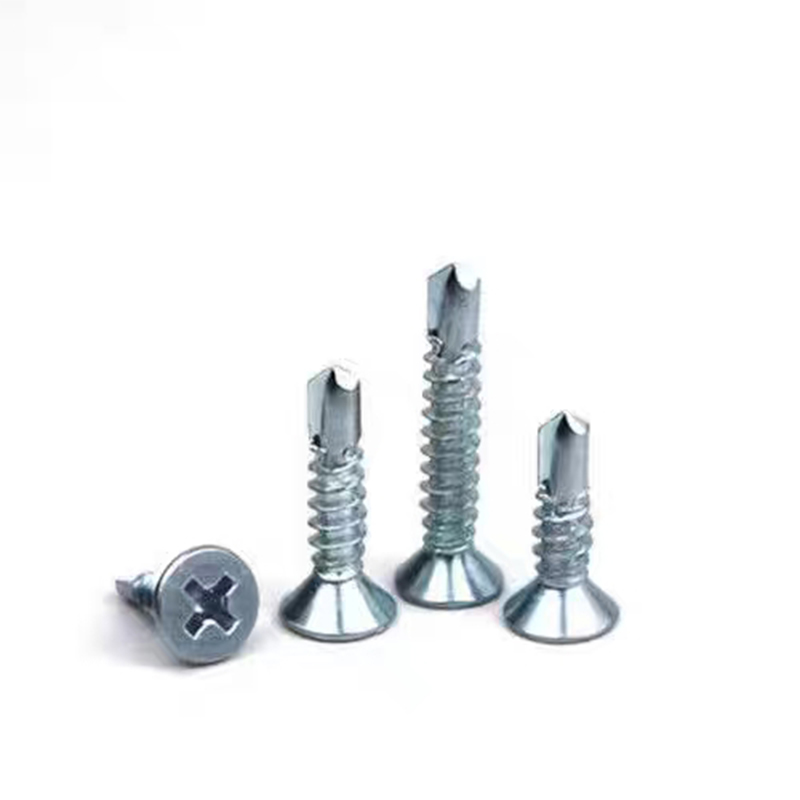 Electrogalvanized Cross Countersunk Drill Fil
 -
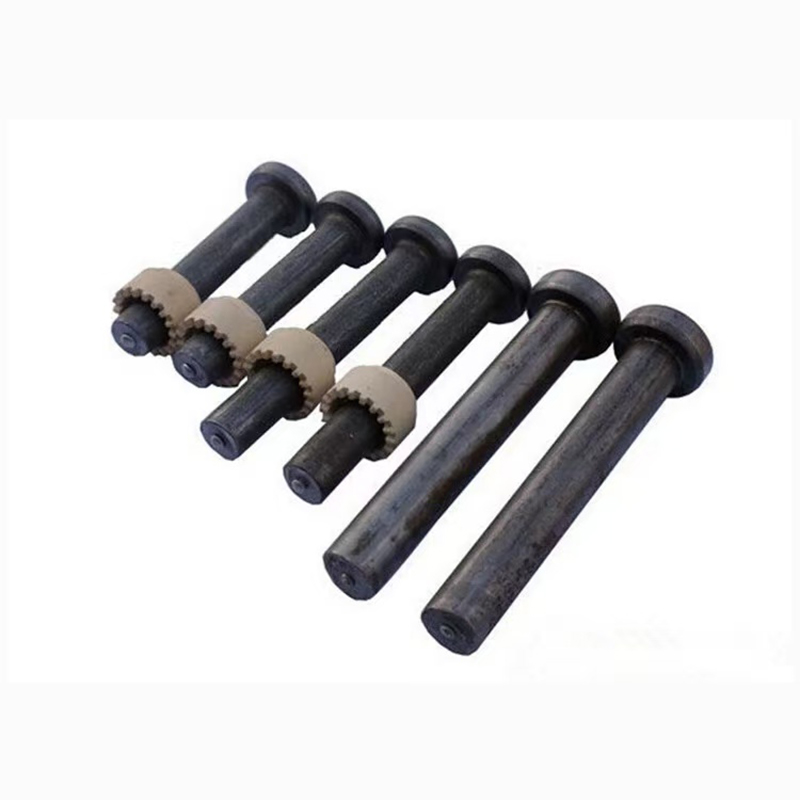 Klou soude
 -
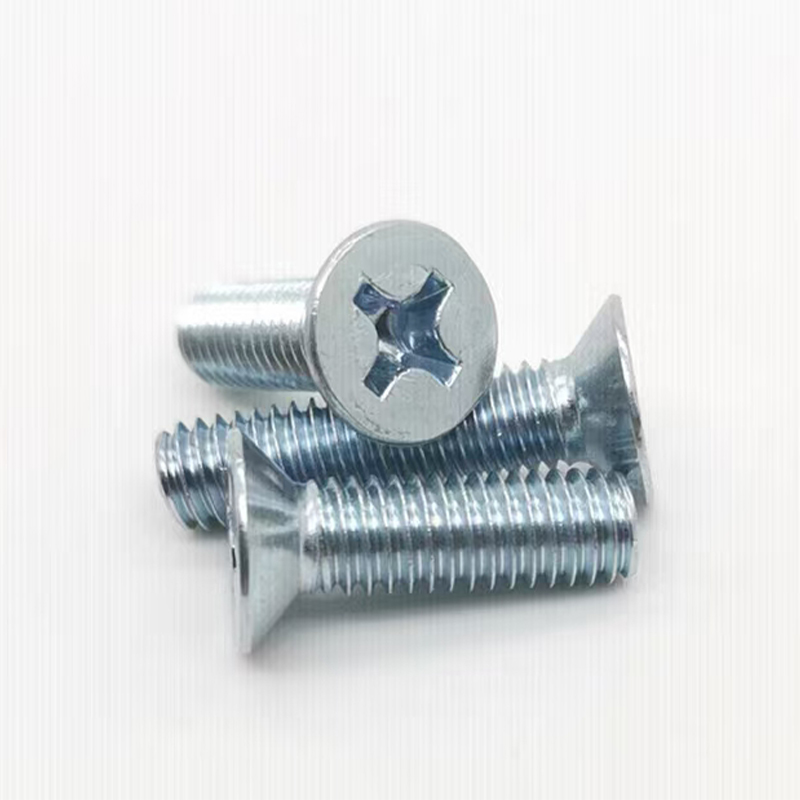 Elektwo-galvanised countersunk boulon kwa
 -
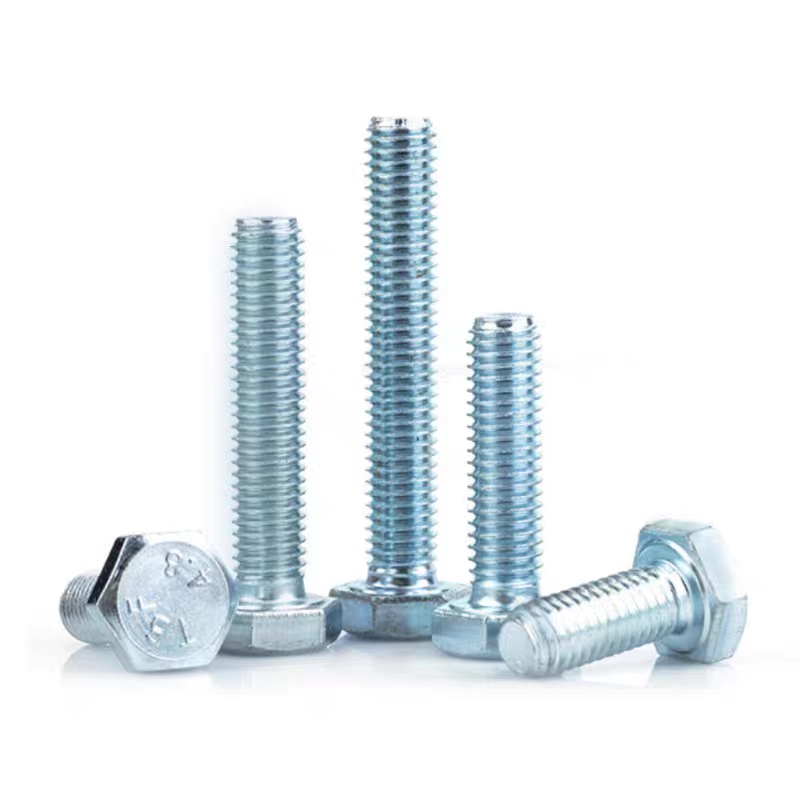 Boulon egzagonal
 -
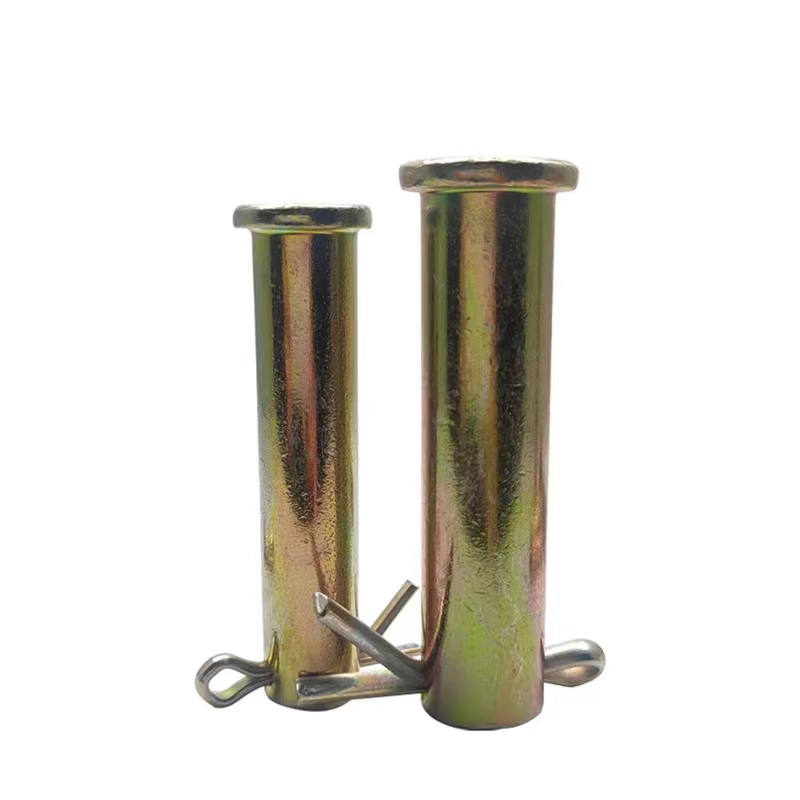 Broch ki gen koulè zenk-plake
 -
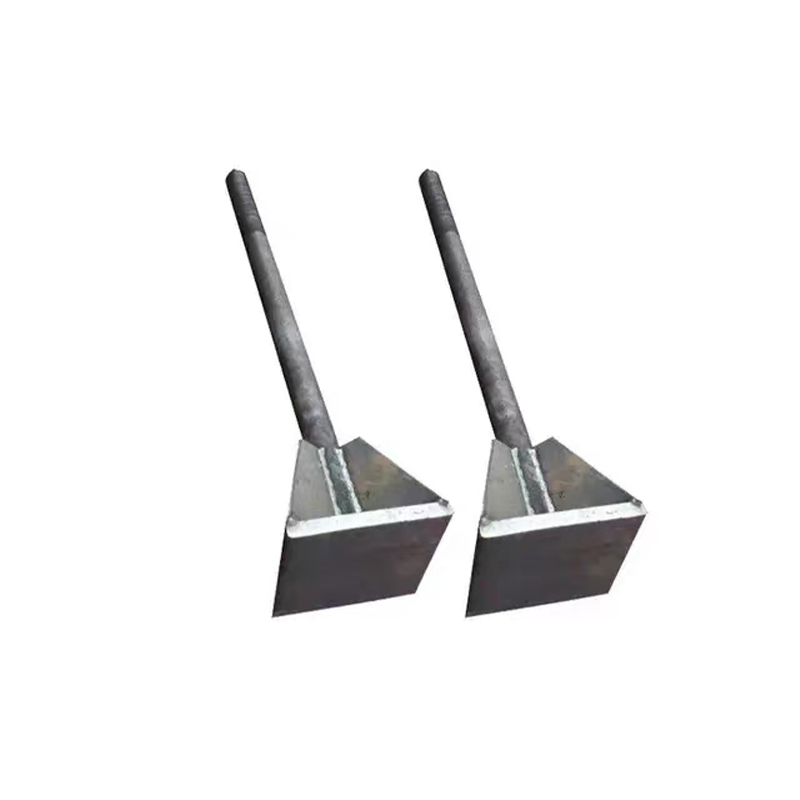 Anchor plak soude (soude plak jete lank)


