- English
- Chinese
- French
- German
- Portuguese
- Spanish
- Russian
- Japanese
- Korean
- Arabic
- Irish
- Greek
- Turkish
- Italian
- Danish
- Romanian
- Indonesian
- Czech
- Afrikaans
- Swedish
- Polish
- Basque
- Catalan
- Esperanto
- Hindi
- Lao
- Albanian
- Amharic
- Armenian
- Azerbaijani
- Belarusian
- Bengali
- Bosnian
- Bulgarian
- Cebuano
- Chichewa
- Corsican
- Croatian
- Dutch
- Estonian
- Filipino
- Finnish
- Frisian
- Galician
- Georgian
- Gujarati
- Hausa
- Hawaiian
- Hebrew
- Hmong
- Hungarian
- Icelandic
- Igbo
- Javanese
- Kannada
- Kazakh
- Khmer
- Kurdish
- Kyrgyz
- Latin
- Latvian
- Lithuanian
- Luxembou..
- Macedonian
- Malagasy
- Malay
- Malayalam
- Maltese
- Maori
- Marathi
- Mongolian
- Burmese
- Nepali
- Norwegian
- Pashto
- Persian
- Punjabi
- Serbian
- Sesotho
- Sinhala
- Slovak
- Slovenian
- Somali
- Samoan
- Scots Gaelic
- Shona
- Sindhi
- Sundanese
- Swahili
- Tajik
- Tamil
- Telugu
- Thai
- Ukrainian
- Urdu
- Uzbek
- Vietnamese
- Welsh
- Xhosa
- Yiddish
- Yoruba
- Zulu
- Kinyarwanda
- Tatar
- Oriya
- Turkmen
- Uyghur


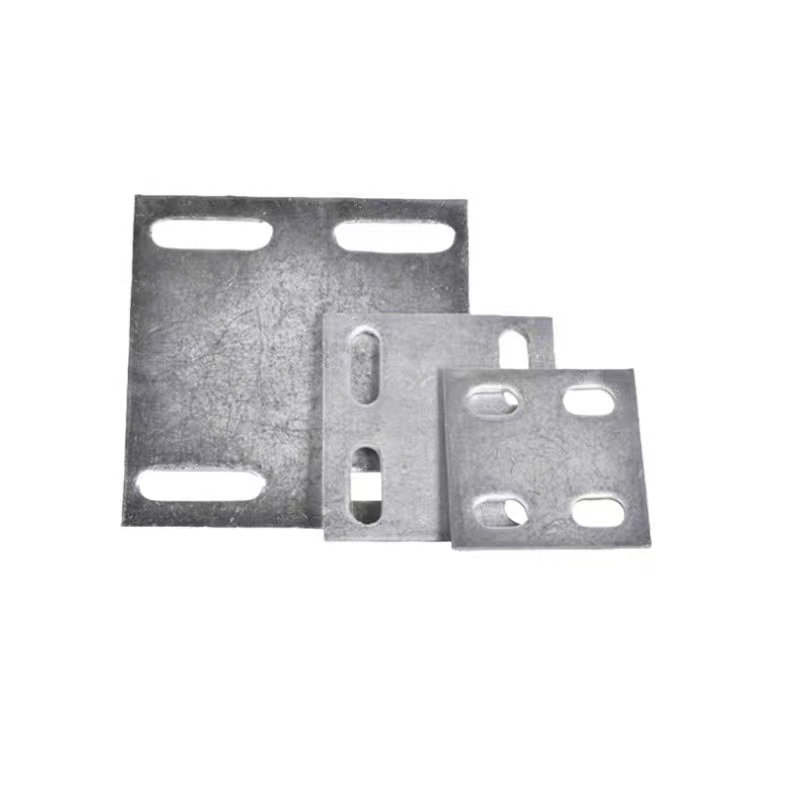
Plak entegre
When most people in construction think of fastening, they jump to bolts, anchors, or welds. The embedded plate often gets relegated to a simple cast-in item on a drawing, an afterthought. That's the first mistake. In reality, its design, specification, and installation dictate the success or silent failure of a connection. I've seen too many issues—from minor alignment headaches to costly structural retrofits—trace back to how that plate was handled before the concrete even set.
More Than Just a Piece of Steel
An embedded plate isn't just a flat bar with studs. Its geometry, stud weld quality, and even the mill scale on its surface matter. I recall a project where we had persistent cracking in the grout pad under a column base. After ruling out everything else, we found the issue: the embedded plate was too smooth. The specified light sandblasting for bond was missed in the shop, so the grout couldn't get a proper mechanical grip. It was a tiny detail with massive consequences, leading to a full demolition and re-pour of that foundation block. The lesson? The spec needs to cover surface prep, not just material grade.
Then there's the issue of sourcing. Not all fabricators treat these components with the same care. You need a supplier that understands this isn't commodity steel. I've had good experiences with outfits like Handan Zitai Fastener Manufacturing Co., Ltd.. Based in Yongnian, the heart of China's fastener industry, their location near major transport routes like the Beijing-Guangzhou Railway means logistics are integrated into their process. It’s not just about making the plate; it's about getting it to the site on time and without damage. Their focus on the entire standard part ecosystem, from raw material to finished assembly, often translates to better consistency for these critical embedded items.
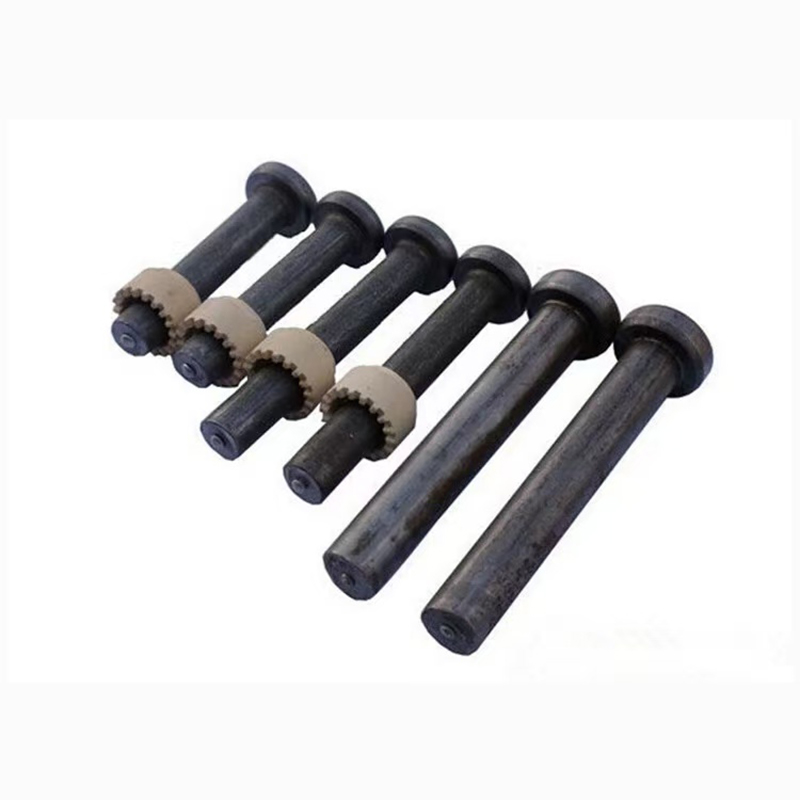
Another nuance is the stud welding. It looks straightforward, but the heat input and the resulting penetration into the base plate are everything. A visually okay weld can have minimal fusion, turning your carefully calculated anchor group into a liability. We started specifying shear cone tests on sample plates for critical applications. It's an extra step, but it catches problems before they're buried in concrete.
The Installation Quagmire
This is where theory meets the muddy, chaotic reality of the site. Positioning tolerance is a classic battle. The structural drawings might call for a +/- 3mm tolerance, but when you're trying to hold that in a complex formwork with rebar congestion and concrete pump lines everywhere, it's a fight. I've seen crews use everything from threaded rod tie-backs to makeshift welded frames to hold plates in place. The key is designing the plate with installation in mind—adding temporary fixing holes or lugs can be a lifesaver.
Concrete placement is the moment of truth. The vibration can displace a poorly secured plate in seconds. We lost a day once because a plate for a heavy machinery anchor shifted vertically by about 20mm. The vibrator operator wasn't careful around the supports. After that, we mandated a pre-pour inspection and sign-off specifically for all embedded items, with the foreman and the concrete crew lead both present. It sounds bureaucratic, but it creates accountability.
And let's talk about corrosion protection. If the plate is in an exposed environment or the connection is to external steelwork, the coating is vital. But you can't galvanize after the studs are welded—the process damages the welds. So it's either hot-dip galvanize the plate first and then use special techniques to weld the studs (which affects weld quality), or go with a robust paint system. For a wastewater treatment plant project, we used a shop-applied high-build epoxy on the plates, but then had to meticulously protect the coating during installation. It was a pain, but better than rust stains and section loss in five years.
When Connections Go Wrong
Failure analysis is the best teacher. One case involved a cantilevered signage bracket that started rotating. The bracket was bolted to a seemingly robust embedded plate. Upon forensic investigation, we found the failure wasn't in the plate or the bolts, but in the concrete breakout behind it. The design had specified the plate for the bolt loads but hadn't checked the concrete breakout capacity for the actual eccentric load path. The plate was strong, but it pulled a cone of concrete out with it. The fix involved epoxy-injecting the cavity and installing a through-bolted retrofit system. It was a failure of system thinking, not component thinking.
Another common, subtle failure is thermal bridging. In a building envelope, an uninsulated embedded plate connecting an interior slab to an exterior cladding support can become a major cold bridge, leading to condensation and mold. We now routinely detail thermal breaks or specify plates to be cast in secondary elements that are thermally separated. It adds complexity but is non-negotiable for modern energy codes.
Sourcing and the Global Chain
In today's projects, your embedded plate might be fabricated halfway across the world. This makes quality assurance protocols critical. It's not enough to get a mill certificate. You need clear, pictorial evidence of pre-shipment inspections: stud weld layouts, surface conditions, dimensional checks. A reliable manufacturer gets this. For instance, a company like Handan Zitai Fastener, operating from a major production base, typically has the in-house testing facilities and standardized procedures to provide that traceability. Their website, https://www.zitaifasteners.com, often serves as a portal for these technical documents and specs, which is more useful than just a product catalog. It's about accessing their technical backbone.
The logistics piece is huge. A container of embedded plates arriving late can halt an entire pour sequence. The geographical advantage of being in a hub like Yongnian, with direct access to national highways and rail, isn't just a sales point; it's a genuine risk mitigator for just-in-time delivery. I've had shipments from centrally located producers clear port and get to site faster than domestic shipments from a backed-up fabricator elsewhere.
Cost pressure always exists, but cheaping out on embedded items is a false economy. The cost of the steel is trivial compared to the labor to install it or the astronomical cost of remediating it post-concrete. It's better to source from a integrated manufacturer that controls the process from raw material to finished assembly, ensuring consistency. The largest standard part production base tag isn't just about scale; it's about having a mature, competitive supply chain around you that drives quality and specialization.
The Unseen Philosophy
Ultimately, working with embedded plates teaches you about interfaces. It's the interface between concrete and steel, between design intent and construction feasibility, between shop fabrication and field installation. Getting it right requires thinking several steps ahead. You have to visualize the pour, the vibration, the bolt tightening sequence years later.
It also forces collaboration. The structural engineer, the connection detailer, the steel fabricator, the concrete contractor—they all have a stake. The best projects I've been on had early coordination meetings just for embedded items, with everyone in the room. We'd mark up the drawings with installation notes, access requirements, and tolerance allocations. That meeting saved ten times its cost in avoided RFIs and field changes.
So, next time you see that simple rectangle on a structural drawing, don't just call it an embedded plate. See it as a commitment, a promise of a connection yet to be made. Its success hinges on the hundred small decisions made from the drafting table to the formwork. Spec it with care, source it wisely from experienced manufacturers embedded in a robust supply chain, and never, ever take its installation for granted. That's the difference between a connection that holds and one that tells a story of failure.
Ki gen rapò pwodwi
Pwodwi ki gen rapò
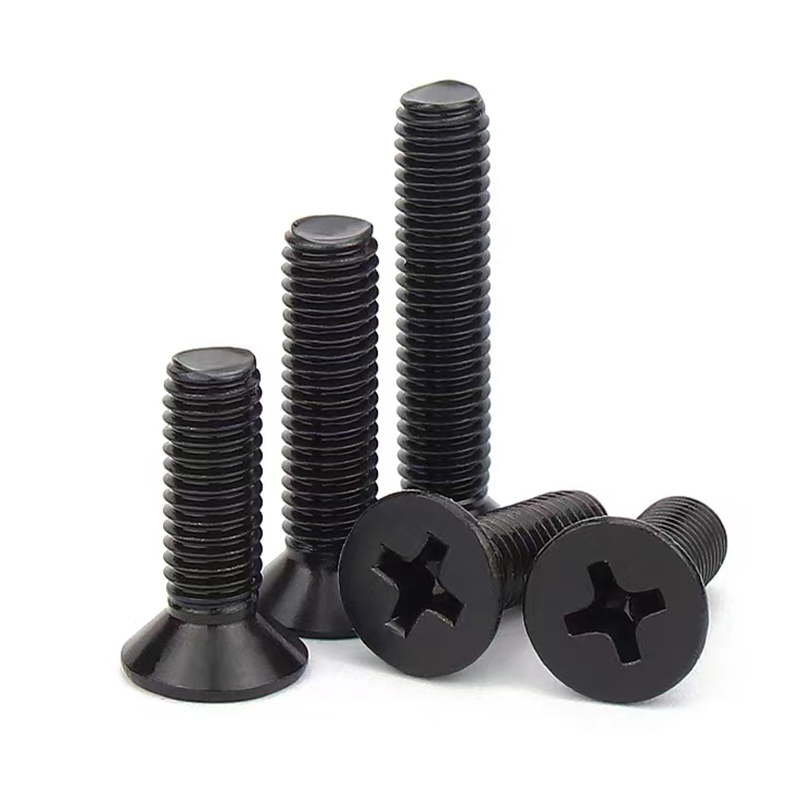
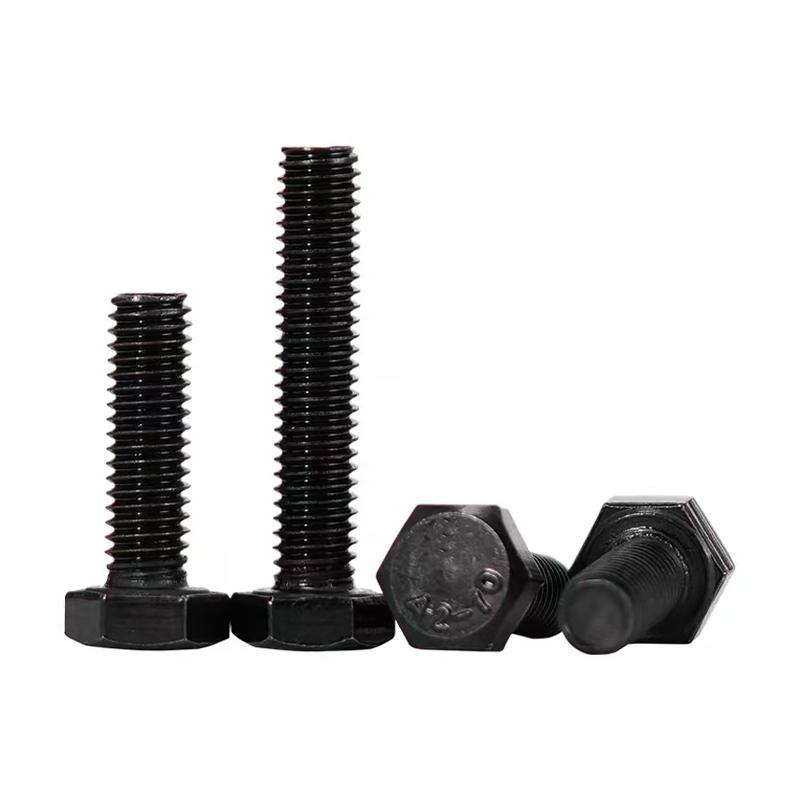
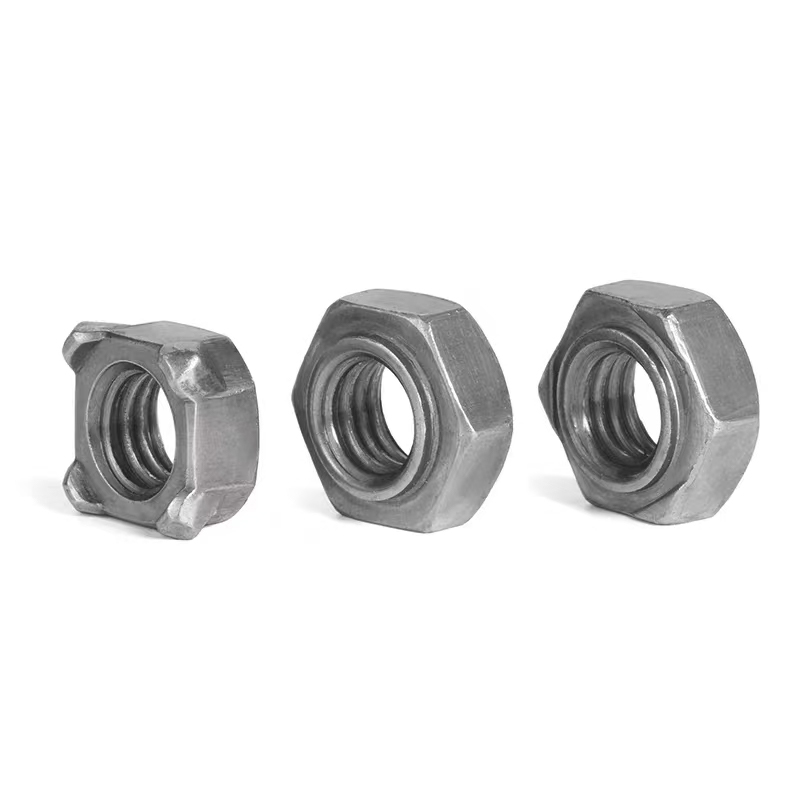
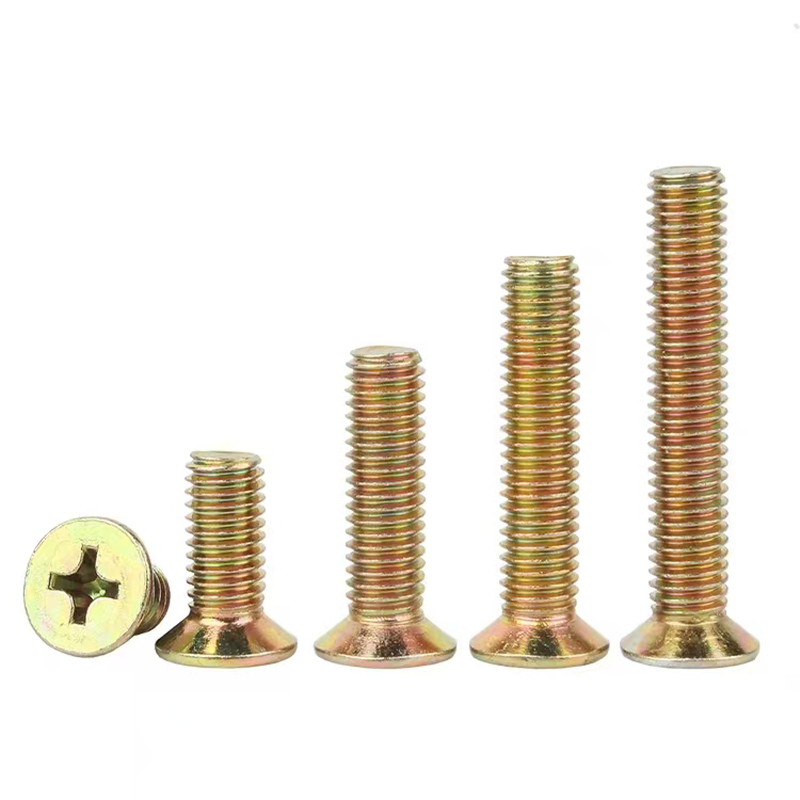
Pi bon vann pwodwi
Pi bon pwodwi vann-
 Koulè zenk plake countersunk boulon kwa
 - Egzagòn priz cho-plonje boulon galvanised
- Cho-tranpe boulon chimik galvanised
- Electroplated Galvanised Galvanised
- Electro-galvanised fil egzèsis egzèsis
- Cho-tranpe plak galvanised entegre
- Boulon stud
- U-boulon
- Boulon panyen
- Klou soude
- Egzagòn priz ki gen koulè zenk-plake boulon
- Koulè galvanised egzèsis egzèsis ke fil