
- English
- Chinese
- French
- German
- Portuguese
- Spanish
- Russian
- Japanese
- Korean
- Arabic
- Irish
- Greek
- Turkish
- Italian
- Danish
- Romanian
- Indonesian
- Czech
- Afrikaans
- Swedish
- Polish
- Basque
- Catalan
- Esperanto
- Hindi
- Lao
- Albanian
- Amharic
- Armenian
- Azerbaijani
- Belarusian
- Bengali
- Bosnian
- Bulgarian
- Cebuano
- Chichewa
- Corsican
- Croatian
- Dutch
- Estonian
- Filipino
- Finnish
- Frisian
- Galician
- Georgian
- Gujarati
- Hausa
- Hawaiian
- Hebrew
- Hmong
- Hungarian
- Icelandic
- Igbo
- Javanese
- Kannada
- Kazakh
- Khmer
- Kurdish
- Kyrgyz
- Latin
- Latvian
- Lithuanian
- Luxembou..
- Macedonian
- Malagasy
- Malay
- Malayalam
- Maltese
- Maori
- Marathi
- Mongolian
- Burmese
- Nepali
- Norwegian
- Pashto
- Persian
- Punjabi
- Serbian
- Sesotho
- Sinhala
- Slovak
- Slovenian
- Somali
- Samoan
- Scots Gaelic
- Shona
- Sindhi
- Sundanese
- Swahili
- Tajik
- Tamil
- Telugu
- Thai
- Ukrainian
- Urdu
- Uzbek
- Vietnamese
- Welsh
- Xhosa
- Yiddish
- Yoruba
- Zulu
- Kinyarwanda
- Tatar
- Oriya
- Turkmen
- Uyghur


EPDM gasket
The Practical Insights on EPDM Gaskets
EPDM gaskets often seem like a simple component, yet they play a crucial role in sealing applications across various industries. This article delves into the practical aspects and challenges of using EPDM gaskets, providing insights from real-world experiences.
Understanding EPDM Gaskets
At its core, EPDM (Ethylene Propylene Diene Monomer) is known for its excellent resistance to weathering, ozone, and aging. However, it's important to recognize that not all EPDM gaskets are created equal. The material's resilience can vary based on composition and manufacturing processes, which can affect performance in specific applications.
There's a common misconception that EPDM gaskets are universally suitable for all uses. I've encountered numerous cases where assuming EPDM's broad compatibility led to performance failures. It's crucial to assess the specific environmental conditions and pressures the gasket will face.
For instance, if you're working in a chemical processing environment, a detailed evaluation is needed. Some chemicals can degrade EPDM, leading to gasket deterioration and potential leaks. This evaluation process often involves a detailed chemical compatibility analysis.
Enstalasyon nuans
The installation process for EPDM gaskets can be deceptively straightforward. Yet, minor oversights during installation have significant impacts. I remember assisting in a project where improper torque on the bolts led to uneven compression on the gasket. The result? Inconsistent sealing and eventual leakage.
It’s critical to follow manufacturer guidelines closely and ensure uniform compressive force. This might sound obvious, but overlooking the torque specifications is a common misstep. Tools that monitor the applied force can be incredibly beneficial here.
Moreover, surface preparation cannot be overstated. Any residual oils or debris can impair the gasket's ability to form a proper seal. Prior to placement, surfaces need to be meticulously cleaned to prevent future sealing issues.
Defi mond reyèl la
One memorable challenge was dealing with temperature fluctuations. EPDM performs well across a range of temperatures, but extreme shifts, especially repeated cycles of heating and cooling, can lead to material fatigue over time.
We had a situation where a client experienced premature gasket wear. Upon investigation, frequent temperature swings in their application were identified as the cause. Adjusting the material composition to a higher grade of EPDM addressed this issue.
Another challenge is ensuring that end-users fully understand the gasket's capabilities. Having detailed discussions with clients about their exact applications can save a lot of troubleshooting down the line. This proactive approach is often more effective than reactive solutions.
Choosing the Right EPDM Gasket
Advice for selecting the right EPDM gasket often centers on understanding your application's unique demands. At Handan Zitai Fastener Manufacturing Co., Ltd., we emphasize a collaborative approach in the selection process to ensure optimal gasket performance.
Handan Zitai, located in the heart of China's standard part production base, provides easy access to a wealth of manufacturing expertise. For us, proximity to major transport routes like the Beijing-Guangzhou Railway provides logistical advantages that translate into faster delivery times for clients.
When sourcing EPDM gaskets, it helps to leverage this localized expertise. Engaging with manufacturers like us, who understand the intricacies of EPDM production, aids in identifying a product that aligns with your specific requirements.
Case Study Reflections
A particular project comes to mind where we collaborated with a company troubled by frequent gasket failures in high-pressure environments. Initially, an EPDM gasket seemed adequate, but repeated failures suggested otherwise.
Through cooperation and testing, we determined that modifying the approach to include a layered gasket system could better handle the pressure and temperature variances. This innovation not only resolved the issue but also improved the application's overall performance.
This experience underscores the importance of adaptability and communication between client and manufacturer. Custom solutions often arise from such partnerships and can pave the way for innovative approaches in gasket use.
Ki gen rapò pwodwi
Pwodwi ki gen rapò
Pi bon vann pwodwi
Pi bon pwodwi vann-
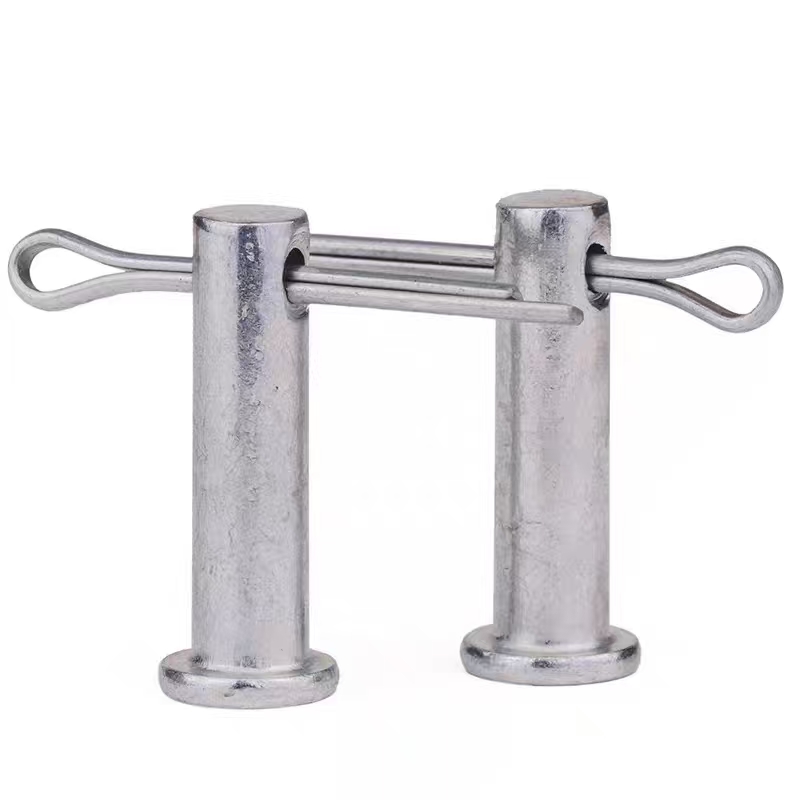 Broch electrogalvanized
 -
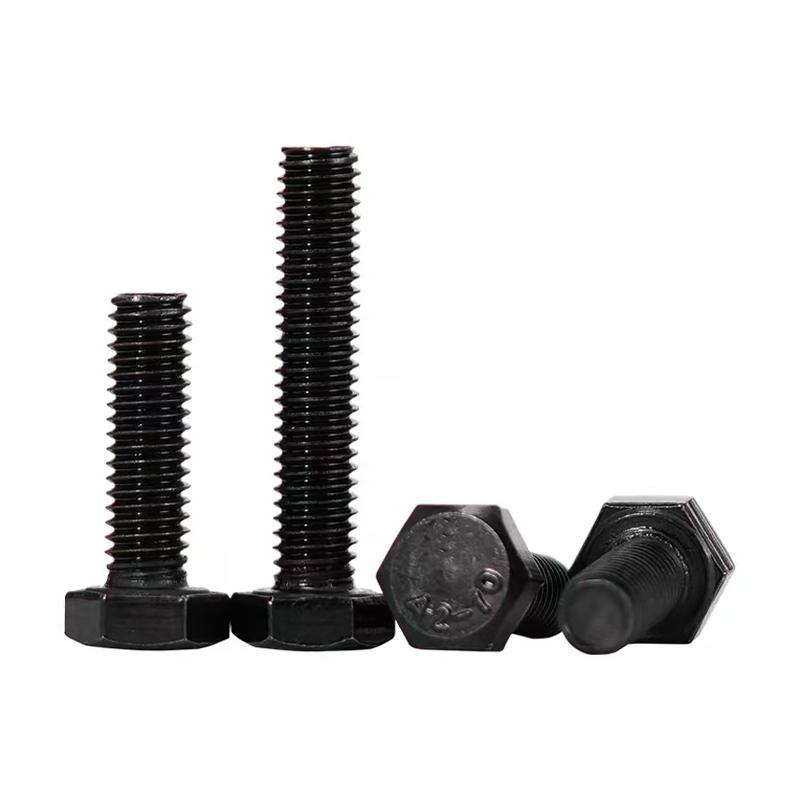 Nwa zenk plake boulon egzagonal
 -
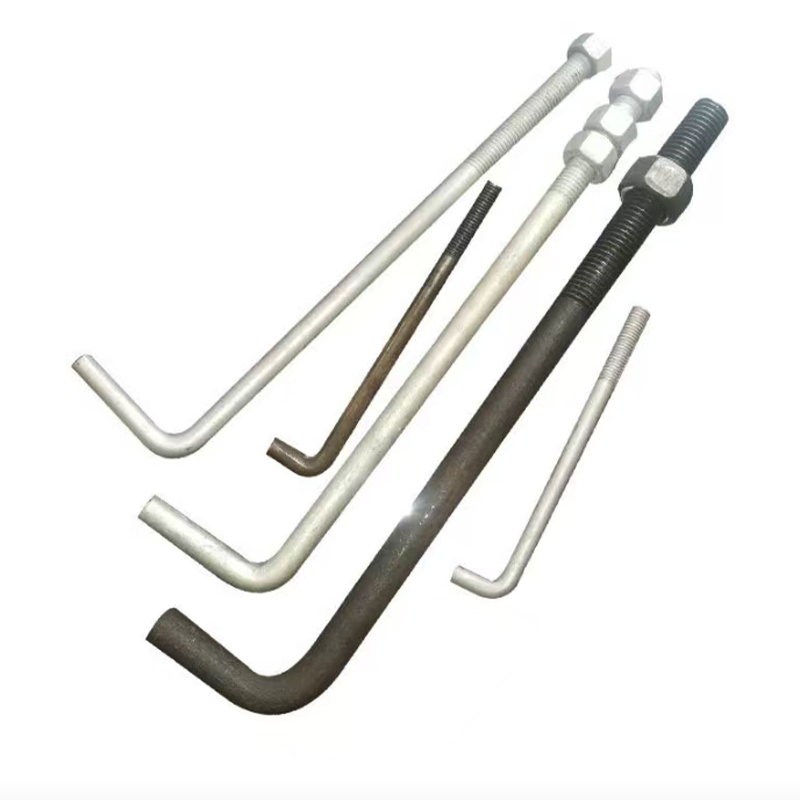 7 ki gen fòm lankr (7 ki gen fòm boulon jete lank)
 -
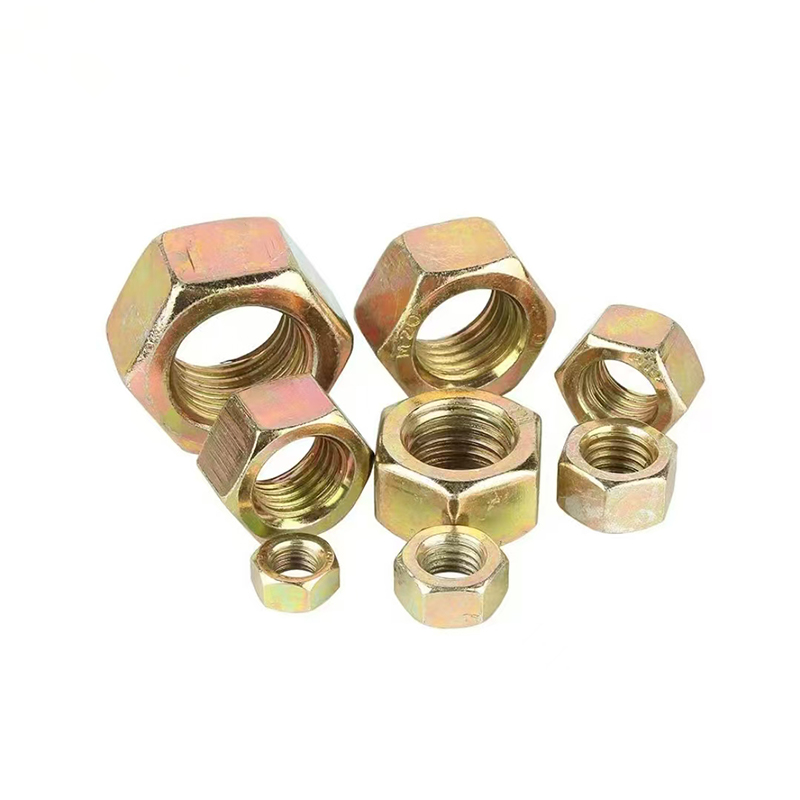 Nwa ki gen koulè pal zenk
 -
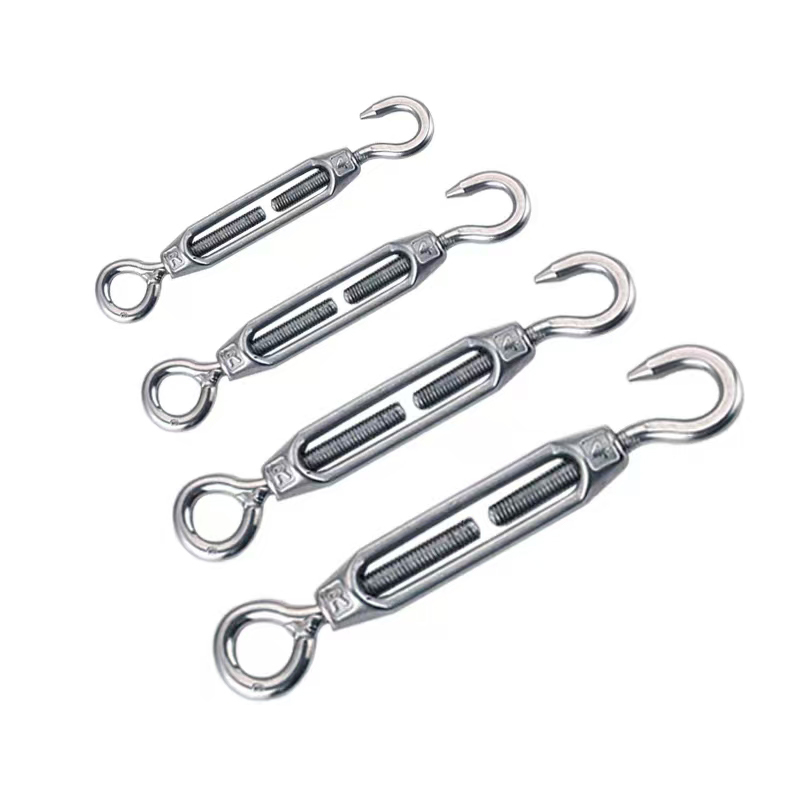 Boulon panyen
 -
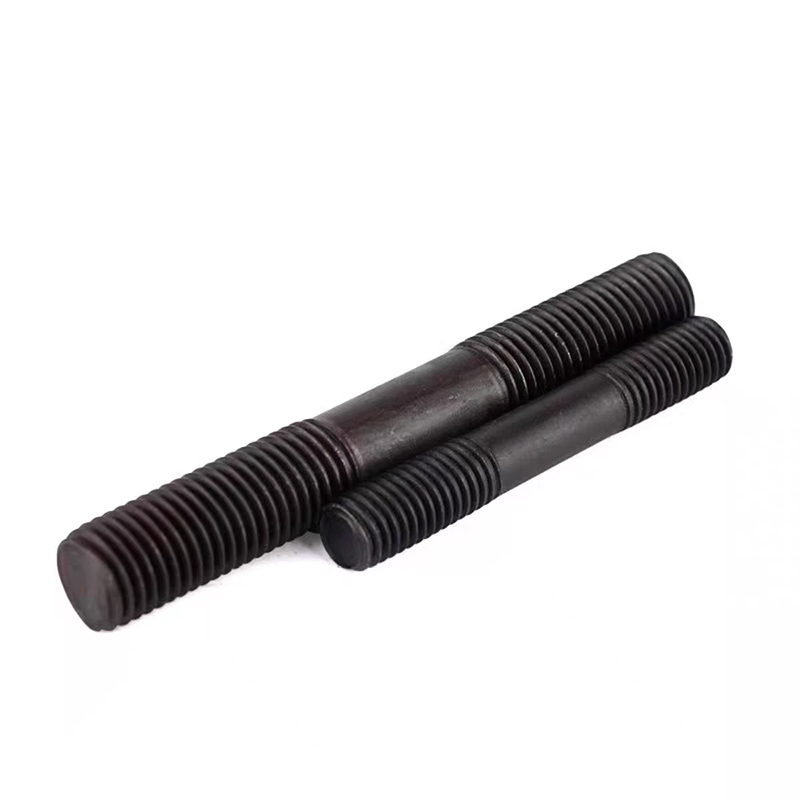 Boulon stud
 -
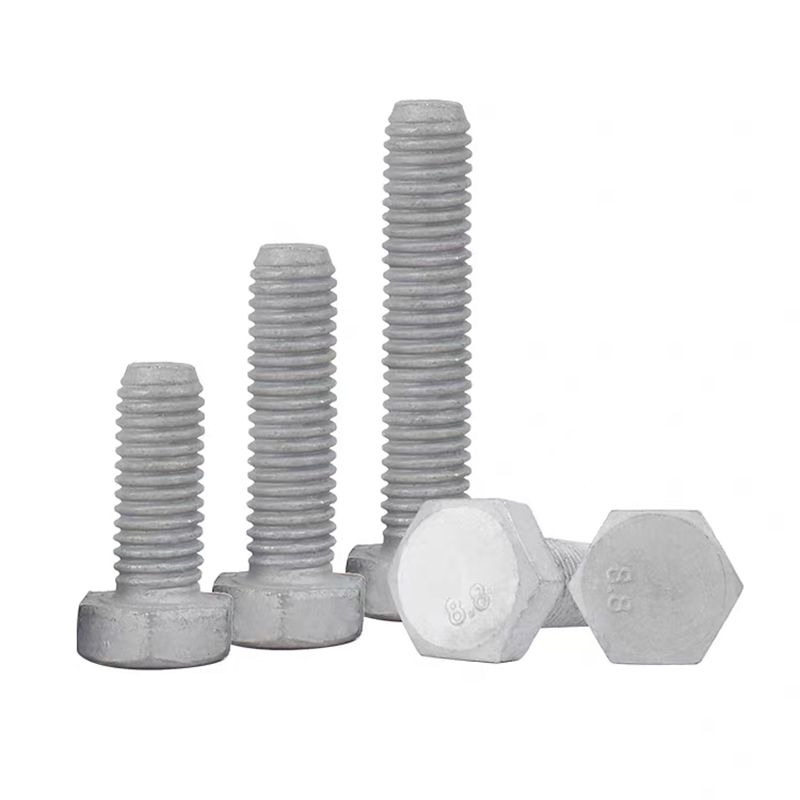 Boulon egzagonal cho-tranpe
 -
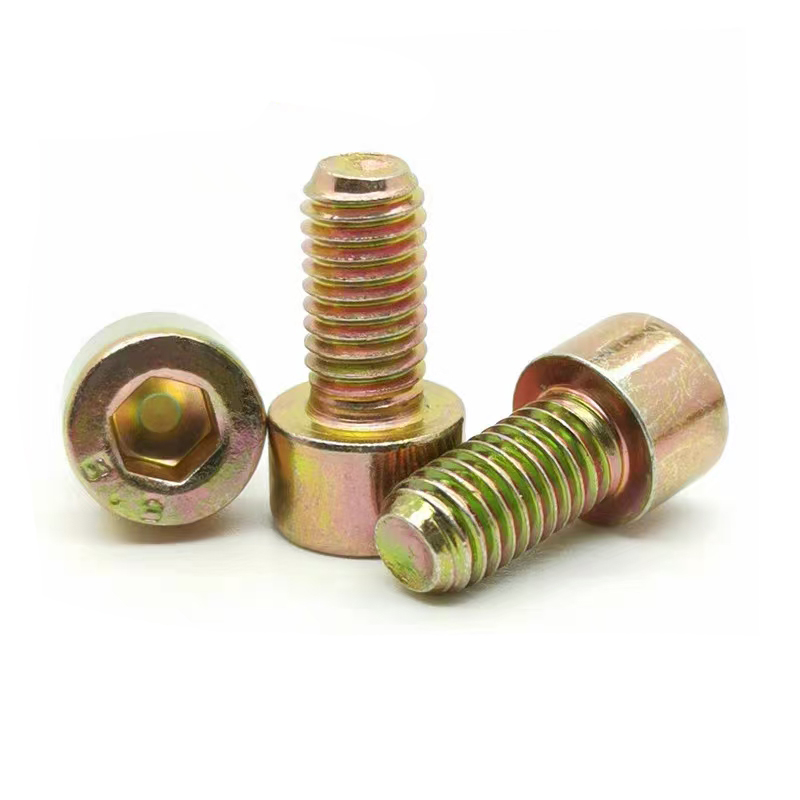 Egzagòn priz ki gen koulè zenk-plake boulon
 -
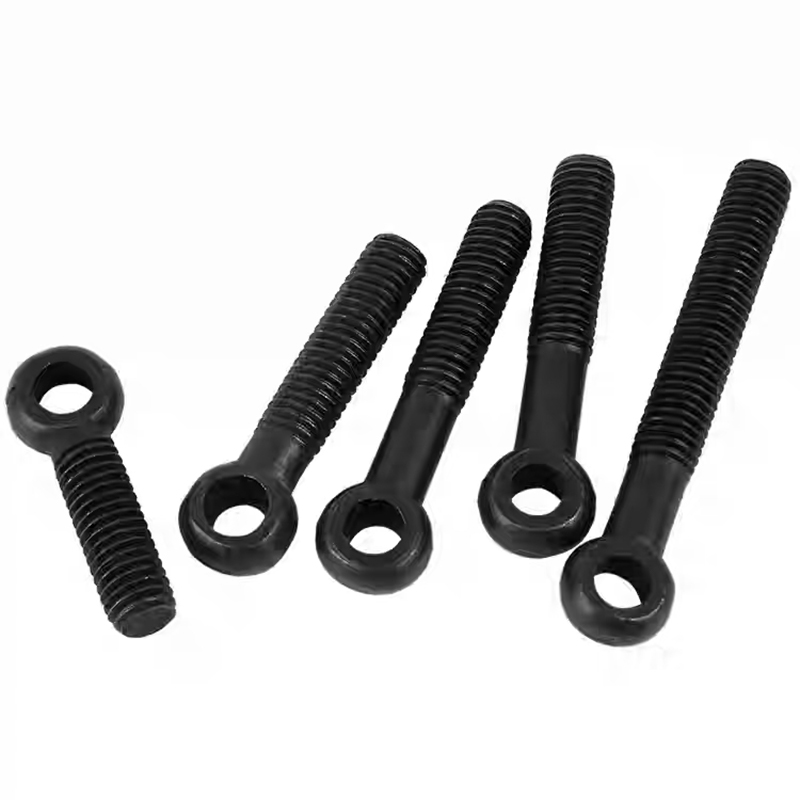 Nwa zenk plake boulon charnyèr
 -
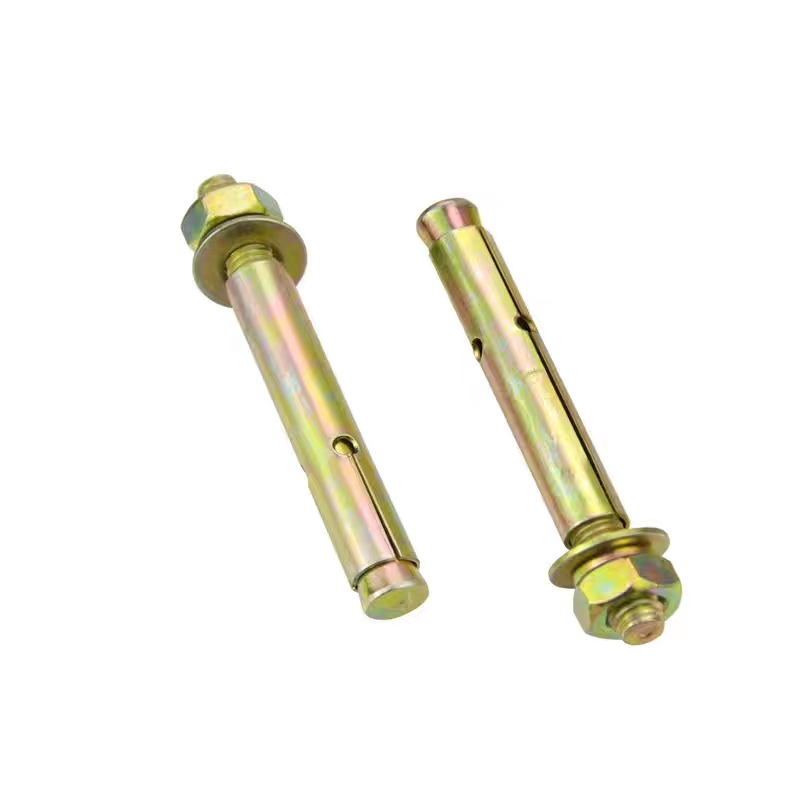 Boulon ekspansyon ki gen koulè pal zenk
 -
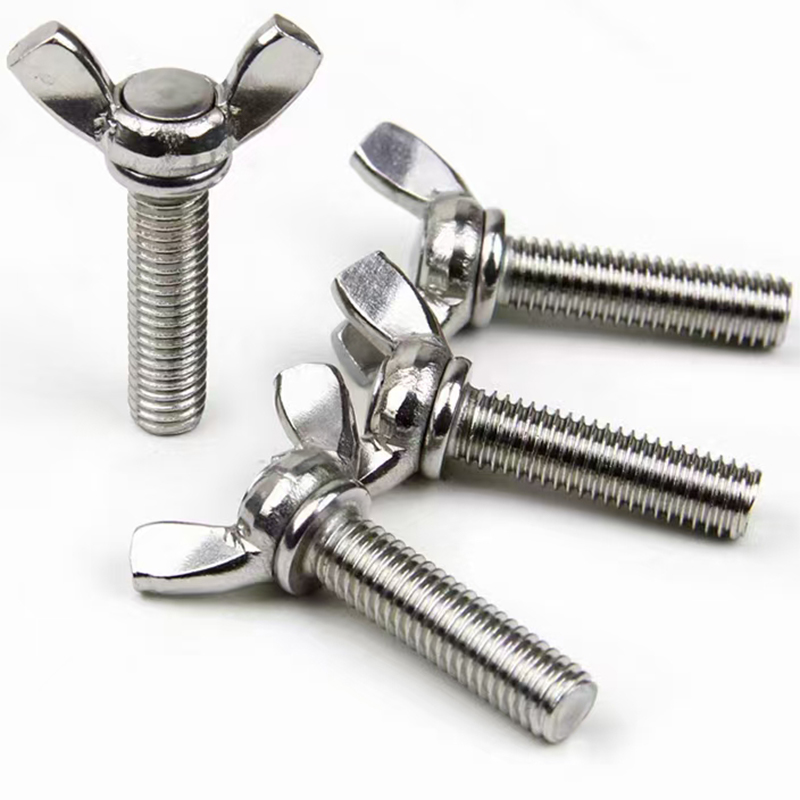 Boulon papiyon
 -
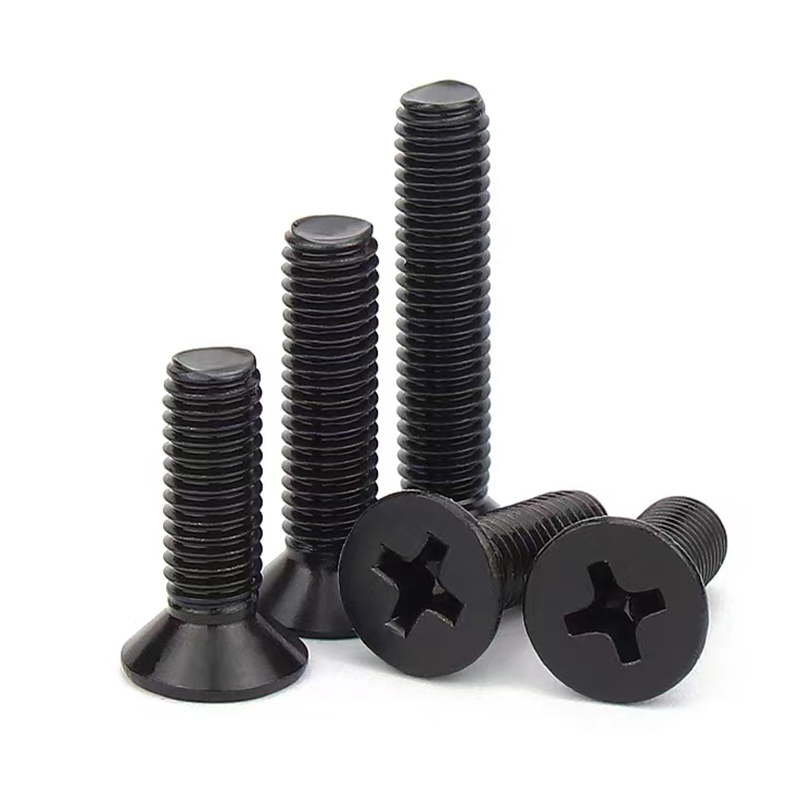 Nwa zenk plake countersunk boulon kwa


