
- English
- Chinese
- French
- German
- Portuguese
- Spanish
- Russian
- Japanese
- Korean
- Arabic
- Irish
- Greek
- Turkish
- Italian
- Danish
- Romanian
- Indonesian
- Czech
- Afrikaans
- Swedish
- Polish
- Basque
- Catalan
- Esperanto
- Hindi
- Lao
- Albanian
- Amharic
- Armenian
- Azerbaijani
- Belarusian
- Bengali
- Bosnian
- Bulgarian
- Cebuano
- Chichewa
- Corsican
- Croatian
- Dutch
- Estonian
- Filipino
- Finnish
- Frisian
- Galician
- Georgian
- Gujarati
- Hausa
- Hawaiian
- Hebrew
- Hmong
- Hungarian
- Icelandic
- Igbo
- Javanese
- Kannada
- Kazakh
- Khmer
- Kurdish
- Kyrgyz
- Latin
- Latvian
- Lithuanian
- Luxembou..
- Macedonian
- Malagasy
- Malay
- Malayalam
- Maltese
- Maori
- Marathi
- Mongolian
- Burmese
- Nepali
- Norwegian
- Pashto
- Persian
- Punjabi
- Serbian
- Sesotho
- Sinhala
- Slovak
- Slovenian
- Somali
- Samoan
- Scots Gaelic
- Shona
- Sindhi
- Sundanese
- Swahili
- Tajik
- Tamil
- Telugu
- Thai
- Ukrainian
- Urdu
- Uzbek
- Vietnamese
- Welsh
- Xhosa
- Yiddish
- Yoruba
- Zulu
- Kinyarwanda
- Tatar
- Oriya
- Turkmen
- Uyghur


Footing
The Intricacies of Footing in Construction
Footing may seem like just another term in the world of construction, but it holds a critical role. Often underestimated, it’s the unsung hero of any building project. Misunderstandings in its application can lead to dire consequences, making proper knowledge and experience indispensable.
Understanding Footing: The Basics
At the heart of any structure's integrity lies the footing. It's more than just a support; it's about distributing the weight of the building evenly to prevent uneven settling. A poorly constructed footing can compromise an entire project. From my own experiences, ensuring the soil is adequately tested is crucial—it’s the bedrock of your foundation, quite literally.
I remember a project in a suburb, where the soil turned out to be more clay than expected. The team was initially set to proceed with standard procedures until a last-minute test suggested otherwise. Adjustments were made, thankfully avoiding potential upheaval six months down the line.
For companies like Handan Zitai Fastener Manufacturing Co., Ltd., based in China’s largest standard part production base, delivering reliable materials is key. Their location in Yongnian District, with seamless transportation routes, plays a role in ensuring fast delivery of necessary components, crucial in time-sensitive projects.
Common Missteps and Corrections
One frequent misstep is overlooking the environmental impact on footing. Seasonal changes can contract or expand the soil, affecting stability. For instance, in areas with heavy rainfall, like certain tropical climates, water pooling can be disastrous. It's not just about laying concrete; it’s about the environment it’s set in.
On one job, we faced setbacks with a construction site prone to waterlogging. The initial design didn't account for this, leading to significant reworking. Properly channeling water away from the foundation was eventually the solution, albeit an expensive lesson.
Experience teaches that adaptability is essential. No two foundations are the same, even if they appear to be on paper. It's about reading the land, understanding its quirks, and adapting engineering practices accordingly.
The Role of Quality Materials
The importance of quality in materials cannot be overemphasized, particularly in footing. Even the sturdiest design can be undermined by subpar components. Firms like Handan Zitai Fastener Manufacturing Co., Ltd., readily available at sit entènèt yo, demonstrate this through their commitment to reliable fasteners.
There was a case where substandard fasteners led to a series of delays and unforeseen expenses. Upon revisiting and replacing these with certified products, the discrepancies were immediately evident. Quality control cannot be an afterthought—it’s a preventive measure.
Furthermore, staying updated with material technology is necessary. With new advancements, materials today are being tested for flexibility, strength, and longevity in ways we couldn't have imagined a decade ago.
Precision in Execution
Execution is where all theory is tested. This is the stage where precision in laying out the footing marks the difference between success and failure. It’s the moment assumptions are set aside, and realities set in. Precision demands meticulous checks and experienced hands.
I’ve been in situations where the slightest discrepancy required reevaluation. A slightly off-level footing could culminate in foundational cracks down the line, which are not only costly but often irreparable.
It’s in these moments that seasoned professionals make their mark, armed with years of accumulated judgement and foresight. The ability to foresee, plan, and improvise is the true hallmark of any successful construction team.
Looking Ahead: Innovation in Footing
Innovation and technology are transforming how we understand and approach footing. With new software and laser technology, precision has reached unprecedented levels. But, it’s imperative to remember that the human element in construction remains irreplaceable—the decisions, the expertise, the on-the-ground adjustments.
Anticipating future needs and integrating sustainable and resilient practices are also gaining traction. With climate change impacting various geographic areas differently, forward-thinking designs are no longer optional.
To sum up, footing is far more than its physical composition. It embodies the relationship between the natural environment, human creativity, and technological advancement. Its complexity and demands for precision serve as a testament to the art and science of construction.
Ki gen rapò pwodwi
Pwodwi ki gen rapò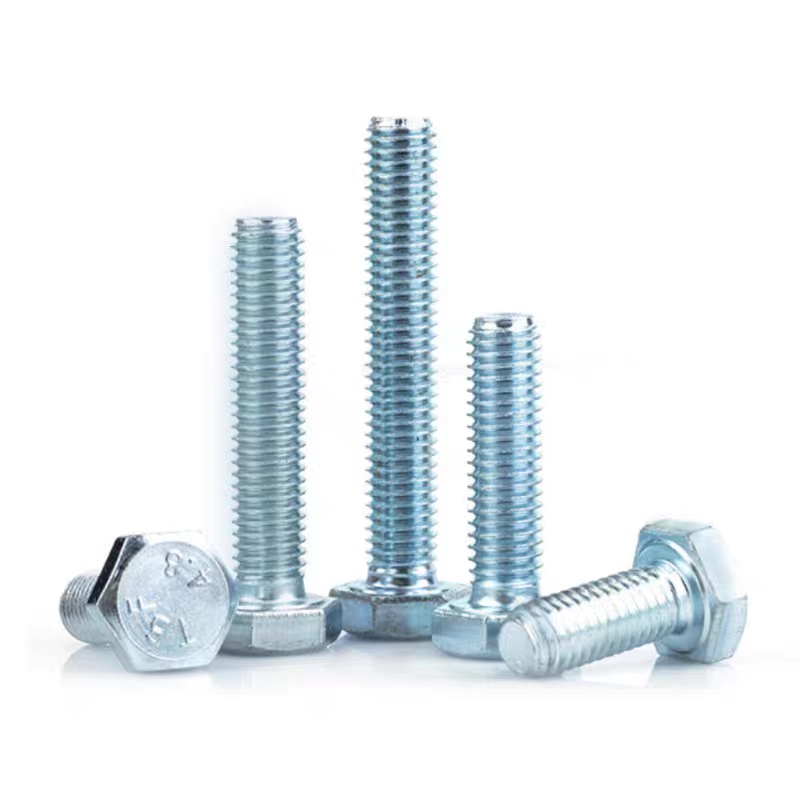
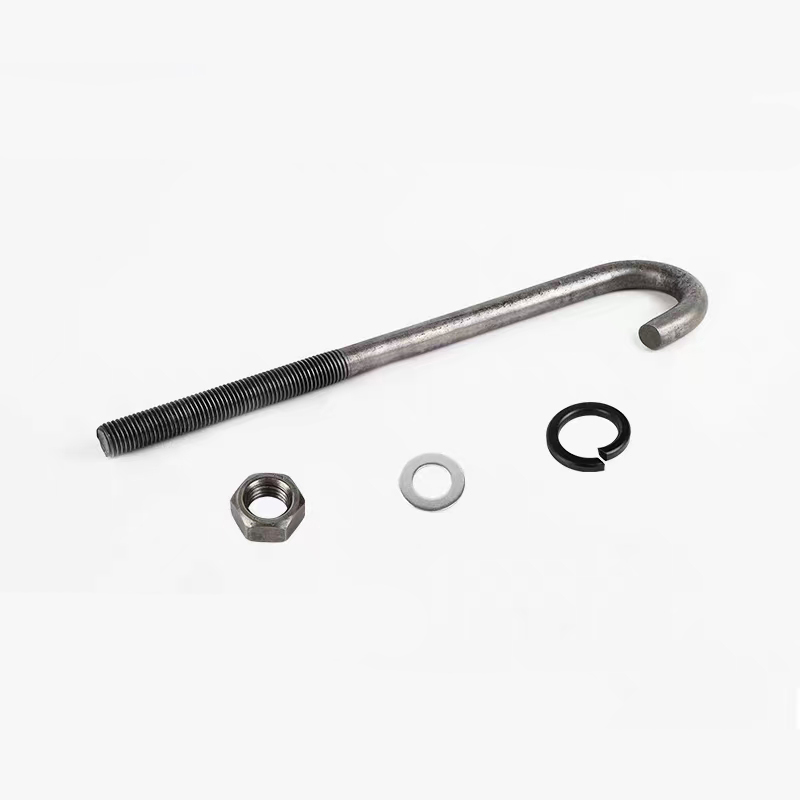
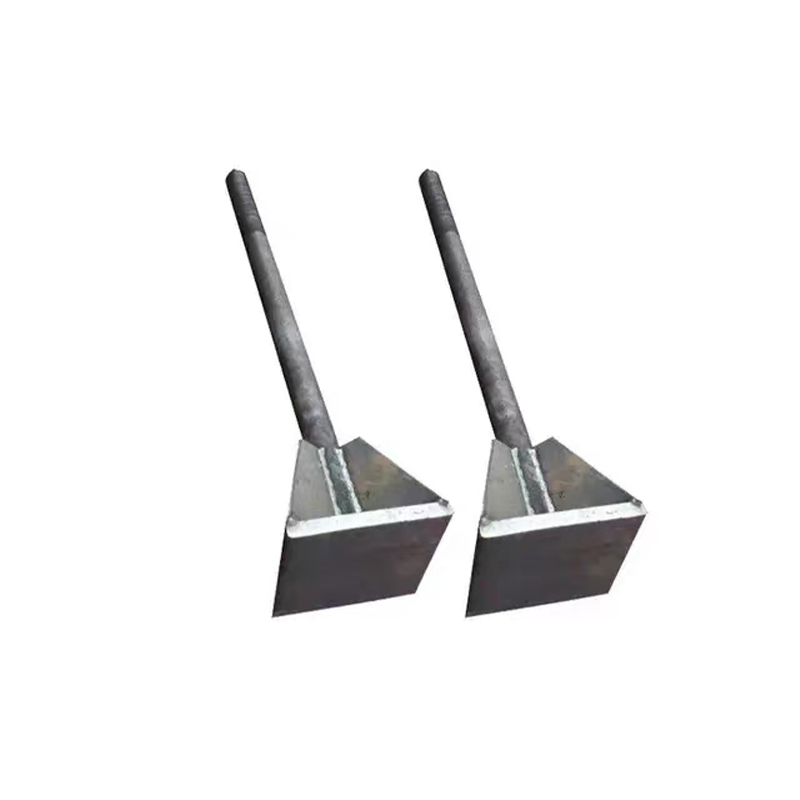
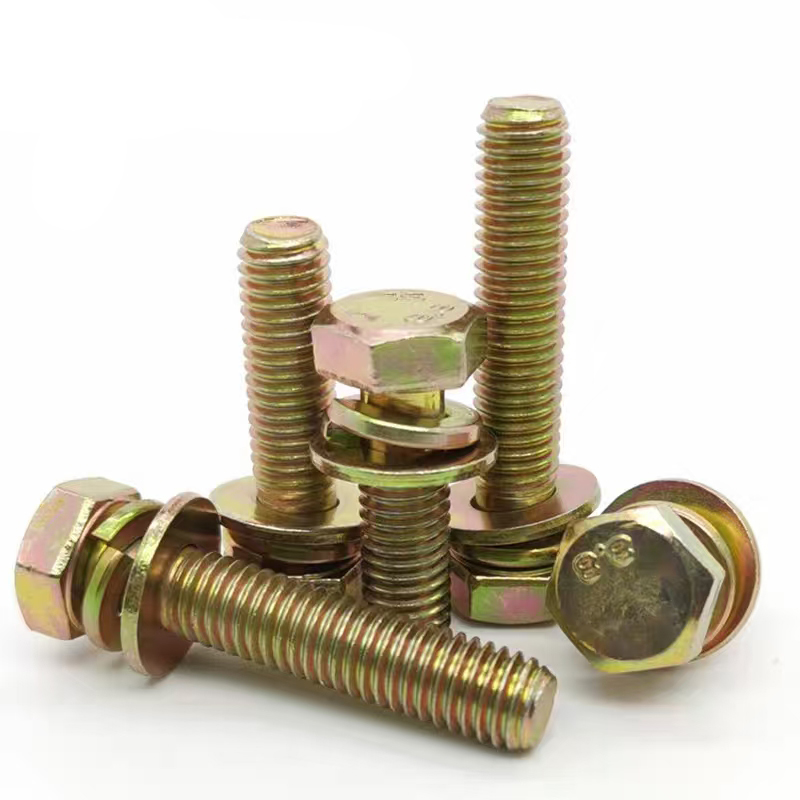
Pi bon vann pwodwi
Pi bon pwodwi vann-
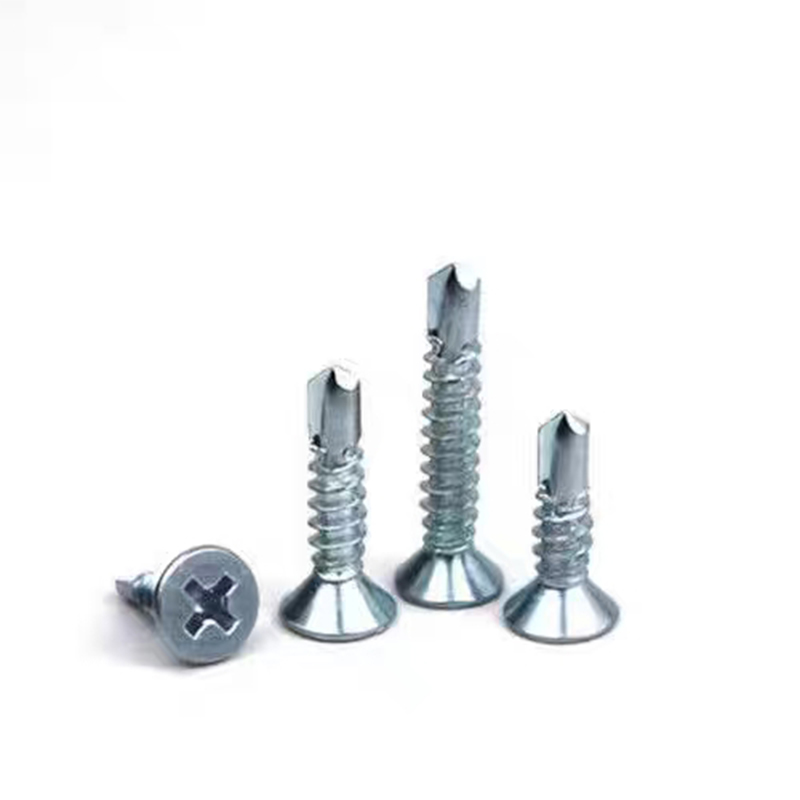 Electrogalvanized Cross Countersunk Drill Fil
 -
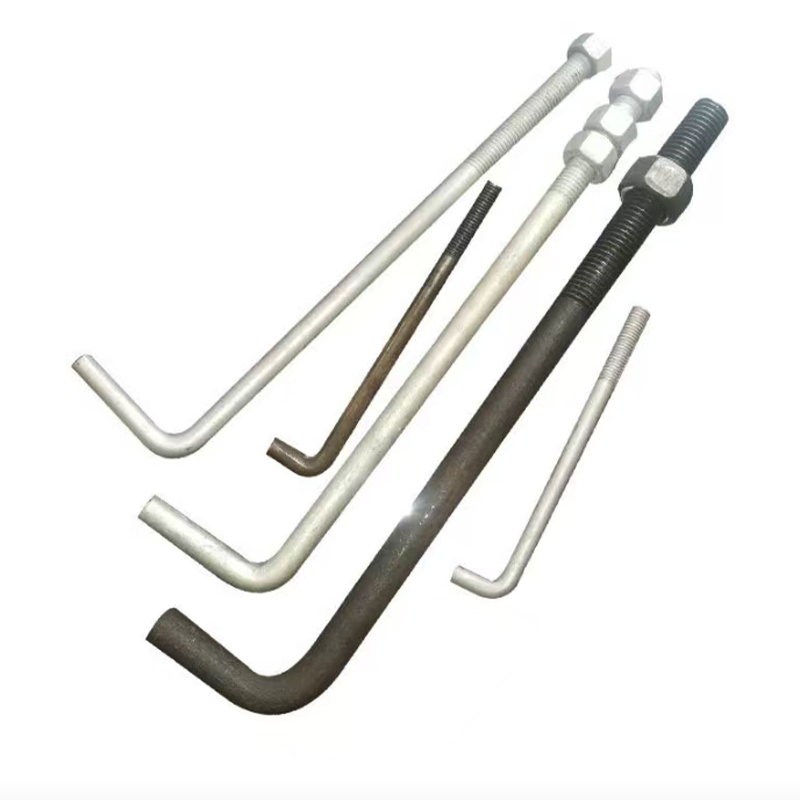 7 ki gen fòm lankr (7 ki gen fòm boulon jete lank)
 -
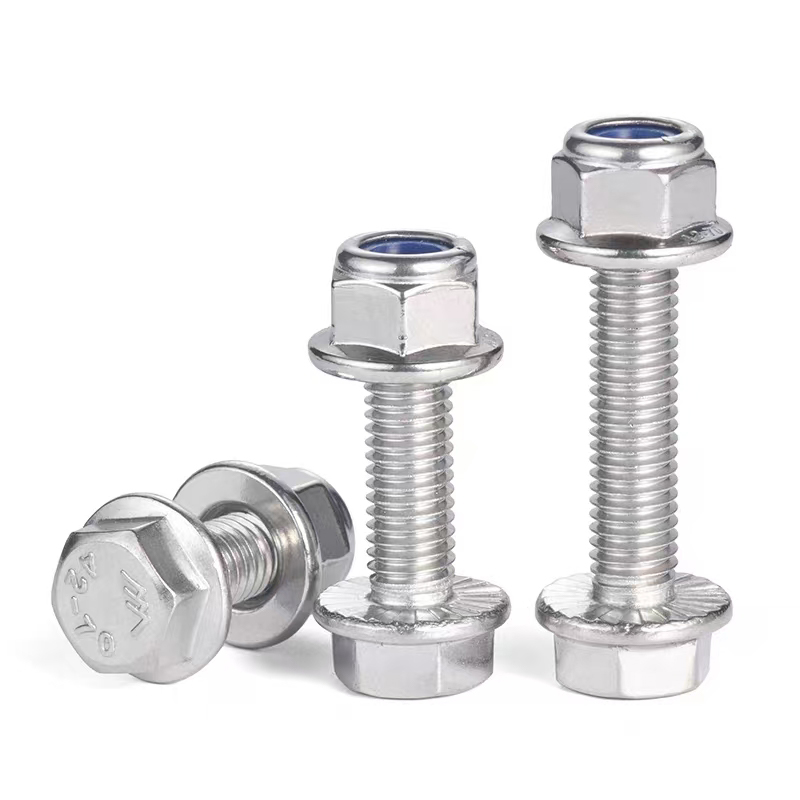 Boulon bride zenk elèktroplated
 -
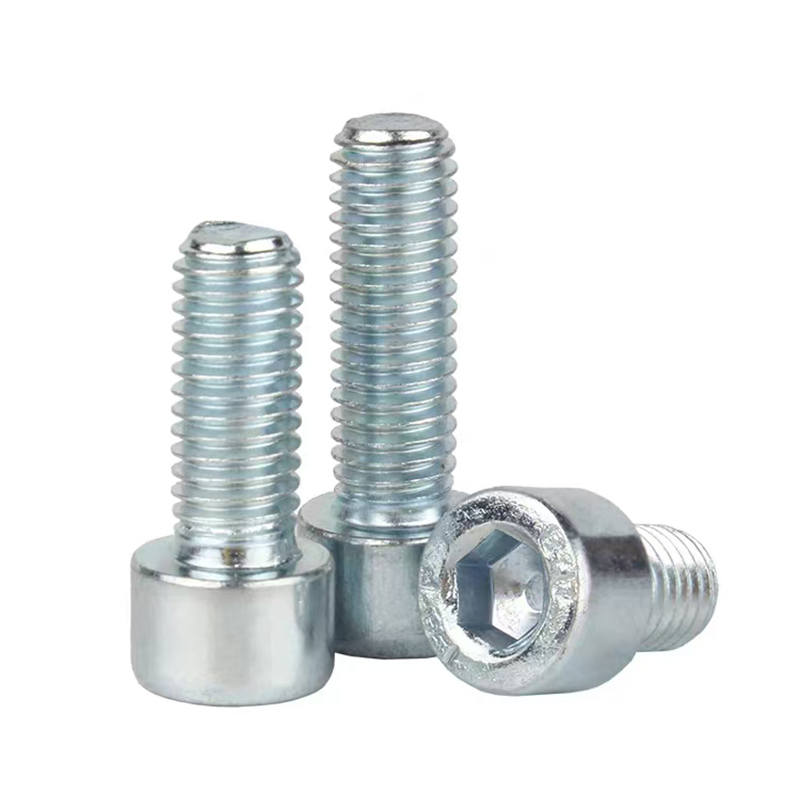 Egzagòn Socket Electrogalvanized boulon
 -
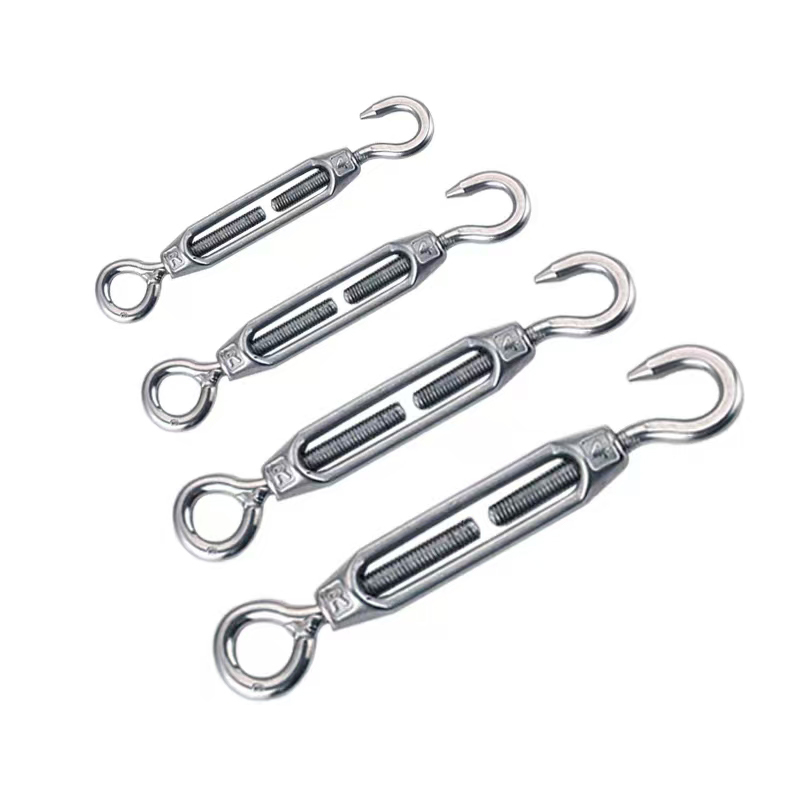 Boulon panyen
 -
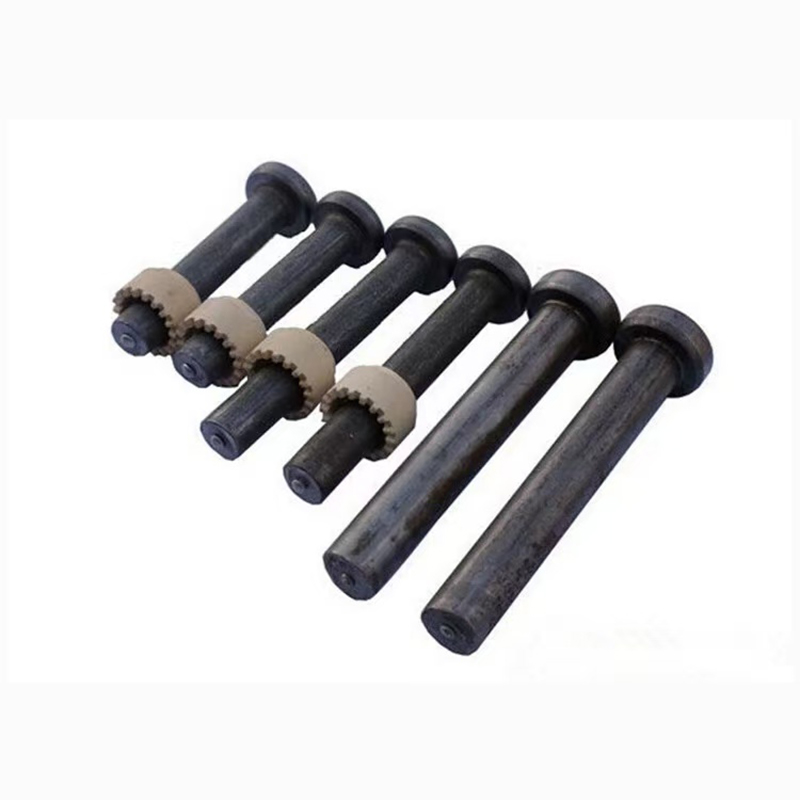 Klou soude
 -
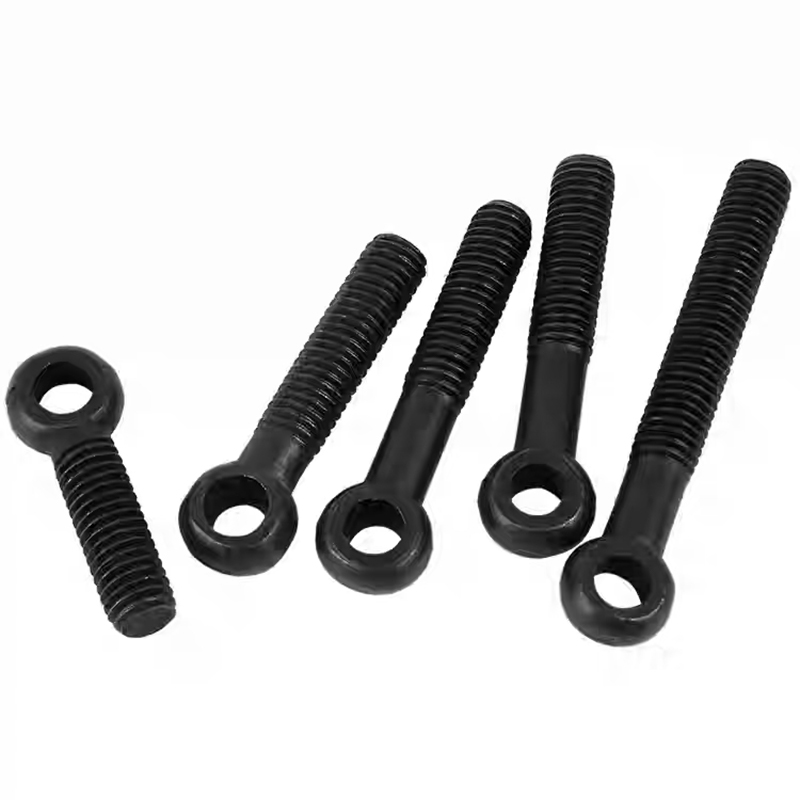 Nwa zenk plake boulon charnyèr
 -
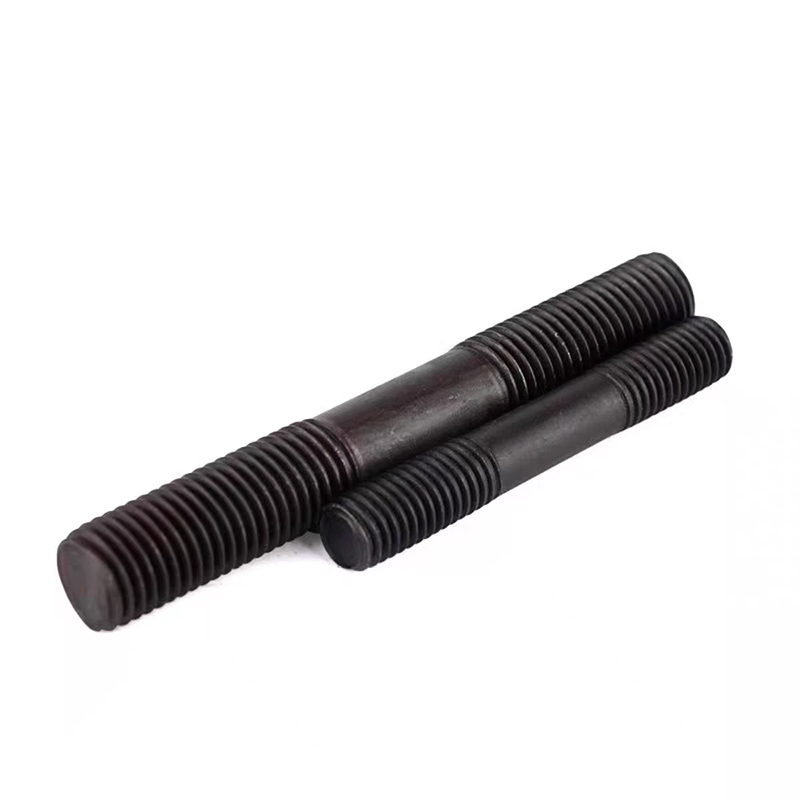 Boulon stud
 -
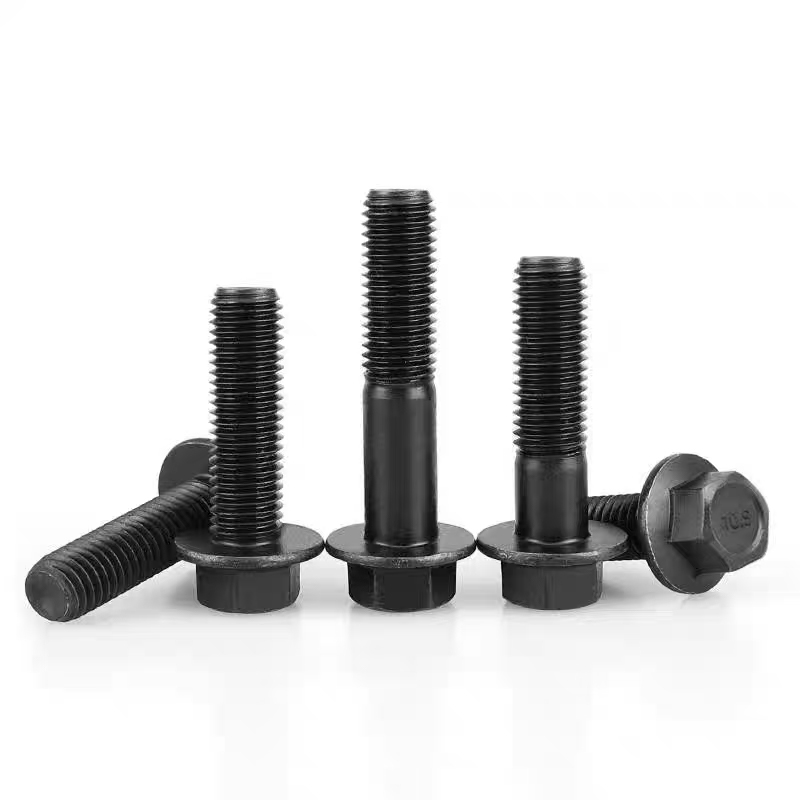 Boulon bride zenk nwa
 -
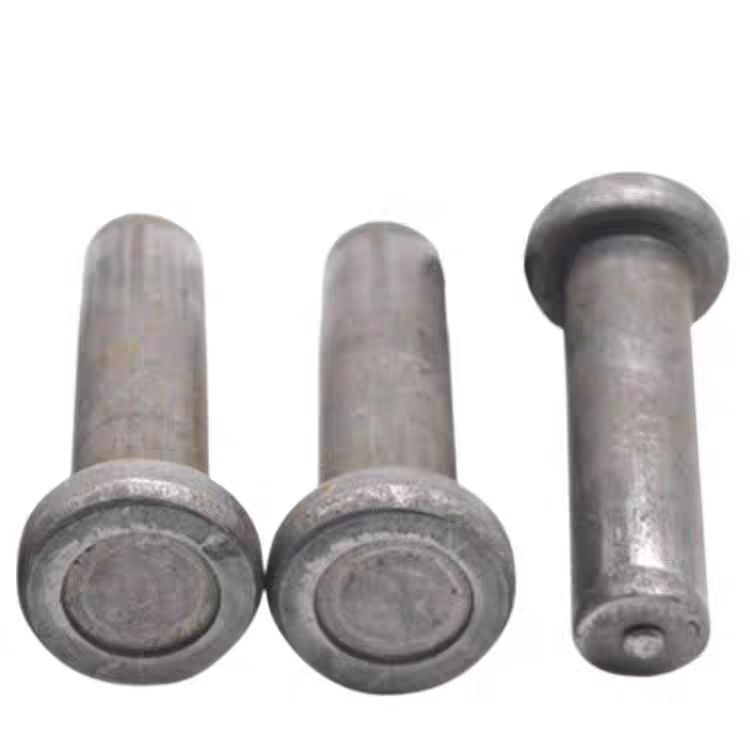 Steel structure welding studs
 -
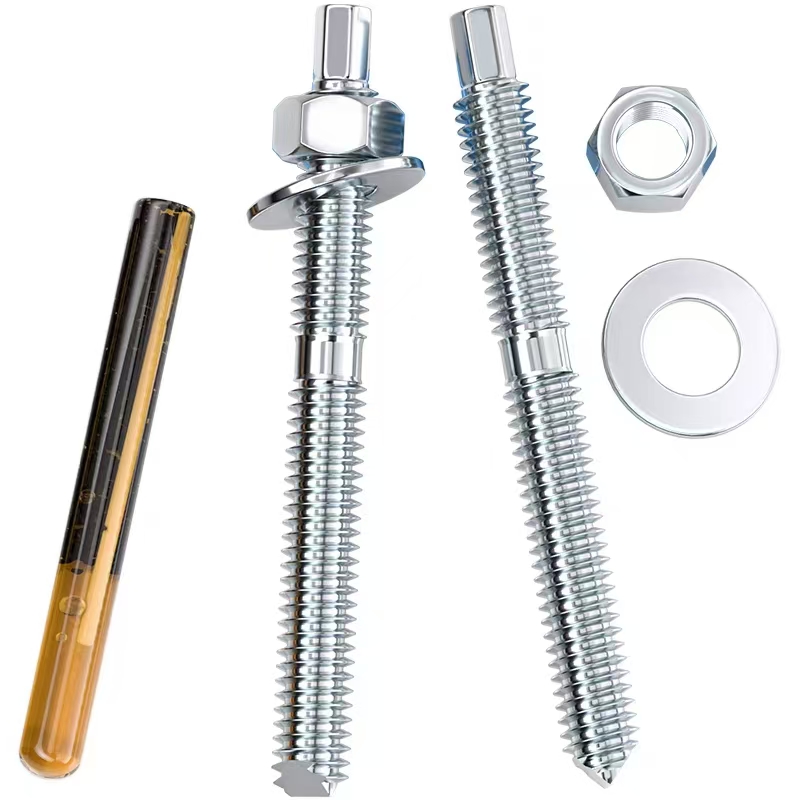 Boulon chimik elektwogalvanize
 -
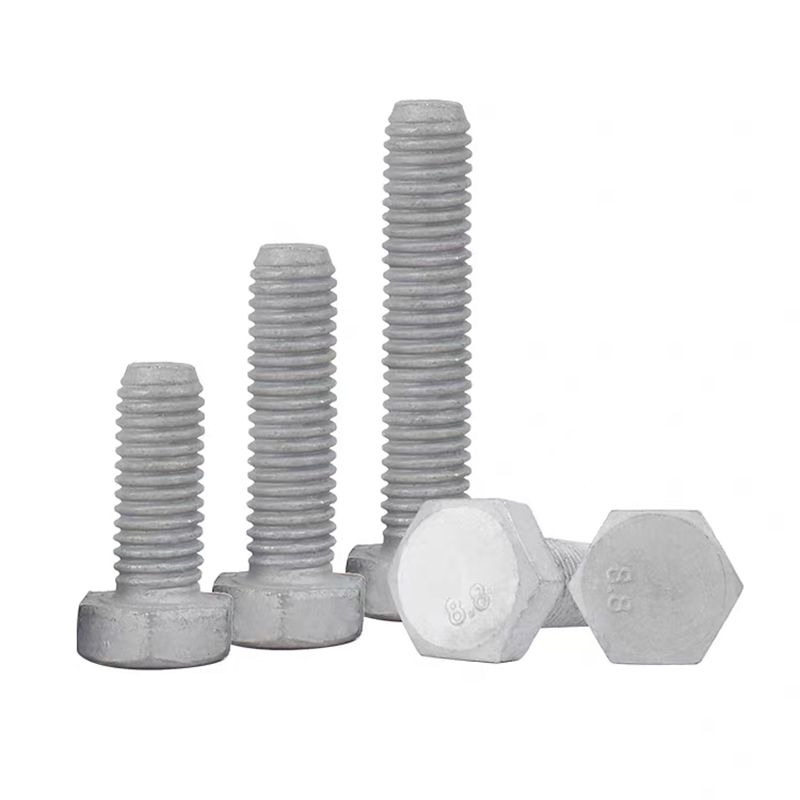 Boulon egzagonal cho-tranpe


