
- English
- Chinese
- French
- German
- Portuguese
- Spanish
- Russian
- Japanese
- Korean
- Arabic
- Irish
- Greek
- Turkish
- Italian
- Danish
- Romanian
- Indonesian
- Czech
- Afrikaans
- Swedish
- Polish
- Basque
- Catalan
- Esperanto
- Hindi
- Lao
- Albanian
- Amharic
- Armenian
- Azerbaijani
- Belarusian
- Bengali
- Bosnian
- Bulgarian
- Cebuano
- Chichewa
- Corsican
- Croatian
- Dutch
- Estonian
- Filipino
- Finnish
- Frisian
- Galician
- Georgian
- Gujarati
- Hausa
- Hawaiian
- Hebrew
- Hmong
- Hungarian
- Icelandic
- Igbo
- Javanese
- Kannada
- Kazakh
- Khmer
- Kurdish
- Kyrgyz
- Latin
- Latvian
- Lithuanian
- Luxembou..
- Macedonian
- Malagasy
- Malay
- Malayalam
- Maltese
- Maori
- Marathi
- Mongolian
- Burmese
- Nepali
- Norwegian
- Pashto
- Persian
- Punjabi
- Serbian
- Sesotho
- Sinhala
- Slovak
- Slovenian
- Somali
- Samoan
- Scots Gaelic
- Shona
- Sindhi
- Sundanese
- Swahili
- Tajik
- Tamil
- Telugu
- Thai
- Ukrainian
- Urdu
- Uzbek
- Vietnamese
- Welsh
- Xhosa
- Yiddish
- Yoruba
- Zulu
- Kinyarwanda
- Tatar
- Oriya
- Turkmen
- Uyghur


kawotchou gasket sele
The Practical Insights into Rubber Gasket Seals
Understanding sele gasket kawotchou can be a bit of a puzzle if you’ve never gotten your hands dirty with them. They seem simple, but often, the devil is in the details. Many assume they’re just a cut-out shape that sits between two surfaces, but they play a crucial role in sealing systems, preventing leaks. However, there are nuances and misconceptions about their installation and material choices that can lead to rather frustrating failures.
Understanding Rubber Gasket Seals
When working with sele gasket kawotchou, the importance of material compatibility can't be overstated. Choosing the wrong type of rubber can mean the difference between a perfectly sealed joint and a messy leak. Many newcomers to this area make the mistake of using a one-size-fits-all approach. The reality is, environments matter greatly—temperature, chemicals, and pressure can all impact a rubber gasket’s effectiveness.
In my experience, one common oversight is neglecting the aging properties of rubber materials. It's not just about the initial fit; over time, exposure to elements usually means abrasion or hardening, affecting the seal integrity. You’ve got to think long-term from the start.
At Handan Zitai Fastener Manufacturing Co., Ltd., based in Yongnian District, Hebei Province, we see the effects of this every day. With our strategic location near the Beijing-Guangzhou Railway and major highways, we cater to a very high demand for fasteners and seals across various industries. Despite our convenient logistics, getting material choice right is essential to delivering quality products.
Application Scenarios and Compatibility
Several cases in recent months have highlighted compatibility issues that weren't immediately obvious. I recall a project that involved a chemical processing plant. The initial sele gasket kawotchou chosen were not chemically resistant enough to handle high levels of acidity. They swelled and eventually failed, leading to significant downtime.
After some investigation, we switched to a more suitable EPDM (ethylene propylene diene monomer) rubber, which handles these environments much better. The lesson? A keen understanding of environmental demands is indispensable.
The interplay between the sealant material and its application is critical, something often glossed over by even experienced professionals. By thoughtfully matching the right rubber with specific duties, the seals perform more predictably and reliably.
The Importance of Proper Installation
No discussion on sele gasket kawotchou would be complete without touching on installation practices. Often, it's not the seal itself but the installation that fails. Problems like over-tightening bolts can crush the gasket or cause uneven compression, leading to leakage.
In fact, proper torque techniques should never be underestimated. In a particular case involving heavy machinery, improper bolt tensioning was causing persistent leaks. Adjusting the torque settings solved the issue without the need for costly gasket replacements.
Attention to detail during installation can make or break a project. It's an area where a small investment in time and technique can prevent significant costs down the line.
Common Misconceptions
A widespread misconception is thinking a thicker gasket is inherently better. In reality, thicker gaskets can sometimes be more prone to compression set. It seems counterintuitive until you consider the engineering principles involved; thicker gaskets may not recover appropriately after compression, leading to poor performance.
At Handan Zitai, we’ve often advised clients to consider not just the gasket thickness but its hardness and elasticity relative to real-world conditions. It’s a more nuanced approach that pays dividends in reliability.
Another myth is about reusing gaskets. While it might seem cost-efficient, in many cases, the seal integrity is compromised after being unseated. The initial savings can quickly become obsolete compared to potential failure costs.
Future Trends and Observations
Looking ahead, the industry is definitely seeing a push towards more advanced synthetic rubber materials with higher performance features. Innovations are heavily leaning towards sustainability and durability, catering to more challenging conditions.
At Handan Zitai Fastener Manufacturing Co., Ltd., we stay abreast of these advancements, constantly updating our product line to meet the evolving needs of our clients. For those interested, more information is available on our website: www.zitaifasteners.com.
There's a lot of promise in the future for rubber gasket seals, but the fundamentals remain unchanged. Understanding your material, environment, and application will continue to be the bedrock of successful sealing solutions.
Ki gen rapò pwodwi
Pwodwi ki gen rapò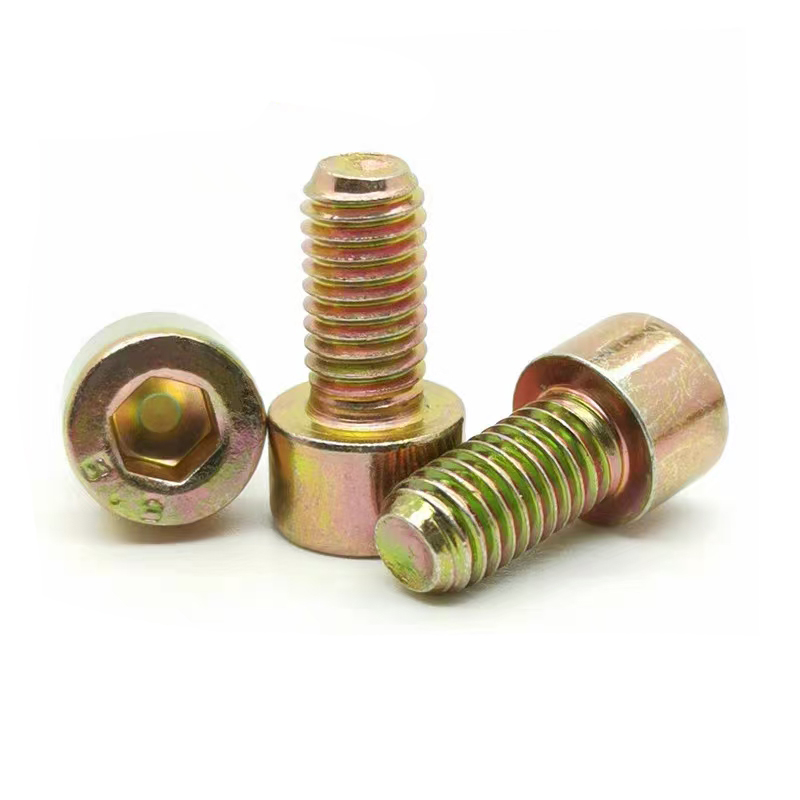
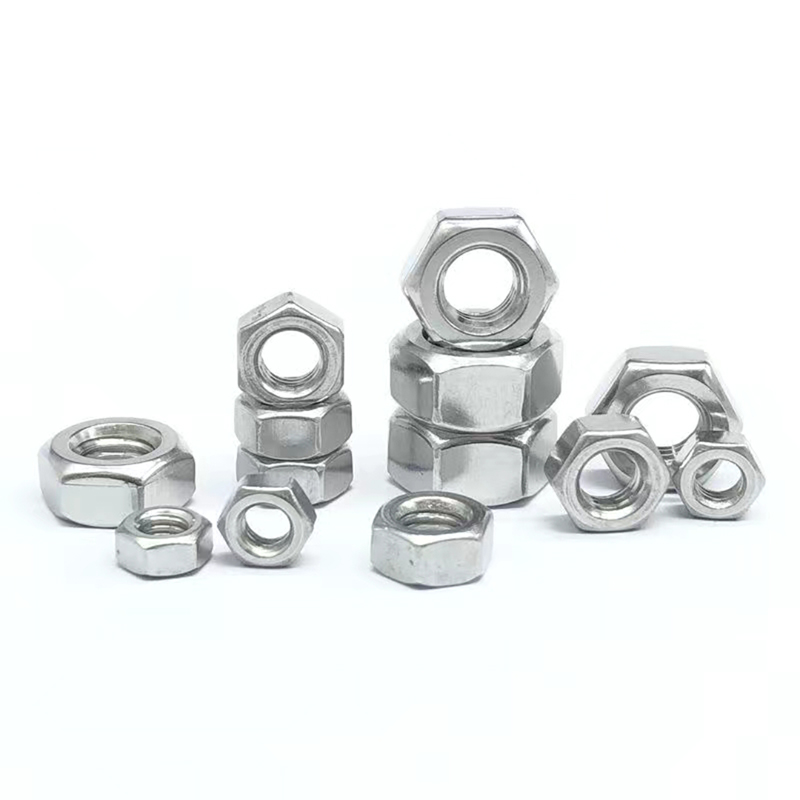
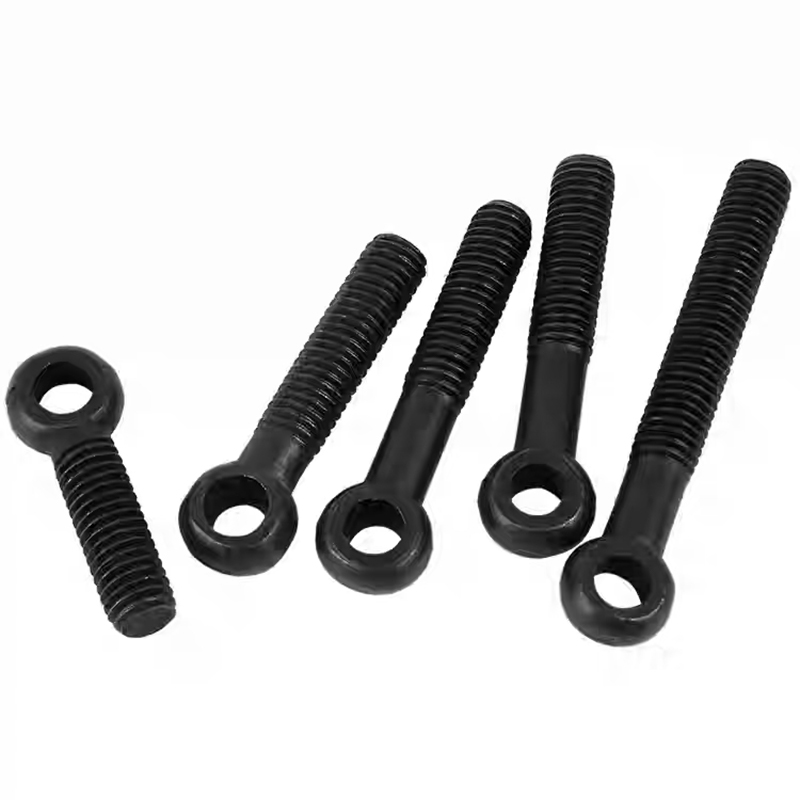
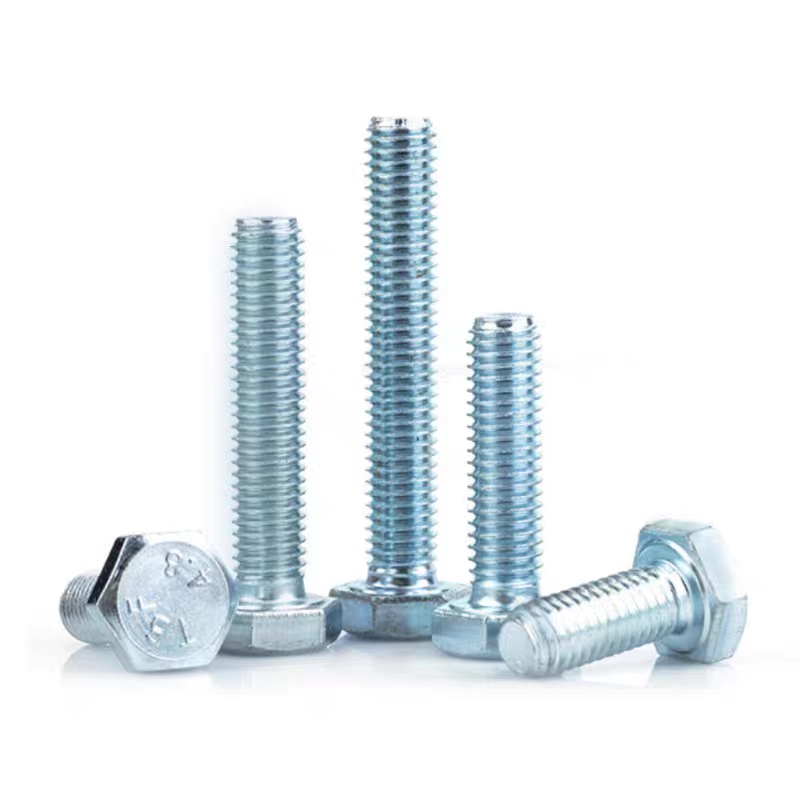
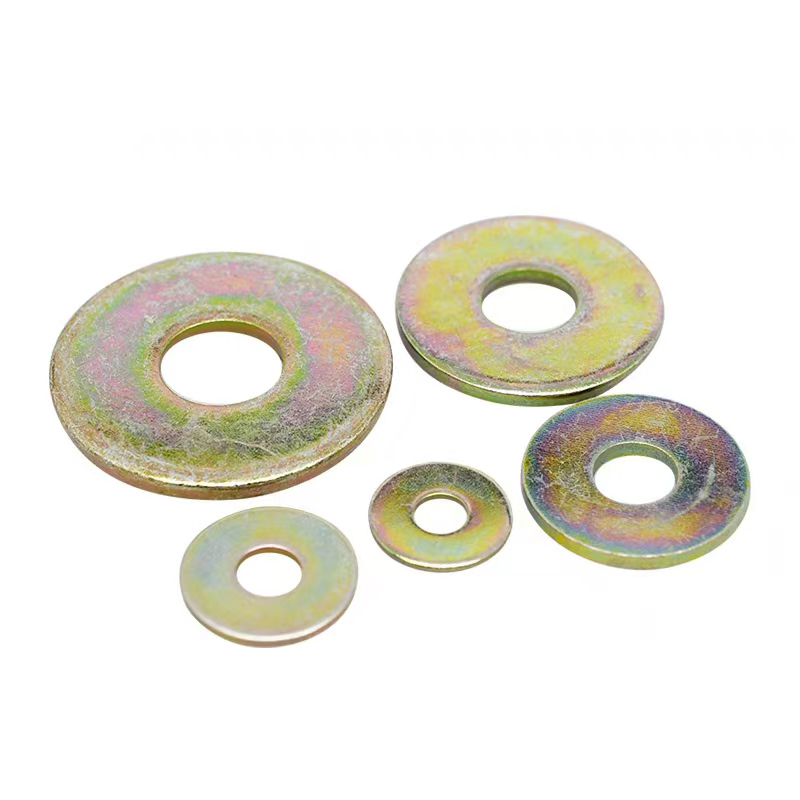
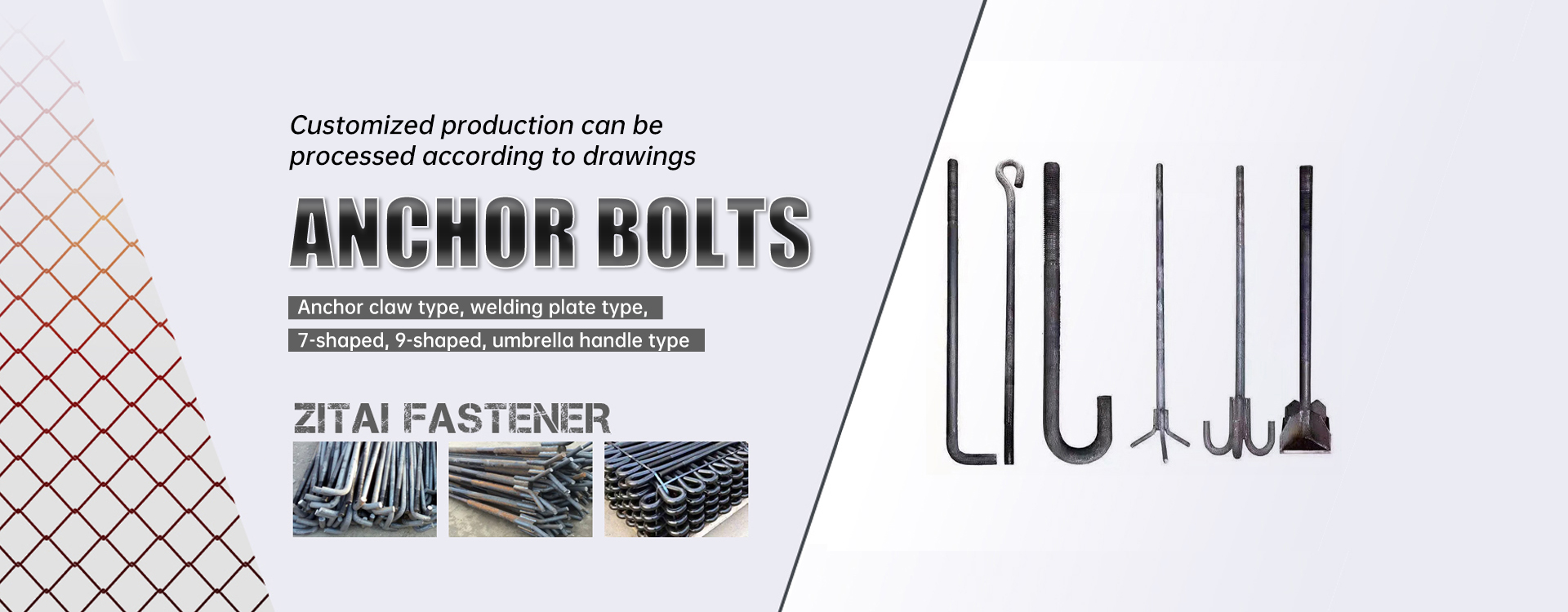
Pi bon vann pwodwi
Pi bon pwodwi vann-
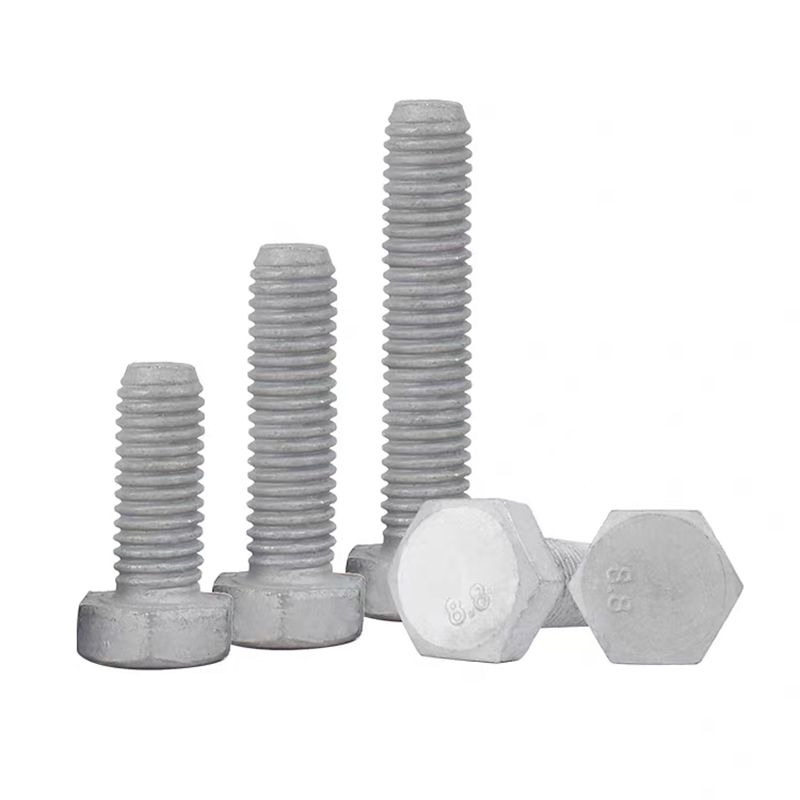 Boulon egzagonal cho-tranpe
 -
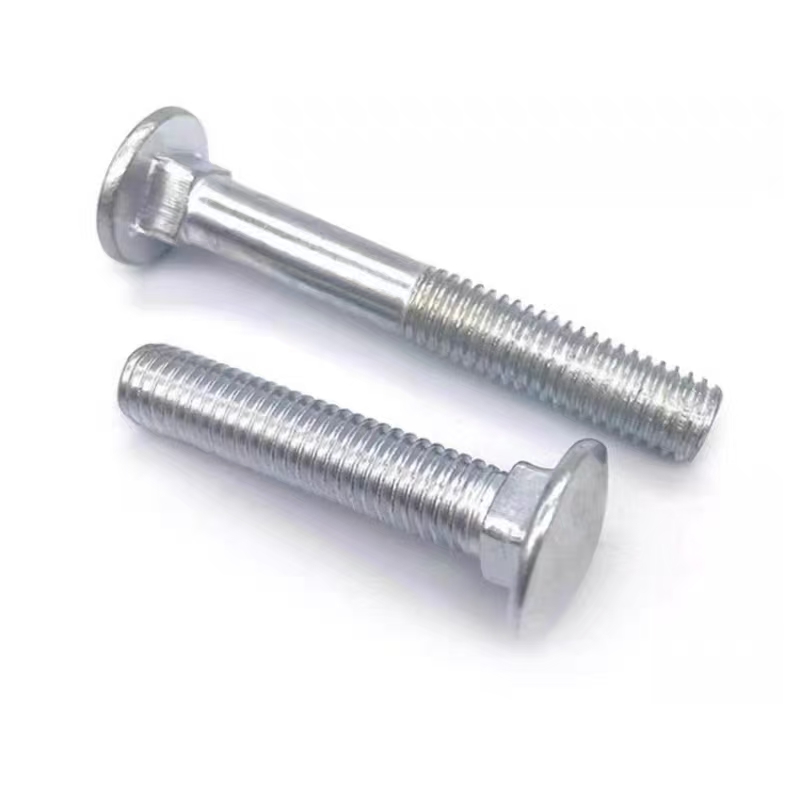 Bolt cha (mwatye wonn tèt kare kou boulon)
 -
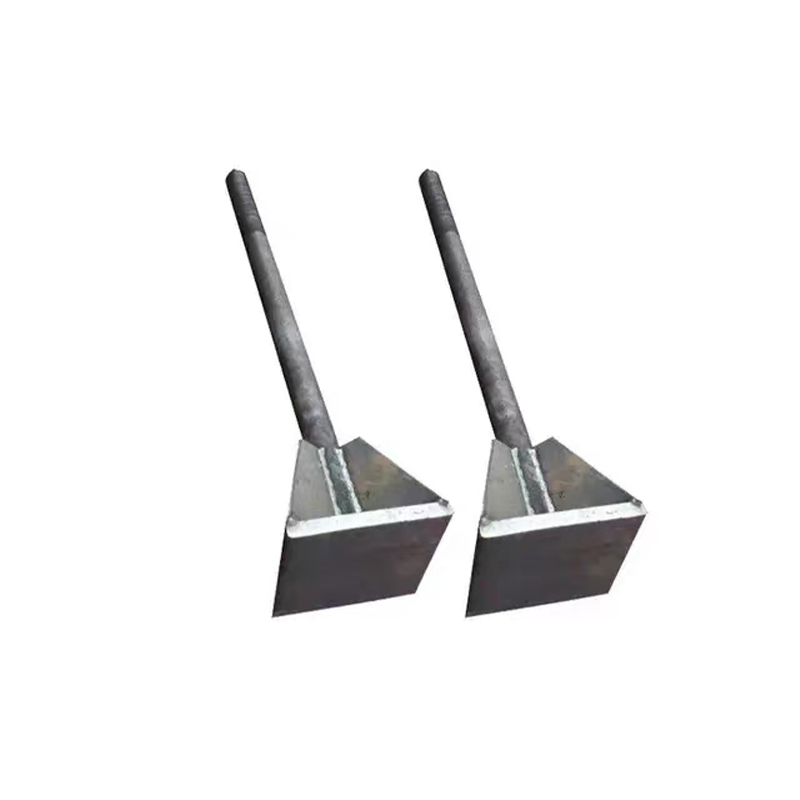 Anchor plak soude (soude plak jete lank)
 -
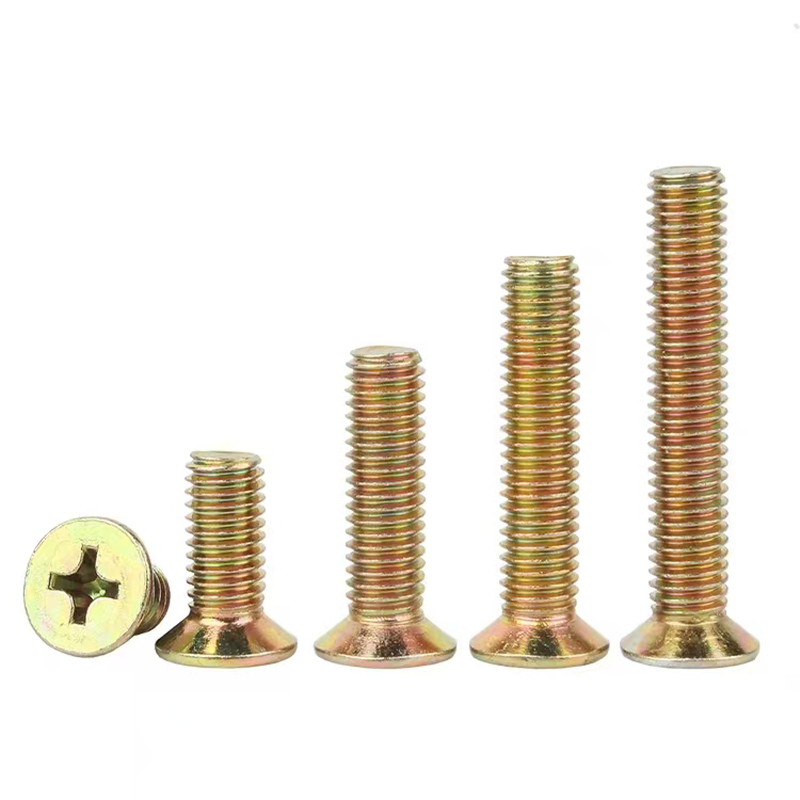 Koulè zenk plake countersunk boulon kwa
 -
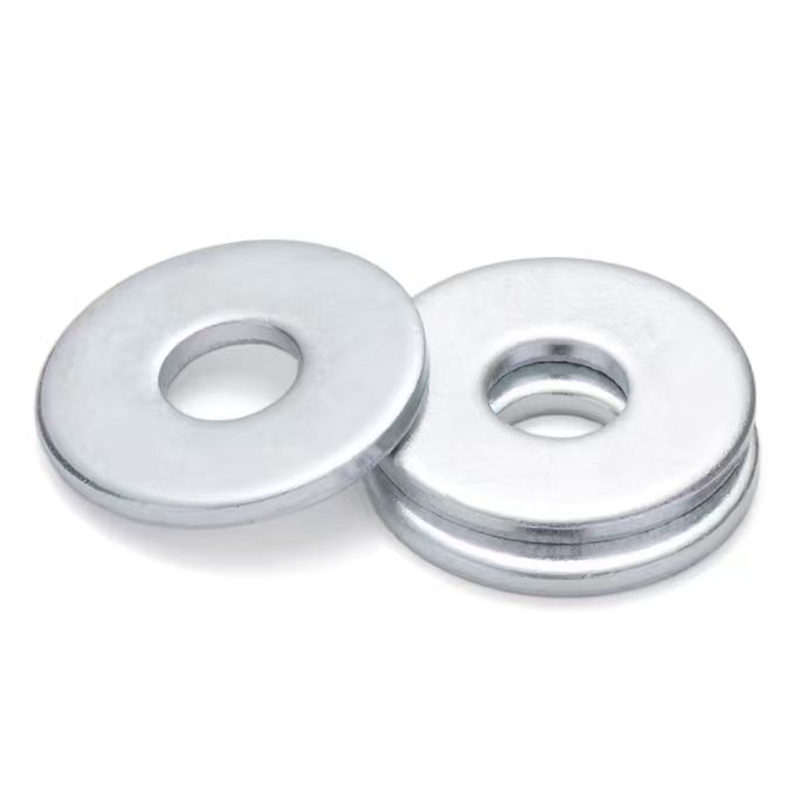 Electroplated Galvanised Galvanised
 -
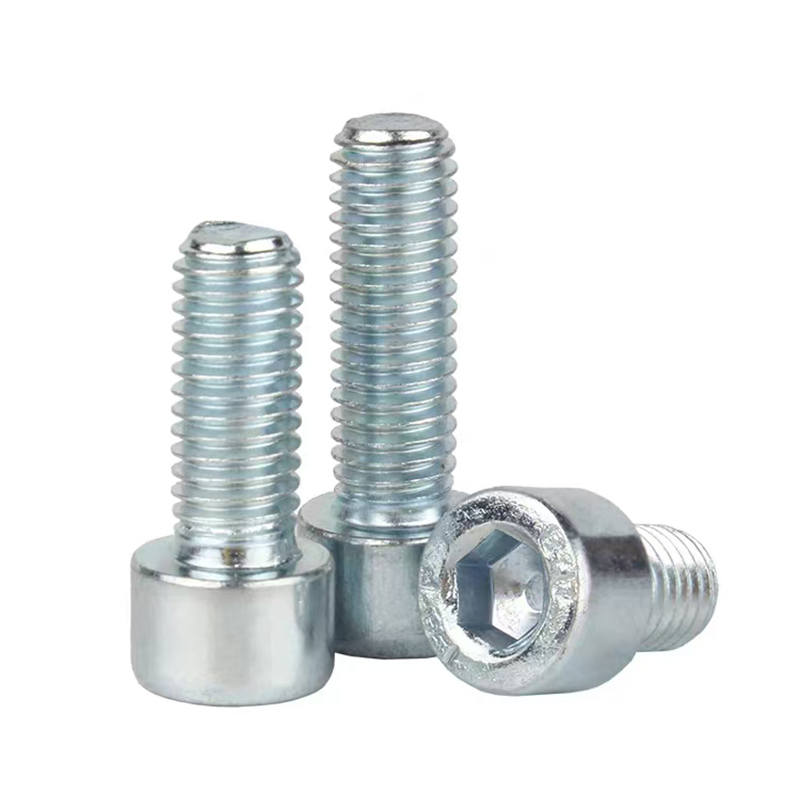 Egzagòn Socket Electrogalvanized boulon
 -
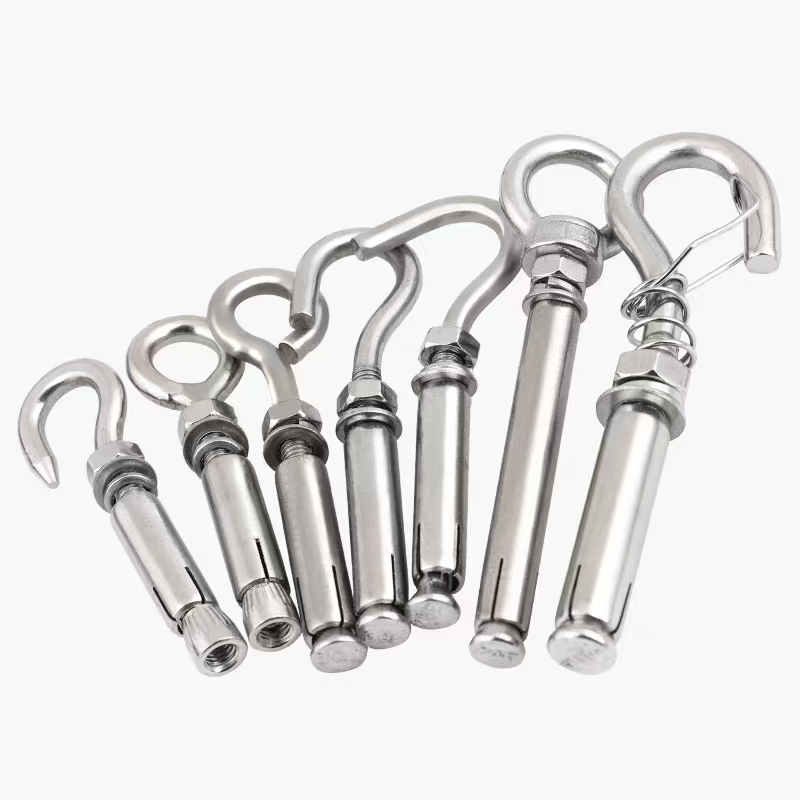 Electro-galvanised ekspansyon zen
 -
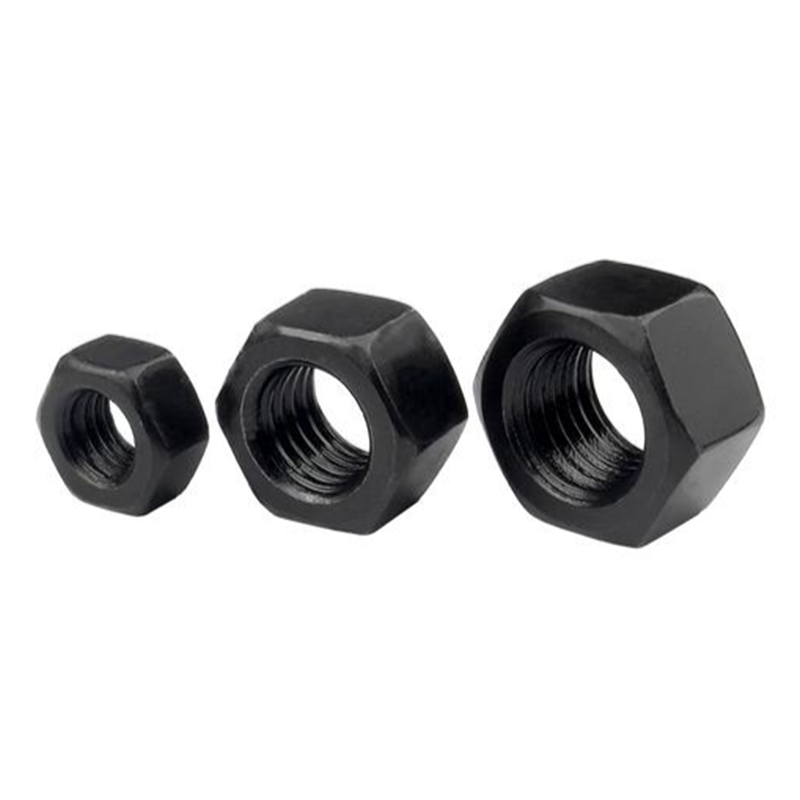 High-fòs nwa nwasi
 -
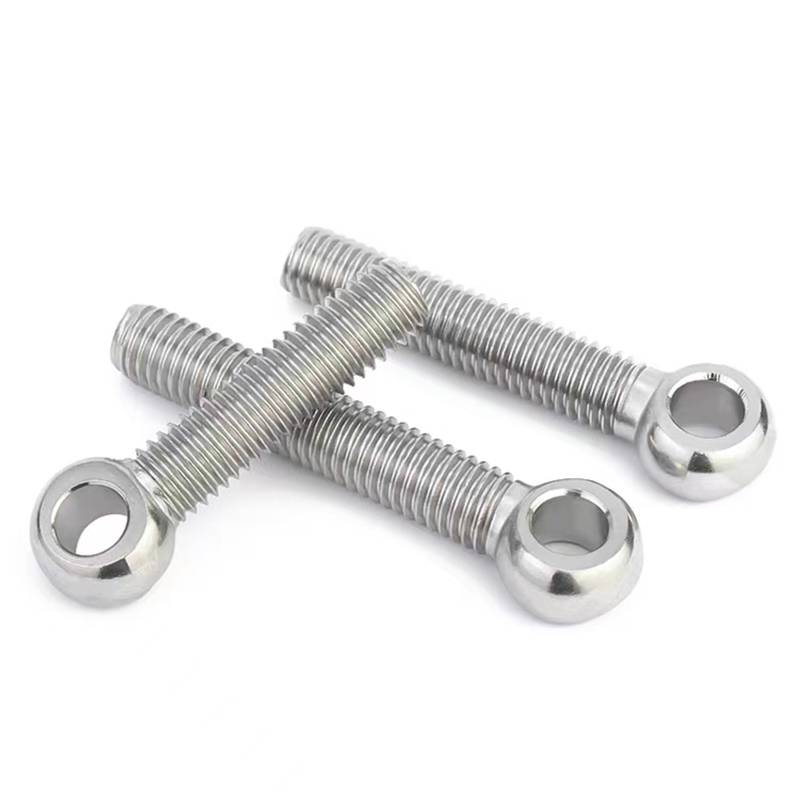 Boulon charnyèj
 -
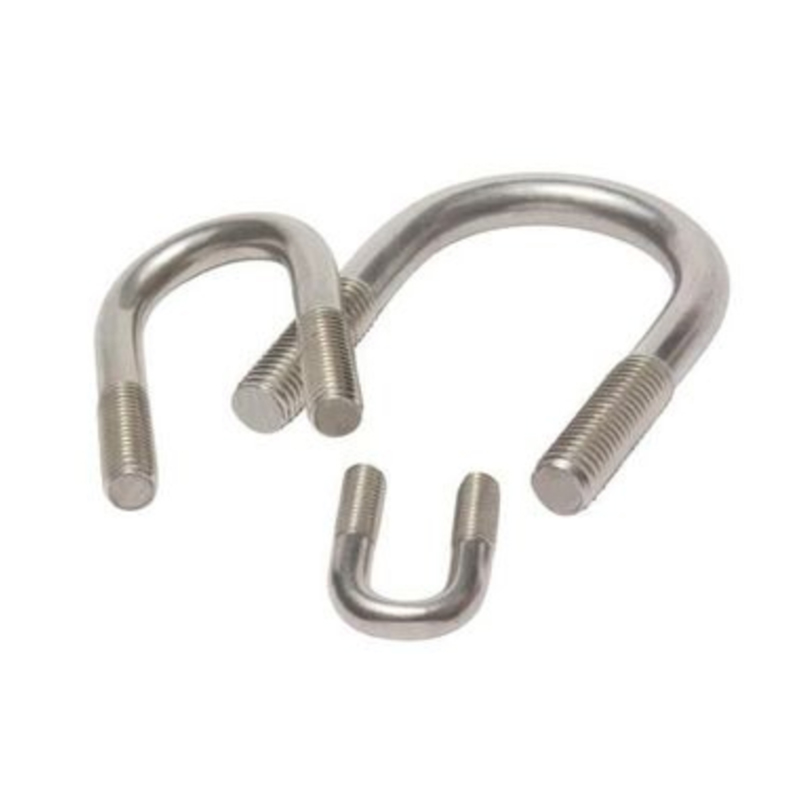 U-boulon
 -
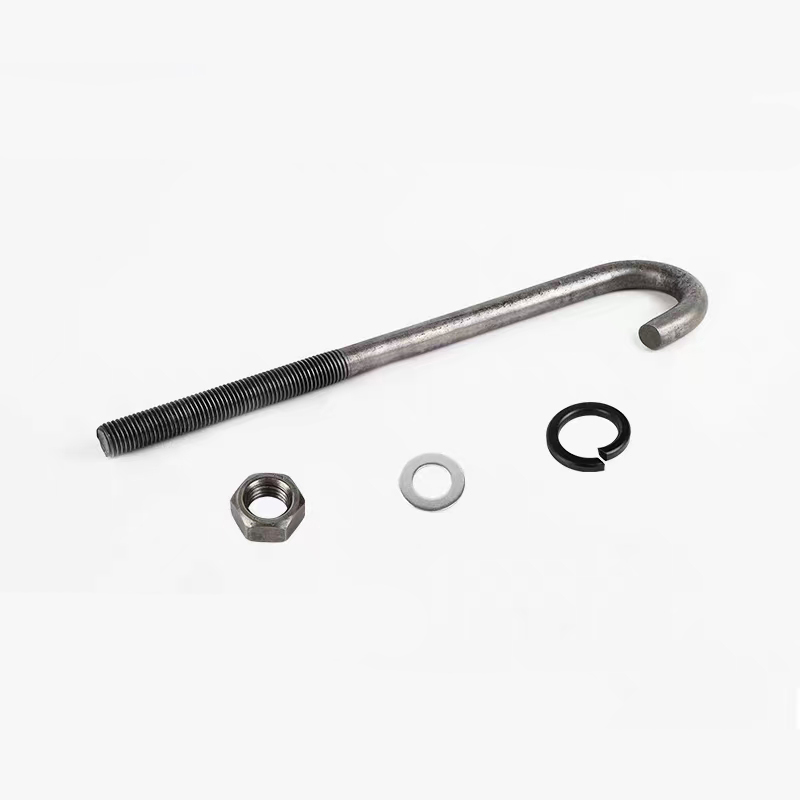 Parapli manch jete lank (J-tip jete lank boulon/parapli manch anbale boulon)
 -
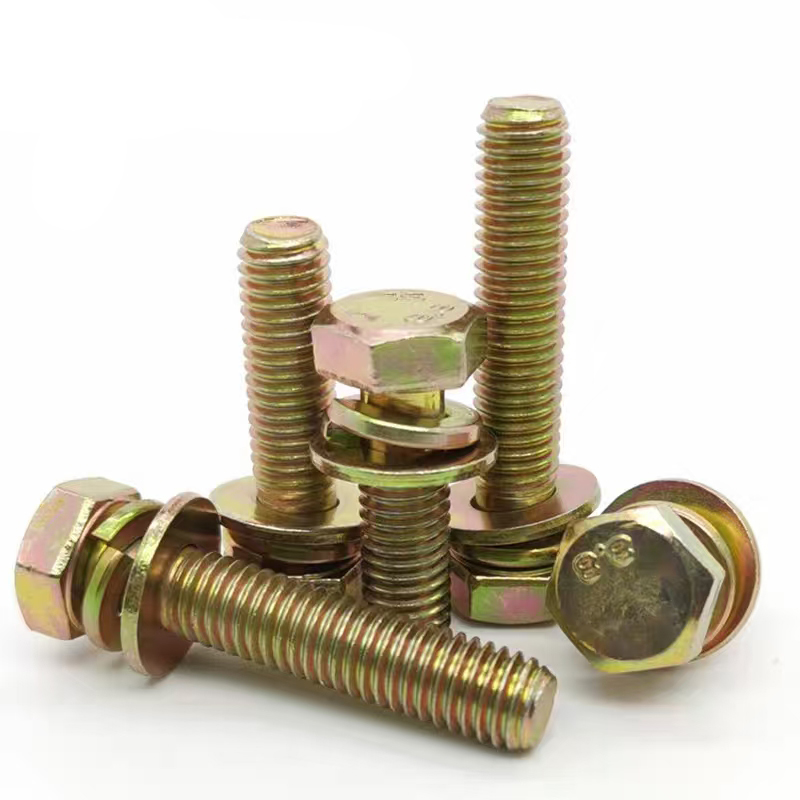 Koulè zenk plake boulon egzagonal


