
- English
- Chinese
- French
- German
- Portuguese
- Spanish
- Russian
- Japanese
- Korean
- Arabic
- Irish
- Greek
- Turkish
- Italian
- Danish
- Romanian
- Indonesian
- Czech
- Afrikaans
- Swedish
- Polish
- Basque
- Catalan
- Esperanto
- Hindi
- Lao
- Albanian
- Amharic
- Armenian
- Azerbaijani
- Belarusian
- Bengali
- Bosnian
- Bulgarian
- Cebuano
- Chichewa
- Corsican
- Croatian
- Dutch
- Estonian
- Filipino
- Finnish
- Frisian
- Galician
- Georgian
- Gujarati
- Hausa
- Hawaiian
- Hebrew
- Hmong
- Hungarian
- Icelandic
- Igbo
- Javanese
- Kannada
- Kazakh
- Khmer
- Kurdish
- Kyrgyz
- Latin
- Latvian
- Lithuanian
- Luxembou..
- Macedonian
- Malagasy
- Malay
- Malayalam
- Maltese
- Maori
- Marathi
- Mongolian
- Burmese
- Nepali
- Norwegian
- Pashto
- Persian
- Punjabi
- Serbian
- Sesotho
- Sinhala
- Slovak
- Slovenian
- Somali
- Samoan
- Scots Gaelic
- Shona
- Sindhi
- Sundanese
- Swahili
- Tajik
- Tamil
- Telugu
- Thai
- Ukrainian
- Urdu
- Uzbek
- Vietnamese
- Welsh
- Xhosa
- Yiddish
- Yoruba
- Zulu
- Kinyarwanda
- Tatar
- Oriya
- Turkmen
- Uyghur


T boulon platr repare
Understanding T Bolt Plasterboard Fixing: An Insider's Perspective
When it comes to securing fixtures onto plasterboard, the T bolt plasterboard fixing offers a practical solution, yet it's often misunderstood. Many people either underestimate or overestimate their capabilities, leading to common mishaps. Let's dig deeper into what makes this fixing method both unique and dependable.
The Basics of T Bolt Plasterboard Fixing
Nan nwayo li yo, la T bolt plasterboard fixing is designed for strength and versatility. It expands behind the plasterboard to create a secure anchor. However, the real trick lies in choosing the right size and type for the specific job. Many DIY enthusiasts mistakenly assume one size fits all, which is where the trouble begins.
A common pitfall is not considering the thickness of the plasterboard. Each T bolt is rated differently, and overlooking this can lead to a less secure fitting. Through trial and error, you quickly learn the importance of matching bolt size with board thickness.
Beyond that, the material of the plasterboard itself plays a role. Moisture-resistant boards, for instance, might require a more robust fixing to counteract weight shifts over time. Real-world conditions often reveal these subtleties, as I’ve discovered during many home renovation projects.
Installation Techniques: The Dos and Don'ts
Installing these fixings isn’t just about drilling a hole and hoping for the best. Prep work matters. Mark the spot carefully, considering any potential load stress on the plasterboard. Try to avoid placing fixings too close to edges, which could compromise stability.
A mistake I often see is over-tightening. While it might seem like a good idea for added security, it can actually weaken the integrity of your plasterboard. A firm, steady hand works best here.
Another tip involves using a drill with variable speed settings. High speeds can cause plasterboard to fracture, making a highly visible mess of what was meant to be a neat job. Slow and steady wins this race, adding longevity to the installation.
Handling Unexpected Issues
No matter how well you plan, unexpected issues can occur. For example, hitting a stud while drilling is more common than you might think. In such cases, a T bolt plasterboard fixing can become redundant, necessitating a switch to a wood screw.
Also, watch out for hidden pipes and wires—a sudden surprise that could halt your project. Investing in a decent wall scanner to check behind the plasterboard can save time and potential repair costs.
It’s wise to have a small variety of fixings on hand for these eventualities. Flexibility and readiness often make the difference between a hassle-free project and a frustrating endeavor.
Dealing with Load-Bearing Requirements
One application where the T bolt plasterboard fixing truly shines is with heavier loads. Whether it’s shelving or wall-mounted TVs, understanding the load demands helps prevent potential accidents. Here, the bolt’s ability to spread the weight across the board is invaluable.
But do take care to determine the cumulative weight that the plasterboard can sustain. Overloading can lead to disastrous results. Reference materials from manufacturers often provide necessary weight limits, but real-world testing can sometimes reveal discrepancies.
I've found it beneficial to start with lighter loads during installation, gradually increasing to ensure the board and fixing can cope. Immediate failure is rare, but better safe than sorry.
Wòl nan manifakti bon jan kalite
The quality of the T bolt plasterboard fixing also makes a significant impact. Cheap, poorly manufactured products can break under pressure. This is where companies like Handan Zitai Fastener Manufacturing Co., Ltd. come into play. Known for their reliability, their products often stand up to real-world demands, lessening the likelihood of unexpected failures.
Operating out of Yongnian District, Handan City, their proximity to major transport routes ensures timely delivery of their high-standard products. I’ve used their products on several occasions and have come to trust their durability.
In sum, while it's essential to choose quality fixings, understanding the application, environment, and keeping a flexible approach to problem-solving ensures success. Practical experience often becomes the best guide in mastering the use of T bolt plasterboard fixings.
Ki gen rapò pwodwi
Pwodwi ki gen rapò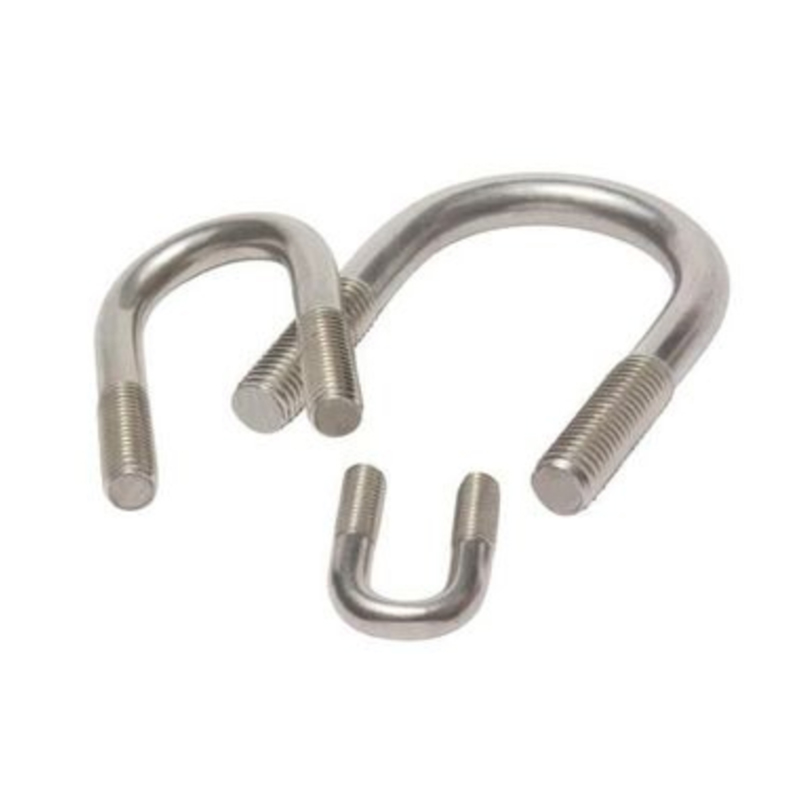
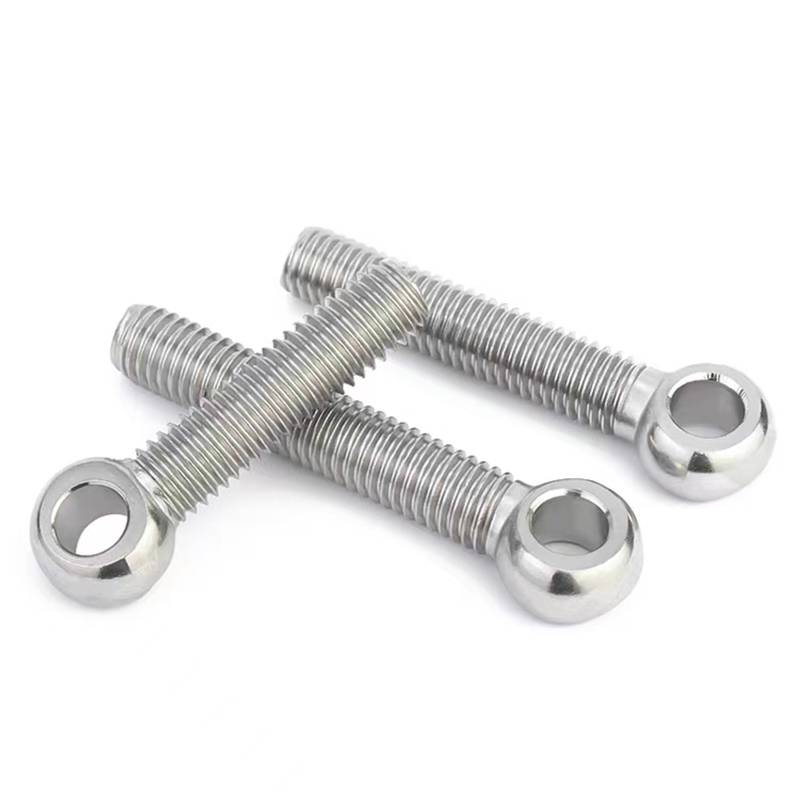
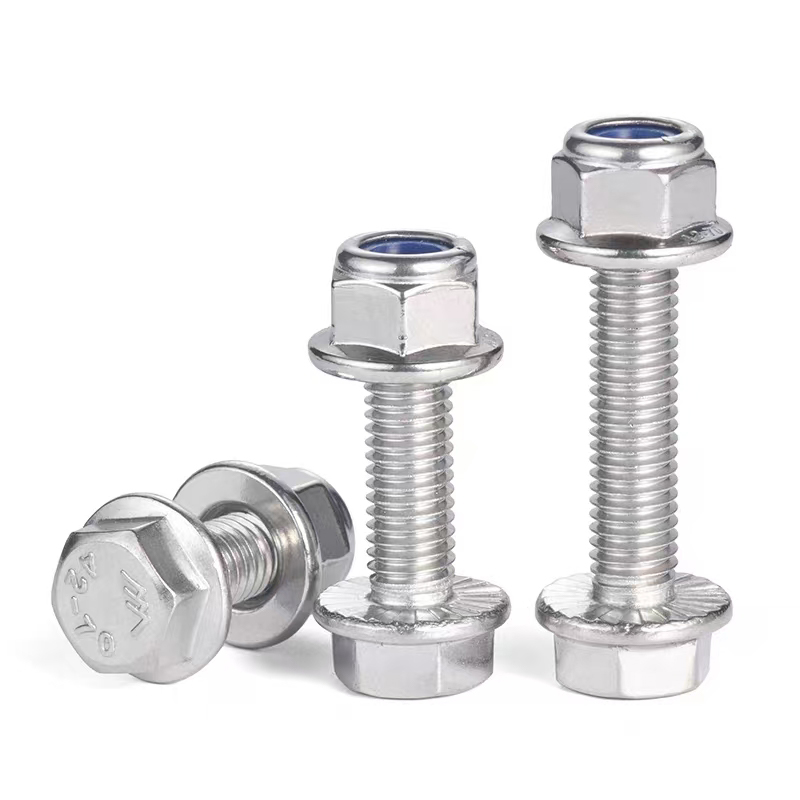
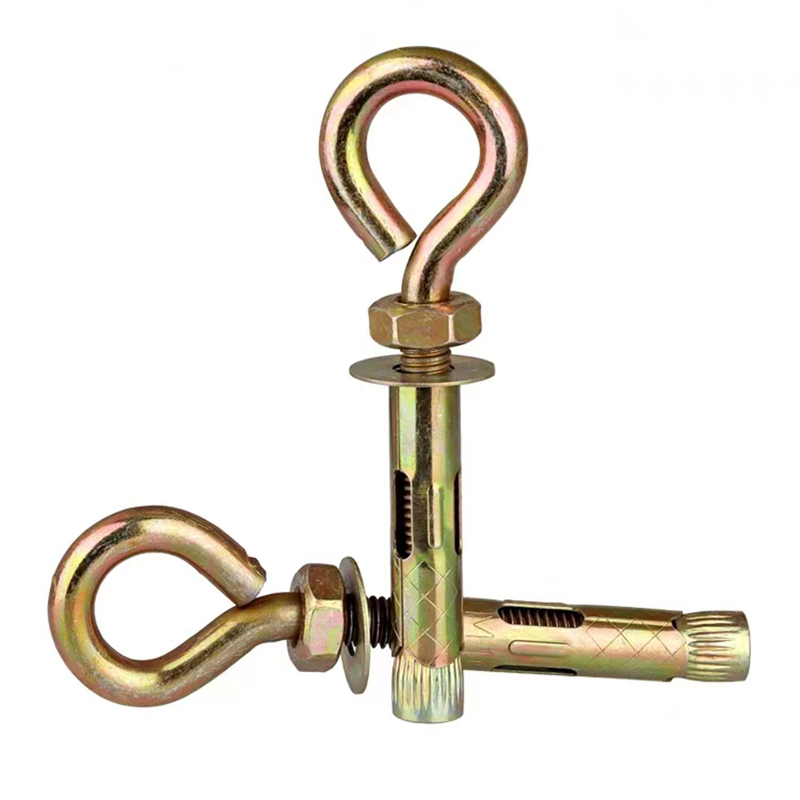
Pi bon vann pwodwi
Pi bon pwodwi vann-
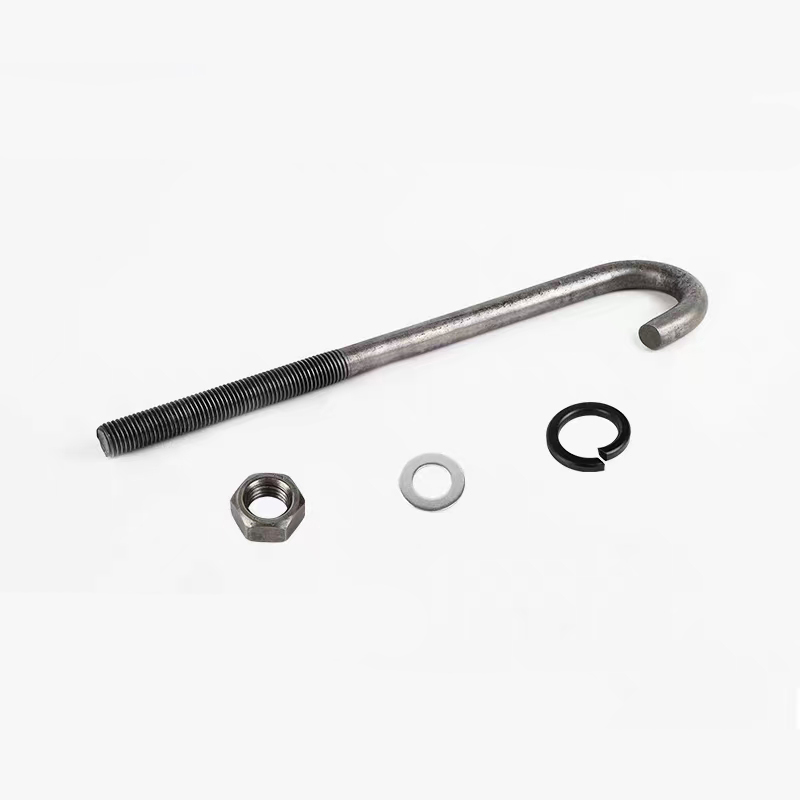 Parapli manch jete lank (J-tip jete lank boulon/parapli manch anbale boulon)
 -
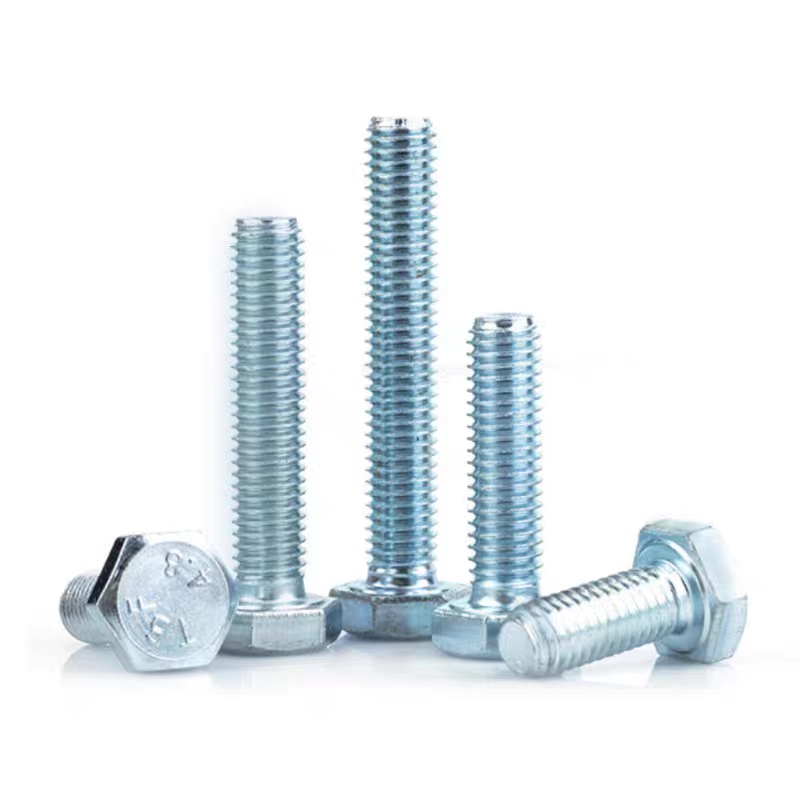 Boulon egzagonal
 -
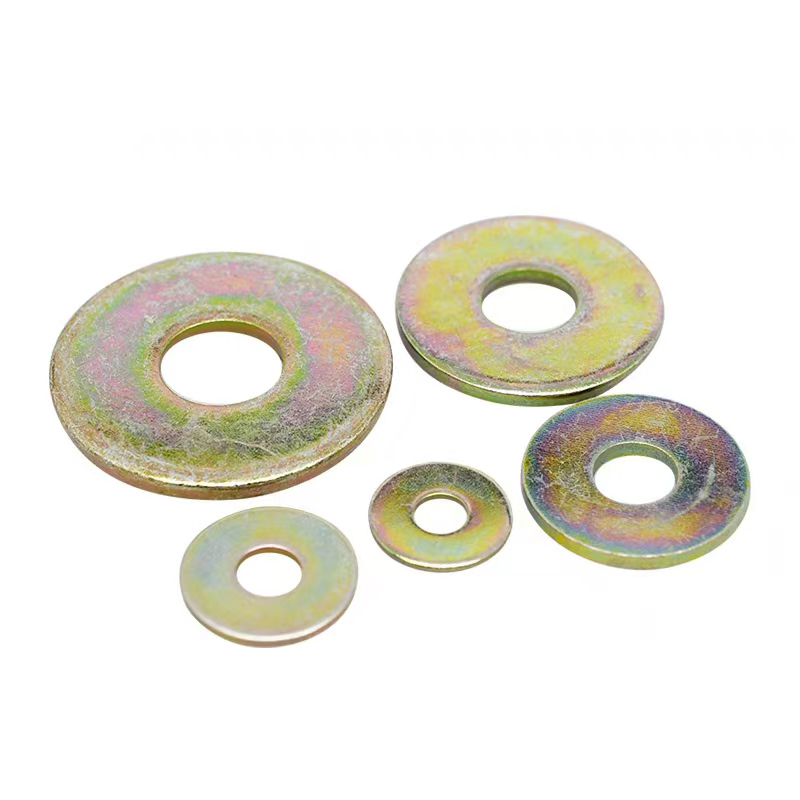 Ki gen koulè zenk-plake garnitur
 -
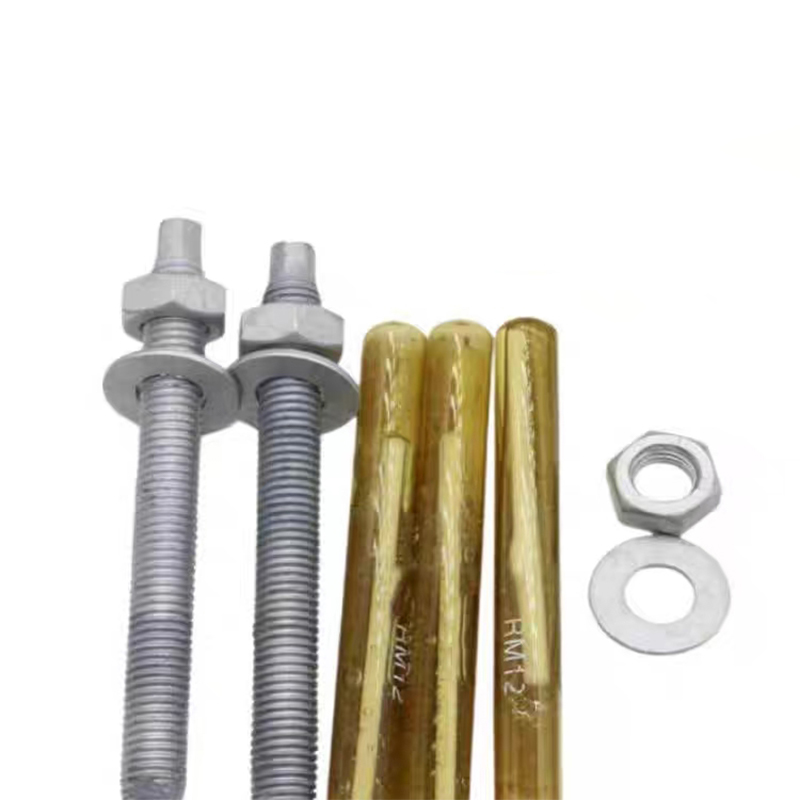 Cho-tranpe boulon chimik galvanised
 -
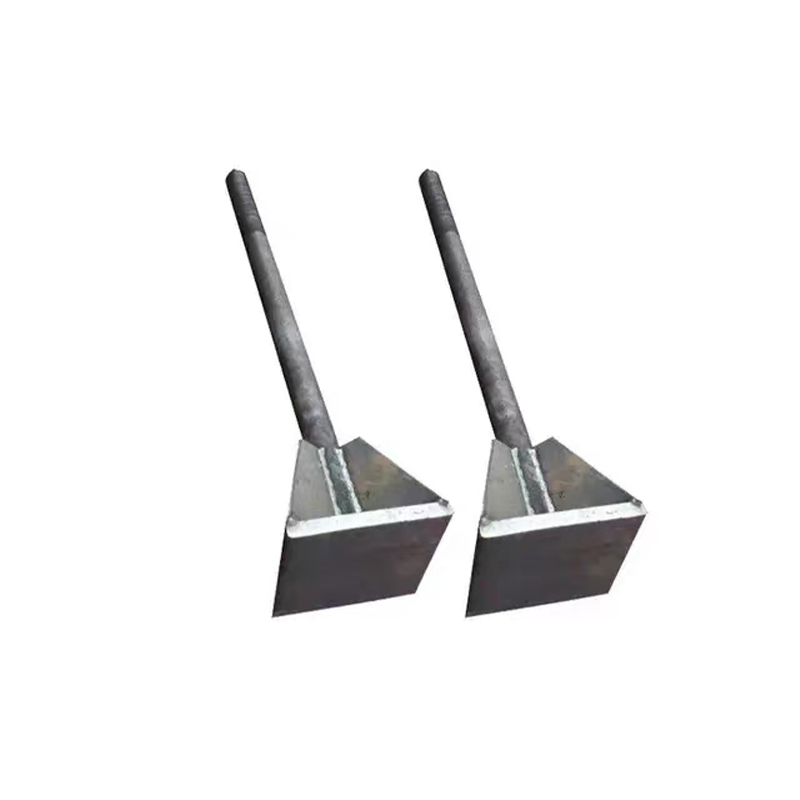 Anchor plak soude (soude plak jete lank)
 -
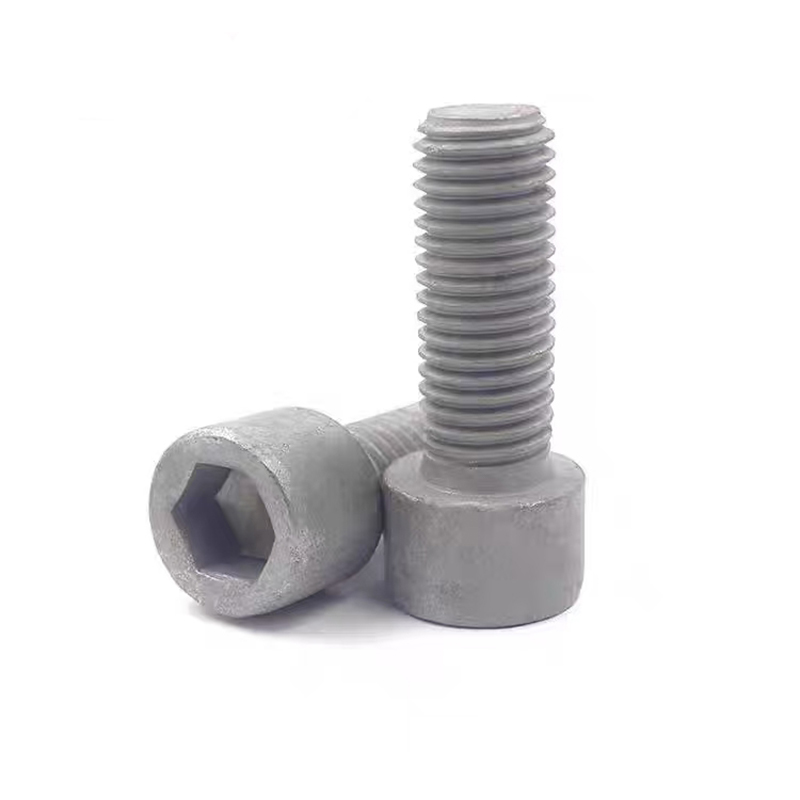 Egzagòn priz cho-plonje boulon galvanised
 -
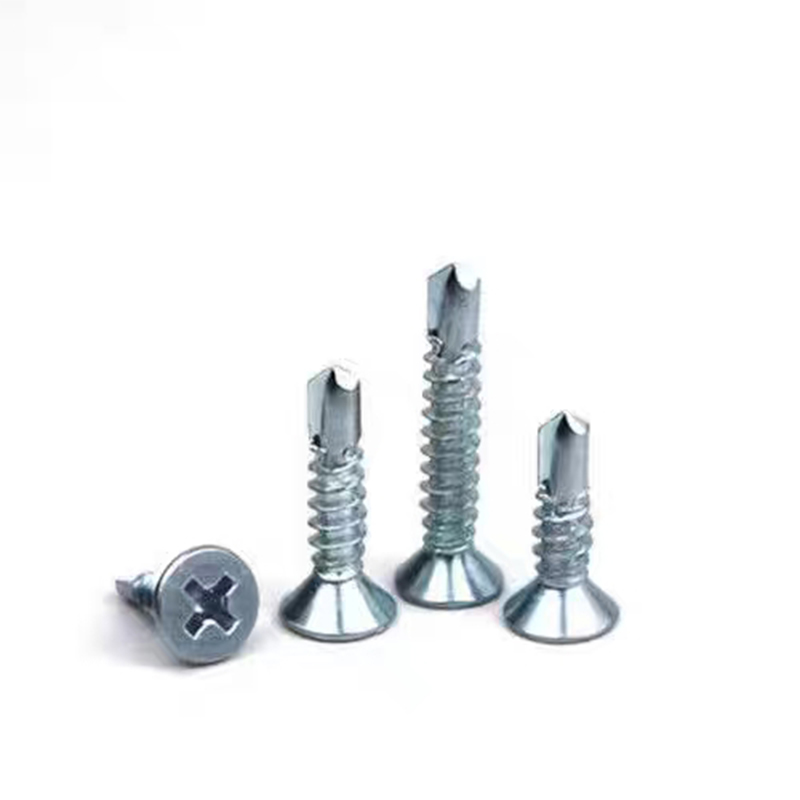 Electrogalvanized Cross Countersunk Drill Fil
 -
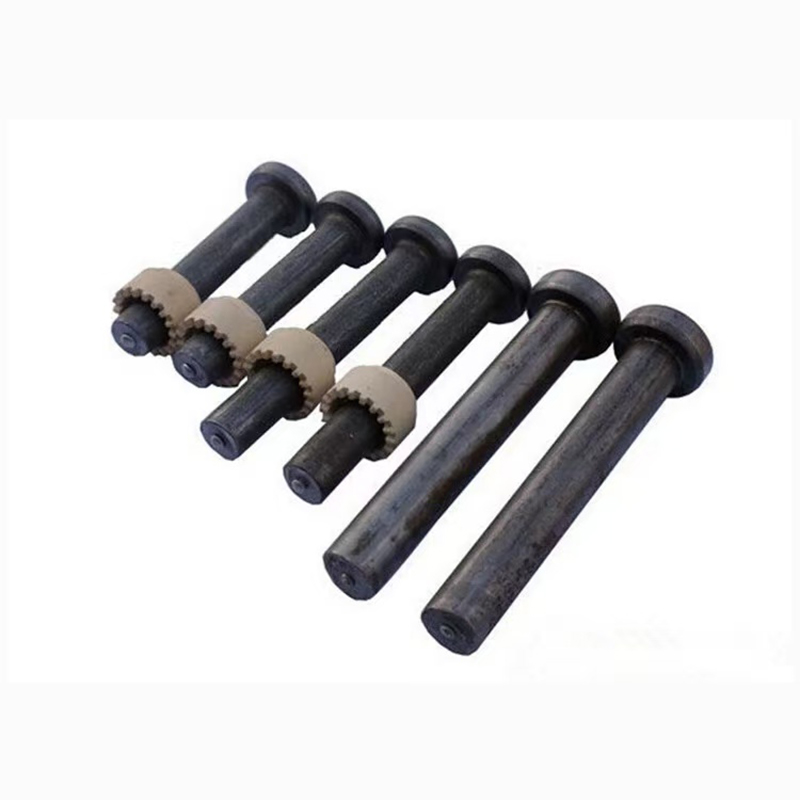 Klou soude
 -
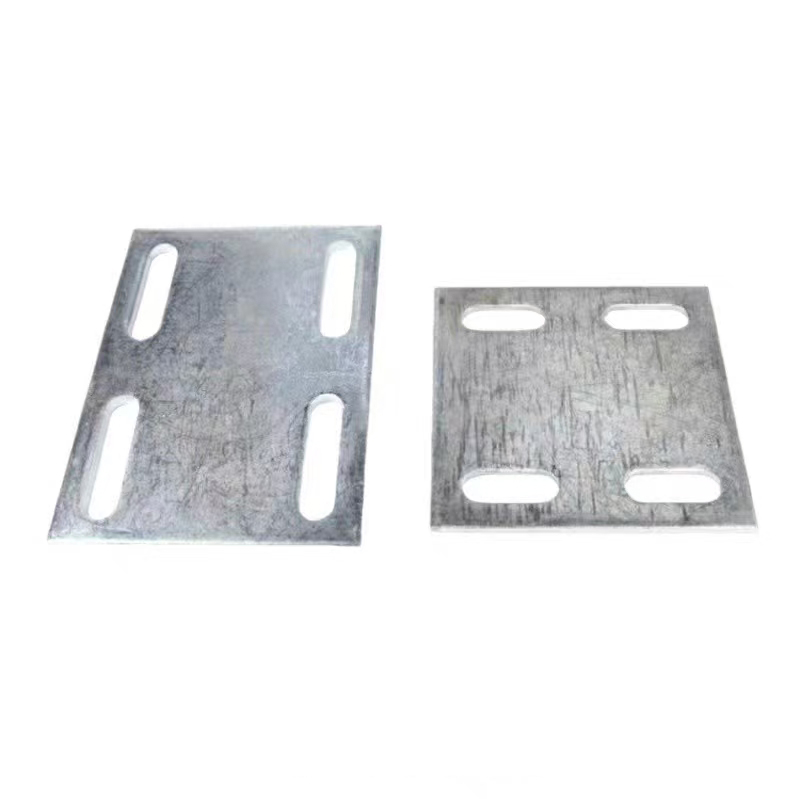 Plak Electrogalvanized Embedded
 -
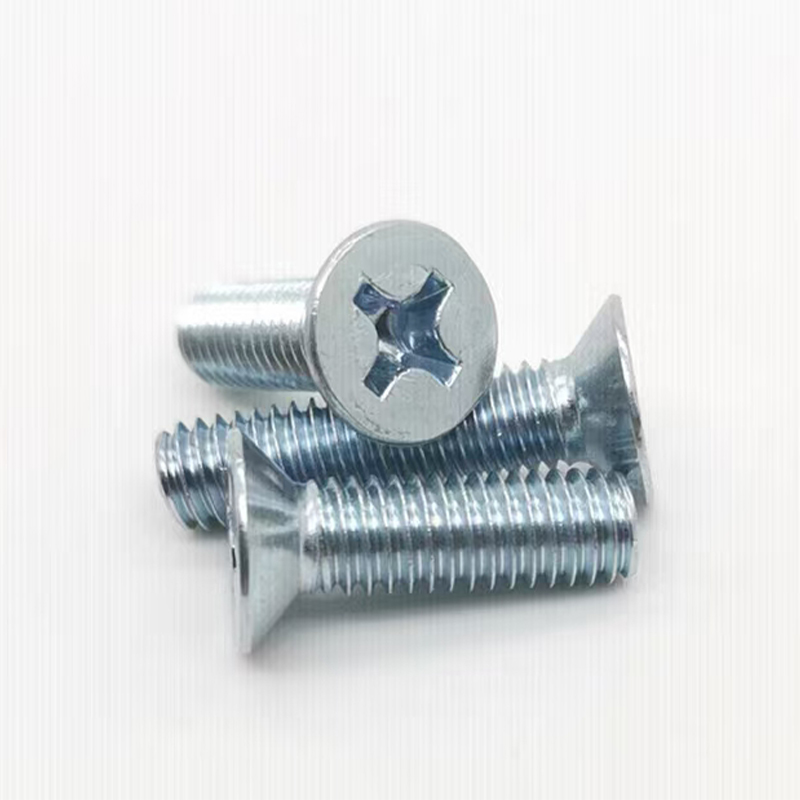 Elektwo-galvanised countersunk boulon kwa
 -
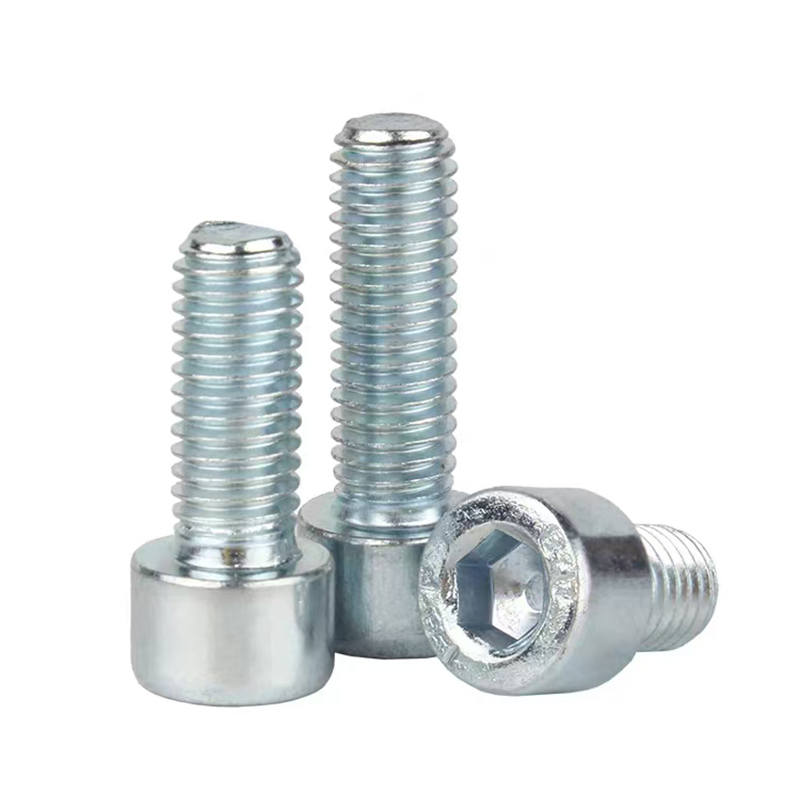 Egzagòn Socket Electrogalvanized boulon
 -
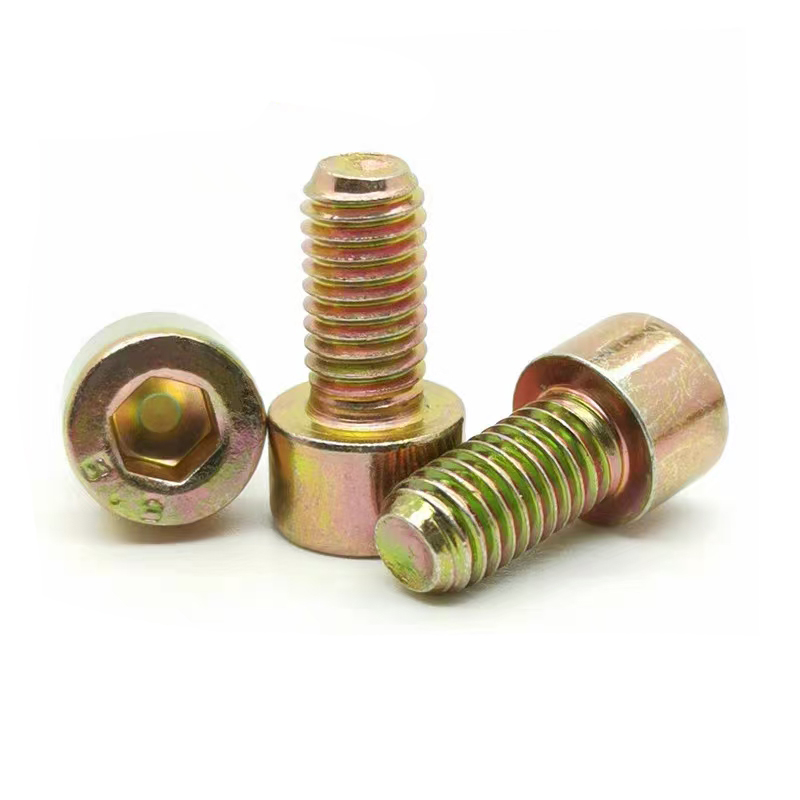 Egzagòn priz ki gen koulè zenk-plake boulon


