
- English
- Chinese
- French
- German
- Portuguese
- Spanish
- Russian
- Japanese
- Korean
- Arabic
- Irish
- Greek
- Turkish
- Italian
- Danish
- Romanian
- Indonesian
- Czech
- Afrikaans
- Swedish
- Polish
- Basque
- Catalan
- Esperanto
- Hindi
- Lao
- Albanian
- Amharic
- Armenian
- Azerbaijani
- Belarusian
- Bengali
- Bosnian
- Bulgarian
- Cebuano
- Chichewa
- Corsican
- Croatian
- Dutch
- Estonian
- Filipino
- Finnish
- Frisian
- Galician
- Georgian
- Gujarati
- Hausa
- Hawaiian
- Hebrew
- Hmong
- Hungarian
- Icelandic
- Igbo
- Javanese
- Kannada
- Kazakh
- Khmer
- Kurdish
- Kyrgyz
- Latin
- Latvian
- Lithuanian
- Luxembou..
- Macedonian
- Malagasy
- Malay
- Malayalam
- Maltese
- Maori
- Marathi
- Mongolian
- Burmese
- Nepali
- Norwegian
- Pashto
- Persian
- Punjabi
- Serbian
- Sesotho
- Sinhala
- Slovak
- Slovenian
- Somali
- Samoan
- Scots Gaelic
- Shona
- Sindhi
- Sundanese
- Swahili
- Tajik
- Tamil
- Telugu
- Thai
- Ukrainian
- Urdu
- Uzbek
- Vietnamese
- Welsh
- Xhosa
- Yiddish
- Yoruba
- Zulu
- Kinyarwanda
- Tatar
- Oriya
- Turkmen
- Uyghur

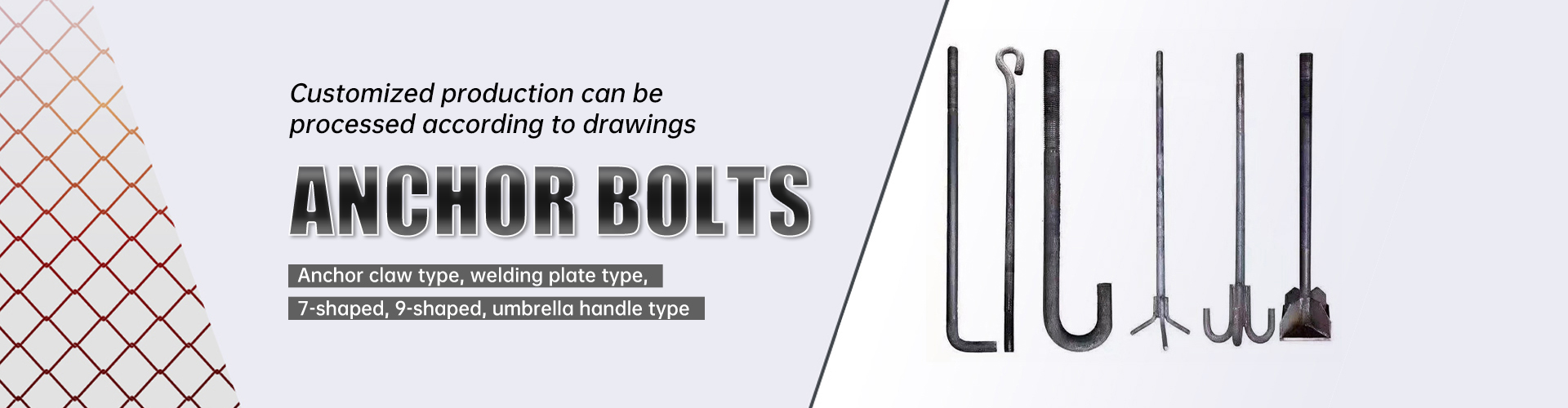
Wholesale 10 U boulon
Navigating the World of Wholesale 10 U Bolt
Wholesale 10 U bolts aren't just basic fasteners; they're critical components in many construction and automotive applications. But why do so many misunderstand their true value and importance? Understanding the industry—from manufacturing nuances to supply chain intricacies—might shed some light on the frequent missteps businesses encounter.
The Anatomy of a U Bolt
Lè li rive wholesale 10 U bolts, we're dealing with a variety of dimensions and metallic compositions. A good U bolt is efficient in securing pipes, tubes, and various structural elements. Precision in their design—whether that's the threading accuracy, arc curvature, or the quality of the material—makes all the difference. Handan Zitai Fastener Manufacturing Co., Ltd. prides itself on delivering these exacting standards, leveraging its prime location in Hebei Province.
Have you ever tightened a U bolt, only to feel it give way despite your best efforts? Material quality often explains this. Working at one of China's largest standard part production bases, I've seen firsthand the impact of sub-par materials. A minor lapse in chrome coating thickness or improper heat treatment can compromise the entire bolt.
But it's not just quality—it's also about adaptability. In the rugged terrains of a construction site, the ability to adjust specifications to meet unique project needs sets leading manufacturers apart. This is where Handan Zitai truly excels, given their local access to raw materials and transportation routes like the Beijing-Guangzhou Railway.
Sourcing Challenges and Supply Chain Insights
Ordering wholesale 10 U bolts sounds straightforward, right? Think again. The process is fraught with challenges, some anticipated, others not. Imagine factoring in the potential for logistical delays on National Highway 107—it's a reality we grapple with frequently.
Moreover, the bulk production of these components requires a deft hand in logistics. At Handan Zitai, for instance, every batch is meticulously monitored from design through dispatch. This ensures the high standards are consistently met. But ever so often, transportation makes all the difference. Accessible routes like the Beijing-Shenzhen Expressway reduce potential bottlenecks.
It's also vital to anticipate shifts in demand—something not all suppliers are equipped to do effectively. A sudden spike can leave some scrambling, but with the infrastructure in place, a company like Handan Zitai remains adaptive and responsive, sourced through https://www.zitaifasteners.com.
Common Pitfalls in Fastener Applications
Misapplication is a significant issue. Over the years, I've witnessed U bolts installed incorrectly too many times to count. The temptation to cut corners for expediency often leads to disaster—a U bolt is not a one-size-fits-all solution; using the wrong size or material can result in structural failures.
Regarding car suspension systems, incorrect torque application can alter performance significantly. Often, mechanics might ignore this nuance, leading to premature wear or unpredictable handling. It's about understanding the science behind the tension and friction involved.
Additionally, regular maintenance is sometimes overlooked. Just like any other component, U bolts require checks and potential replacements, often ignored due to their simple appearance.
Technological Advances in U Bolt Manufacturing
The manufacturers that thrive are those embracing technology. At Handan Zitai, integration of automated processes has significantly reduced human error, yielding consistently reliable products. It's fascinating to see how automation speeds up production while maintaining precision.
CNC machines, for instance, ensure each bolt meets exact specifications. These machines, paired with rigorous quality checks, embody the future of fastener manufacturing. But technology isn't solely about production speed—it's about allowing flexibility to meet custom demands without sacrificing quality.
That's where a robust online presence, such as https://www.zitaifasteners.com, comes in, offering clients the ability to customize orders seamlessly, a crucial client-supplier relationship aspect in today's digital world.
The Future and Sustainability Concerns
Look ahead, and you'll see sustainability is not a niche concern—it’s becoming central to the industry's future. For instance, how fasteners are produced and the lifecycle of materials used is scrutinized more than ever.
With increasing pressure to reduce carbon footprints, companies like Handan Zitai strive to implement greener practices. Not just for compliance, but because it's the right thing for the industry and the environment at large.
Yet, the transition involves costs, logistics adjustments, and a paradigm shift in traditional manufacturing. Embracing more sustainable materials—such as recycled metals—without compromising strength or flexibility presents both a challenge and an opportunity for innovation.
Ki gen rapò pwodwi
Pwodwi ki gen rapò
Pi bon vann pwodwi
Pi bon pwodwi vann-
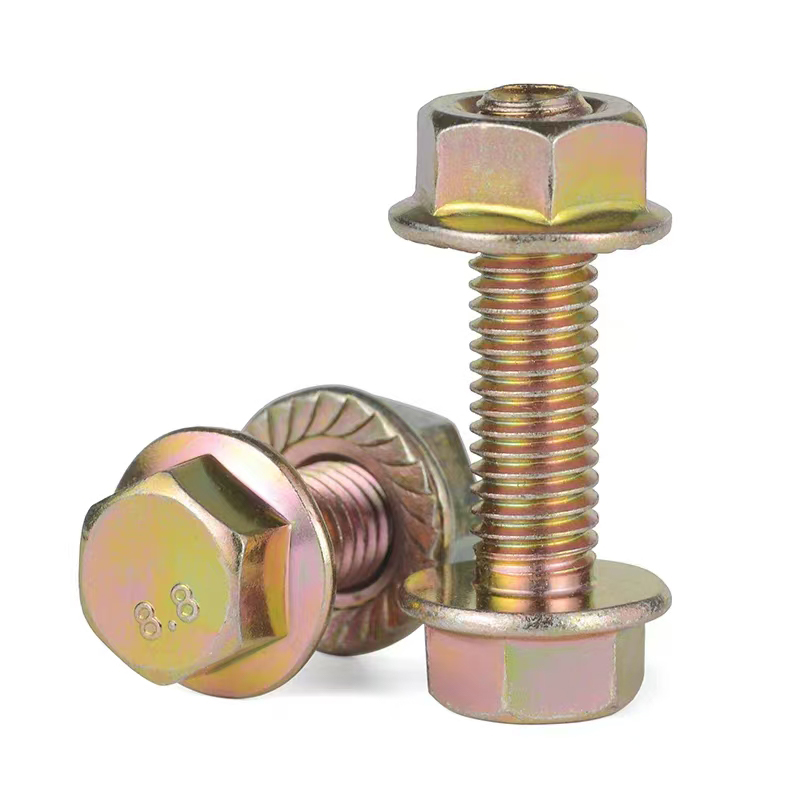 Boulon bride ki gen koulè pal
 -
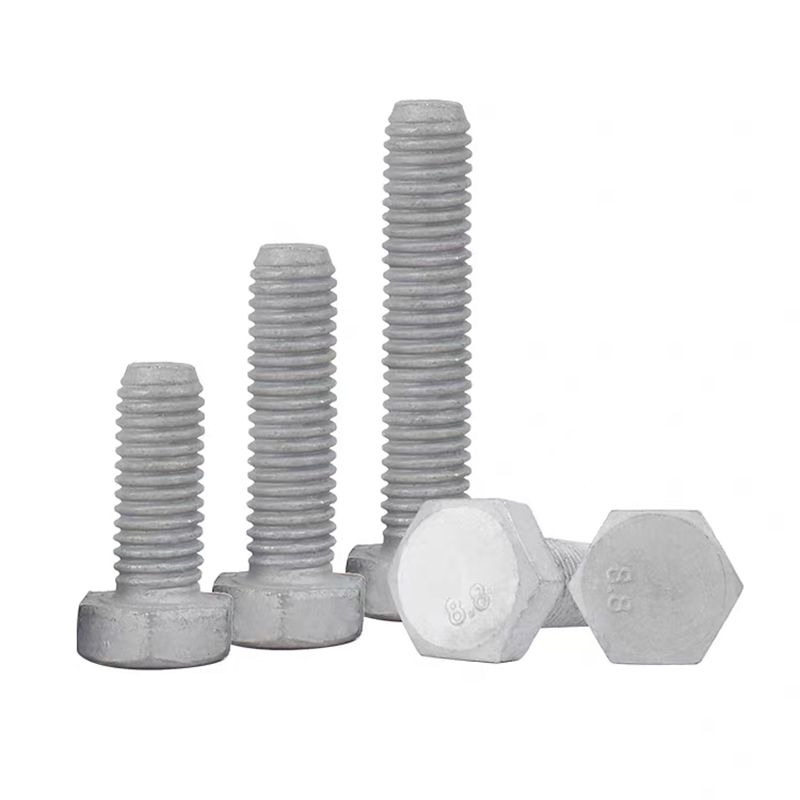 Boulon egzagonal cho-tranpe
 -
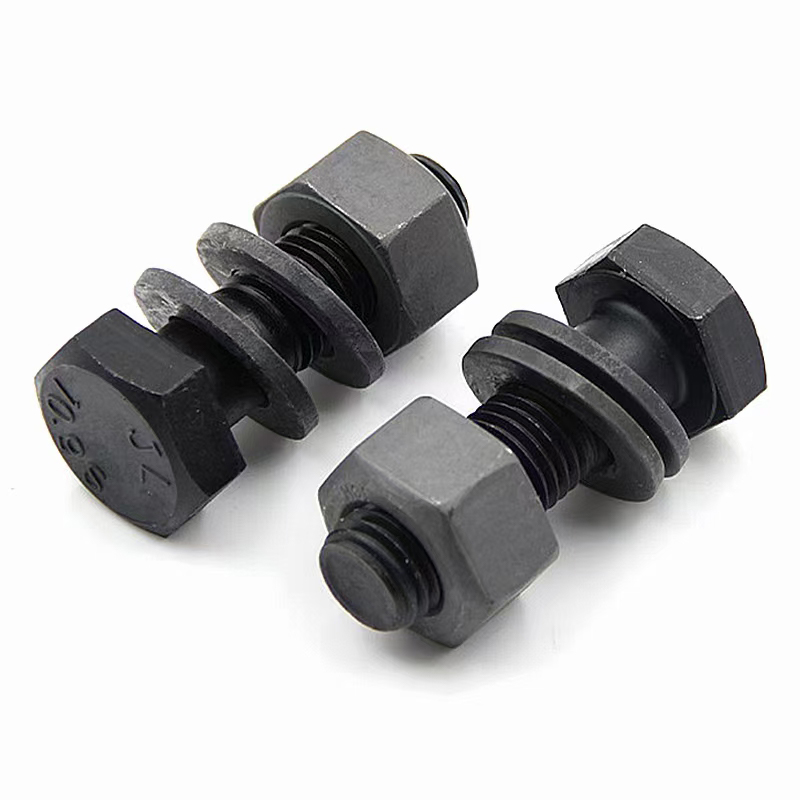 10.9s gwo boulon egzagòn
 -
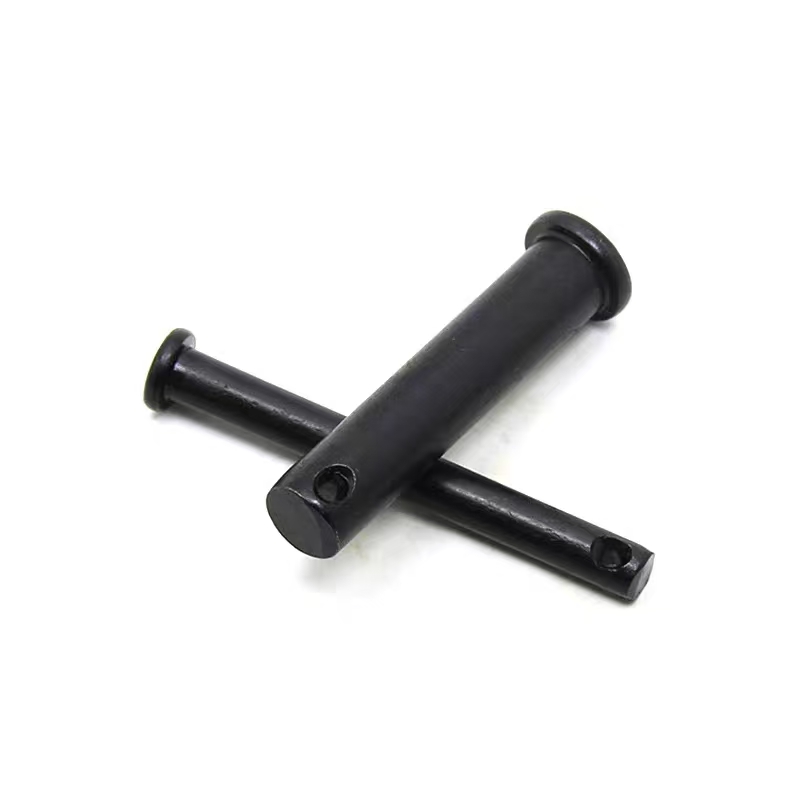 Nwa zenk plake arbr peny
 -
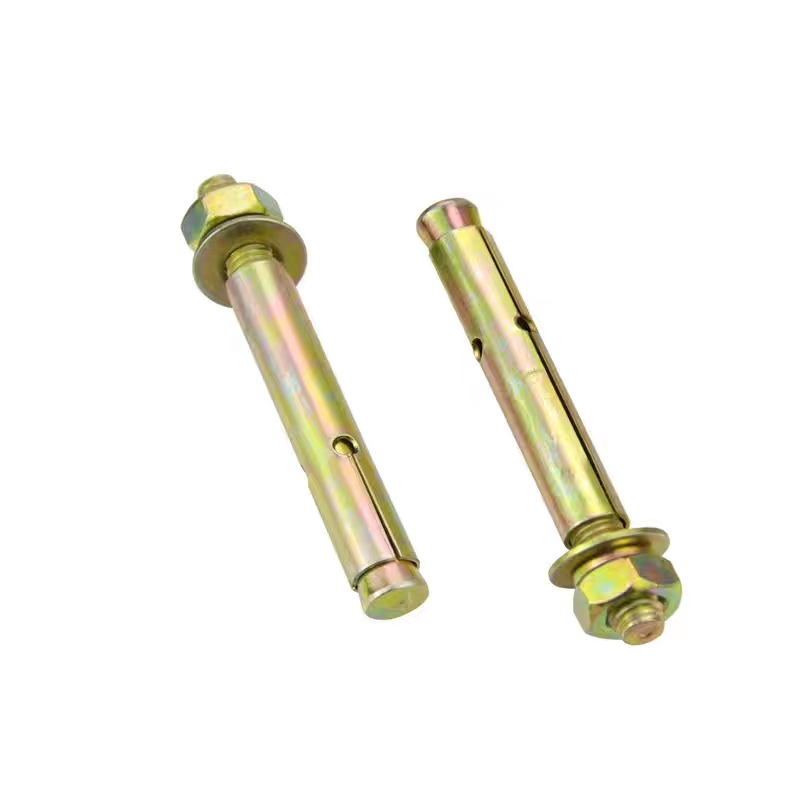 Boulon ekspansyon ki gen koulè pal zenk
 -
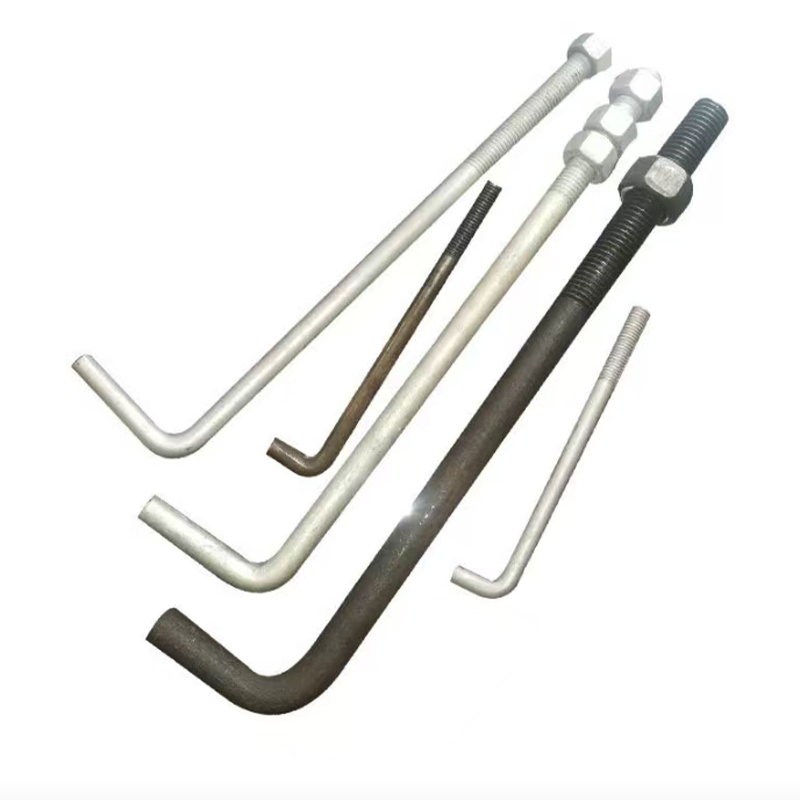 7 ki gen fòm lankr (7 ki gen fòm boulon jete lank)
 -
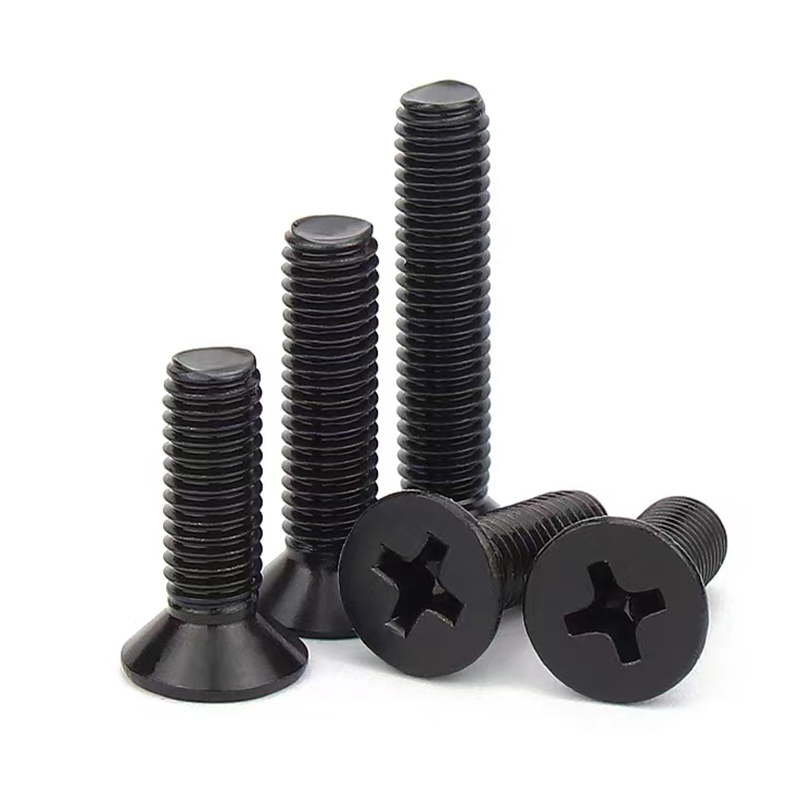 Nwa zenk plake countersunk boulon kwa
 -
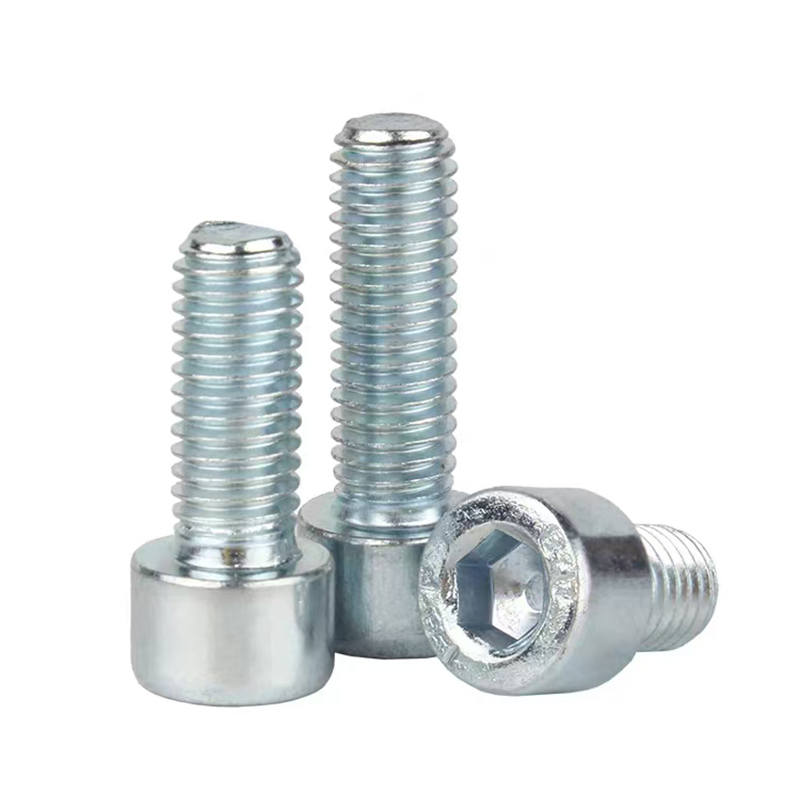 Egzagòn Socket Electrogalvanized boulon
 -
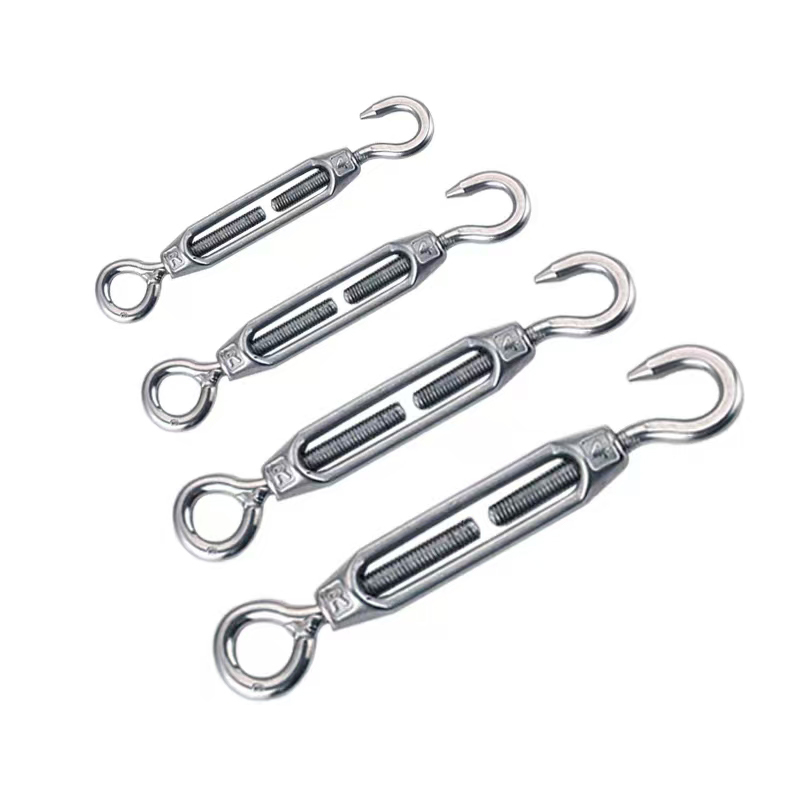 Boulon panyen
 -
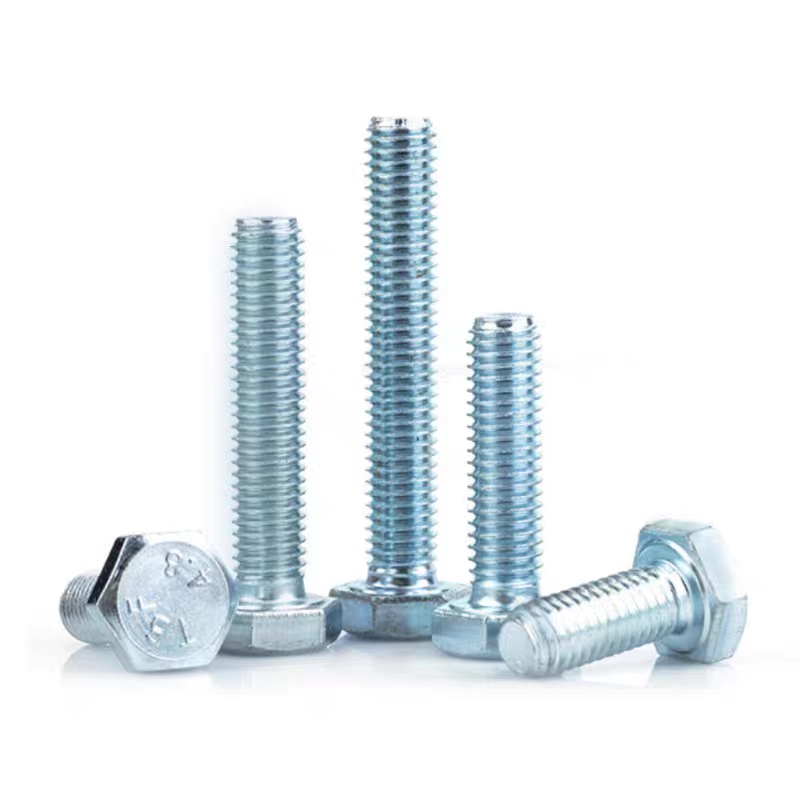 Boulon egzagonal
 -
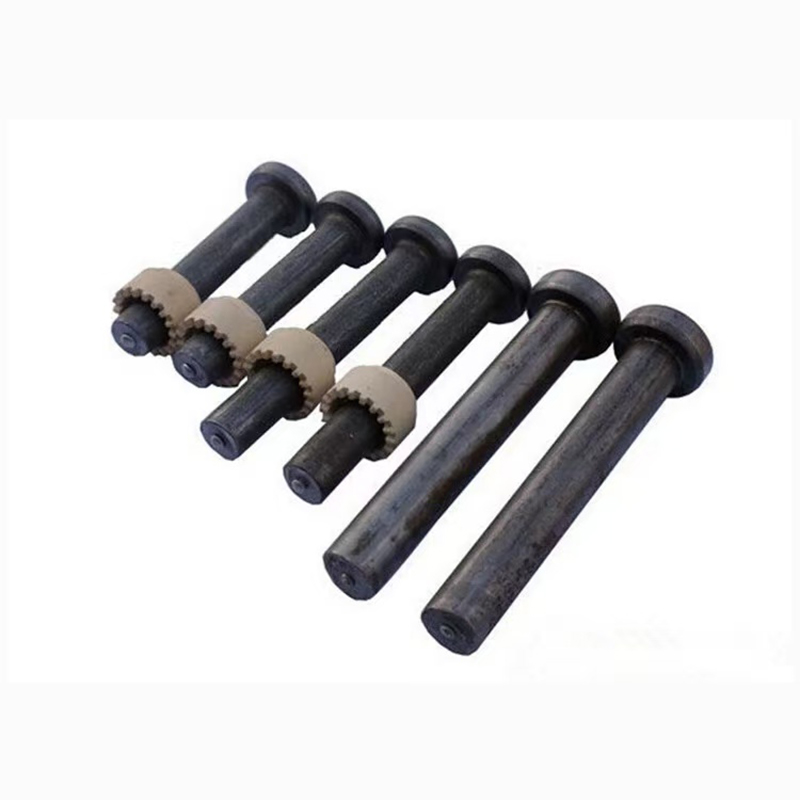 Klou soude
 -
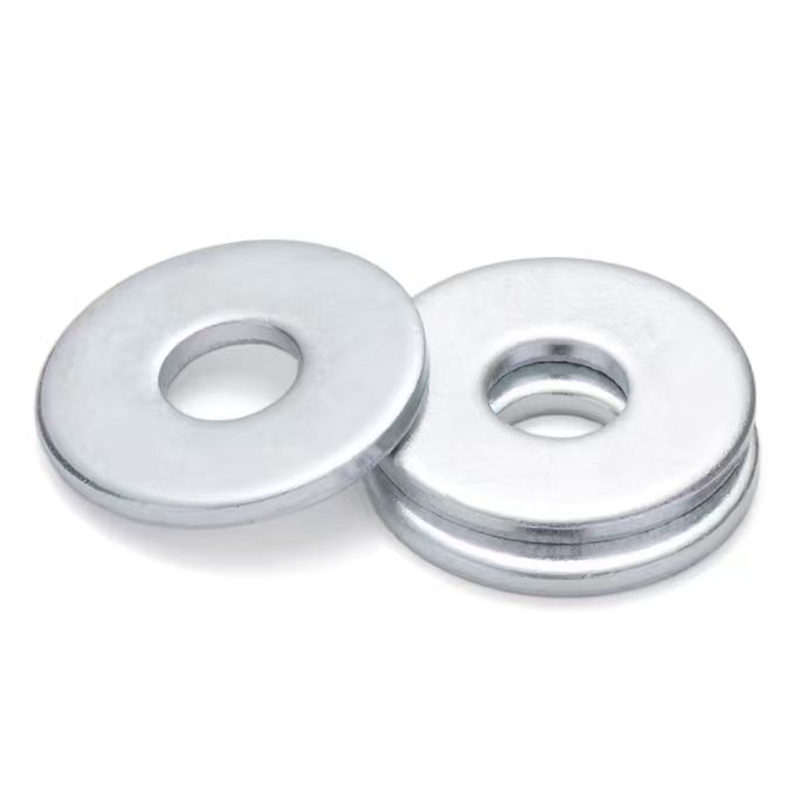 Electroplated Galvanised Galvanised